Latest Subwoofers
A subwoofer is a speaker that reproduces low frequency sound. It is designed to be placed in a corner of the room and aimed at the wall behind it. The subwoofer adds bass to the sound, making it more powerful and richer. It can be used with any audio system, but is especially useful for home theater systems. Here are some of the latest subwoofers available today.
Sort
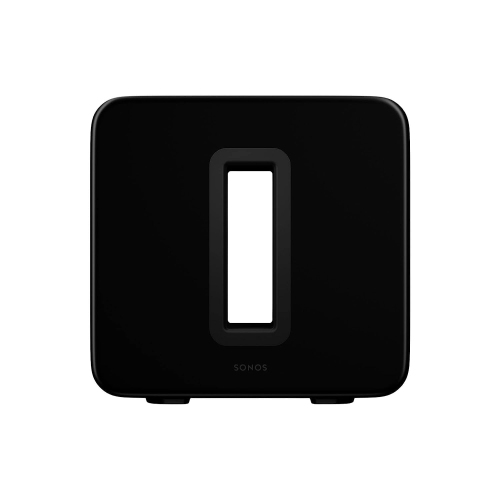
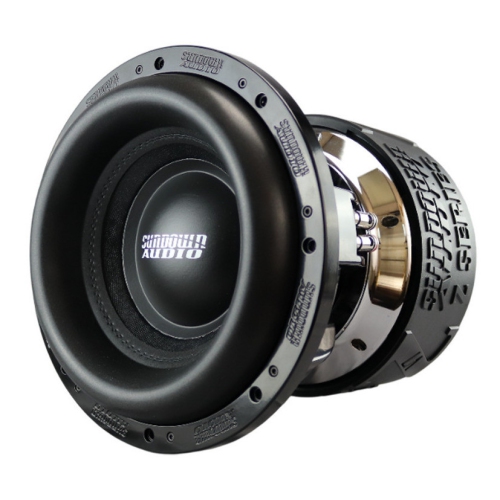
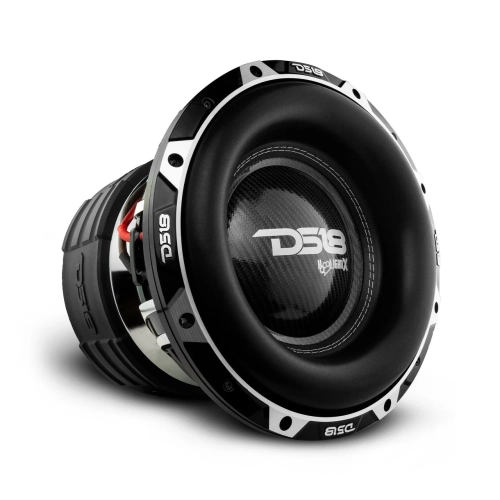
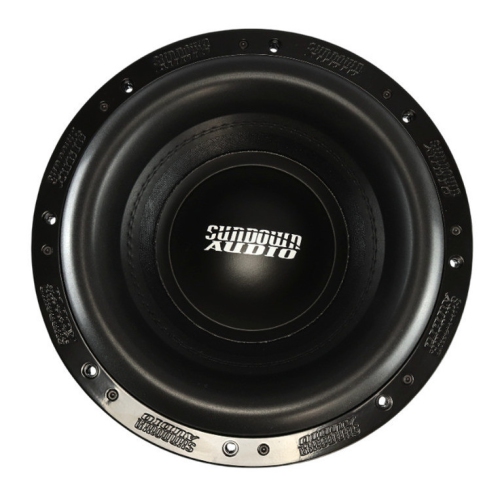
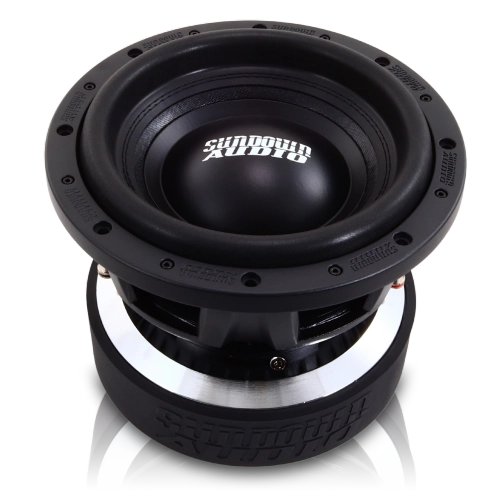
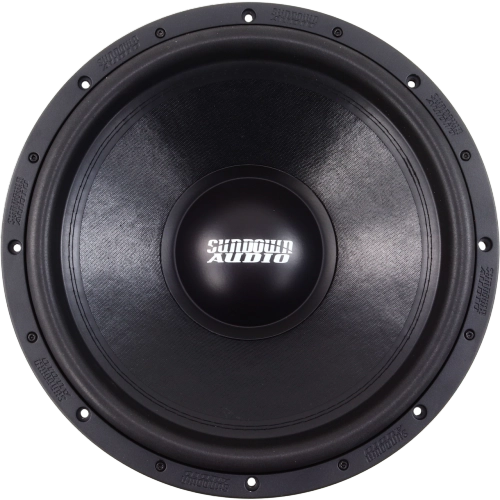
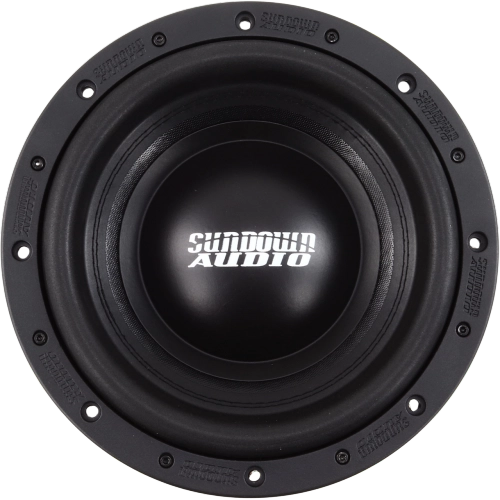
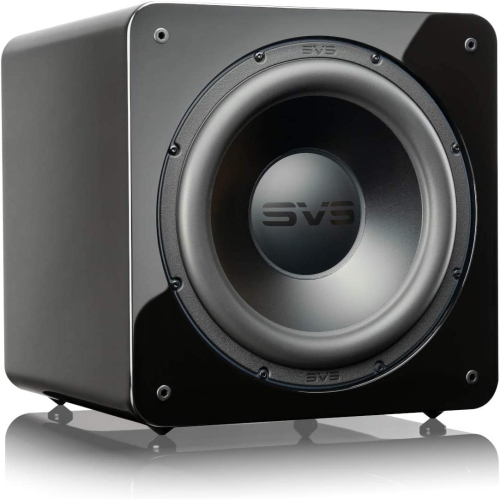

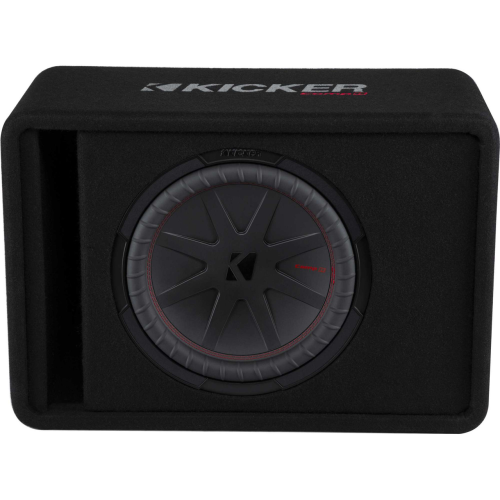
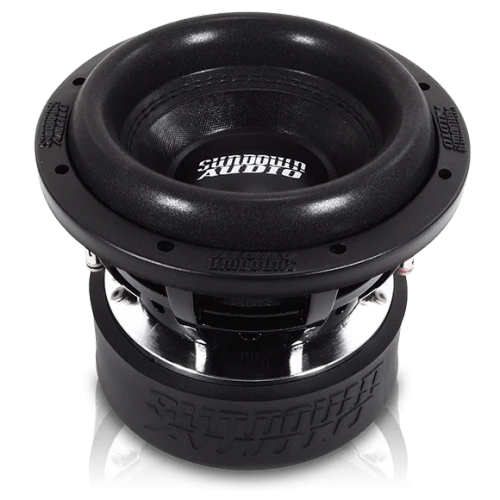
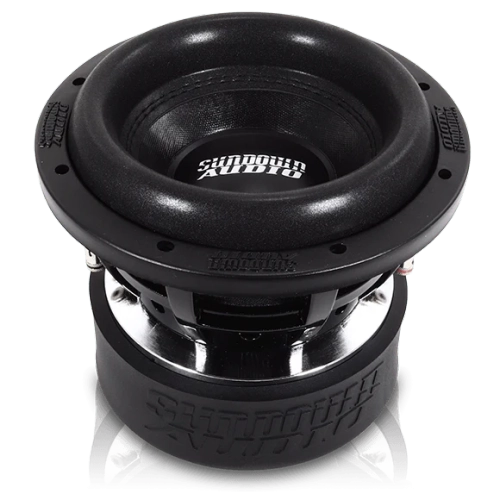

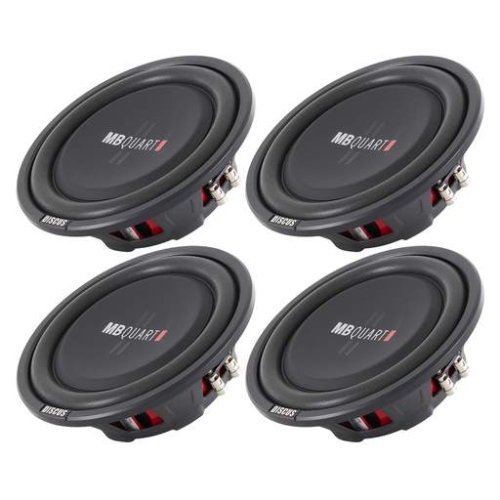
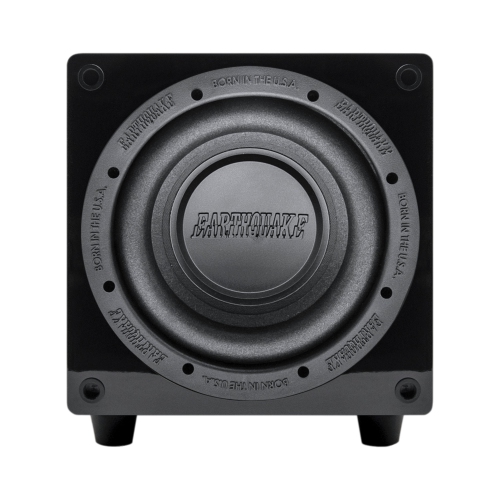
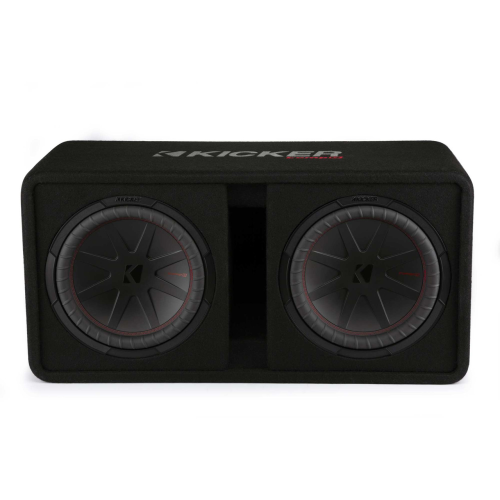
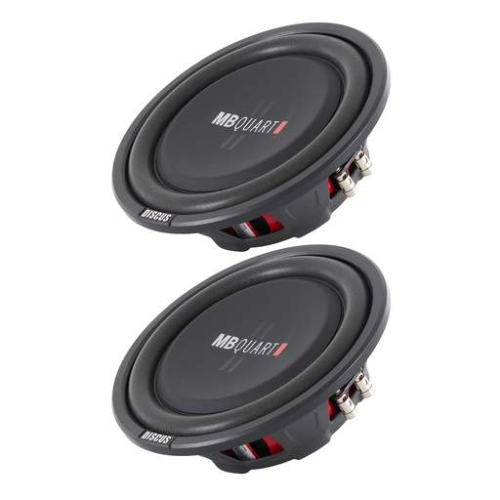

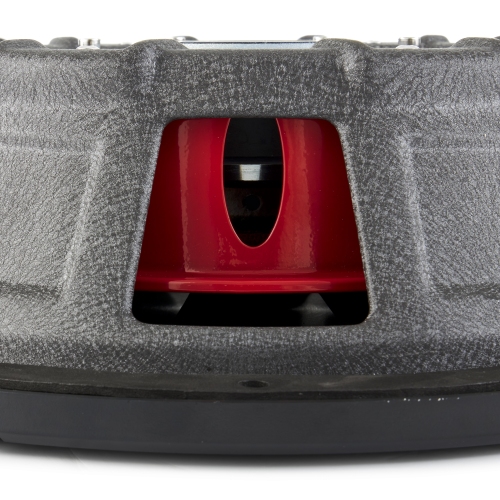
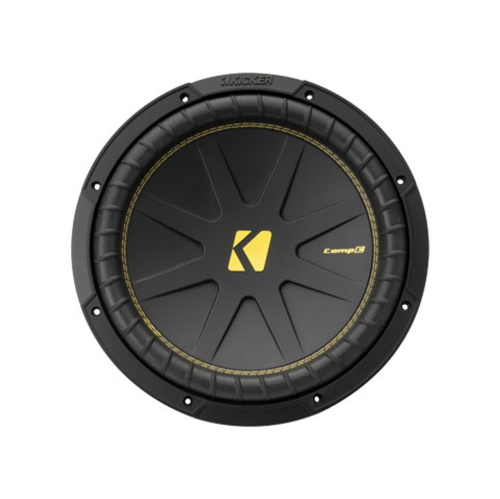
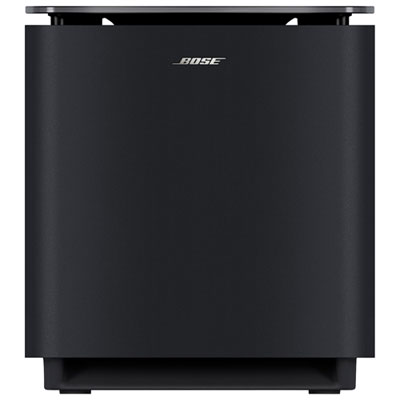
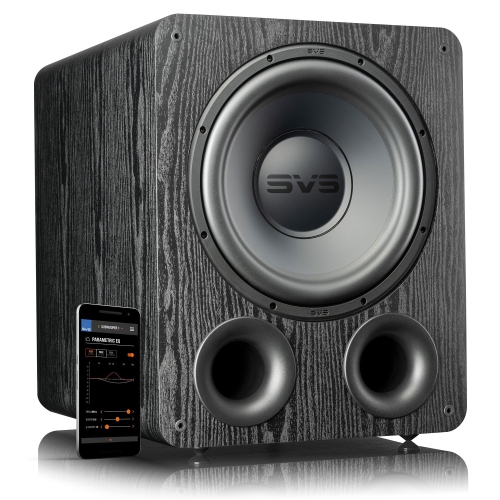



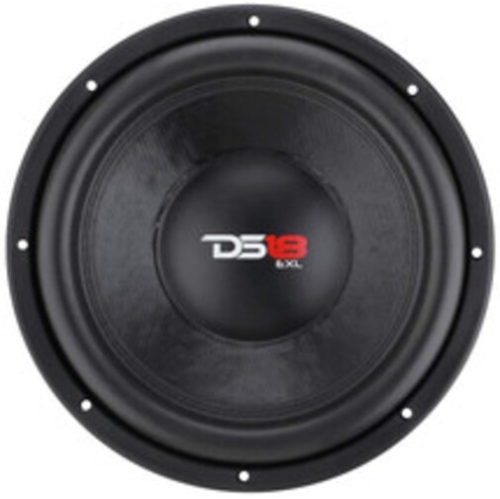
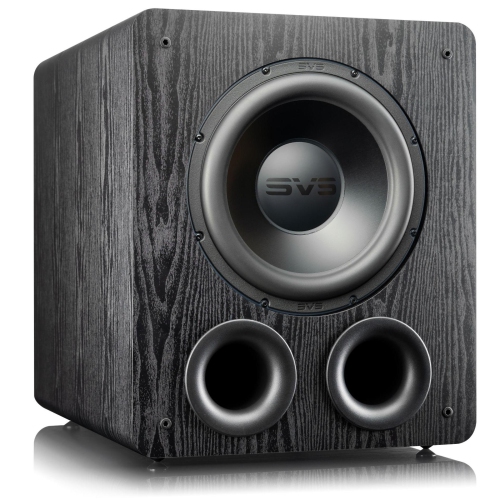
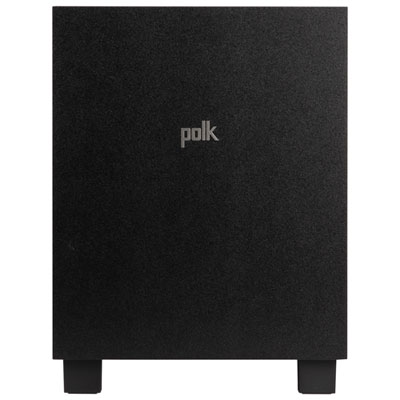
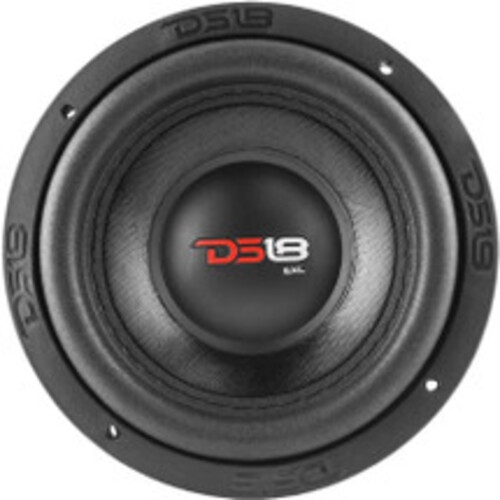

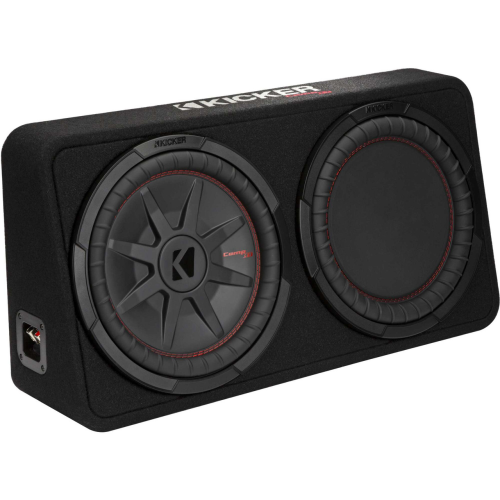
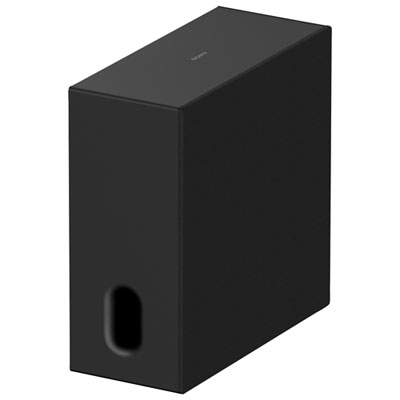
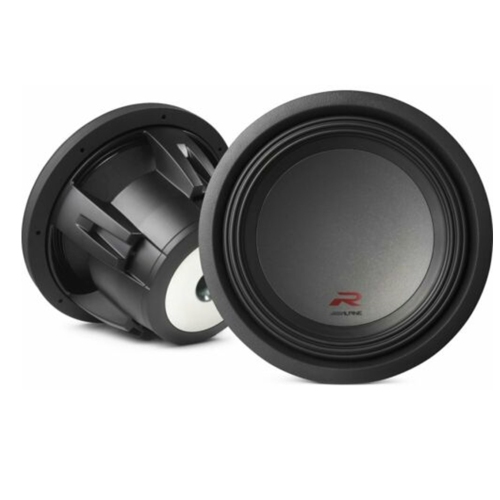
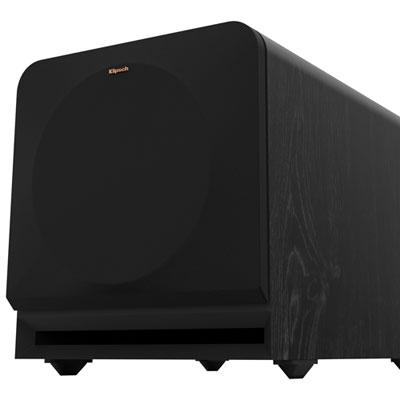
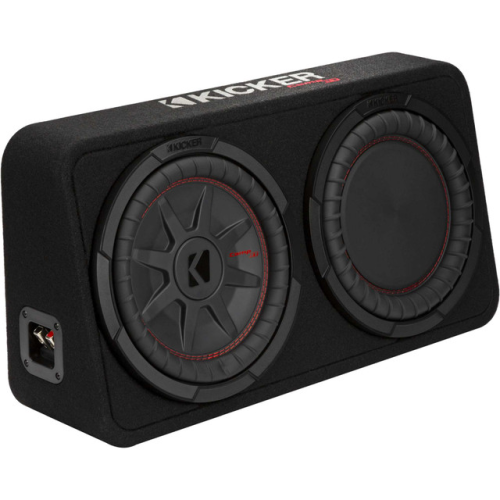
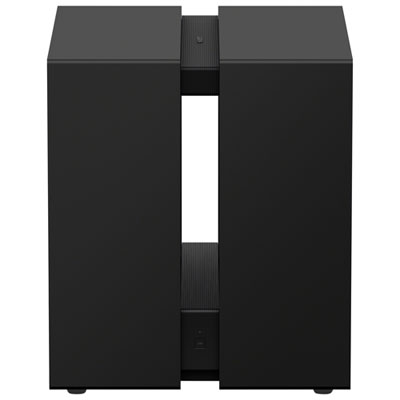

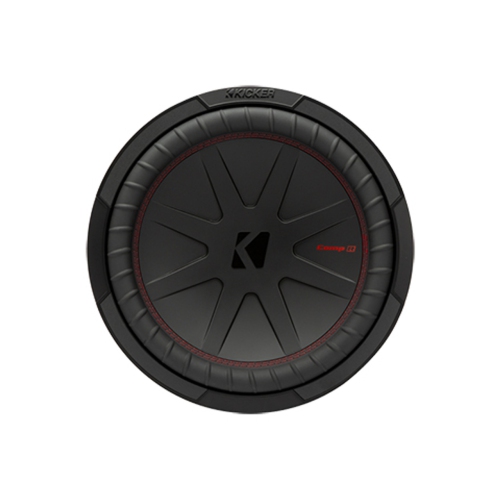
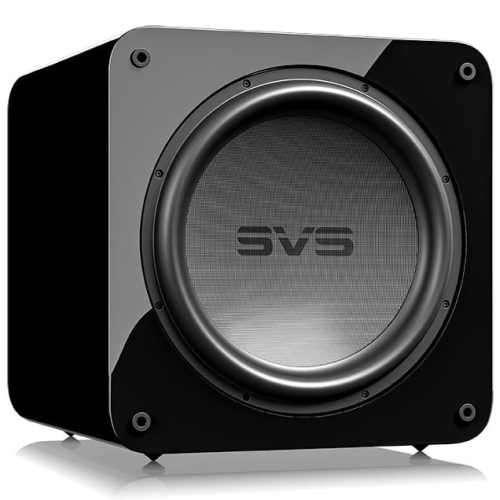
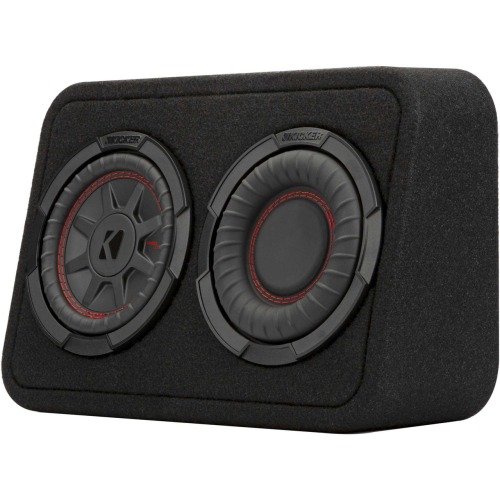
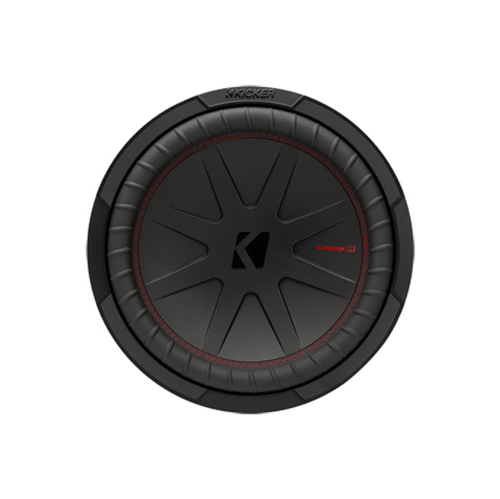

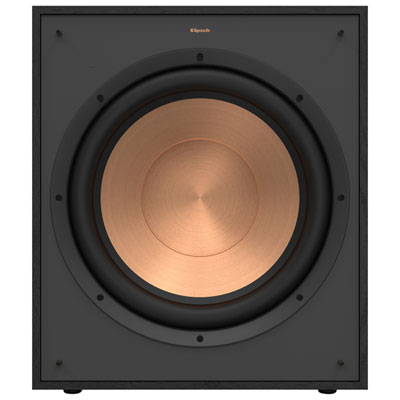

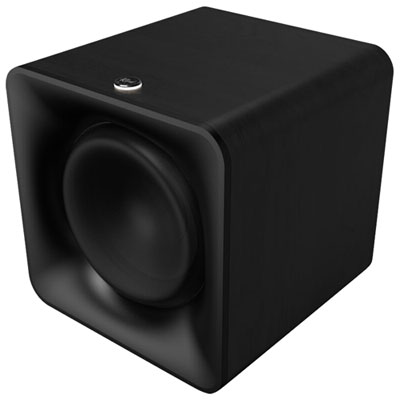
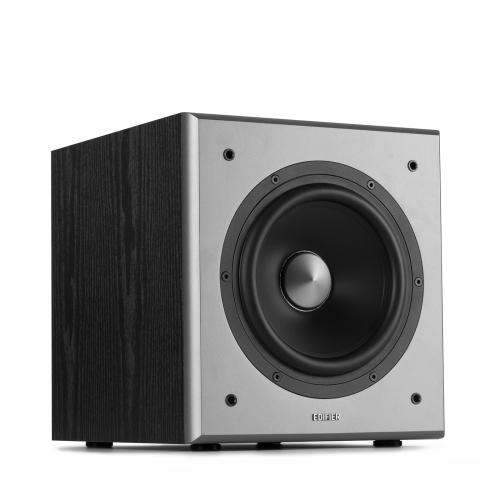
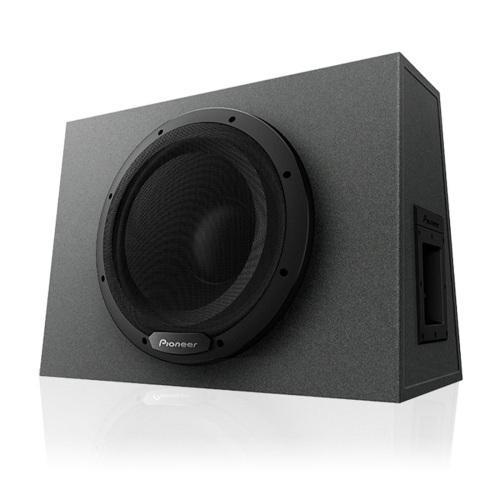
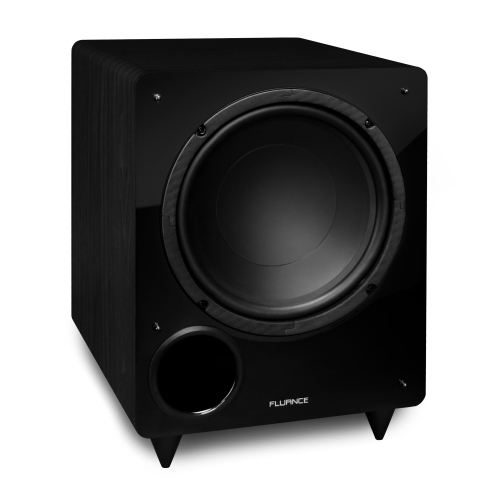

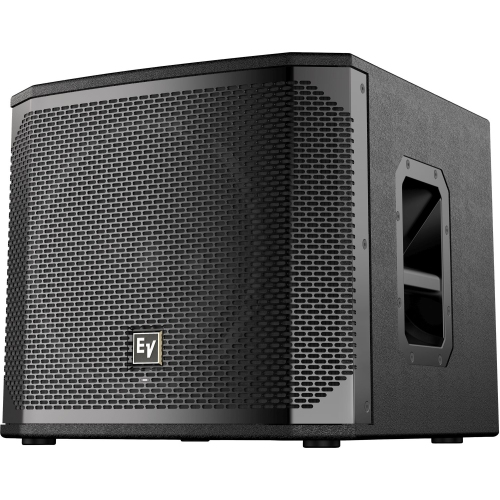
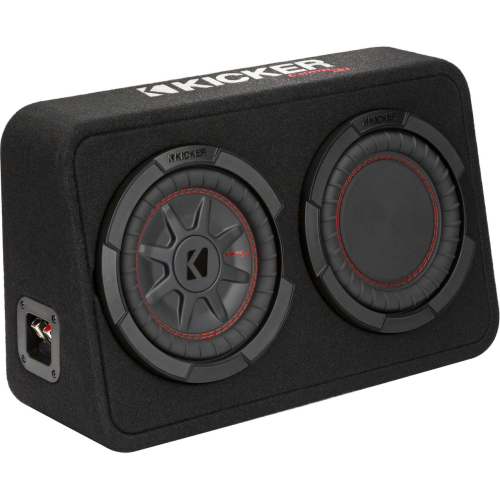
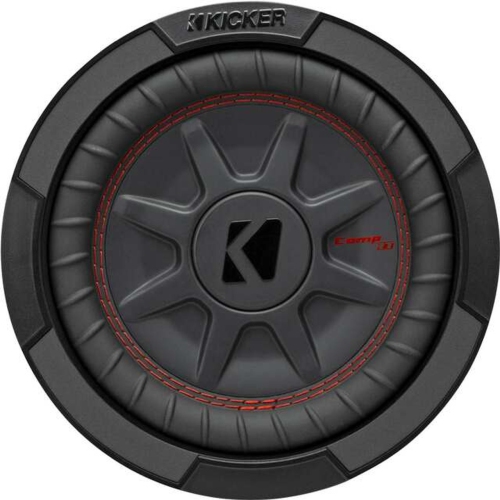
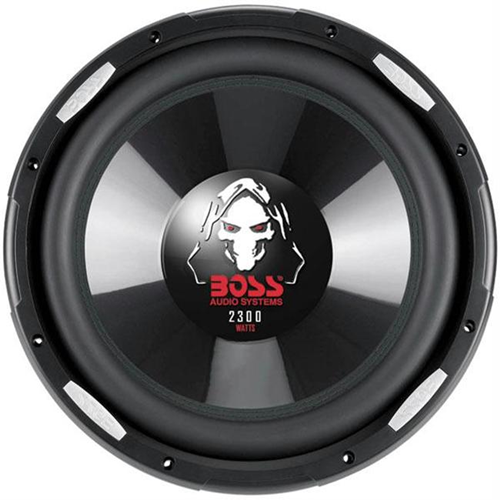

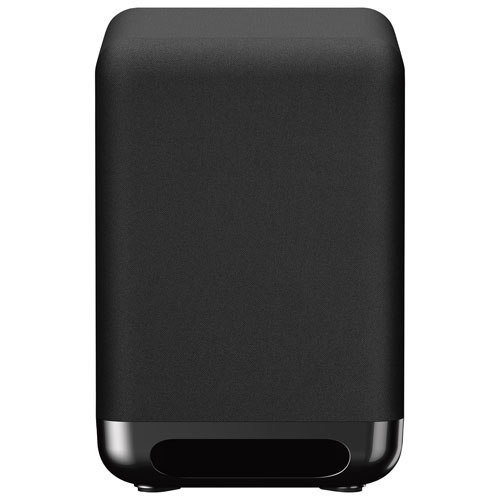



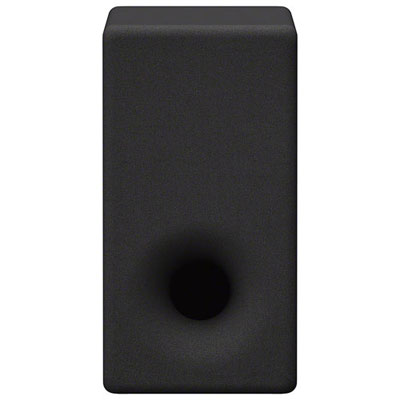
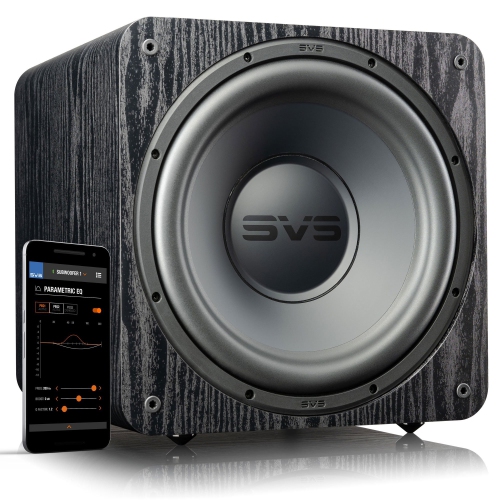


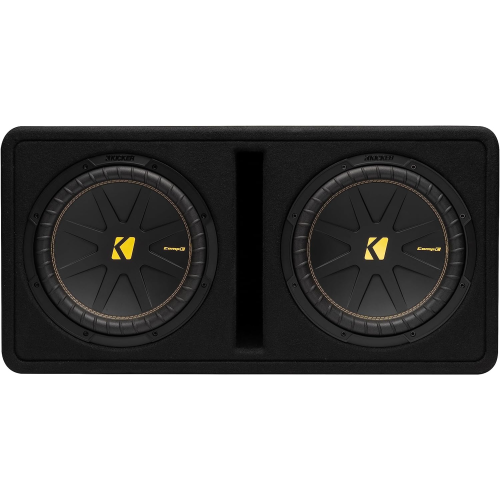
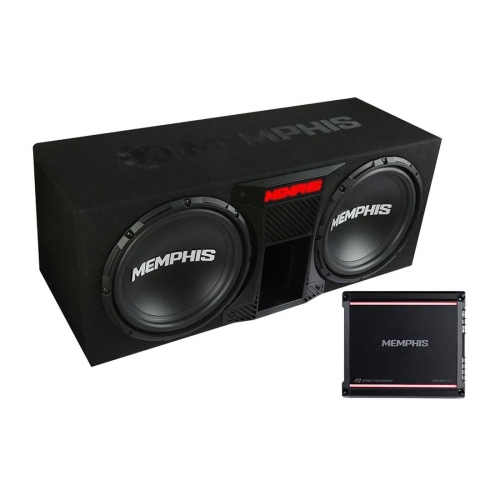
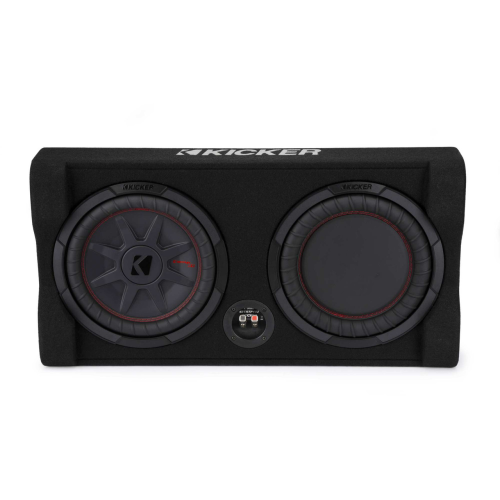
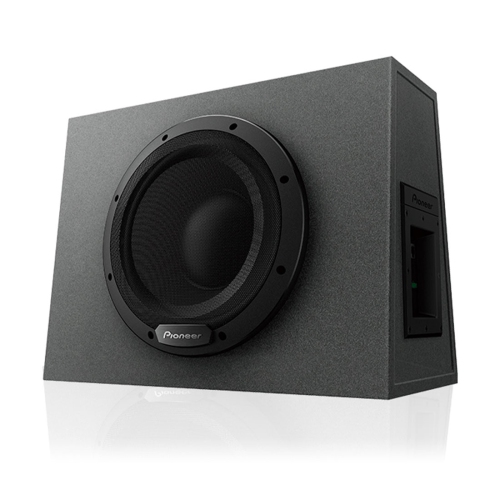
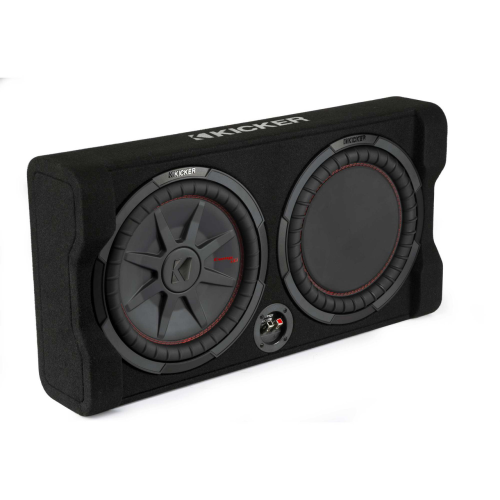

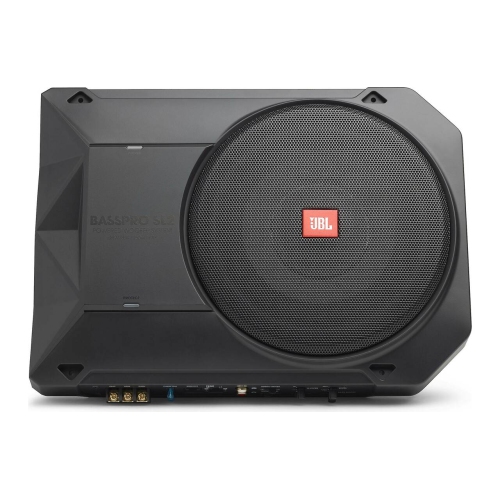

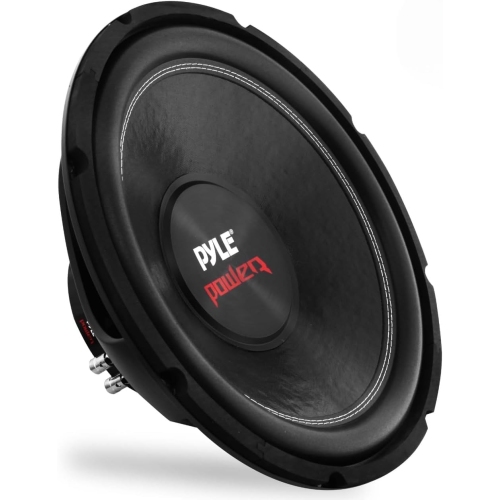
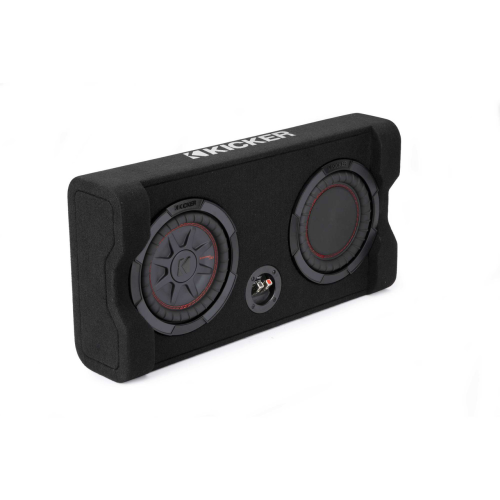
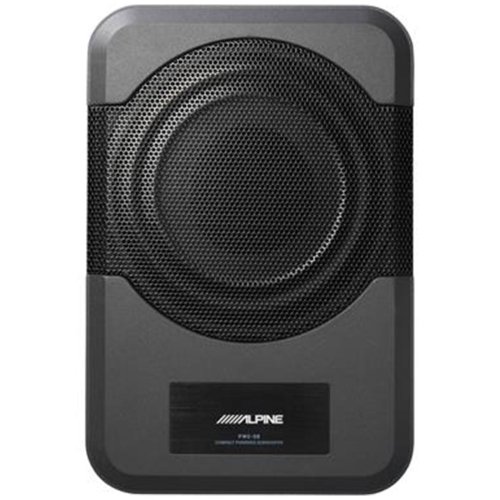
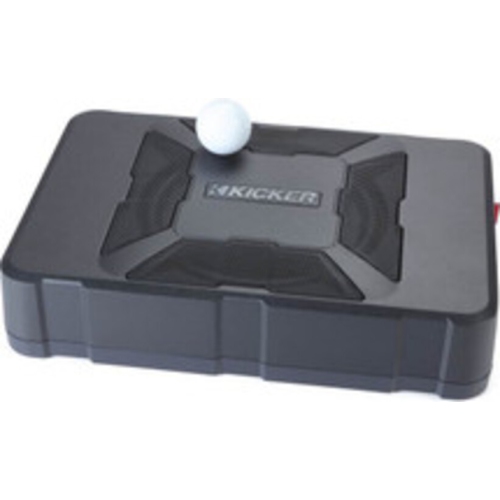
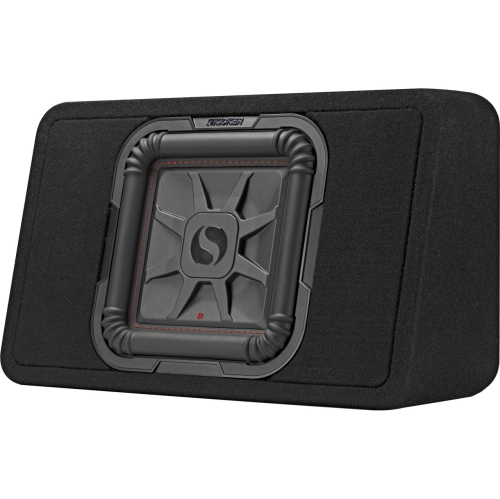
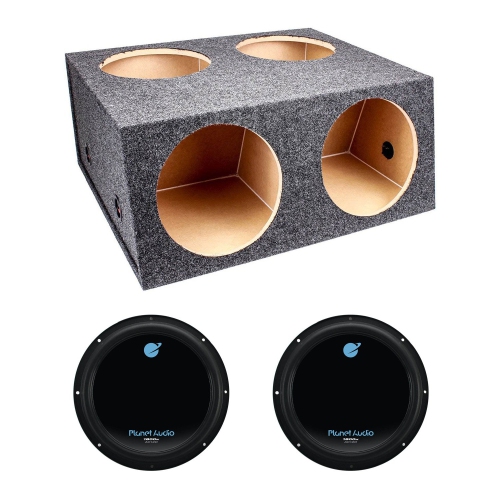
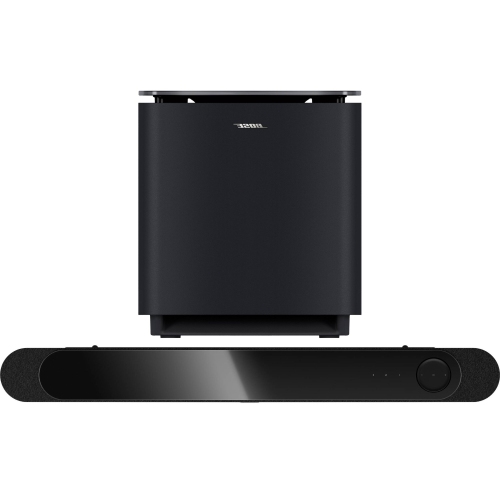
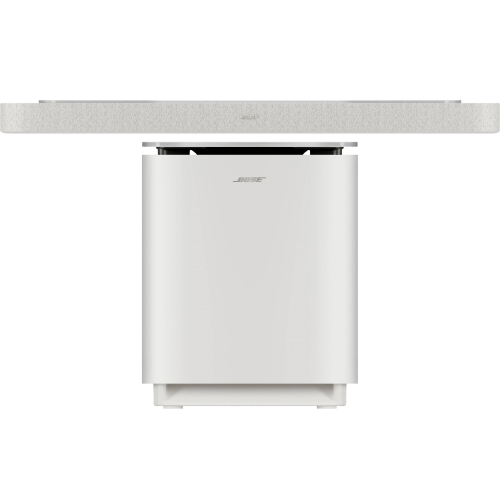
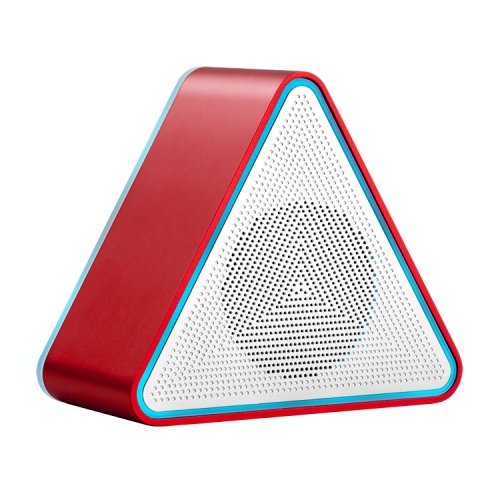
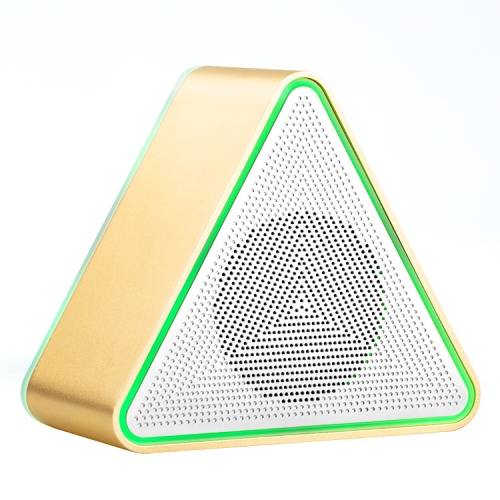
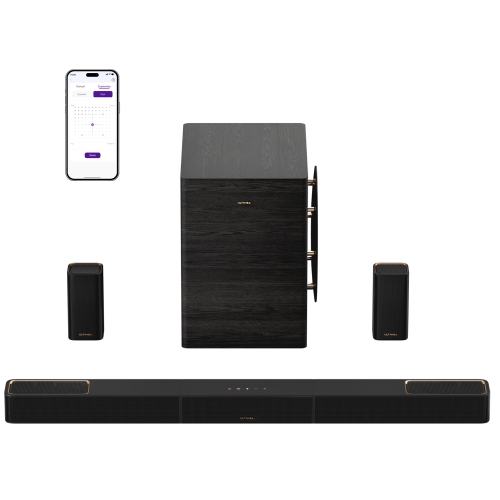
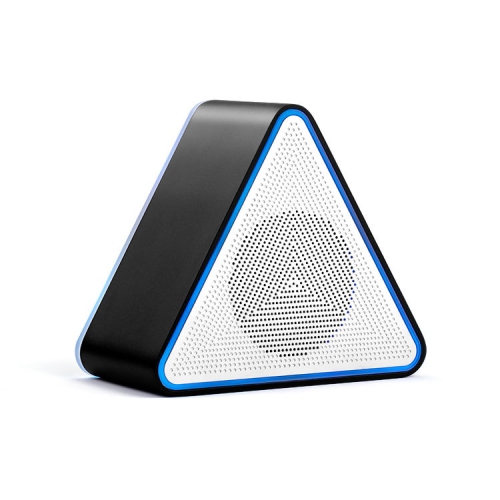

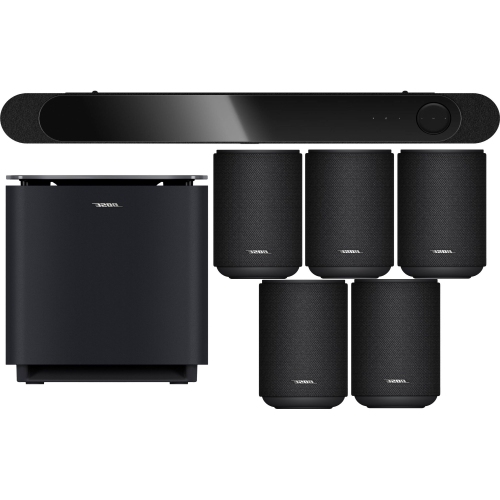
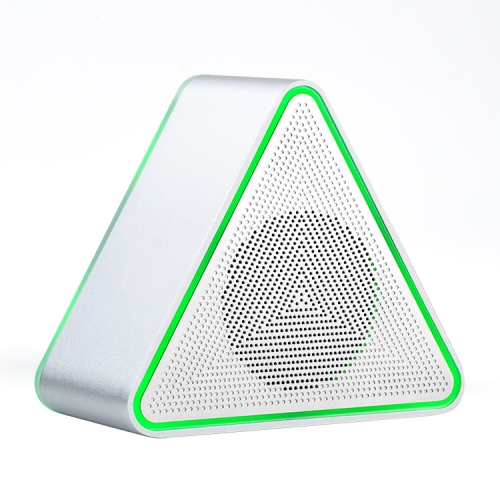
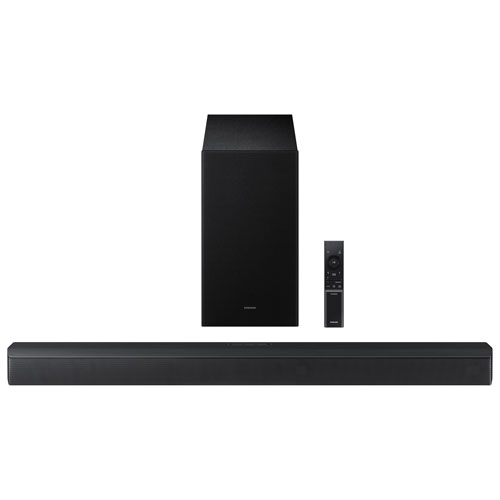
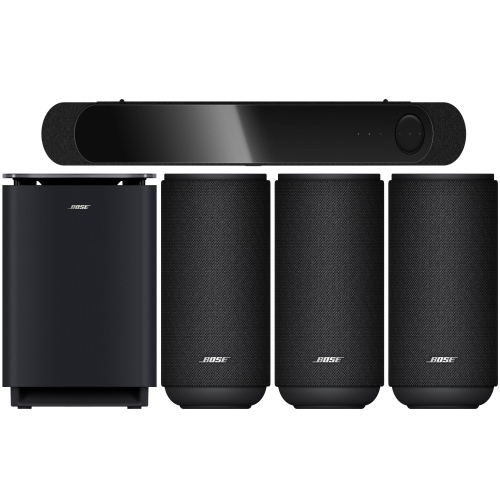
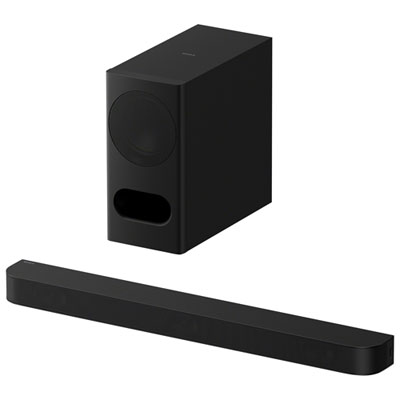


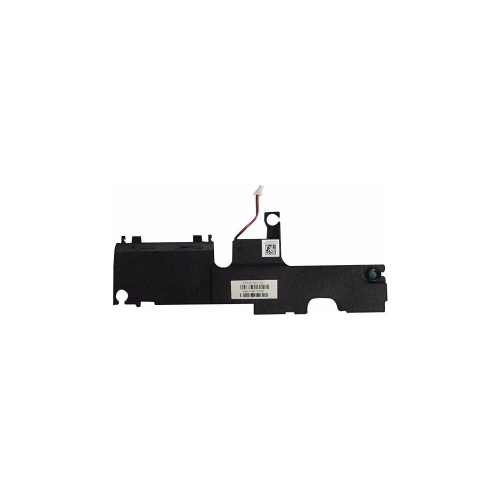
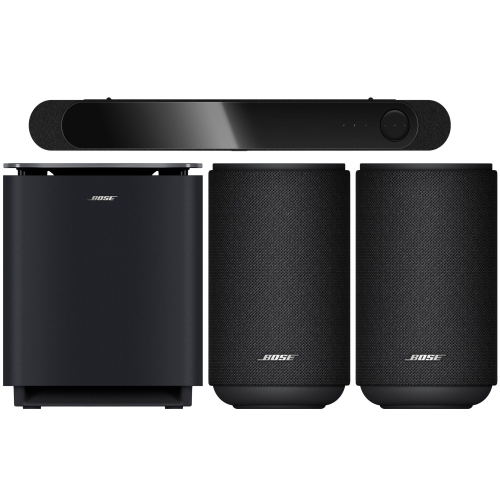


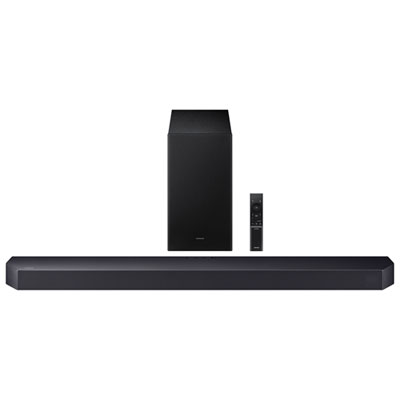
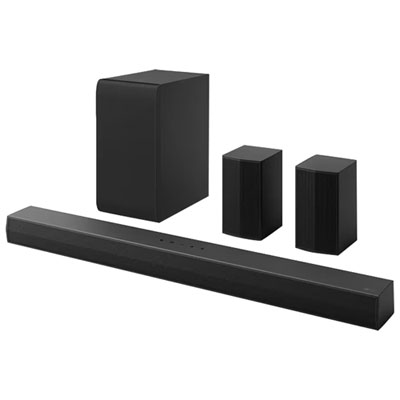

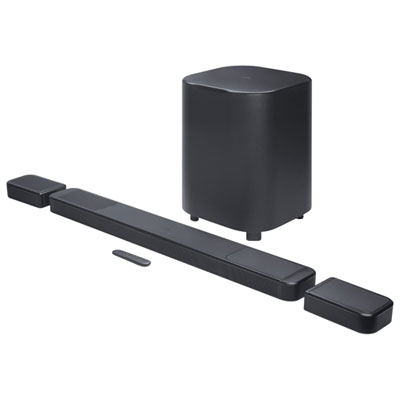
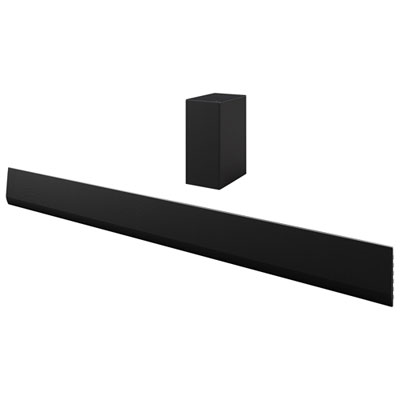
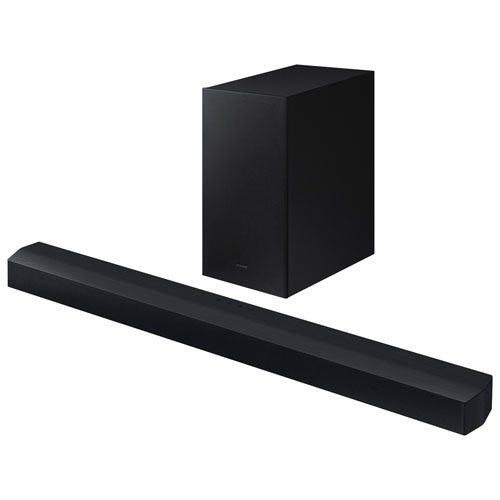
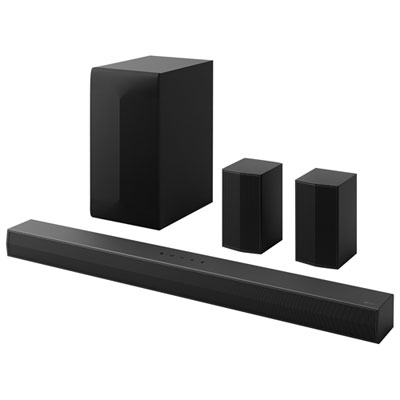

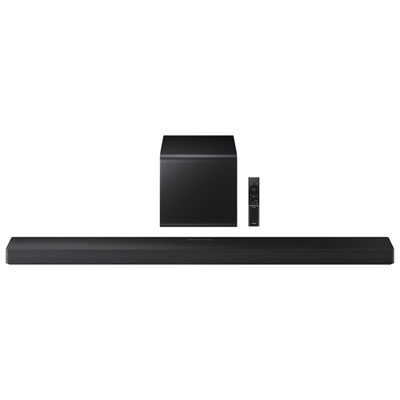
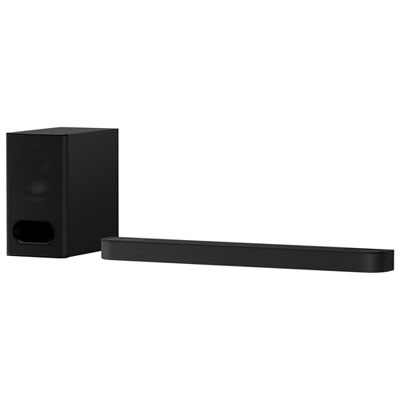
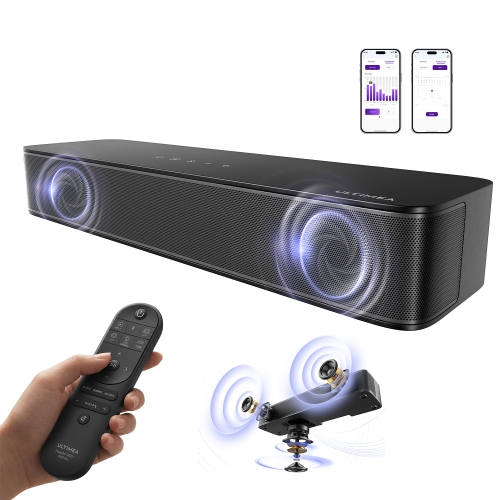
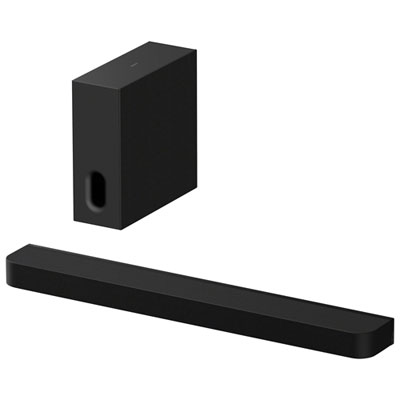
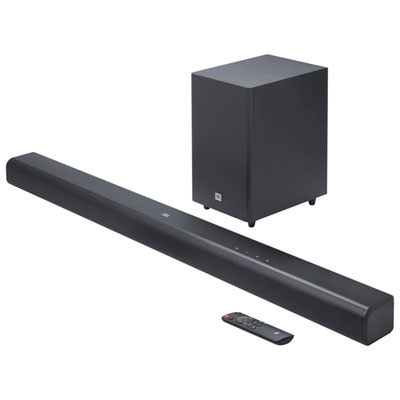
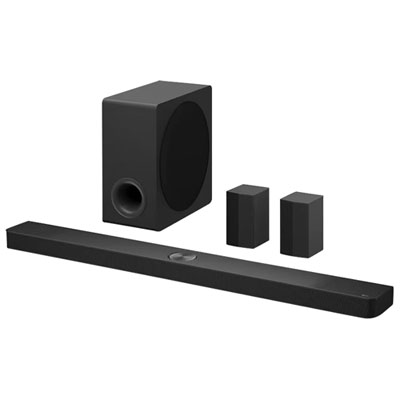
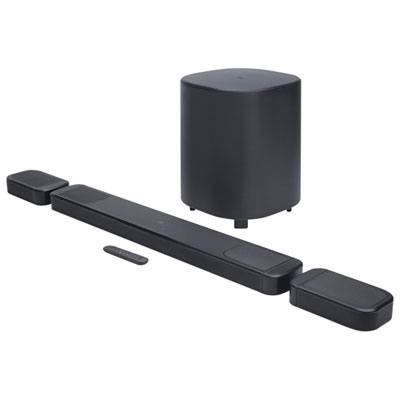
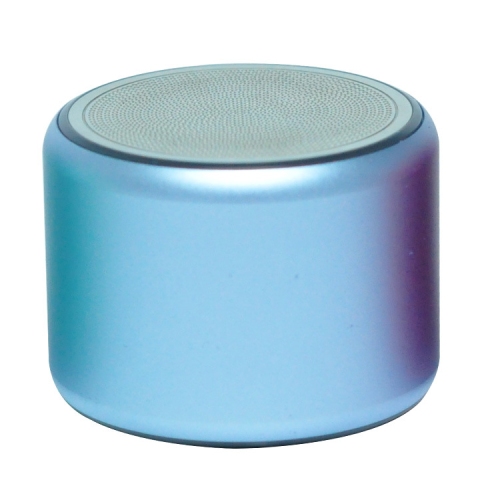
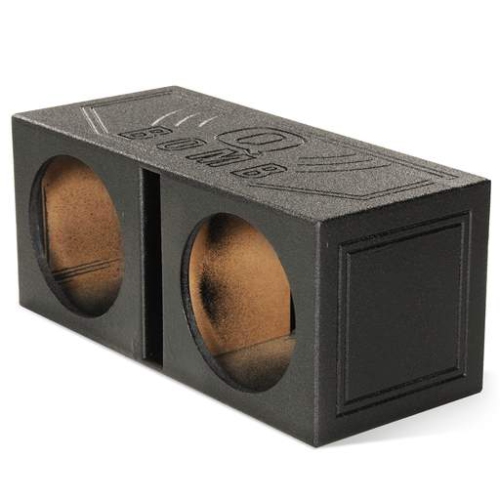
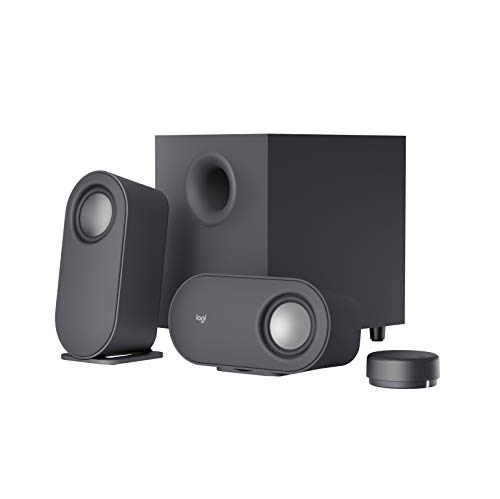
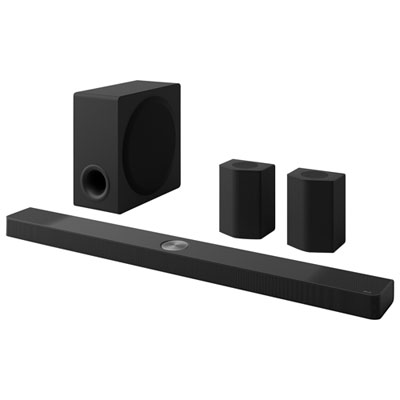
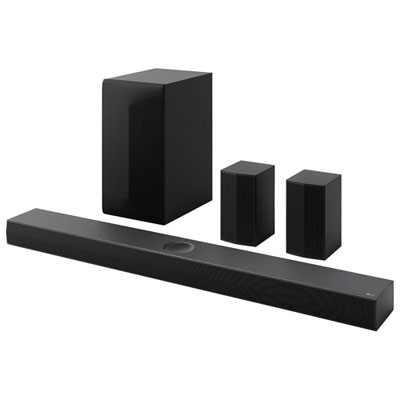
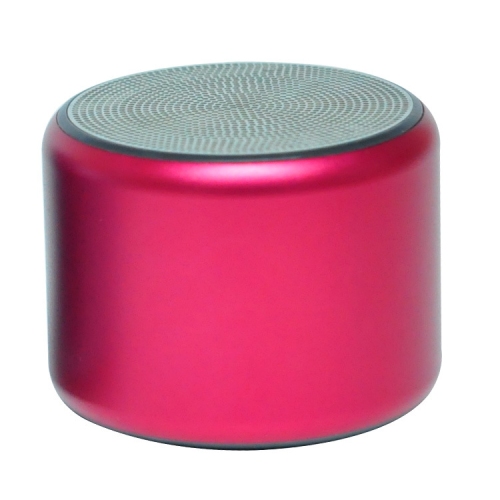

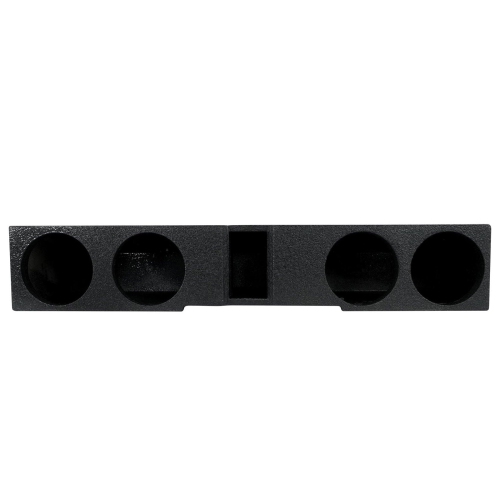



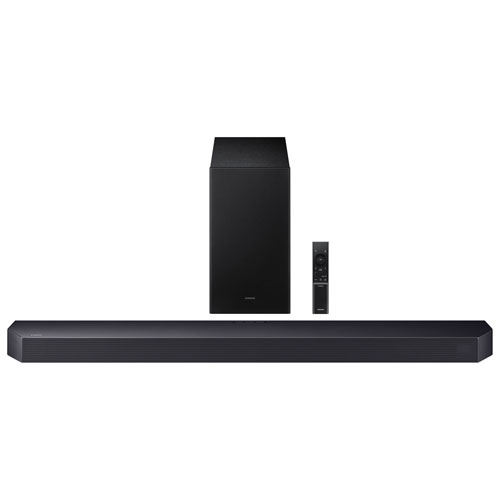

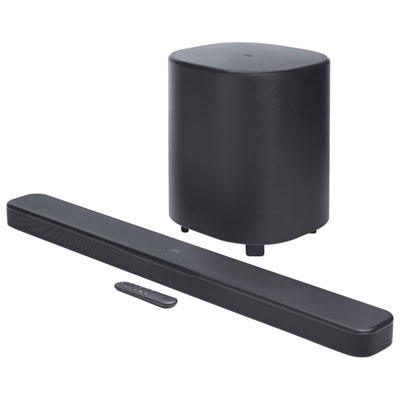
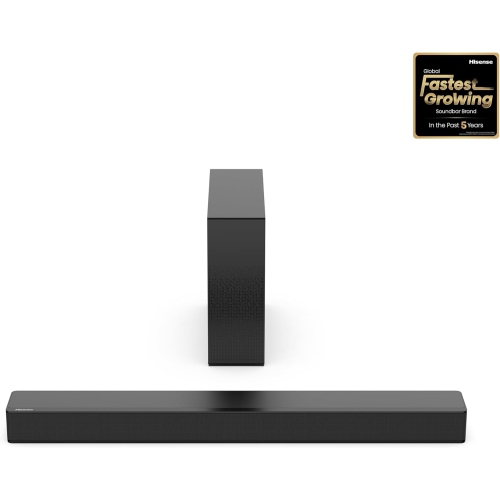
Deeper bass without drowning out the details
The latest subwoofers bring depth and weight to home audio, reproducing low frequencies that smaller speakers can struggle to deliver with authority. A subwoofer is a dedicated bass speaker, typically handling the lowest notes in music and the low-frequency effects in film soundtracks. Its contribution can be dramatic, like the rolling impact of a spacecraft passing overhead, or subtle, like the resonance of an upright bass beneath a quiet vocal. In a well-integrated system, that extra depth supports the sound rather than overwhelming it. Dialogue remains clear, instruments retain their character, and action scenes gain scale without every moment becoming a rumble. Recent subwoofer designs may combine compact cabinets with powerful amplification, app-based adjustments, or room-correction features, although capabilities vary by model. Powered subwoofers have a built-in amplifier and are common in home audio, while passive designs require a suitable external amplifier. Sealed cabinets often appeal to listeners seeking a compact footprint and a controlled bass presentation; ported cabinets use a tuned opening to support output around certain low frequencies and may suit larger spaces or demanding film soundtracks. Neither design is automatically better for every listener, since cabinet tuning, driver performance, placement, and room acoustics all affect the result. Driver sizes such as 8-inch, 10-inch, and 12-inch offer a useful starting point for understanding physical scale, but diameter alone does not establish how deep or cleanly a subwoofer will play. Amplifier specifications also need context: continuous power, short-term peak power, and measured output describe different aspects of performance. For music lovers, film enthusiasts, and players who enjoy expansive game audio, the most satisfying addition is one that works naturally with the existing speakers and listening space. Even at moderate volume, a capable subwoofer can reveal the texture of a bass guitar, the decay of a low piano note, or the distant thunder within a soundtrack. That sense of depth is valuable in both a dedicated media room and a living room shared with everyday activities.
Room size and system compatibility shape how a subwoofer fits into daily listening. A compact enclosed room generally needs less output than an open-plan space connected to a kitchen or hallway, where bass energy spreads through a larger area. Physical fit matters too: a cabinet should leave room for its connections, any ventilation specified by the manufacturer, and clearance around a port or exposed driver. A spot beside the television may look convenient, but bass response can change noticeably between locations because walls, corners, and room dimensions reinforce some frequencies and weaken others. A corner can increase output, yet it may also make certain notes sound too prominent. Positioning and calibration help achieve an even balance at the main seats rather than simply producing more bass in one part of the room. Many home theatre receivers provide a dedicated subwoofer or LFE output, while some stereo amplifiers use a pre-out connection; other setups may need a subwoofer with speaker-level inputs. Soundbar compatibility deserves particular attention because many soundbars pair only with designated subwoofers rather than accepting any powered model. Wireless audio connections can reduce the need for a signal cable across the floor, but a powered wireless subwoofer still needs access to an electrical outlet. Where supported, app controls make it easier to adjust level, phase, and crossover settings from the listening position. The crossover determines how bass is shared between the main speakers and the subwoofer, helping the system blend instead of sounding like separate sources. Room correction can further improve integration, though it cannot replace sensible placement or overcome every acoustic limitation. In a larger setup, two properly positioned and calibrated subwoofers can help distribute bass more evenly across several seats, rather than serving only to increase volume. For apartment living or a shared household, measured playback levels and listening schedules remain important; isolation feet may reduce some mechanical vibration, but they do not prevent low-frequency sound from travelling through a building.
Construction and everyday usability are worth considering alongside sound. Subwoofer cabinets commonly use dense engineered wood with internal bracing to limit unwanted panel vibration, while finishes may include vinyl wraps, paint, or wood veneer. A matte surface can sit discreetly beside a media unit, whereas a glossy finish may show fingerprints and require more frequent gentle cleaning. Driver cones can use treated paper, polymers, metal, or composite materials, each forming part of a broader design that includes the surround, motor, suspension, and amplifier. No single cone material guarantees better bass; rigidity, weight, damping, and the way the components work together all matter. A protective grille can be useful in a busy family room, particularly where an exposed cone could be touched or bumped, although it is not a substitute for careful placement. Stable feet, accessible controls, and clearly labelled connections make ownership easier, especially when equipment sits beside furniture or beneath a screen. Cabinets should stay dry, with drinks kept away from the top and cables routed where they will not be pinched or become a tripping hazard. For routine care, a soft, dry cloth is usually appropriate for the exterior, subject to the manufacturer’s directions; cleaning sprays should not be applied directly to drivers, ports, controls, or connections. Ventilation openings need to remain clear, and moving a heavy cabinet is easier with help rather than by lifting it from the grille or driver. A subwoofer can be a thoughtful gift for someone building a stereo system, refining a home theatre, or adding depth to a gaming space, provided the connections, dimensions, and listening needs are understood beforehand. For another way to explore this category, Popular Subwoofers for Home Audio offers a related selection. Whether the aim is understated musical warmth or convincing cinematic impact, the right fit combines useful low-frequency extension, clean output, suitable controls, and a cabinet that belongs comfortably in the room.
Top selling and popular products
-
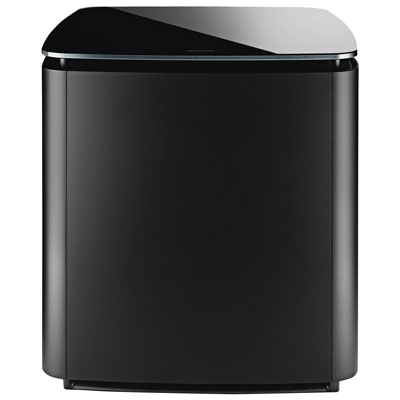 Your price for this item is $849.99
-
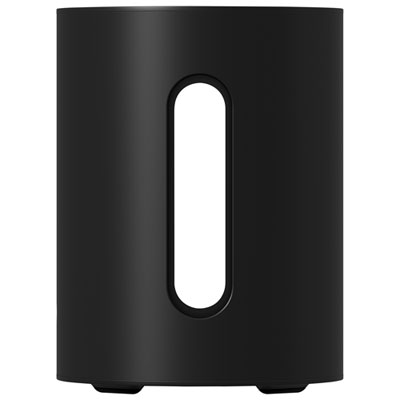 Your price for this item is $649.99
-
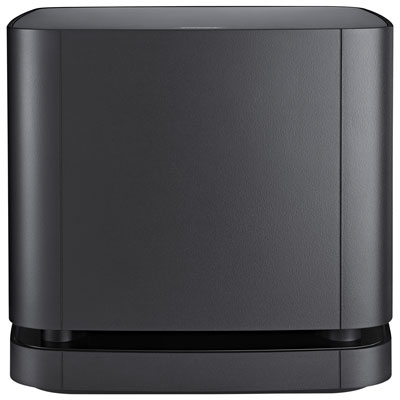 Your price for this item is $599.99
-
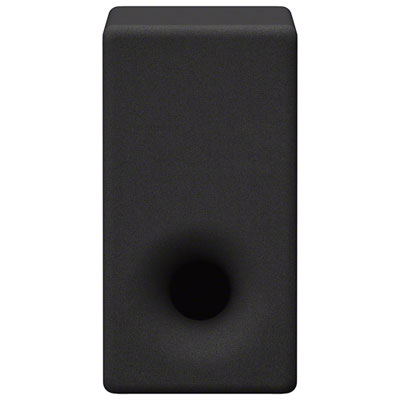 Your price for this item is $399.95
-
 Your price for this item is $1149.99
-
 Your price for this item is $799.99
-
 Your price for this item is $899.99
-
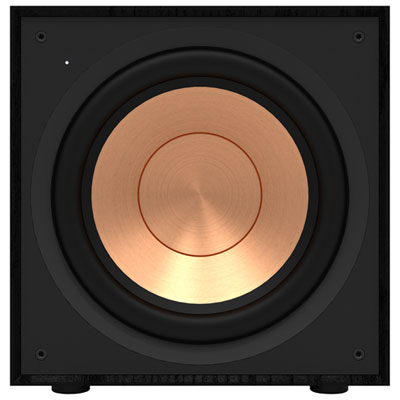 Your price for this item is $599.99
Discover more categories related to Latest Subwoofers
Top Collections:
Best Black Friday Deals This Year, Best Black Friday Deals On Electronics, Kindle Devices, Pokemon Centers, Best Black Friday Deals On Apple Products, Best Cameras for Sports Photography, Dyson Airwrap, Pokémon 30th Celebration Cards, Apple iPhone 17 Pro, Canon G7X Cameras
Some products may be subject to Environmental Handling Fees
(EHF) depending on your province.
Learn more about EHFs.