Nintendo Switch Party Games
Get ready to elevate your gaming nights with an exciting collection of Nintendo Switch party games that promise endless fun and laughter for players of all ages. Whether you're hosting a family gathering or a spontaneous get-together with friends, these games are designed to bring everyone together, offering a perfect blend of competition and cooperation. Dive into vibrant worlds filled with engaging challenges, creative gameplay, and interactive experiences that keep the excitement alive. With options that cater to every preference, from action-packed adventures to strategic showdowns, there's something for everyone to enjoy. Transform any occasion into a memorable event with these must-have party games for the Nintendo Switch.
Sort
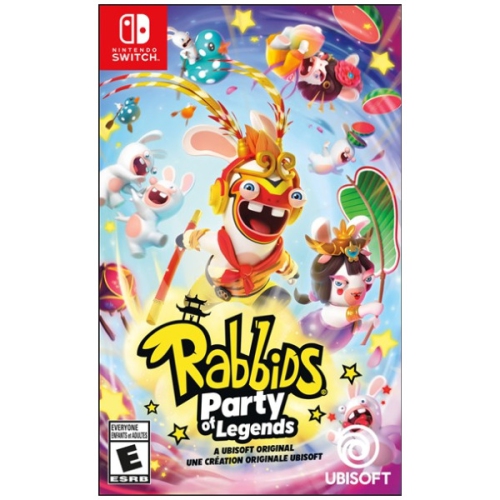
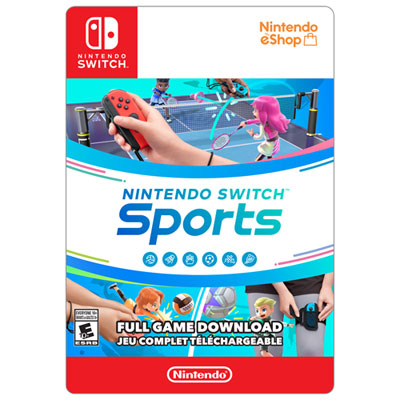
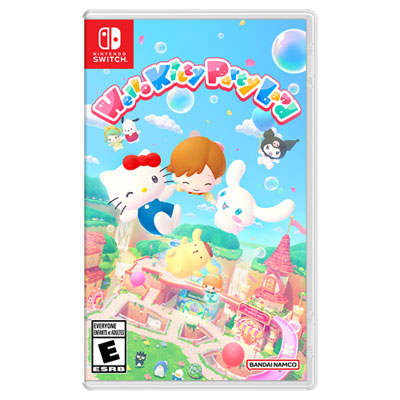
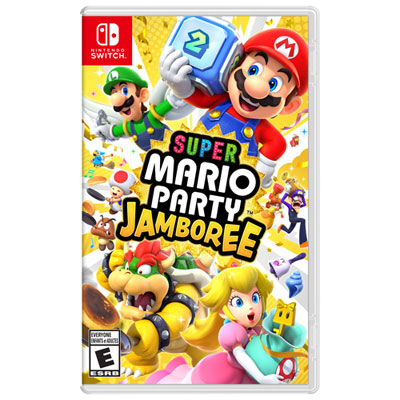
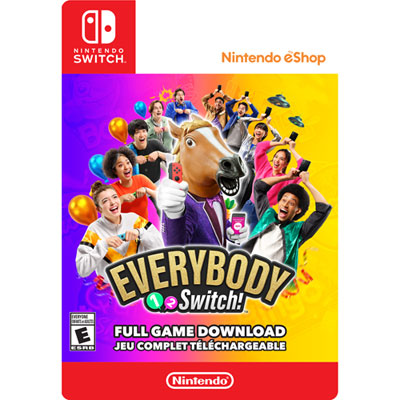
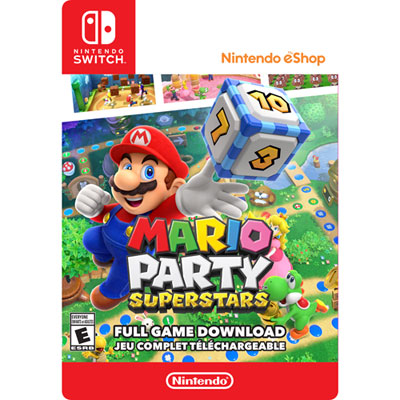
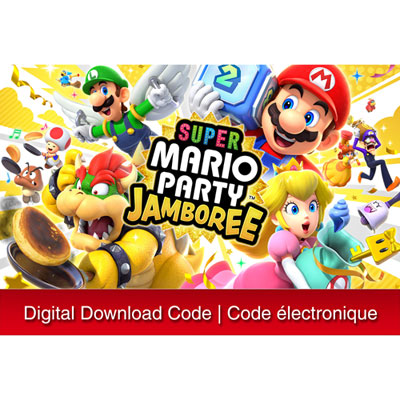
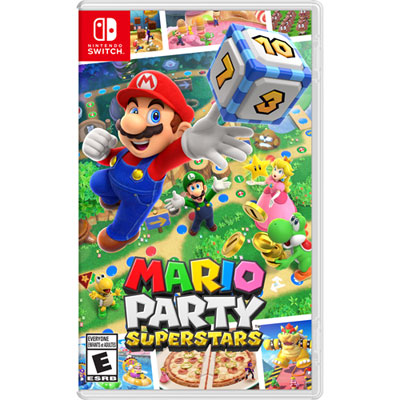
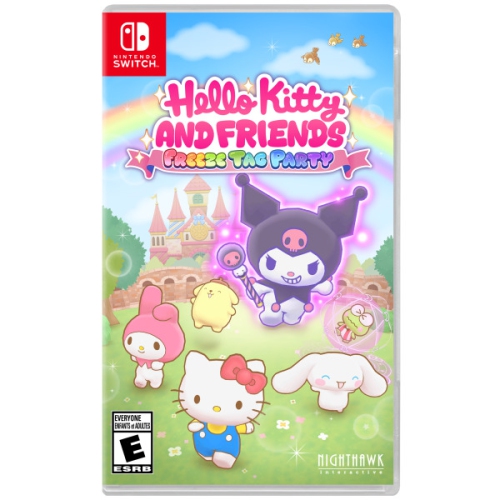
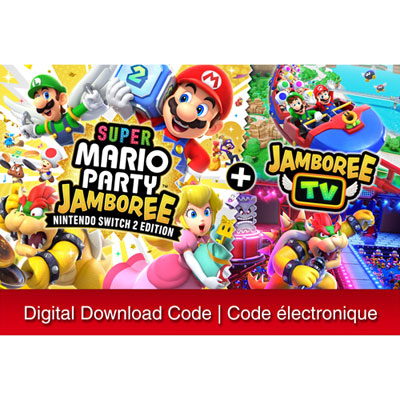
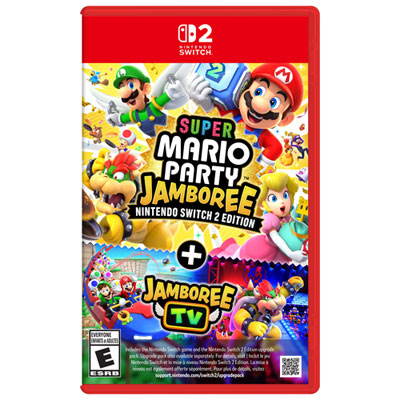


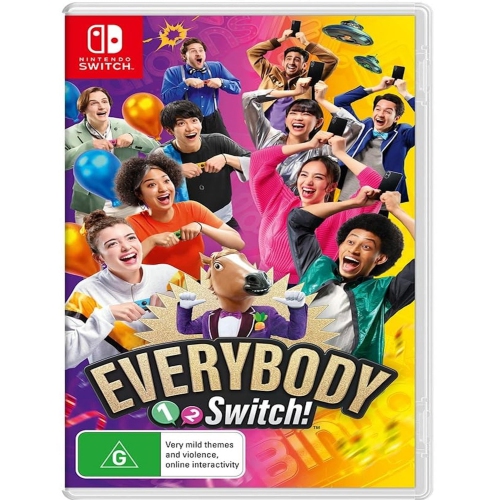
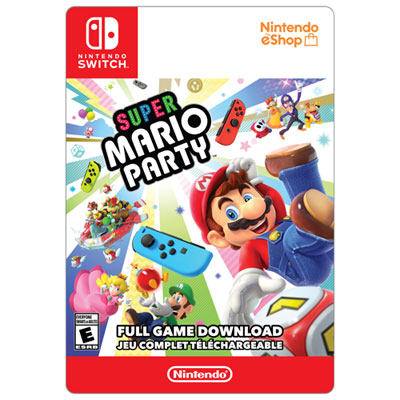
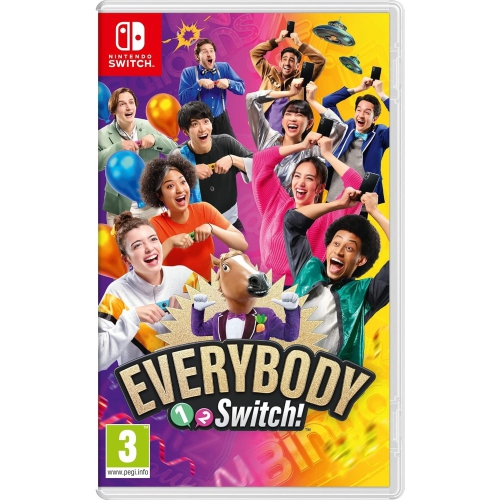
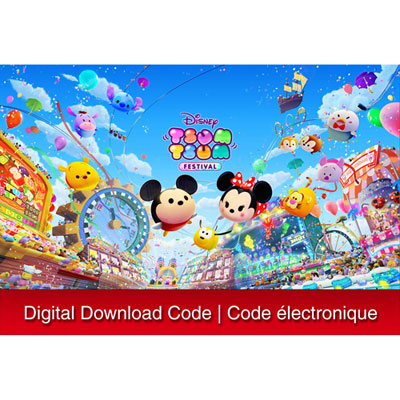
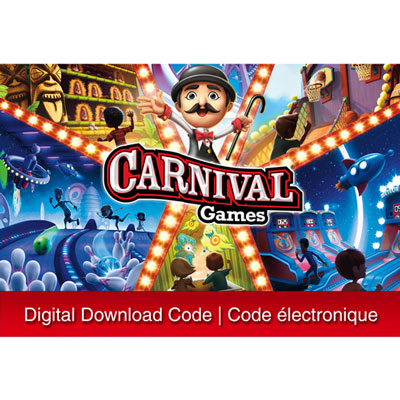
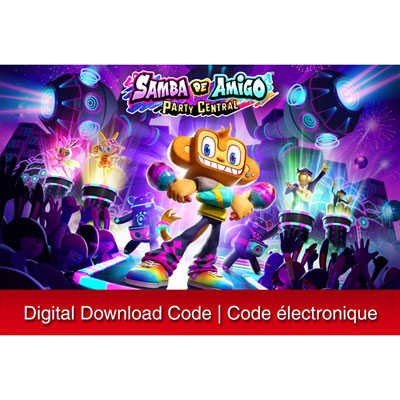
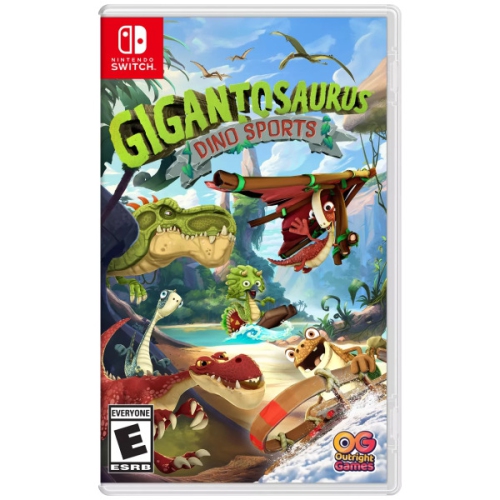
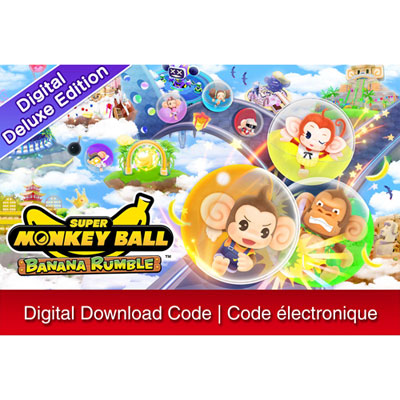
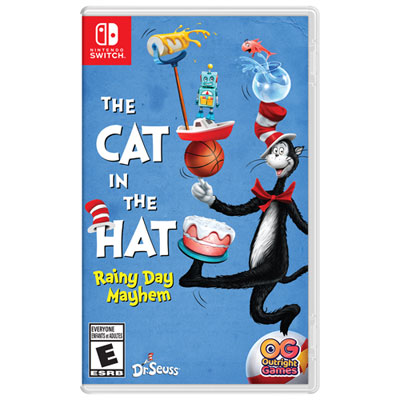

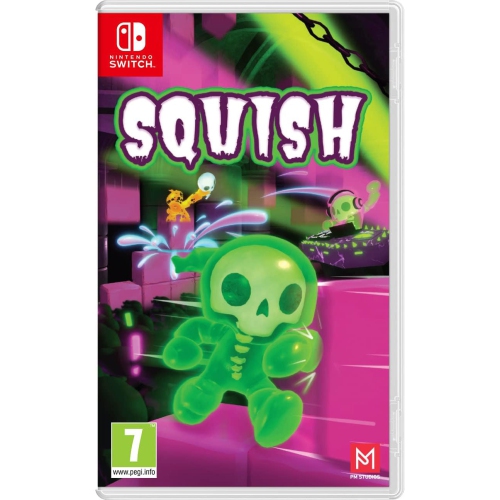
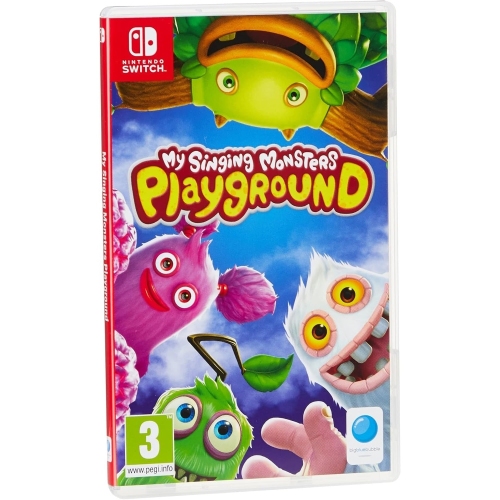
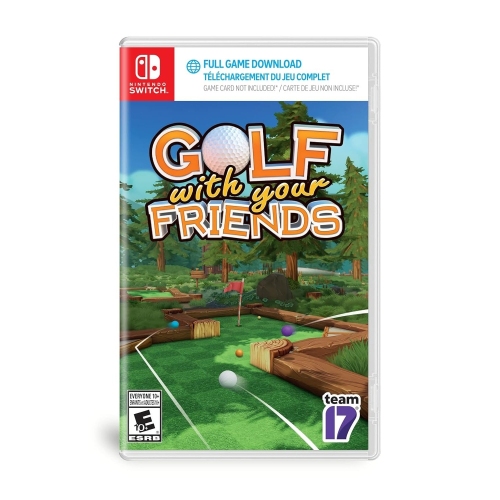
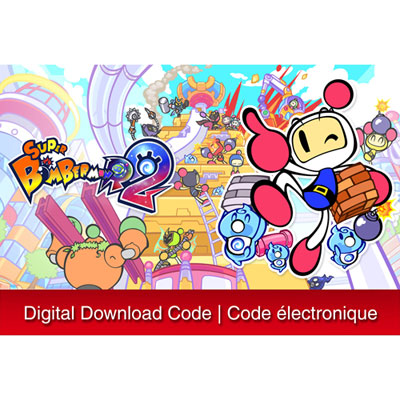
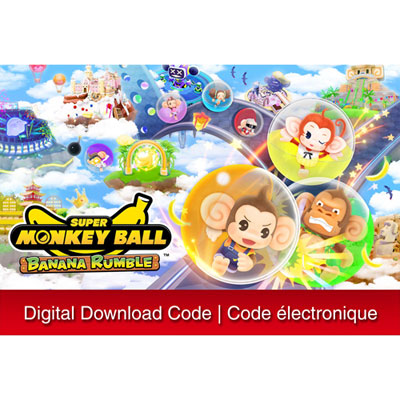
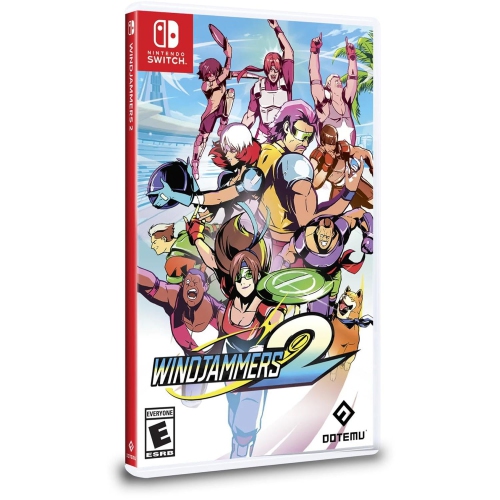
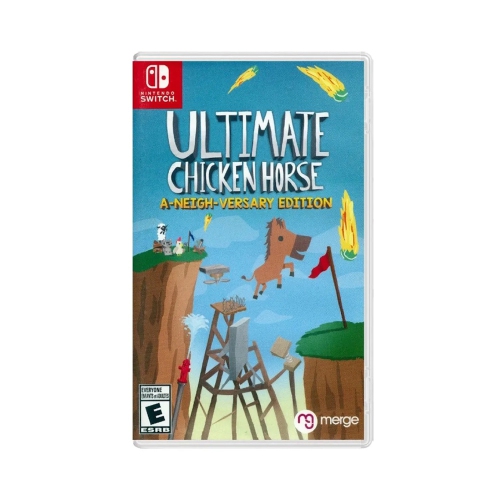
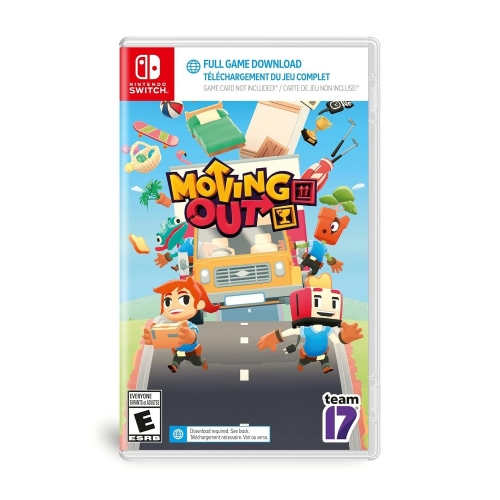
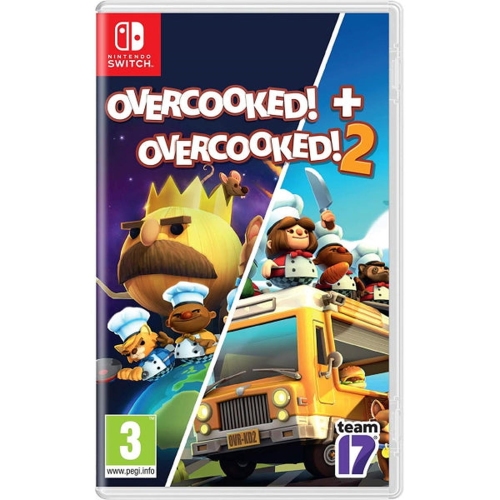
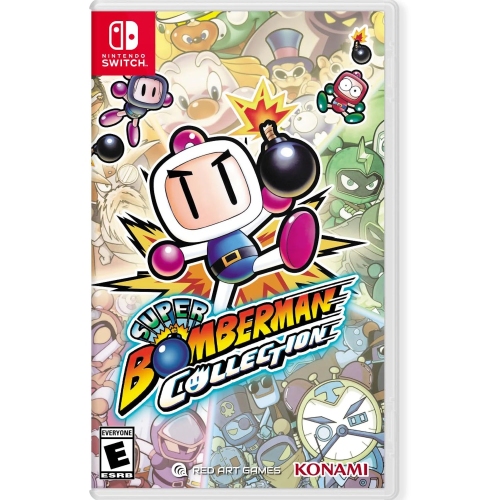
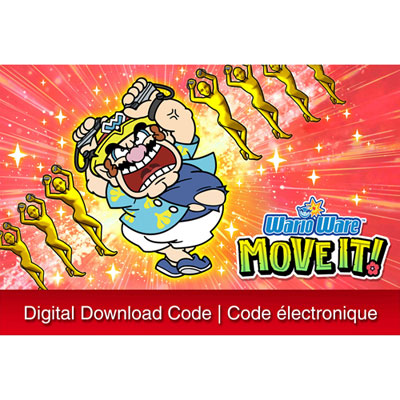
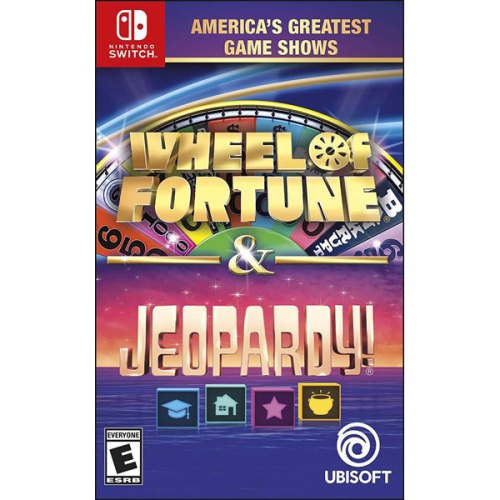


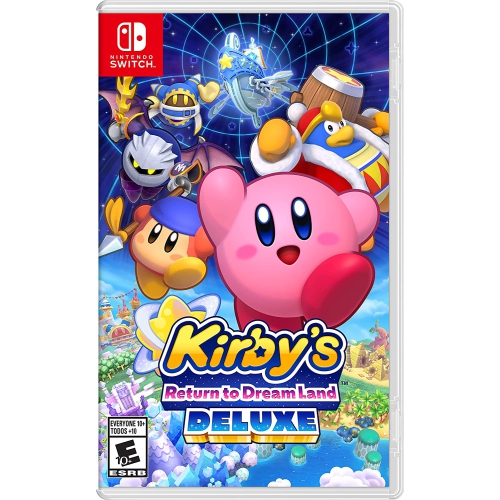
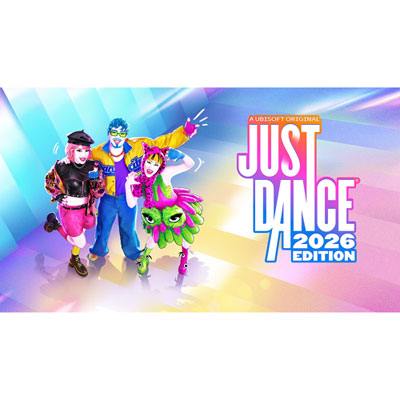
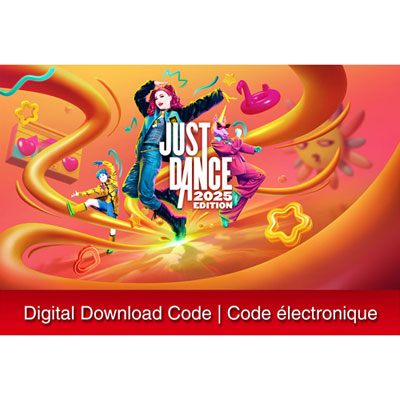
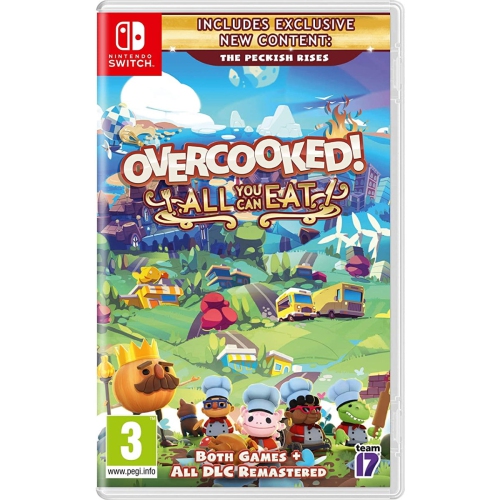
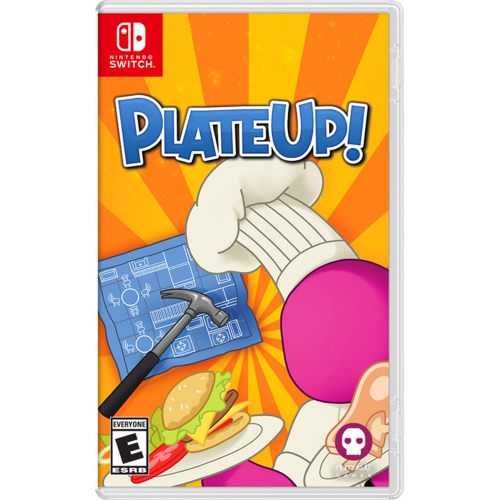


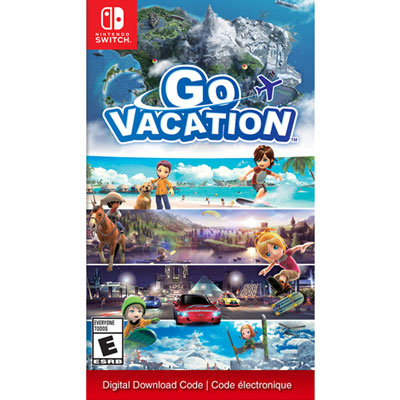
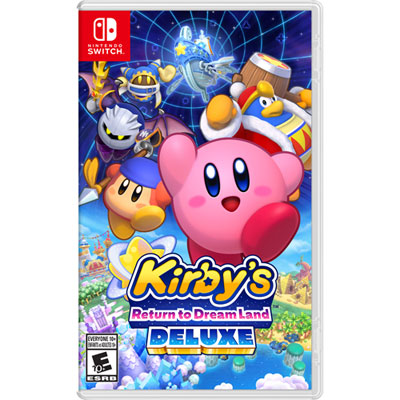
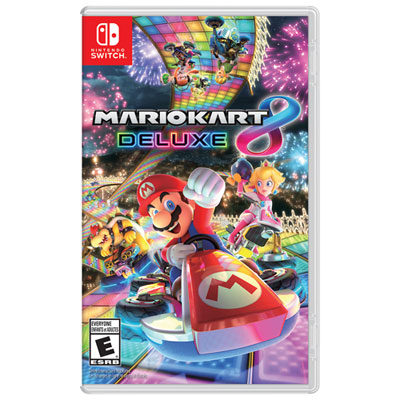
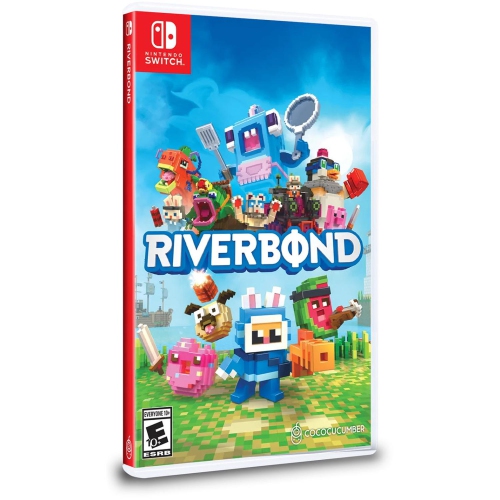

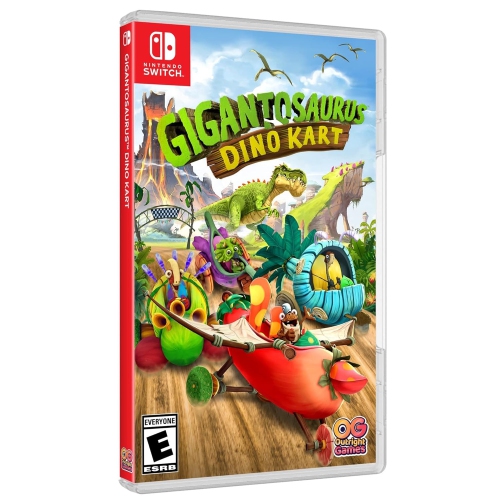
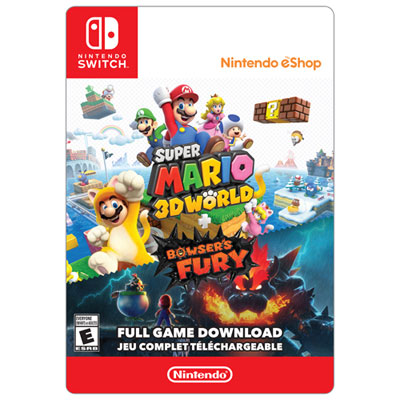
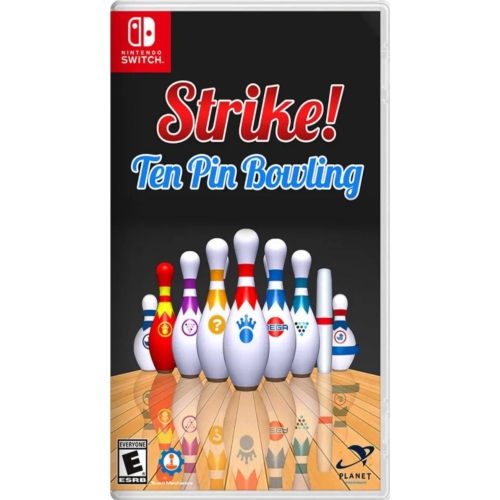

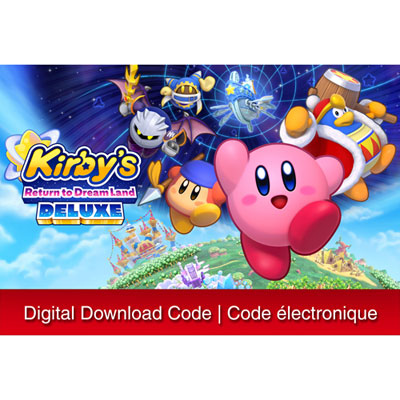

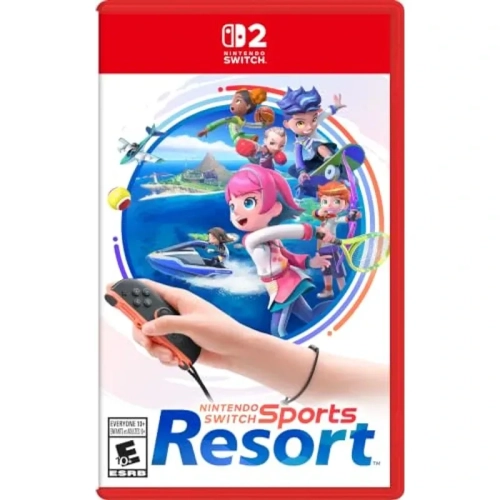
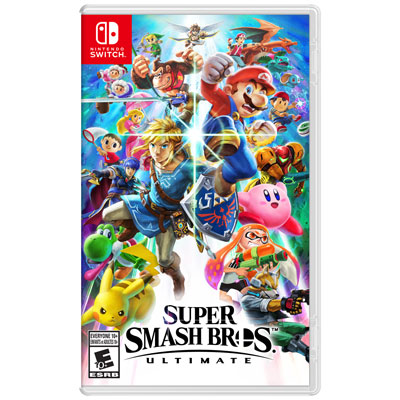
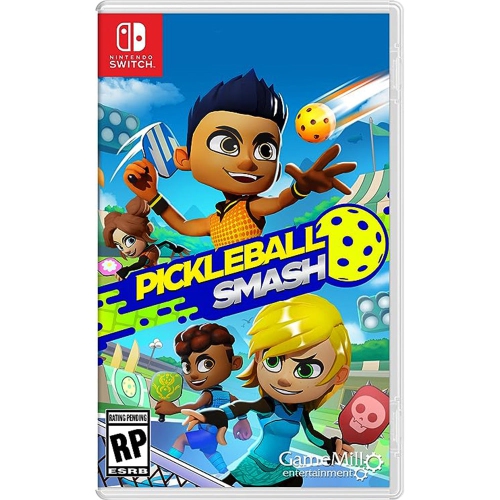
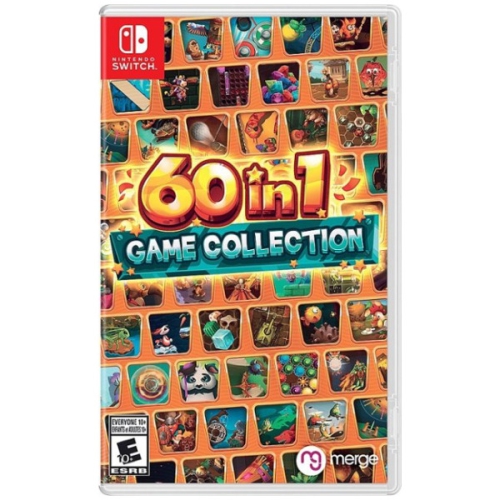
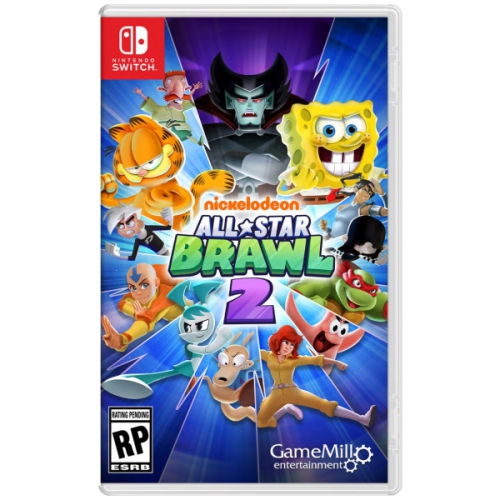
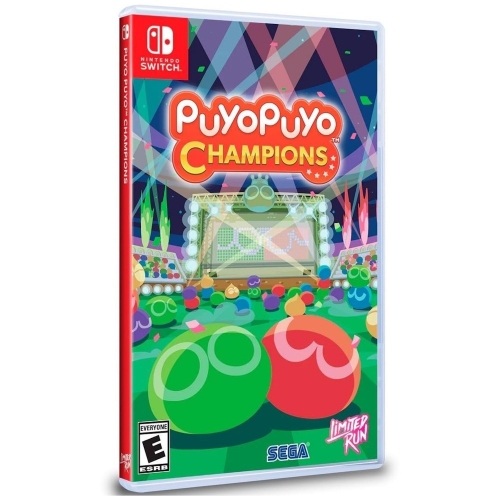


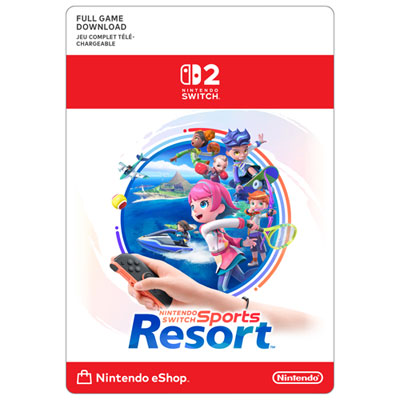
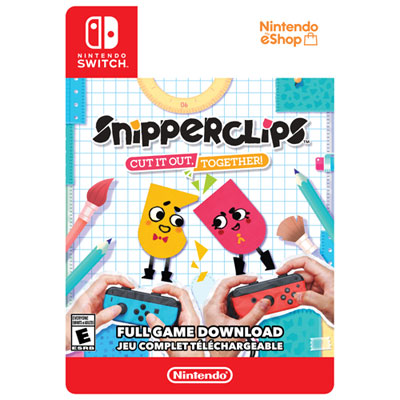
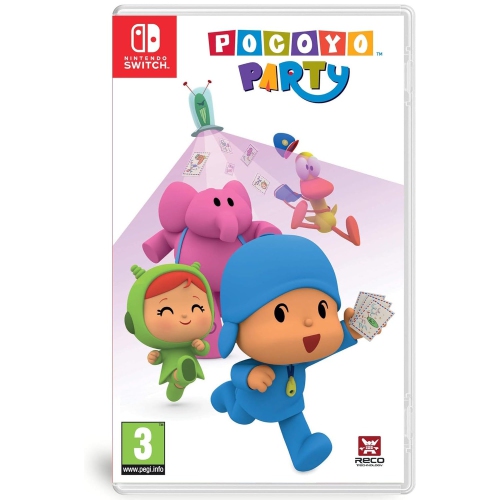
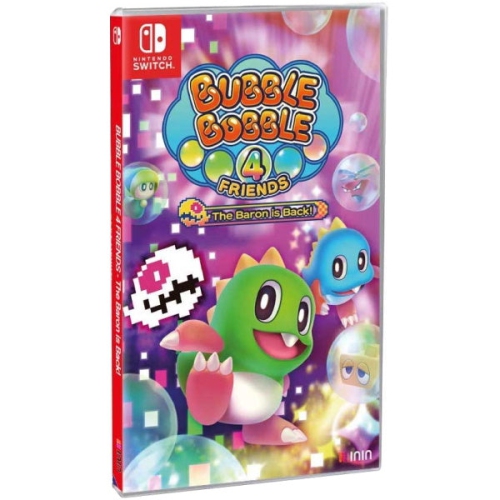
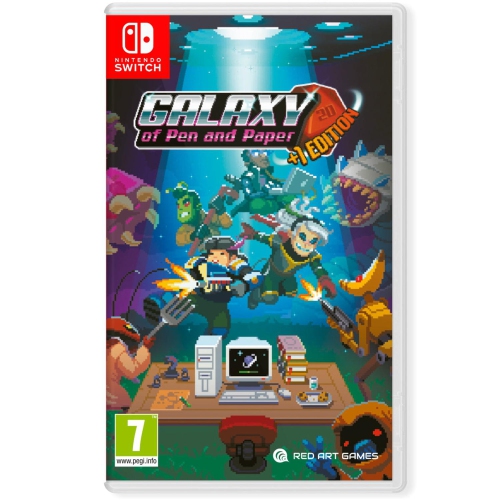
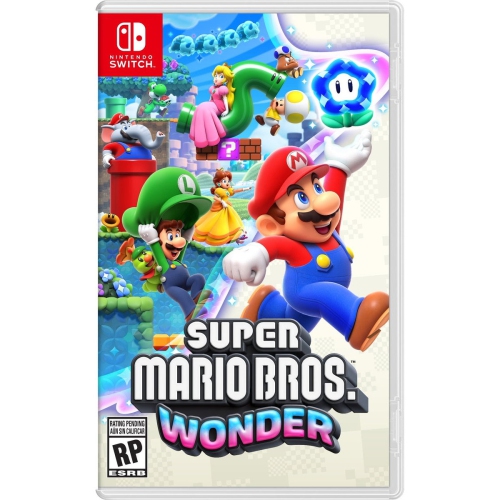
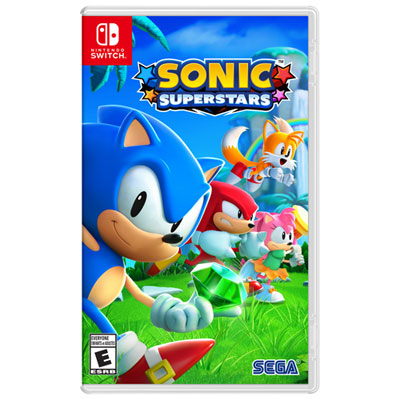
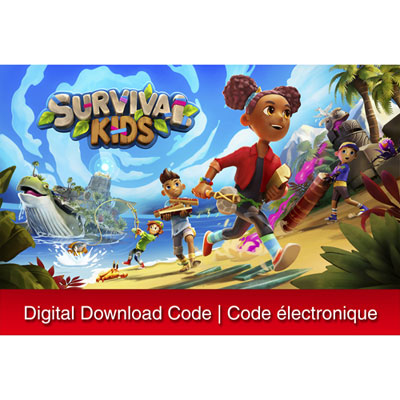

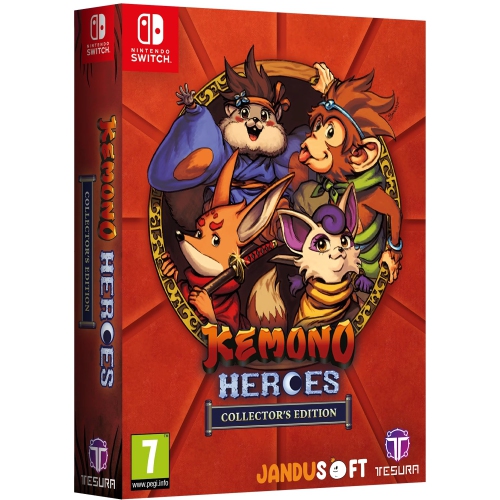
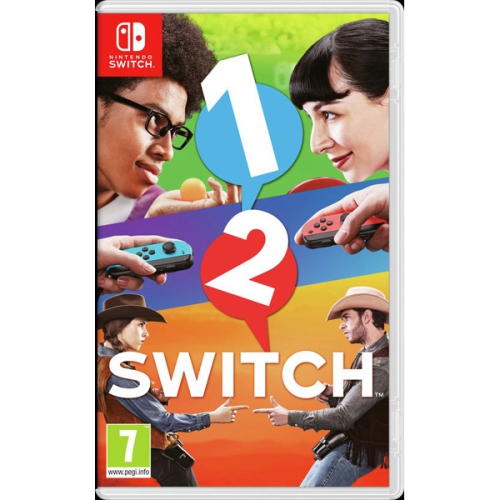
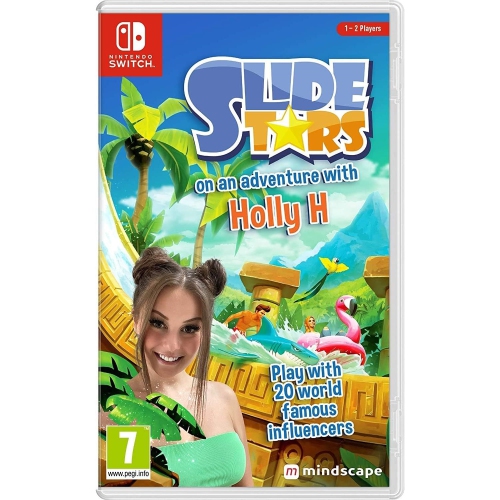
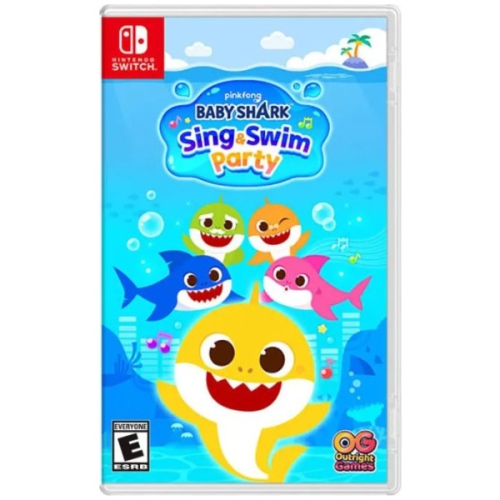

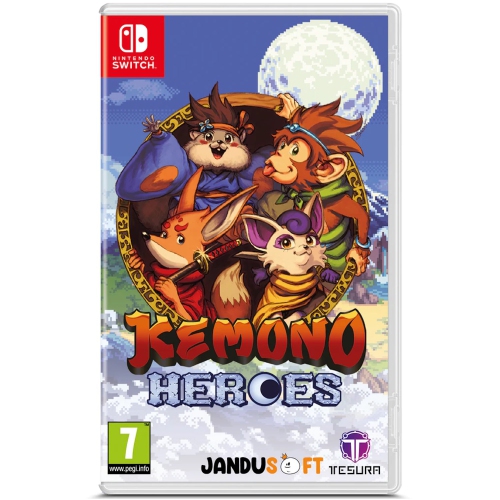

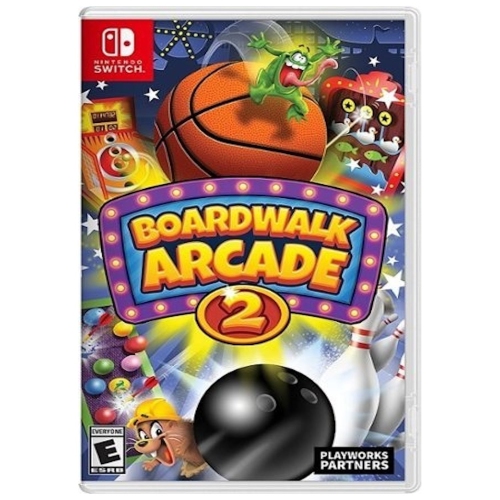

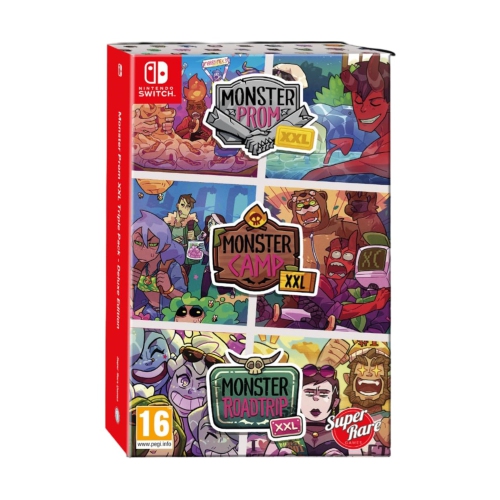

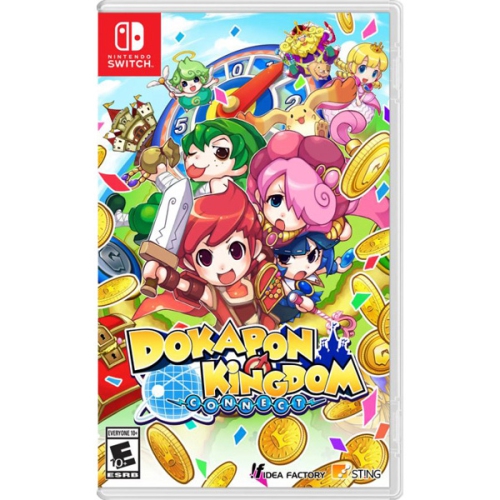
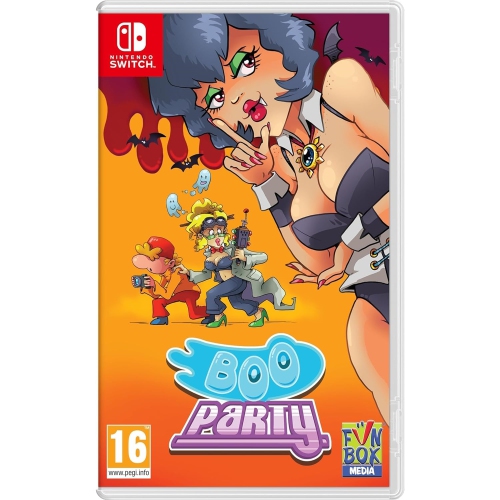
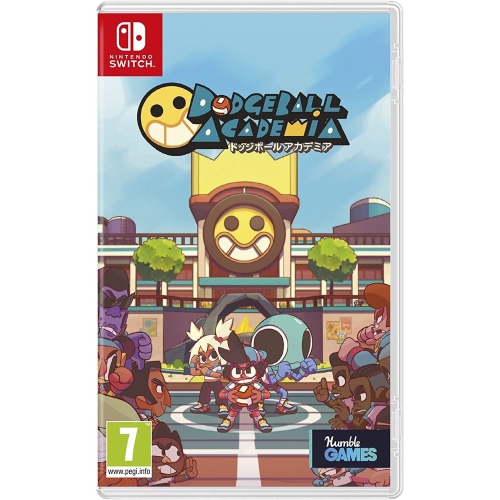
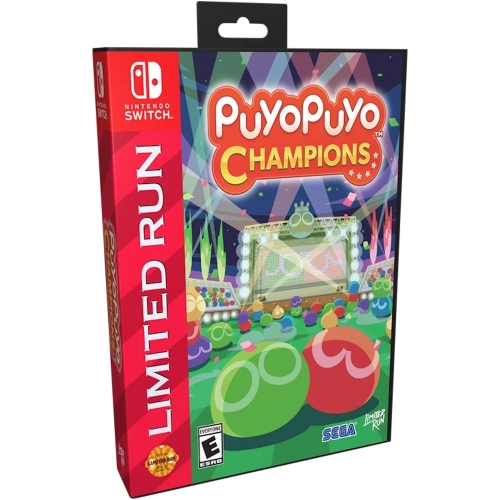
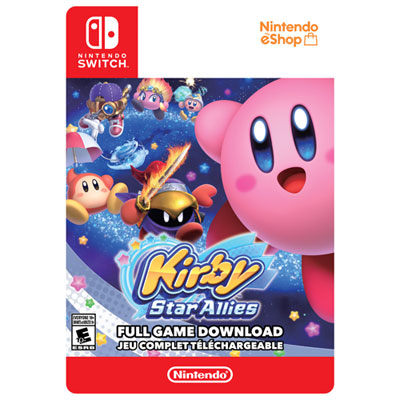
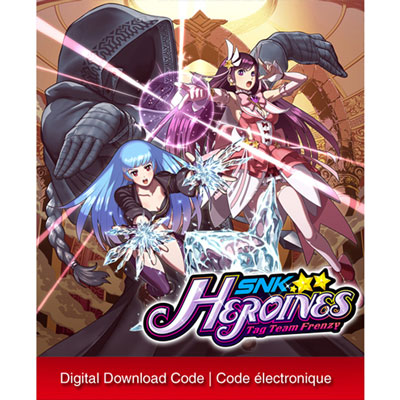

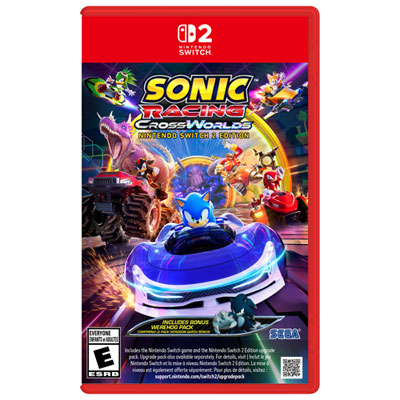
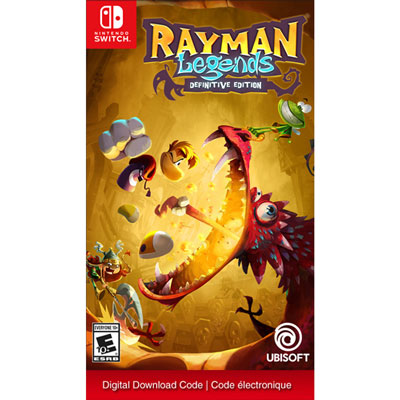
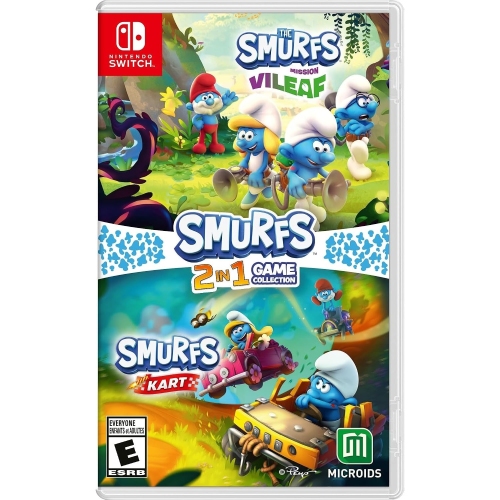

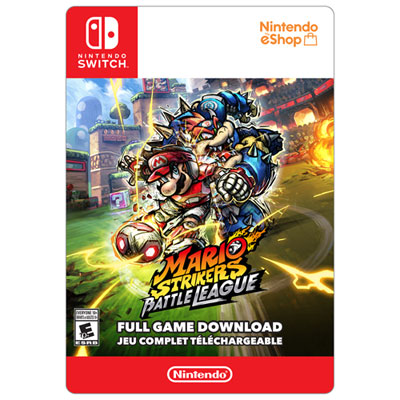
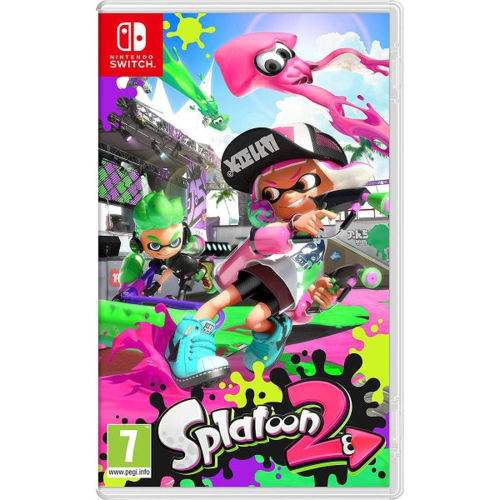
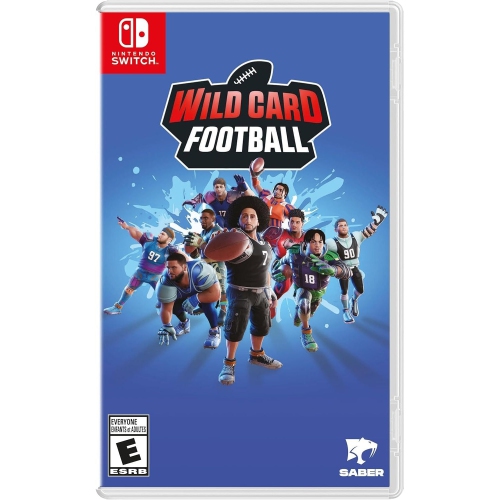
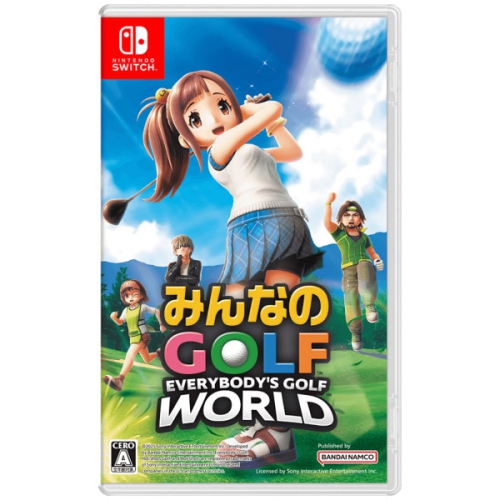
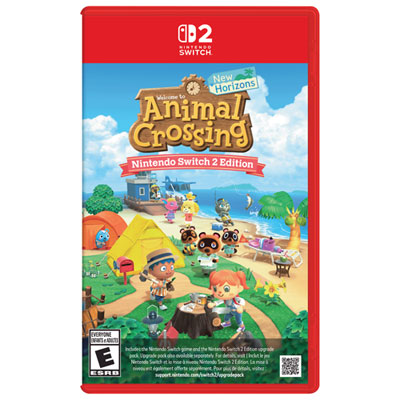
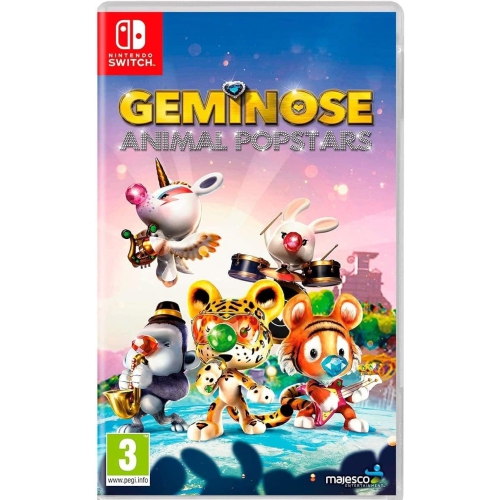
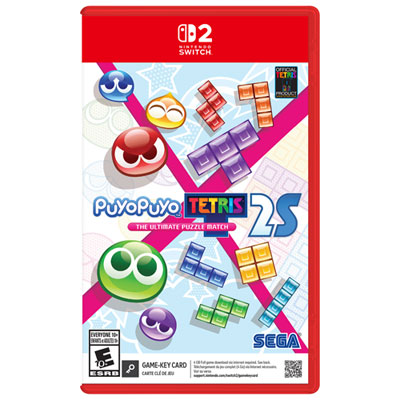
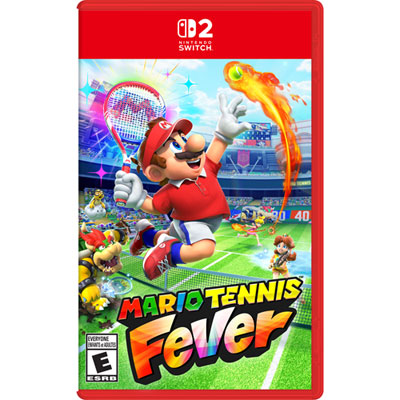
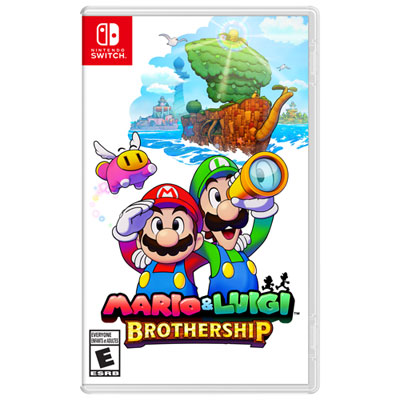
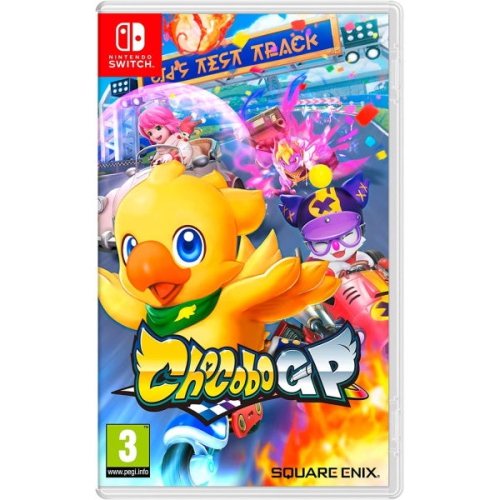
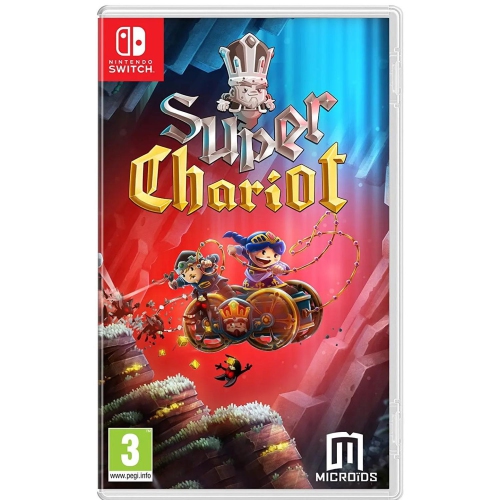
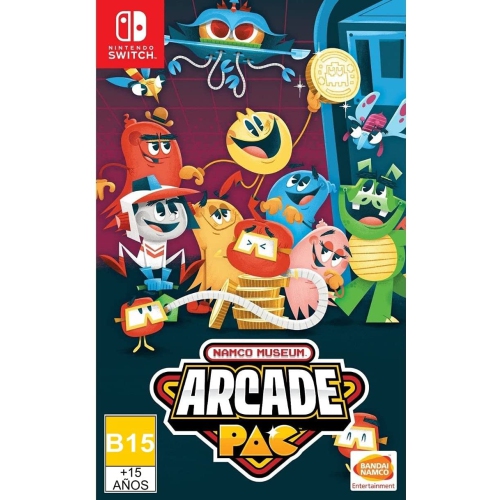

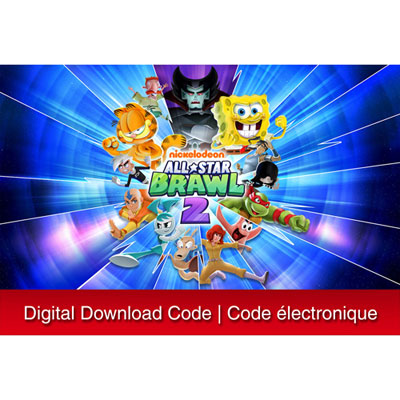
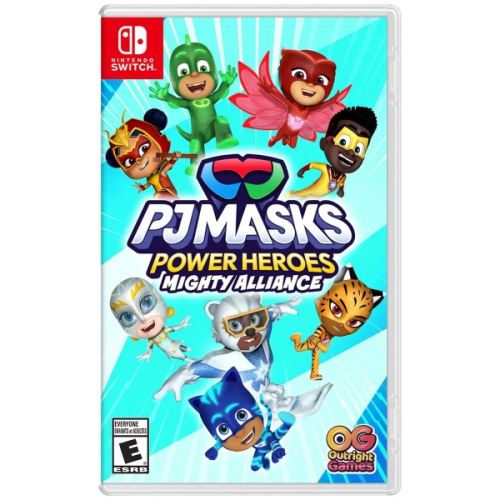
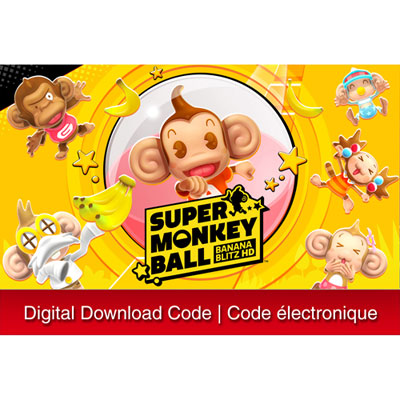
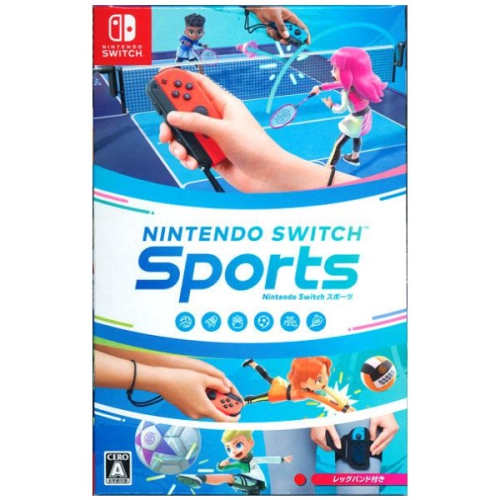
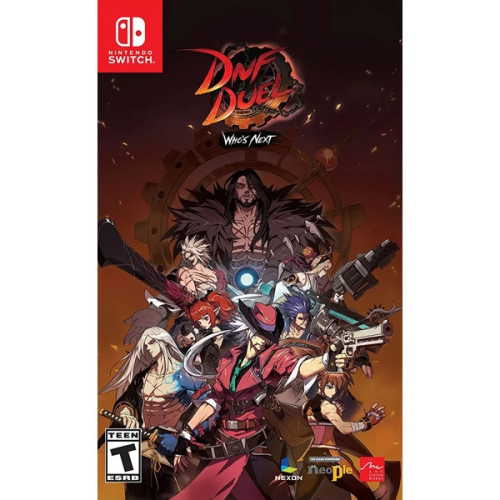
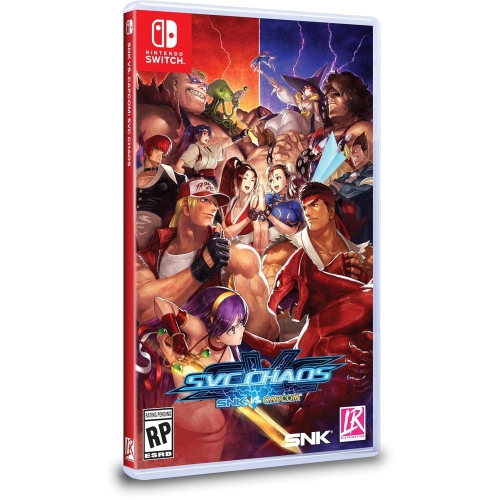
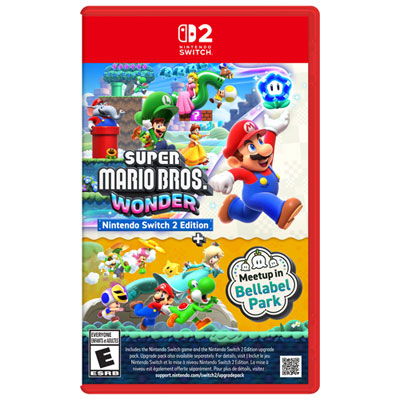
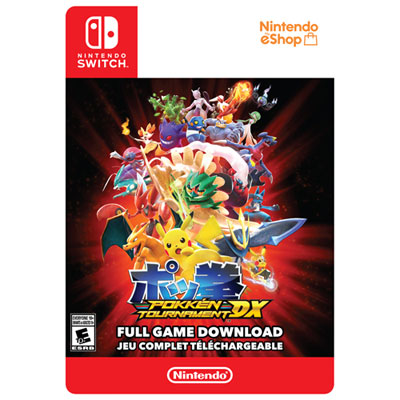
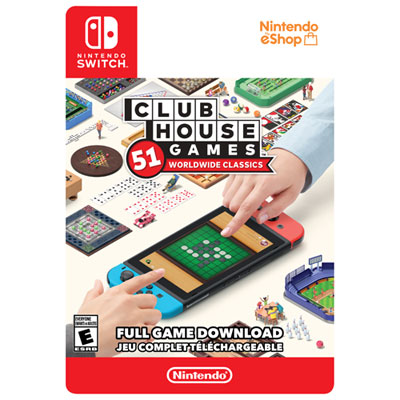
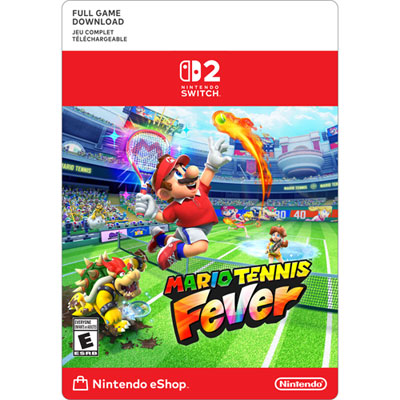
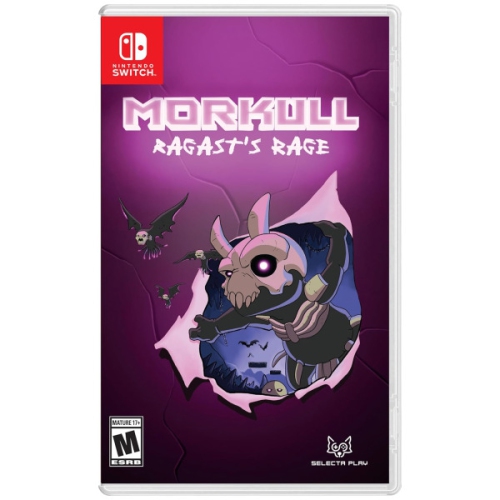
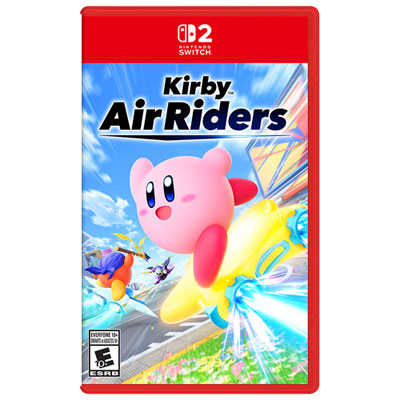
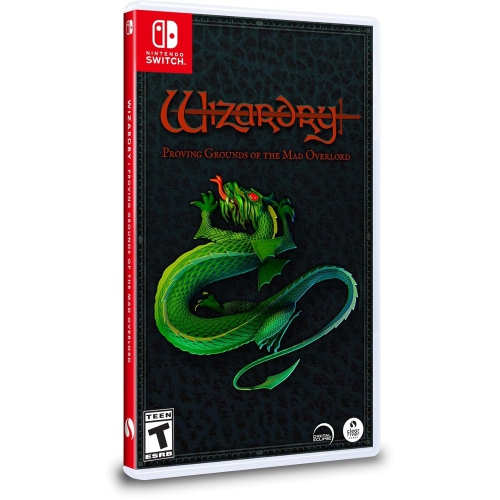
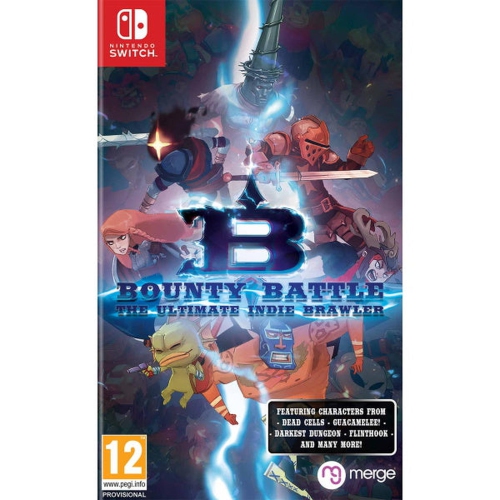
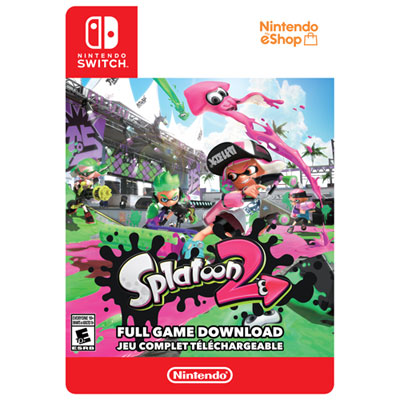
Short rounds and shared goals bring everyone together
Nintendo Switch party games bring people together through short challenges, shared goals, playful competition, and the fun of seeing what happens when everyone joins in. The category includes board-game-style experiences, trivia, rhythm games, racing, sports-inspired activities, puzzles, and collections of quick minigames. Some centre on individual scores, while others divide players into teams or ask the whole group to work towards the same goal. That variety suits different gatherings: a few friends sharing a sofa, siblings playing together, or a family group with a wide range of gaming experience. Local multiplayer generally means playing together in the same location, but the setup can differ considerably between games. Shared-screen play keeps everyone’s action on one display, split-screen play gives participants separate views, and turn-based play lets people take turns rather than act simultaneously. Local wireless play connects compatible nearby systems and may require a separate system and copy of the game for each participant. Online multiplayer connects players over the internet and can involve additional account or membership requirements. These distinctions matter because a game described as multiplayer does not necessarily support several people playing together on one television. Party-focused games often emphasize clear objectives, lively feedback, and rounds that are easy to understand by watching someone else play. A short obstacle course or timing challenge can make an immediate impression, while a longer board-game-style match gives a group time to build rivalries and enjoy unexpected changes in fortune. Cooperative formats create a different mood, with players calling out instructions, sharing tasks, and celebrating a narrow success together. For households interested in a wider range of shared play, Nintendo Switch Multiplayer Games includes the broader category beyond party-focused formats. The distinction is useful: a lengthy cooperative adventure may suit the same two players over many sessions, whereas a party game often works around changing groups, shorter rounds, and people joining the fun without a long introduction.
The practical fit of Nintendo Switch party games depends on player count, supported controllers, play mode, and the space where the group will gather. Maximum player counts can vary between modes within the same game, so a large online lobby does not automatically mean an equally large group can play locally. Some games support a single compatible controller held sideways for each player, while others require paired controllers or a different supported setup. Motion-controlled activities may have requirements that button-based modes do not, and not every game works equally well in handheld and television play. Compatibility with the intended console and play mode is therefore part of how the game fits into a household. Around a television, readable text, clear player colours, and easily distinguished characters help everyone follow the action from different seats. A crowded screen can be exciting during a frantic challenge, but smaller text or subtle visual cues may be harder to follow from across the room. Motion-based play also benefits from enough clear space for comfortable movement without bumping another player or nearby furniture. For a mixed-experience group, simple inputs and brief practice opportunities can make participation feel more natural. Games with adjustable difficulty, optional assistance, or flexible team arrangements can help experienced players and newcomers enjoy the same session, where those features are supported. Random events can keep a match unpredictable, while games built around precision and timing give regular players more room to develop their skills. Neither approach is inherently better; they create different kinds of competition. A group that enjoys laughing at sudden reversals may appreciate chance-driven scoring, while players who like repeated rematches may prefer results that depend more heavily on execution. Session length matters as well. Self-contained rounds fit between other activities and make it easier to rotate players, whereas a continuous tournament or board-style match asks the group to stay involved for longer. Pausing, saving, and joining options vary, shaping how comfortably a game accommodates interruptions.
Physical and digital formats also affect how Nintendo Switch party games fit into everyday use. Physical editions typically use compact game cards that can be stored in their cases between sessions, making organization and careful handling worthwhile in a busy household. The cards are small enough to misplace easily, so returning them to a designated case helps keep a shared collection together. Keeping cards dry, protecting the exposed contacts from dirt, and storing them away from young children and pets supports sensible care. Digital games are accessed through the console’s storage and account setup rather than by inserting a card, with storage requirements, downloads, and account access affecting how they are managed. Internet requirements differ by game and feature; local play should not be assumed to mean every function works without a connection. Updates, additional downloads, and online features can each have separate requirements. Beyond format, age ratings and content descriptions help distinguish games suited to younger players from those with more mature humour, themes, or competitive intensity. A colourful presentation alone does not establish suitability, particularly for trivia or games built around reading and wordplay. Reading level, language support, reaction speed, and the need to remember several controls can all influence who feels comfortable taking part. Accessibility features such as subtitles, adjustable text, remappable controls, or alternatives to motion input may also matter, although support varies by title. These details are especially relevant when party games are given as gifts to families, friends, hosts, or someone setting up a shared gaming space. The strongest match reflects how the recipient actually plays: with one regular partner, a group of children, visiting relatives, or friends who enjoy lively competition. A game that keeps spectators entertained can suit a gathering where people take turns, while a cooperative format may appeal to a household that prefers shared victories. With the right balance of supported players, approachable controls, suitable content, and enjoyable pacing, party games can become a familiar part of casual get-togethers, with memorable moments that last well beyond the final score.
Top selling and popular products
-
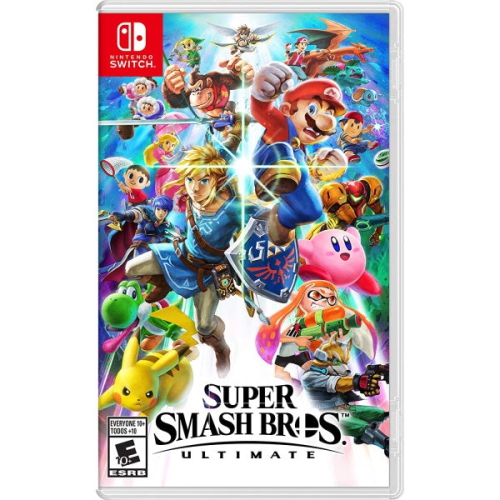 Your price for this item is $89.95
-
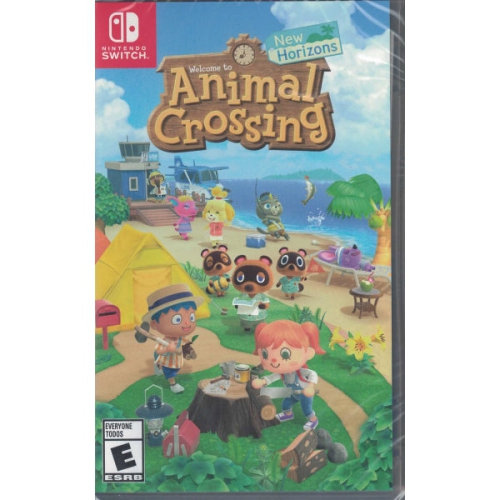 Your price for this item is $89.95
-
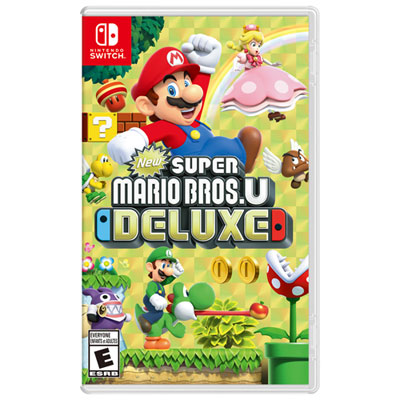 Your price for this item is $84.99
-
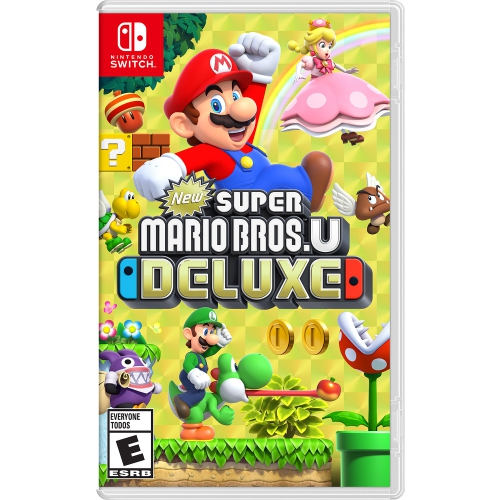 Your price for this item is $88
-
 Your price for this item is $109.87
-
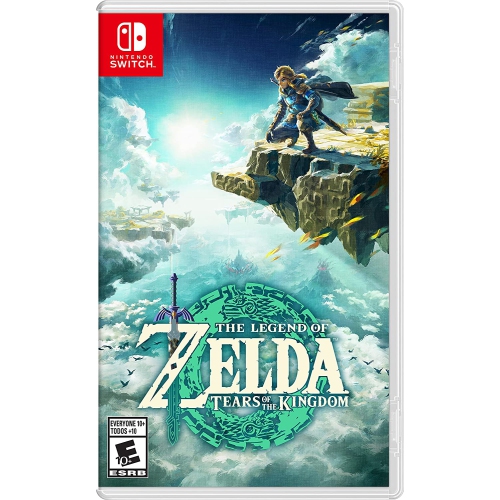 Your price for this item is $109.99
-
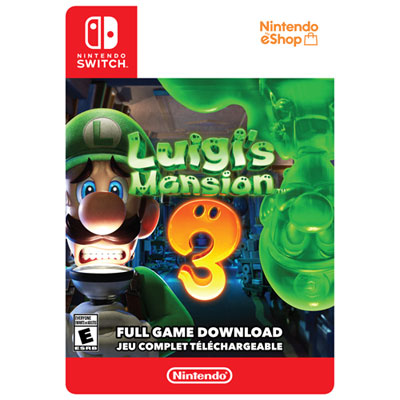 Your price for this item is $84.99
-
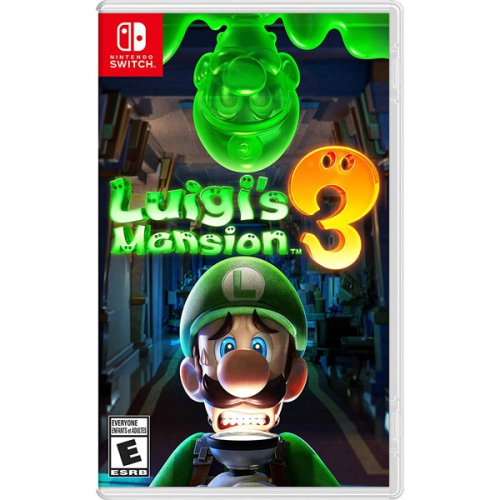 Your price for this item is $79.99
Discover more categories related to Nintendo Switch Party Games
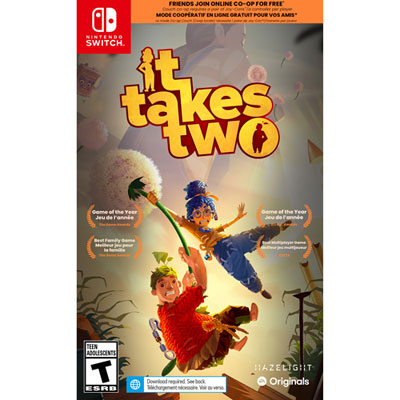
Top Collections:
Best Black Friday Deals This Year, Best Black Friday Deals On Electronics, Kindle Devices, Dyson Airwrap, Best Cameras for Sports Photography, Best Budget Office Chairs, Canon G7X Cameras, PS5 Pro Consoles, Best Black Friday Deals On Apple Products, XBOX One S Consoles
Some products may be subject to Environmental Handling Fees
(EHF) depending on your province.
Learn more about EHFs.