Switch Games for Two Players
Switch Games for Two Players offer the perfect way to enjoy exciting gaming sessions with friends or family. Whether you’re looking for fast-paced action, strategic challenges, or cooperative adventures, there’s something for every duo. Discover a wide selection designed to bring out the competitive spirit or foster teamwork, all optimized for two-player fun on your favorite console. Find the ideal titles to turn any gathering into an unforgettable gaming experience.
Sort
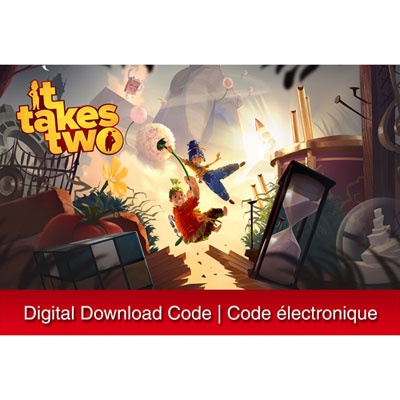
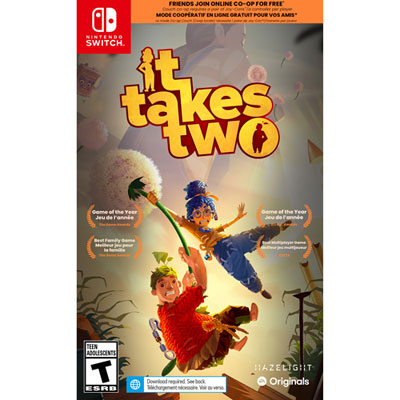

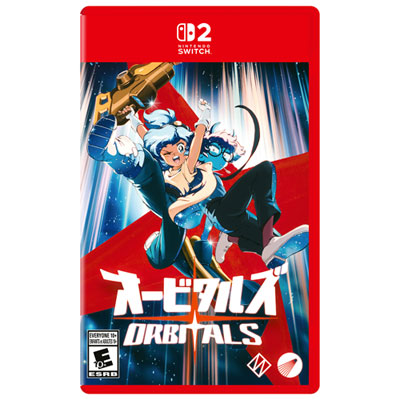
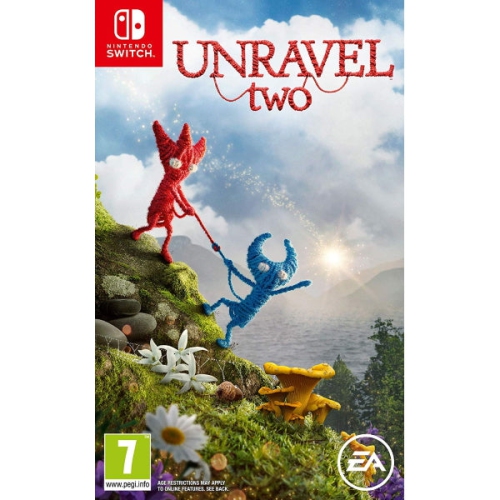


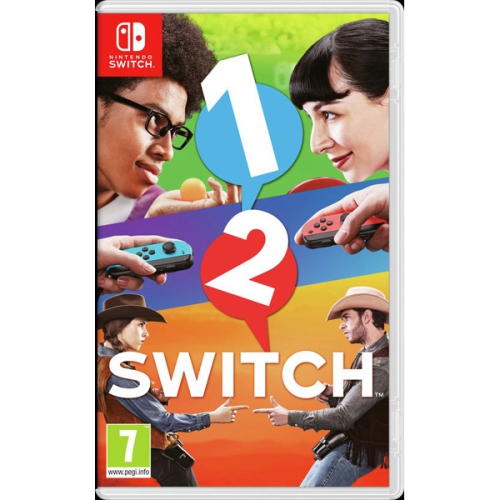
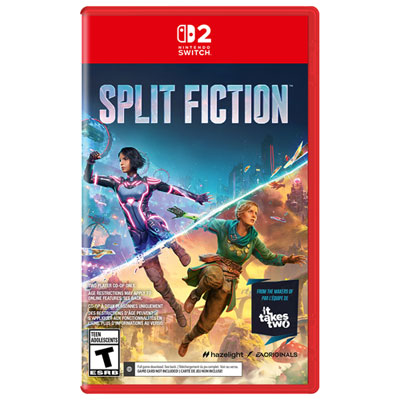

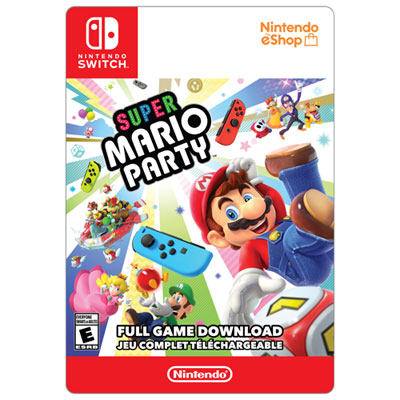

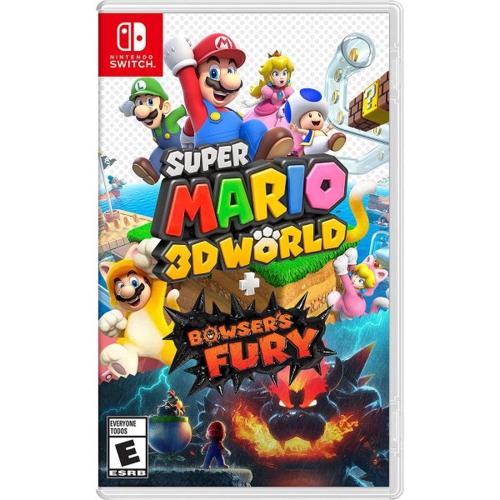
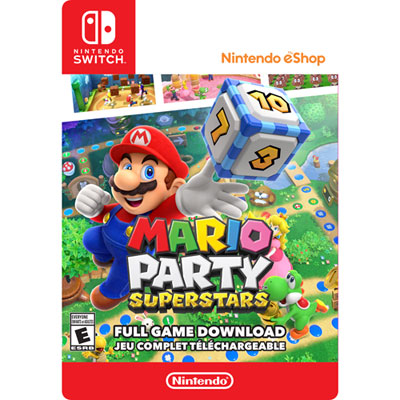
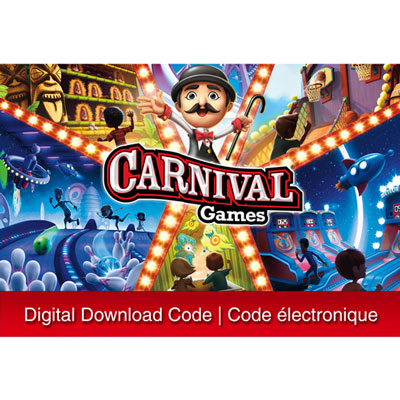
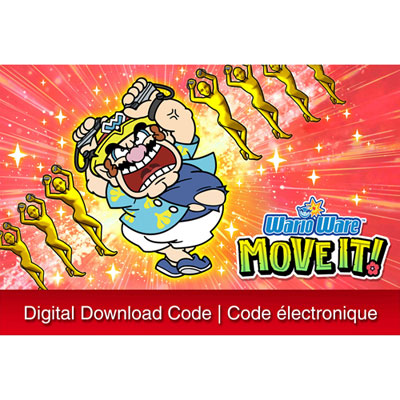


From close races to adventures built for teamwork
Switch games for two players bring shared adventures, friendly rivalries, and satisfying teamwork to the same play session. The range includes cooperative platformers, racing games, sports, puzzle adventures, action games, and relaxed simulations, with different ways for two people to participate. In cooperative play, both players work towards a common goal, whether that means moving a heavy obstacle together, keeping a busy kitchen running, or exploring an unfamiliar landscape. Competitive games put players on opposing sides, with the appeal coming from close finishes, clever tactics, and the chance to try again after a narrow loss. Some games combine these approaches, letting a pair team up against computer-controlled opponents before facing each other in a separate mode. The best fit depends as much on the relationship between the players as it does on the genre. A couple who enjoy solving problems together may appreciate an adventure built around connected abilities, while siblings might prefer short races with room for a rematch. For a parent playing with a child, adjustable difficulty, generous checkpoints, and simple controls can make participation more enjoyable for both. Two-player modes also differ in how they divide responsibility. Some give each person an equally capable character, while others let a second player provide support without managing every part of the action. That lighter role can be welcoming for someone learning to use a controller, though experienced players may prefer equal influence over the outcome. Session length matters, too: individual matches and self-contained levels suit a quick break, while a continuing story rewards a pair who can return together. A game with drop-in play can accommodate someone joining partway through, whereas a tightly linked cooperative campaign may work better with the same partner throughout. Clear objectives and opportunities to recover from mistakes can turn an awkward first attempt into a shared triumph, especially when the two players have different levels of experience.
The distinction between local and online multiplayer is particularly important when browsing two-player Switch games. Local play can mean sharing one console and screen, but it can also refer to a wireless connection between nearby consoles, depending on the game. Shared-screen games keep both players within the same view, which works well when the action centres on a common space. Split-screen games give each person a separate viewpoint, allowing more independent movement while dividing the display into smaller sections. That difference can be noticeable when reading a map, spotting a distant opponent, or following fast action. A television may make those details easier to see, while tabletop play offers another option when supported by the console and game. Controller requirements vary just as much. Some games allow each person to use a single compatible controller, while others require a pair or a full-size controller for each player. Supported play modes and controller details help establish what a pair will need before settling in. Online multiplayer connects players in different locations, but internet access, account requirements, and a paid online membership may apply. Local wireless and online modes may also require separate consoles and game copies; arrangements differ by title, so the multiplayer information matters more than a general two-player label. The player count should be checked for the intended mode, since a game can support two people locally but offer a different setup online. Comfort and accessibility deserve similar attention. Where available, adjustable text size, remappable controls, separate difficulty options, and alternatives to colour-only cues can make shared play easier to follow. Optional motion controls may appeal to active players, while conventional button controls can suit those who prefer a steadier setup. For a pair with different confidence levels, independent assist settings can be especially useful, allowing one person more support without removing the challenge for the other. These details shape the experience beyond the opening level and help both players stay involved.
Replay value in two-player games often comes from variety rather than sheer length. Different courses, branching routes, optional objectives, and changing character roles can keep familiar play interesting, especially when both people enjoy improving a shared result. A puzzle that initially calls for careful discussion may become a satisfying test of timing on a later attempt; a close race can stay entertaining because neither player wins every time. For pairs who prefer a gentler pace, simulations and exploration games may offer room to divide tasks, decorate shared spaces, or pursue separate goals within the same session. The way progress is saved is worth considering for longer adventures. Some games tie campaign progress to the host, and others handle player profiles or rewards differently, so a regular duo may value a setup that makes returning to the same story straightforward. A useful solo mode can also give either person something to enjoy between shared sessions. For gifting, age ratings and content descriptions provide a clearer starting point than colourful artwork alone. Reading demands, reaction speed, competitive pressure, and the recipient’s usual interests all help indicate whether the experience will feel inviting. Physical game cards benefit from being returned to their protective cases after use, with contacts kept clean and dry and cards handled carefully when changing games. Digital games avoid card handling but require sufficient storage space, and downloads or updates need an internet connection. In either format, compatibility and supported multiplayer features are central to a good match. Households that sometimes expand beyond a pair can also explore Switch Games for Friends for a broader range of shared-play possibilities. For two regular players, the strongest choice is often the one whose pace, controls, and balance of teamwork or rivalry make both people eager to take another turn.
Top selling and popular products
-
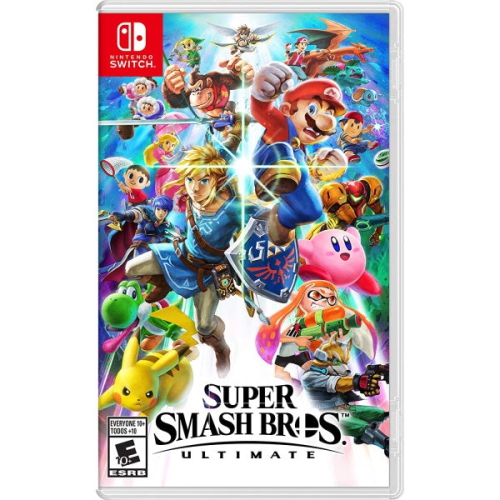 Your price for this item is $89.95
-
 Your price for this item is $89.95
-
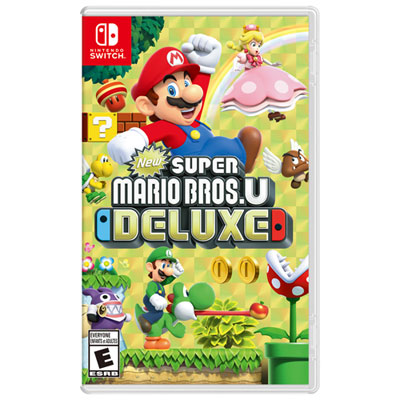 Your price for this item is $79.99
-
 Your price for this item is $85
-
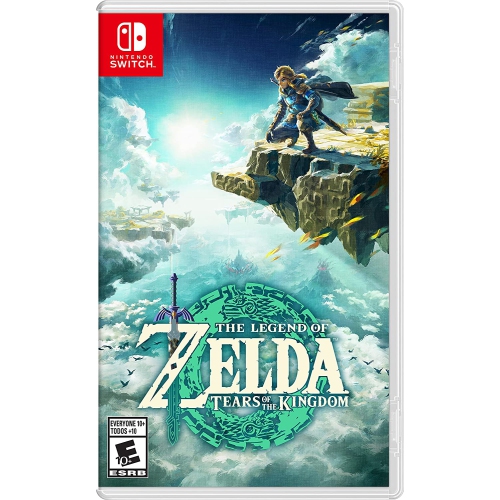 Your price for this item is $109.99
-
 Your price for this item is $99.99
-
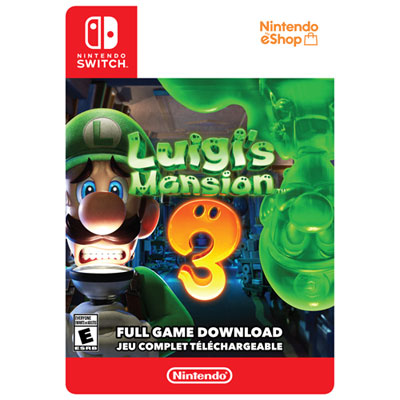 Your price for this item is $84.99
-
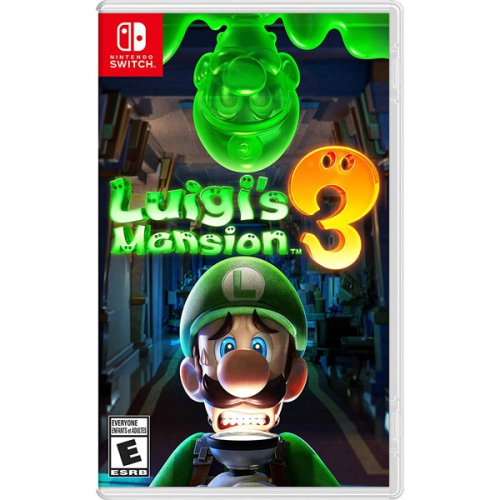 Your price for this item is $87.75
Discover more categories related to Switch Games for Two Players

Top Collections:
Pokemon Centers, Kindle Devices, Best Black Friday Deals This Year, Pokémon 30th Celebration Cards, Best Black Friday Deals On Electronics, Best Cameras for Sports Photography, Best Black Friday Deals On Apple Products, Canon G7X Cameras, iPhone 15 Apple, Candle Warmer Lights
Some products may be subject to Environmental Handling Fees
(EHF) depending on your province.
Learn more about EHFs.