Switch Party Games
Looking to level up your next game night with friends or family? Dive into our collection of Switch party games that are sure to bring laughter, friendly competition, and hours of entertainment to any gathering. Whether you're a fan of trivia, mini-games, or classic board game adaptations, we have a wide selection of titles that cater to all tastes and ages. Get ready to turn your Nintendo Switch into the ultimate party hub with these engaging multiplayer games that guarantee endless fun for everyone involved.
Sort
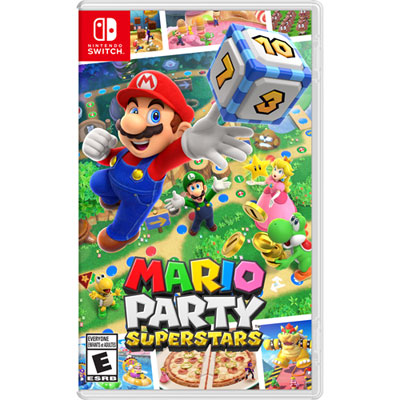
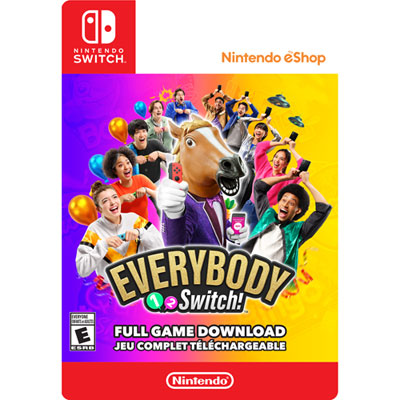
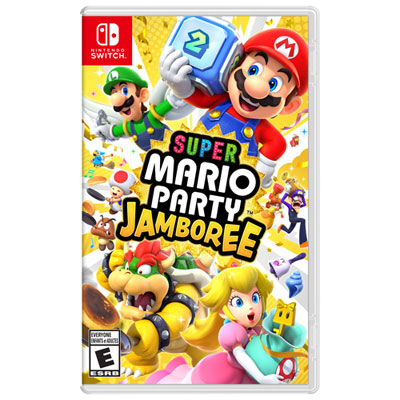
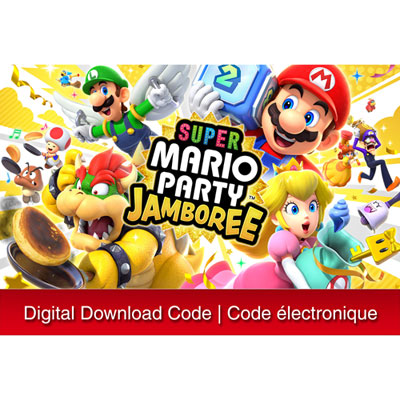

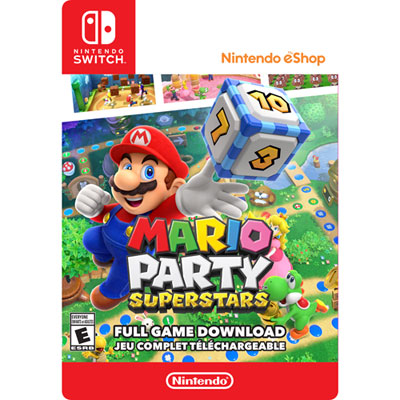





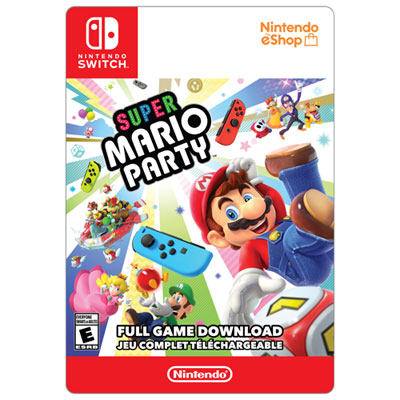

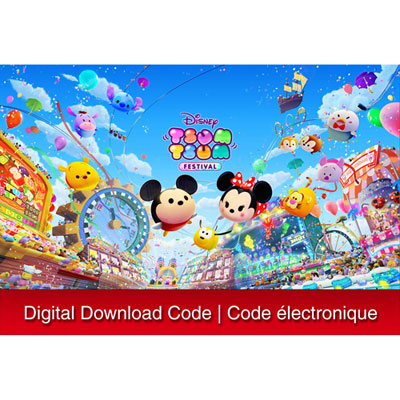
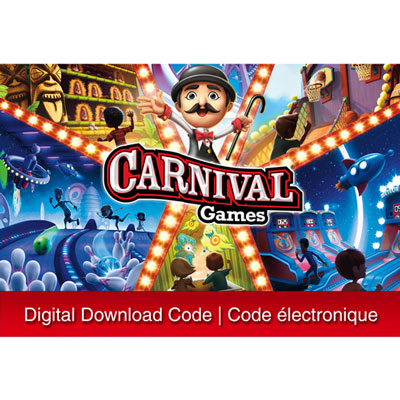


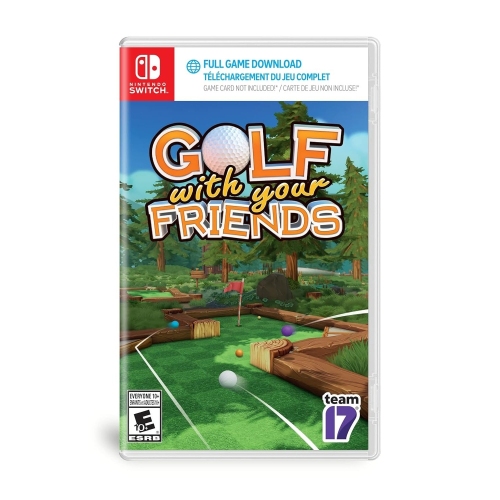

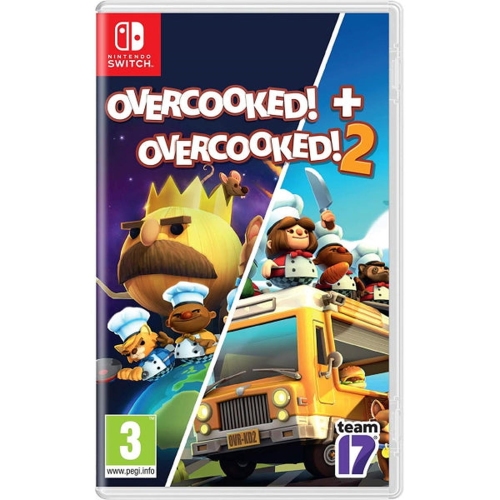
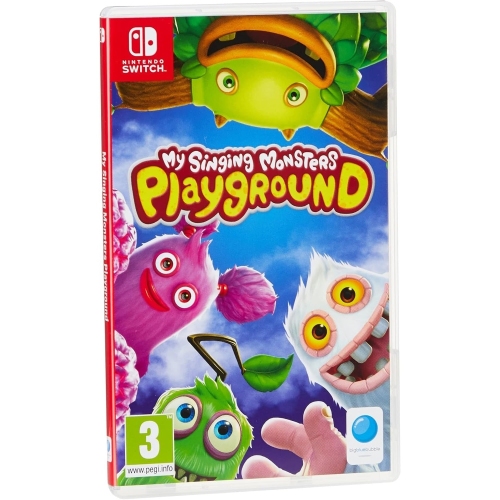

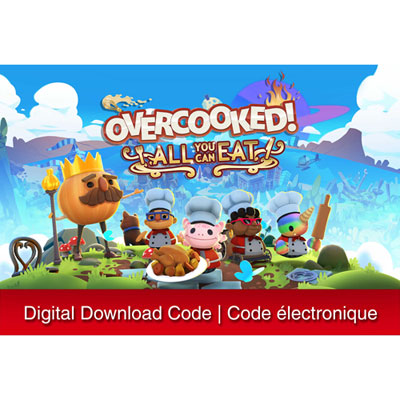
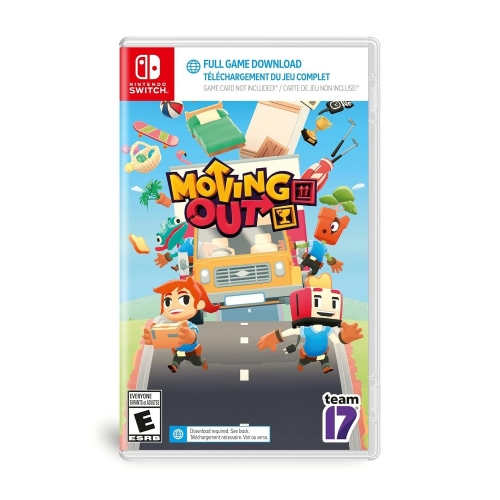
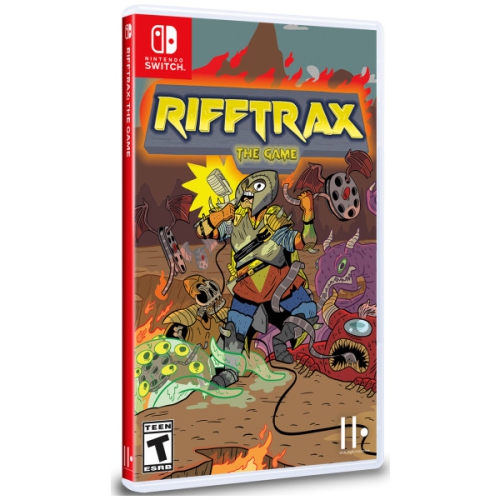

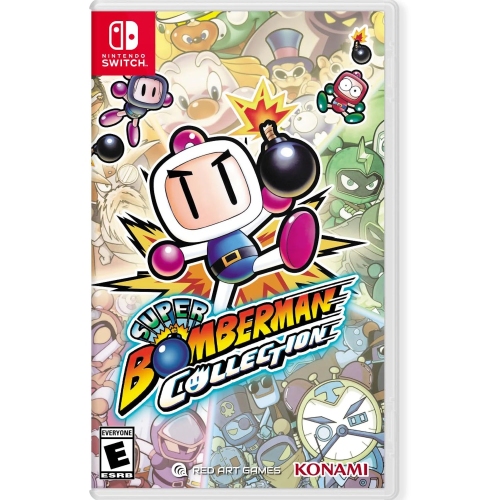
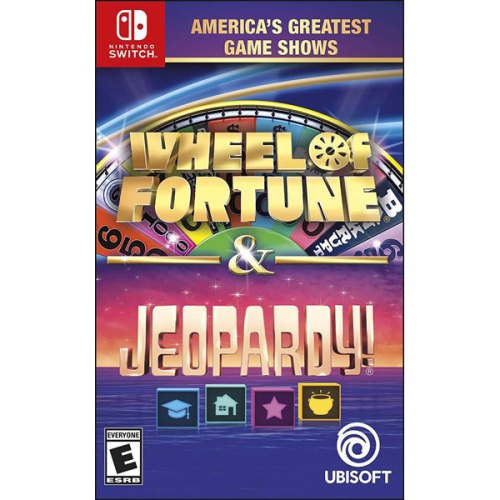
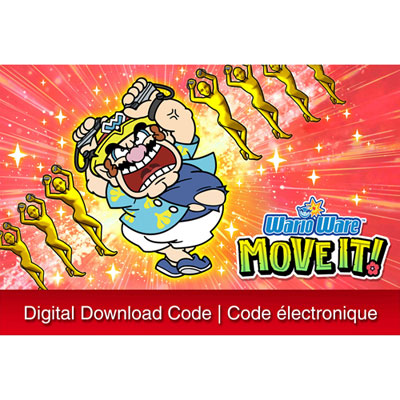
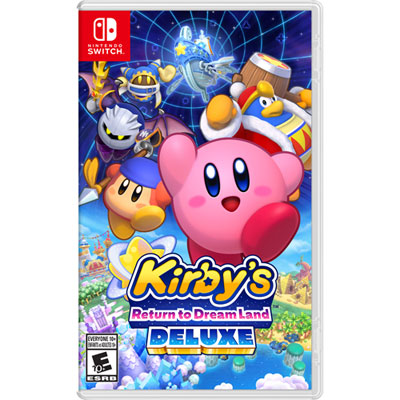

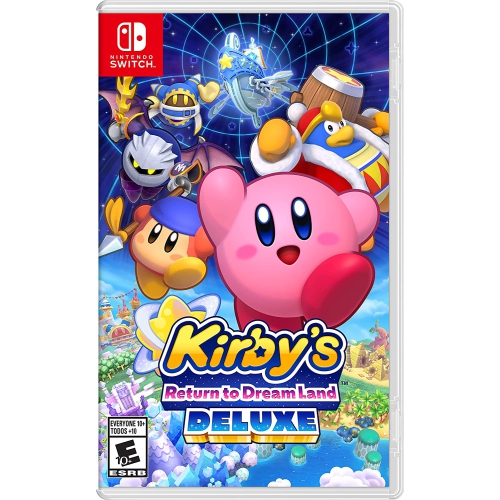
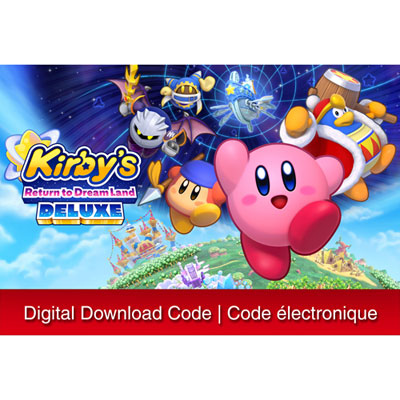
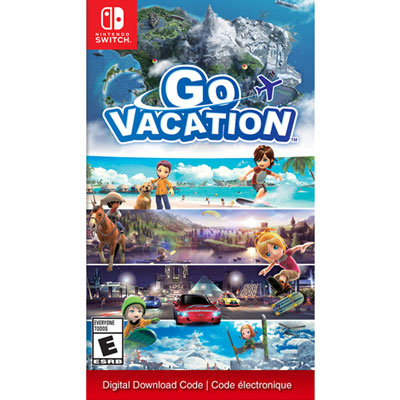

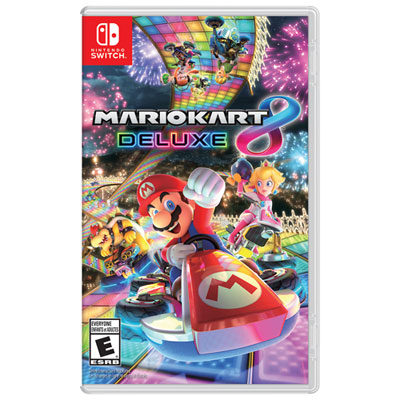


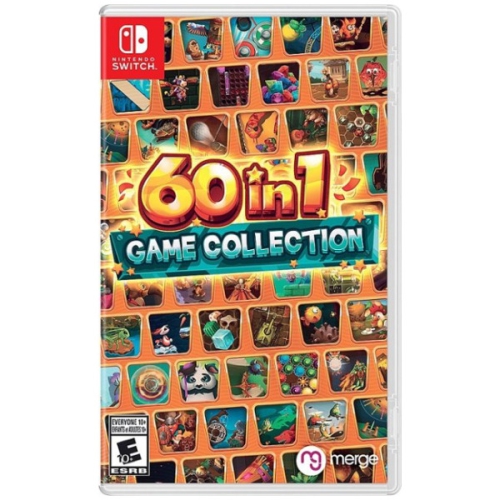
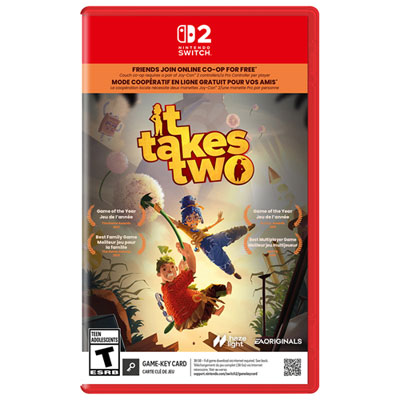


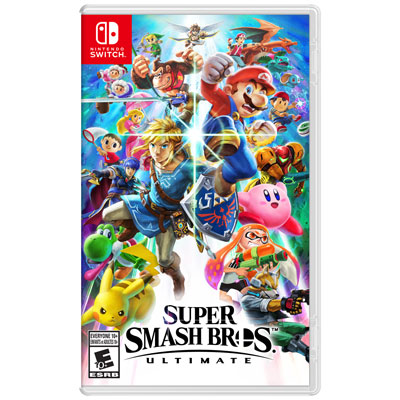
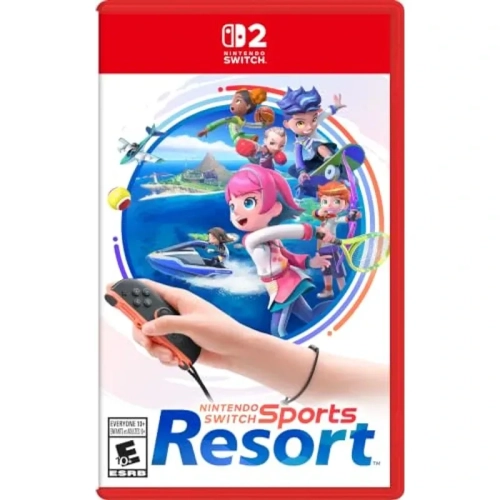

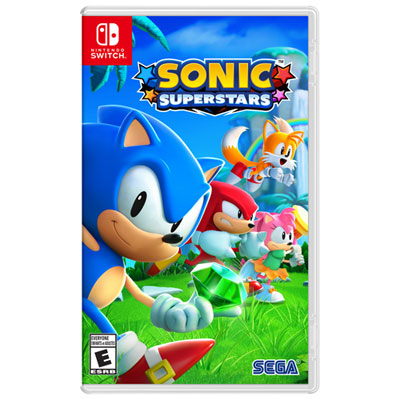

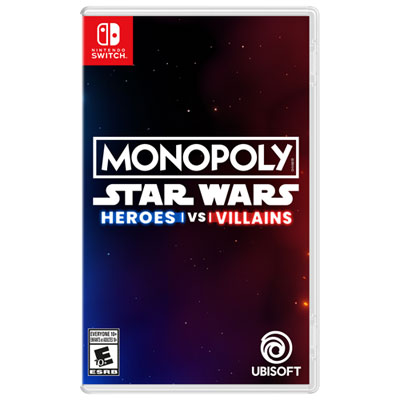

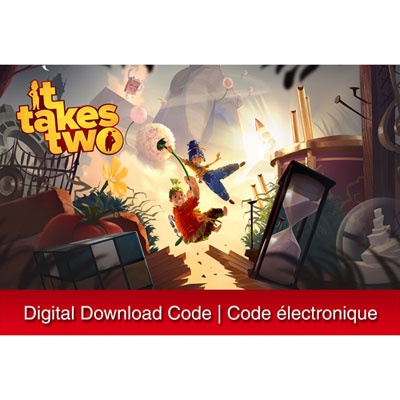
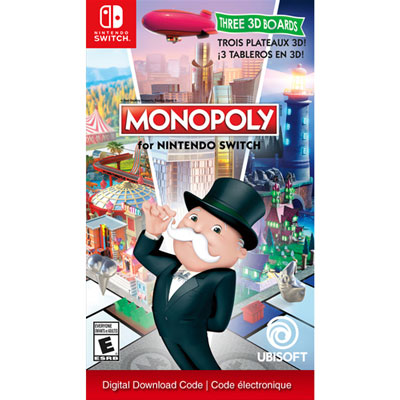

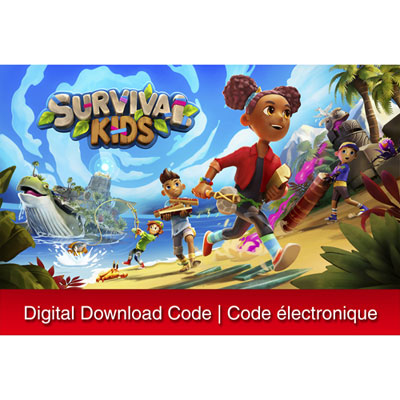

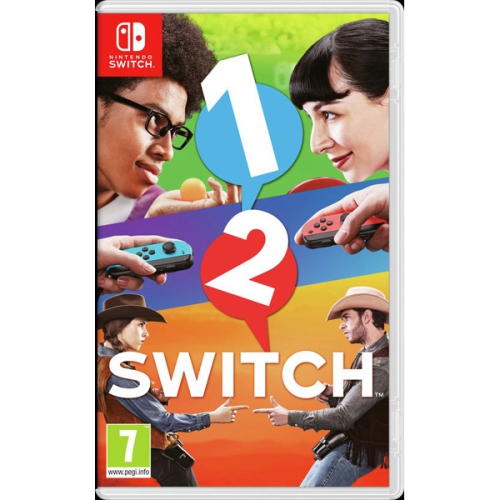
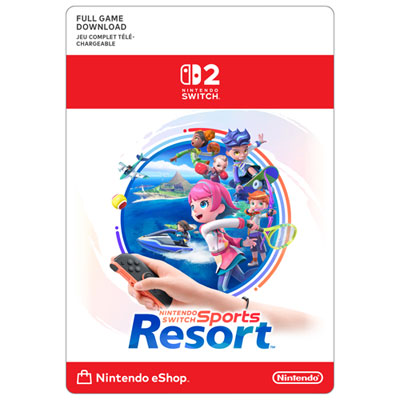
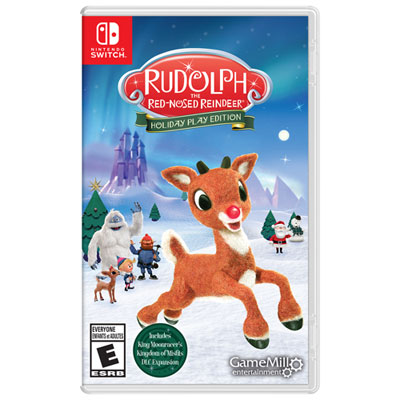

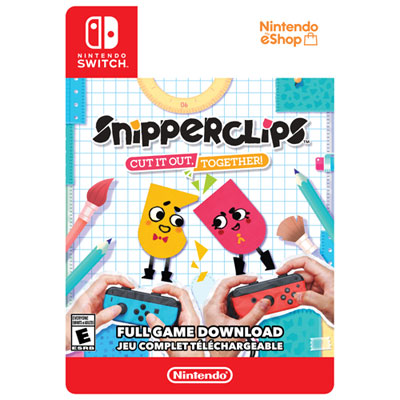
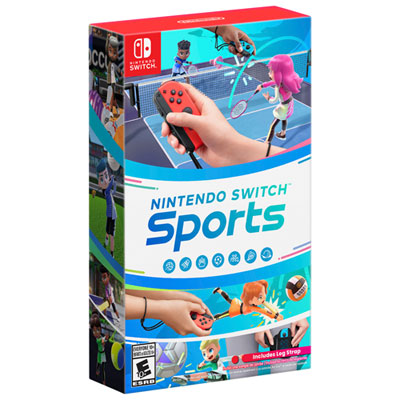

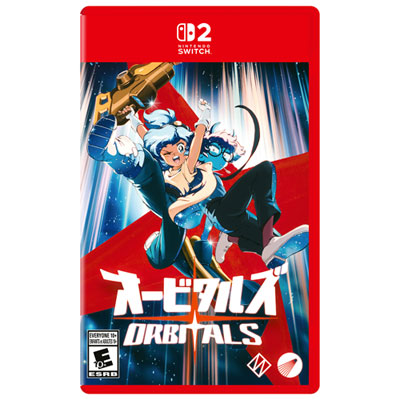


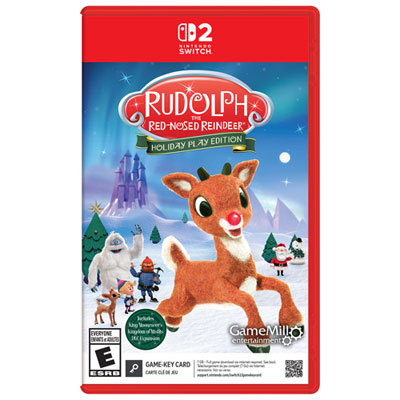

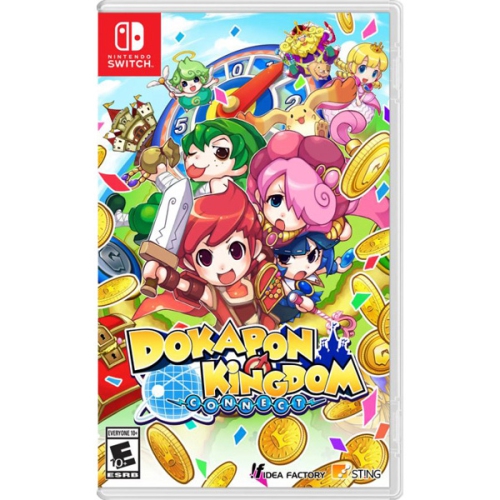


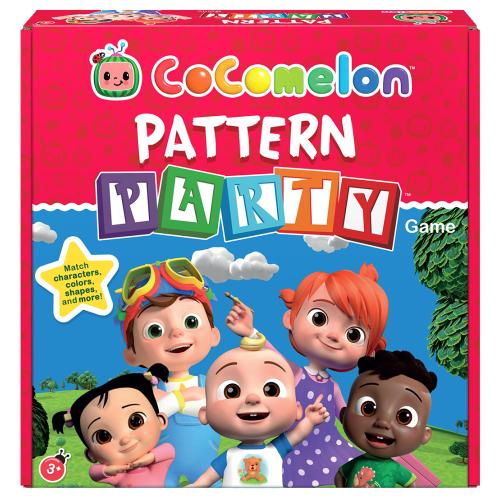


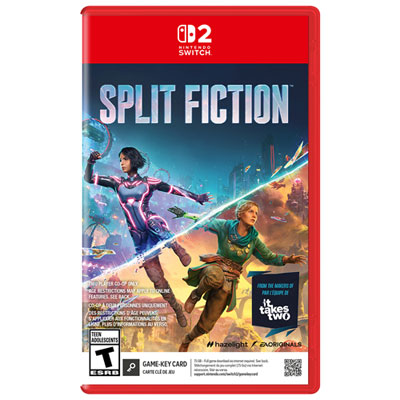

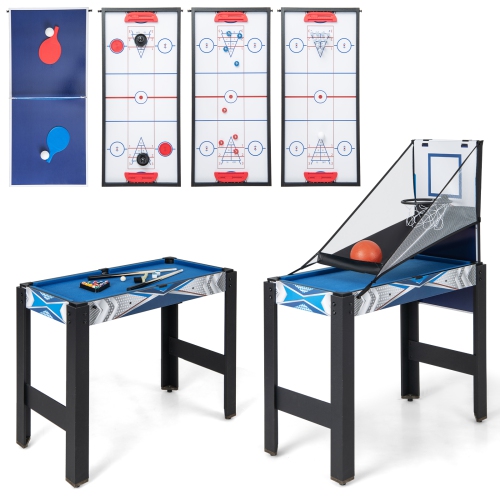
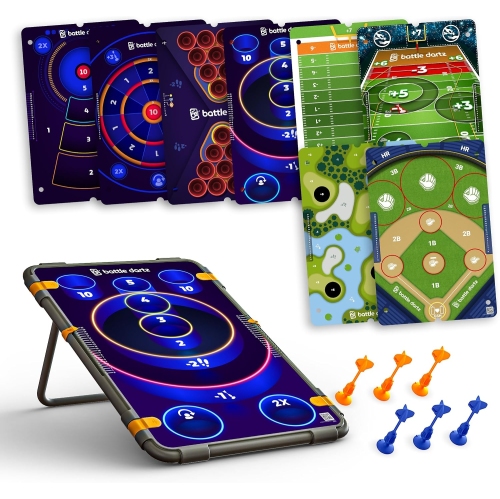

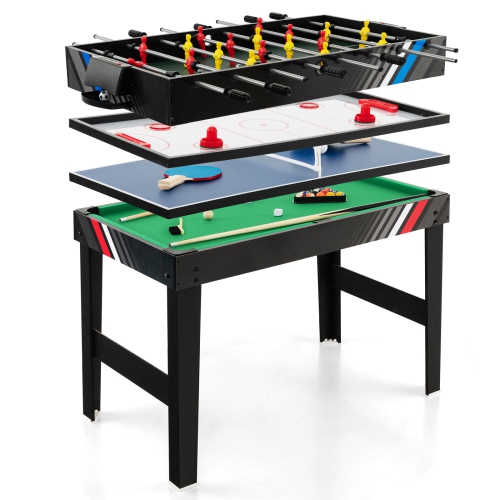


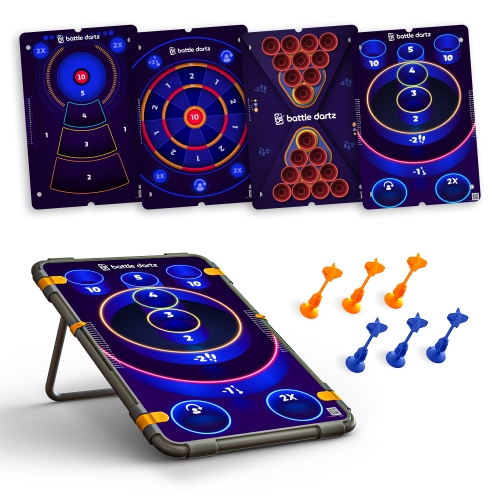
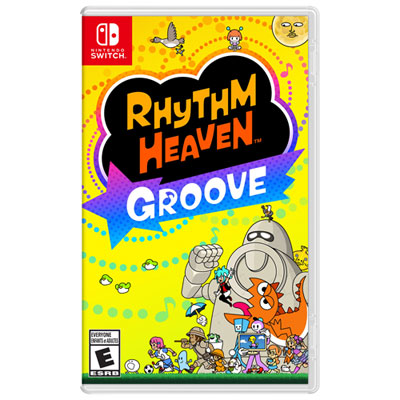

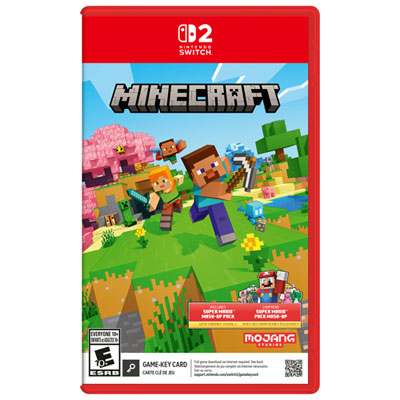

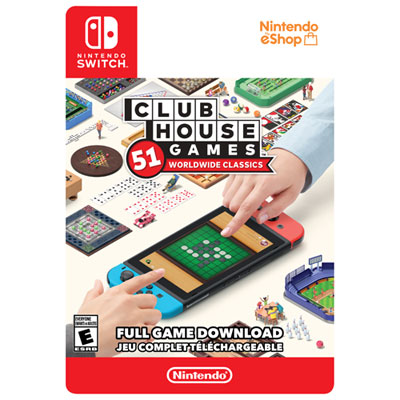


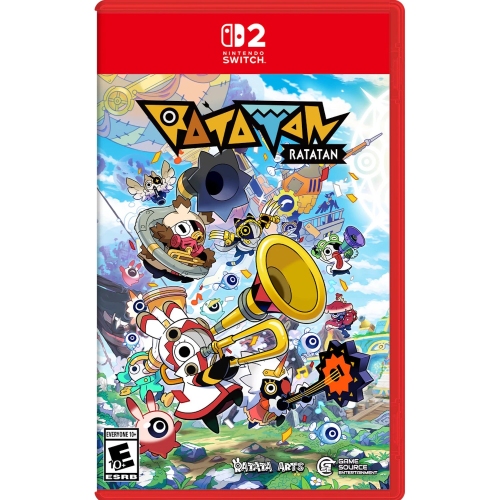
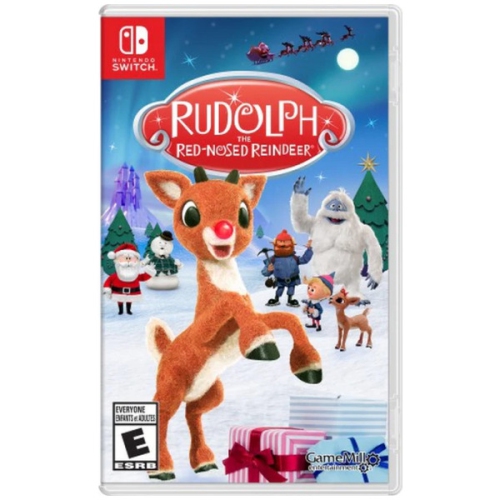
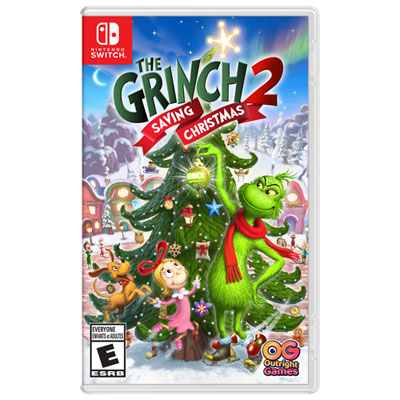


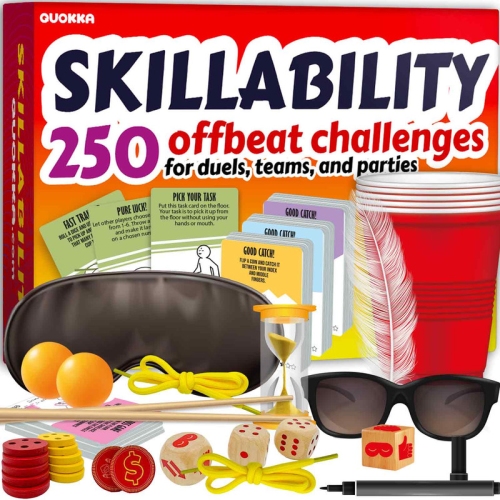
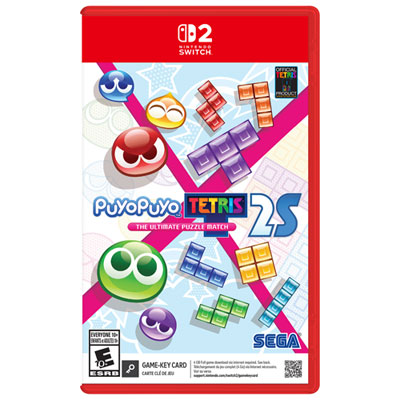
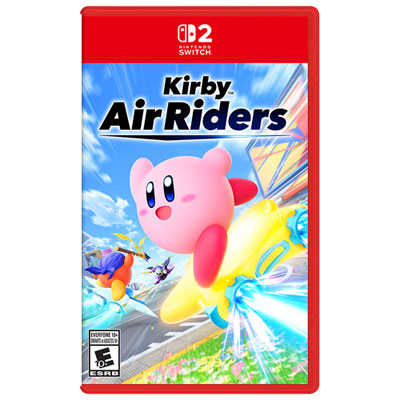


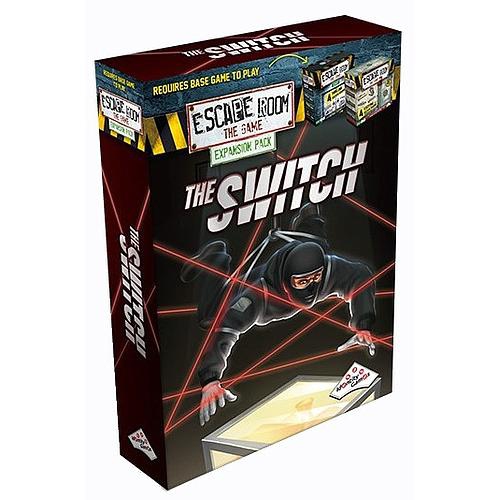
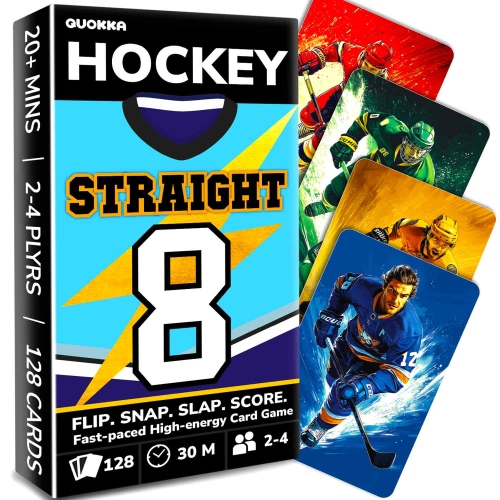

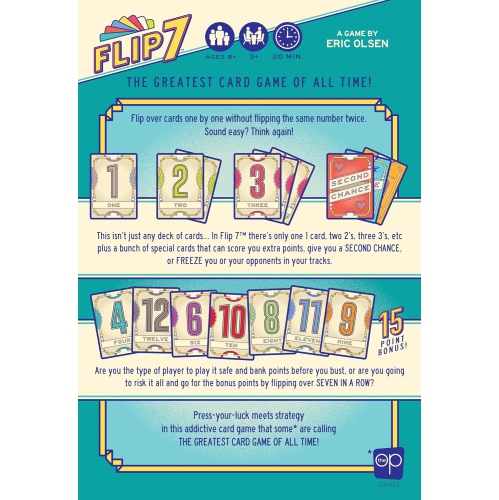
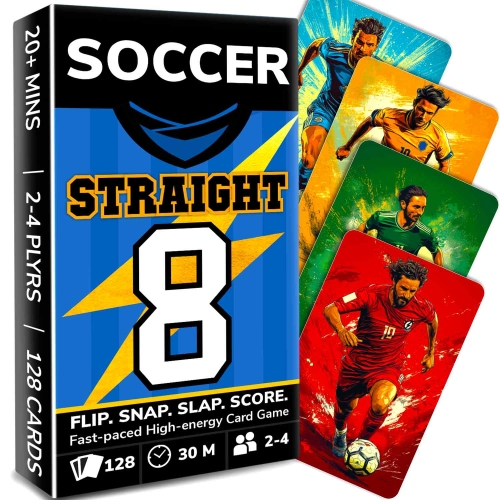
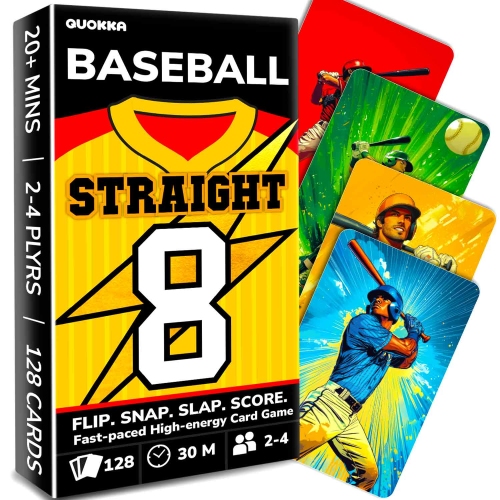
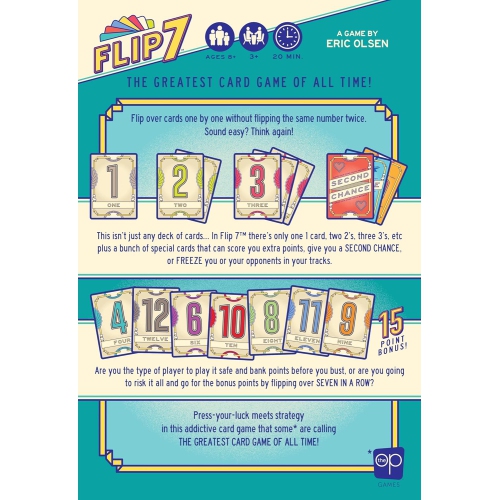
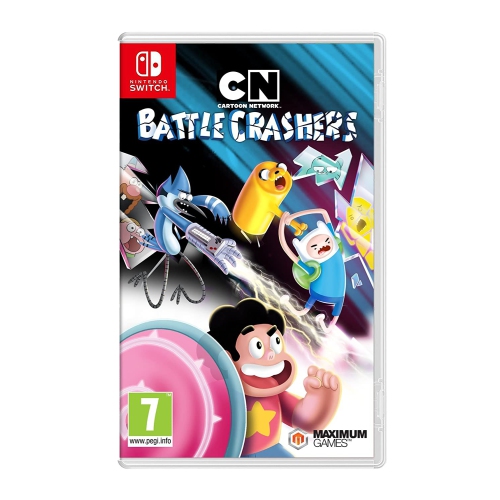
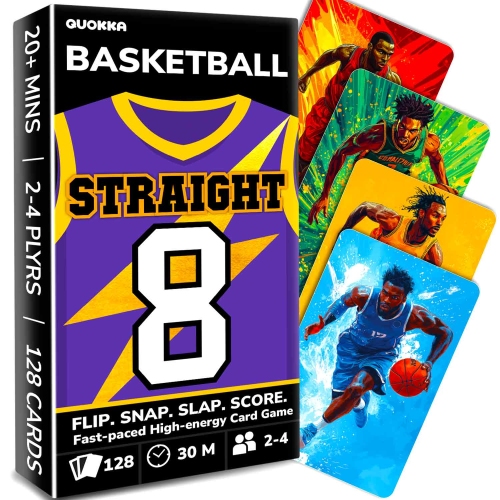
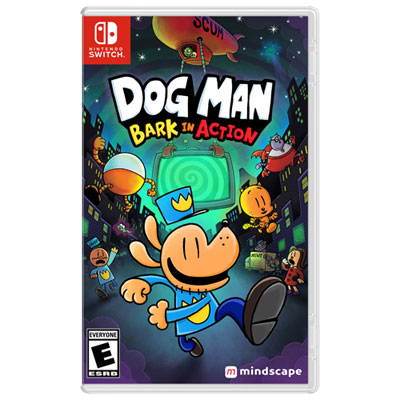

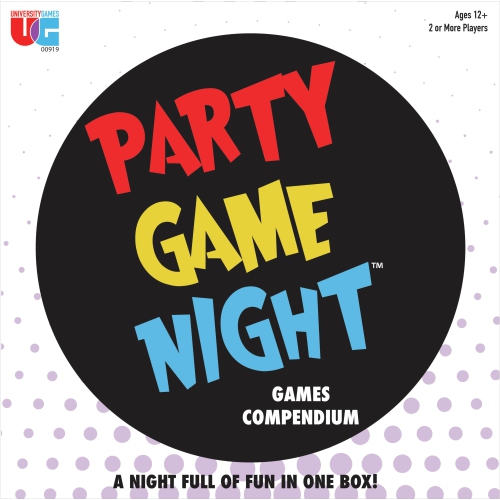

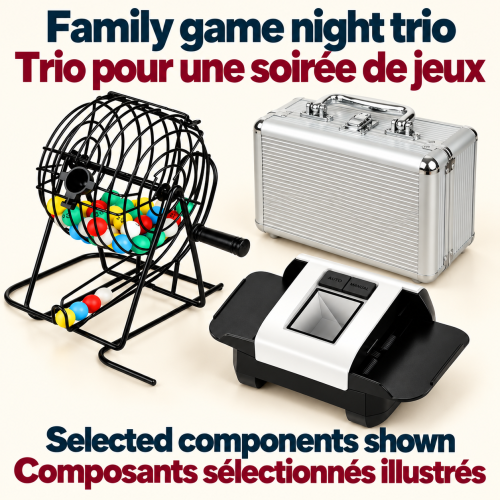
Quick rounds give every guest a chance to shine
Switch party games bring people together through short challenges, shared objectives, and friendly competition, with formats ranging from board-style contests and minigame collections to cooperative puzzles, rhythm games, trivia, and arcade sports. The appeal is often how quickly a group can move from learning the controls to reacting to what happens on screen. A simple race, a frantic attempt to complete a task together, or a last-second change in the standings can give experienced players and occasional guests something to laugh about. Different formats suit different kinds of gatherings. Competitive games give each player a clear goal, while cooperative games turn communication and timing into the main challenge. Some combine both approaches, letting friends work in teams before facing individual rounds. Short, self-contained matches make it easier for guests to join between conversations or take turns without committing to a lengthy session. Longer board-style formats offer a more continuous experience, with progress building over several rounds and unexpected events keeping the outcome uncertain. Player count matters as much as genre: the number of people supported on one console may differ from the number supported online, and some modes accommodate fewer participants than others. A game described as multiplayer does not necessarily let everyone play together on the same screen. Shared-screen games keep the group focused on a single scene, while split-screen formats give individual players their own view of the action. For a larger gathering, games with brief rounds and straightforward turn-taking can work even when not everyone has a controller at once. Clear scoring, readable prompts, and entertaining action also help those watching stay involved. The most suitable choice depends on whether the group enjoys quick reactions, wordplay, musical timing, tactical decisions, or the challenge of coordinating several people at once. A mix of challenge types can give different players a chance to shine rather than rewarding the same skill every round.
How a party game fits the room and the players is just as important as its theme. Supported play modes, controller requirements, and console compatibility determine whether a session works on a television, in tabletop mode, or on a handheld screen. Some games let each participant use a single detachable controller; others require a full controller setup, additional accessories, or particular features. Those details are especially relevant when several people are expected to play simultaneously. Motion-based activities need enough clear space for comfortable movement, along with any wrist straps specified for the controllers, whereas button-controlled games may be easier to enjoy seated around a coffee table. In split-screen play, each player has a smaller viewing area, making text size and the distance from the television worth considering. Games built around clear symbols, distinct shapes, and adjustable audio can be more comfortable for a varied group, although accessibility features differ between titles. Reading demands, reaction speed, motion controls, and the complexity of menus can all affect how independently someone can participate. Age ratings and content descriptions offer useful context, but they do not indicate how difficult the controls or challenges will be. A younger player may understand a simple racing objective immediately while needing help with text-heavy trivia or a multi-stage board game. Practice rounds, adjustable difficulty, optional assistance, and flexible match lengths can help players with different experience levels enjoy the same session when those features are included. Local multiplayer is particularly suited to people gathered in one room, while online modes can connect friends and relatives playing elsewhere. Online features may require a compatible account, an internet connection, a subscription, or separate copies of the game, depending on the title and mode. Downloadable games also need sufficient compatible storage space. Checking these requirements helps keep the focus on playing rather than discovering that an extra controller or setup step is needed after everyone has settled in.
Physical and digital formats offer different ways to keep a collection ready for game night. Physical game cards are compact and easy to store, but their small size calls for careful handling, particularly in homes with young children. A fitted case helps protect a card from dust and accidental damage when it is not in the console. Clean, dry hands, gentle insertion and removal, and storage away from liquids help preserve the card and its contacts. Controllers deserve similar care: secure storage, charging as required, and cleaning according to the manufacturer’s directions help keep shared equipment ready for regular use. For digital games, access is tied to account and console settings, so purchasing and sharing arrangements should match the household’s intended use. These practical differences can matter when choosing a gift for a birthday, a housewarming, or someone who regularly hosts friends. The recipient’s console model, existing games, preferred format, and usual group size are more useful starting points than age alone. Someone who enjoys lively competition may appreciate fast rounds and changing challenges, while a household that prefers working together may get more use from cooperative objectives and adjustable difficulty. For more ways to bring different generations into the same session, explore Switch Games for Family Game Night. Lasting enjoyment often comes from variety within the game itself: different stages, selectable rules, multiple difficulty settings, and challenges that remain interesting after the controls become familiar. Random events can keep results unpredictable, while skill-based modes give returning players something to improve. Neither approach suits every group, and the balance between them shapes the mood of a session. Games that allow a quick rematch or a smooth change of players can become easy favourites for casual visits. With the right format, a short match before dinner or a longer evening of team challenges can feel equally natural.
Top selling and popular products
-
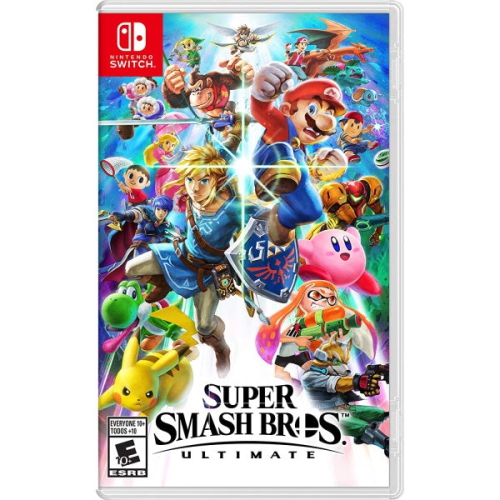 Your price for this item is $89.95
-
 Your price for this item is $89.95
-
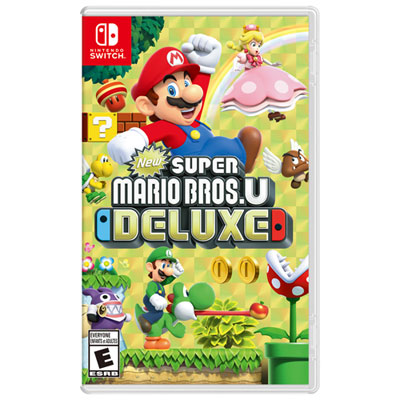 Your price for this item is $79.99
-
 Your price for this item is $85
-
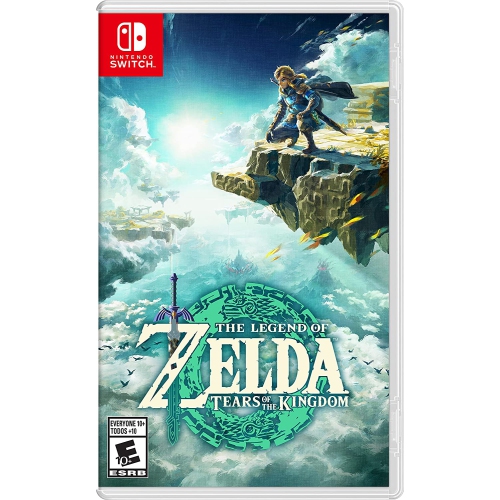 Your price for this item is $109.99
-
 Your price for this item is $99.99
-
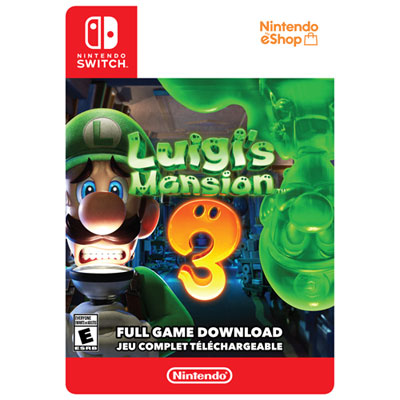 Your price for this item is $84.99
-
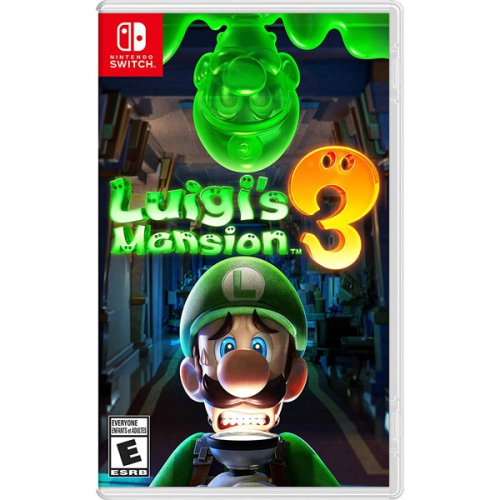 Your price for this item is $87.75
Discover more categories related to Switch Party Games
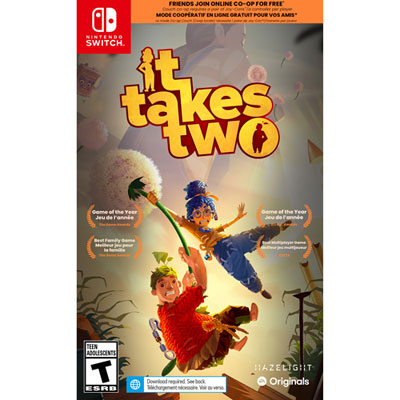
Top Collections:
Pokemon Centers, Kindle Devices, Best Black Friday Deals This Year, Pokémon 30th Celebration Cards, Best Black Friday Deals On Electronics, Best Cameras for Sports Photography, Best Black Friday Deals On Apple Products, Canon G7X Cameras, iPhone 15 Apple, Candle Warmer Lights
Some products may be subject to Environmental Handling Fees
(EHF) depending on your province.
Learn more about EHFs.