Microwaves With Defrost Feature
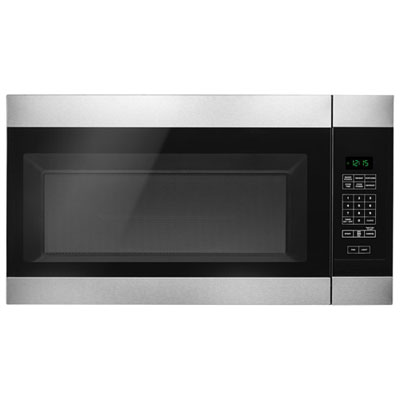
Microwaves with a defrost feature provides a quick and convenient way to thaw frozen food, saving time and effort. This feature helps to preserve the texture and taste of the food by evenly thawing it, resulting in better cooking or reheating results. Here are some of the Microwaves with a defrost feature we have.
Sort
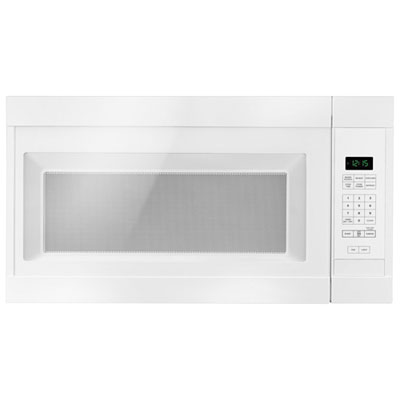
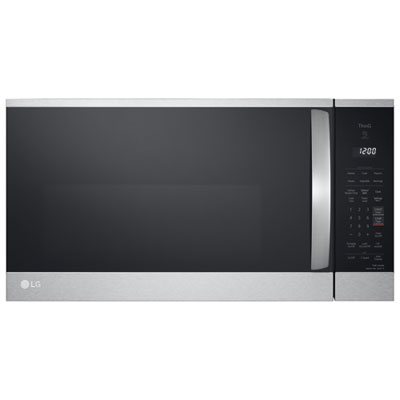

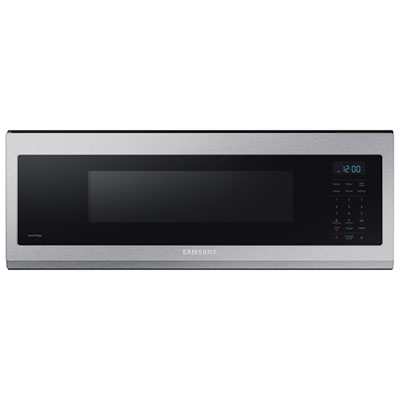
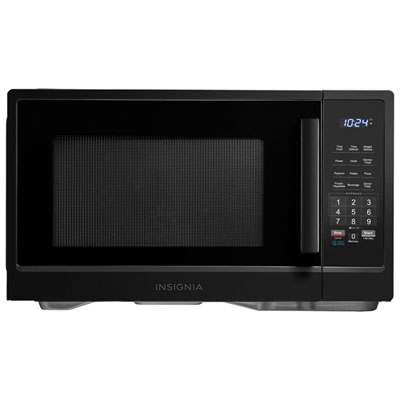
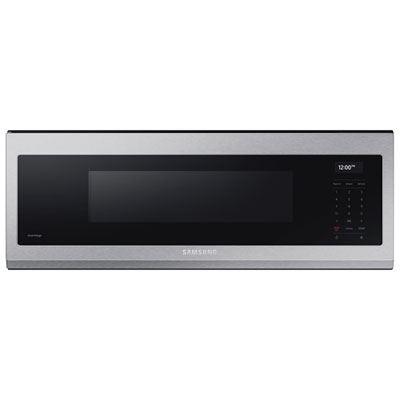
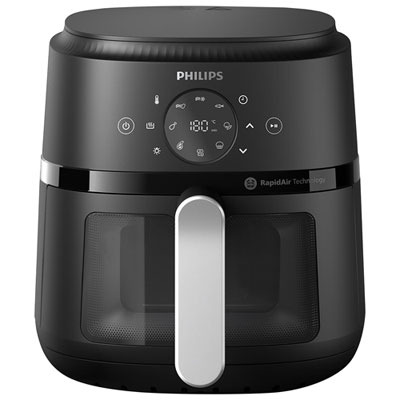
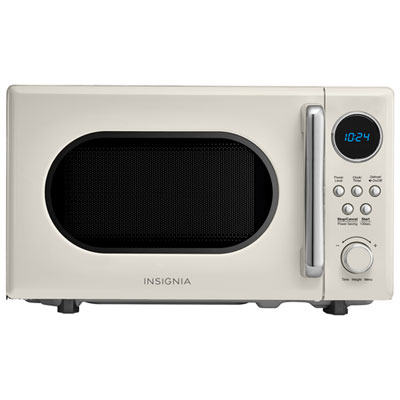
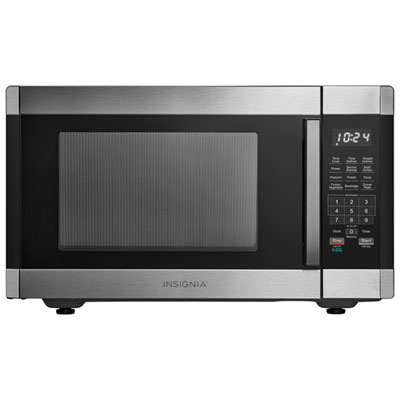
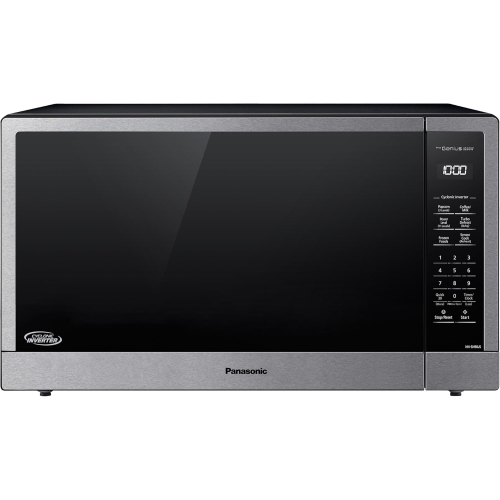
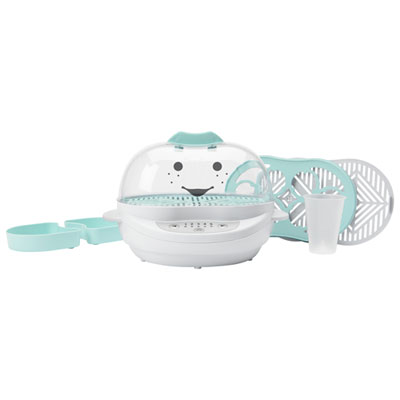
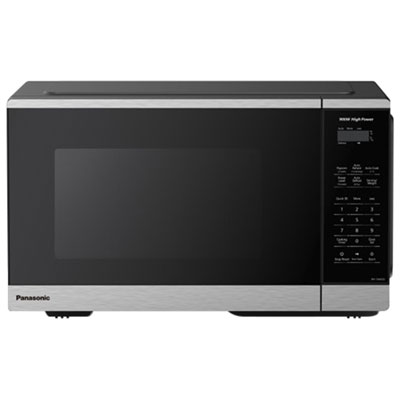
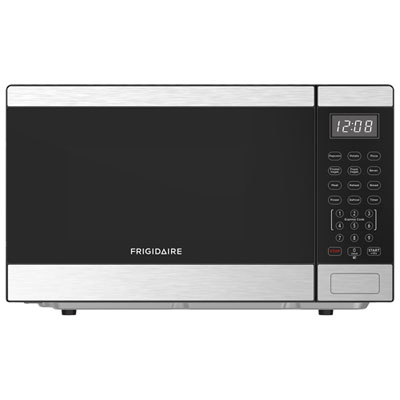
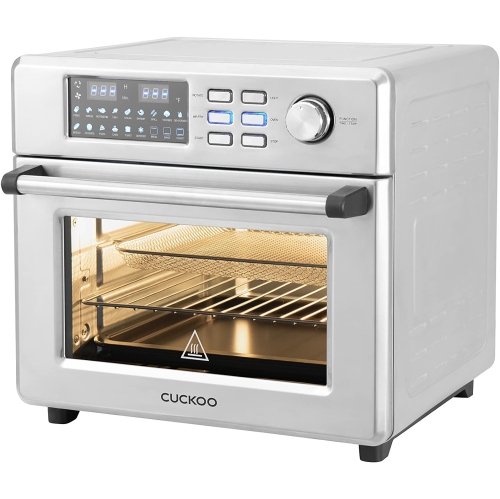
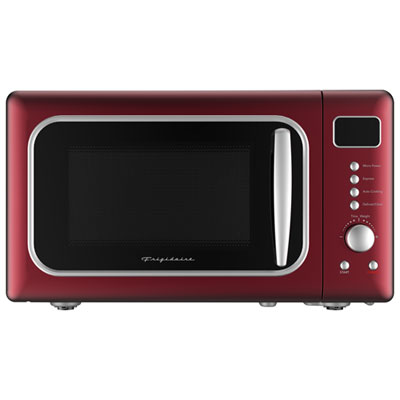

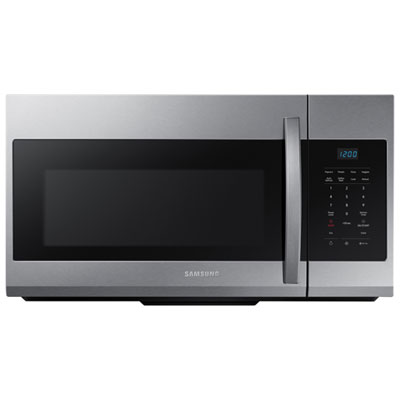
What to know about gradual thawing and microwave sizing
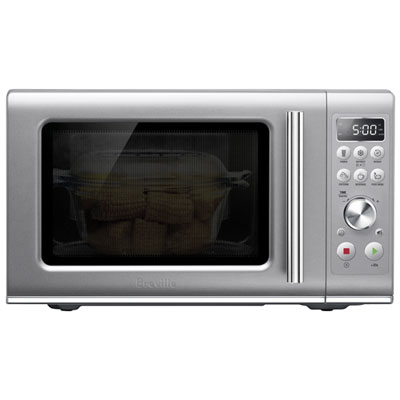
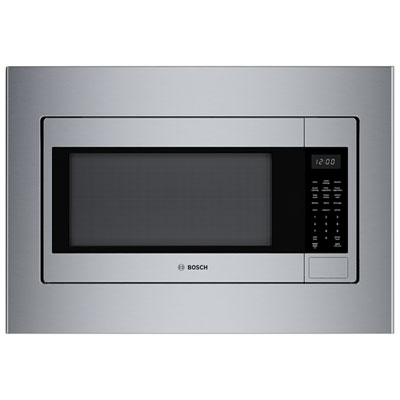
Microwaves with a defrost feature make it easier to plan meals around frozen ingredients, whether you are thawing chicken for dinner, softening ground meat for a family recipe, or preparing a frozen portion for one. The defrost setting is designed to use lower, intermittent power rather than heating continuously at full strength. In many models, this means the magnetron cycles on and off at roughly 20% to 30% power, giving the colder centre time to absorb warmth while helping prevent the outside edges from cooking. That distinction is useful in a busy kitchen: a frozen roast, fillet, loaf of bread, or container of leftovers can move from the freezer towards meal preparation without needing to sit on the counter for hours. Depending on the controls, you can select defrost by weight or by time. Weight-based defrosting typically asks for the food’s weight in pounds or kilograms and then calculates a suggested cycle, while time-based defrosting lets you enter a duration when the package size or food type does not match a preset. A unit with clearly labelled buttons, a digital display, and an easy-to-hear signal can be especially helpful when your hands are full with groceries or when dinner preparation is happening around homework, work calls, and other kitchen tasks. Defrosting works best in a microwave-safe dish with enough room to catch moisture, with packaging, foam trays, twist ties, and metal removed beforehand. Many microwaves beep partway through the cycle so you can pause, turn, flip, or separate pieces that have begun to loosen. That simple step makes a noticeable difference, particularly with a block of frozen meat or several pieces packed together. Since microwave defrosting can create warm spots, cook food promptly after thawing and follow the handling directions provided with the food.
Choosing the right microwave with a defrost feature starts with the space available and the way you expect to use it. Countertop models are convenient for apartments, dorm rooms, offices, basement kitchens, and homes where the appliance may need to move between locations. Measure the width, depth, and height of the space, allowing clearance around the unit as recommended by the manufacturer, and check that the turntable or interior can accommodate the dishes you use most often. A compact cavity may suit single servings, mugs, small plates, and occasional thawing, while a larger capacity can make it easier to defrost family-size packages or fit a casserole dish. Wattage also affects cooking and thawing performance. Higher-wattage models can heat food more quickly, but the control panel and available settings are just as important when the main priority is gradual defrosting. Look for separate options for weight and time, plus the ability to add time in short increments or reduce power manually. A pause button, interior light, removable turntable, and straightforward cleaning surfaces can make regular use less frustrating. Over-the-range microwaves can free up counter space and may include a ventilation fan and cooktop light, making them a practical choice during a kitchen update, while built-in styles can create a more integrated appearance when paired with surrounding cabinetry. Consider the door swing, handle placement, control visibility, and whether the unit will be comfortable for everyone who uses it. If you are comparing more cooking assistance, models with sensor programs can detect moisture and adjust heating for certain foods; explore Microwaves With Sensor Cooking for another useful feature set. For any style, confirm the interior dimensions rather than relying on exterior size alone, since a roomy turntable and low, wide cavity may be more useful than a taller but narrower design.
These microwaves can be a thoughtful practical gift for someone setting up a first kitchen, moving into a new home, furnishing a student space, or replacing an older appliance with controls that have become difficult to read. They are also useful for households that keep frozen ingredients on hand for flexible meal planning during the cooler months, when a warm supper may begin with a package taken from the freezer in the morning. A parent can use the defrost setting to prepare ingredients before the evening rush, while a single cook can thaw only the portion needed instead of committing to an entire package. For best results, place food in a microwave-safe container, arrange pieces in a single layer when possible, and cover loosely if splattering is a concern. Start with the manufacturer’s suggested weight or time, then check the food as the cycle progresses. If the microwave signals a midway pause, separate pieces and turn them so the outer areas do not become warm while the centre remains frozen. Small portions may need only brief intervals, while dense foods require patience and repeated checks. The goal is to thaw food evenly, not to cook it; if edges begin to firm up or change colour, stop the cycle and let the remaining cold areas catch up. Avoid refreezing raw food that has been fully thawed in the microwave unless it is cooked first, and use a food thermometer when appropriate to confirm that cooked dishes have reached a safe serving temperature. With the right capacity, power level, layout, and defrost controls, a microwave can become a dependable part of everyday meal preparation, helping turn frozen ingredients into lunch, dinner, or a quick snack with less advance planning.
Choosing the right microwave with a defrost feature starts with the space available and the way you expect to use it. Countertop models are convenient for apartments, dorm rooms, offices, basement kitchens, and homes where the appliance may need to move between locations. Measure the width, depth, and height of the space, allowing clearance around the unit as recommended by the manufacturer, and check that the turntable or interior can accommodate the dishes you use most often. A compact cavity may suit single servings, mugs, small plates, and occasional thawing, while a larger capacity can make it easier to defrost family-size packages or fit a casserole dish. Wattage also affects cooking and thawing performance. Higher-wattage models can heat food more quickly, but the control panel and available settings are just as important when the main priority is gradual defrosting. Look for separate options for weight and time, plus the ability to add time in short increments or reduce power manually. A pause button, interior light, removable turntable, and straightforward cleaning surfaces can make regular use less frustrating. Over-the-range microwaves can free up counter space and may include a ventilation fan and cooktop light, making them a practical choice during a kitchen update, while built-in styles can create a more integrated appearance when paired with surrounding cabinetry. Consider the door swing, handle placement, control visibility, and whether the unit will be comfortable for everyone who uses it. If you are comparing more cooking assistance, models with sensor programs can detect moisture and adjust heating for certain foods; explore Microwaves With Sensor Cooking for another useful feature set. For any style, confirm the interior dimensions rather than relying on exterior size alone, since a roomy turntable and low, wide cavity may be more useful than a taller but narrower design.
These microwaves can be a thoughtful practical gift for someone setting up a first kitchen, moving into a new home, furnishing a student space, or replacing an older appliance with controls that have become difficult to read. They are also useful for households that keep frozen ingredients on hand for flexible meal planning during the cooler months, when a warm supper may begin with a package taken from the freezer in the morning. A parent can use the defrost setting to prepare ingredients before the evening rush, while a single cook can thaw only the portion needed instead of committing to an entire package. For best results, place food in a microwave-safe container, arrange pieces in a single layer when possible, and cover loosely if splattering is a concern. Start with the manufacturer’s suggested weight or time, then check the food as the cycle progresses. If the microwave signals a midway pause, separate pieces and turn them so the outer areas do not become warm while the centre remains frozen. Small portions may need only brief intervals, while dense foods require patience and repeated checks. The goal is to thaw food evenly, not to cook it; if edges begin to firm up or change colour, stop the cycle and let the remaining cold areas catch up. Avoid refreezing raw food that has been fully thawed in the microwave unless it is cooked first, and use a food thermometer when appropriate to confirm that cooked dishes have reached a safe serving temperature. With the right capacity, power level, layout, and defrost controls, a microwave can become a dependable part of everyday meal preparation, helping turn frozen ingredients into lunch, dinner, or a quick snack with less advance planning.
Top selling and popular products
-
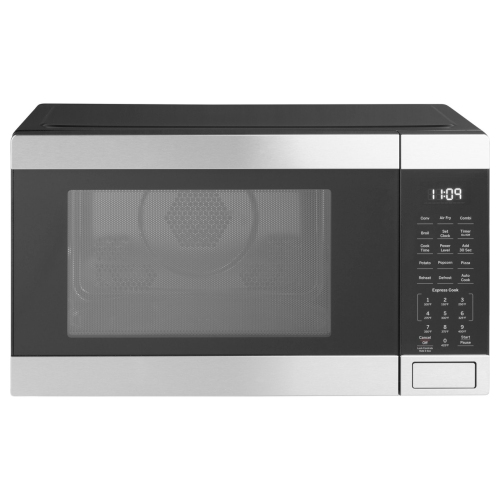 Your price for this item is $509.99
 -
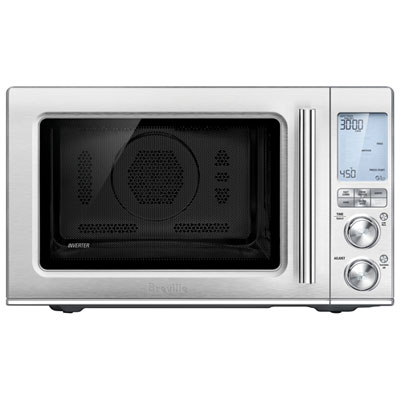 Your price for this item is $529.98
 -
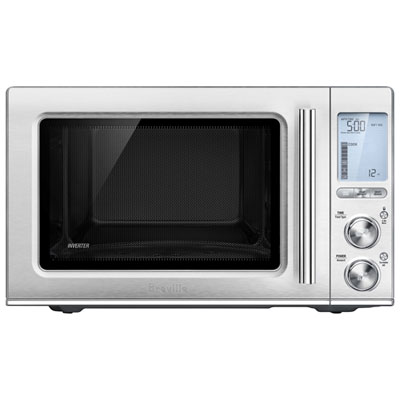 Your price for this item is $459.99
 -
 Your price for this item is $114.99
 -
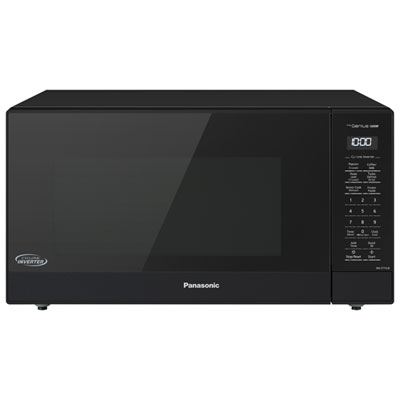 Your price for this item is $279.99
 -
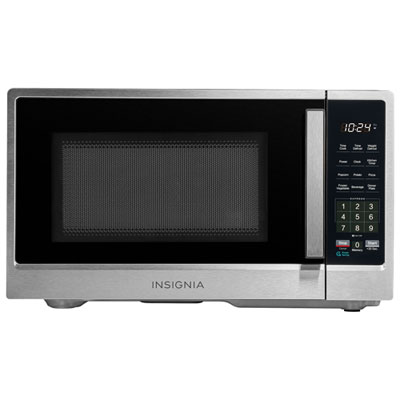 Your price for this item is $89.99
 -
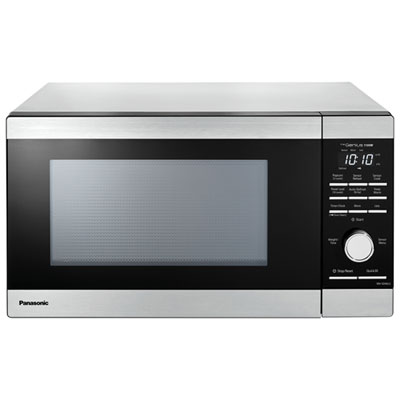 Your price for this item is $179.99
 -
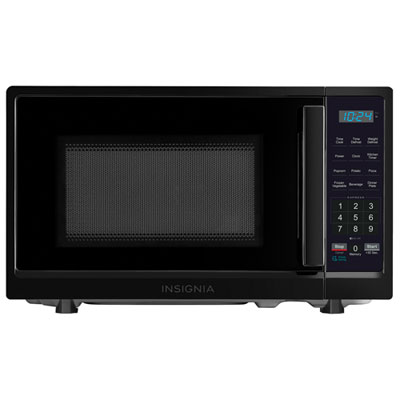 Your price for this item is $109.99
Discover more categories related to Microwaves With Defrost Feature
Top Collections:
Pokemon Centers, Kindle Devices, Best Budget Office Chairs, Apple iPhones 16, Best Laptops for Writers, iPhone 15 Apple, Canon G7X Cameras, Refurbished Apple Laptops, Alarm Clock, Motorola Razr Phones
Some products may be subject to Environmental Handling Fees
(EHF) depending on your province.
Learn more about EHFs.