White Garage Fridges
A refrigerator is a cooling device. Its main purpose is to keep food cool and preserved. Here are some of the best white garage fridges on the market today.
Sort
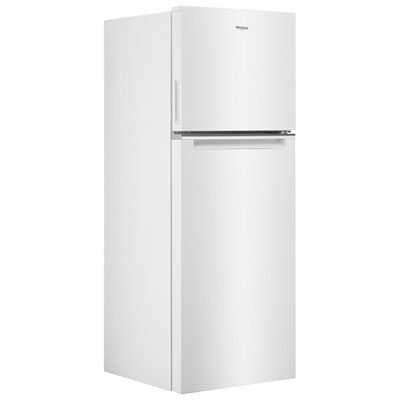
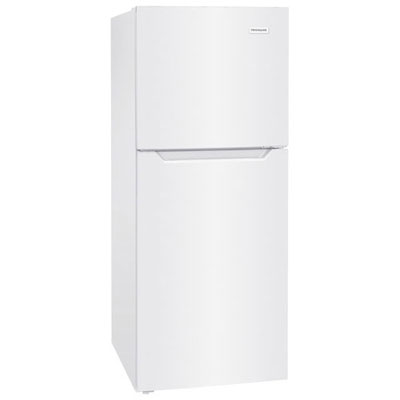
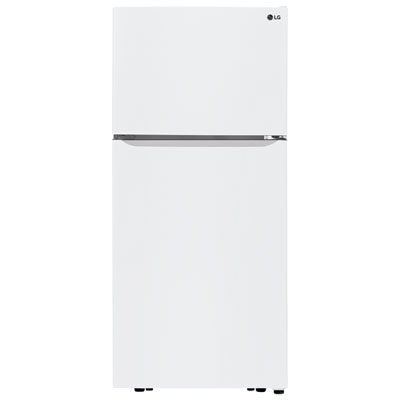
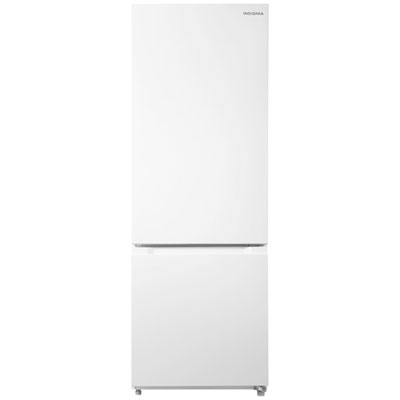
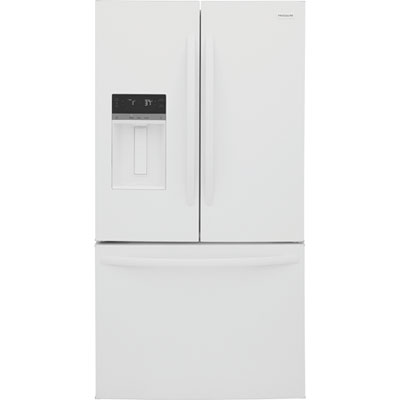
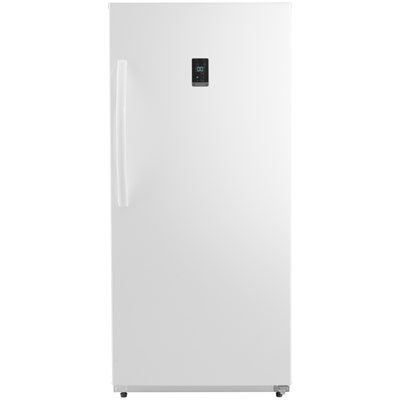
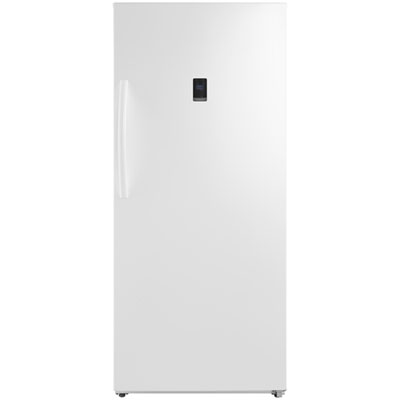
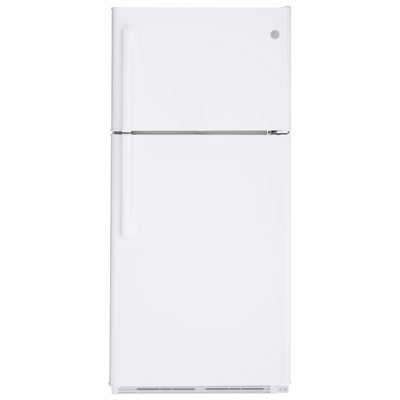
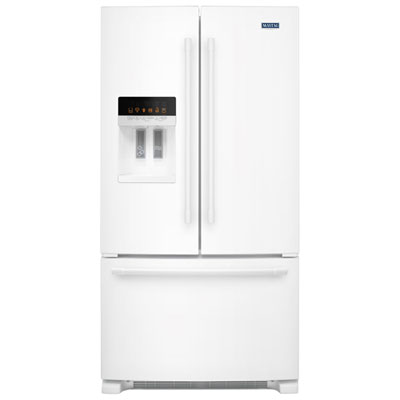
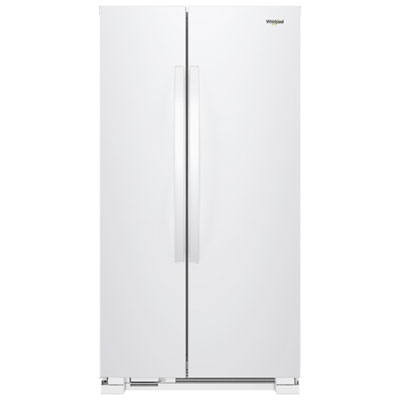
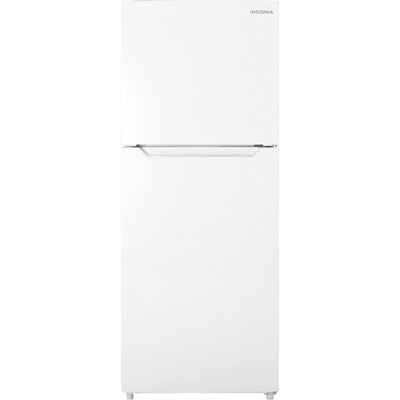
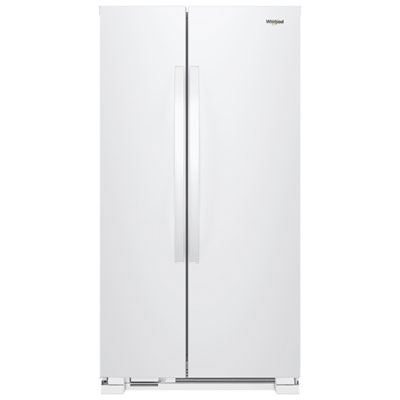
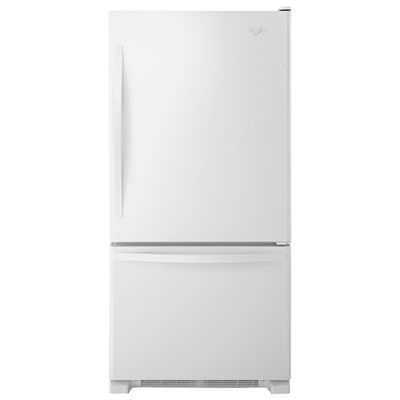
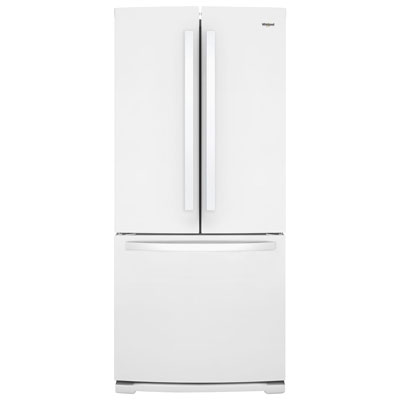
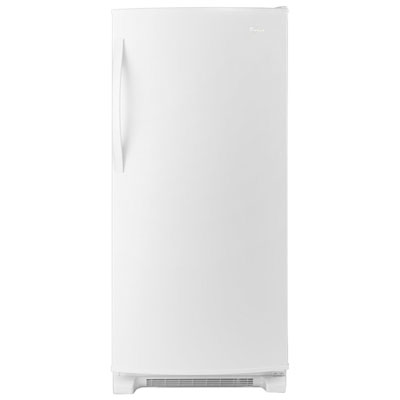
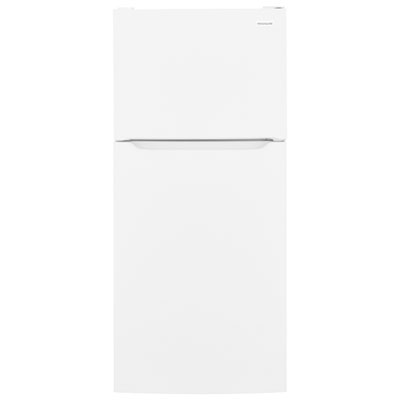
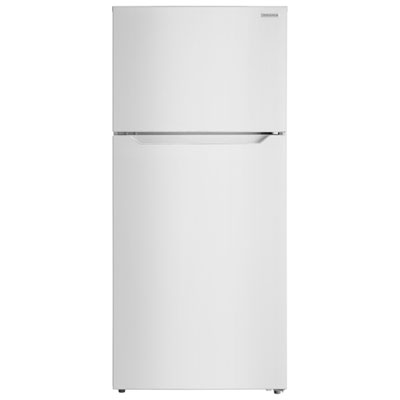
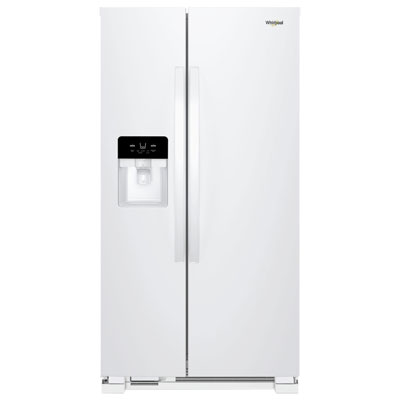
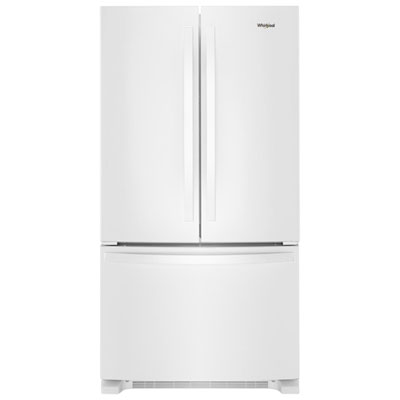
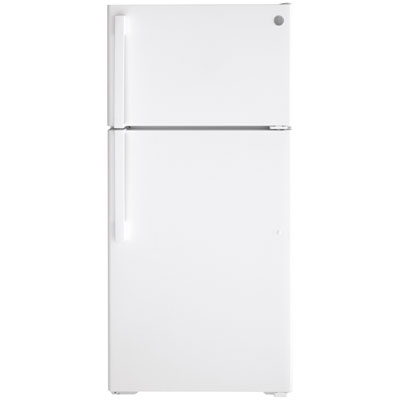
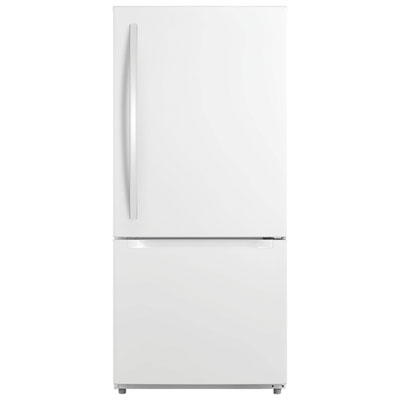
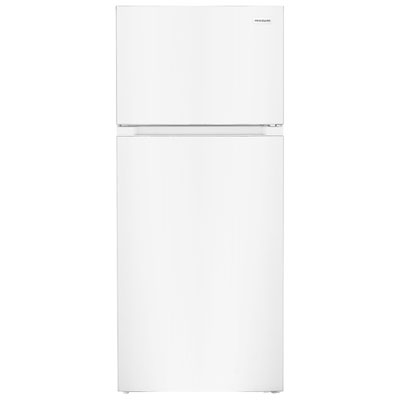
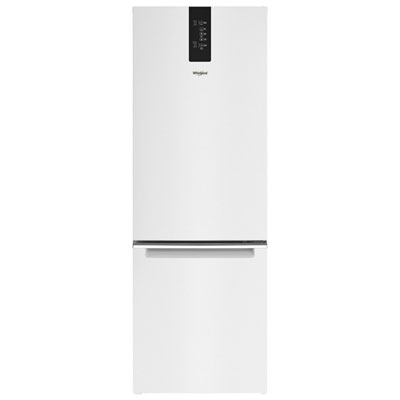
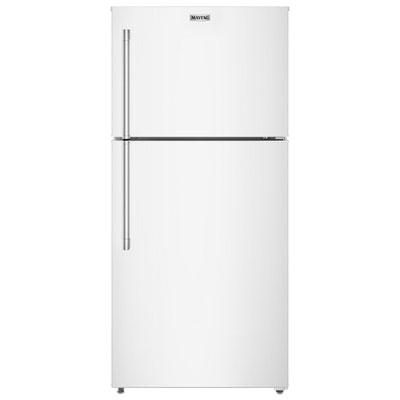
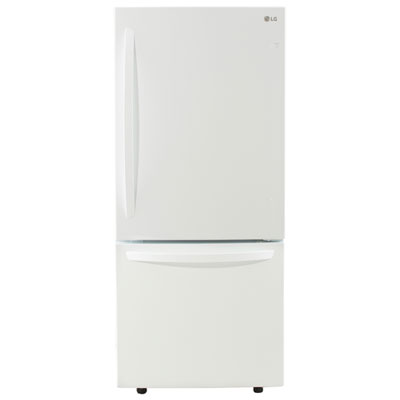
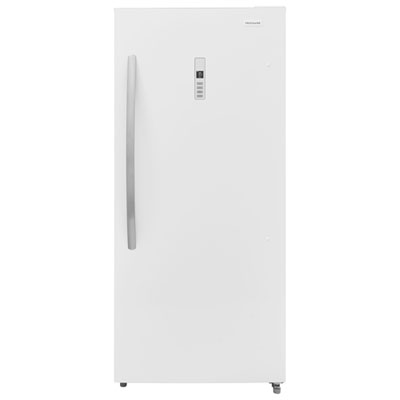
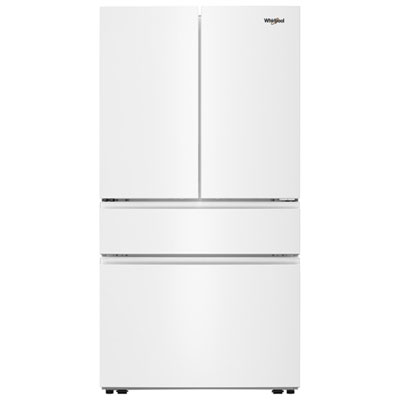
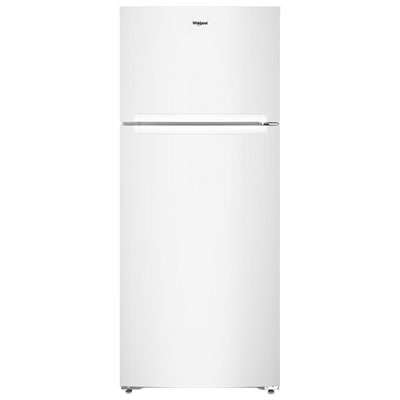
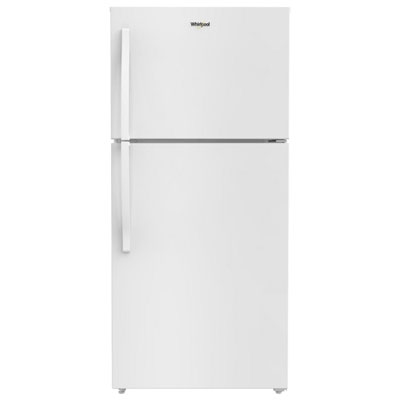
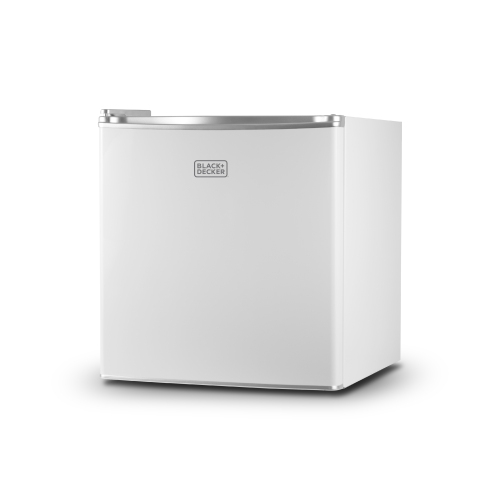
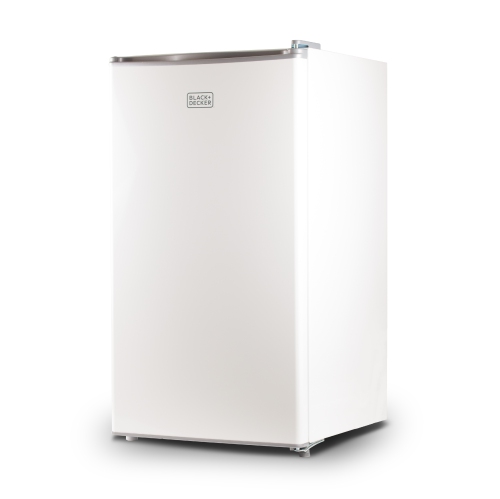
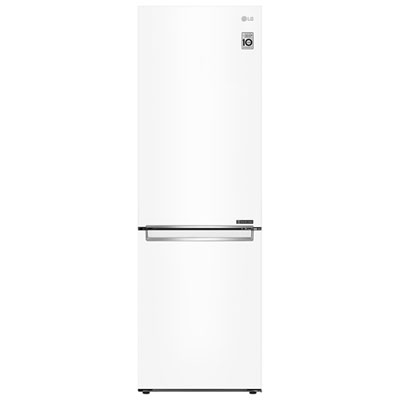
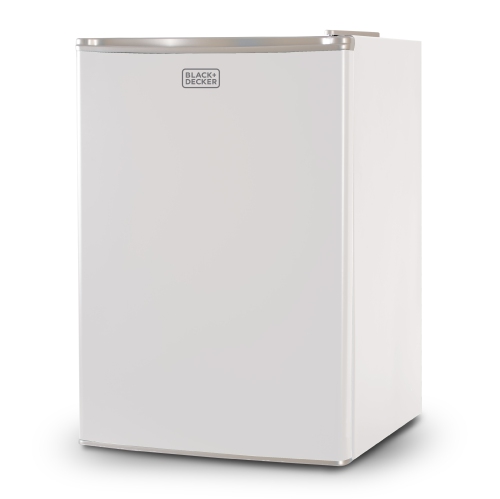
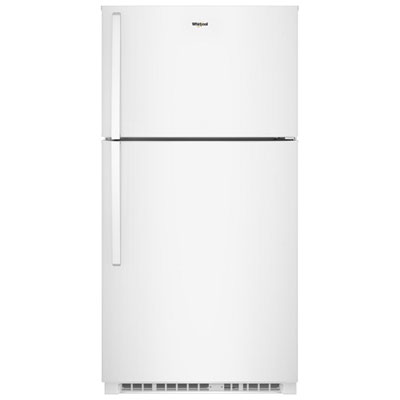
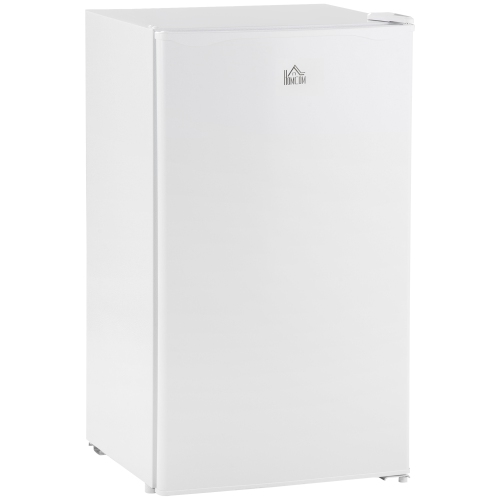
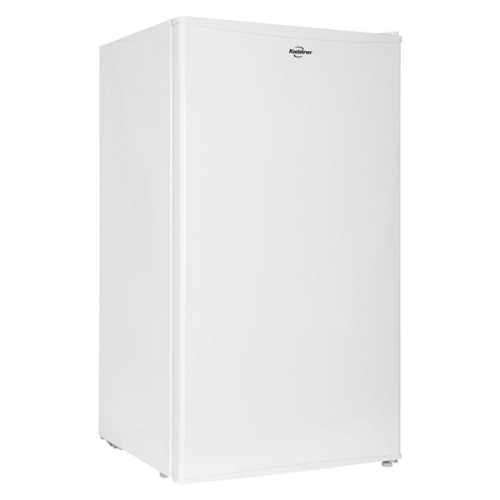
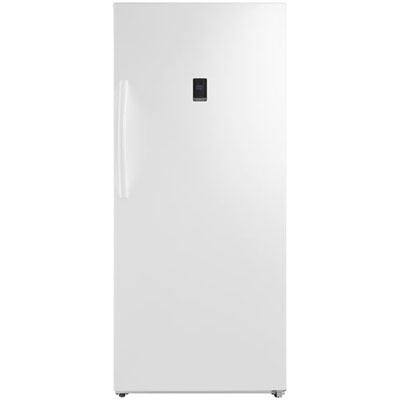
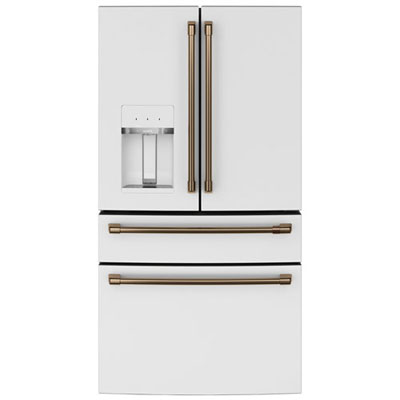
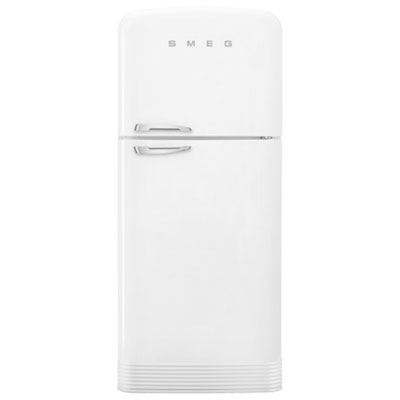
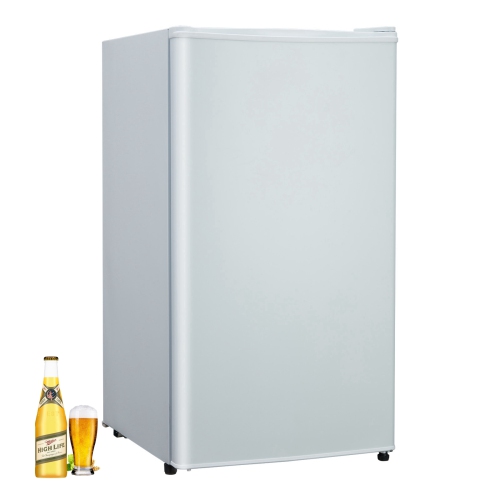
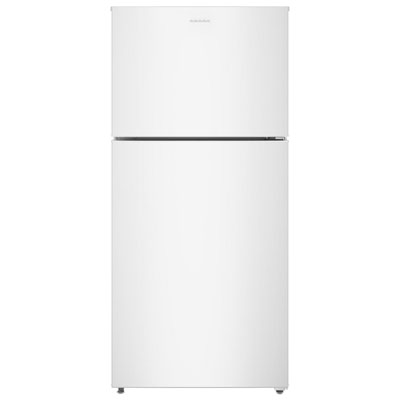
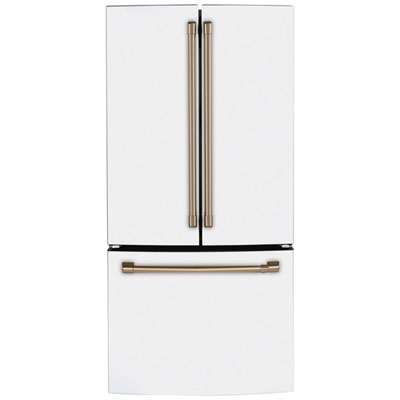
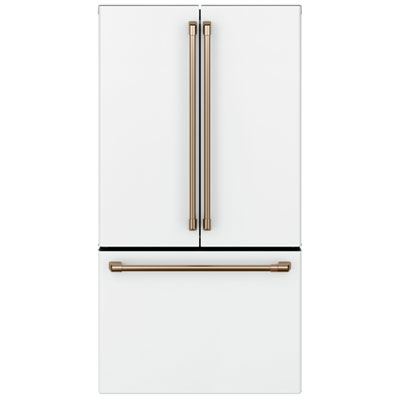
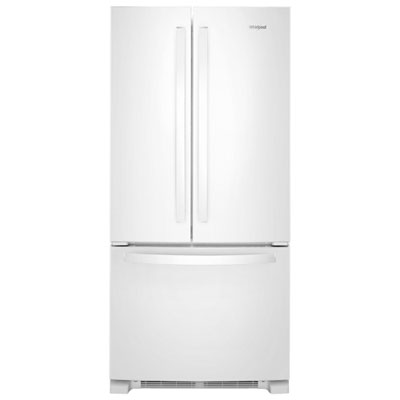
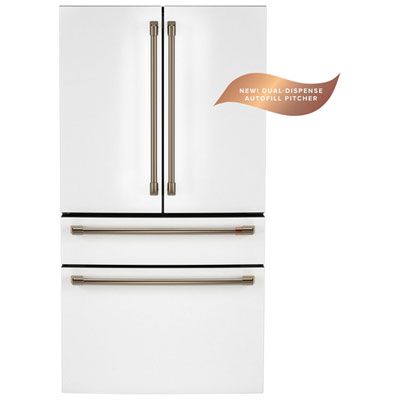
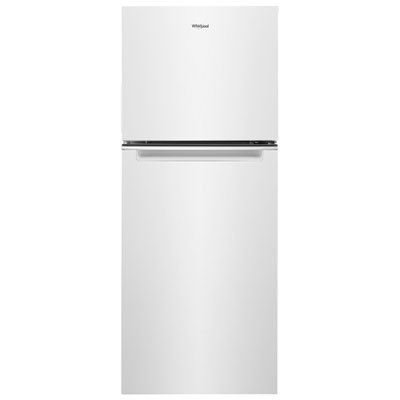
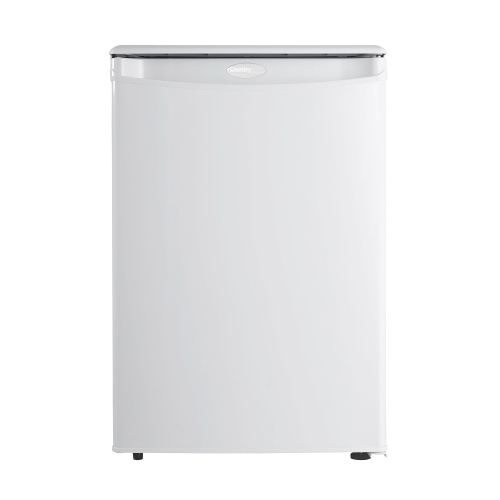
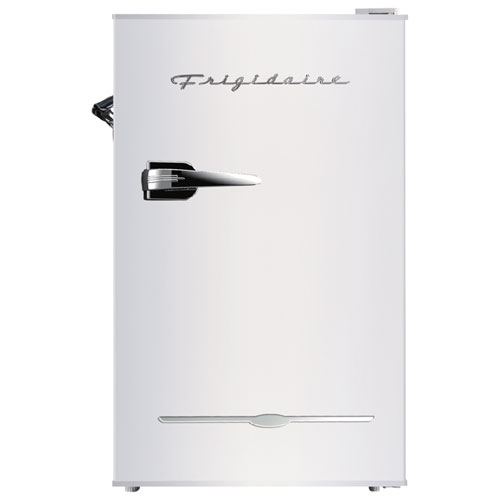
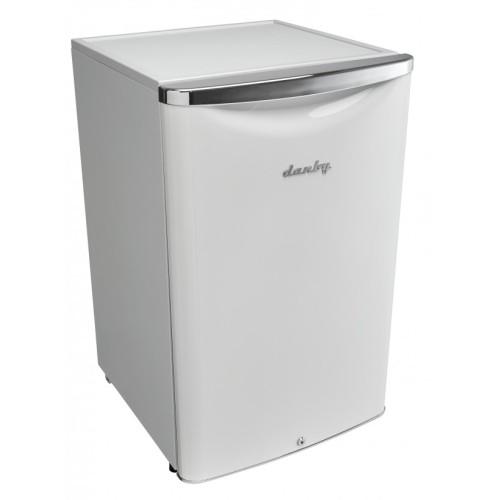
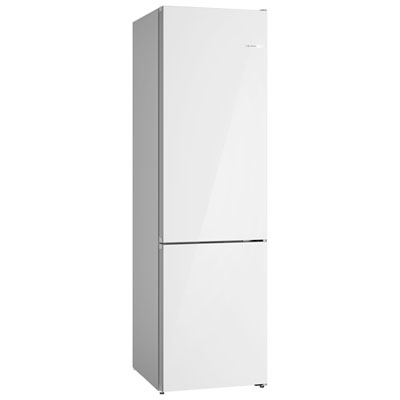
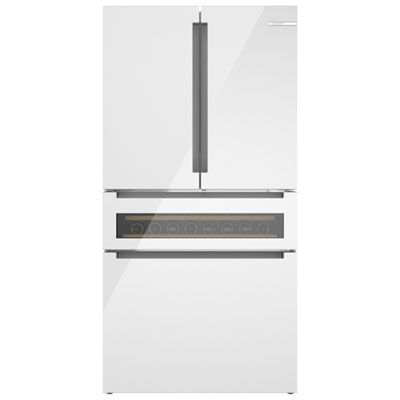
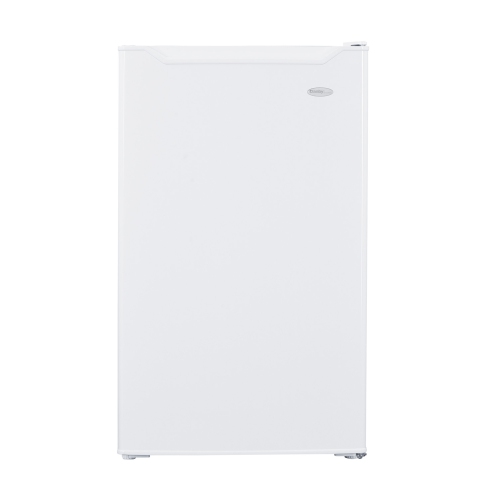
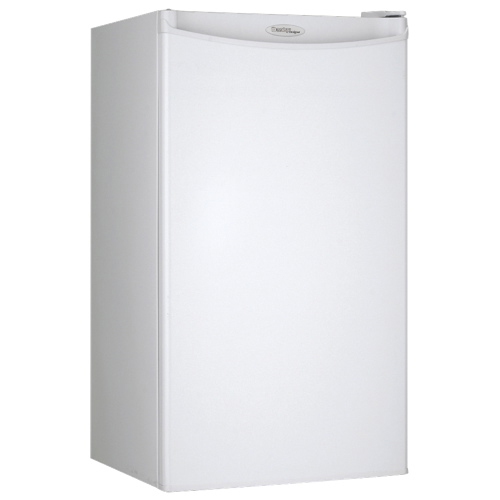
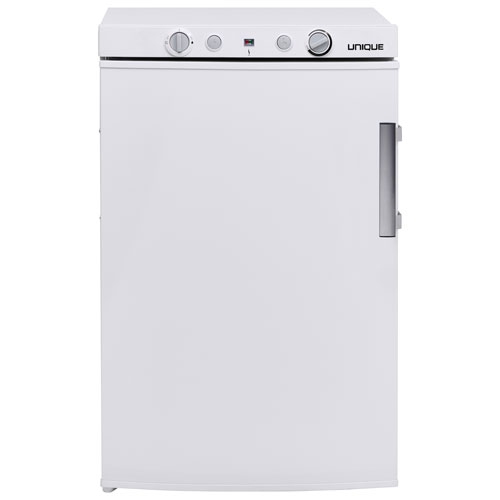
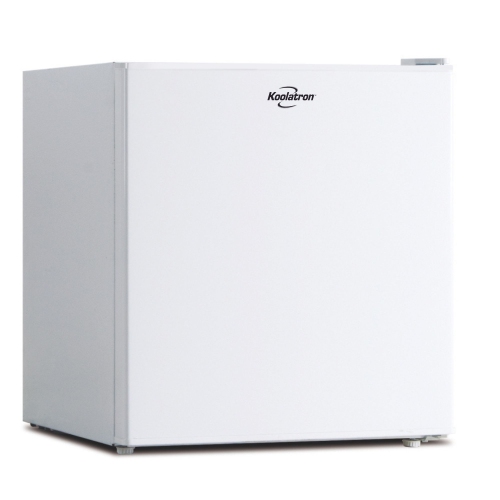
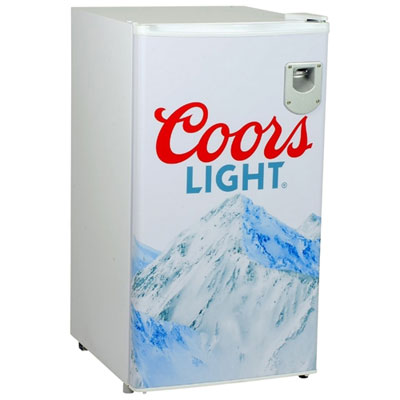
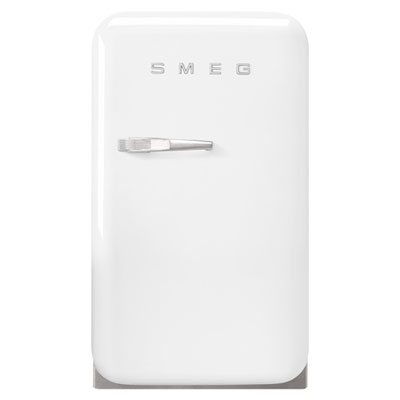
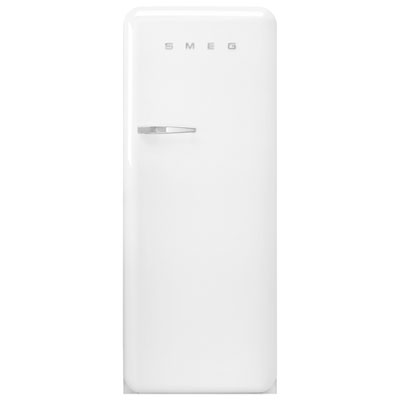
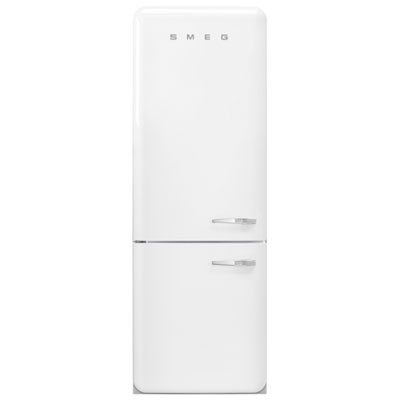

Extra chilled storage needs more than a matching finish
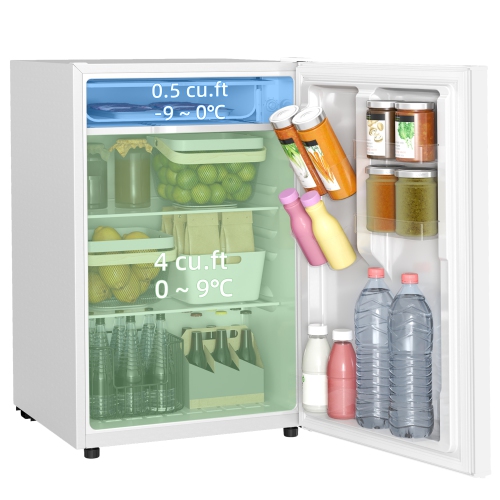
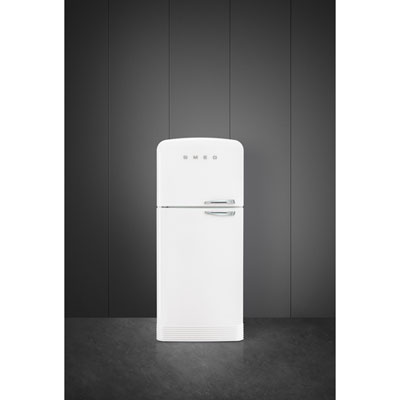
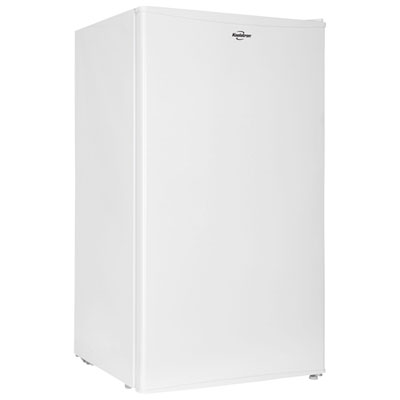
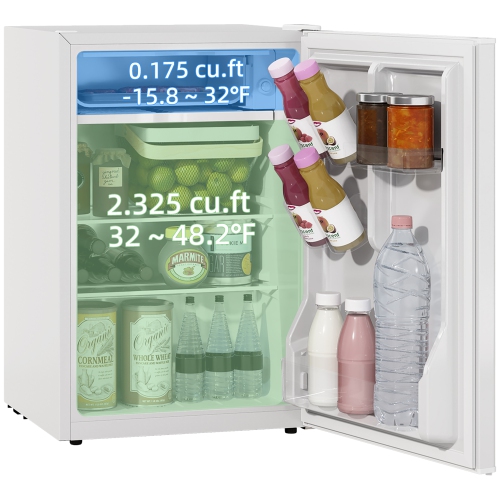
White garage fridges provide extra chilled storage outside the kitchen, with a neutral finish that sits comfortably alongside utility cabinets, shelving, and laundry appliances. They can be useful for households that prepare several meals at once, keep plenty of drinks on hand, or need room for groceries that would otherwise crowd the main refrigerator. The important distinction is between a fridge placed in a garage and a fridge designed to operate there. A white finish describes the appearance, not the appliance’s operating capabilities. A garage-ready refrigerator is designed for a manufacturer-specified range of surrounding temperatures, which should be checked against the conditions in its intended location. There is no single operating range that applies to every garage fridge, and a garage-ready label does not automatically mean an appliance can run in an unheated Canadian garage throughout the year. Some garages can fall below or rise above an appliance’s approved limits. Outside those limits, refrigeration performance may suffer; in some fridge-freezer designs, a cold garage can reduce compressor operation enough to affect frozen food storage. The installation instructions and warranty terms are therefore more useful than assumptions based on appearance or size. Where the garage stays within the approved operating range, an extra refrigerator can make everyday routines easier: lunch ingredients can occupy one shelf, drinks another, and covered containers of prepared food can stay together instead of being tucked into gaps in the kitchen fridge. A top-freezer configuration combines refrigerated and frozen storage in one footprint, while an all-refrigerator layout dedicates its usable space to fresh food and beverages. A compact format may suit drinks and small containers, but its interior dimensions and any freezer compartment deserve a close look. For any configuration, the right match depends on what needs storing, how frequently the door will be opened, and whether the appliance is approved for the space where it will actually be used.
The fit of a white garage refrigerator involves more than finding an empty stretch of wall. Width, height, and depth measurements need to account for the handle, the manufacturer’s ventilation clearances, and the space required to open the door far enough to pull out drawers or remove shelves. A fridge that fits neatly between a workbench and a cabinet may still be awkward if its door blocks the route to the house. Measuring the delivery path matters too, particularly where a side entrance, narrow doorway, or raised threshold stands between the driveway and the final position. Reversible doors, when offered, can help a layout work around an adjacent wall, but hinge changes should follow the appliance instructions. A firm, level surface and properly adjusted feet help the doors align and close as intended. Placement should also protect the cabinet from vehicle doors, bicycles, and frequently moved tools without restricting airflow around the appliance. Inside, capacity is most useful when it matches the shape of the food being stored. Tall bottles need sufficient vertical clearance, wide trays need uninterrupted shelf space, and bulk packs can occupy more usable room than their volume suggests. Adjustable shelves make it easier to divide space between drink containers and meal ingredients, while door bins can keep suitable smaller packages accessible. Shelves and bins have load limits, so heavy bottles and large containers should be arranged accordingly. Glass shelves are often easy to wipe, and designs with raised edges can help contain small spills; wire shelves allow airflow through their structure but may need trays beneath containers that could drip. Clear drawers make contents easier to see, and interior lighting is particularly helpful when the garage’s overhead light does not reach the back of the cabinet. Controls, door-open alerts, and temperature alarms may add convenience, but the features included vary. A separate appliance thermometer can help confirm that food storage conditions remain appropriate rather than relying solely on the control setting.
The appeal of a white finish is its straightforward, familiar appearance, whether the garage is a tidy utility space or a busy storage area shared with sports equipment and household supplies. Many refrigerator cabinets use painted metal exterior panels with moulded interior liners, though materials and finishes differ by design. Smooth white surfaces are generally simple to wipe clean, while textured finishes may make fingerprints less noticeable but require attention around their small grooves. Neither finish makes an appliance resistant to every scratch, dent, or mark. Keeping sharp tools, abrasive cleaners, and adhesive hooks away from the cabinet helps protect its surface. Routine care usually means wiping spills promptly with a soft cloth and a cleaner permitted by the manufacturer, drying cleaned areas, and washing removable components according to their care instructions. Door seals deserve particular attention because crumbs and sticky residue can interfere with a close fit. Dust around accessible ventilation areas should also be addressed as directed in the manual, with the appliance disconnected before maintenance when required. Fridge interiors should not be packed so tightly that containers obstruct air outlets, and raw meat should be sealed and positioned to prevent drips onto other food. Household chemicals, fuel, and workshop supplies belong elsewhere, not beside uncovered groceries or inside a food refrigerator. For installation, follow the electrical requirements in the manual and use a suitable grounded outlet rather than assuming an extension cord or power bar is acceptable. These practical details help make an extra fridge a dependable part of household storage rather than an inconvenient overflow cupboard. Appearance can still play a role, especially in a garage with coordinated cabinetry or a nearby recreation area. For a different visual direction, White Retro Fridges offer a style-focused comparison, although retro styling alone does not establish suitability for garage use. Whatever the exterior design, the most useful white garage fridge balances approved operating conditions, accessible storage, manageable upkeep, and a footprint that leaves the surrounding space easy to use.
The fit of a white garage refrigerator involves more than finding an empty stretch of wall. Width, height, and depth measurements need to account for the handle, the manufacturer’s ventilation clearances, and the space required to open the door far enough to pull out drawers or remove shelves. A fridge that fits neatly between a workbench and a cabinet may still be awkward if its door blocks the route to the house. Measuring the delivery path matters too, particularly where a side entrance, narrow doorway, or raised threshold stands between the driveway and the final position. Reversible doors, when offered, can help a layout work around an adjacent wall, but hinge changes should follow the appliance instructions. A firm, level surface and properly adjusted feet help the doors align and close as intended. Placement should also protect the cabinet from vehicle doors, bicycles, and frequently moved tools without restricting airflow around the appliance. Inside, capacity is most useful when it matches the shape of the food being stored. Tall bottles need sufficient vertical clearance, wide trays need uninterrupted shelf space, and bulk packs can occupy more usable room than their volume suggests. Adjustable shelves make it easier to divide space between drink containers and meal ingredients, while door bins can keep suitable smaller packages accessible. Shelves and bins have load limits, so heavy bottles and large containers should be arranged accordingly. Glass shelves are often easy to wipe, and designs with raised edges can help contain small spills; wire shelves allow airflow through their structure but may need trays beneath containers that could drip. Clear drawers make contents easier to see, and interior lighting is particularly helpful when the garage’s overhead light does not reach the back of the cabinet. Controls, door-open alerts, and temperature alarms may add convenience, but the features included vary. A separate appliance thermometer can help confirm that food storage conditions remain appropriate rather than relying solely on the control setting.
The appeal of a white finish is its straightforward, familiar appearance, whether the garage is a tidy utility space or a busy storage area shared with sports equipment and household supplies. Many refrigerator cabinets use painted metal exterior panels with moulded interior liners, though materials and finishes differ by design. Smooth white surfaces are generally simple to wipe clean, while textured finishes may make fingerprints less noticeable but require attention around their small grooves. Neither finish makes an appliance resistant to every scratch, dent, or mark. Keeping sharp tools, abrasive cleaners, and adhesive hooks away from the cabinet helps protect its surface. Routine care usually means wiping spills promptly with a soft cloth and a cleaner permitted by the manufacturer, drying cleaned areas, and washing removable components according to their care instructions. Door seals deserve particular attention because crumbs and sticky residue can interfere with a close fit. Dust around accessible ventilation areas should also be addressed as directed in the manual, with the appliance disconnected before maintenance when required. Fridge interiors should not be packed so tightly that containers obstruct air outlets, and raw meat should be sealed and positioned to prevent drips onto other food. Household chemicals, fuel, and workshop supplies belong elsewhere, not beside uncovered groceries or inside a food refrigerator. For installation, follow the electrical requirements in the manual and use a suitable grounded outlet rather than assuming an extension cord or power bar is acceptable. These practical details help make an extra fridge a dependable part of household storage rather than an inconvenient overflow cupboard. Appearance can still play a role, especially in a garage with coordinated cabinetry or a nearby recreation area. For a different visual direction, White Retro Fridges offer a style-focused comparison, although retro styling alone does not establish suitability for garage use. Whatever the exterior design, the most useful white garage fridge balances approved operating conditions, accessible storage, manageable upkeep, and a footprint that leaves the surrounding space easy to use.
Top selling and popular products
-
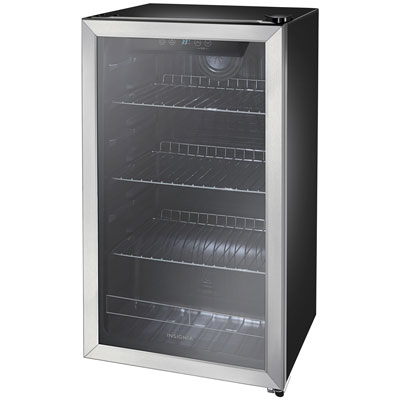 Your price for this item is $349.99
 -
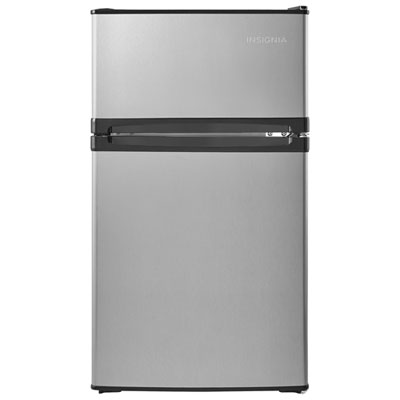 Your price for this item is $299.99
 -
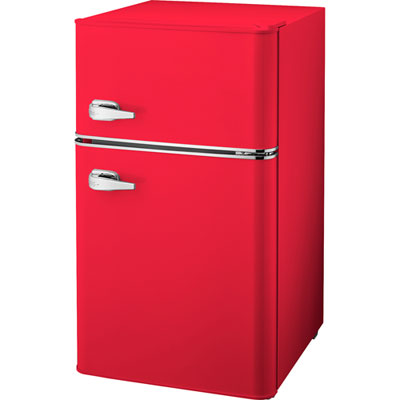 Your price for this item is $199.97
 -
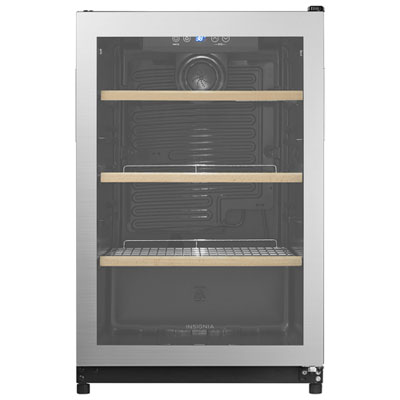 Your price for this item is $329.99
 -
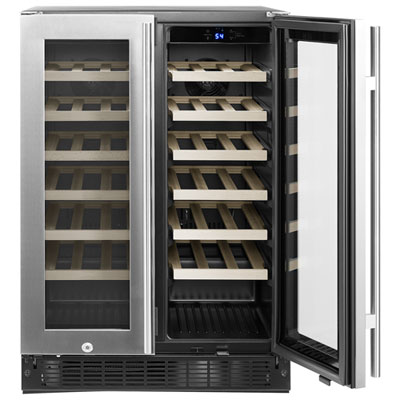 Your price for this item is $999.99
 -
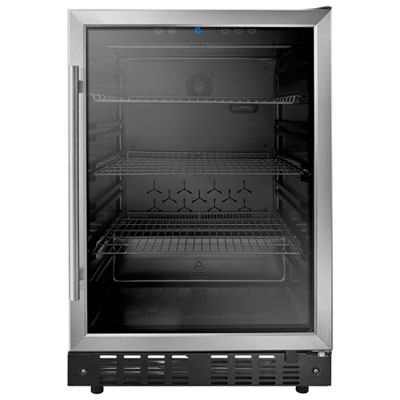 Your price for this item is $699.99
 -
 Your price for this item is $599.99
 -
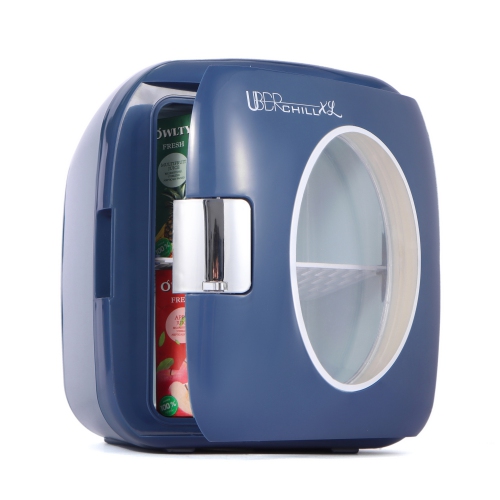 Your price for this item is $169.99
Discover more categories related to White Garage Fridges
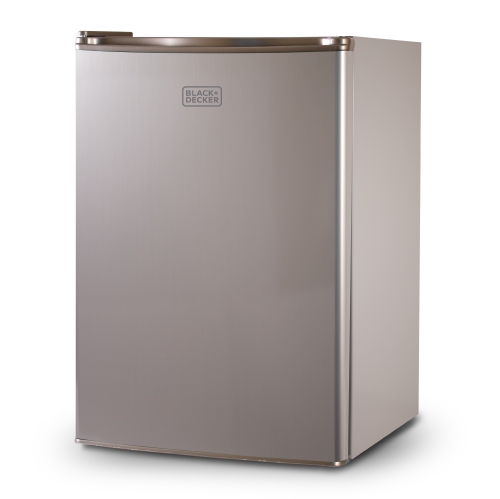
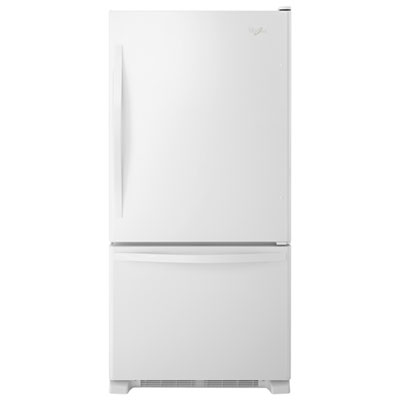
Top Collections:
Pokemon Centers, Kindle Devices, Best Budget Office Chairs, Apple iPhones 16, Best Laptops for Writers, iPhone 15 Apple, Canon G7X Cameras, Refurbished Apple Laptops, Alarm Clock, Motorola Razr Phones
Some products may be subject to Environmental Handling Fees
(EHF) depending on your province.
Learn more about EHFs.