White Retro Fridges
If you're looking to add a touch of vintage charm to your kitchen, this selection of white retro fridges combines nostalgic design with modern functionality, offering the perfect blend of style and practicality. These classic-inspired refrigerators are not only eye-catching but also efficient, providing ample storage space for all your fresh produce and beverages. Whether you're aiming for a retro aesthetic or simply want a standout appliance that stands the test of time, these white retro fridges are sure to elevate your kitchen decor while keeping your groceries cool and organized.
Sort
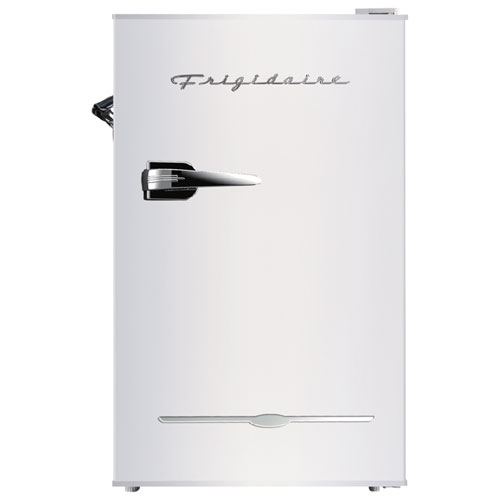
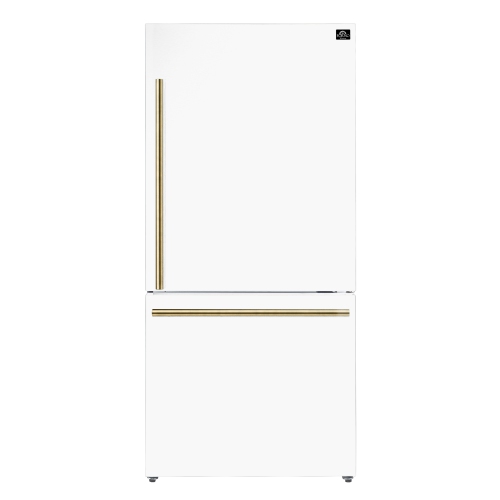
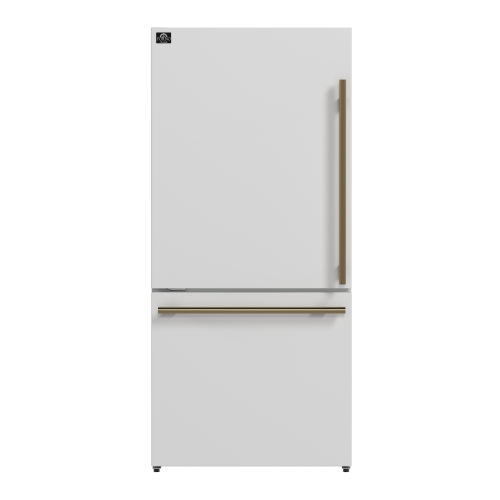
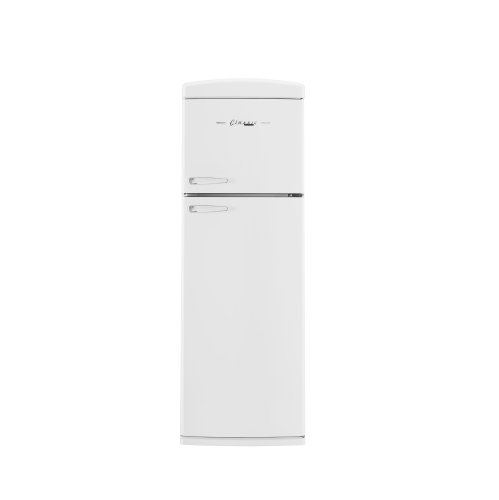
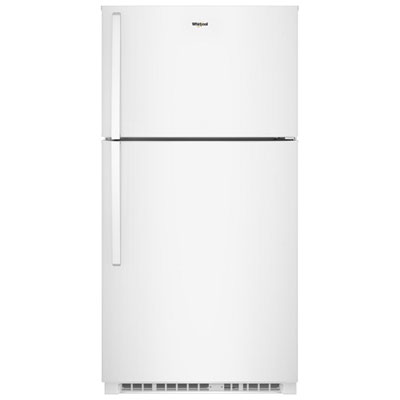
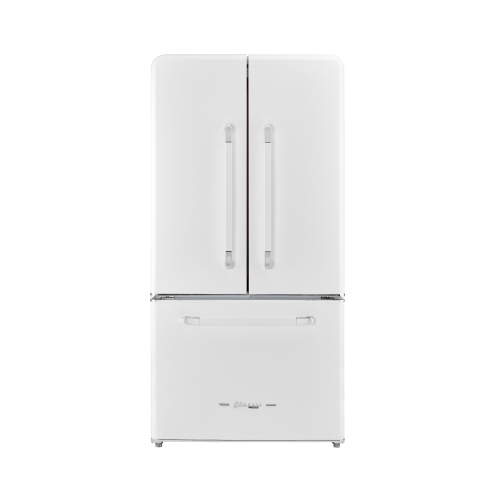
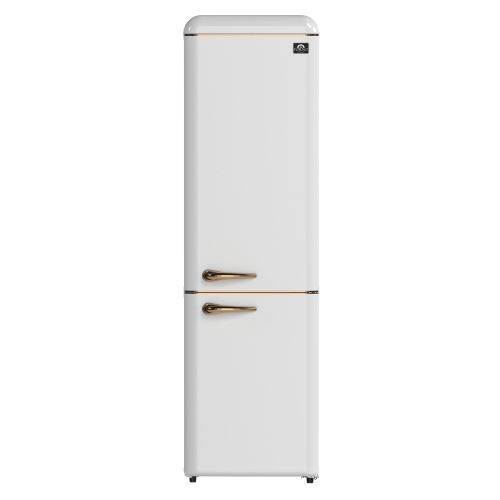
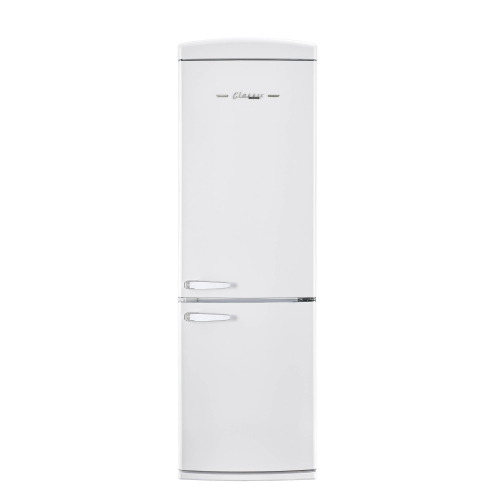
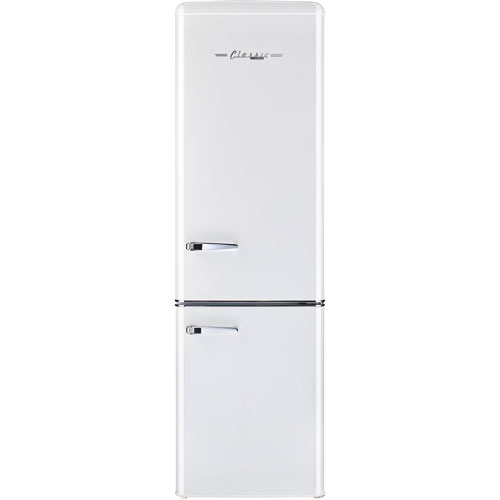
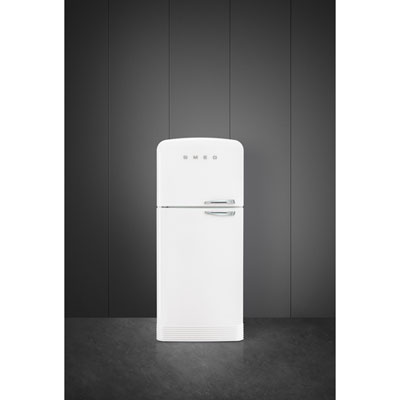
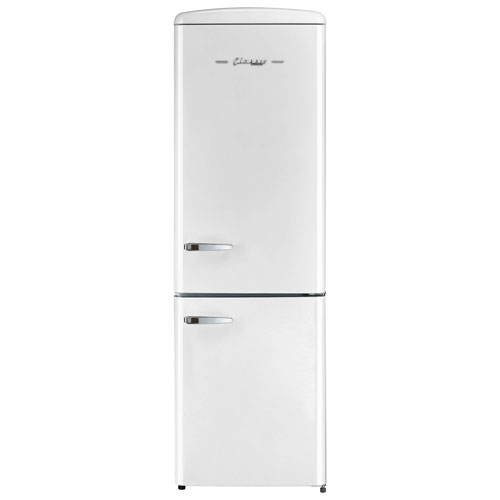

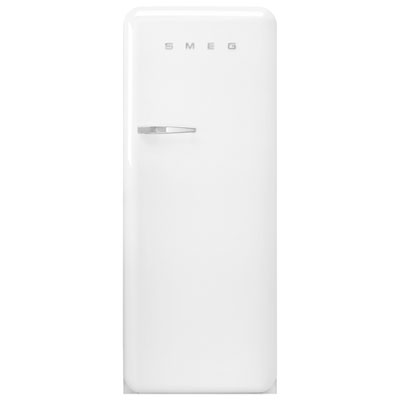
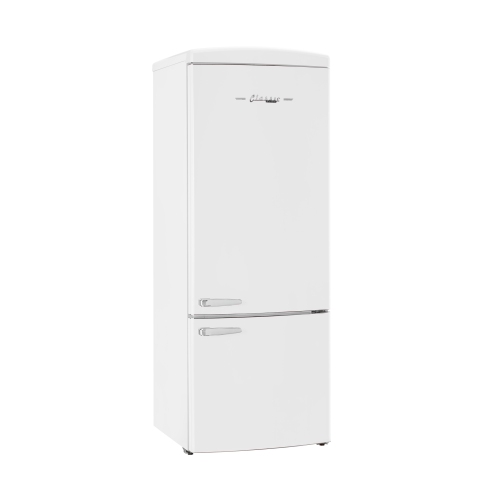
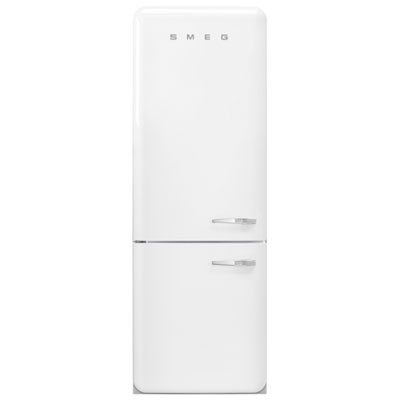
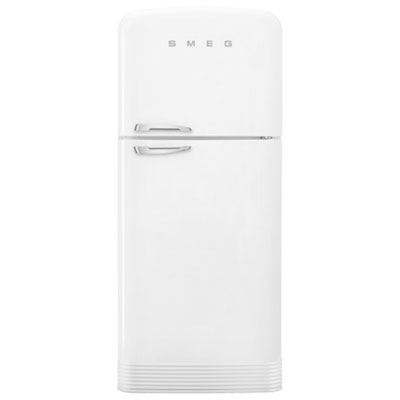
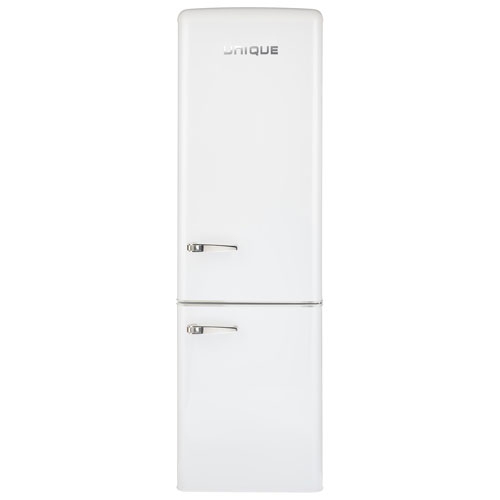
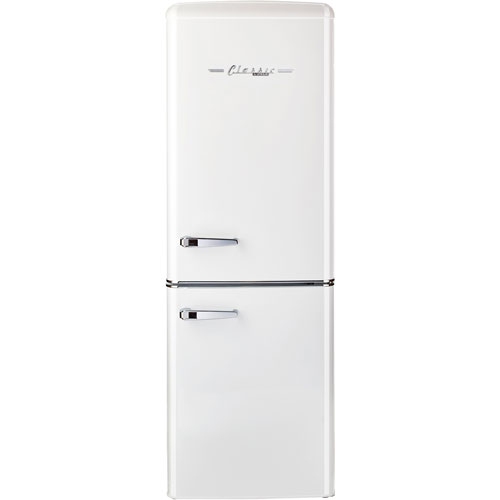
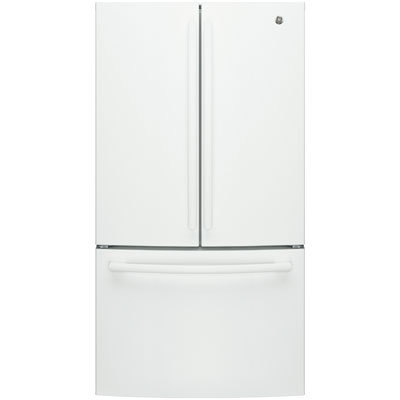
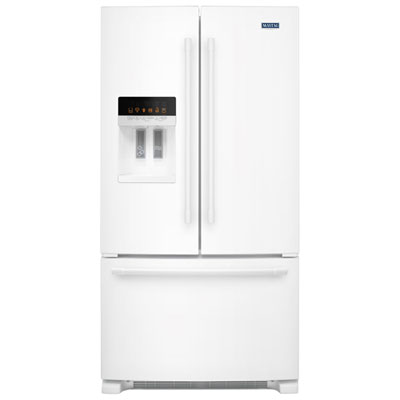
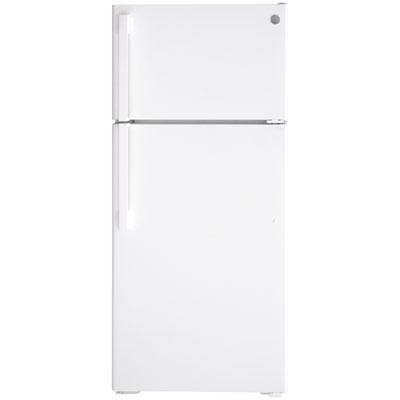
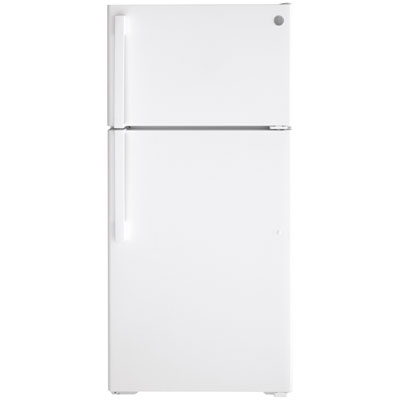
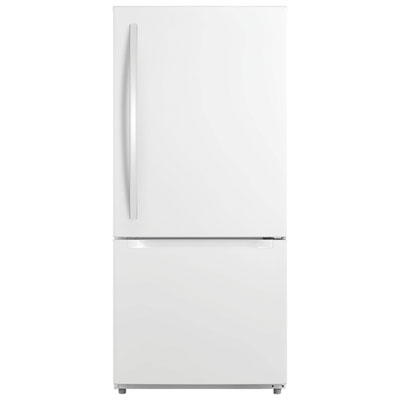
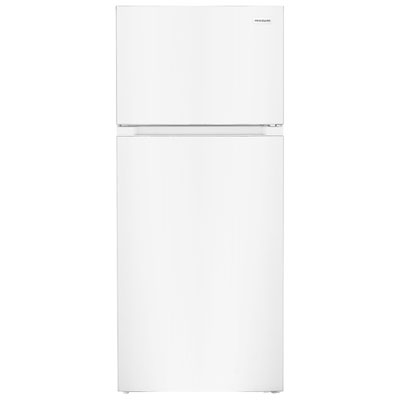
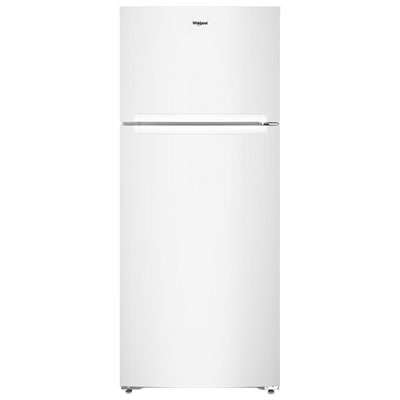
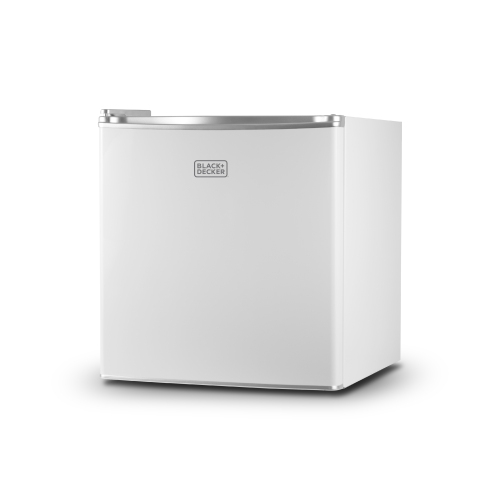
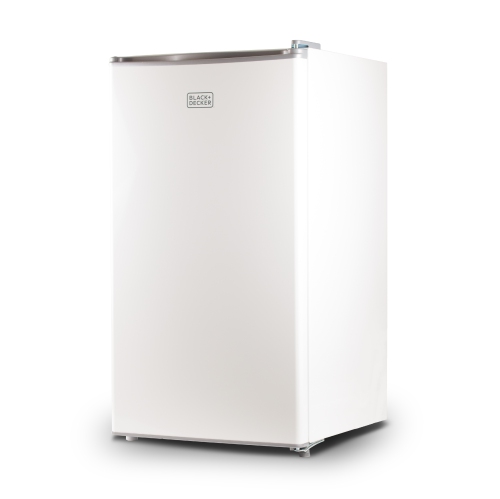
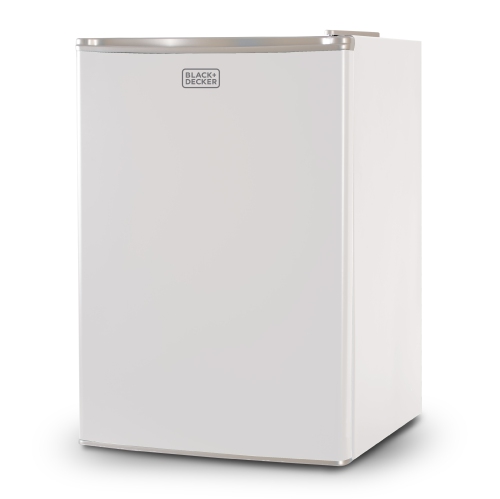
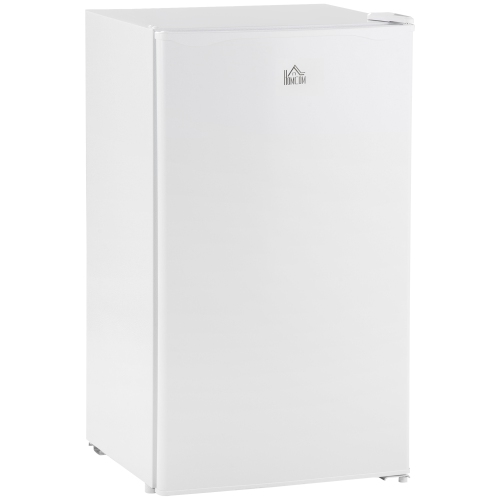
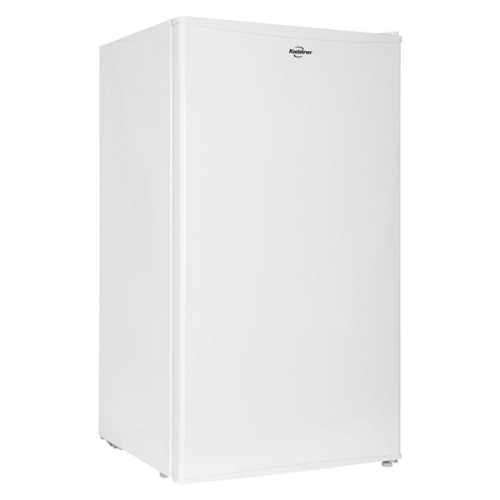
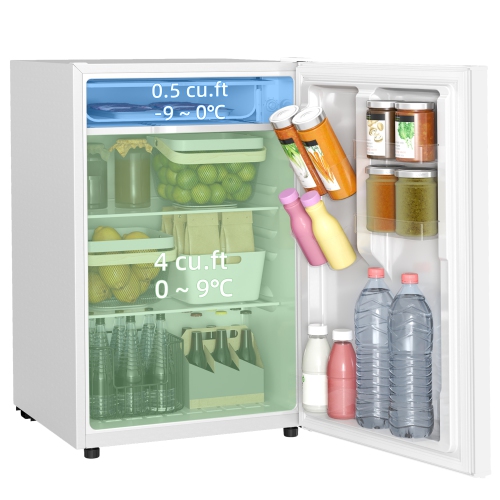
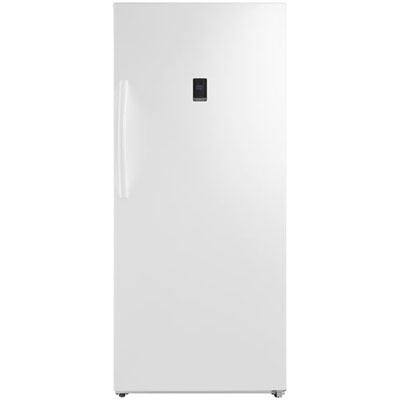
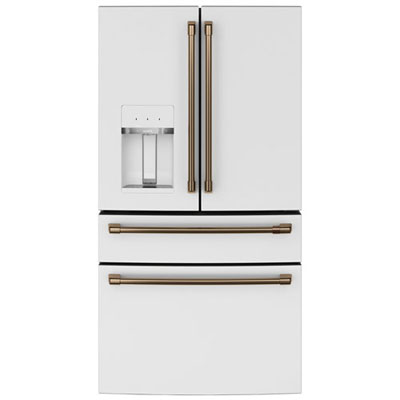
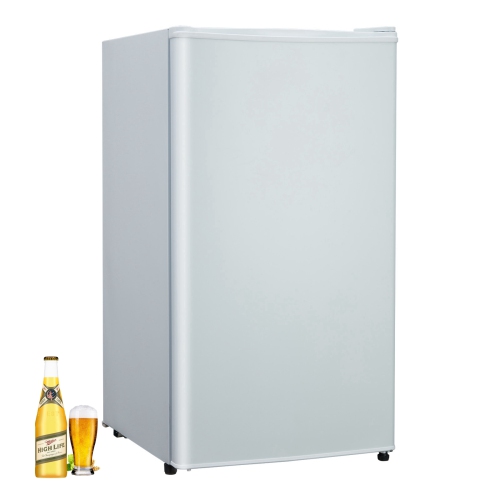
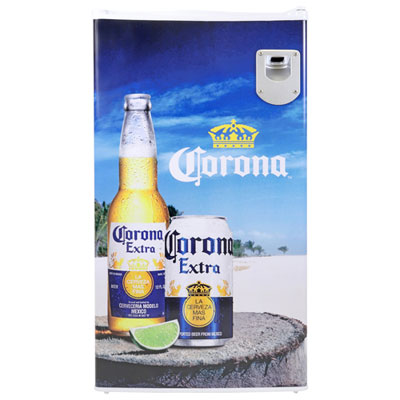
Mid-century curves meet modern storage for everyday groceries
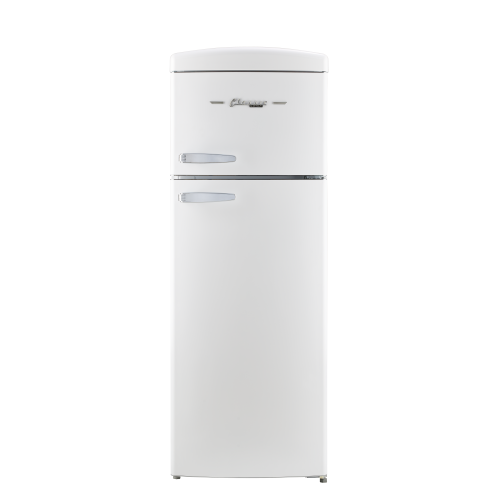
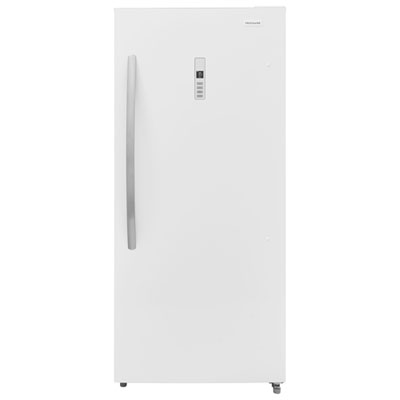
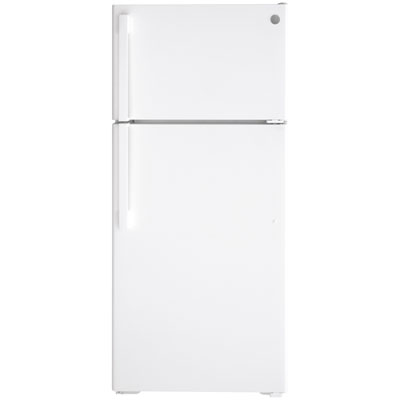
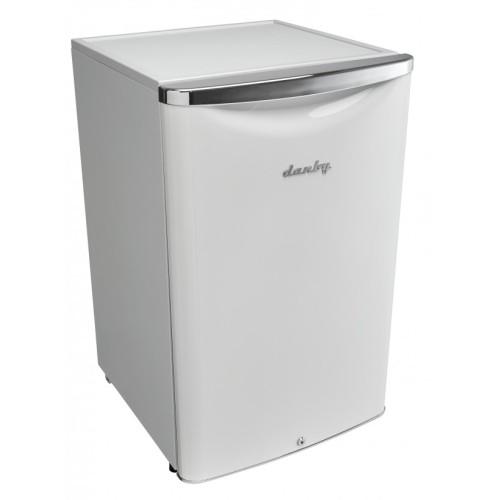
White retro fridges pair vintage-inspired styling with the everyday function of a modern refrigerator. Rounded door edges, substantial handles, chrome-look trim, and softly curved profiles recall mid-century kitchens, while the white finish keeps the overall look light and easy to coordinate. That combination suits a wide range of spaces: a kitchen with oak cupboards and patterned floor tiles, a bright apartment with simple cabinetry, or a cottage where painted wood and open shelving set a relaxed tone. White can sit quietly beside pale countertops or provide a crisp contrast against navy, forest green, and dark wood. The exact shade matters, too. A warm, creamy white creates a softer impression than a bright white, particularly when the fridge stands beside other appliances or cabinet doors. Smooth painted surfaces and metallic accents contribute to the nostalgic appearance, but the details vary between designs; some have pronounced curves and decorative badges, while others suggest an older style through little more than their proportions and handle shape. For a similarly light finish with warmer metallic detailing, White and Gold Fridges offer another direction for a coordinated kitchen. Retro styling does not describe a single size or interior layout. The category spans compact refrigerators for modest spaces, narrower designs for smaller kitchens, and larger fridge-freezer configurations intended for everyday household use. Depending on the design, the interior may include adjustable shelves, door storage, produce drawers, interior lighting, and a separate freezer compartment. This distinction between appearance and function is important: a fridge can have an old-fashioned silhouette without requiring an old-fashioned approach to storing groceries. Its practical role comes down to usable capacity, temperature control, and how comfortably the interior holds the food and drinks that pass through a household each week. A thoughtfully chosen white retro refrigerator becomes part of the room’s character while still handling familiar routines, from putting away a grocery trip to keeping breakfast ingredients within easy reach.
Size and fit influence how well a white retro fridge works in daily life, especially in apartments, galley kitchens, and rooms with limited counter space. Exterior width, height, and depth need to suit the intended position, with the ventilation clearances specified by the manufacturer left unobstructed. Projecting handles and curved doors can extend farther into a walkway than expected, so the cabinet dimensions alone do not tell the whole story. Door swing also affects whether shelves and drawers can slide out fully, particularly when the refrigerator sits against a wall. Some designs have reversible doors, while others have a fixed hinge position that forms part of their vintage appearance. A clear route through entryways, corridors, and stair landings matters just as much as the final kitchen opening. Inside the fridge, capacity is most useful when considered alongside the shape of everyday groceries. A tall milk carton, a wide casserole dish, and a week’s worth of fresh vegetables each need a different kind of space. Adjustable shelving can make room for taller containers, while produce drawers keep fruit and vegetables together rather than scattered across the main shelves. Door bins may provide convenient storage for condiments and drinks, subject to the manufacturer’s guidance. Glass shelves provide a flat surface for smaller containers and may help contain spills when fitted with raised edges; wire shelving has a more open construction but may be less convenient for narrow containers. Freezer arrangements deserve equal attention. A small internal compartment is not necessarily suitable for the same storage tasks as a separate freezer, and its rated capabilities determine what can be kept there and for how long. A separate freezer may better suit households that store frozen meals, bread, or larger batches of prepared food. For someone who cooks often, accessible fresh-food storage may matter most; for someone who portions meals ahead, the balance between fridge and freezer space can be more important than the exterior size suggests.
Materials, finish quality, and straightforward upkeep help a retro fridge retain both its appearance and its usefulness. Depending on the construction, the exterior may combine a painted metal cabinet with moulded trim and metal or metallic-finish handles. These surfaces can require different cleaning methods, so the care instructions are worth keeping close at hand. A soft cloth and a mild cleaning solution approved for the finish are generally more suitable than abrasive pads, which can dull glossy paint or mark decorative trim. Spills inside the fridge are easiest to manage before they dry around shelf edges and drawer tracks. Removable shelves and bins simplify cleaning, although glass shelves should be allowed to reach room temperature before contact with warm water to reduce the risk of thermal shock. Door seals also need gentle cleaning so crumbs and sticky residue do not interfere with a close fit. Automatic defrost can reduce routine maintenance, while manual-defrost designs require periodic attention according to their instructions. Neither arrangement can be assumed from the retro appearance alone. Durable everyday use also depends on keeping ventilation openings clear, respecting shelf and door-bin load limits, and installing the appliance level as directed. In a compact home, a white retro fridge may serve as the main refrigerator; in a larger household, a smaller version can provide supplementary storage for drinks and snacks in a suitable indoor room. Placement near a desk or sleeping area makes operating sound another useful consideration, since compressor cycles can be more noticeable in a quiet space. A cottage or other intermittently heated property calls for particular attention to the appliance’s approved operating temperature range; a standard indoor refrigerator should not be assumed suitable for an unheated room. During the cooler months, flexible shelving can be handy for a covered pot of soup, baking ingredients, or dishes prepared ahead for a gathering. For a housewarming gift or a first apartment, this is the kind of appliance best chosen with the recipient’s input on measurements, storage needs, and style. The strongest fit is a white retro fridge whose distinctive shape feels at home in the room and whose interior makes everyday food storage easy.
Size and fit influence how well a white retro fridge works in daily life, especially in apartments, galley kitchens, and rooms with limited counter space. Exterior width, height, and depth need to suit the intended position, with the ventilation clearances specified by the manufacturer left unobstructed. Projecting handles and curved doors can extend farther into a walkway than expected, so the cabinet dimensions alone do not tell the whole story. Door swing also affects whether shelves and drawers can slide out fully, particularly when the refrigerator sits against a wall. Some designs have reversible doors, while others have a fixed hinge position that forms part of their vintage appearance. A clear route through entryways, corridors, and stair landings matters just as much as the final kitchen opening. Inside the fridge, capacity is most useful when considered alongside the shape of everyday groceries. A tall milk carton, a wide casserole dish, and a week’s worth of fresh vegetables each need a different kind of space. Adjustable shelving can make room for taller containers, while produce drawers keep fruit and vegetables together rather than scattered across the main shelves. Door bins may provide convenient storage for condiments and drinks, subject to the manufacturer’s guidance. Glass shelves provide a flat surface for smaller containers and may help contain spills when fitted with raised edges; wire shelving has a more open construction but may be less convenient for narrow containers. Freezer arrangements deserve equal attention. A small internal compartment is not necessarily suitable for the same storage tasks as a separate freezer, and its rated capabilities determine what can be kept there and for how long. A separate freezer may better suit households that store frozen meals, bread, or larger batches of prepared food. For someone who cooks often, accessible fresh-food storage may matter most; for someone who portions meals ahead, the balance between fridge and freezer space can be more important than the exterior size suggests.
Materials, finish quality, and straightforward upkeep help a retro fridge retain both its appearance and its usefulness. Depending on the construction, the exterior may combine a painted metal cabinet with moulded trim and metal or metallic-finish handles. These surfaces can require different cleaning methods, so the care instructions are worth keeping close at hand. A soft cloth and a mild cleaning solution approved for the finish are generally more suitable than abrasive pads, which can dull glossy paint or mark decorative trim. Spills inside the fridge are easiest to manage before they dry around shelf edges and drawer tracks. Removable shelves and bins simplify cleaning, although glass shelves should be allowed to reach room temperature before contact with warm water to reduce the risk of thermal shock. Door seals also need gentle cleaning so crumbs and sticky residue do not interfere with a close fit. Automatic defrost can reduce routine maintenance, while manual-defrost designs require periodic attention according to their instructions. Neither arrangement can be assumed from the retro appearance alone. Durable everyday use also depends on keeping ventilation openings clear, respecting shelf and door-bin load limits, and installing the appliance level as directed. In a compact home, a white retro fridge may serve as the main refrigerator; in a larger household, a smaller version can provide supplementary storage for drinks and snacks in a suitable indoor room. Placement near a desk or sleeping area makes operating sound another useful consideration, since compressor cycles can be more noticeable in a quiet space. A cottage or other intermittently heated property calls for particular attention to the appliance’s approved operating temperature range; a standard indoor refrigerator should not be assumed suitable for an unheated room. During the cooler months, flexible shelving can be handy for a covered pot of soup, baking ingredients, or dishes prepared ahead for a gathering. For a housewarming gift or a first apartment, this is the kind of appliance best chosen with the recipient’s input on measurements, storage needs, and style. The strongest fit is a white retro fridge whose distinctive shape feels at home in the room and whose interior makes everyday food storage easy.
Top selling and popular products
-
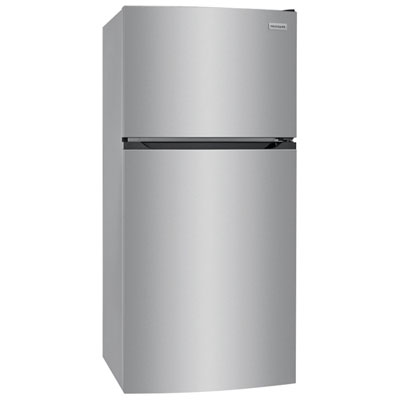 Your price for this item is $849.99
 -
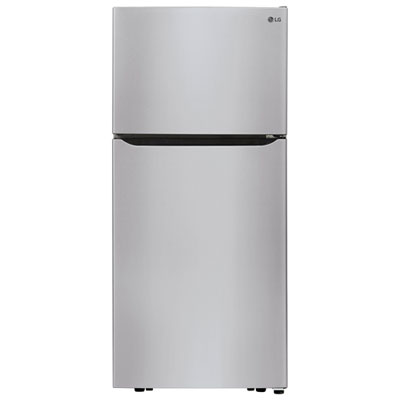 Your price for this item is $1149.99
 -
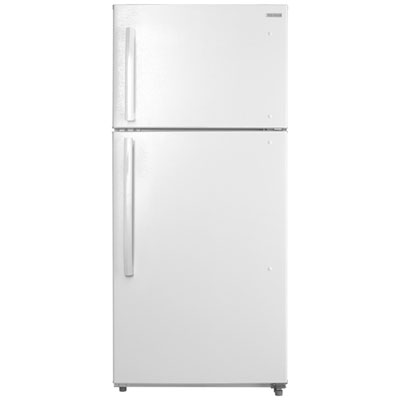 Your price for this item is $799.99
 -
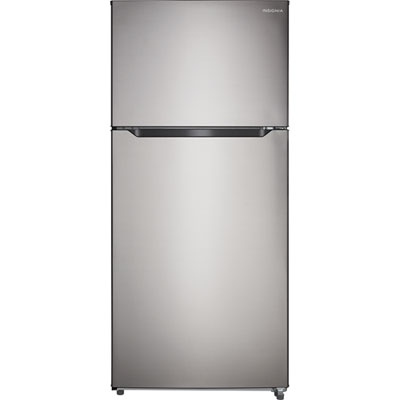 Your price for this item is $949.99
 -
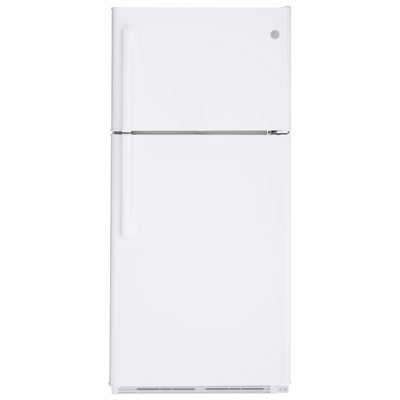 Your price for this item is $1549.99
 -
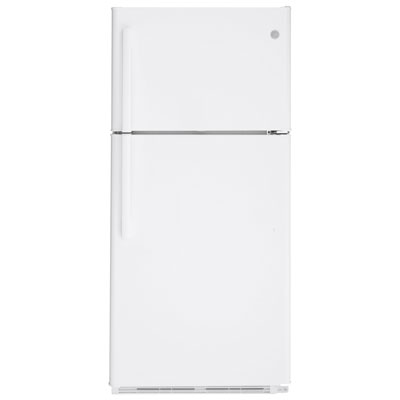 Your price for this item is $1649.99
 -
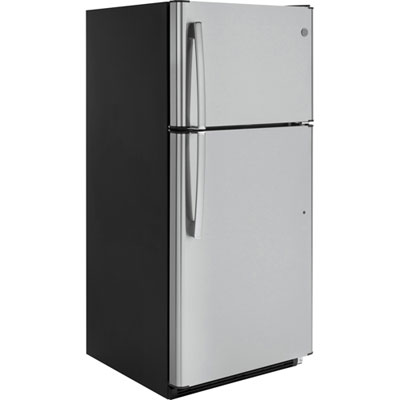 Your price for this item is $1549.99
 -
 Your price for this item is $1449.99
Discover more categories related to White Retro Fridges
Top Collections:
Pokemon Centers, Kindle Devices, Best Budget Office Chairs, Apple iPhones 16, Best Laptops for Writers, iPhone 15 Apple, Canon G7X Cameras, Refurbished Apple Laptops, Alarm Clock, Motorola Razr Phones
Some products may be subject to Environmental Handling Fees
(EHF) depending on your province.
Learn more about EHFs.