Back To School Clear Audio Microphones
Find back-to-school microphones for clear audio during online classes, group projects, and recorded presentations. Compare options by connection type, device compatibility, and microphone style to choose a setup that suits your study space and helps keep your voice easy to hear.
FAQ
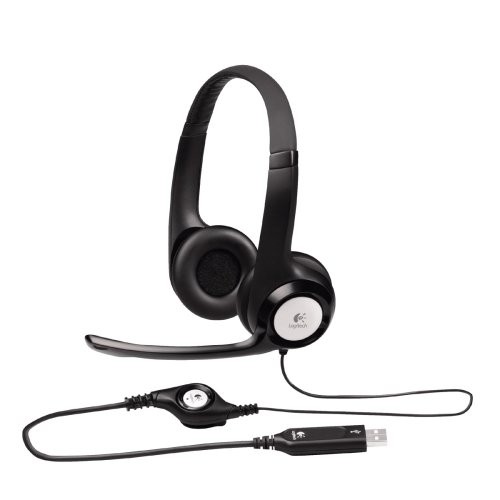
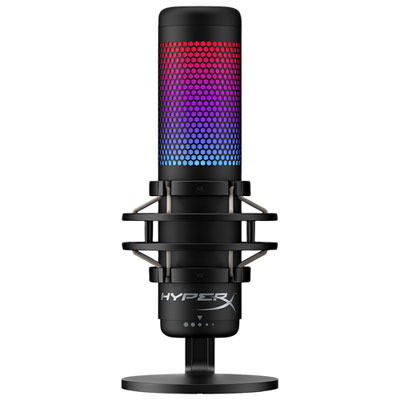
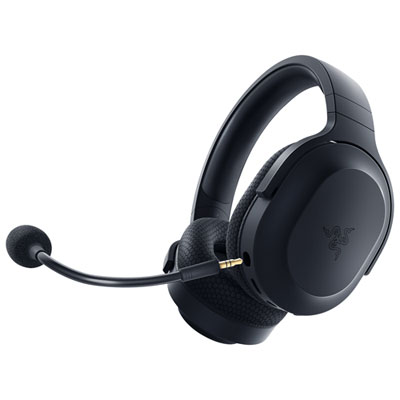
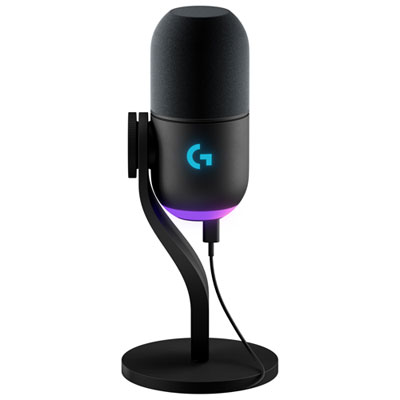
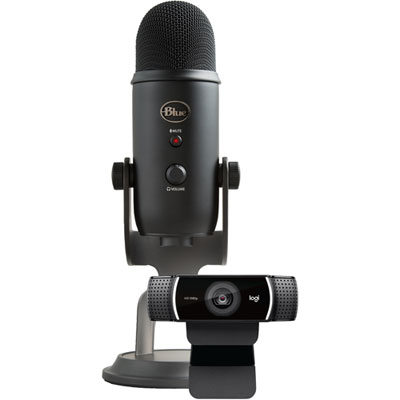
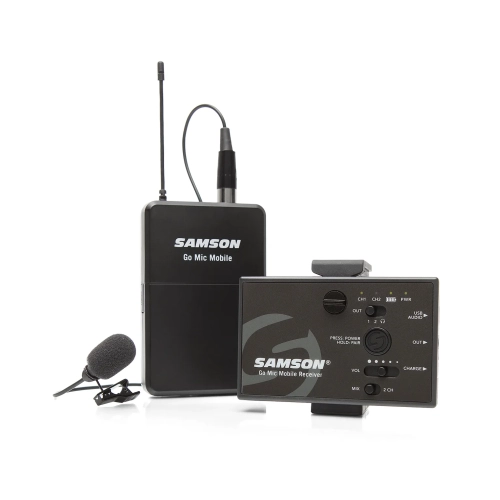
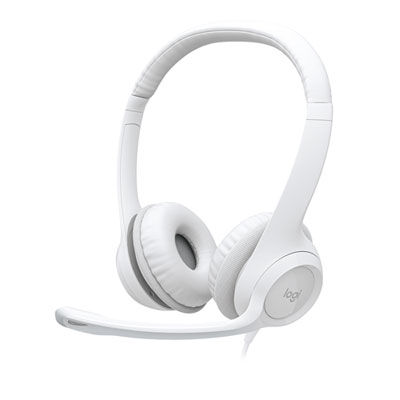
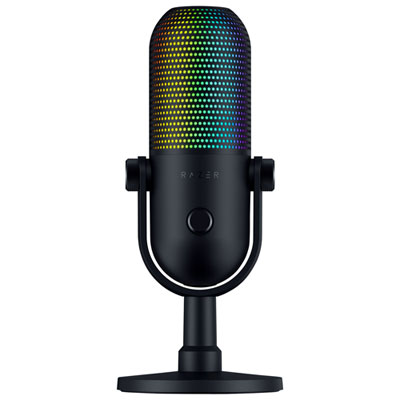
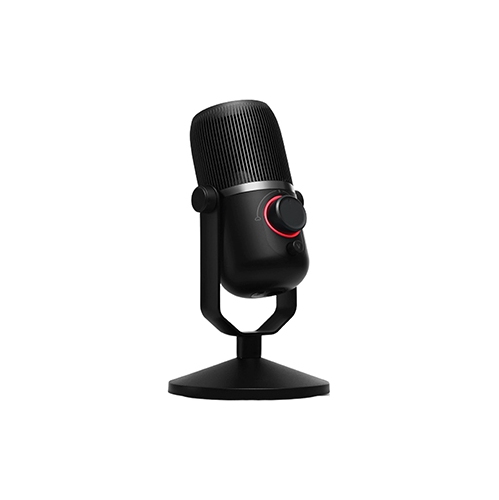
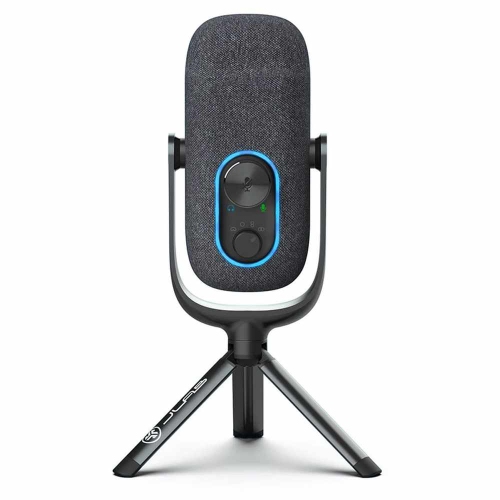
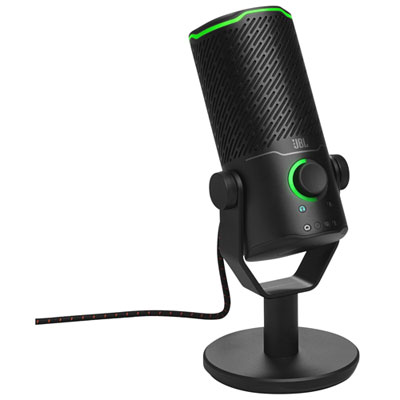
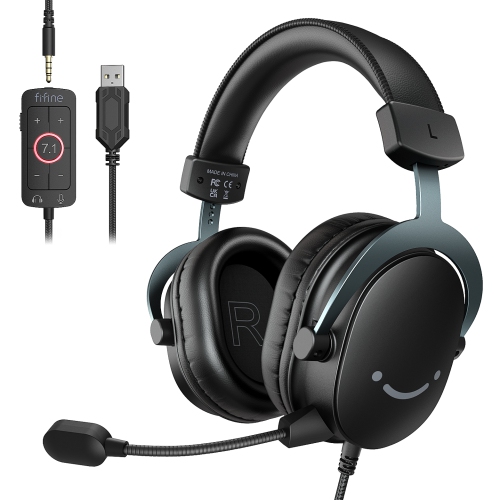
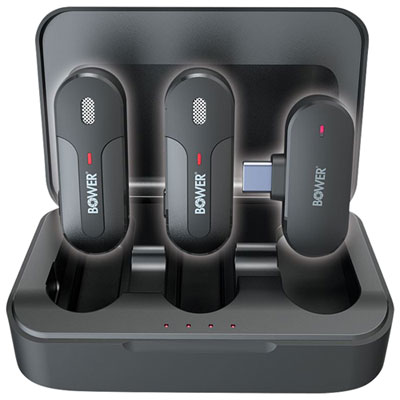
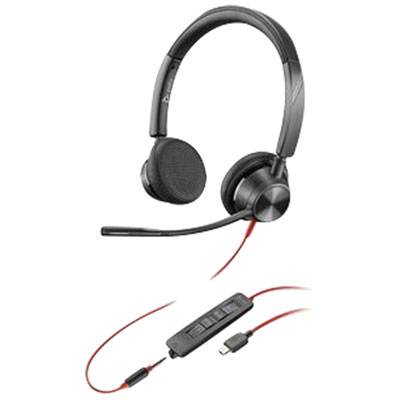
Common options include desktop USB microphones for online classes, headset microphones for group discussions, clip-on lavalier microphones for presentations, and XLR microphones for media projects. Your choice depends on your device, workspace, and the types of assignments you’ll be doing.
USB microphones connect directly to a compatible computer and typically include the electronics needed to convert audio into a digital signal. XLR microphones generally connect through an audio interface or mixer. USB models offer a straightforward setup, while XLR models suit setups with separate audio equipment.
Check the microphone’s connector type, supported operating systems, and any software requirements against your laptop, tablet, or desktop specifications. Some devices need an adapter or audio interface. For school-managed devices, also check whether installing drivers or changing microphone permissions is allowed.
A pickup pattern describes the directions from which a microphone captures sound. Cardioid microphones primarily capture sound from the front, omnidirectional microphones capture sound from all directions, and bidirectional microphones capture sound from the front and back. Some microphones let you switch between patterns for different recording arrangements.
Common controls include a mute button, an input gain dial, and a headphone volume control. Mute switches microphone input on or off, gain adjusts the input signal level, and headphone volume controls your listening level. Some models also offer direct monitoring, which lets you listen to the microphone signal through connected headphones.
Top selling and popular products
Discover more categories related to Back To School Clear Audio Microphones
Some products may be subject to Environmental Handling Fees (EHF) depending on your province. Learn more about EHFs.