Good Macro Lenses
Macro photography is a fun and creative way to capture images of tiny things. It can also be a challenging skill to learn, but with the right gear, it's not impossible. Macro lenses are designed for extreme close-up shooting. Here are some great options that won't break the bank.
Sort
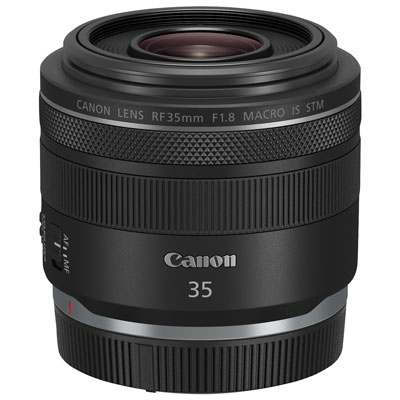
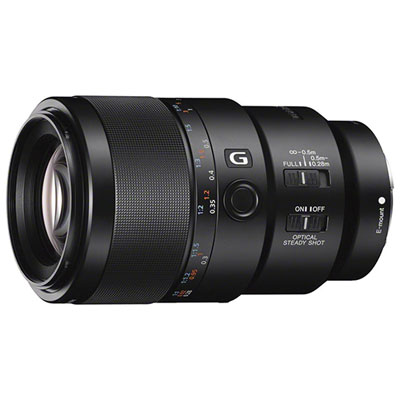
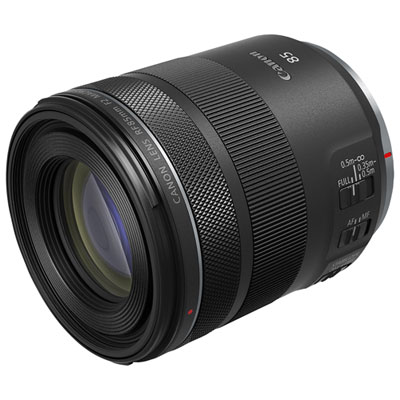
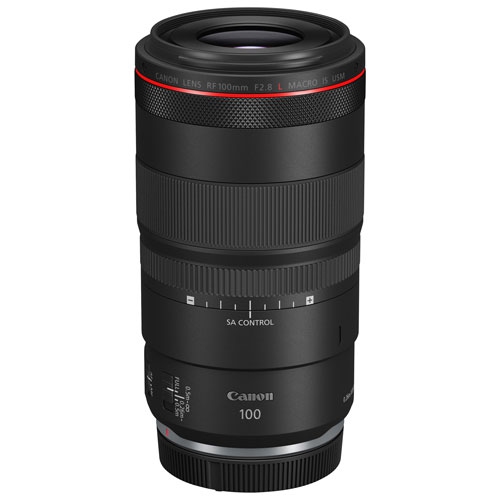
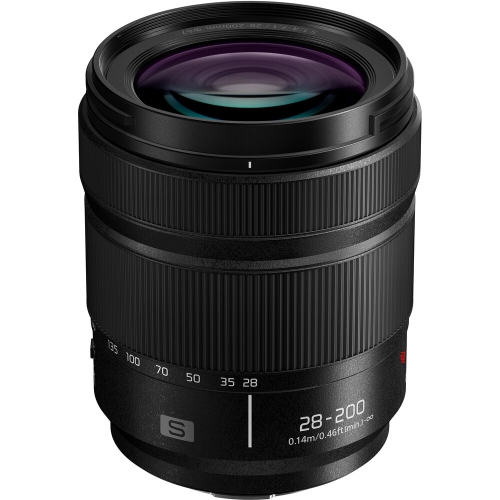
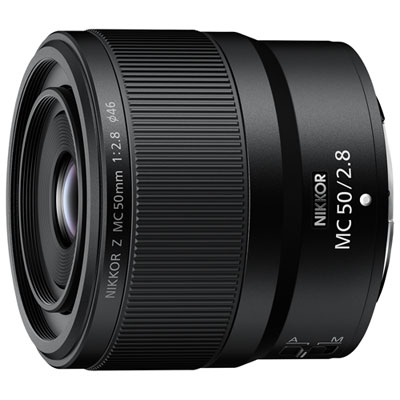
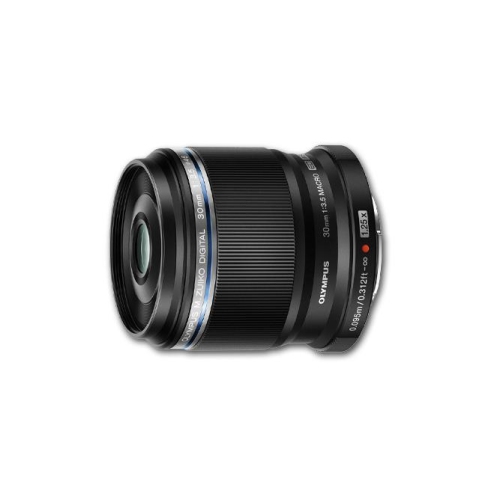
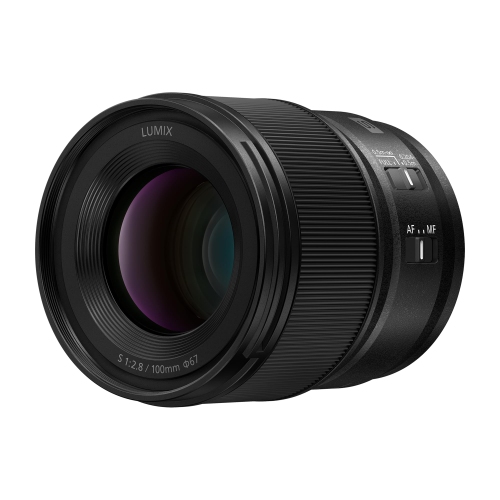
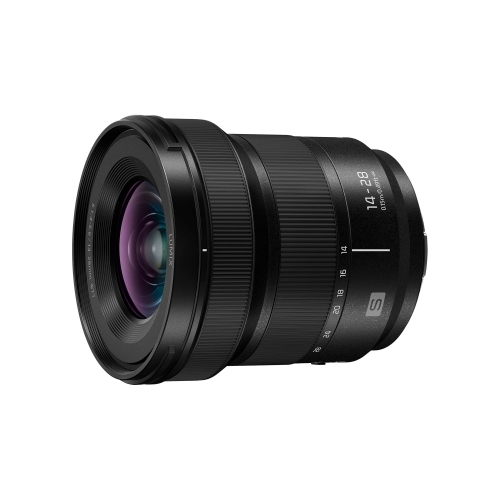
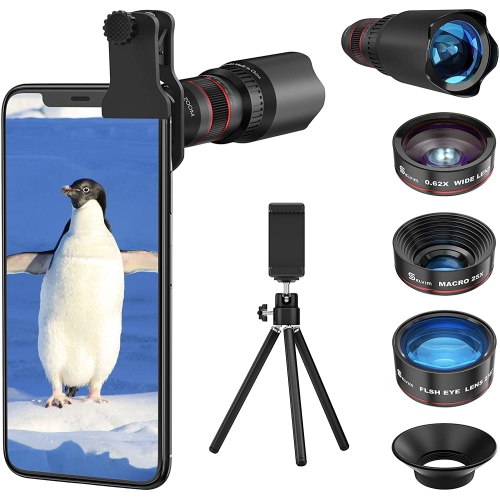
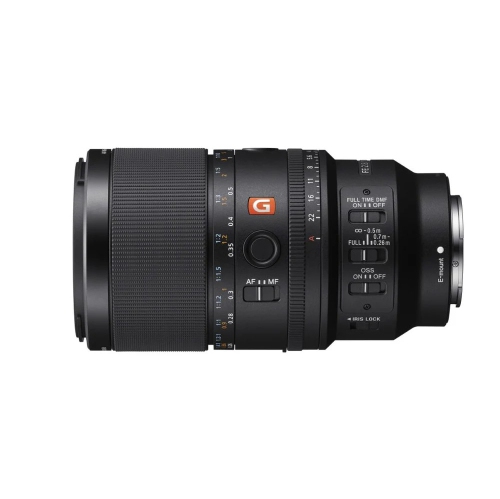
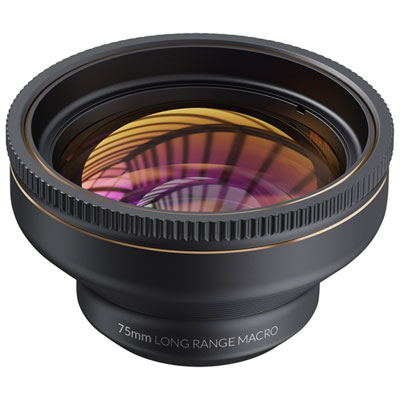
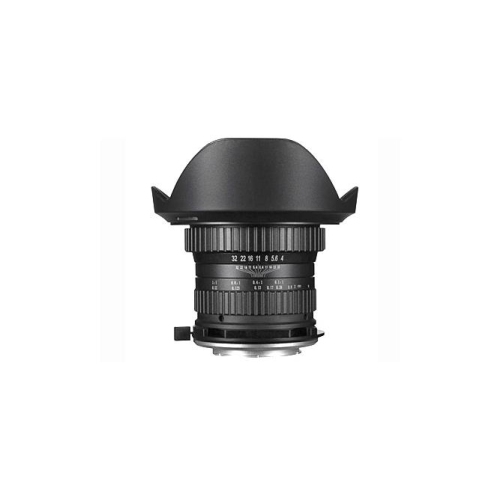
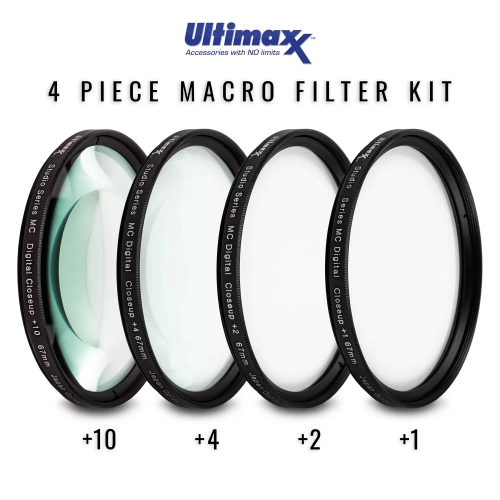
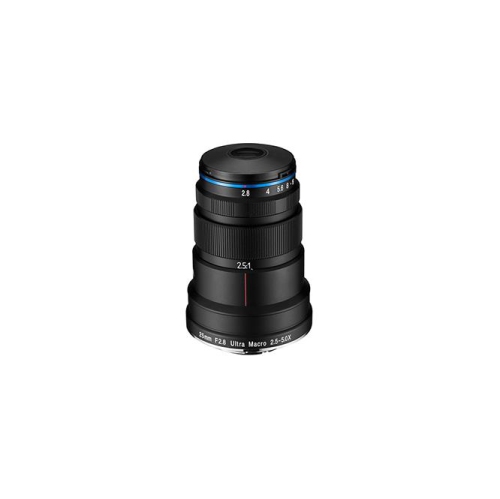
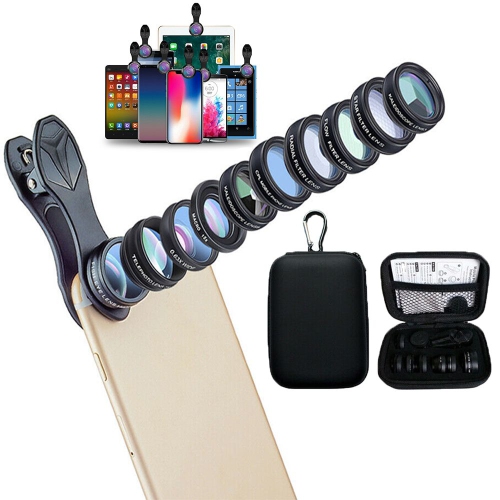
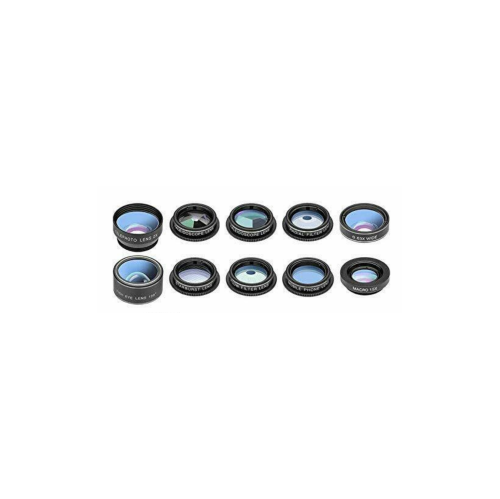
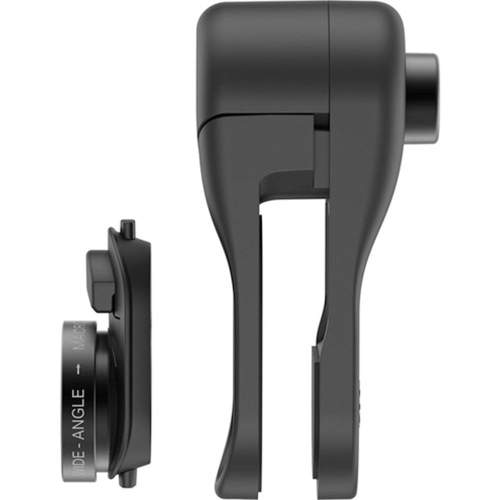
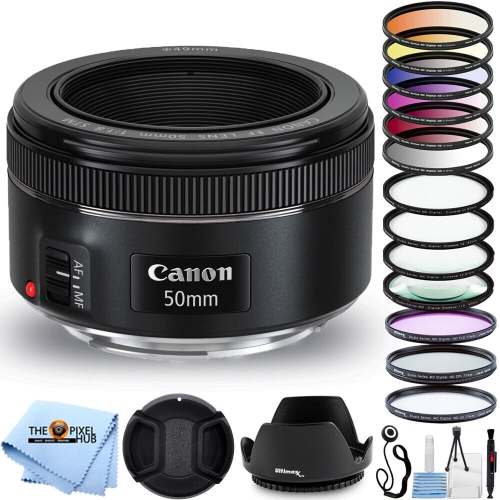

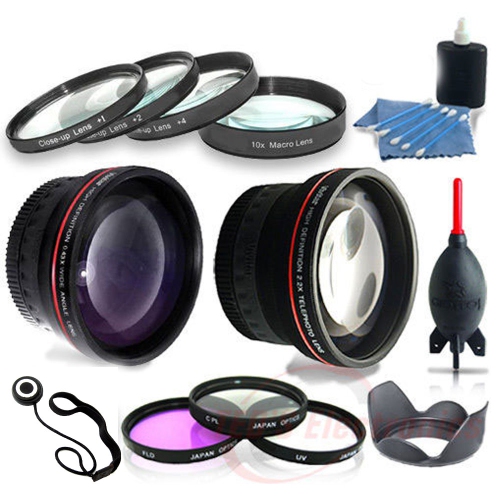
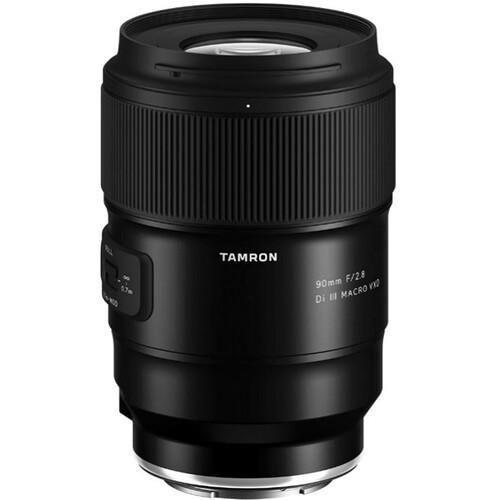

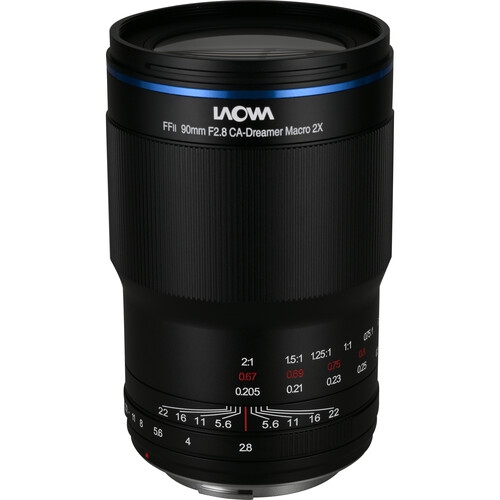
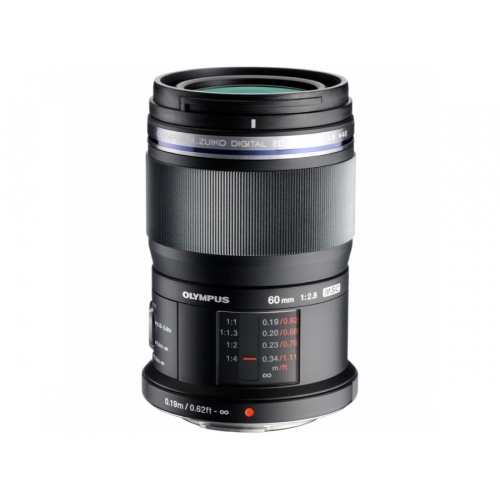
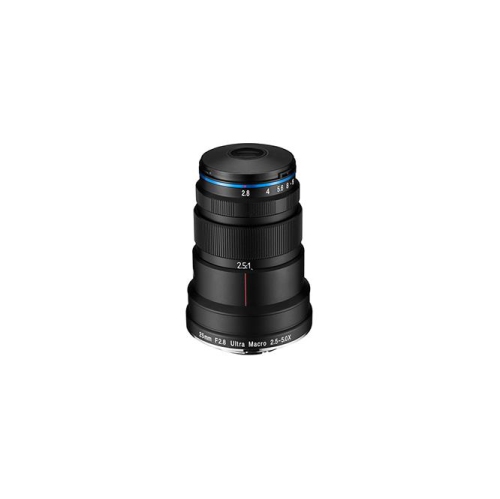
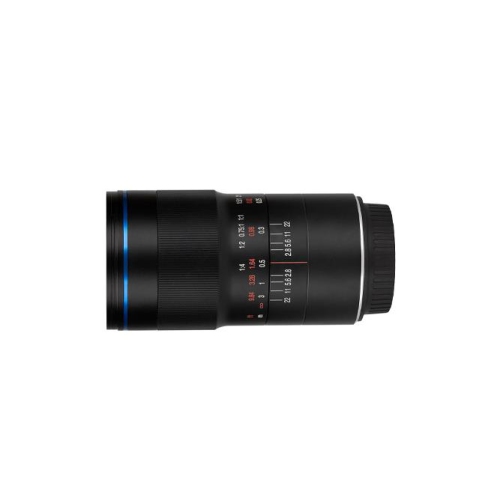
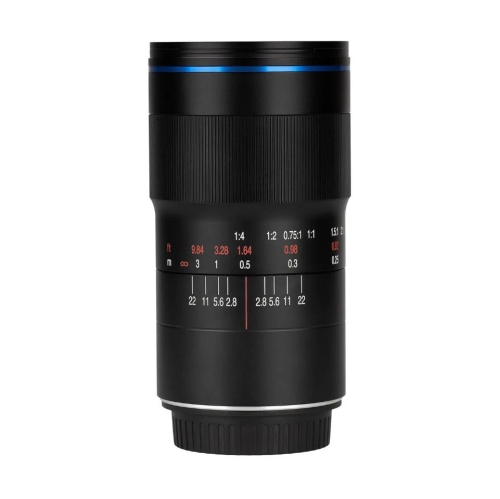
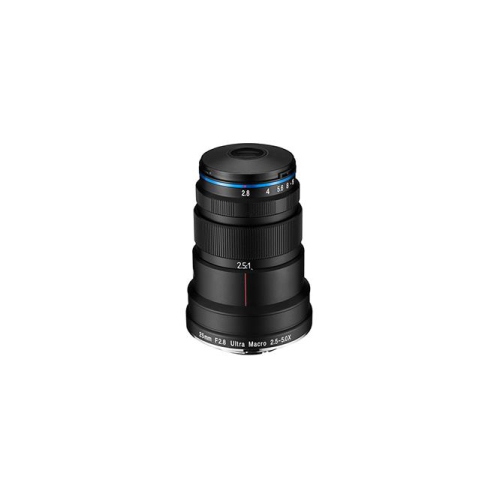
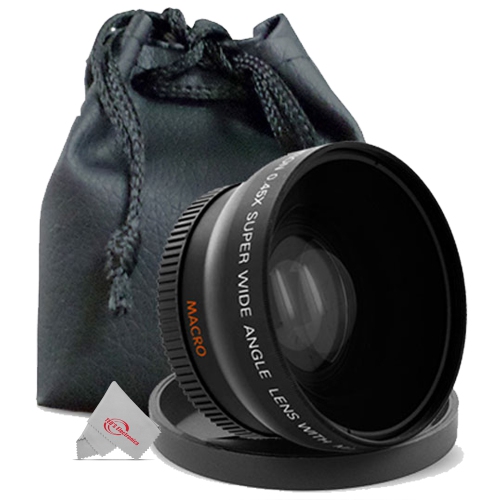
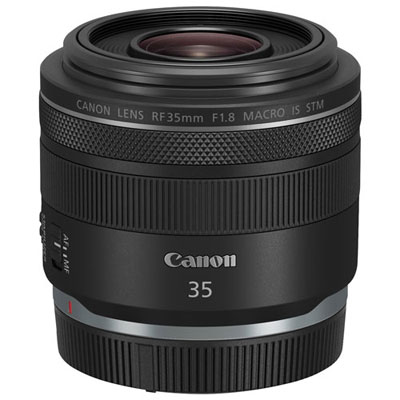
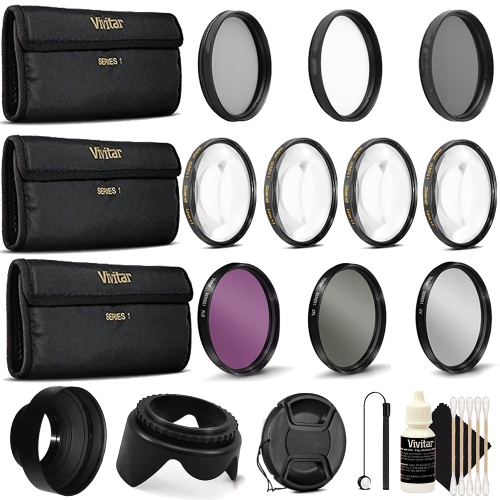
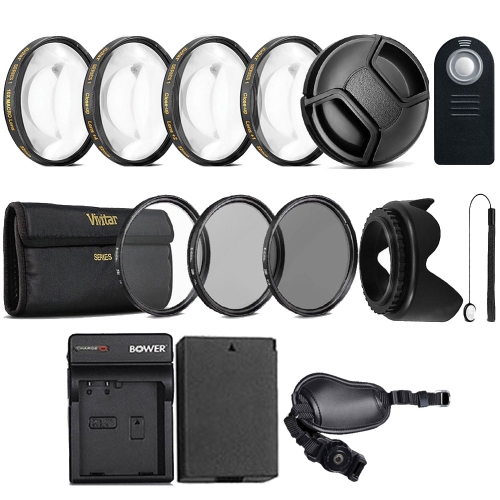
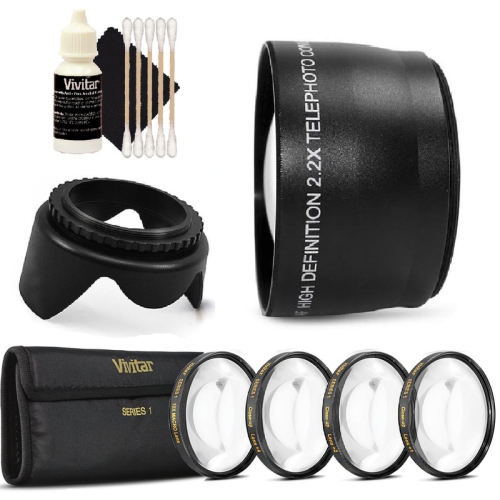

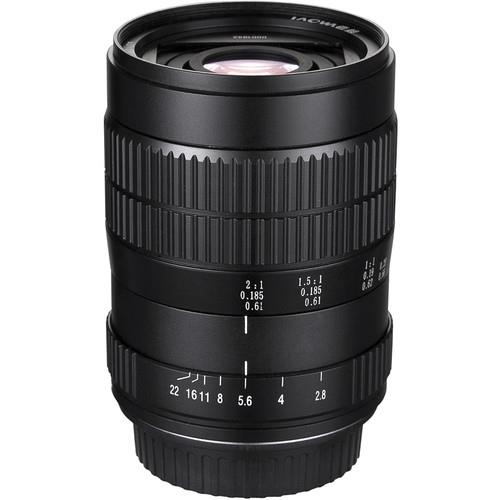
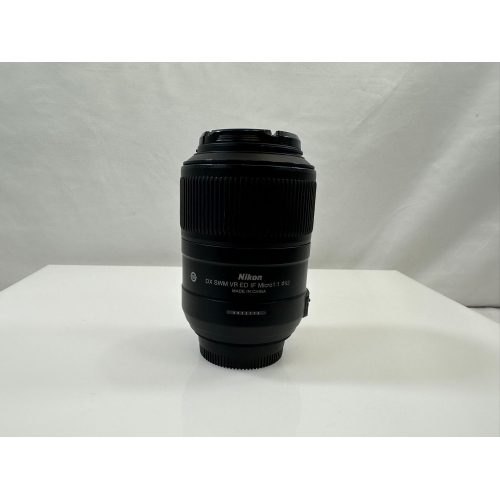
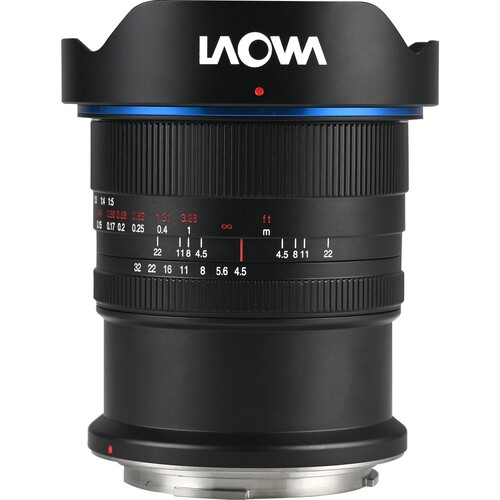
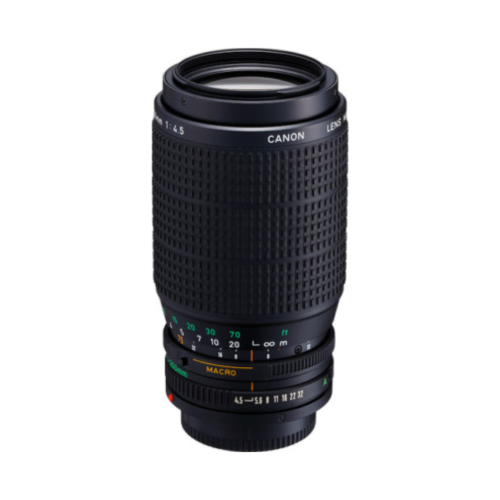
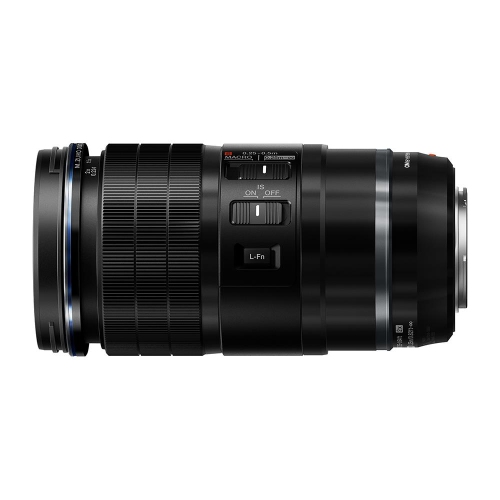
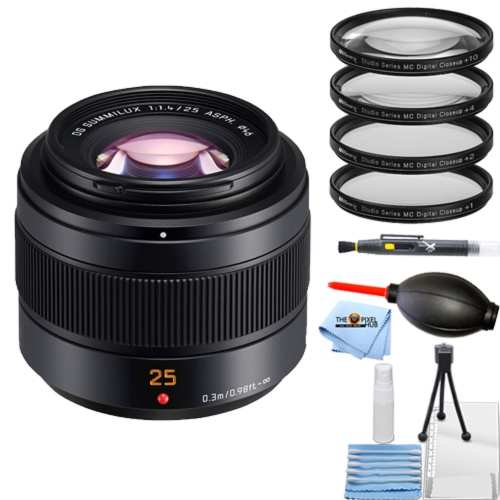
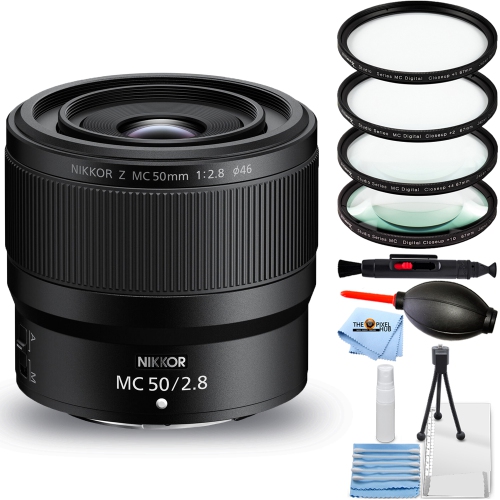
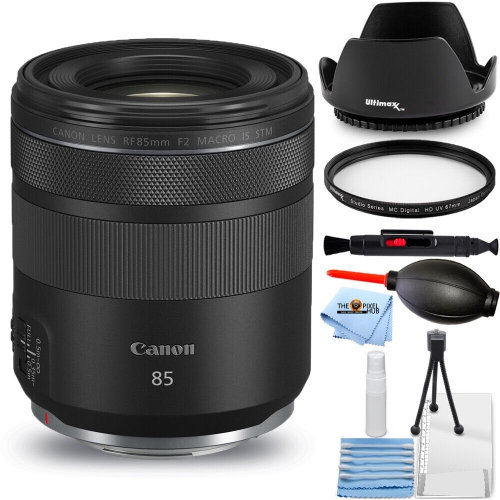
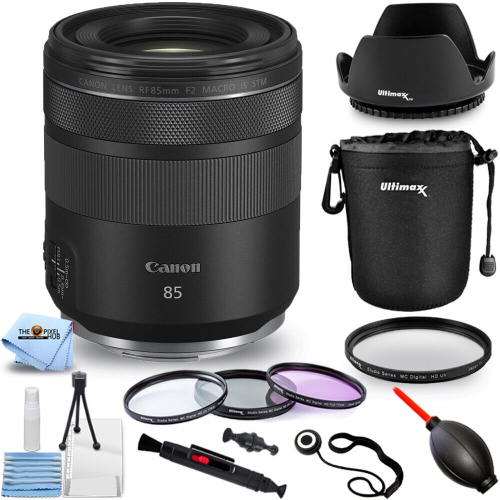

What to consider when comparing lenses for close-up detail
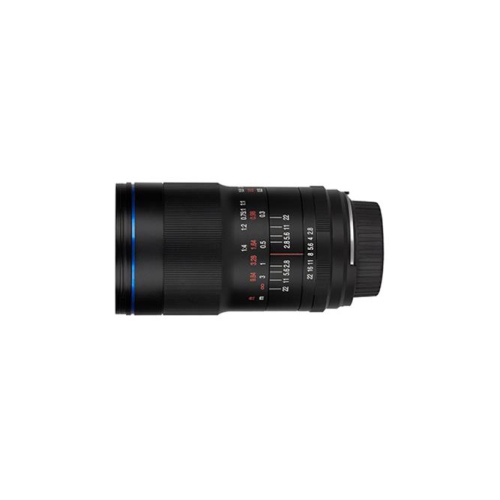
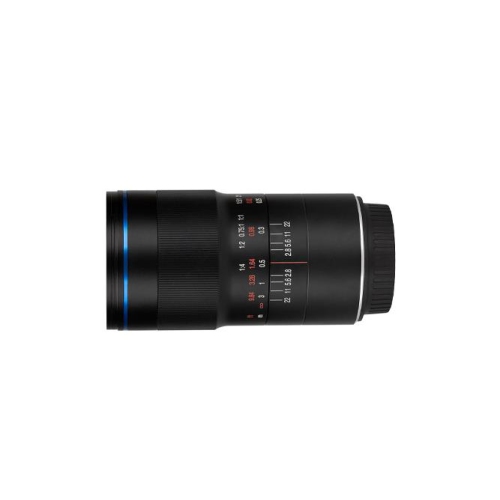
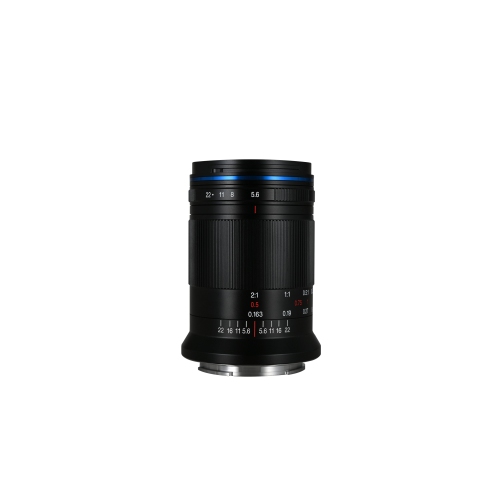
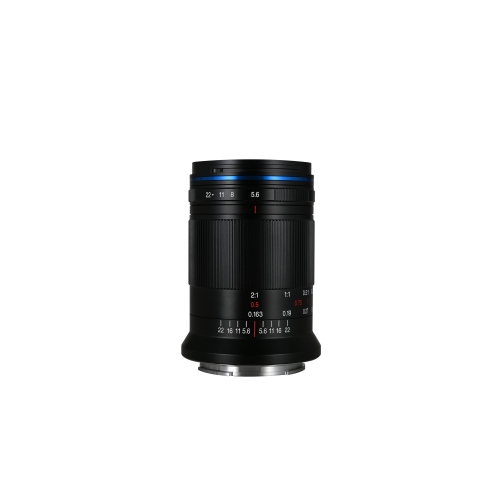
Good macro lenses are designed for photographers who want to reveal the details that ordinary lenses often miss, from the fine texture of a flower petal to the delicate pattern on an insect’s wing. These specialized lenses are available for a range of interchangeable-lens camera systems, including mirrorless and DSLR formats, so compatibility should be the first consideration when comparing options. Check the lens mount and confirm whether the lens is designed for your camera’s sensor format, as this affects the field of view and working distance. A true macro lens typically offers 1:1 reproduction, meaning a subject can be recorded on the camera sensor at its actual size. Some advanced options provide greater-than-life-size magnification, such as 1.4x, which can be useful for photographing very small subjects, intricate objects, and close-up details in nature. Focal length also shapes the experience of shooting. Shorter macro lenses can be compact and convenient for tabletop photography, food, crafts, and nearby subjects, while medium and longer focal lengths give photographers more working distance. That added space is helpful when photographing insects that may move away from a camera placed too close, or when working with lighting that needs room between the lens and subject. A longer focal length can also produce an attractive background with soft, rounded blur, making the main subject stand out against a gentle wash of colour. For a broader selection of dedicated close-up options, browse 100mm Macro Lenses, a popular focal-length range for combining detailed macro work with comfortable working distance and flattering portrait results.
When comparing good macro lenses, look beyond magnification alone. Optical image stabilization, sometimes described as vibration reduction or image stabilization, can help reduce the effects of handheld camera movement, particularly in dim indoor spaces or during the cooler months when photographers may be working near a window or under artificial light. Stabilization does not freeze a moving insect or flower in a breeze, but it can make it easier to capture a sharp image at a slower shutter speed when the subject is still. Autofocus performance is another practical feature. A quiet, responsive focusing system is useful for portraits, family pets, and casual close-ups, while manual focus remains valuable for precise macro composition. At very close distances, even a small shift in the camera can move the sharp area from a subject’s eye to its antenna or from the edge of a leaf to its centre, so a smooth focus ring and clear distance markings can make the process more controlled. Internal focusing can help keep the lens barrel from extending as the focus changes, which is convenient when working close to a subject or using a light positioned near the front of the lens. Aperture matters as well. A wider maximum aperture can help separate a subject from its background and support photography in lower light, while stopping down can increase depth of field when more of a three-dimensional subject needs to appear sharp. Macro images often have an extremely narrow zone of focus, so a sturdy grip, careful breathing, and a stable surface can be just as useful as advanced lens features. Features such as weather sealing, a durable barrel, and a supplied hood may be valuable for photographers who spend time outdoors, where changing conditions can bring dust, light moisture, or uneven ground.
Macro lenses are useful far beyond traditional nature photography. They can help a maker document the weave of fabric, the grain of wood, the finish on a handmade card, or the fine detail in jewellery and collectibles. Small-business owners and online sellers may use them to photograph products clearly, while artists and hobbyists can use close-up images to record work in progress or create reference images for drawing and painting. Portrait photographers also appreciate the sharpness and perspective of medium macro lenses, which can work well for head-and-shoulder portraits when paired with a pleasing background. During early fall and the cooler months, indoor subjects such as food, crafts, houseplants, books, and seasonal decorations offer plenty of opportunities to practise close-up photography without relying on warm outdoor conditions. As the weather warms, the same lens can move outdoors for flowers, leaves, garden insects, and natural textures. A macro lens can be a thoughtful gift for someone who already owns a compatible camera and enjoys exploring small details, whether that person is a nature enthusiast, product creator, photographer, crafter, or student learning the fundamentals of composition. Before choosing, consider the camera mount, sensor format, desired focal length, autofocus needs, stabilization, minimum focusing distance, maximum aperture, size, and the type of subjects the photographer is most likely to capture. The best fit balances optical performance with a comfortable working distance and a design that suits the way the lens will be used, from carefully arranged tabletop scenes to spontaneous close-ups found outdoors.
When comparing good macro lenses, look beyond magnification alone. Optical image stabilization, sometimes described as vibration reduction or image stabilization, can help reduce the effects of handheld camera movement, particularly in dim indoor spaces or during the cooler months when photographers may be working near a window or under artificial light. Stabilization does not freeze a moving insect or flower in a breeze, but it can make it easier to capture a sharp image at a slower shutter speed when the subject is still. Autofocus performance is another practical feature. A quiet, responsive focusing system is useful for portraits, family pets, and casual close-ups, while manual focus remains valuable for precise macro composition. At very close distances, even a small shift in the camera can move the sharp area from a subject’s eye to its antenna or from the edge of a leaf to its centre, so a smooth focus ring and clear distance markings can make the process more controlled. Internal focusing can help keep the lens barrel from extending as the focus changes, which is convenient when working close to a subject or using a light positioned near the front of the lens. Aperture matters as well. A wider maximum aperture can help separate a subject from its background and support photography in lower light, while stopping down can increase depth of field when more of a three-dimensional subject needs to appear sharp. Macro images often have an extremely narrow zone of focus, so a sturdy grip, careful breathing, and a stable surface can be just as useful as advanced lens features. Features such as weather sealing, a durable barrel, and a supplied hood may be valuable for photographers who spend time outdoors, where changing conditions can bring dust, light moisture, or uneven ground.
Macro lenses are useful far beyond traditional nature photography. They can help a maker document the weave of fabric, the grain of wood, the finish on a handmade card, or the fine detail in jewellery and collectibles. Small-business owners and online sellers may use them to photograph products clearly, while artists and hobbyists can use close-up images to record work in progress or create reference images for drawing and painting. Portrait photographers also appreciate the sharpness and perspective of medium macro lenses, which can work well for head-and-shoulder portraits when paired with a pleasing background. During early fall and the cooler months, indoor subjects such as food, crafts, houseplants, books, and seasonal decorations offer plenty of opportunities to practise close-up photography without relying on warm outdoor conditions. As the weather warms, the same lens can move outdoors for flowers, leaves, garden insects, and natural textures. A macro lens can be a thoughtful gift for someone who already owns a compatible camera and enjoys exploring small details, whether that person is a nature enthusiast, product creator, photographer, crafter, or student learning the fundamentals of composition. Before choosing, consider the camera mount, sensor format, desired focal length, autofocus needs, stabilization, minimum focusing distance, maximum aperture, size, and the type of subjects the photographer is most likely to capture. The best fit balances optical performance with a comfortable working distance and a design that suits the way the lens will be used, from carefully arranged tabletop scenes to spontaneous close-ups found outdoors.
Top selling and popular products
-
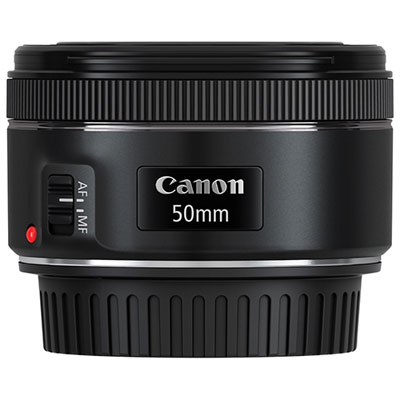 Your price for this item is $169.99
 -
 Your price for this item is $329.99
 -
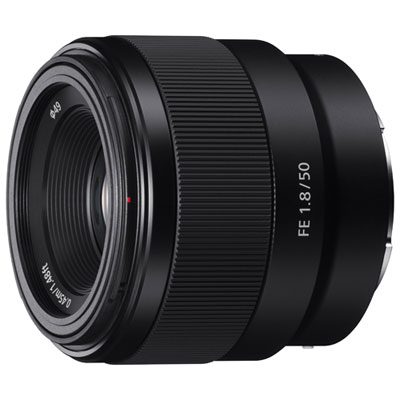 Your price for this item is $349.99
 -
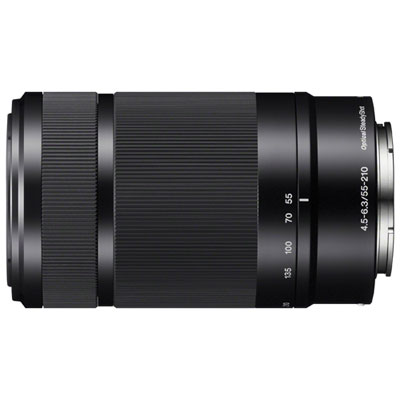 Your price for this item is $399.99
 -
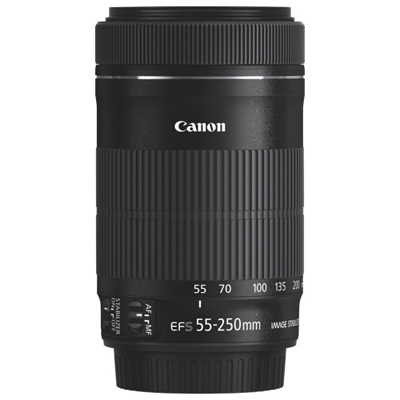 Your price for this item is $399.99
 -
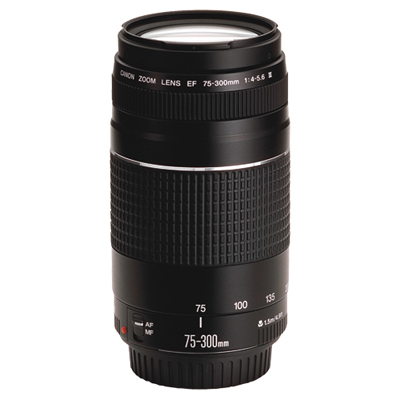 Your price for this item is $199.99
 -
 Your price for this item is $174.99
 -
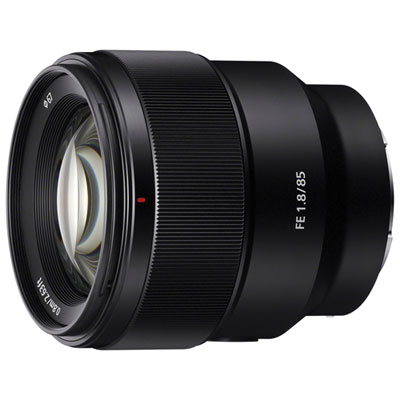 Your price for this item is $749.99
Discover more categories related to Good Macro Lenses
Top Collections:
Pokemon Centers, Kindle Devices, Best Budget Office Chairs, Apple iPhones 16, Best Laptops for Writers, iPhone 15 Apple, Canon G7X Cameras, Refurbished Apple Laptops, Alarm Clock, Motorola Razr Phones
Some products may be subject to Environmental Handling Fees
(EHF) depending on your province.
Learn more about EHFs.