100mm Macro Lenses
Capture the intricate details with our selection of 100mm macro lenses. Designed to bring your subjects to life, these lenses offer exceptional close-up capabilities for capturing stunning images. Whether you're a professional photographer or an avid hobbyist, our range of 100mm macro lenses will allow you to explore the fascinating world of macro photography. From capturing intricate textures to revealing the tiniest details, these lenses are perfect for capturing the beauty that lies beyond what meets the eye.
Sort
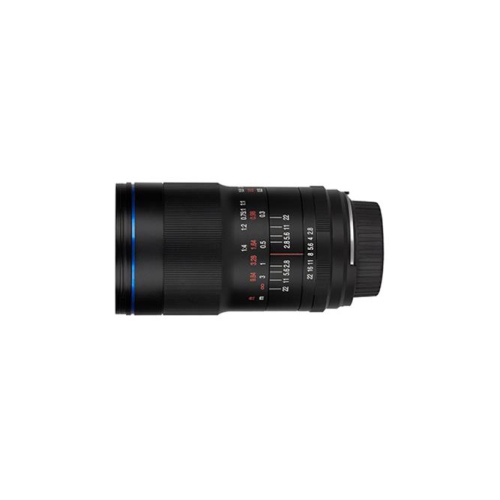
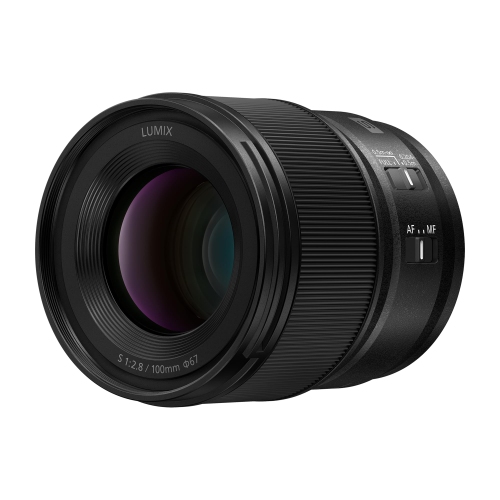
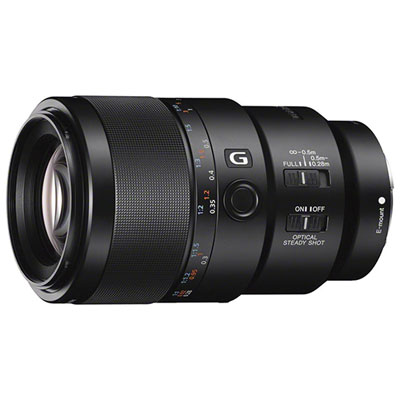
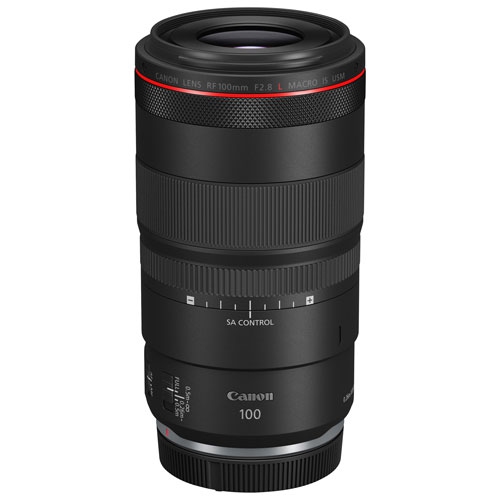
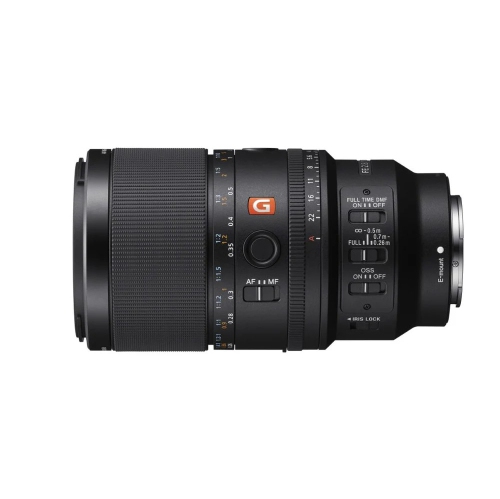
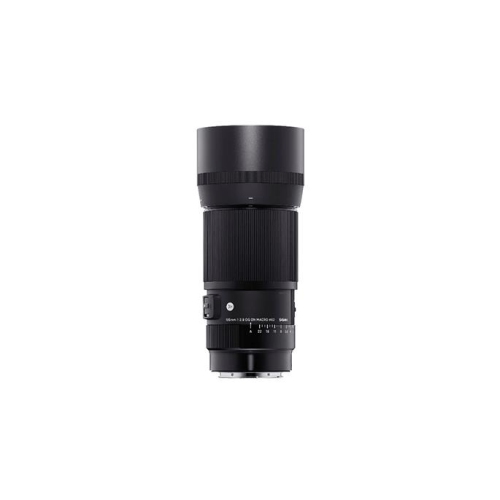

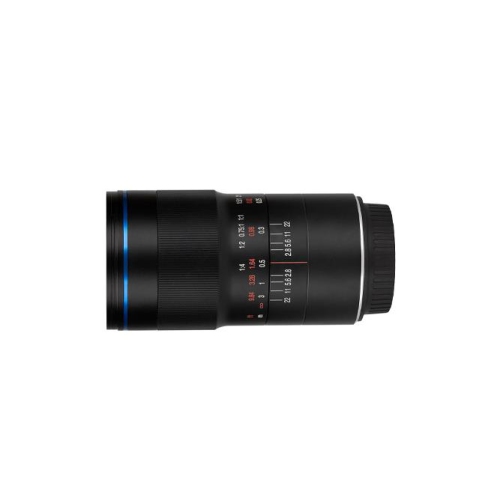
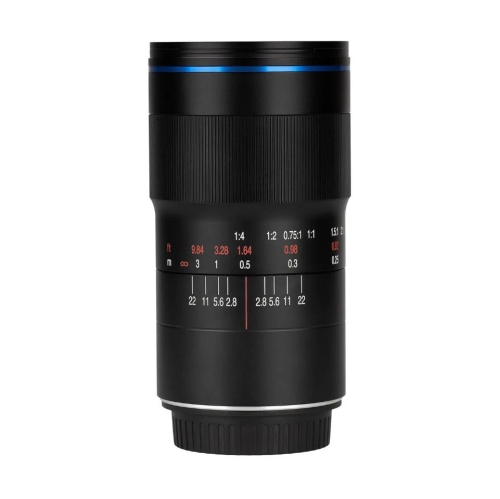
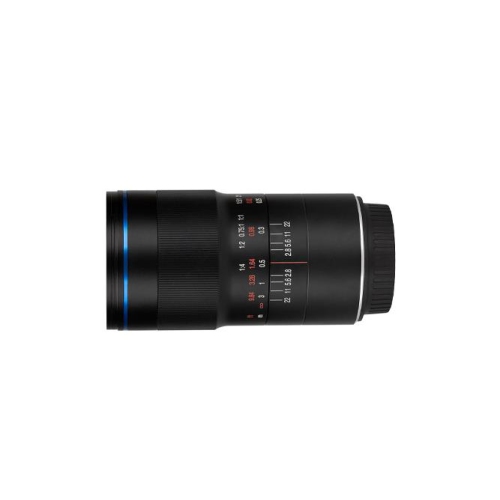
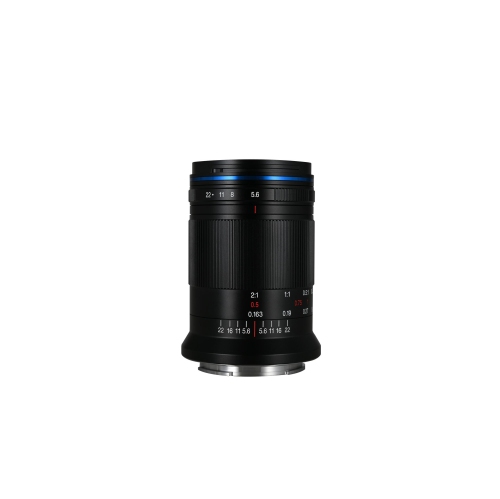
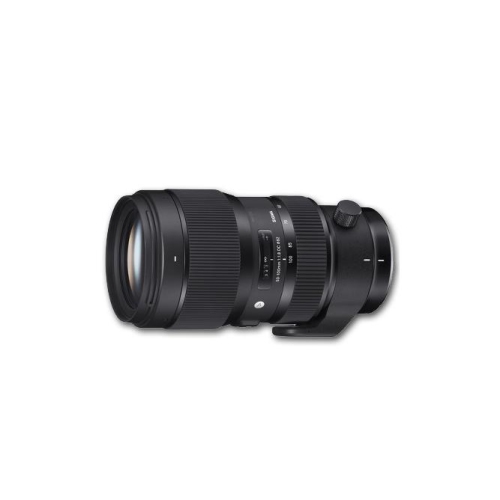
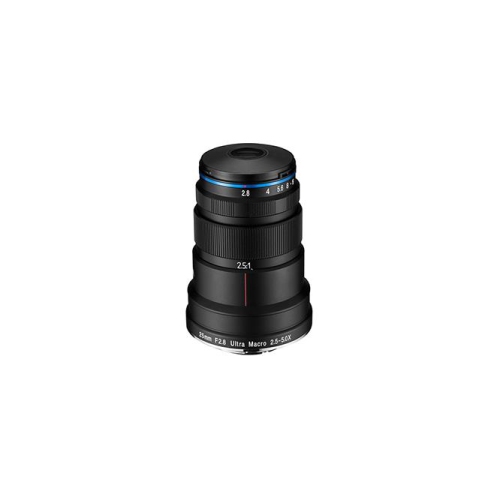

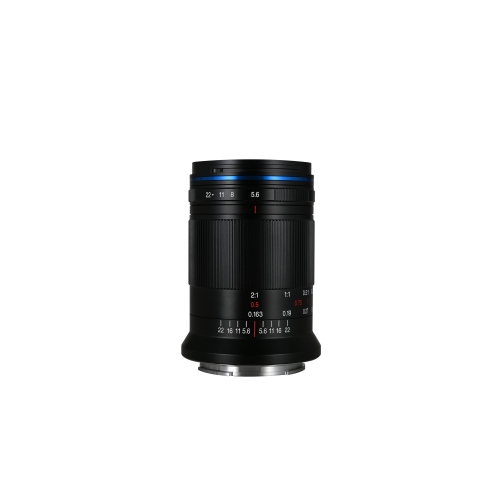
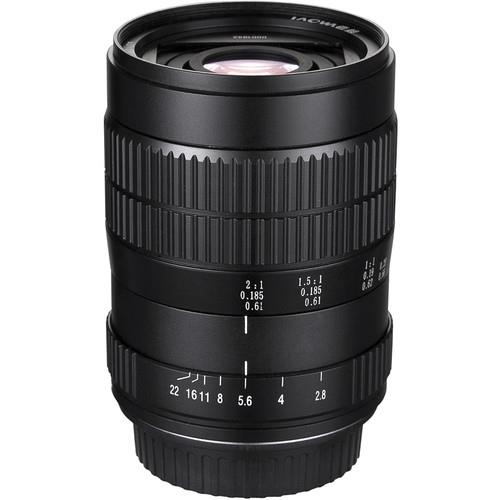
Detailed close-ups with comfortable working distance and portrait versatility
100mm macro lenses are a versatile choice for photographers who want to capture remarkably detailed close-up images while maintaining a comfortable distance from the subject. Designed as mid-telephoto prime lenses, they are commonly used for photographing flowers, insects, jewellery, watches, food, craft projects, textures and other small subjects that benefit from life-size detail. Many lenses in this class offer a 1:1 reproduction ratio, meaning a subject can be recorded on the camera sensor at its actual size. Some manual-focus options provide 2:1 magnification or more, allowing even smaller details—such as the pattern on a beetle’s wing, the grain in a piece of wood or the fine texture of fabric—to fill the frame. The roughly 100mm focal length provides more working distance than a shorter macro lens, which can make it easier to light a subject without casting a shadow and less likely to disturb insects or delicate arrangements. That extra distance is also helpful when photographing subjects outdoors, where moving closer may cause a butterfly to fly away or a flower to sway out of focus. Although close-up photography is the primary purpose, a 100mm macro lens can also be useful for portraits, product photography and detail-oriented video work. Its perspective can produce flattering portraits with natural-looking proportions, while a wide maximum aperture on some models can separate the subject from a softly blurred background. Photographers who enjoy creating images during the cooler months may use one indoors to explore household objects, collections, baking ingredients or handmade projects, while outdoor users can take it into a garden, park or nature trail as the weather changes. This combination of magnification, reach and versatility makes 100mm macro lenses suitable for dedicated macro photographers, portrait enthusiasts, content creators, makers, students and anyone who enjoys observing the small details that are easy to miss.
When comparing 100mm macro lenses, start with camera compatibility. A lens must use the correct mount for the camera body, and mirrorless and DSLR systems may require different versions or a compatible adapter. An adapter can sometimes preserve electronic communication between the camera and lens, but functions such as autofocus, aperture control and image stabilization may vary, so checking compatibility before purchase is important. Autofocus can be convenient for portraits, moving subjects and general photography, while manual focus is often preferred for precise macro work. At close distances, the zone of sharp focus can become extremely narrow—even a small movement forward or backward can shift the focus from a subject’s eye to its antenna or from the front of a gemstone to its edge. A focus limiter switch, a responsive manual-focus ring and a clear distance scale can make this process easier. Magnification is another key specification. A 1:1 lens is well suited to classic macro photography, while a lens offering 1.4x, 2x or another higher ratio can reveal very fine details with less need for cropping. Image stabilization may help reduce the effect of hand movement, particularly when photographing handheld subjects in available light, but it cannot freeze a moving insect or compensate for subject motion. A sturdy tripod, focusing rail, remote shutter release or suitable lighting can still be valuable for carefully composed images. Look at the minimum focusing distance and working distance together: the closest focusing distance describes how close the lens can focus, while working distance refers to the space between the front of the lens and the subject at a given magnification. Weather sealing can be useful for outdoor photography in changing conditions, and a solid focusing mechanism may be appreciated by photographers who regularly work with a tripod or follow focus. Manual-focus lenses can offer a hands-on shooting experience and may appeal to photographers who prefer to control every part of the image, while autofocus models can provide a more flexible everyday option. A bright aperture can help with subject separation and low-light work, but macro photographers should also consider the aperture range, as stopping down is often necessary to bring more of a three-dimensional subject into focus.
A 100mm macro lens can make a thoughtful gift for a photographer who has already developed an interest in nature, portraits, tabletop scenes or creative close-up images. It can open a new direction for someone who has a standard zoom lens but wants to explore tiny subjects with greater magnification and control. A family member who photographs flowers in a garden, a hobbyist who documents handmade work or a creator who produces detailed images for an online shop may all find this focal length useful. Before giving one as a gift, confirm the recipient’s camera system and whether they prefer autofocus or manual focus, since the wrong mount will not fit the camera body and a preferred shooting style can strongly influence satisfaction. Accessories can also support the experience: a tripod helps with still-life compositions, a diffuser can soften harsh light, and a dedicated macro flash or continuous light can reveal texture without creating deep shadows. For photographers who enjoy portraits as well as close-ups, the 100mm focal length offers a practical way to work from a comfortable distance while creating a gently compressed perspective. Those who want a little more reach for portraits, events or outdoor details may also want to browse 135mm Lenses for another mid-telephoto option. Whether used to record the intricate surface of a leaf, the polished edge of a small object or an expressive portrait, a 100mm macro lens rewards patience and careful composition. The best choice depends on the camera mount, desired magnification, focusing preference, stabilization needs, lighting approach and budget, with the right balance making it easier to turn small observations into sharp, engaging photographs.
When comparing 100mm macro lenses, start with camera compatibility. A lens must use the correct mount for the camera body, and mirrorless and DSLR systems may require different versions or a compatible adapter. An adapter can sometimes preserve electronic communication between the camera and lens, but functions such as autofocus, aperture control and image stabilization may vary, so checking compatibility before purchase is important. Autofocus can be convenient for portraits, moving subjects and general photography, while manual focus is often preferred for precise macro work. At close distances, the zone of sharp focus can become extremely narrow—even a small movement forward or backward can shift the focus from a subject’s eye to its antenna or from the front of a gemstone to its edge. A focus limiter switch, a responsive manual-focus ring and a clear distance scale can make this process easier. Magnification is another key specification. A 1:1 lens is well suited to classic macro photography, while a lens offering 1.4x, 2x or another higher ratio can reveal very fine details with less need for cropping. Image stabilization may help reduce the effect of hand movement, particularly when photographing handheld subjects in available light, but it cannot freeze a moving insect or compensate for subject motion. A sturdy tripod, focusing rail, remote shutter release or suitable lighting can still be valuable for carefully composed images. Look at the minimum focusing distance and working distance together: the closest focusing distance describes how close the lens can focus, while working distance refers to the space between the front of the lens and the subject at a given magnification. Weather sealing can be useful for outdoor photography in changing conditions, and a solid focusing mechanism may be appreciated by photographers who regularly work with a tripod or follow focus. Manual-focus lenses can offer a hands-on shooting experience and may appeal to photographers who prefer to control every part of the image, while autofocus models can provide a more flexible everyday option. A bright aperture can help with subject separation and low-light work, but macro photographers should also consider the aperture range, as stopping down is often necessary to bring more of a three-dimensional subject into focus.
A 100mm macro lens can make a thoughtful gift for a photographer who has already developed an interest in nature, portraits, tabletop scenes or creative close-up images. It can open a new direction for someone who has a standard zoom lens but wants to explore tiny subjects with greater magnification and control. A family member who photographs flowers in a garden, a hobbyist who documents handmade work or a creator who produces detailed images for an online shop may all find this focal length useful. Before giving one as a gift, confirm the recipient’s camera system and whether they prefer autofocus or manual focus, since the wrong mount will not fit the camera body and a preferred shooting style can strongly influence satisfaction. Accessories can also support the experience: a tripod helps with still-life compositions, a diffuser can soften harsh light, and a dedicated macro flash or continuous light can reveal texture without creating deep shadows. For photographers who enjoy portraits as well as close-ups, the 100mm focal length offers a practical way to work from a comfortable distance while creating a gently compressed perspective. Those who want a little more reach for portraits, events or outdoor details may also want to browse 135mm Lenses for another mid-telephoto option. Whether used to record the intricate surface of a leaf, the polished edge of a small object or an expressive portrait, a 100mm macro lens rewards patience and careful composition. The best choice depends on the camera mount, desired magnification, focusing preference, stabilization needs, lighting approach and budget, with the right balance making it easier to turn small observations into sharp, engaging photographs.
Top selling and popular products
-
 Your price for this item is $169.99
 -
 Your price for this item is $329.99
 -
 Your price for this item is $349.99
 -
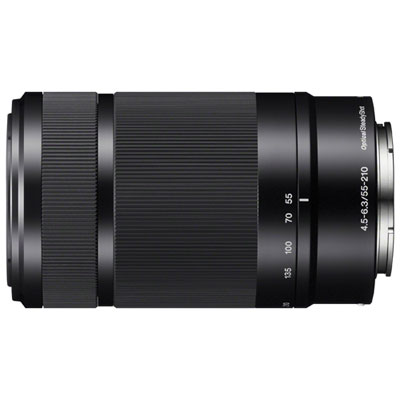 Your price for this item is $399.99
 -
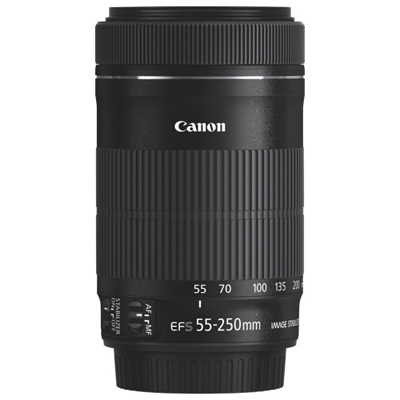 Your price for this item is $399.99
 -
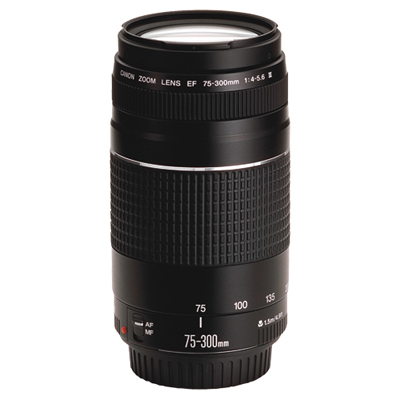 Your price for this item is $199.99
 -
 Your price for this item is $174.99
 -
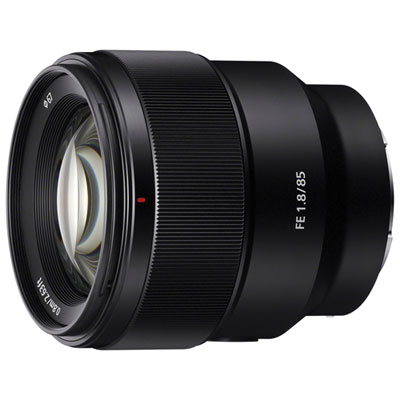 Your price for this item is $749.99
Discover more categories related to 100mm Macro Lenses
Top Collections:
Pokemon Centers, Kindle Devices, Best Budget Office Chairs, Apple iPhones 16, Best Laptops for Writers, iPhone 15 Apple, Canon G7X Cameras, Refurbished Apple Laptops, Alarm Clock, Motorola Razr Phones
Some products may be subject to Environmental Handling Fees
(EHF) depending on your province.
Learn more about EHFs.