Canon Cameras for Videography
Capture stunning videos with the perfect cameras from Canon for your videography needs. Whether you're a professional filmmaker or an aspiring content creator, having the right equipment is essential for achieving high-quality results. At Best Buy, we offer a wide range of cameras designed for videography, ensuring that you can capture every moment with exceptional clarity and precision. From advanced features to superior image stabilization, our selection of cameras will empower you to unleash your creativity and bring your vision to life. Explore our collection today and take your videography skills to new heights.
Sort
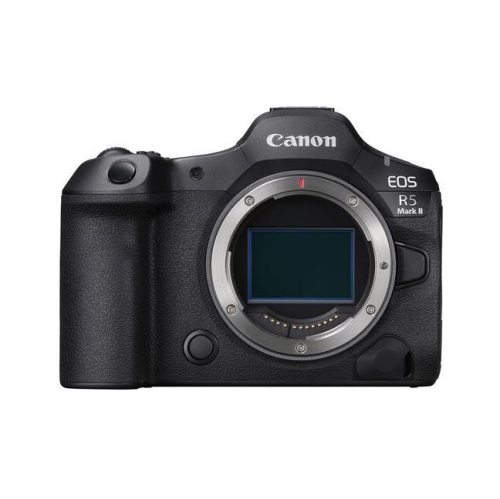
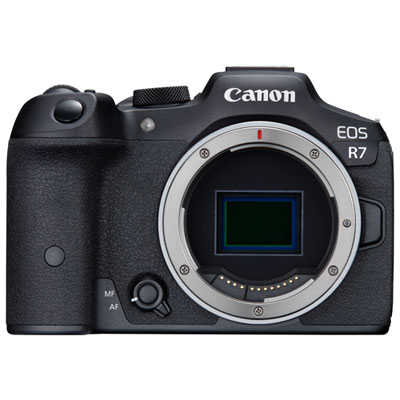
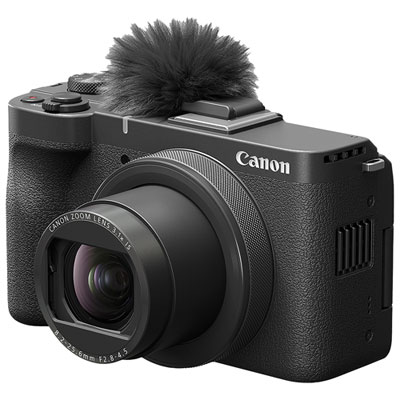
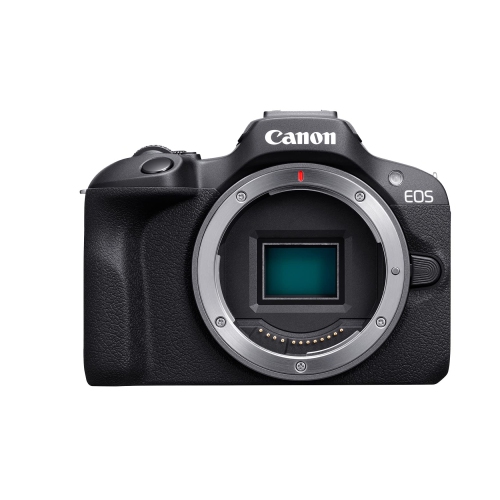
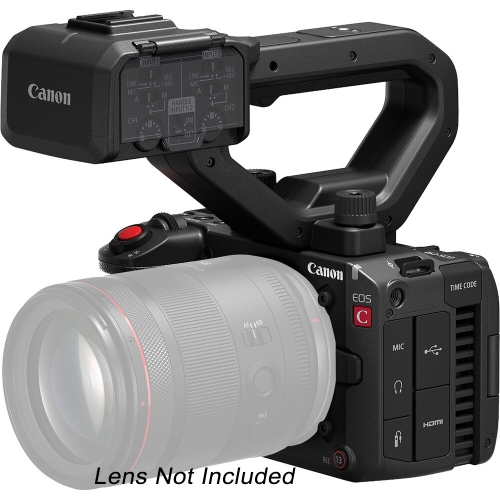
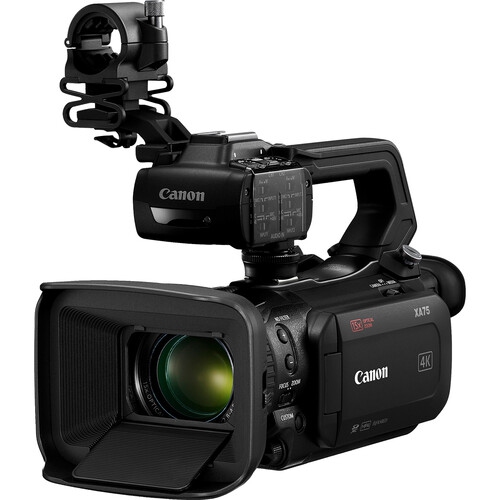
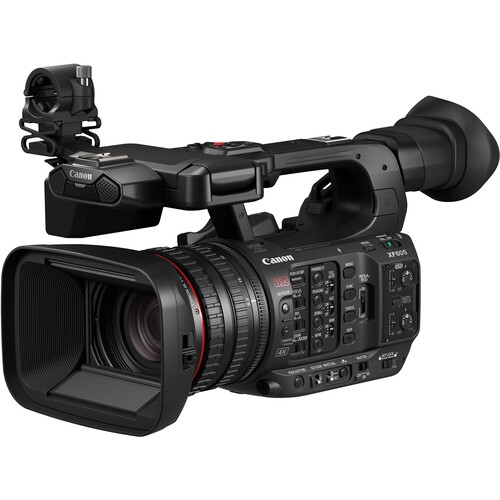
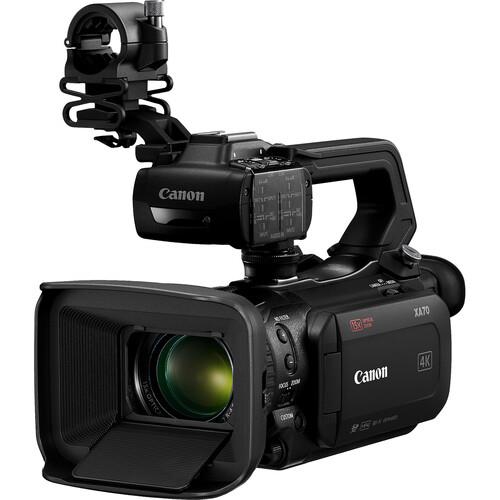
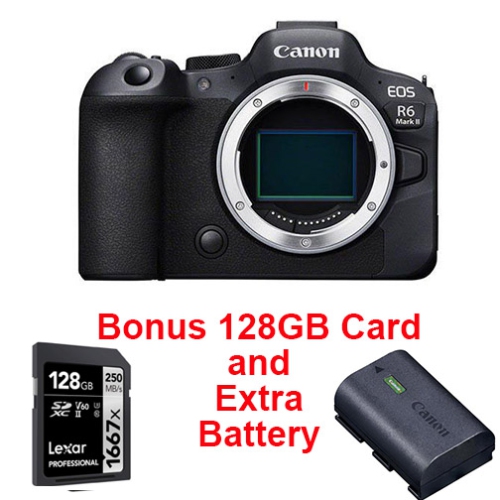
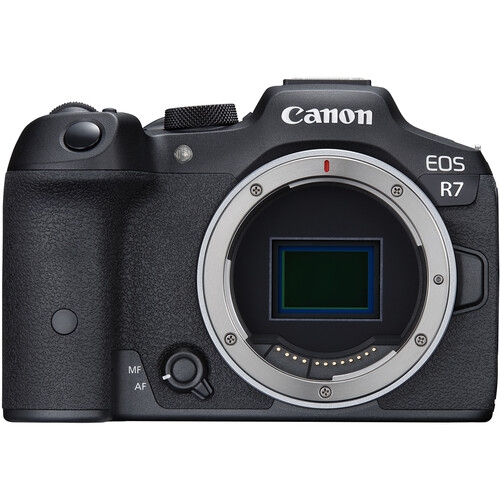
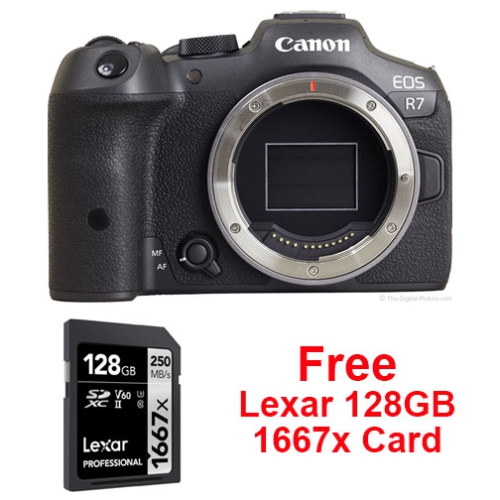
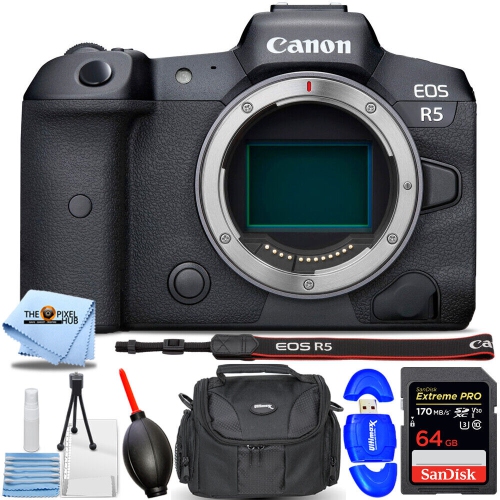
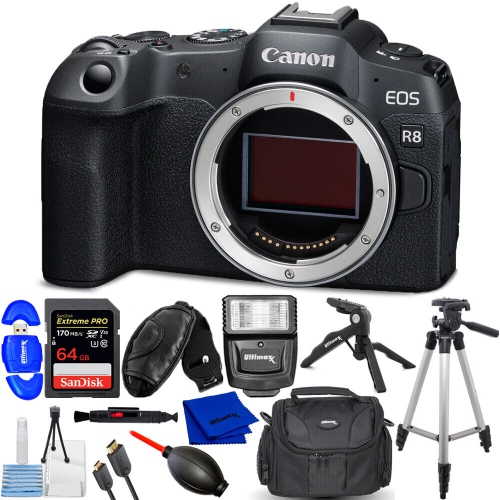
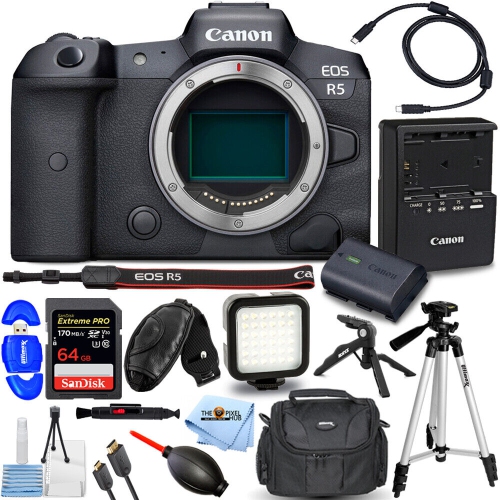
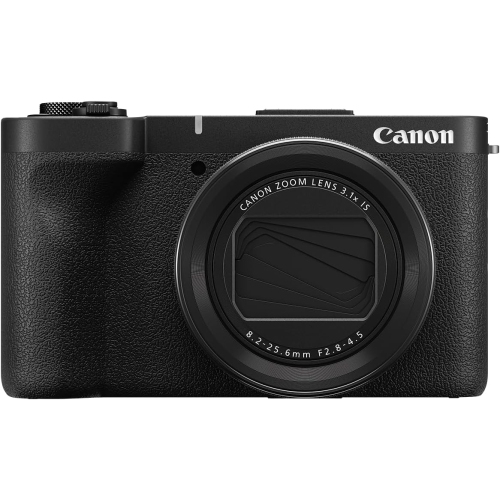
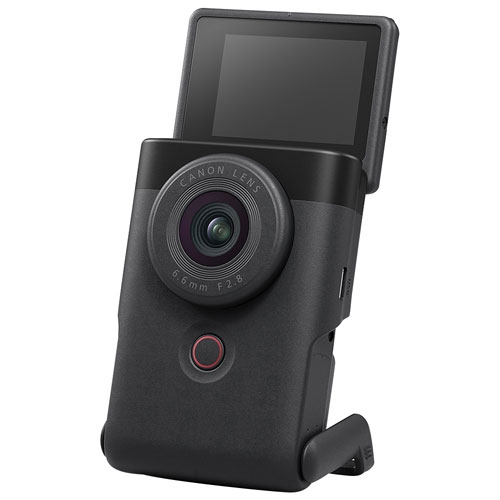
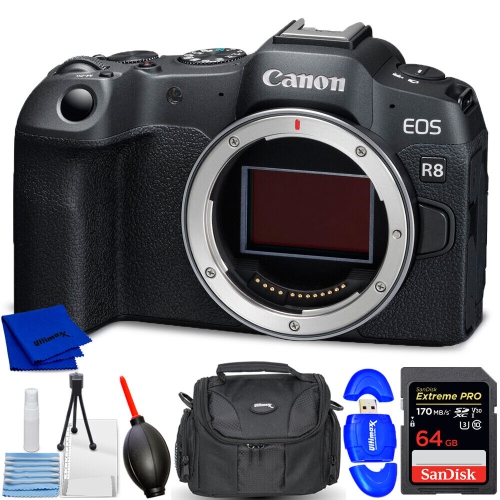
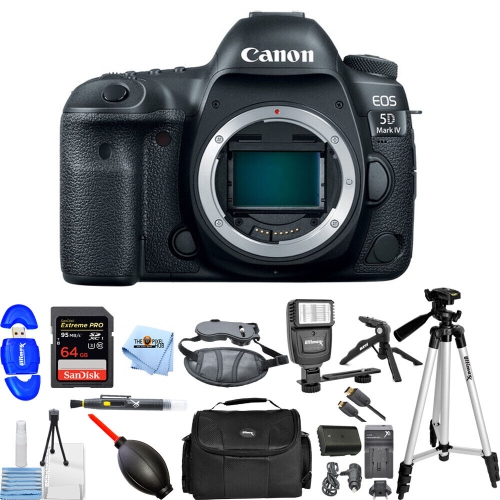
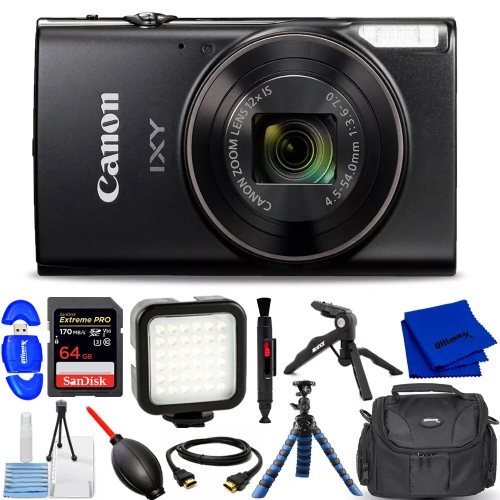
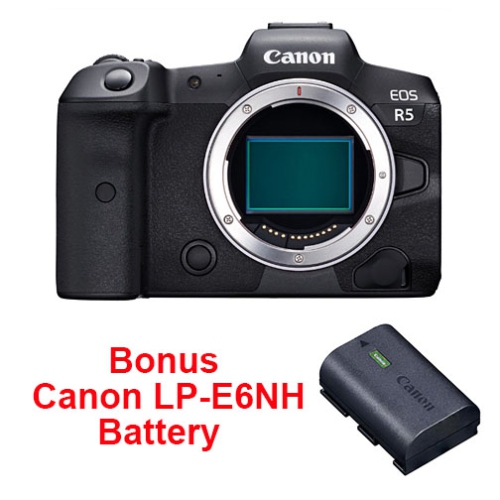
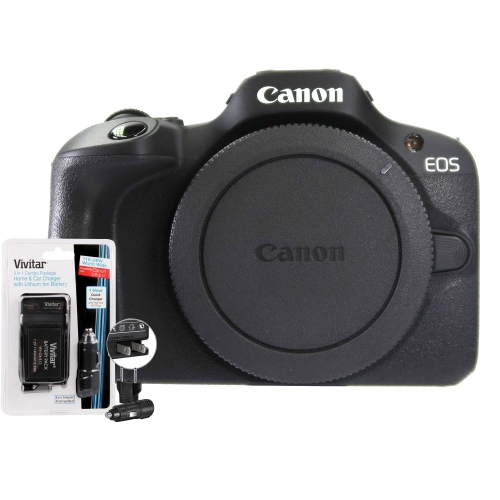
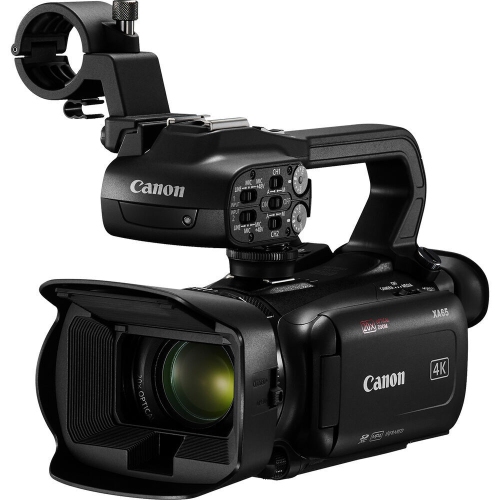
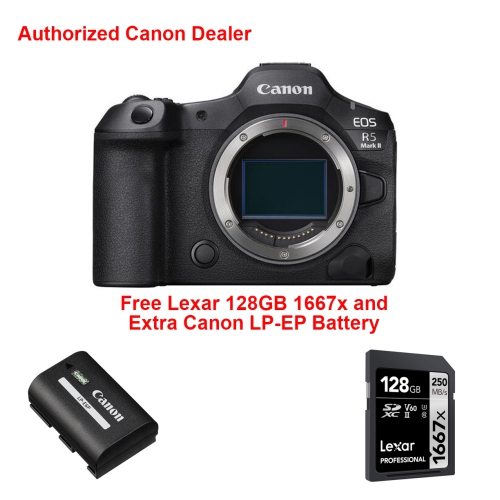
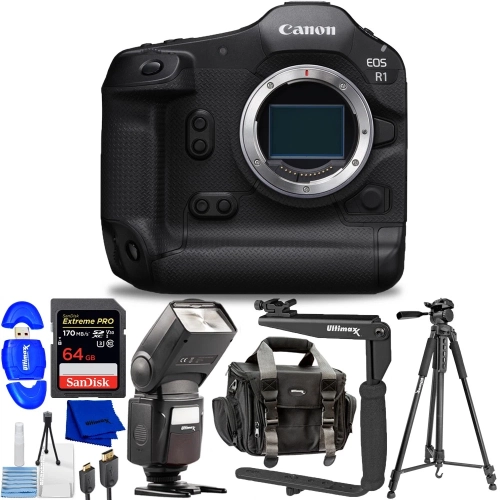
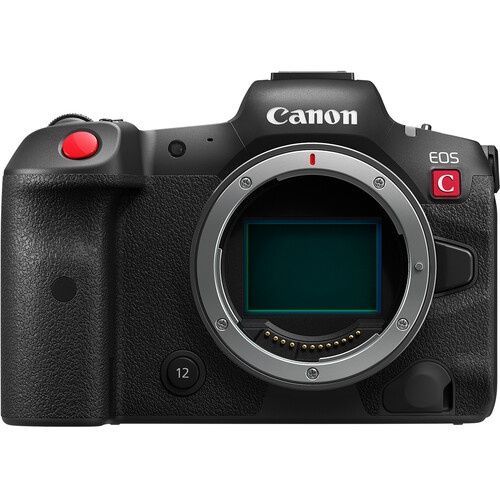
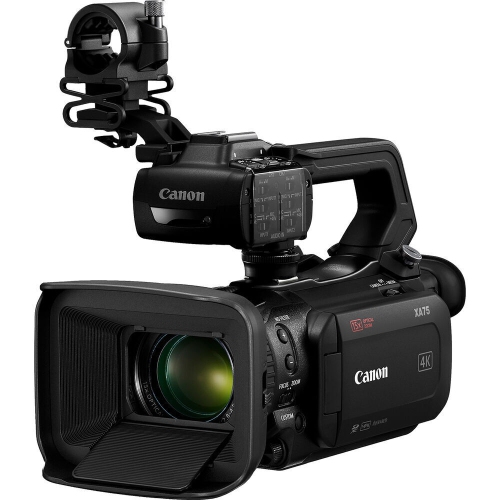
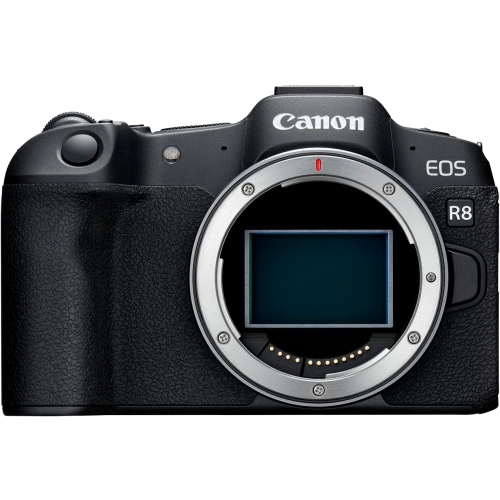
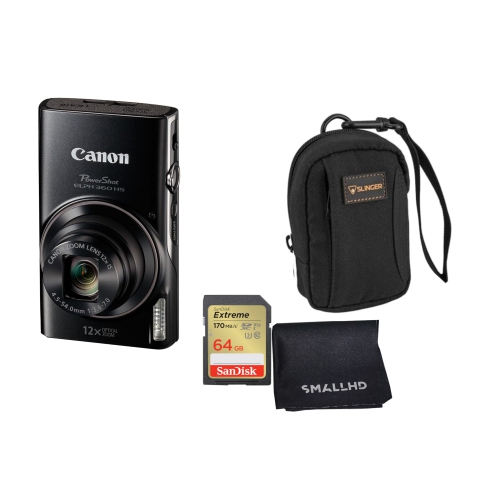
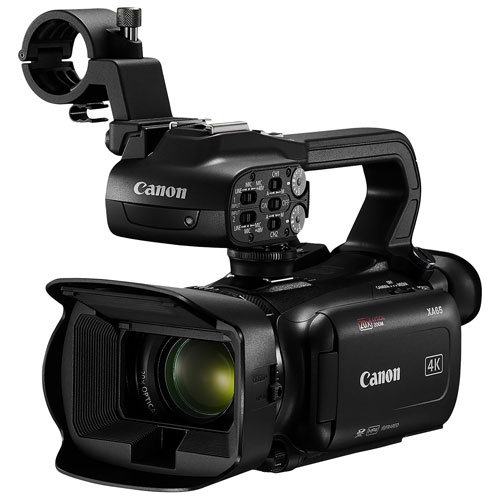

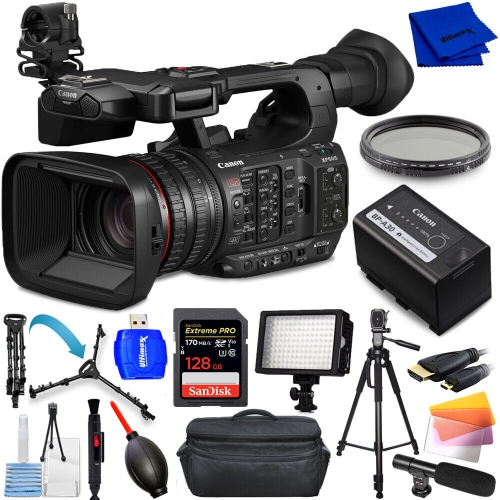
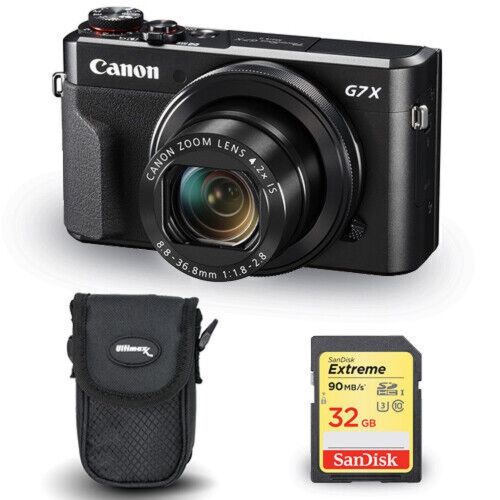
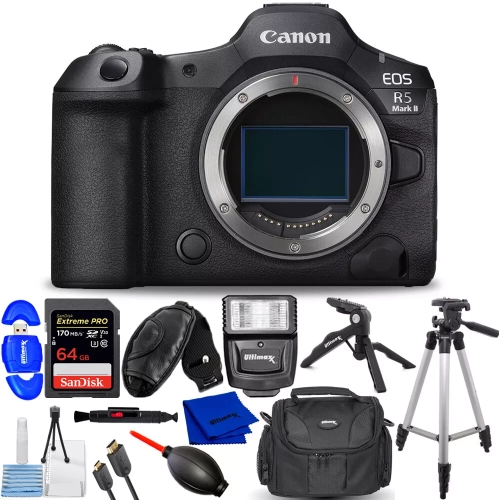
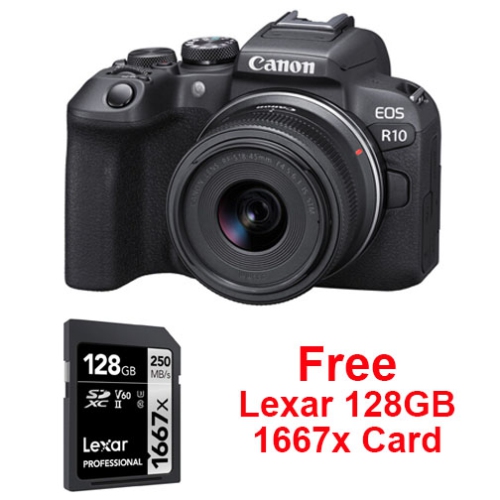
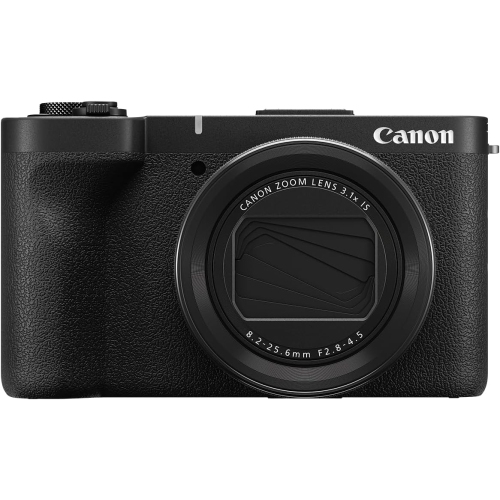
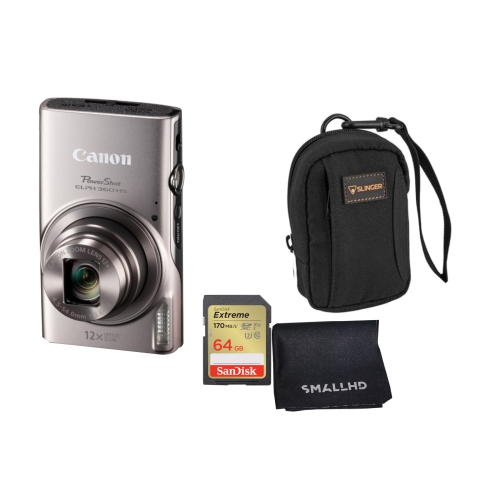
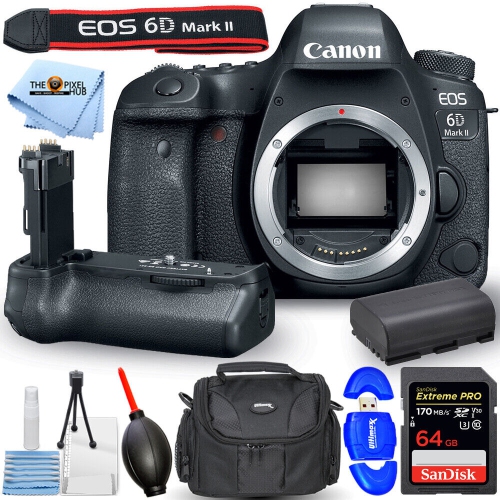
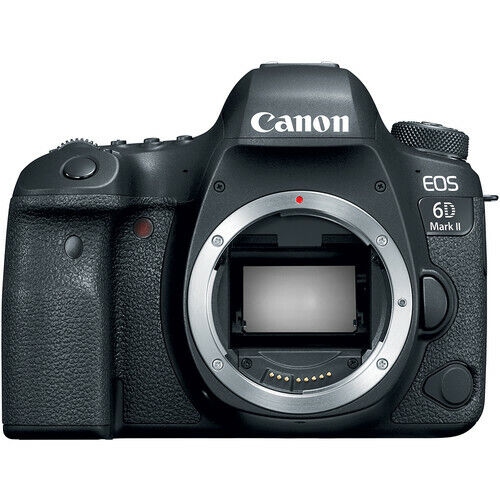
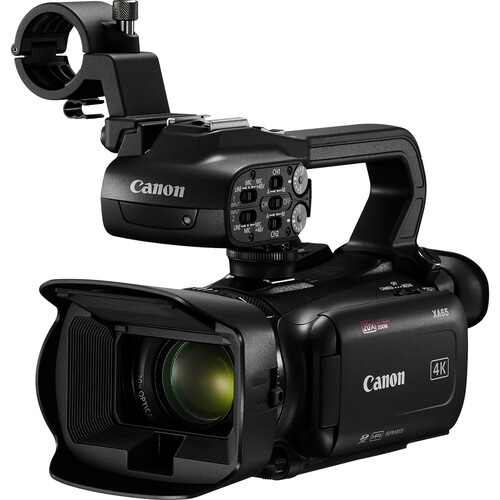
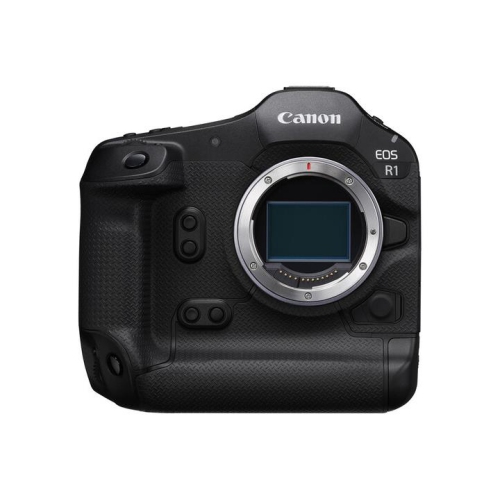
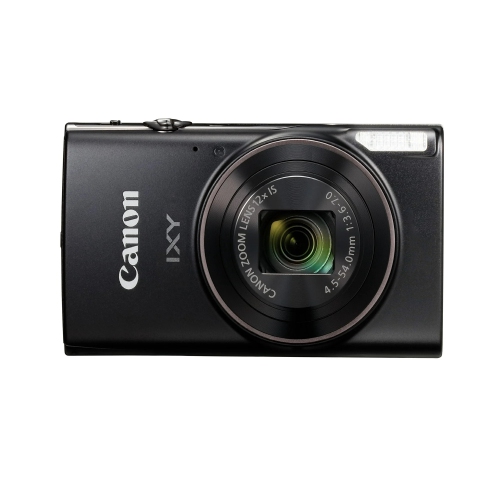
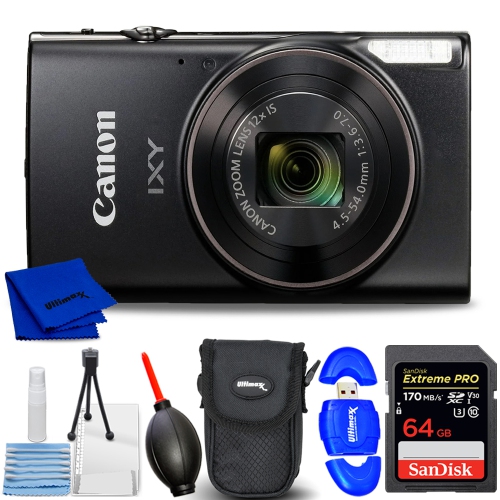
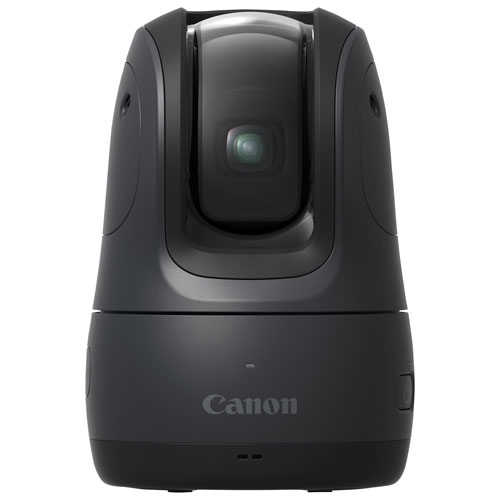
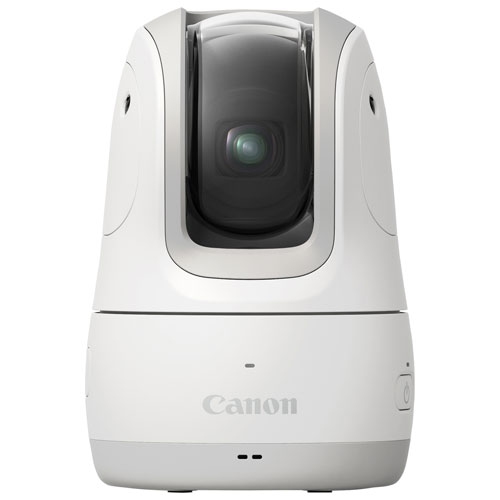
The right camera balances features, format, and filming needs
Choosing a camera for videography starts with the kind of stories you want to tell. A compact mirrorless camera can be an excellent fit for travel clips, family milestones, cooking videos, interviews, livestreams, and social media content, while a more advanced cinema-style camera is better suited to scripted productions, documentaries, weddings, music videos, and commercial work. For a beginner, look for straightforward controls, reliable autofocus, a fully articulating screen, a comfortable grip, and a body that is light enough to carry through a full day of shooting. A front-facing display or tally lamp can make self-recording easier, especially when filming vlogs or presenting to camera without a second operator. Enthusiasts may prefer a larger sensor for more natural background blur and improved performance in dim interiors, along with stronger manual controls for shutter speed, aperture, white balance, and picture profiles. Professional users often need features such as longer recording times, multiple card slots, built-in image stabilization, professional audio connections, internal neutral-density filters, and compatibility with a wider range of lenses and accessories. Exploring Canon Cameras for Photography And Video can also be helpful when comparing options for both still photography and video production, particularly if you want one camera to cover portraits, events, landscapes, and moving subjects.
Video resolution is only one part of the decision, although it remains an important place to begin. Cameras that record 4K can produce detailed footage for television screens, online platforms, and personal archives, while models that oversample 4K from a higher-resolution sensor may deliver particularly crisp results with natural-looking detail. Frame-rate options also affect the character of your footage: standard frame rates are well suited to interviews and everyday scenes, higher frame rates can create smooth slow-motion sequences, and a range of recording formats gives experienced editors more flexibility during colour correction. Autofocus performance matters whenever the subject is moving, walking towards the camera, or changing position within a frame. Look for dependable subject detection, face and eye tracking, and a system that transitions smoothly rather than hunting back and forth. In-body image stabilization can help steady handheld footage of a street performer, a child running across a park, or a quiet walk through a gallery, though a tripod, monopod, gimbal, or other support may still be valuable for polished results. Audio deserves equal attention. A built-in microphone is convenient for reference clips, but an external microphone can capture voices with greater clarity and reduce the distraction of wind, room echo, and handling noise. Headphone monitoring, microphone-level controls, and dedicated audio inputs are especially useful for interviews and event coverage. Before choosing a camera, consider its heat management, battery life, memory-card requirements, connector layout, and whether the screen remains visible when accessories are attached.
The best choice should also fit your complete shooting setup rather than the camera body alone. A lens with a wide view can be useful for room tours, travel scenes, and self-recording, while a standard zoom offers flexibility for portraits, interviews, and family gatherings without requiring frequent lens changes. A telephoto option can bring distant action closer for sports, wildlife, or performances, and a bright prime lens can help create a softly blurred background in lower light. Remember to budget for memory cards with suitable write speeds, spare batteries, a charger, a compact tripod, protective storage, and lighting if you plan to record regularly. People buying a first video camera as a gift may appreciate a simple, lightweight setup that makes it easy to begin creating immediately, whereas an experienced photographer, student filmmaker, or working videographer may value expansion options more than automatic modes. During the cooler months, an adaptable camera can be used indoors for performances, demonstrations, interviews, and family gatherings, then carried outdoors for crisp footage of changing scenery when conditions allow. Think about where the camera will be used, who will operate it, how long typical recording sessions will last, and how much editing you want to do afterward. Matching those practical details with the right sensor size, stabilization, autofocus, sound capability, recording format, and lens support will make it easier to choose a capable tool that feels natural in your hands and remains useful as your videography skills develop.
Video resolution is only one part of the decision, although it remains an important place to begin. Cameras that record 4K can produce detailed footage for television screens, online platforms, and personal archives, while models that oversample 4K from a higher-resolution sensor may deliver particularly crisp results with natural-looking detail. Frame-rate options also affect the character of your footage: standard frame rates are well suited to interviews and everyday scenes, higher frame rates can create smooth slow-motion sequences, and a range of recording formats gives experienced editors more flexibility during colour correction. Autofocus performance matters whenever the subject is moving, walking towards the camera, or changing position within a frame. Look for dependable subject detection, face and eye tracking, and a system that transitions smoothly rather than hunting back and forth. In-body image stabilization can help steady handheld footage of a street performer, a child running across a park, or a quiet walk through a gallery, though a tripod, monopod, gimbal, or other support may still be valuable for polished results. Audio deserves equal attention. A built-in microphone is convenient for reference clips, but an external microphone can capture voices with greater clarity and reduce the distraction of wind, room echo, and handling noise. Headphone monitoring, microphone-level controls, and dedicated audio inputs are especially useful for interviews and event coverage. Before choosing a camera, consider its heat management, battery life, memory-card requirements, connector layout, and whether the screen remains visible when accessories are attached.
The best choice should also fit your complete shooting setup rather than the camera body alone. A lens with a wide view can be useful for room tours, travel scenes, and self-recording, while a standard zoom offers flexibility for portraits, interviews, and family gatherings without requiring frequent lens changes. A telephoto option can bring distant action closer for sports, wildlife, or performances, and a bright prime lens can help create a softly blurred background in lower light. Remember to budget for memory cards with suitable write speeds, spare batteries, a charger, a compact tripod, protective storage, and lighting if you plan to record regularly. People buying a first video camera as a gift may appreciate a simple, lightweight setup that makes it easy to begin creating immediately, whereas an experienced photographer, student filmmaker, or working videographer may value expansion options more than automatic modes. During the cooler months, an adaptable camera can be used indoors for performances, demonstrations, interviews, and family gatherings, then carried outdoors for crisp footage of changing scenery when conditions allow. Think about where the camera will be used, who will operate it, how long typical recording sessions will last, and how much editing you want to do afterward. Matching those practical details with the right sensor size, stabilization, autofocus, sound capability, recording format, and lens support will make it easier to choose a capable tool that feels natural in your hands and remains useful as your videography skills develop.
Top selling and popular products
-
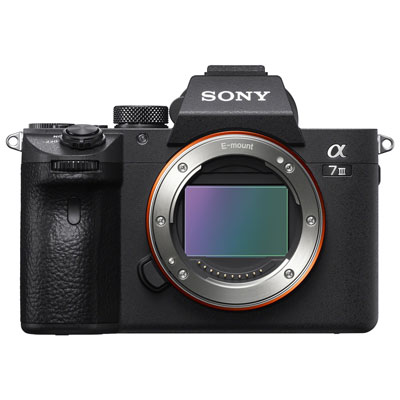 Your price for this item is $1899.99
 -
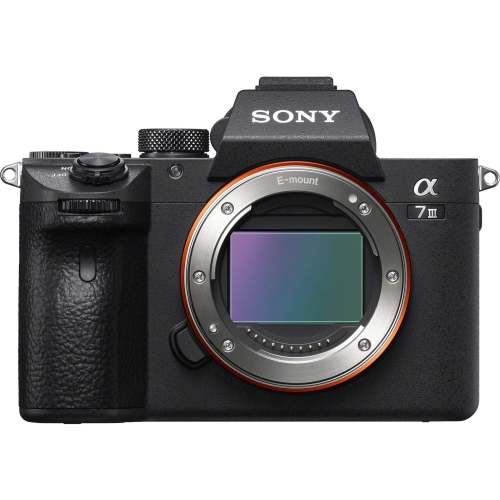 Your price for this item is $1899
 -
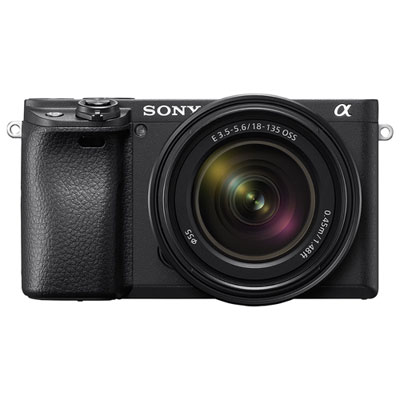 Your price for this item is $1749.99
 -
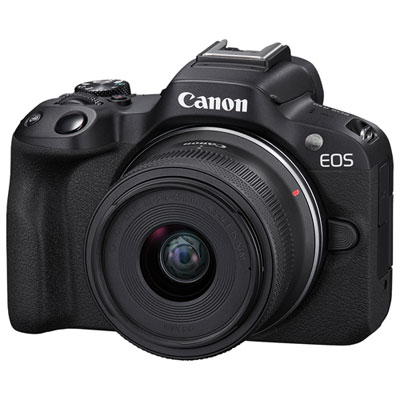 Your price for this item is $1099.99
 -
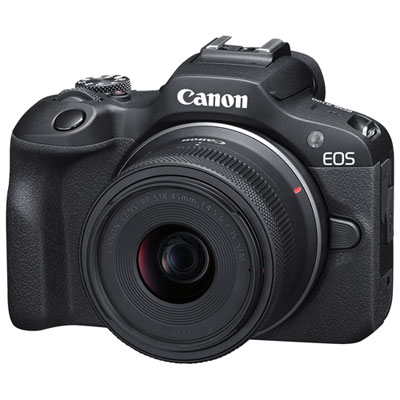 Your price for this item is $629.99
 -
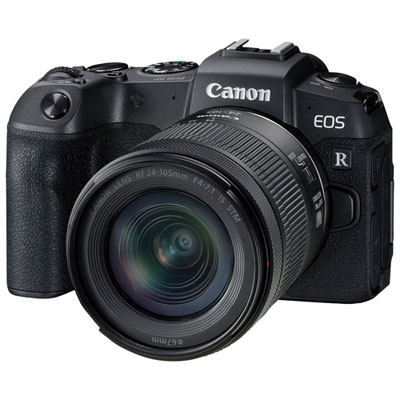 Your price for this item is $1499.99
 -
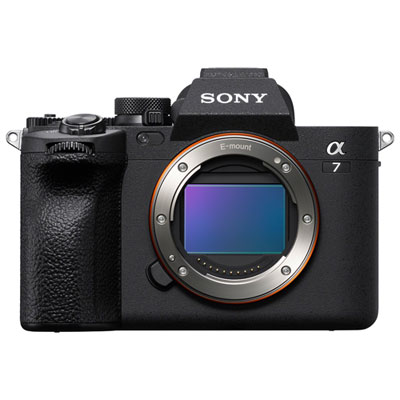 Your price for this item is $2699.99
 -
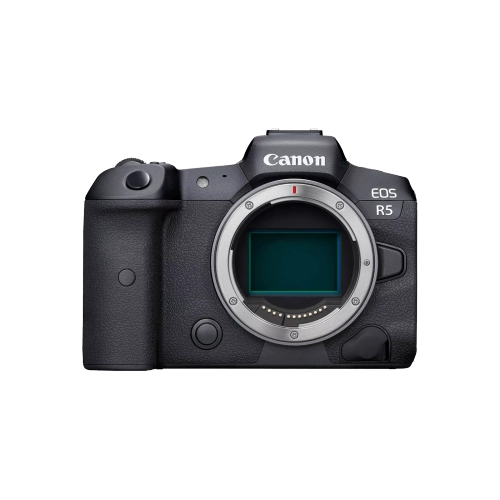 Your price for this item is $3299.9
Discover more categories related to Canon Cameras for Videography
Top Collections:
Pokemon Centers, Kindle Devices, Best Budget Office Chairs, Apple iPhones 16, Samsung Galaxy Phones, Canon G7X Cameras, iPhone 15 Apple, Flip Phones, Best Laptops for Writers, Alarm Clock
Some products may be subject to Environmental Handling Fees
(EHF) depending on your province.
Learn more about EHFs.