Canon Cameras for Video Shooting
Capture life's moments with precision and flair using a Canon camera for video shooting. Whether you're a budding filmmaker or an experienced videographer, these cameras are designed to elevate your storytelling with stunning visuals and dynamic performance. Explore a range of options that cater to various skill levels and creative needs, ensuring you find the perfect tool to bring your vision to life. With innovative technology and user-friendly features, Canon cameras make it easier than ever to shoot professional-quality videos that leave a lasting impression. Discover the possibilities and unleash your creativity with a Canon camera for video shooting.
Sort

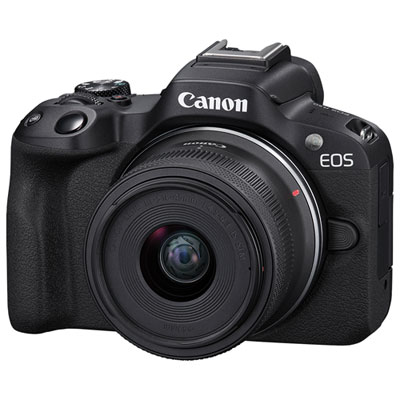
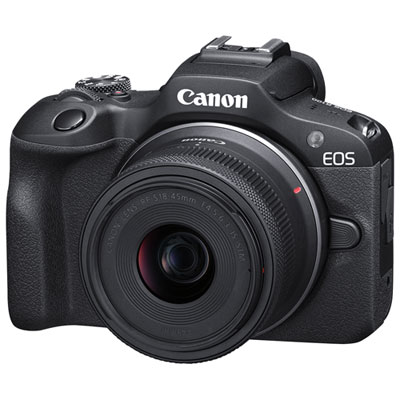
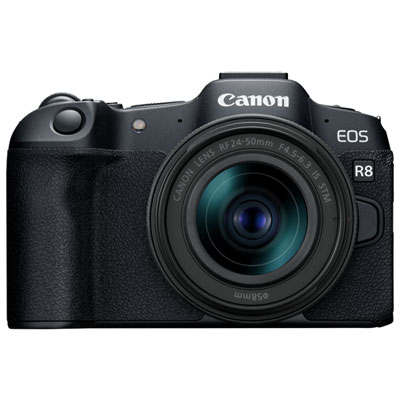
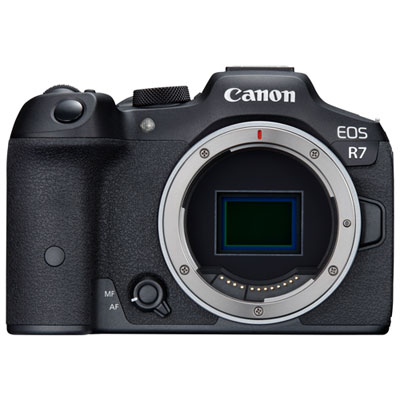
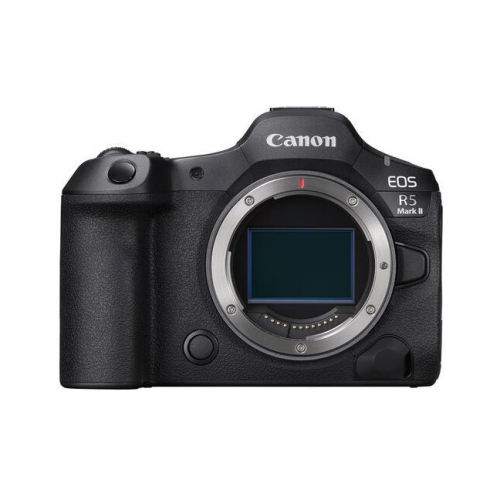
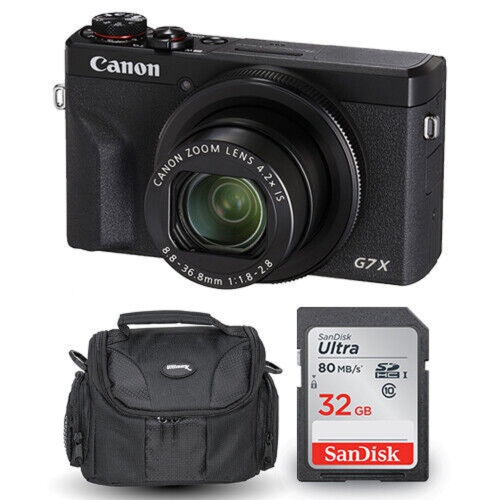

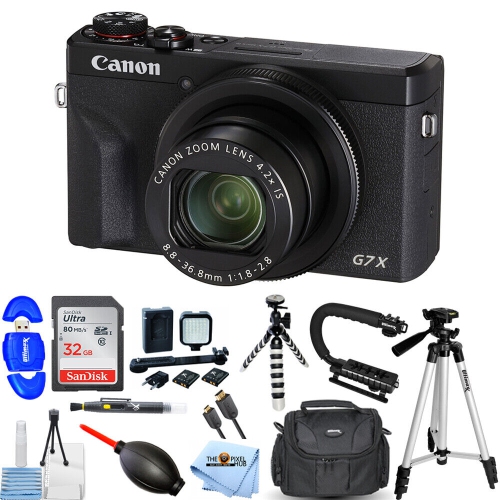


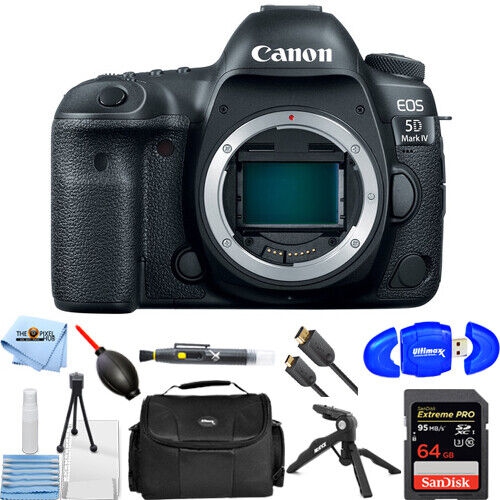

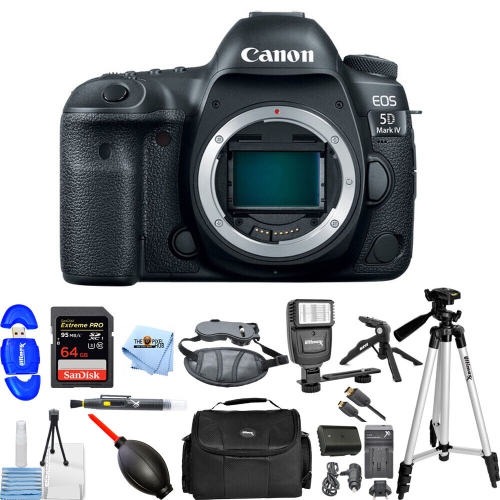
Your filming setup matters more than resolution alone
Cameras for video shooting range from compact bodies for everyday storytelling to hybrid cameras that handle both still photography and motion, along with dedicated cinema cameras built around production workflows. The right fit depends less on a single headline specification than on what happens in front of the lens and how the footage will be used. A creator filming conversations at a desk has different needs from a wedding videographer following a couple through a crowded reception or a filmmaker building a scene around carefully placed lights. For many uses, 4K recording offers detailed footage with room for modest reframing when the finished video is delivered in Full HD. Higher resolutions can provide more flexibility for cropping and visual effects, but also increase storage needs and editing demands. Frame rate shapes the look of movement: 24 frames per second is often associated with narrative filmmaking, 30 frames per second suits many everyday productions, and higher frame rates can support smooth slow motion when played back at a lower rate. Resolution and frame-rate options vary by camera, and some settings introduce a crop or change which focusing features are accessible. Sensor size also affects lens choice, framing, depth of field, and low-light performance, although a larger sensor is not automatically the best choice for every production. Full-frame cameras can make it easier to achieve a softly blurred background, while smaller-sensor systems may offer a more compact setup or useful framing for distant subjects. Autofocus with face or eye detection can be especially helpful for solo presenters and people filming moving subjects, provided the selected recording mode supports it. Manual focus remains useful for deliberate transitions between subjects and scenes where the point of attention needs to stay fixed. Dynamic range matters when bright windows and shaded faces share the frame, while 10-bit recording and log profiles, where supported, provide more flexibility for colour grading. Those formats also call for a suitable editing workflow; straightforward colour settings can be a better match for footage that needs little adjustment before sharing.
Lens compatibility is central to how a video camera fits into an existing kit and the kinds of scenes it can capture. A wide-angle lens can make a small room feel less cramped on screen, while a standard focal length often gives interviews and everyday moments a natural perspective. Telephoto lenses help isolate speakers on a stage or capture action from farther away. Zoom lenses offer flexible framing without a lens change, whereas prime lenses may suit creators who value a wide maximum aperture or a consistent visual style. Mount compatibility should be confirmed for both native lenses and adapted options, since an adapter does not guarantee identical autofocus, stabilization, or aperture control. A lens with quiet focusing can be valuable when a microphone is close to the camera, and minimal focus breathing helps framing remain steady as focus shifts. Stabilization is another consideration, particularly for handheld footage. Depending on the body and lens combination, stabilization may be optical, sensor-based, electronic, or a combination of these approaches. Electronic stabilization can crop the image, and even effective stabilization does not replace a tripod for a locked-off interview or a balanced gimbal for a long walking shot. Sound deserves equal attention. Built-in microphones are convenient for reference audio and spontaneous clips, but a compatible external microphone can bring a speaker’s voice forward and reduce distracting room sound. Microphone inputs, headphone monitoring, and manual audio controls vary across camera types; dedicated cinema bodies may offer additional connections for production microphones. For longer interviews, clear audio levels and a secure microphone cable can matter more than an extra resolution setting. Recording formats also affect the equipment needed after filming. High-bitrate footage requires memory cards that meet the camera’s specified performance requirements, along with enough storage for working files and backups. Some cameras offer dual card slots, but simultaneous backup recording depends on the model and selected format. HDMI output, USB connectivity, and Wi-Fi functions may support external monitoring, streaming, or file transfer, with capabilities differing between cameras. A dependable setup brings the lens, microphone, memory card, power supply, and editing software together as a compatible whole.
Comfort and handling become particularly noticeable during a full day of filming. A compact body is easier to carry between locations, but the weight of a lens, microphone, cage, and monitor can change its balance considerably. Grip shape, button placement, and a readable display influence how comfortably a camera can be operated without interrupting a moment. An articulating screen helps with self-recording and shots from unusual angles, while accessible physical controls are useful when exposure needs to change quickly. Hybrid cameras can suit photographers adding video to their work, families capturing milestones, and creators who need one body for portraits, short clips, and presentations. Dedicated cinema cameras often put greater emphasis on video controls, mounting options, audio connections, and extended recording, though they can require a larger supporting kit. Recording duration is worth considering for ceremonies, performances, and lectures, since limits depend on factors such as the recording mode, power source, media capacity, and heat management. Supported external power can reduce battery changes during a stationary shoot, but the correct connection and power specifications are essential. Body construction also varies, from lightweight composite housings to metal-alloy designs, and a solid build does not make a camera resistant to every knock or spill. A fitted bag with padded dividers helps protect the body and lenses in transit, while a secure strap adds reassurance during handheld use. Lens caps, a hand-operated blower, and a clean lens cloth support routine care; sensor cleaning requires the methods specified by the manufacturer. Ports and card compartments benefit from careful handling, especially when cables are attached or cards are changed frequently. For someone receiving a camera as a gift, compatibility with lenses they already own and the type of videos they enjoy making are more useful starting points than resolution alone. Shoppers comparing systems can also explore Sony Cameras for Video Shooting with those same practical needs in mind. A well-matched video camera supports the complete process, from comfortable framing and dependable focus to clear sound and footage that fits the intended editing workflow.
Top selling and popular products
-
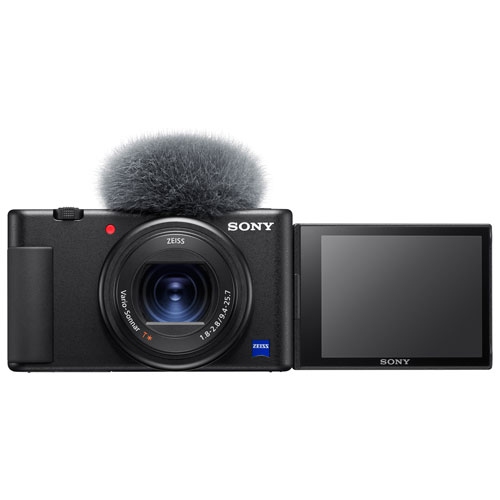 Your price for this item is $804.97
-
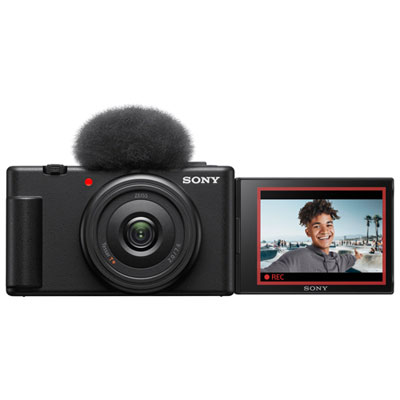 Your price for this item is $649.99
-
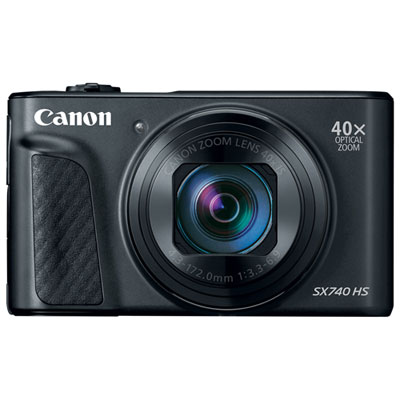 Your price for this item is $749.99
-
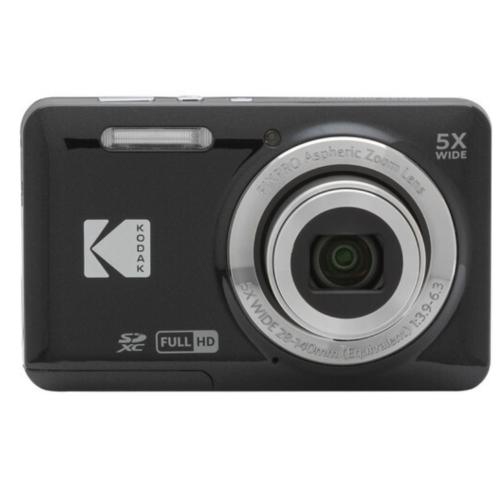 Your price for this item is $253
-
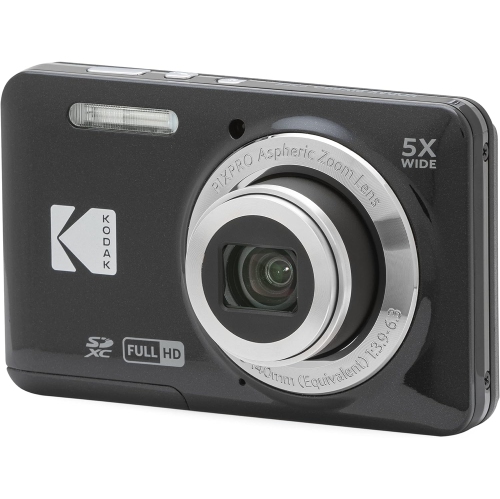 Your price for this item is $255
-
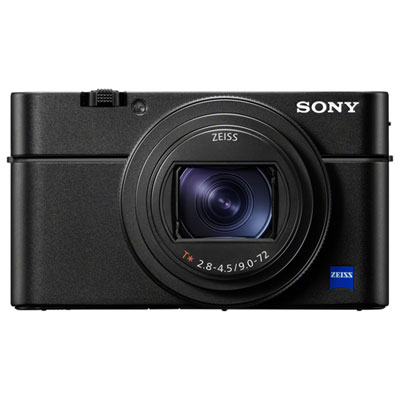 Your price for this item is $1999.99
-
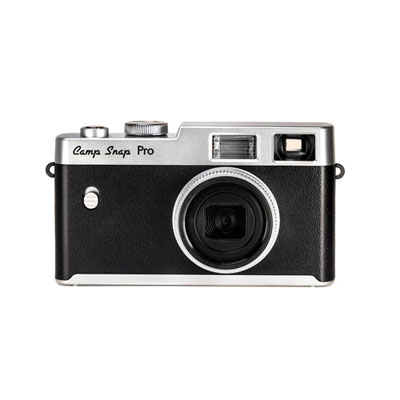 Your price for this item is $99.99
-
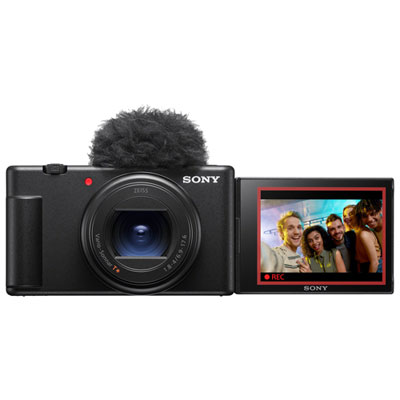 Your price for this item is $1199.99
Discover more categories related to Canon Cameras for Video Shooting
Top Collections:
Pokemon Centers, Best Cameras for Sports Photography, Kindle Devices, Samsung Galaxy Phones, Canon G7X Cameras, Pokémon 30th Celebration Cards, Refurbished Apple Laptops, iPhone 15 Apple, Laptops for Students, Budget Smartphones
Some products may be subject to Environmental Handling Fees
(EHF) depending on your province.
Learn more about EHFs.