Canon Lenses for Sports
Capture every fast-paced moment with precision using a Canon Lens for Sports. Designed to help you keep up with dynamic action, these lenses are ideal for photographing everything from local games to professional events. Whether you're on the sidelines or in the stands, a Canon Lens for Sports can help you achieve sharp, detailed images of athletes in motion. Explore a range of options to find the perfect lens that fits your camera and shooting style, so you never miss a winning shot.
Sort
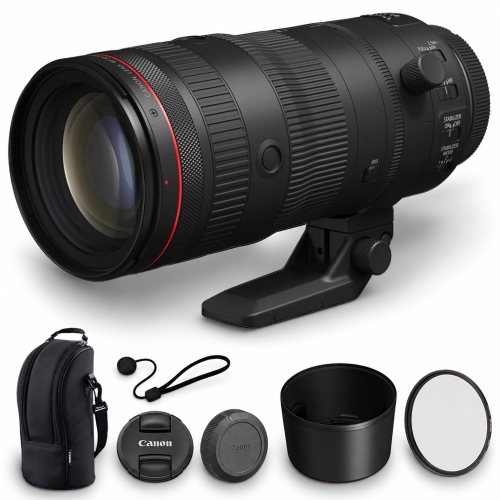
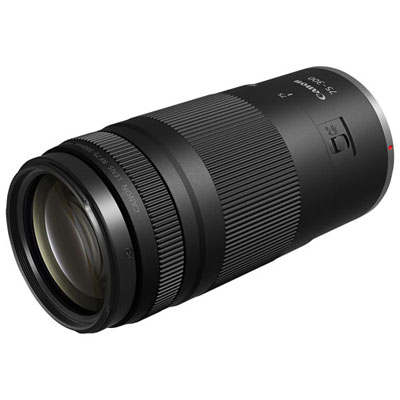
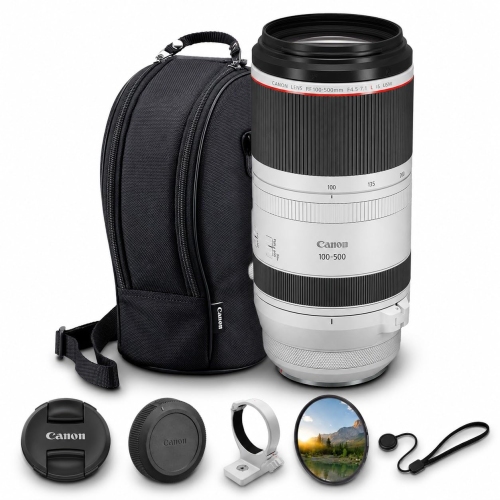
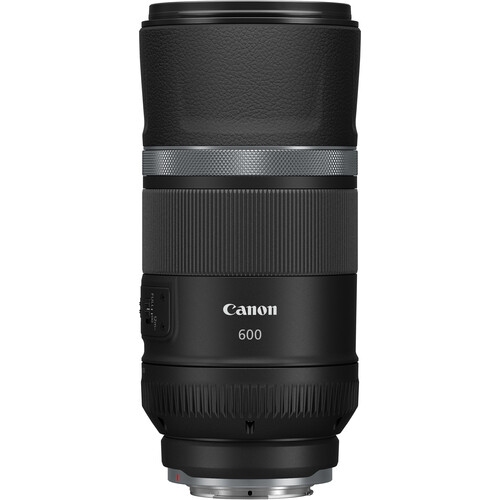
How lens reach and autofocus shape action shots
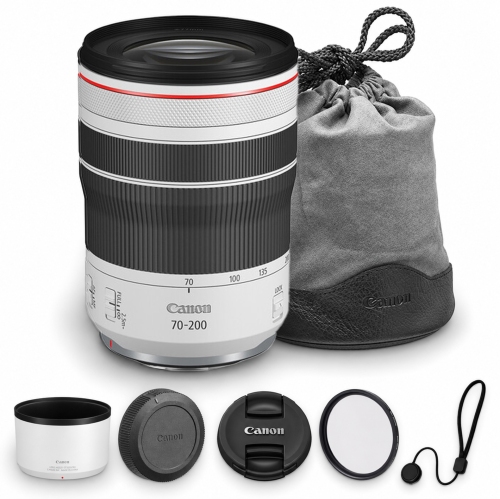
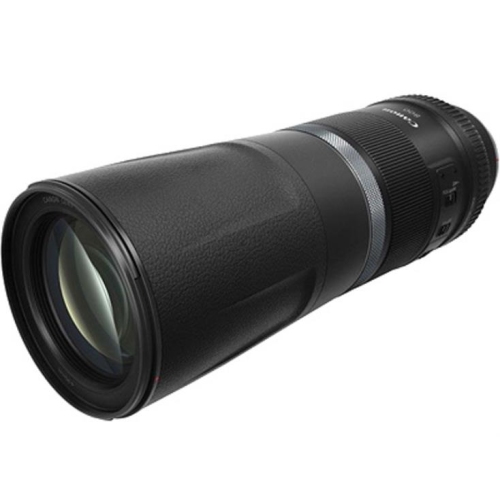
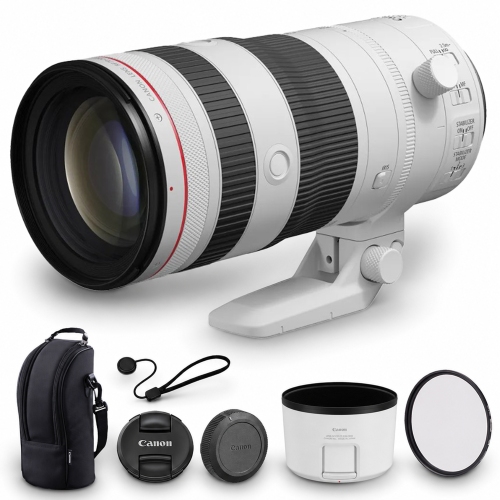
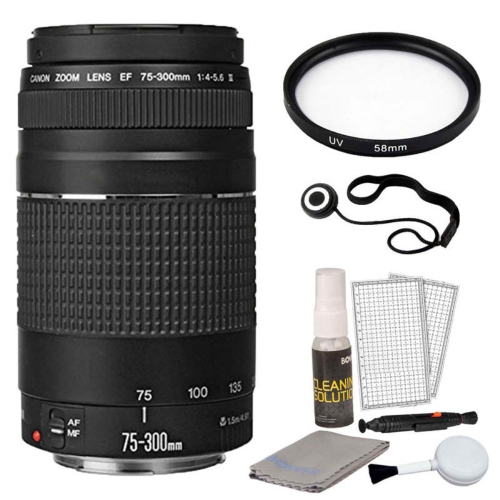
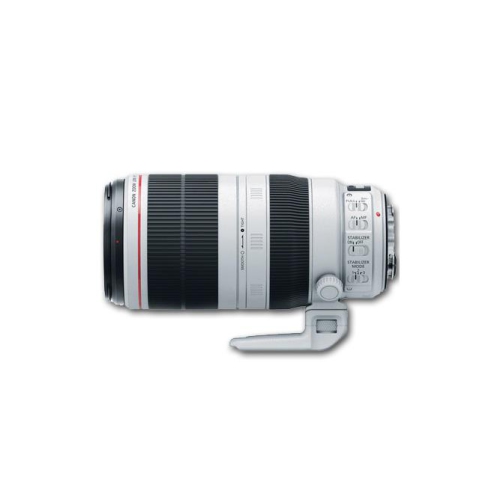
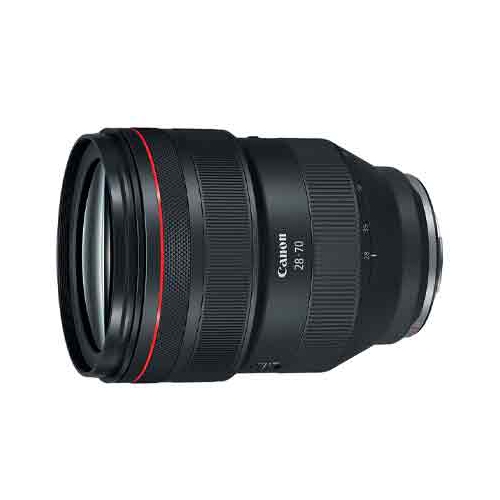
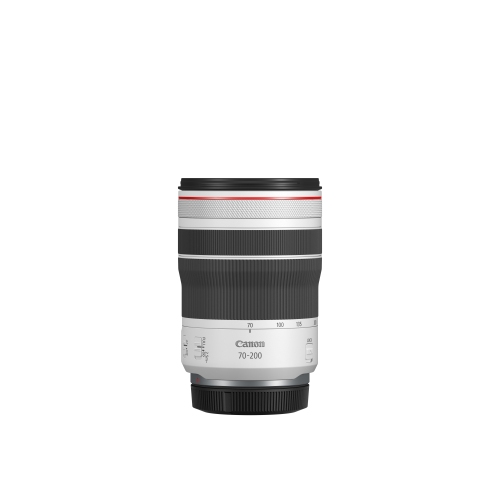
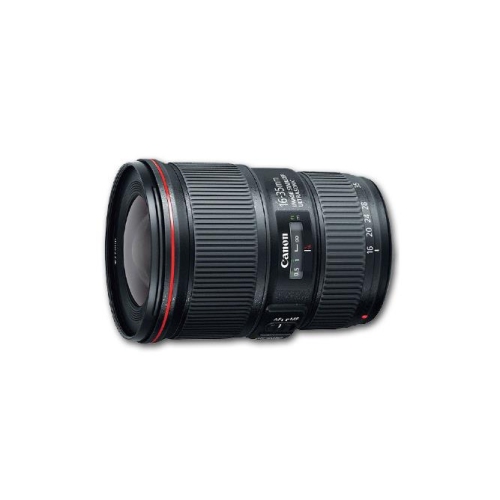
Sports photography lenses bring distant action into the frame while helping a camera keep pace with moving subjects. The most useful combination is often telephoto reach, responsive autofocus and a maximum aperture suited to the lighting at the venue. A player driving towards the basket, a runner clearing a hurdle and a goalkeeper stretching across the net each place different demands on framing. A telephoto zoom in the 70–200mm range offers flexibility for action relatively close to the sidelines, while focal lengths of 300mm or longer can help isolate athletes across a larger field or from spectator seating. Longer reach is not automatically better: a tightly framed view can make it difficult to follow a player who suddenly moves closer. Zoom lenses accommodate those changing distances without requiring a change of position, which matters when access is limited to a designated shooting area. Prime lenses offer a fixed focal length and can suit photographers working at predictable distances, such as near a finish line or beside a particular section of a court. A wide maximum aperture, such as f/2.8, lets more light reach the sensor than a smaller opening at the same shutter speed, supporting the fast exposures needed to capture sharp movement. It can also separate an athlete from distracting seating, advertising boards or spectators. That shallow depth of field makes accurate focus especially important, particularly when several players overlap. Constant-aperture zooms maintain the same maximum aperture throughout their zoom range, while variable-aperture designs have a smaller maximum opening at the longer end. These differences affect exposure flexibility rather than determining whether a lens can photograph sport at all. For team celebrations, bench reactions and wider views of the playing area, a standard zoom may be more useful than a long telephoto. A sports photography collection can therefore serve several perspectives, from the concentration on an athlete’s face to the space and movement around the play.
Autofocus performance is central to photographing subjects that change speed and direction without warning. A lens with a responsive focusing motor can help a compatible camera track a skater approaching the boards or a soccer player breaking away from a defender. Results still depend on the camera’s autofocus capabilities, the selected settings, subject contrast and the photographer’s ability to keep the action in view. Features such as a focus limiter can reduce unnecessary searching by restricting the distance range over which the lens attempts to focus. Quiet focusing can also be useful when recording video, although an external microphone may still pick up handling sounds. Optical image stabilization helps reduce blur caused by camera movement, particularly when framing through a long lens, but it does not freeze an athlete’s movement. Fast action still requires a sufficiently fast shutter speed. Some lenses offer stabilization modes intended for panning, allowing a photographer to follow a moving subject while creating a streaked background. Lens and camera compatibility deserves equal attention. DSLR and mirrorless mounts are not interchangeable simply because equipment comes from the same manufacturer, and adapters support only particular combinations. Autofocus, aperture control and stabilization should be confirmed for the intended camera and adapter pairing. Sensor format also affects framing: an APS-C camera captures a narrower angle of view than a full-frame camera using the same focal length, without changing the lens’s actual focal length. That tighter view can be useful for distant action, though it may leave less room around a nearby subject. Lenses designed for smaller sensors can also have mounting or image-coverage restrictions on full-frame cameras. Teleconverters add another compatibility consideration. Supported combinations provide greater reach but reduce the effective maximum aperture and may affect autofocus performance, making them a specialized option rather than a universal accessory. Photographers comparing equipment for another camera system can also explore Nikon Lenses for Sports, with the camera mount remaining the starting point for a compatible setup.
Handling becomes especially noticeable over the length of a game or tournament. A lens that feels manageable for a few minutes may become tiring after repeated bursts of handheld shooting, so weight, balance and the position of the zoom and focus rings all influence everyday use. Compact designs can appeal to parents photographing school teams, students learning action photography and spectators carrying equipment between seating areas. Larger lenses may suit photographers who need greater reach or a wider maximum aperture and have space for suitable support. A monopod can take some weight off the arms while allowing movement along the play, and a rotating tripod collar can make it easier to switch between horizontal and vertical framing without shifting the entire support setup. Where a lens includes a support collar, following its mounting instructions helps avoid placing unnecessary strain on the camera connection. Construction varies across designs, with combinations of metal, engineered polymers and glass affecting weight and handling. Protective coatings and sealing features also vary; neither should be assumed from appearance alone. A fitted lens hood can help control stray light and provide a modest buffer against incidental contact, while front and rear caps protect exposed surfaces during transport. A padded compartment keeps a long lens from knocking against other equipment in a bag. Routine care is straightforward: loose dust is best removed with a suitable blower before optical surfaces are gently cleaned using materials intended for camera lenses. Cleaning fluid should not be sprayed directly into the lens, and zoom mechanisms should never be forced. These details matter for equipment that travels between practices, competitions and portrait sessions with teammates. For a photography enthusiast receiving a lens as a gift, the camera model, existing focal-length coverage and preferred sports are more useful starting points than size alone. The right fit supports both the action they photograph and the way they carry, handle and maintain their equipment.
Top selling and popular products
-
 Your price for this item is $169.99
-
 Your price for this item is $279.99
-
 Your price for this item is $299.99
-
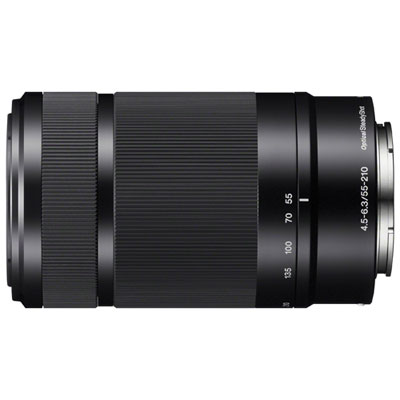 Your price for this item is $399.99
-
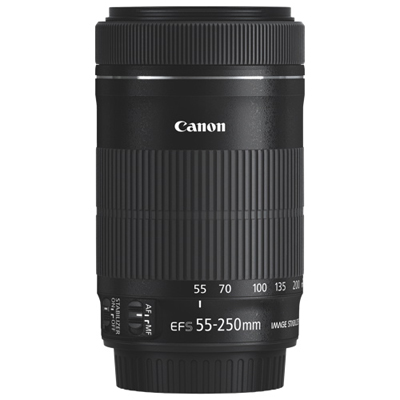 Your price for this item is $399.99
-
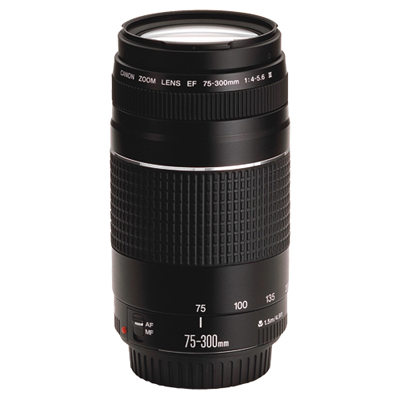 Your price for this item is $199.99
-
 Your price for this item is $539.99
-
 Your price for this item is $174.99
Discover more categories related to Canon Lenses for Sports
Top Collections:
Best Black Friday Deals This Year, Best Black Friday Deals On Electronics, Kindle Devices, Pokemon Centers, Best Black Friday Deals On Apple Products, Best Cameras for Sports Photography, Dyson Airwrap, Pokémon 30th Celebration Cards, Apple iPhone 17 Pro, Canon G7X Cameras
Some products may be subject to Environmental Handling Fees
(EHF) depending on your province.
Learn more about EHFs.