Telephoto Lenses for Sports Photography
A telephoto lens is a must-have for any sports photographer. It allows you to get close to your subject, capturing every detail of their performance in crisp focus. Some are better at maintaining image quality throughout the entire zoom range. Here are some of the best telephoto lenses available today.
Sort
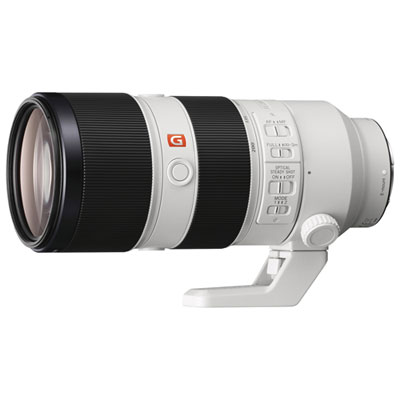
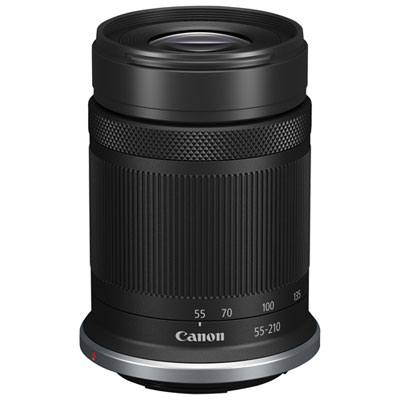
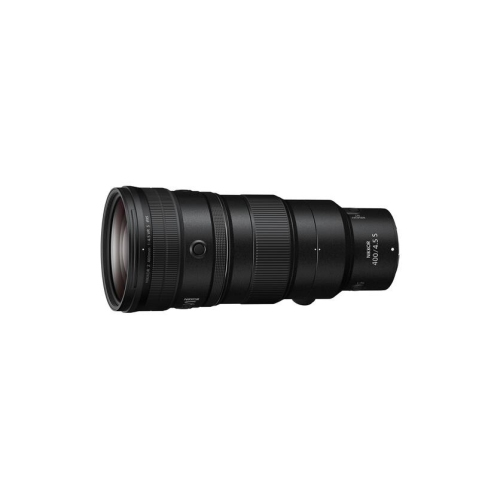
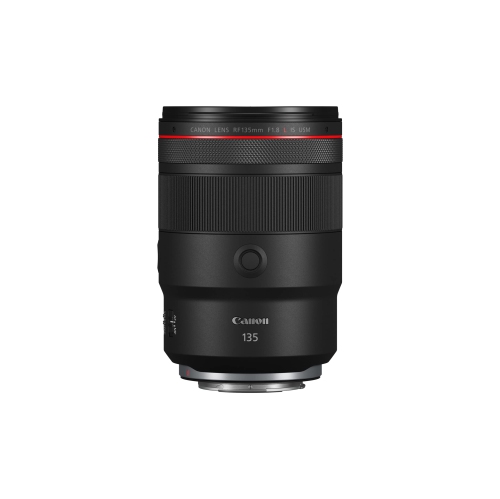
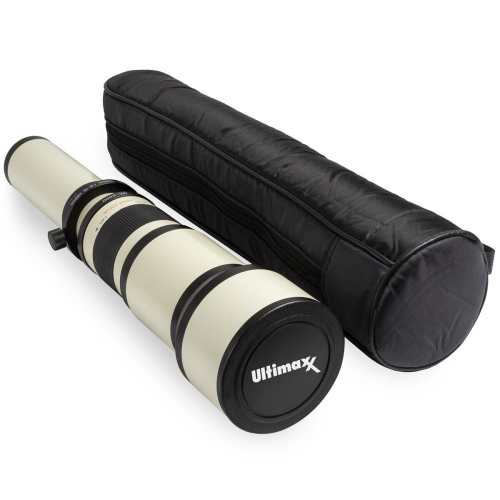
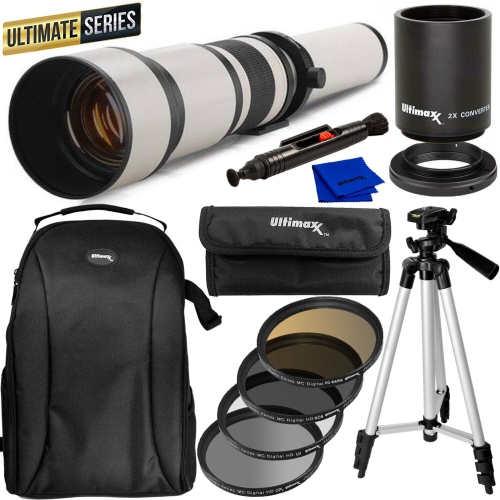
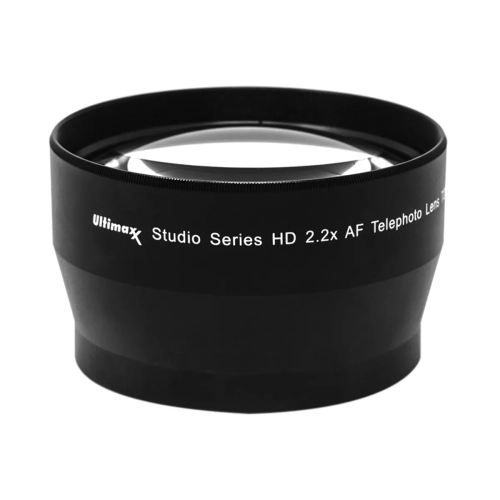
Reach distant action with speed, clarity and control
Telephoto lenses for sports photography bring distant action into clear, detailed view, whether you are following a sprint down the track, a soccer match across a wide field, or a fast play unfolding at the far end of a court. Unlike a standard lens, a telephoto lens lets you fill the frame while staying safely outside the action, preserving expressions, movement and the atmosphere around the event. A versatile 70-200mm zoom is a popular choice for sideline and court photography because it covers useful portrait-length perspectives while allowing you to reframe quickly as athletes move closer or farther away. A wide maximum aperture, such as f/2.8, can make a meaningful difference when photographing indoor sports, evening games or overcast events. More light reaching the camera helps support faster shutter speeds, which are essential for freezing a diving goalkeeper, a basketball player in mid-air or a runner crossing the finish line, while also helping keep image noise under control. For outdoor field sports where the subjects may remain far from the sidelines, longer zoom ranges such as 100-400mm, 150-600mm or 200-600mm offer the reach needed to capture individual moments without cropping away too much detail. Variable-aperture lenses in these ranges can be practical for daytime events, particularly when the weather is bright, while faster lenses may be better suited to dim venues and night games. Choosing the right focal length depends on the distance to the playing area, the size of the venue and whether you prefer tightly framed action or images that show more of the surrounding scene.
Compatibility should be one of the first considerations when choosing a telephoto lens for sports photography. Check the lens mount carefully and make sure it matches your camera body, particularly if you use a mirrorless camera or have moved between camera systems. A lens adapter may expand compatibility in some situations, but it can affect autofocus performance, stabilisation features or overall handling, so a native mount is often the simplest option. Autofocus speed and subject tracking are especially important for sport, where a decisive moment can last less than a second. Look for lenses with responsive focusing motors and controls that make it easy to switch between autofocus modes, limit the focusing range or temporarily override focus when an athlete passes behind another subject. Optical image stabilisation can help reduce camera shake when shooting handheld, especially with longer focal lengths, although it does not replace a fast shutter speed for stopping subject movement. Some lenses include stabilisation settings designed for panning, helping photographers follow a runner or cyclist while retaining a sense of motion in the background. A sturdy build, weather-resistant construction and a protective front element can be useful for outdoor events during changing conditions, while a rotating tripod collar or compatible monopod support can make a larger lens more comfortable to use through a full game. Weight also matters: a lens that feels manageable during a short test may become tiring during several hours beside the field. Consider the balance between reach, brightness, portability and the type of access you usually have at sporting events.
Telephoto lenses can suit a wide range of photographers, from parents capturing weekend tournaments to enthusiasts photographing school athletics, community leagues, motorsports and professional events. They can also be thoughtful gifts for someone who has recently purchased a compatible camera and wants to explore action photography beyond the limitations of a kit lens. A shorter telephoto zoom may be the more useful present for someone who photographs indoor volleyball, hockey or basketball, where working distances are limited and lighting can be challenging. A longer super-telephoto zoom may be a better fit for an outdoor photographer who spends time at football, soccer, baseball, rowing or track events and needs to reach subjects on the opposite side of a large venue. Before buying, consider the recipient’s camera mount, preferred sports, typical lighting and willingness to carry a heavier setup. A camera bag with room for the lens, a monopod for support and a lens hood for glare control may also improve the experience, though the lens itself should remain compatible with the equipment already owned. Photographers working during the warmer part of the year may appreciate a lens that is easy to carry between fields and sidelines, while those attending events during the cooler months may value reliable controls that can be operated with gloves and construction that offers added protection from light rain or dust. If you use a compatible camera system and primarily photograph sport, you can also explore Nikon Lenses for Sports for additional options. With the right telephoto lens, a distant burst of speed, a flying ball or a quiet moment of concentration can become a sharp, expressive photograph that preserves not only what happened, but the feeling of being there.
Compatibility should be one of the first considerations when choosing a telephoto lens for sports photography. Check the lens mount carefully and make sure it matches your camera body, particularly if you use a mirrorless camera or have moved between camera systems. A lens adapter may expand compatibility in some situations, but it can affect autofocus performance, stabilisation features or overall handling, so a native mount is often the simplest option. Autofocus speed and subject tracking are especially important for sport, where a decisive moment can last less than a second. Look for lenses with responsive focusing motors and controls that make it easy to switch between autofocus modes, limit the focusing range or temporarily override focus when an athlete passes behind another subject. Optical image stabilisation can help reduce camera shake when shooting handheld, especially with longer focal lengths, although it does not replace a fast shutter speed for stopping subject movement. Some lenses include stabilisation settings designed for panning, helping photographers follow a runner or cyclist while retaining a sense of motion in the background. A sturdy build, weather-resistant construction and a protective front element can be useful for outdoor events during changing conditions, while a rotating tripod collar or compatible monopod support can make a larger lens more comfortable to use through a full game. Weight also matters: a lens that feels manageable during a short test may become tiring during several hours beside the field. Consider the balance between reach, brightness, portability and the type of access you usually have at sporting events.
Telephoto lenses can suit a wide range of photographers, from parents capturing weekend tournaments to enthusiasts photographing school athletics, community leagues, motorsports and professional events. They can also be thoughtful gifts for someone who has recently purchased a compatible camera and wants to explore action photography beyond the limitations of a kit lens. A shorter telephoto zoom may be the more useful present for someone who photographs indoor volleyball, hockey or basketball, where working distances are limited and lighting can be challenging. A longer super-telephoto zoom may be a better fit for an outdoor photographer who spends time at football, soccer, baseball, rowing or track events and needs to reach subjects on the opposite side of a large venue. Before buying, consider the recipient’s camera mount, preferred sports, typical lighting and willingness to carry a heavier setup. A camera bag with room for the lens, a monopod for support and a lens hood for glare control may also improve the experience, though the lens itself should remain compatible with the equipment already owned. Photographers working during the warmer part of the year may appreciate a lens that is easy to carry between fields and sidelines, while those attending events during the cooler months may value reliable controls that can be operated with gloves and construction that offers added protection from light rain or dust. If you use a compatible camera system and primarily photograph sport, you can also explore Nikon Lenses for Sports for additional options. With the right telephoto lens, a distant burst of speed, a flying ball or a quiet moment of concentration can become a sharp, expressive photograph that preserves not only what happened, but the feeling of being there.
Top selling and popular products
-
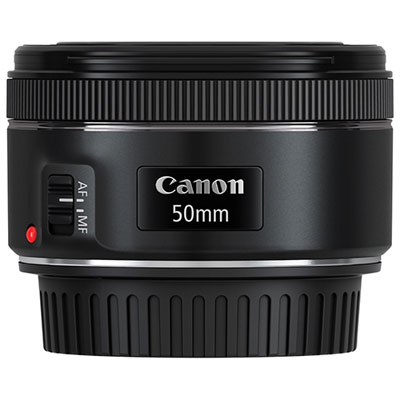 Your price for this item is $169.99
 -
 Your price for this item is $329.99
 -
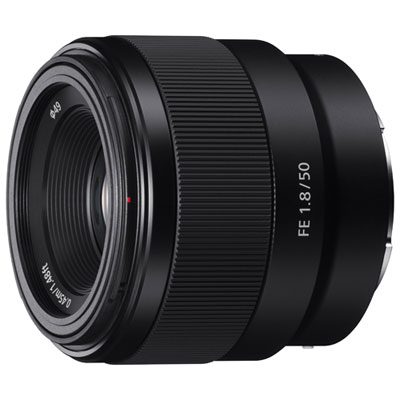 Your price for this item is $349.99
 -
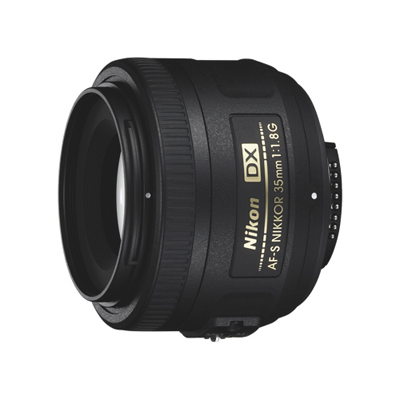 Your price for this item is $258.98
 -
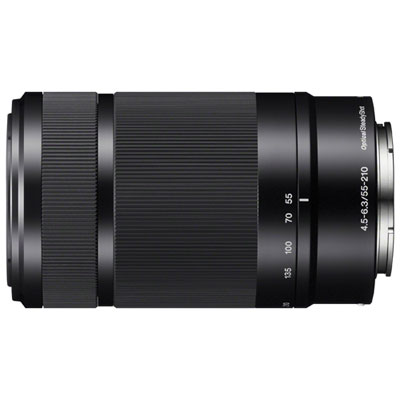 Your price for this item is $399.99
 -
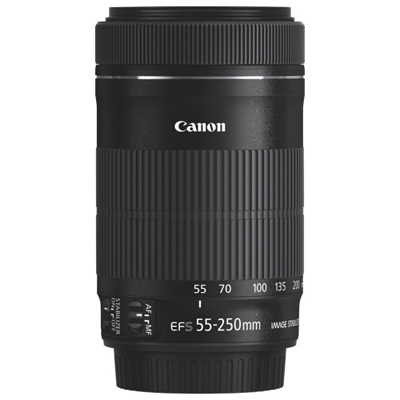 Your price for this item is $399.99
 -
 Your price for this item is $199.99
 -
 Your price for this item is $174.99
Discover more categories related to Telephoto Lenses for Sports Photography
Top Collections:
Pokemon Centers, Kindle Devices, Best Cell Phones Under $500, Alarm Clock, Canon G7X Cameras, iPhone 15 Apple, Laptops for Students, Budget Smartphones, iPhone 14 256GB, Best Camera Tripods Under $100
Some products may be subject to Environmental Handling Fees
(EHF) depending on your province.
Learn more about EHFs.