Nikon Lenses for Sports
Nikon Lenses for Sports are designed to help you capture every thrilling moment, from fast-paced action on the field to dynamic plays on the court. Whether you’re photographing professional events or local games, the right lens can make all the difference in achieving sharp, detailed shots. Explore a wide selection of Nikon lenses tailored for sports photography and find options that suit your camera and shooting style. With the right equipment, you can bring every exciting second into clear focus.
Sort
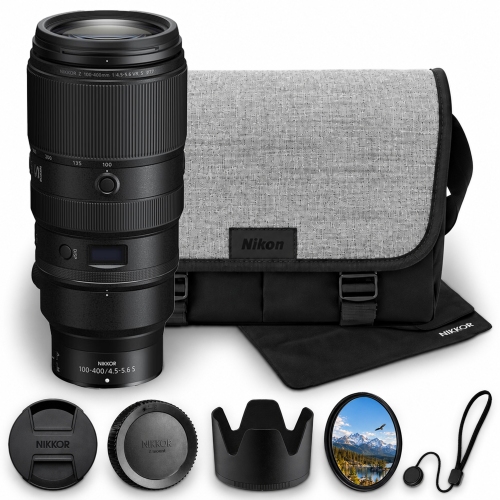
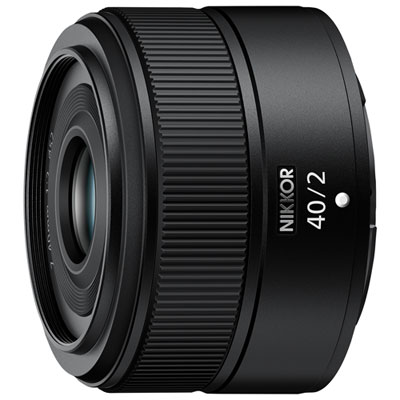
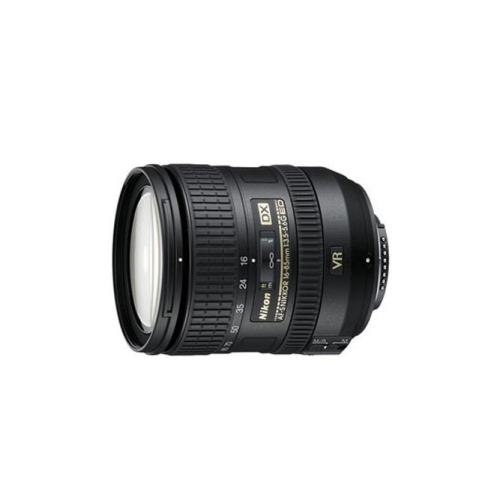
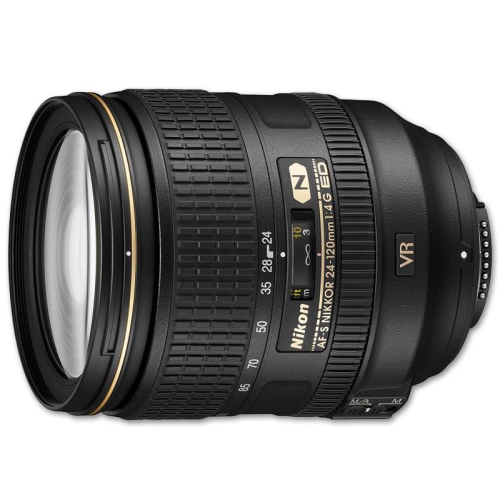
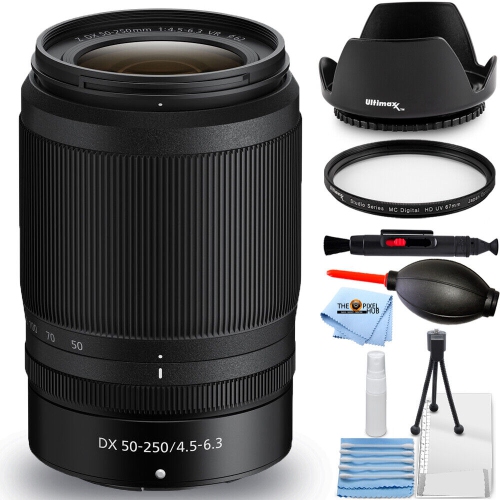
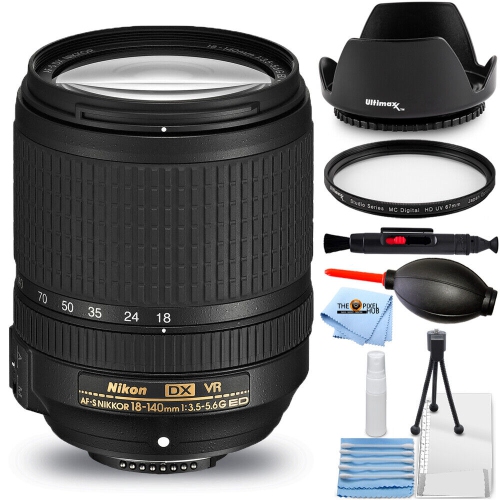
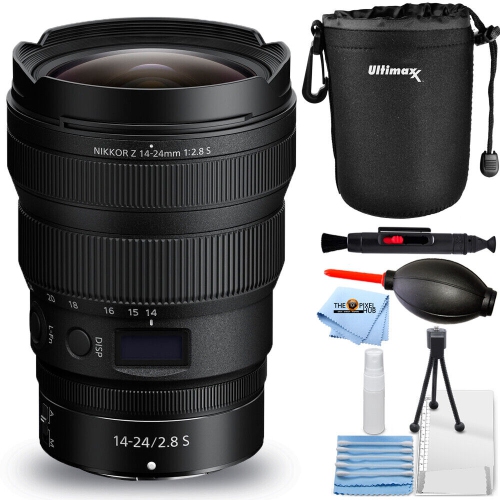
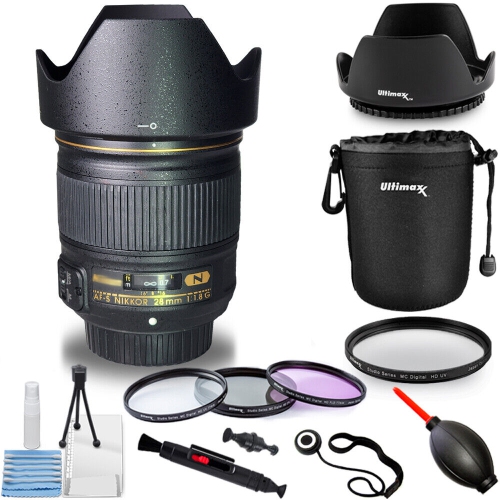

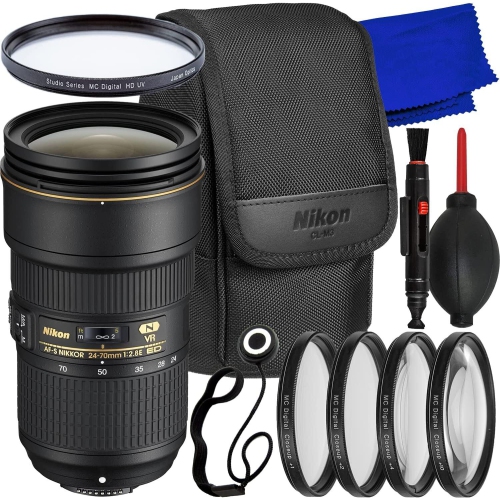
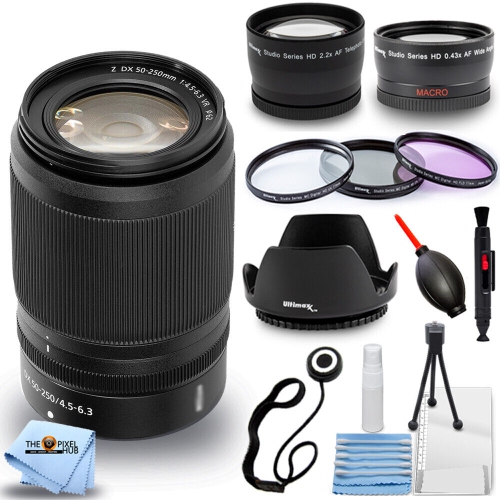
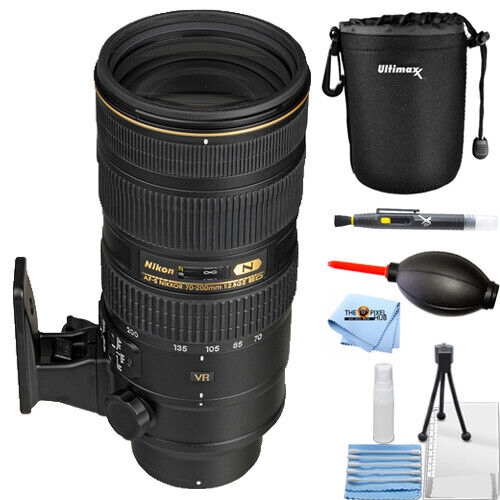
Why the longest lens isn’t always the best fit
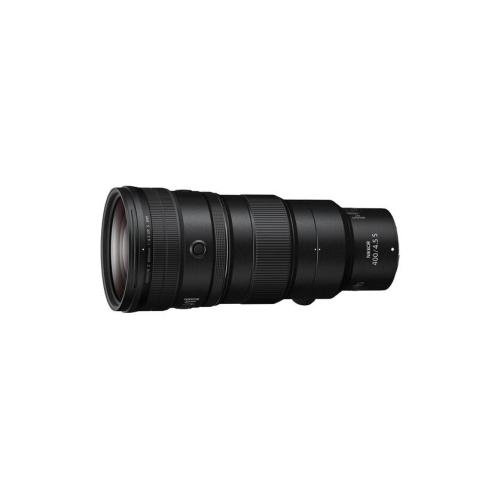
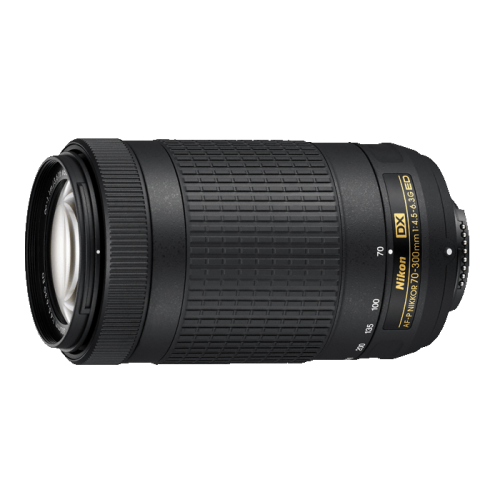
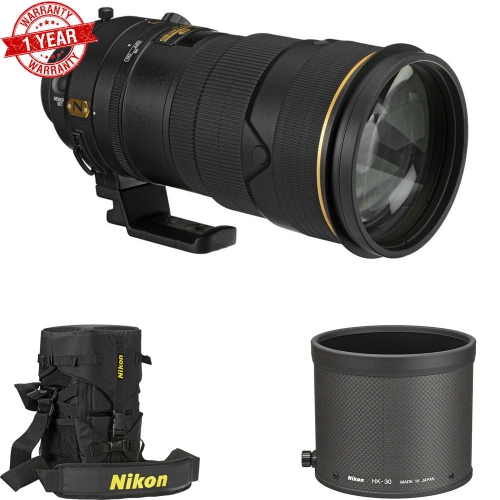
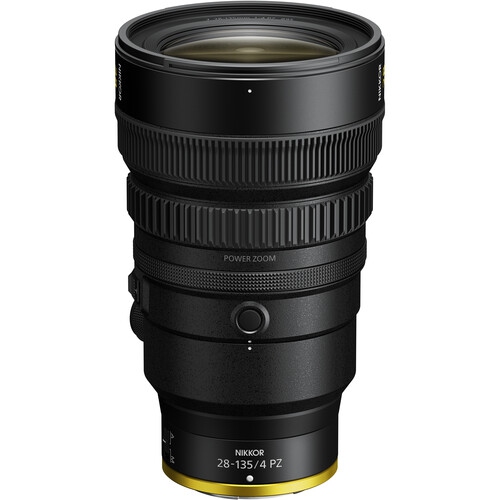
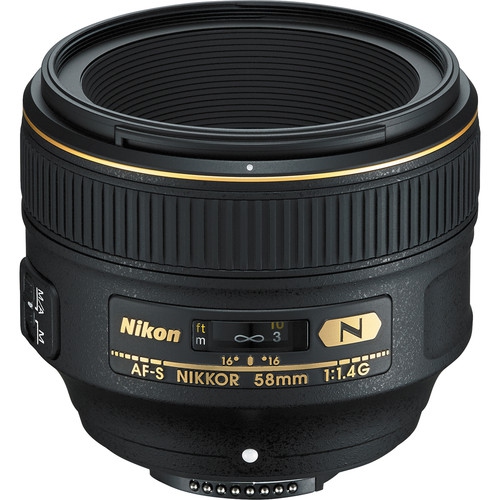
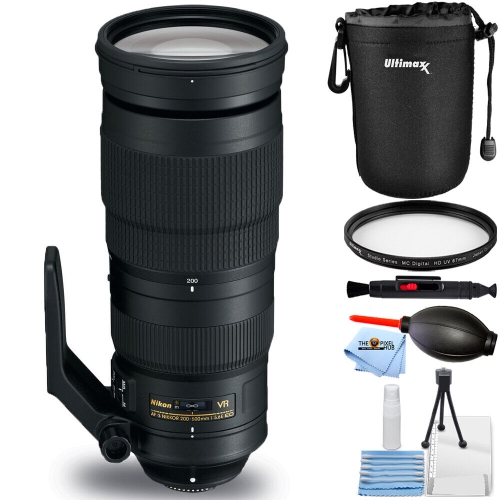
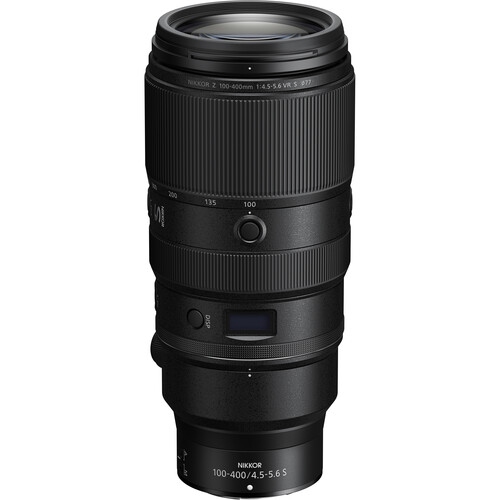
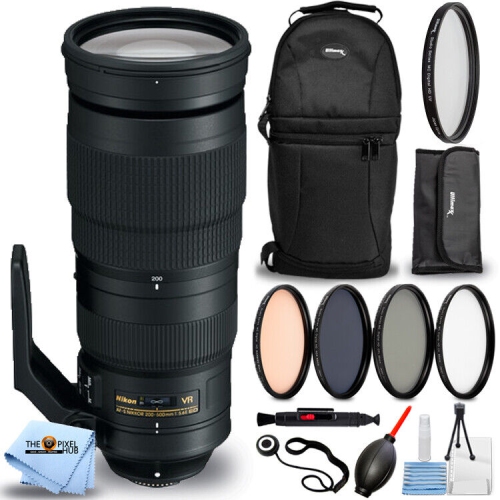
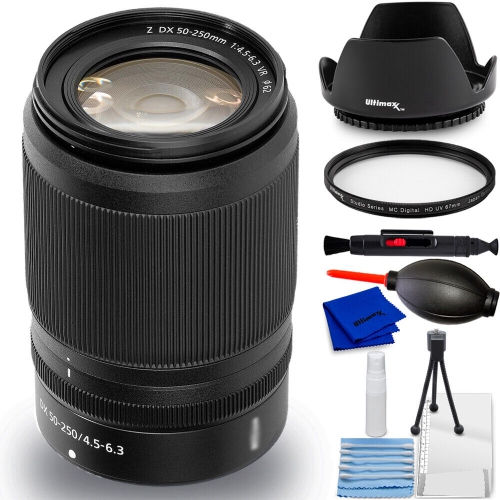
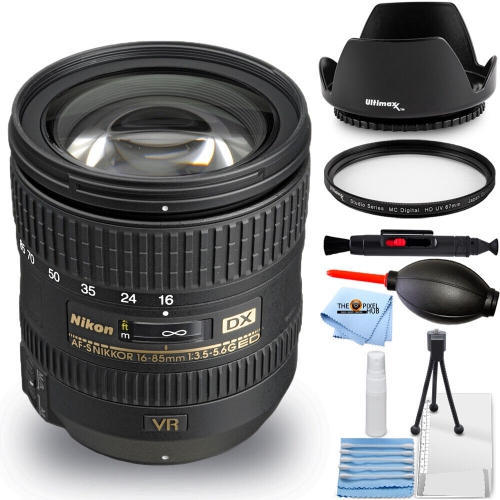
Sports photography lenses bring distant action into the frame, whether the subject is a sprinter crossing the finish line, a goalkeeper stretching towards the corner of the net, or a basketball player rising above a crowded court. The most suitable lens depends on camera-mount compatibility, distance from the action, available light, and how much weight the photographer can comfortably handle. Z-mount mirrorless cameras and F-mount DSLR cameras use different lens mounts, so a lens needs to match the camera or have explicitly supported adapter compatibility. Some F-mount lenses can be used on Z-mount cameras with a compatible adapter, but autofocus and other functions depend on the particular lens, camera, and adapter combination. Sensor size also affects framing: on a camera with a 1.5× crop factor, a 200mm focal length provides an angle of view comparable to 300mm on a full-frame camera, without changing the lens’s actual focal length. For photographers close to a court or track, a telephoto zoom covering approximately 70–200mm offers flexibility for individual athletes and small groups. Longer focal lengths become useful when access is restricted to the stands or when the action takes place across a large field. A wider zoom can be more practical beside a finish line, beneath a basketball hoop where access is permitted, or near athletes preparing for an event. Zoom lenses accommodate rapidly changing distances without requiring a lens change, while fixed-focal-length lenses can suit photographers working from a predictable position with a clearly defined view of the action. The longest lens is not automatically the most useful: an overly tight view can cut off a raised racquet, an outstretched arm, or the ball that gives the photograph its meaning. A useful focal-length range leaves enough room to follow the movement and preserve the context around the athlete.
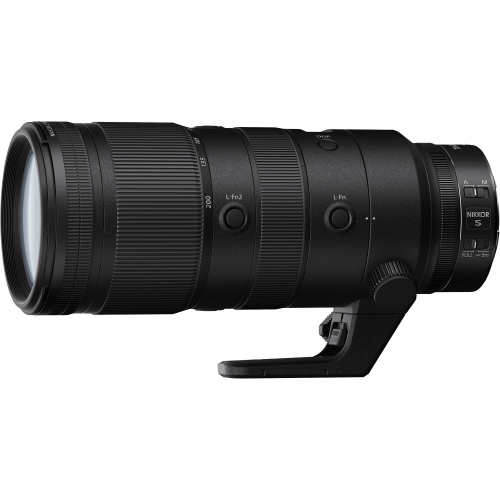
Maximum aperture is another important distinction among lenses for sports. A wide maximum aperture, such as f/2.8, lets in more light than f/4 or f/5.6, supporting faster shutter speeds at the same ISO setting. That can matter in a gymnasium, where an athlete may be moving quickly under lighting that looks brighter to the eye than it does to the camera. Wider apertures also create a shallower depth of field, helping separate a player from spectators, advertising boards, or other distracting details behind the action. That separation comes with less room for focusing error, particularly at close distances or long focal lengths. A smaller, lighter lens with a narrower maximum aperture may still be a practical match for well-lit venues and photographers who value easier handling. Autofocus performance deserves equal attention because sports subjects rarely stay at a fixed distance. Responsive focusing motors, suitable camera tracking settings, and a compatible body work together as a runner approaches or a skater changes direction. A focus limiter, where included, can restrict the focusing range and reduce unnecessary searching when the subject remains far away. Optical stabilization can make a long lens easier to frame and help reduce blur caused by camera movement, but it does not freeze a moving athlete; an appropriately fast shutter speed remains important. Some lenses offer stabilization modes designed for panning, allowing a smoother view while following movement across the frame. Handling details become noticeable over the length of a game. A well-positioned zoom ring, accessible focus controls, and balanced weight can make repeated adjustments less tiring. Larger telephoto lenses may include a tripod collar that supports the lens on a monopod and allows rotation between horizontal and vertical framing. This can be useful when alternating between a broad view of team play and a tighter portrait-shaped composition of a single competitor.
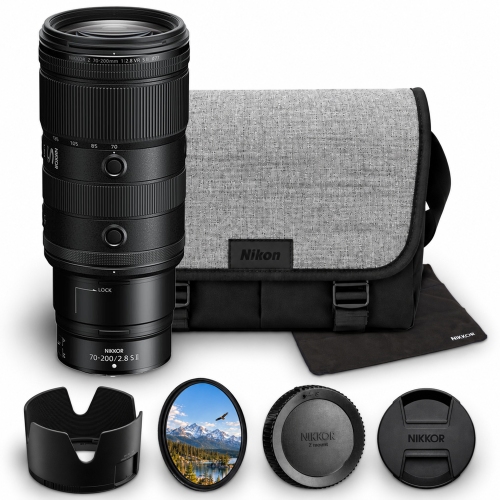
Construction and care help determine how comfortably a sports lens fits into regular use. Lens barrels may use metal, engineered polymers, or a combination of materials, balancing rigidity, weight, and portability. Optical elements and coatings influence contrast, colour rendering, and resistance to flare, which can become noticeable when bright arena lights enter the frame. Internal zoom designs keep the barrel length consistent while framing changes, whereas extending designs may offer a more compact size for transport. Neither approach alone determines image quality or durability; the overall build, handling, and optical design matter together. A lens hood helps control stray light and provides a modest buffer against incidental contact, while a padded case protects the lens from knocks during travel between venues. For heavier setups, supporting the lens rather than allowing its full weight to hang from the camera mount makes carrying and repositioning more secure. Regular care is straightforward: caps protect exposed surfaces between sessions, a blower removes loose dust, and a clean lens cloth or appropriate optical cleaning material helps lift remaining marks without unnecessary rubbing. Mounts and electronic contacts also benefit from careful handling, and lens changes are best kept brief in dusty locations. These lenses can suit parents photographing school athletics, students building a sports portfolio, community volunteers covering local teams, and experienced photographers following competitive events. As a gift, a sports lens is most useful when the recipient’s camera mount, preferred sport, usual shooting position, and carrying preferences are known; a compact setup for courtside photography serves a different purpose from a long telephoto carried to field events. Photographers comparing camera systems can also explore Canon Lenses for Sports, with compatibility assessed separately for each system. A well-matched lens brings together the reach, focusing response, light-gathering ability, and manageable handling needed to capture both the decisive moment and the expressions surrounding it.
Top selling and popular products
-
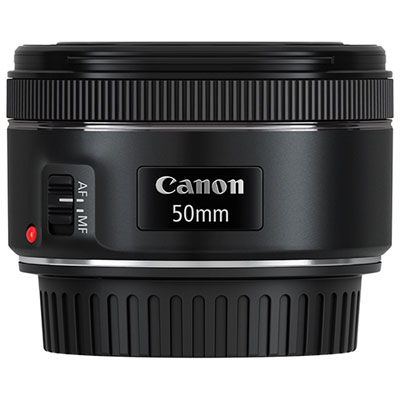 Your price for this item is $169.99
-
 Your price for this item is $279.99
-
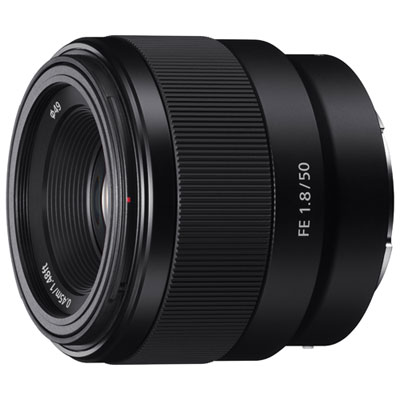 Your price for this item is $299.99
-
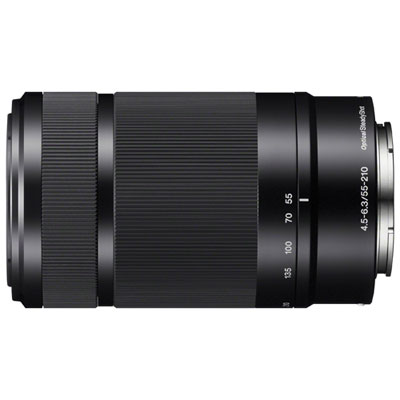 Your price for this item is $399.99
-
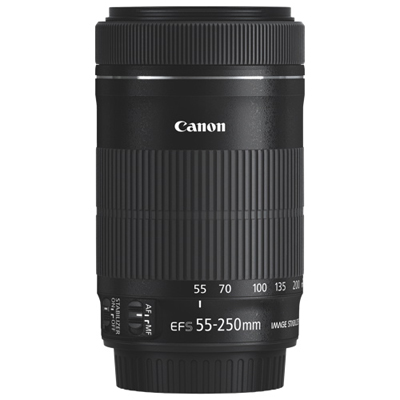 Your price for this item is $399.99
-
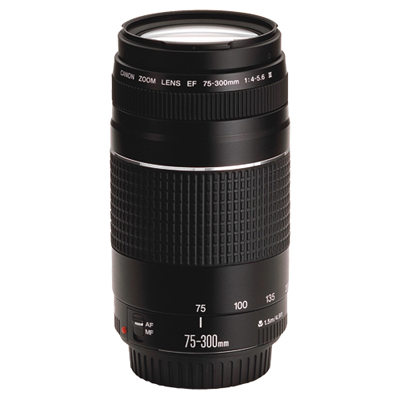 Your price for this item is $199.99
-
 Your price for this item is $539.99
-
 Your price for this item is $174.99
Discover more categories related to Nikon Lenses for Sports
Top Collections:
Best Black Friday Deals This Year, Best Black Friday Deals On Electronics, Kindle Devices, Pokemon Centers, Best Black Friday Deals On Apple Products, Best Cameras for Sports Photography, Dyson Airwrap, Pokémon 30th Celebration Cards, Apple iPhone 17 Pro, Canon G7X Cameras
Some products may be subject to Environmental Handling Fees
(EHF) depending on your province.
Learn more about EHFs.