D40 Camera Lenses
If you're looking to upgrade your photography game, look no further than this wide selection of D40 camera lenses. Whether you're a beginner or a seasoned pro, these lenses are designed to enhance the performance and versatility of your D40 camera. With a variety of focal lengths and features to choose from, you'll be able to capture stunning images in any situation. From wide-angle lenses for breathtaking landscapes to telephoto lenses for capturing distant subjects, these D40 camera lenses offer exceptional image quality and clarity.
Sort
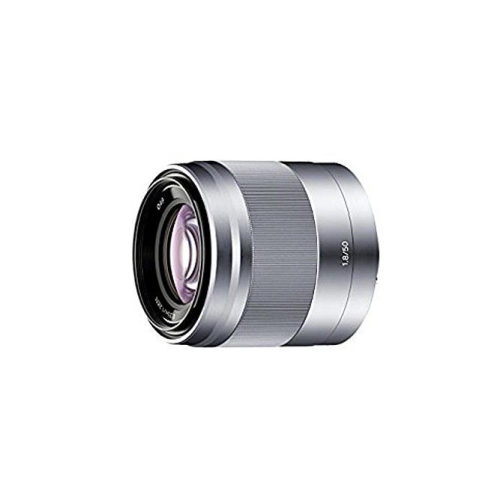

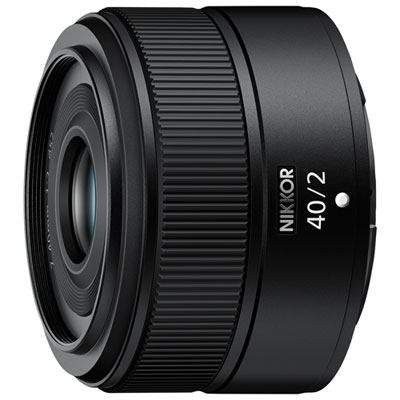
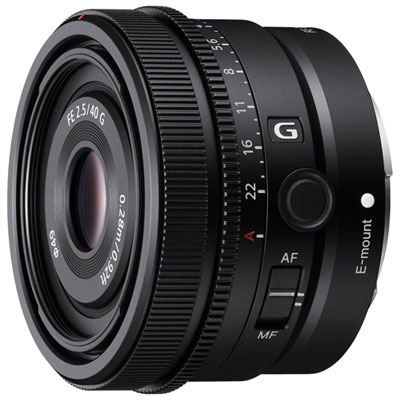
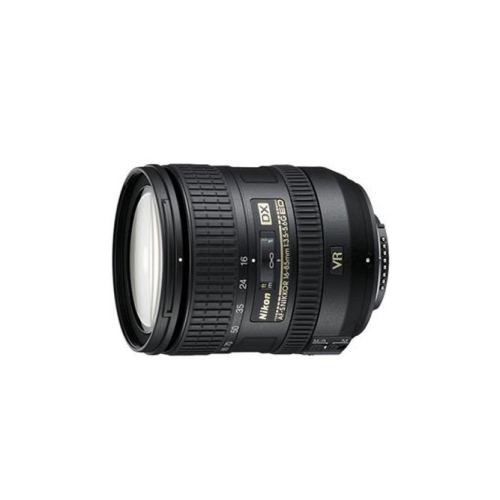
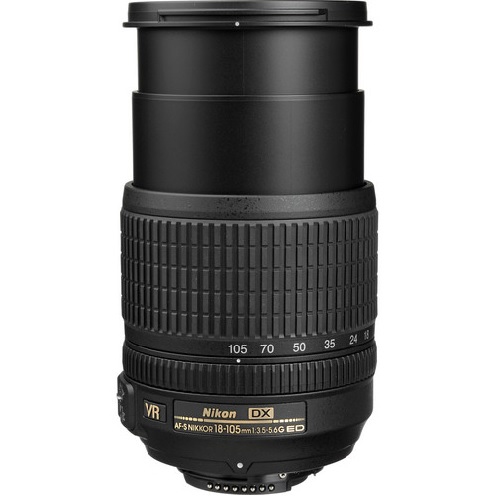
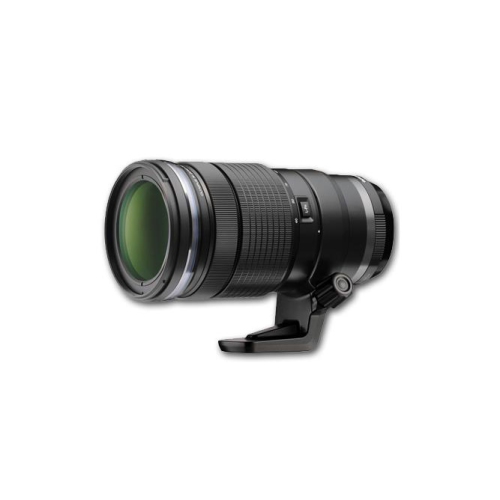
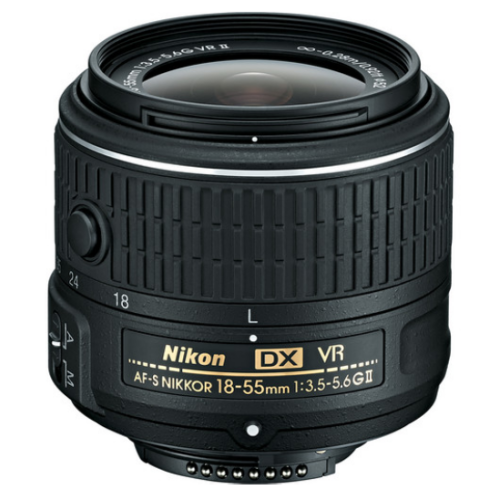
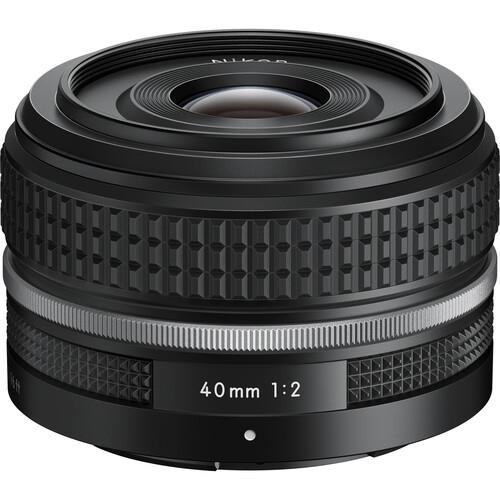
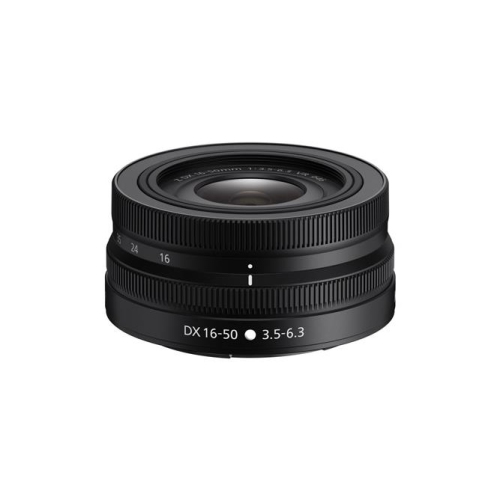
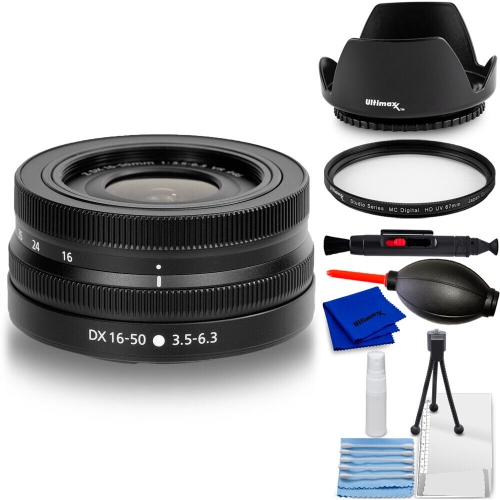
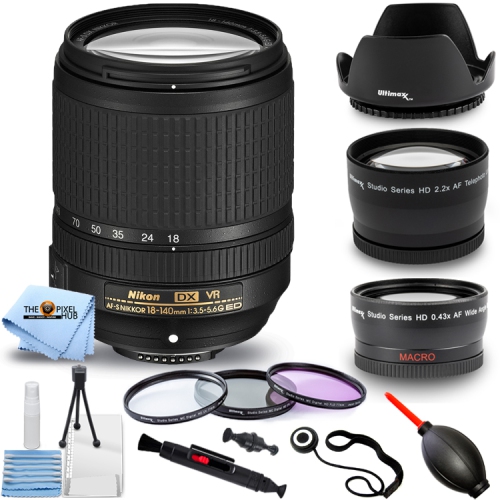
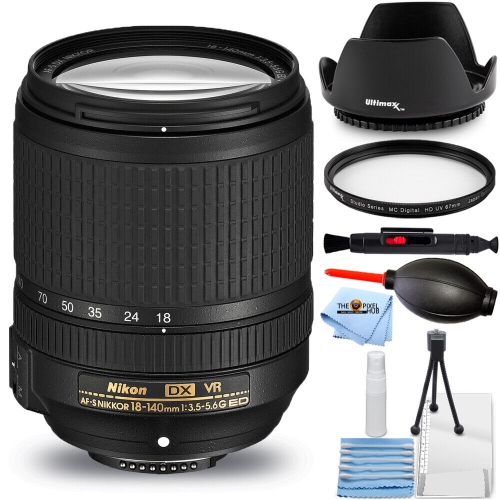
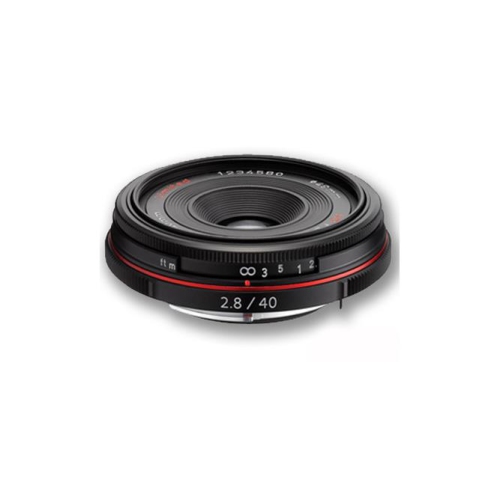
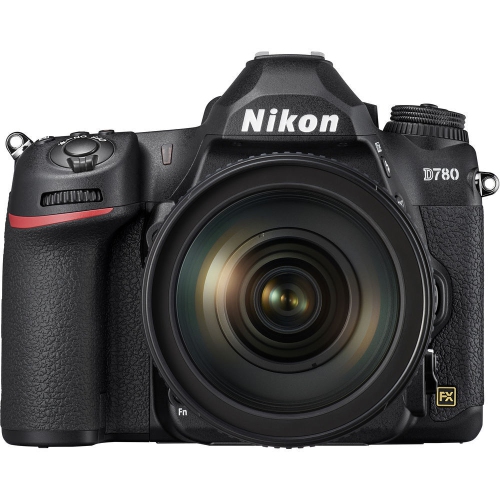
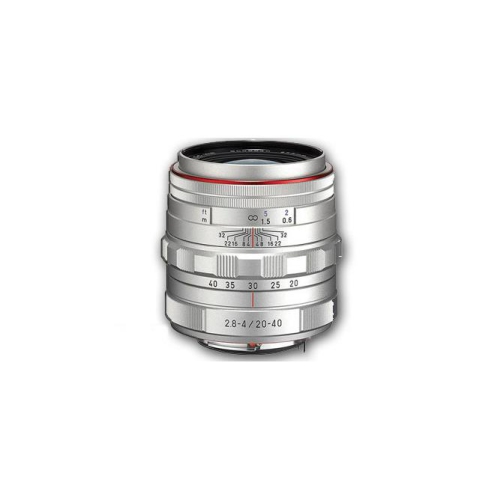
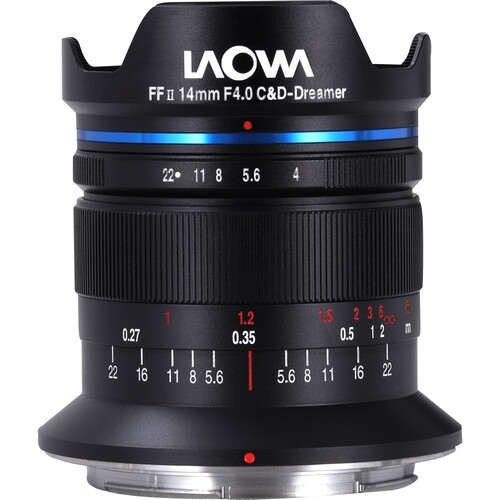
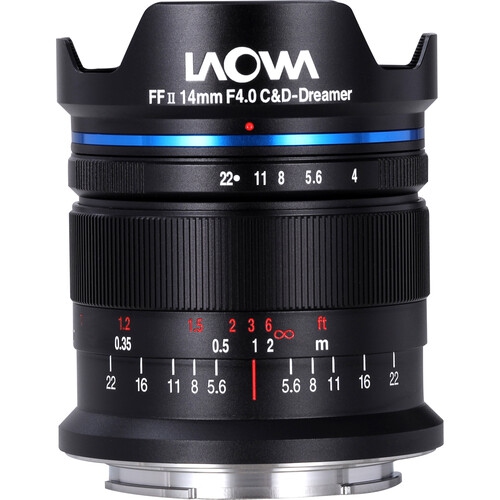
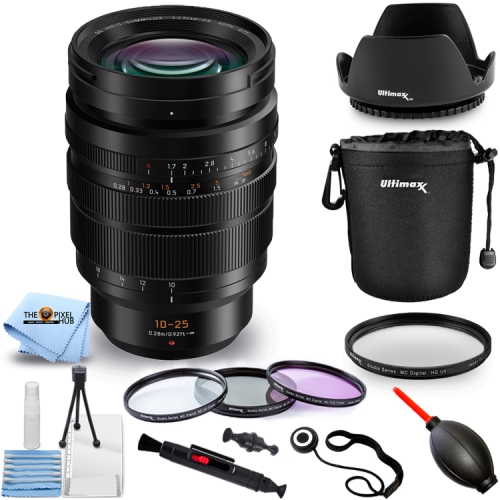
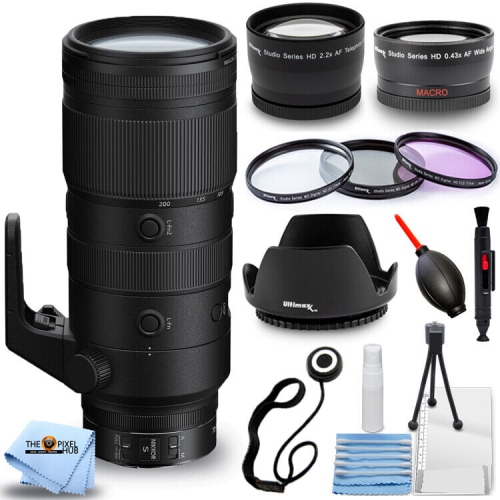
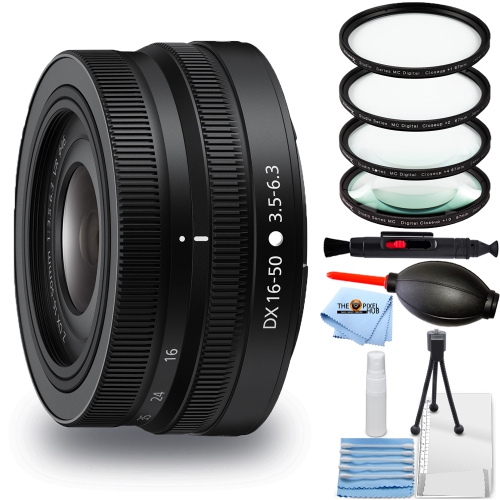
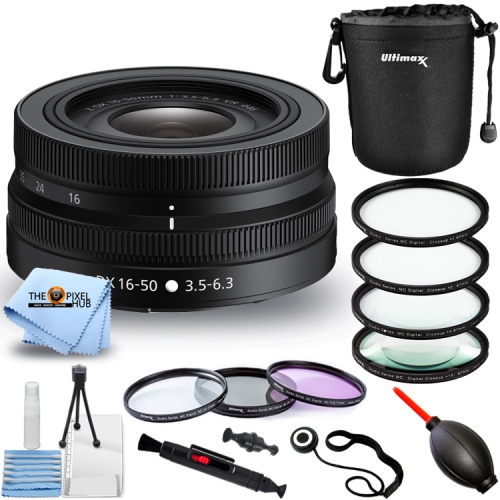
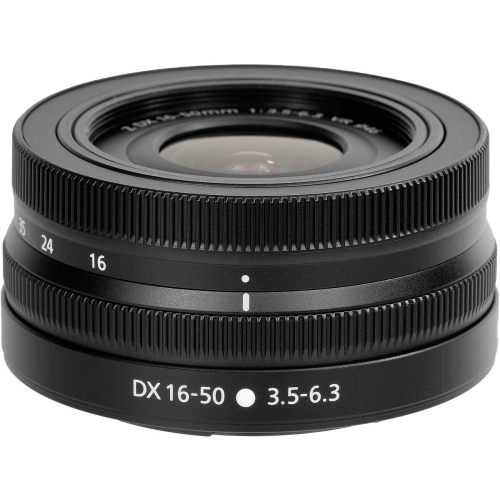
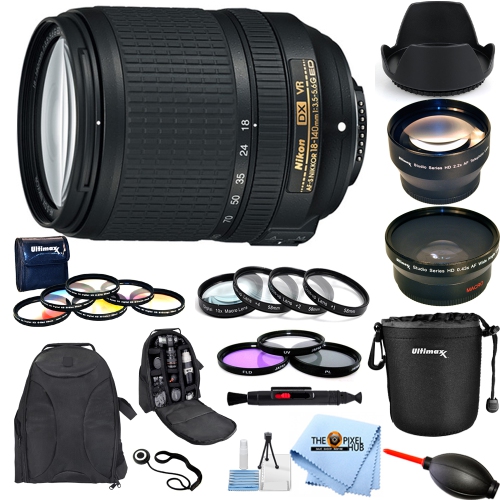
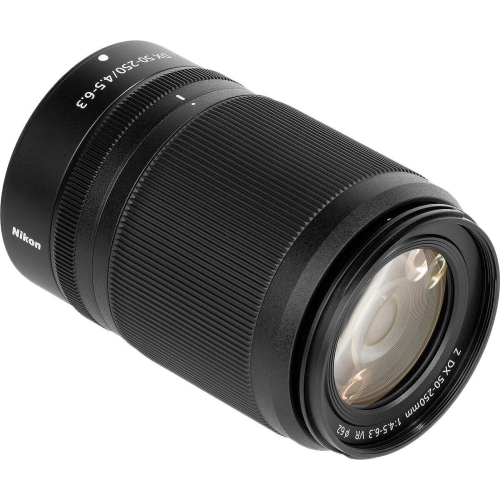
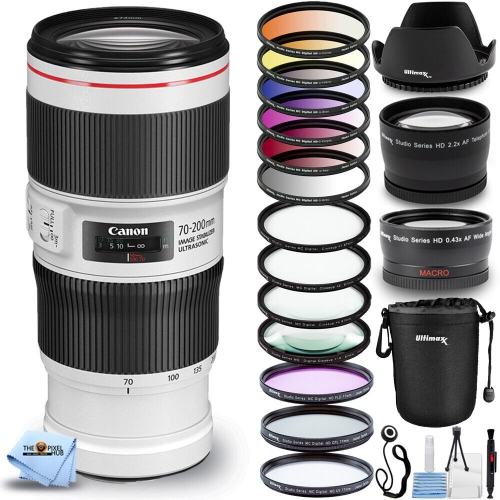
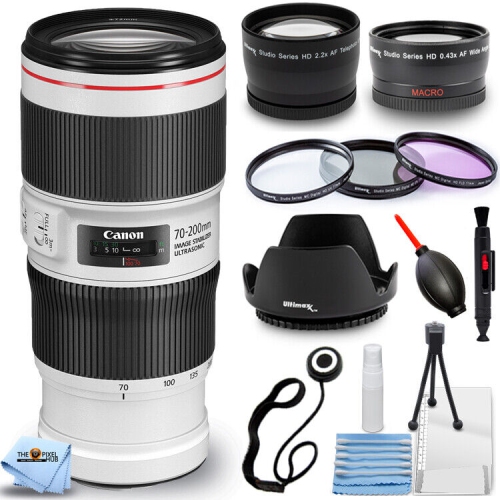
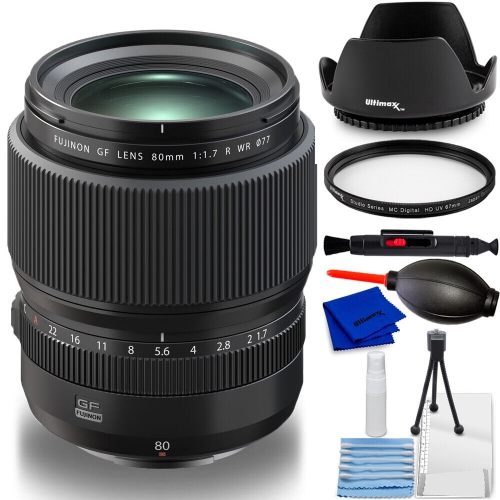
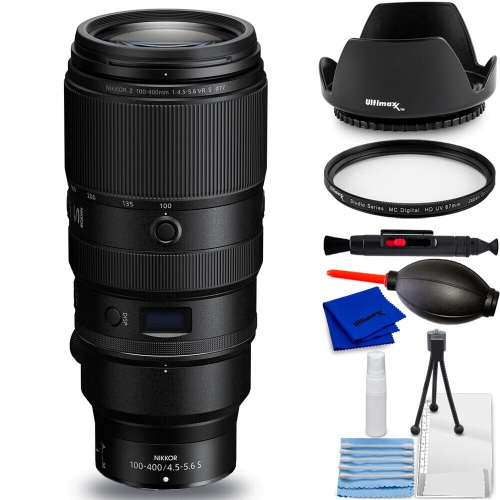
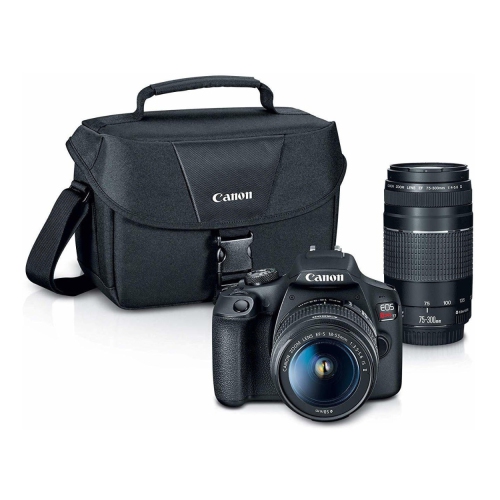
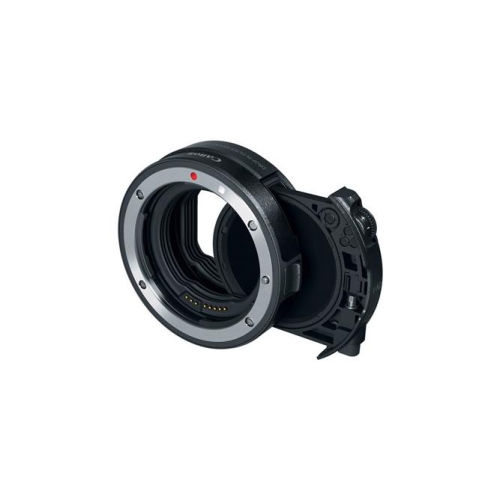
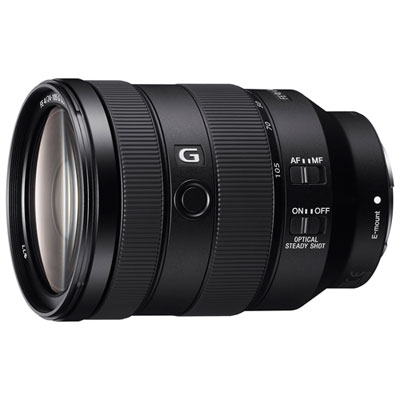
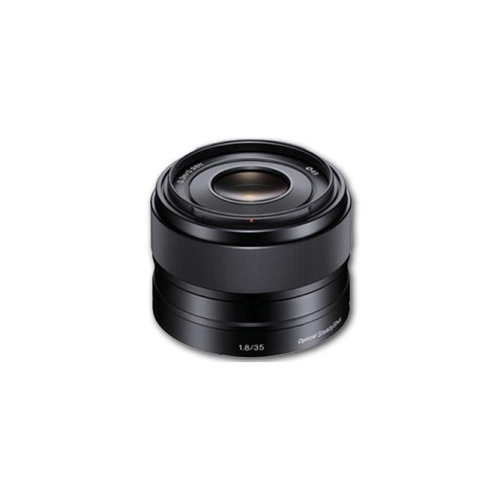
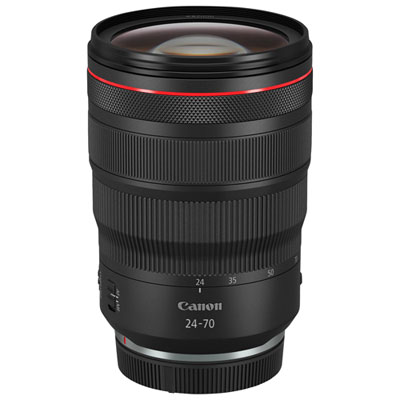
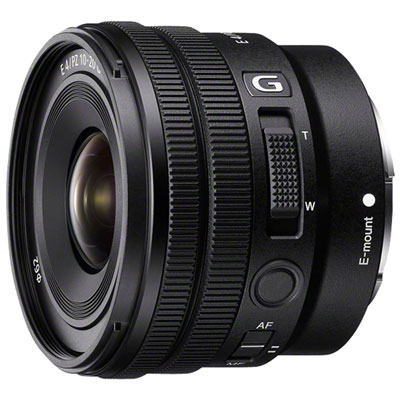
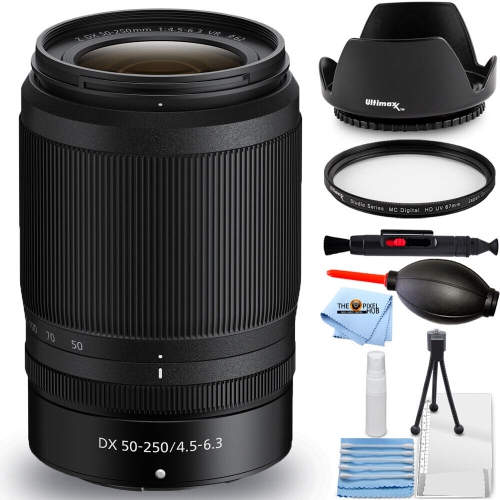
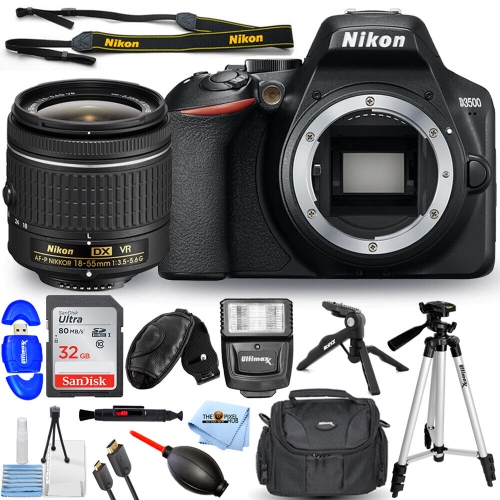
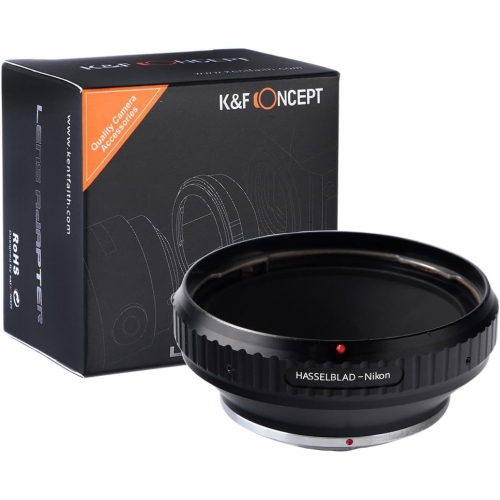
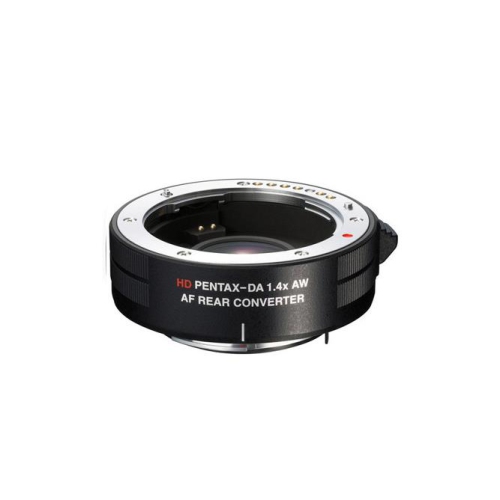
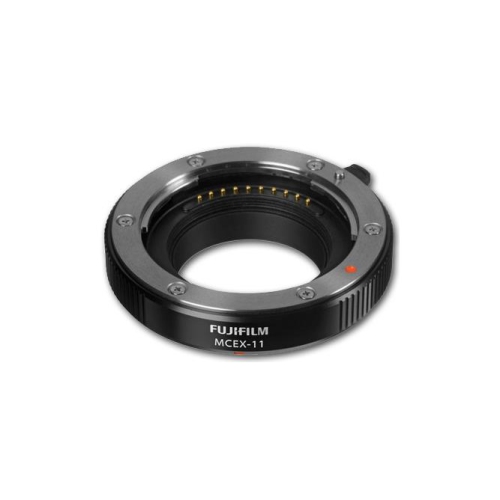
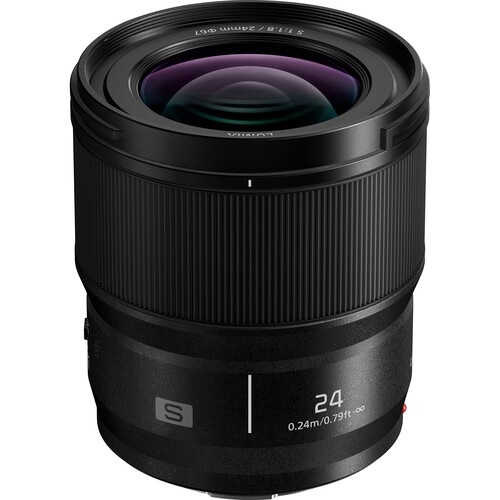
Understanding D40 compatibility, focal lengths, and everyday shooting needs
Choosing a lens for a D40 camera starts with compatibility, then comes down to the way you like to photograph. The D40 uses an F-mount system and relies on the focusing motor built into compatible lenses for automatic focus. Look for lenses marked AF-S or AF-I when autofocus is important, whether you are capturing a child moving through a park, a pet that will not sit still, or a family gathering where there is little time to adjust settings. Older AF and AF-D lenses can attach safely in many cases, but they generally do not provide autofocus on the D40 because the camera body does not contain its own focusing motor. They can still be useful for photographers who are comfortable focusing by hand, particularly when working with still subjects, carefully composed portraits, landscapes, tabletop arrangements, or architectural details. G-type lenses are also compatible with the D40 because the camera controls the aperture electronically rather than relying on a physical aperture ring. Before buying, check the exact lens designation, mount, and included features instead of assuming that every lens made for the same system will offer the same level of operation. A lens may fit physically yet require manual focusing or have limited electronic functions. This small compatibility check can make the difference between a smooth shooting experience and a frustrating one, especially for someone returning to photography after time away. The D40 uses a DX-format sensor, so the angle of view will appear narrower than it would on a full-frame camera. As a helpful reference, a 35mm focal length gives a perspective similar to roughly 52.5mm on the D40, making it a practical choice for everyday scenes, casual portraits, food photography, and travel images that feel natural without appearing overly wide. Explore 35mm Lenses for Nikon when you want to compare options in this versatile focal-length range.
A standard zoom is often the most flexible starting point for a D40 camera because it can cover everyday wide-angle views and moderate telephoto framing without requiring frequent lens changes. The wider end works well for interiors, group photos, city streets, cottages, and sweeping views during a walk, while the longer end can bring a subject closer for portraits, details, and informal event photography. A prime lens, with one fixed focal length, offers a different kind of experience. Its simple composition encourages you to move your feet and look more carefully at distance, shape, and background, while a wider maximum aperture can help create a softly blurred background and keep images brighter in dim rooms. This can be especially useful during the cooler months, when indoor gatherings, window light, and evening scenes become more common. A telephoto zoom is a practical choice for sports, wildlife, performances, travel details, and subjects that are difficult or inappropriate to approach closely. Longer focal lengths also compress distance, which can produce appealing layers in a landscape or isolate a skater, cyclist, or bird against a less distracting background. Image stabilization, sometimes called vibration reduction, can help reduce blur caused by camera movement when shooting handheld at slower shutter speeds, but it cannot freeze a moving subject; for action, shutter speed remains important. Wide-angle lenses suit dramatic scenery and small rooms, although placing a person too close to the edge of the frame can exaggerate facial features or body proportions. Macro-capable lenses reveal textures in leaves, crafts, jewellery, food, and other small subjects, while portrait-oriented lenses can make it easier to separate a person from a busy background. Think about where you most often take pictures, the amount of space you have to step forward or back, and whether you prefer one adaptable lens or a lighter fixed lens with a distinct look. These considerations are more useful than choosing based on focal length alone.
D40 camera lenses can also make thoughtful gifts for a photographer who already owns the camera body but wants to explore a new style of shooting. A beginner may appreciate an autofocus-compatible everyday zoom that keeps controls familiar, while an enthusiast might enjoy a bright prime lens that encourages more intentional compositions. For someone interested in outdoor activities, a telephoto option can open up new possibilities for photographing distant wildlife, field sports, autumn scenery, or winter landscapes without carrying a large amount of equipment. When selecting a lens as a gift, consider whether the recipient values convenience, low-light performance, reach, portability, or the ability to create a blurred background. It is also worth checking the size and weight, since a lens that is technically capable may spend more time at home if it makes the camera uncomfortable to carry. A front filter thread can accommodate protective or creative filters, and a supplied hood can help reduce stray light while offering added protection for the front element. Keep in mind that the D40 is an older camera, so a lens with a built-in autofocus motor is usually the simplest match for everyday use. Manual-focus lenses can still appeal to experienced photographers who enjoy a slower, hands-on process, but they may not be the right choice for someone expecting point-and-shoot convenience. During the changing light of early fall, a versatile lens can move from sunlit trails to indoor cafés with minimal fuss; as daylight grows shorter and winter activities shift indoors, a wide aperture or image stabilization may become increasingly valuable. Store lenses with front and rear caps, avoid touching the glass, and use a clean, dry bag when moving between cold outdoor conditions and warm interiors. With the right focal length, focusing system, and handling characteristics, a D40 lens can help turn familiar places into fresh photographic opportunities, from softly lit family moments to crisp distant details and expansive views.
A standard zoom is often the most flexible starting point for a D40 camera because it can cover everyday wide-angle views and moderate telephoto framing without requiring frequent lens changes. The wider end works well for interiors, group photos, city streets, cottages, and sweeping views during a walk, while the longer end can bring a subject closer for portraits, details, and informal event photography. A prime lens, with one fixed focal length, offers a different kind of experience. Its simple composition encourages you to move your feet and look more carefully at distance, shape, and background, while a wider maximum aperture can help create a softly blurred background and keep images brighter in dim rooms. This can be especially useful during the cooler months, when indoor gatherings, window light, and evening scenes become more common. A telephoto zoom is a practical choice for sports, wildlife, performances, travel details, and subjects that are difficult or inappropriate to approach closely. Longer focal lengths also compress distance, which can produce appealing layers in a landscape or isolate a skater, cyclist, or bird against a less distracting background. Image stabilization, sometimes called vibration reduction, can help reduce blur caused by camera movement when shooting handheld at slower shutter speeds, but it cannot freeze a moving subject; for action, shutter speed remains important. Wide-angle lenses suit dramatic scenery and small rooms, although placing a person too close to the edge of the frame can exaggerate facial features or body proportions. Macro-capable lenses reveal textures in leaves, crafts, jewellery, food, and other small subjects, while portrait-oriented lenses can make it easier to separate a person from a busy background. Think about where you most often take pictures, the amount of space you have to step forward or back, and whether you prefer one adaptable lens or a lighter fixed lens with a distinct look. These considerations are more useful than choosing based on focal length alone.
D40 camera lenses can also make thoughtful gifts for a photographer who already owns the camera body but wants to explore a new style of shooting. A beginner may appreciate an autofocus-compatible everyday zoom that keeps controls familiar, while an enthusiast might enjoy a bright prime lens that encourages more intentional compositions. For someone interested in outdoor activities, a telephoto option can open up new possibilities for photographing distant wildlife, field sports, autumn scenery, or winter landscapes without carrying a large amount of equipment. When selecting a lens as a gift, consider whether the recipient values convenience, low-light performance, reach, portability, or the ability to create a blurred background. It is also worth checking the size and weight, since a lens that is technically capable may spend more time at home if it makes the camera uncomfortable to carry. A front filter thread can accommodate protective or creative filters, and a supplied hood can help reduce stray light while offering added protection for the front element. Keep in mind that the D40 is an older camera, so a lens with a built-in autofocus motor is usually the simplest match for everyday use. Manual-focus lenses can still appeal to experienced photographers who enjoy a slower, hands-on process, but they may not be the right choice for someone expecting point-and-shoot convenience. During the changing light of early fall, a versatile lens can move from sunlit trails to indoor cafés with minimal fuss; as daylight grows shorter and winter activities shift indoors, a wide aperture or image stabilization may become increasingly valuable. Store lenses with front and rear caps, avoid touching the glass, and use a clean, dry bag when moving between cold outdoor conditions and warm interiors. With the right focal length, focusing system, and handling characteristics, a D40 lens can help turn familiar places into fresh photographic opportunities, from softly lit family moments to crisp distant details and expansive views.
Top selling and popular products
-
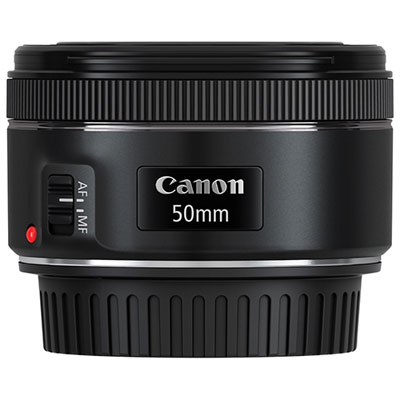 Your price for this item is $169.99
 -
 Your price for this item is $329.99
 -
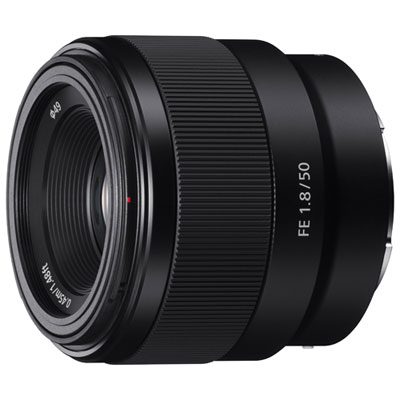 Your price for this item is $349.99
 -
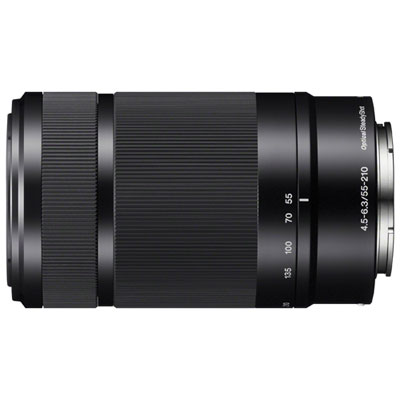 Your price for this item is $399.99
 -
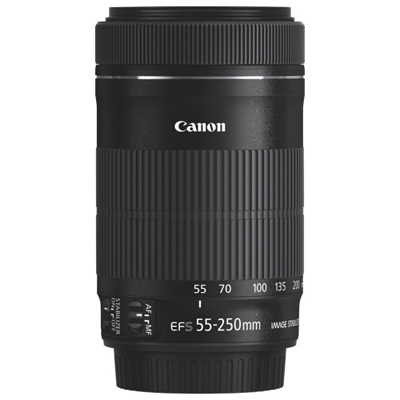 Your price for this item is $399.99
 -
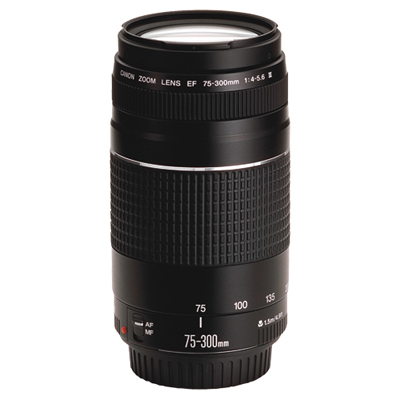 Your price for this item is $199.99
 -
 Your price for this item is $174.99
 -
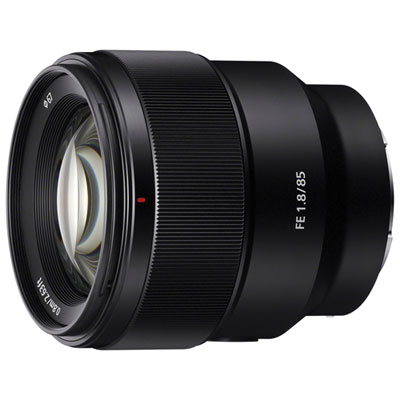 Your price for this item is $749.99
Discover more categories related to D40 Camera Lenses
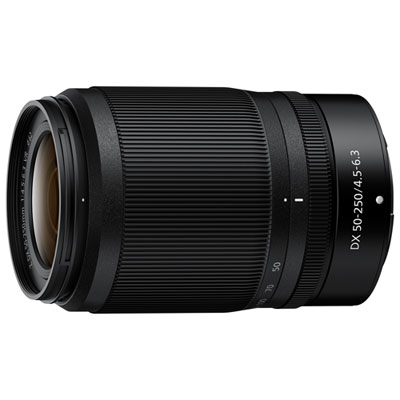
Top Collections:
Pokemon Centers, Kindle Devices, Best Budget Office Chairs, Apple iPhones 16, Best Laptops for Writers, iPhone 15 Apple, Canon G7X Cameras, Refurbished Apple Laptops, Alarm Clock, Motorola Razr Phones
Some products may be subject to Environmental Handling Fees
(EHF) depending on your province.
Learn more about EHFs.