D60 Camera Lenses
If you're looking to take your photography skills to the next level, look no further than these high-quality D60 camera lenses. Whether you're a professional photographer or an avid hobbyist, these lenses are designed to capture stunning images with exceptional clarity and detail. With a wide range of focal lengths and advanced features, you'll be able to unleash your creativity and achieve the perfect shot every time.
Sort
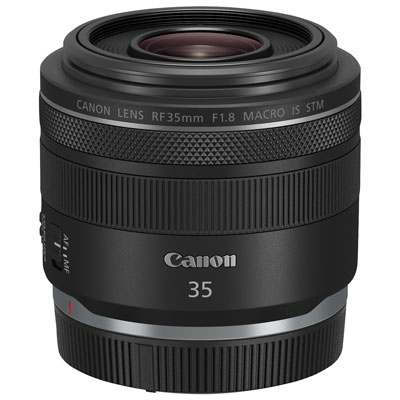
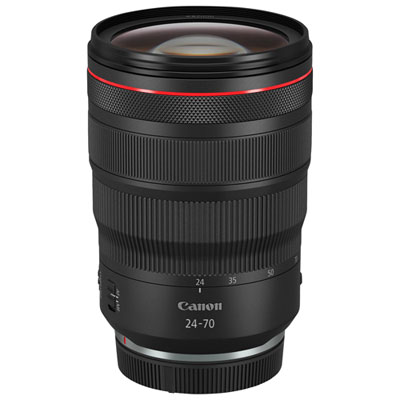
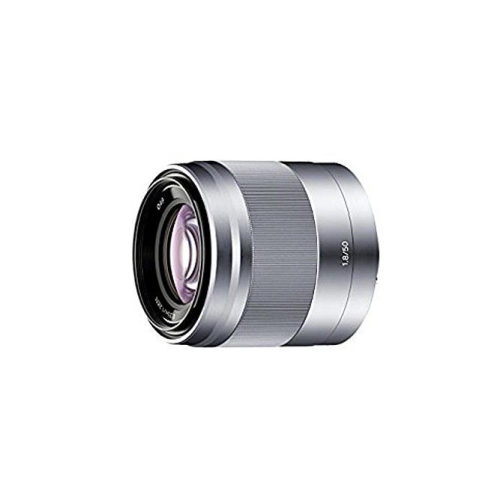
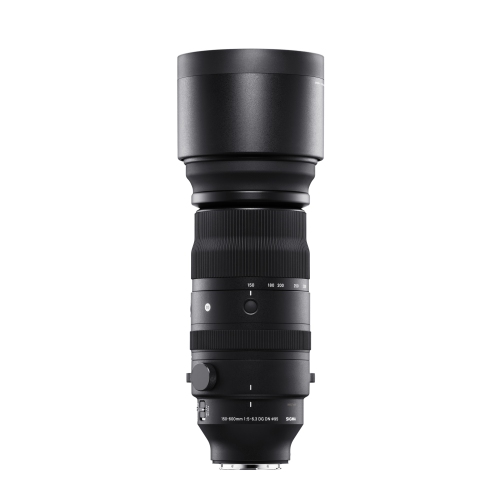
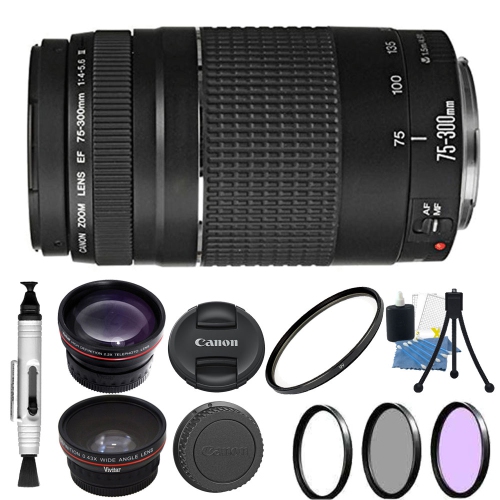
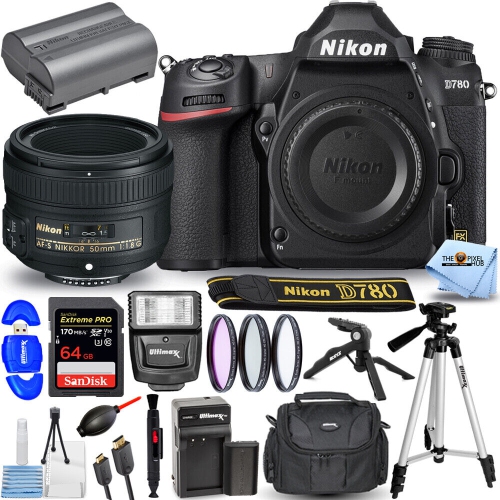
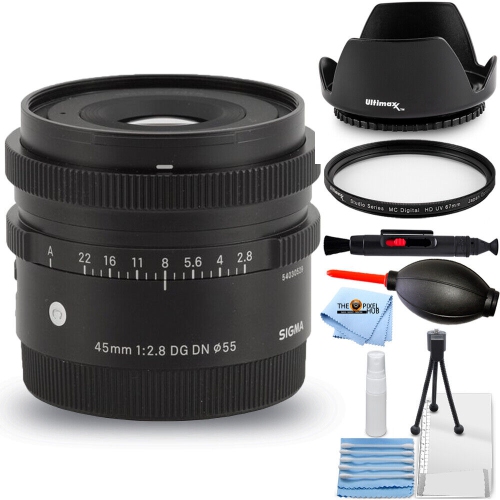


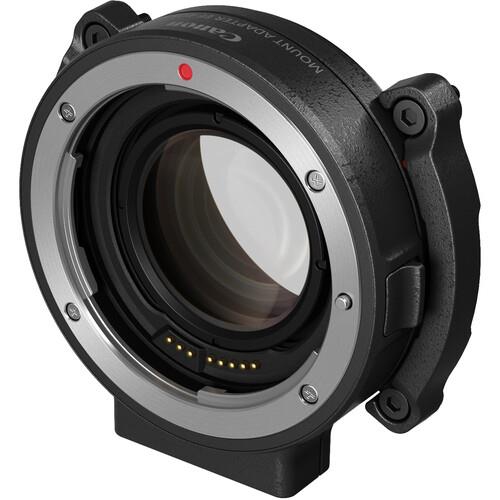
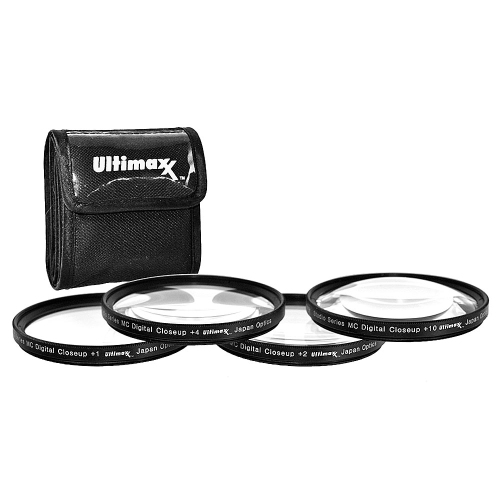
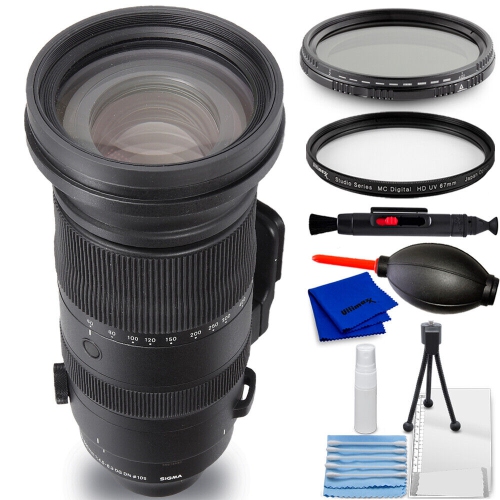
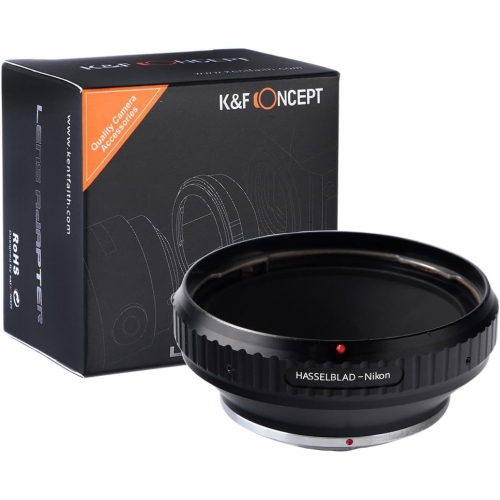
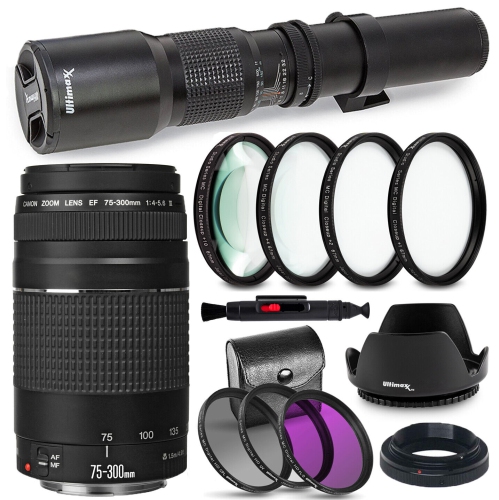
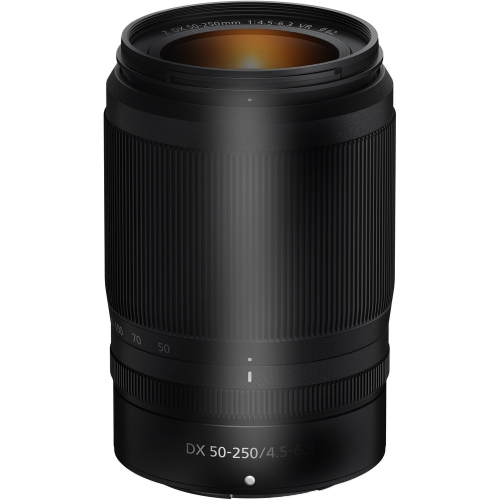
Autofocus compatibility and focal length shape everyday photography
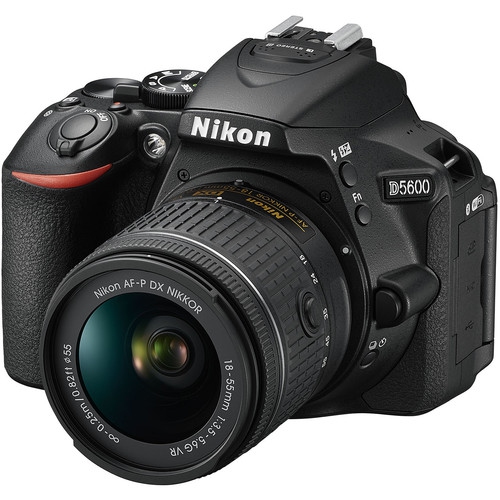
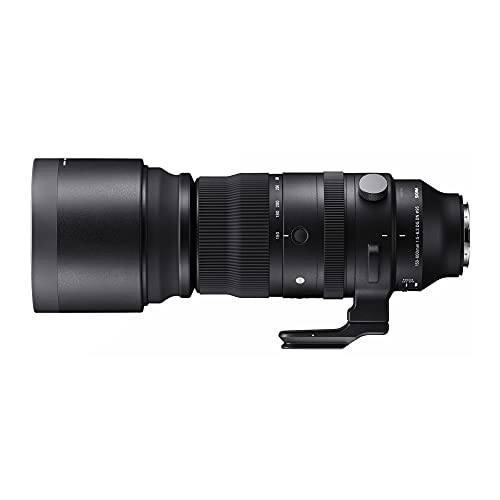
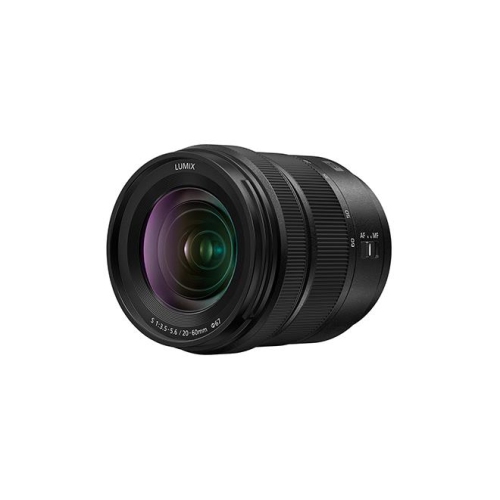
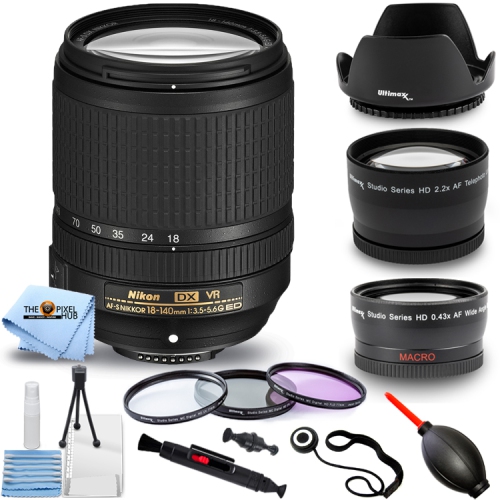
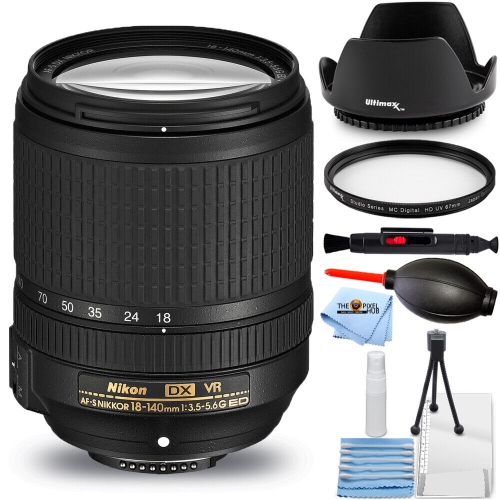
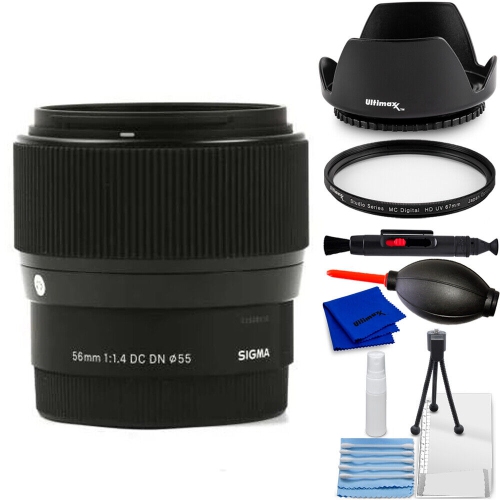
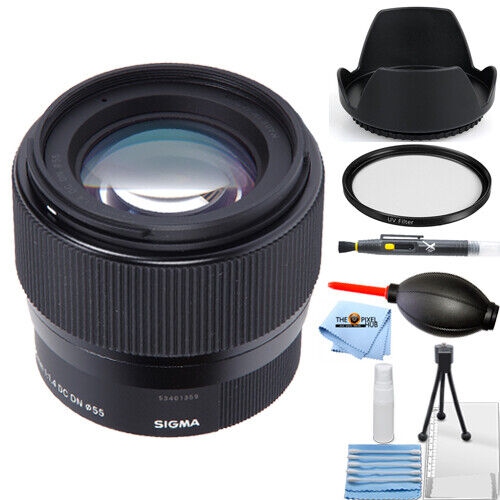
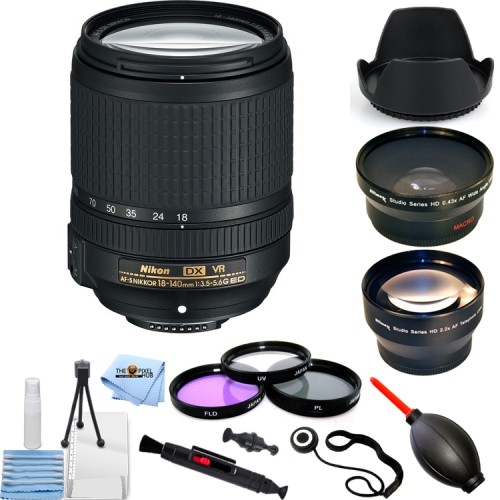
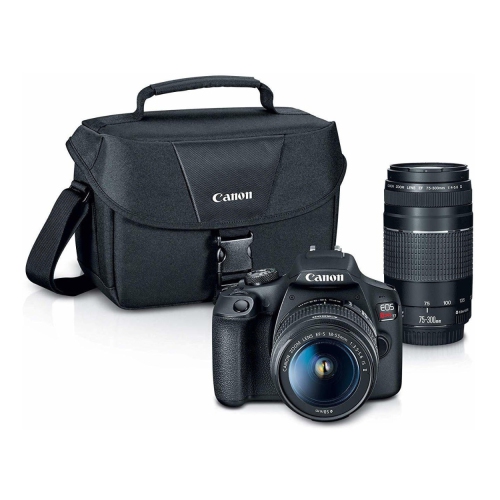
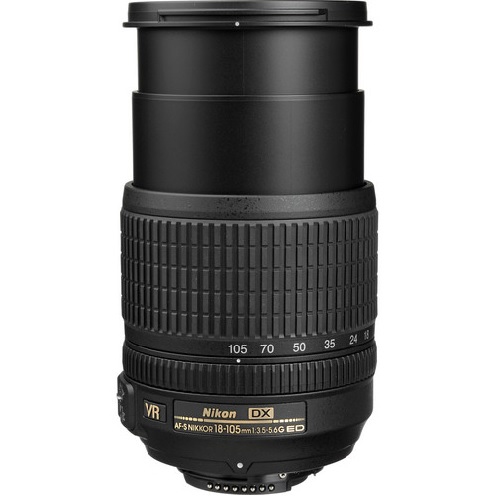
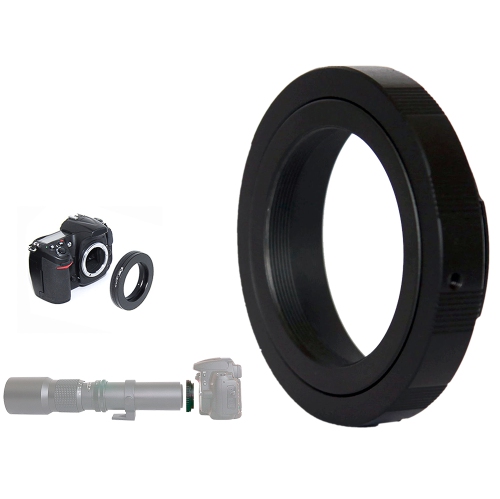
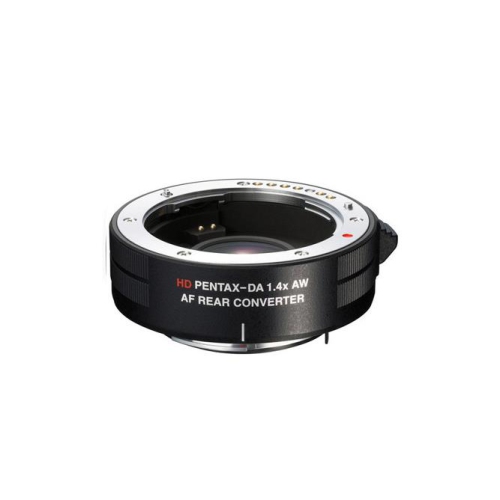
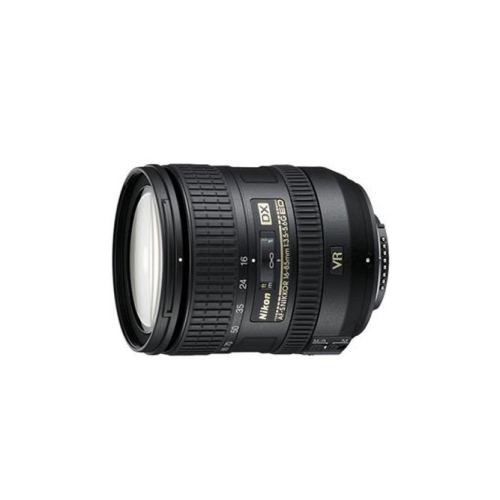
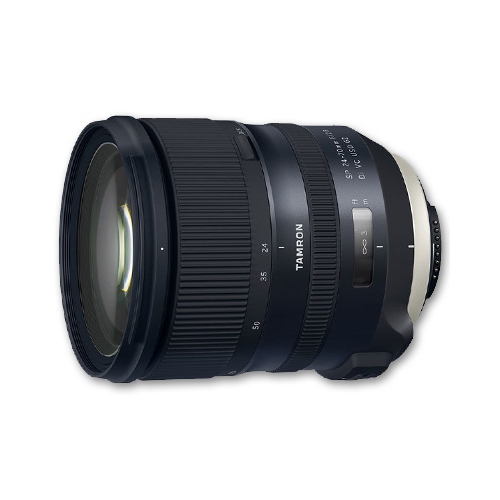
Choosing a lens for the Nikon D60 starts with understanding how the camera communicates with the lens. The D60 uses the Nikon F-mount, so compatible lenses can attach physically, but autofocus performance depends on the lens having its own integrated focus motor. Lenses identified as AF-S or certain AF-P and DX models are commonly considered for this camera because the focusing motor is built into the lens rather than relying on a motor in the camera body. AF-P compatibility can depend on the camera’s firmware and the specific lens, so checking the lens specifications before ordering is an important step. Older F-mount lenses may still fit the camera, but models without an internal focus motor, including some older AF-D or manual-focus lenses, may require you to focus by hand. Manual focus can be a rewarding choice for still subjects, close-up work, or photographers who enjoy a slower, more deliberate process, but it may be less convenient for moving children, pets, sports, or spontaneous travel photos. A lens listed for the D60 can expand what the camera can do, whether the goal is to replace a well-used kit lens, add reach for distant subjects, improve low-light photography, or create a softer background behind a portrait. Check the mount, autofocus method, image stabilization features, focal-length range, and overall condition when comparing options. A used or older lens can be a practical way to build a camera kit, provided the glass is clear, the focus ring turns smoothly, the zoom mechanism is free of stiffness, and the electrical contacts are clean and undamaged.
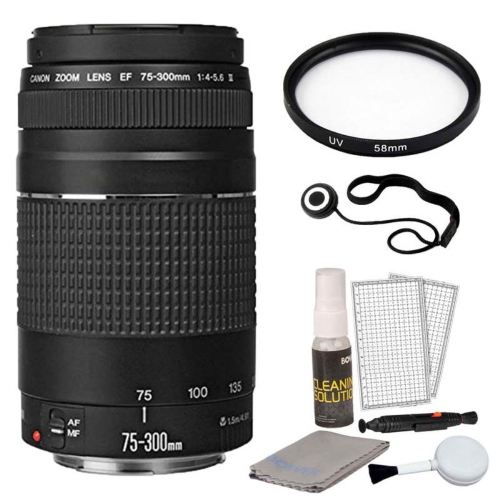
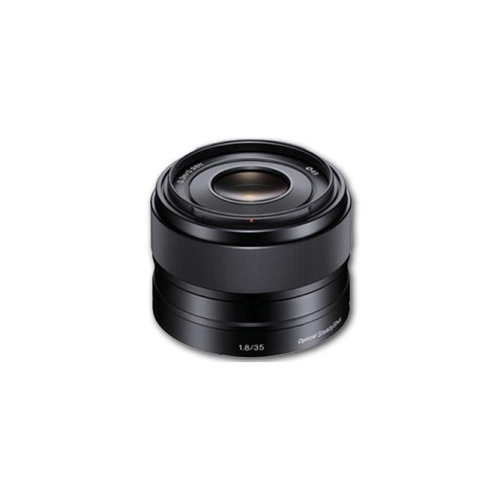
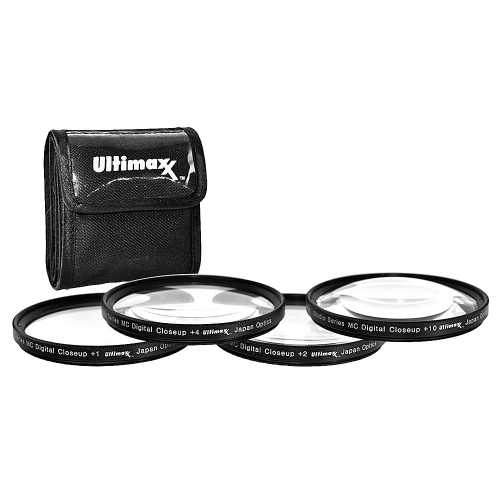
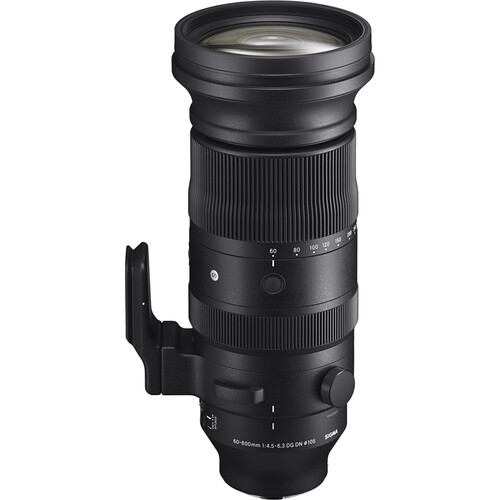
Focal length is one of the most useful ways to match a D60 lens to the kind of photographs you enjoy making. A standard zoom is often the most versatile option for everyday photography, giving you a practical range for family gatherings, city walks, food, travel scenes, and casual snapshots without changing lenses repeatedly. Wide-angle lenses capture more of a scene and are helpful for architecture, interiors, sweeping landscapes, and group photographs where stepping farther back is not possible. A moderate telephoto zoom brings distant subjects closer, making it useful for school sports, outdoor activities, wildlife, performances, and candid portraits taken from a comfortable distance. Longer focal lengths can make a small bird appear more prominent against a softly compressed background, while a shorter setting can help you follow action as it moves across the frame. A portrait-oriented lens with a wider maximum aperture can produce attractive subject separation, placing attention on a person’s expression while the background fades into a gentle blur. A macro or close-focusing lens is suited to flowers, insects, jewellery, textures, and small details that are easy to overlook in everyday life. When comparing maximum aperture, remember that a lower f-number generally allows more light to reach the sensor and can help create shallower depth of field. Image stabilization may also be valuable when photographing handheld during the cooler months, indoors, or in fading evening light, although it cannot freeze a moving subject. For outdoor activities during the warmer part of the year, a lightweight zoom may be easier to carry on a long walk, while a compact prime lens can be a comfortable choice for travel, street photography, or quiet family moments around the home.
The right D60 lens may be useful for a first-time photographer, a student learning the basics of composition, or someone returning to photography after time away. It can also be a thoughtful gift for a family member who has inherited a D60 body or keeps one packed away with a well-worn lens. Before choosing, consider whether the recipient photographs people, landscapes, sports, wildlife, products, or a mixture of subjects, then look for a focal-length range that suits those habits instead of selecting based on magnification alone. Someone who photographs birthday gatherings and weekend outings may appreciate a flexible everyday zoom, while a nature enthusiast may get more use from a telephoto option. A photographer who enjoys portraits could prefer a bright prime lens, and a learner interested in flowers or crafts may enjoy the close-up control of a macro lens. Lens size and weight matter as well: a large telephoto can provide impressive reach but may require more space in a camera bag and steadier handling, whereas a smaller lens is easier to keep ready for unexpected moments. When mounting or removing a lens, switch the camera off, hold the body and lens securely, avoid touching the rear glass or electrical contacts, and keep the rear cap attached whenever the lens is not in use. A camera bag, front and rear caps, a compatible hood, and a clean microfiber cloth can help keep a growing kit organized. Photographers comparing related camera systems may also wish to browse D3200 Camera Lenses for additional context when selecting lenses for another compatible digital SLR. With the right match, a D60 lens can make familiar places feel new, from the layered colours of a landscape to the small details in a child’s hands, and can give an older camera a fresh role in everyday photography.
Focal length is one of the most useful ways to match a D60 lens to the kind of photographs you enjoy making. A standard zoom is often the most versatile option for everyday photography, giving you a practical range for family gatherings, city walks, food, travel scenes, and casual snapshots without changing lenses repeatedly. Wide-angle lenses capture more of a scene and are helpful for architecture, interiors, sweeping landscapes, and group photographs where stepping farther back is not possible. A moderate telephoto zoom brings distant subjects closer, making it useful for school sports, outdoor activities, wildlife, performances, and candid portraits taken from a comfortable distance. Longer focal lengths can make a small bird appear more prominent against a softly compressed background, while a shorter setting can help you follow action as it moves across the frame. A portrait-oriented lens with a wider maximum aperture can produce attractive subject separation, placing attention on a person’s expression while the background fades into a gentle blur. A macro or close-focusing lens is suited to flowers, insects, jewellery, textures, and small details that are easy to overlook in everyday life. When comparing maximum aperture, remember that a lower f-number generally allows more light to reach the sensor and can help create shallower depth of field. Image stabilization may also be valuable when photographing handheld during the cooler months, indoors, or in fading evening light, although it cannot freeze a moving subject. For outdoor activities during the warmer part of the year, a lightweight zoom may be easier to carry on a long walk, while a compact prime lens can be a comfortable choice for travel, street photography, or quiet family moments around the home.
The right D60 lens may be useful for a first-time photographer, a student learning the basics of composition, or someone returning to photography after time away. It can also be a thoughtful gift for a family member who has inherited a D60 body or keeps one packed away with a well-worn lens. Before choosing, consider whether the recipient photographs people, landscapes, sports, wildlife, products, or a mixture of subjects, then look for a focal-length range that suits those habits instead of selecting based on magnification alone. Someone who photographs birthday gatherings and weekend outings may appreciate a flexible everyday zoom, while a nature enthusiast may get more use from a telephoto option. A photographer who enjoys portraits could prefer a bright prime lens, and a learner interested in flowers or crafts may enjoy the close-up control of a macro lens. Lens size and weight matter as well: a large telephoto can provide impressive reach but may require more space in a camera bag and steadier handling, whereas a smaller lens is easier to keep ready for unexpected moments. When mounting or removing a lens, switch the camera off, hold the body and lens securely, avoid touching the rear glass or electrical contacts, and keep the rear cap attached whenever the lens is not in use. A camera bag, front and rear caps, a compatible hood, and a clean microfiber cloth can help keep a growing kit organized. Photographers comparing related camera systems may also wish to browse D3200 Camera Lenses for additional context when selecting lenses for another compatible digital SLR. With the right match, a D60 lens can make familiar places feel new, from the layered colours of a landscape to the small details in a child’s hands, and can give an older camera a fresh role in everyday photography.
Top selling and popular products
-
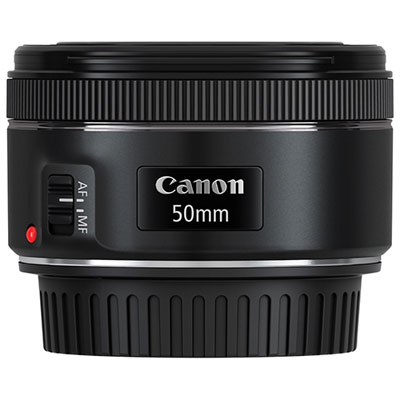 Your price for this item is $169.99
 -
 Your price for this item is $329.99
 -
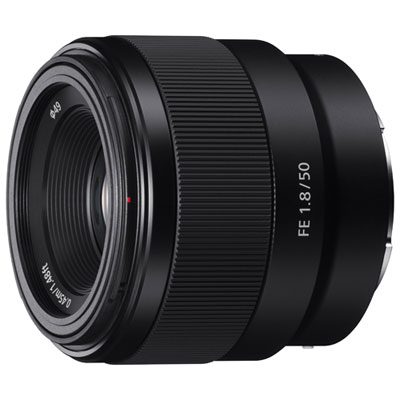 Your price for this item is $349.99
 -
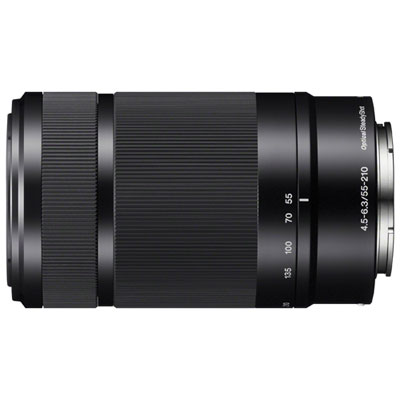 Your price for this item is $399.99
 -
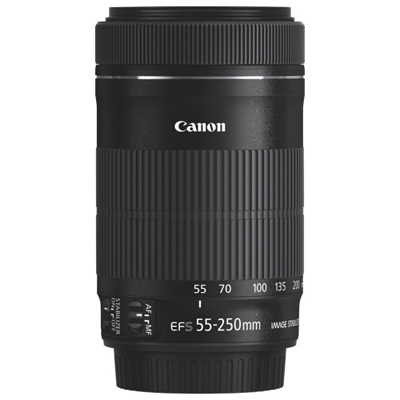 Your price for this item is $399.99
 -
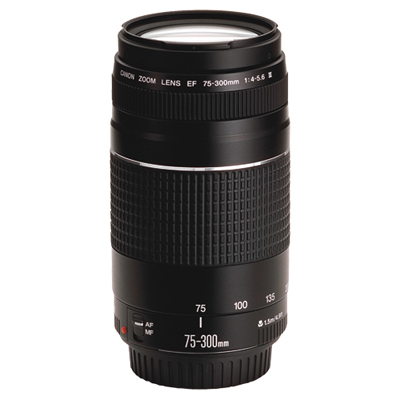 Your price for this item is $199.99
 -
 Your price for this item is $174.99
 -
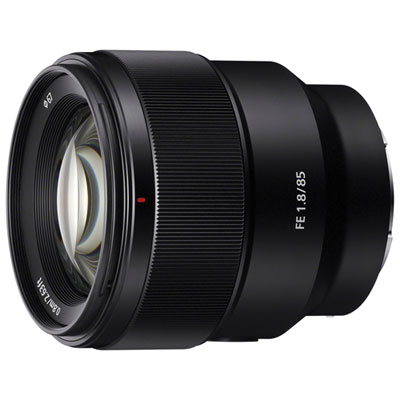 Your price for this item is $749.99
Discover more categories related to D60 Camera Lenses
Top Collections:
Pokemon Centers, Kindle Devices, Best Budget Office Chairs, Apple iPhones 16, Best Laptops for Writers, iPhone 15 Apple, Canon G7X Cameras, Refurbished Apple Laptops, Alarm Clock, Motorola Razr Phones
Some products may be subject to Environmental Handling Fees
(EHF) depending on your province.
Learn more about EHFs.