Ef Lenses
Capture the world in stunning detail with our extensive collection of EF lenses. Whether you're a professional photographer or an enthusiastic hobbyist, these lenses are designed to elevate your photography game to new heights. With a wide range of focal lengths and exceptional image quality, our EF lenses offer unparalleled versatility and precision. From capturing breathtaking landscapes to freezing fast-moving action, we have the perfect lens to suit your unique creative vision. Explore our comprehensive selection of EF lenses and unlock endless possibilities for capturing life's most memorable moments.
Sort






Why camera fit matters as much as focal length
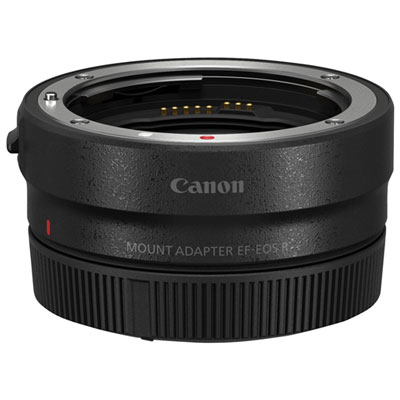
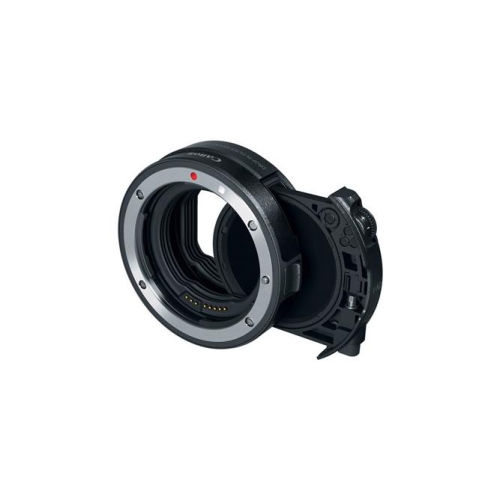
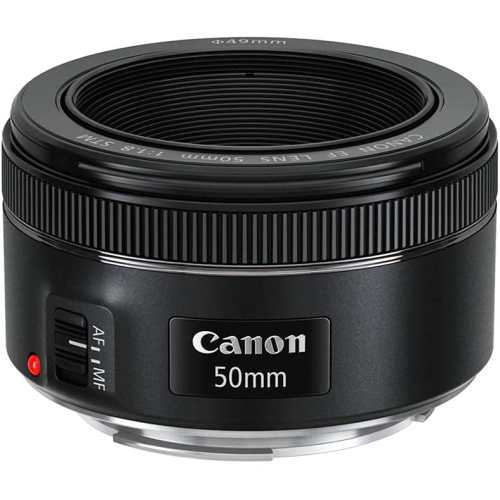
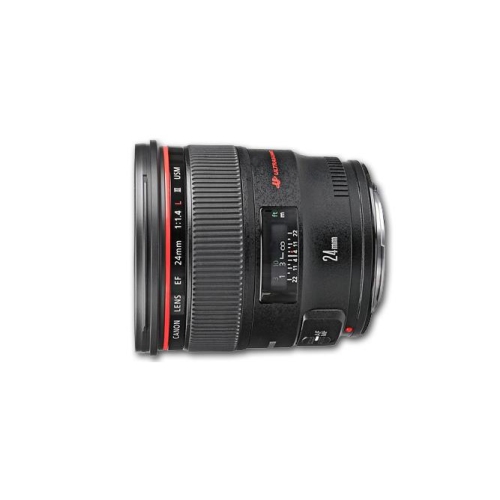
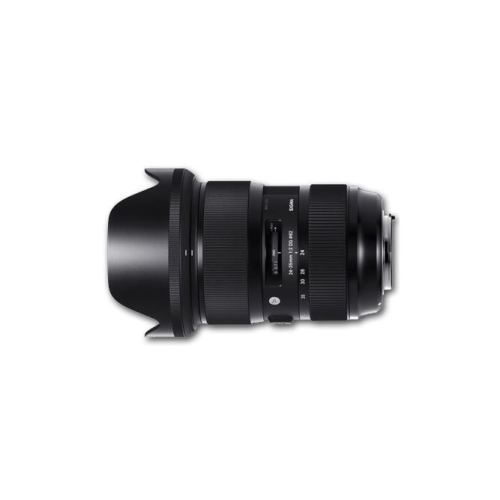
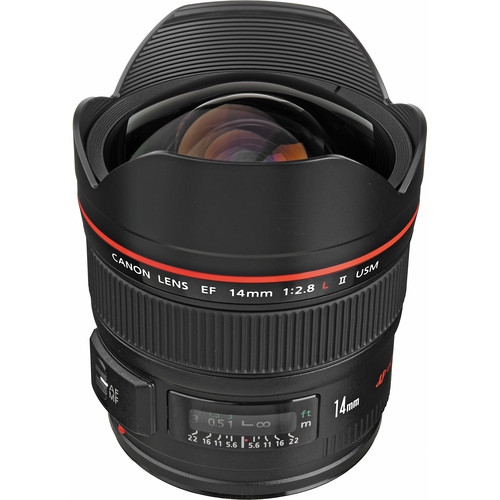
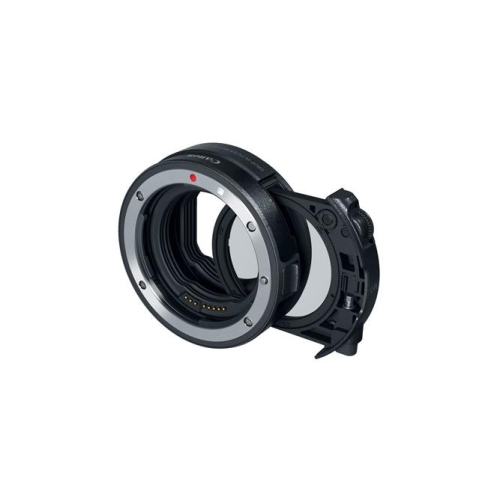
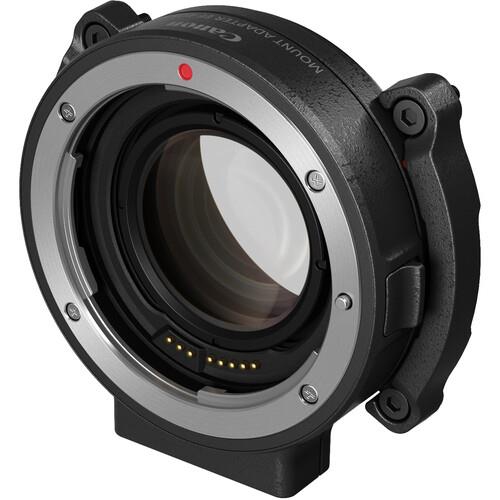
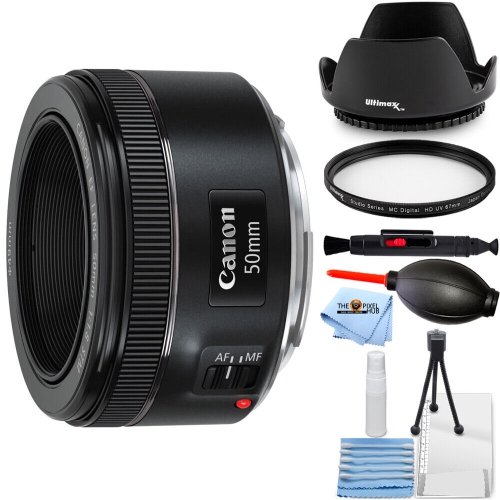
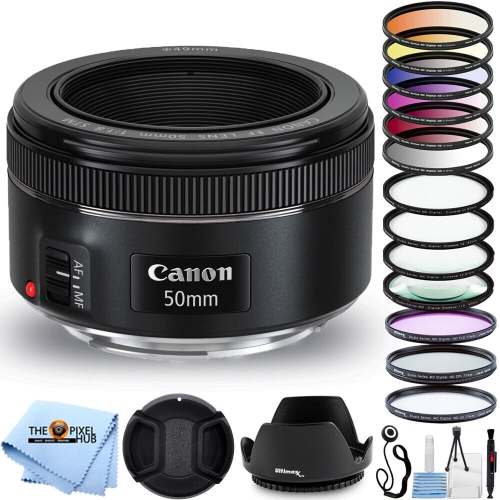
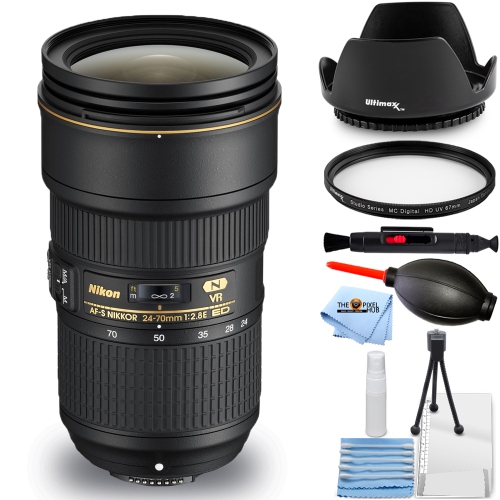
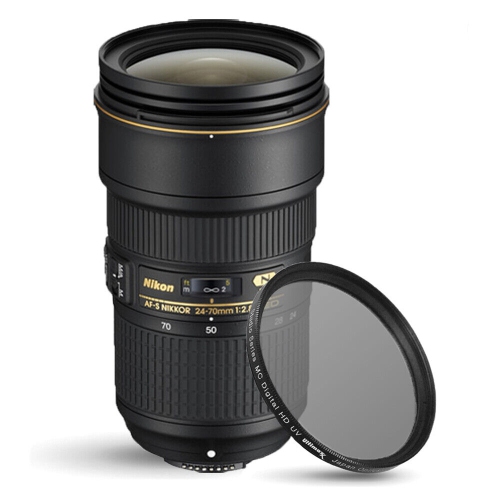
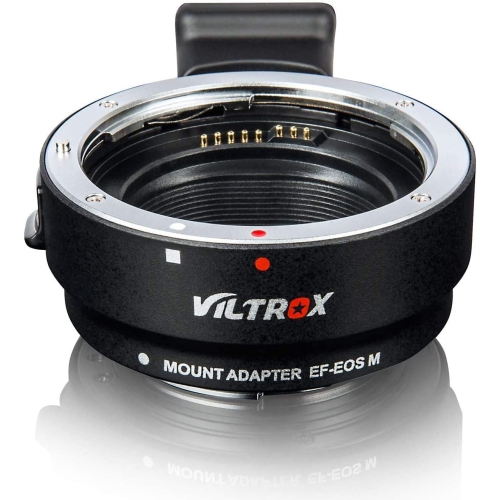
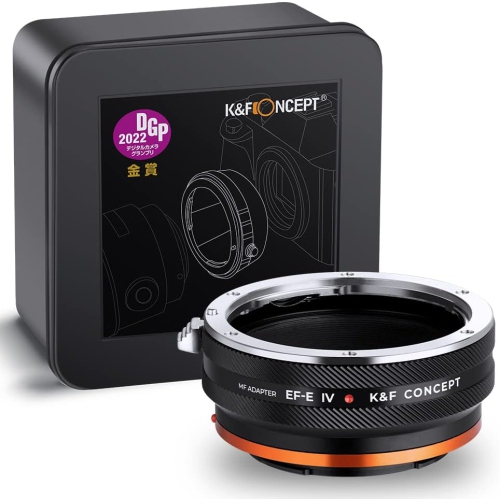
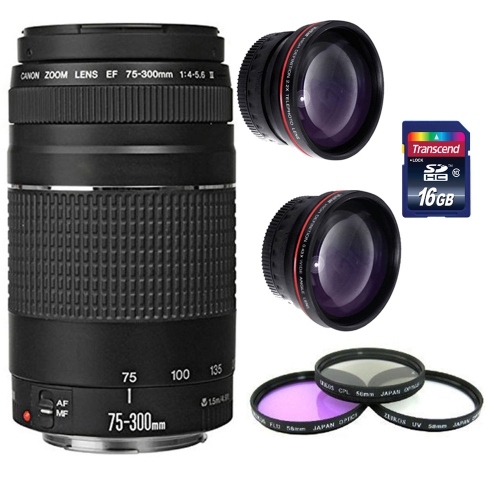
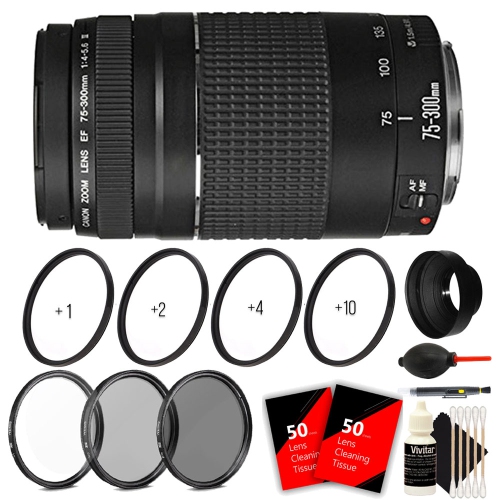
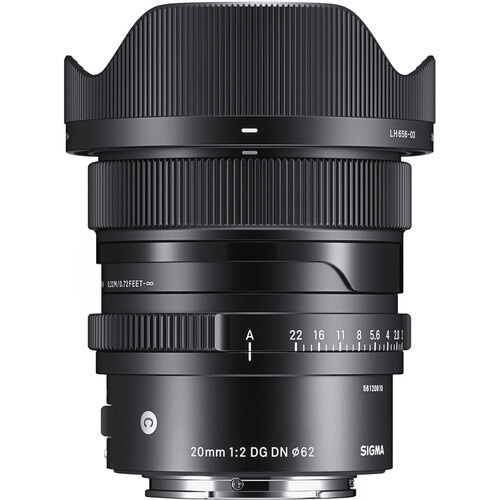
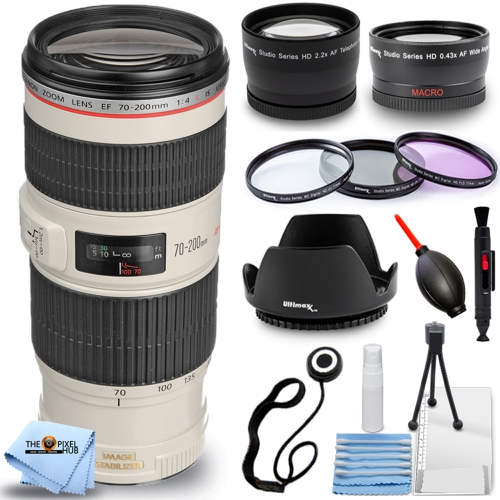
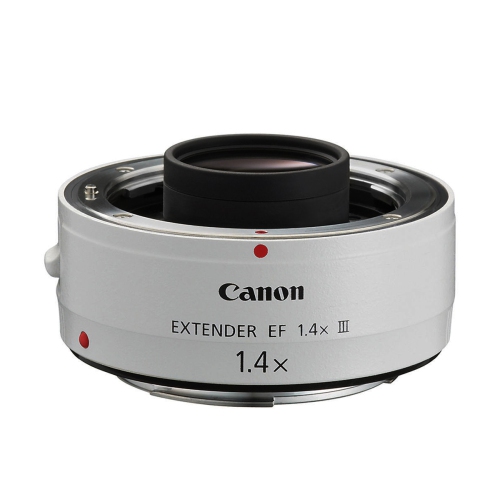
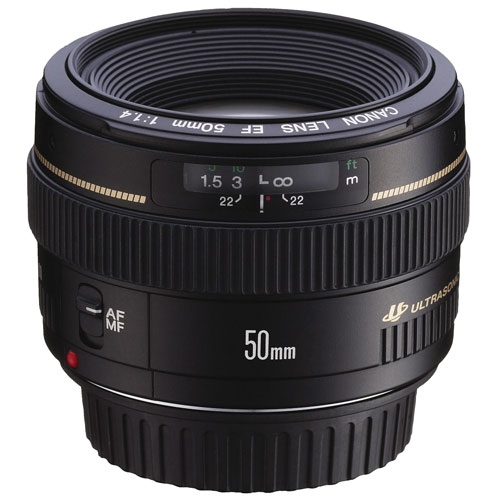
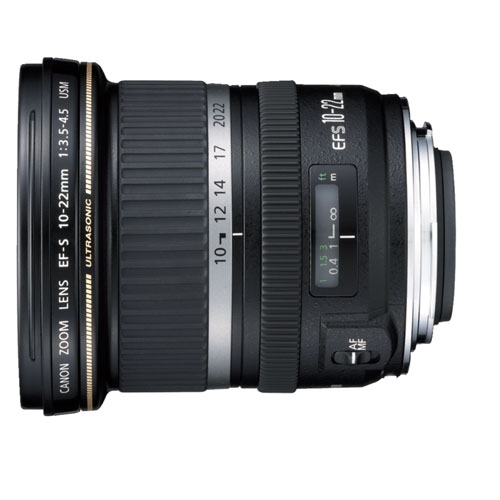
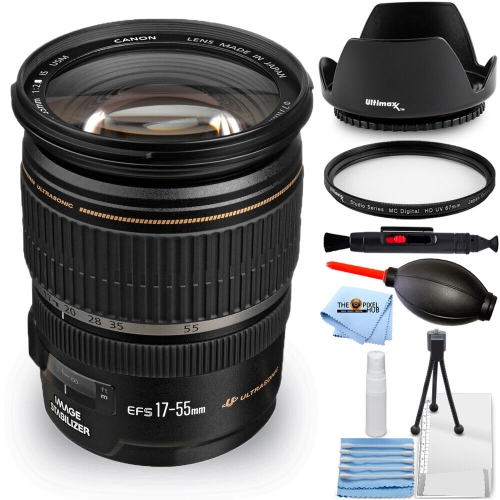
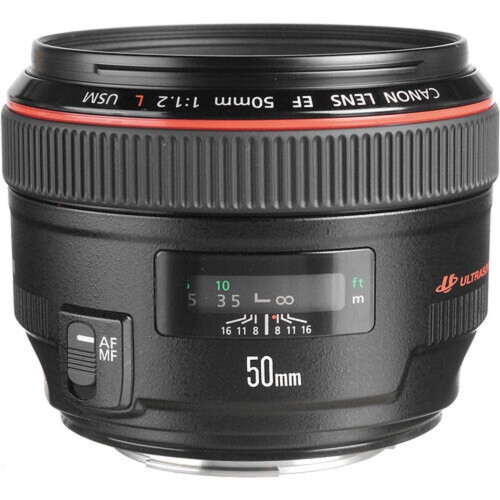
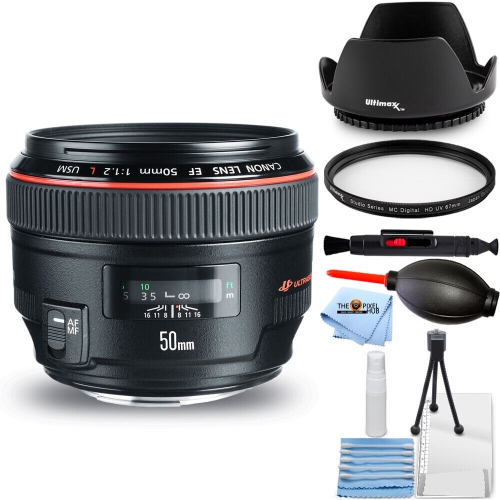
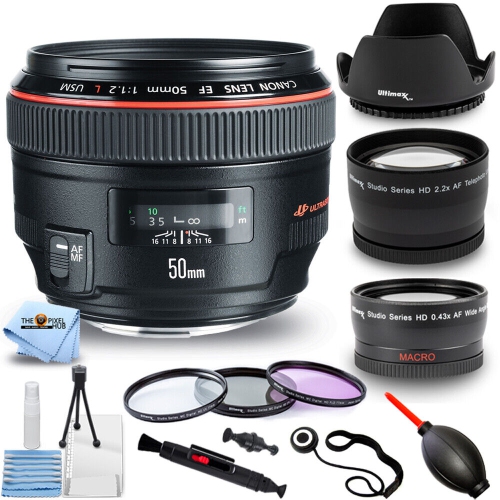
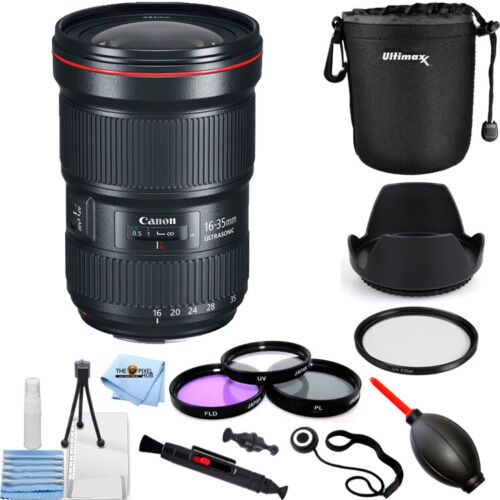
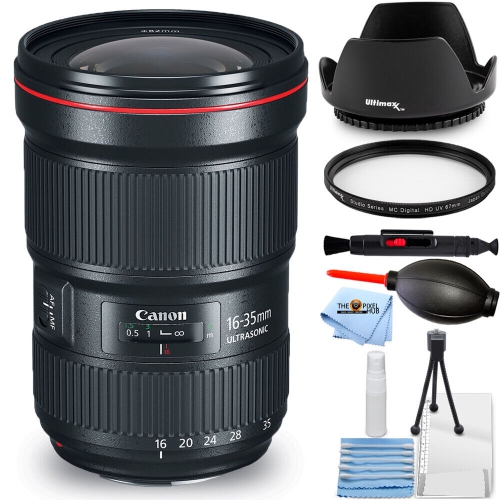
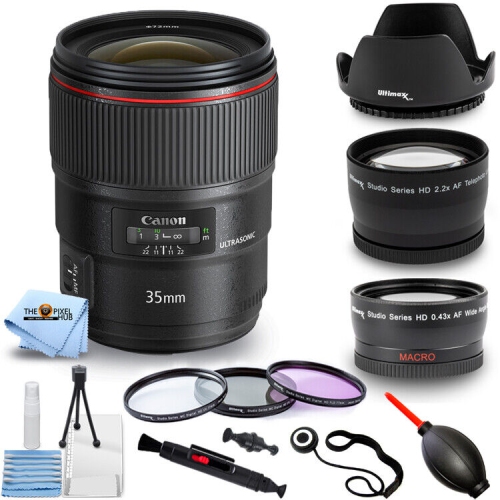
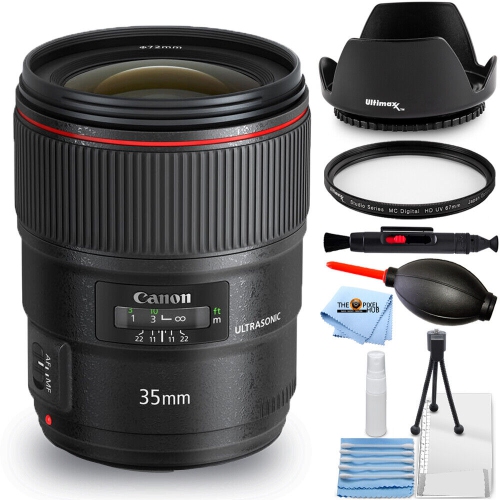
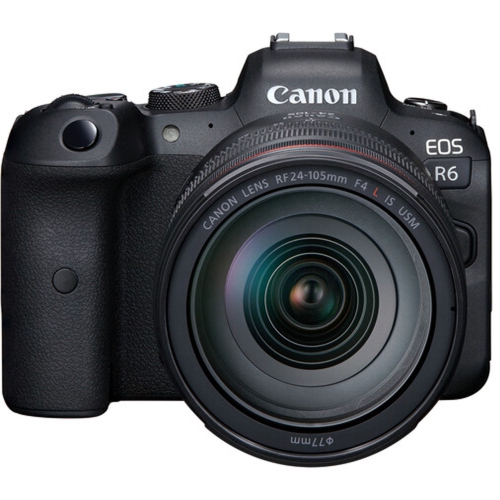
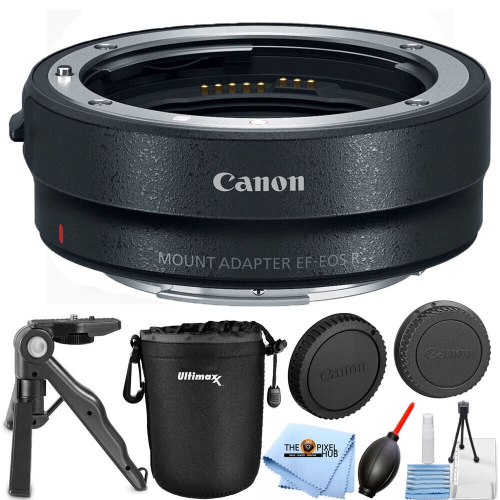
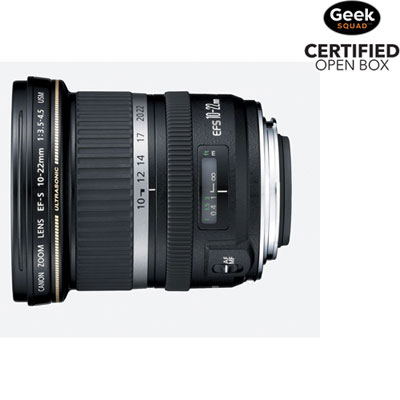
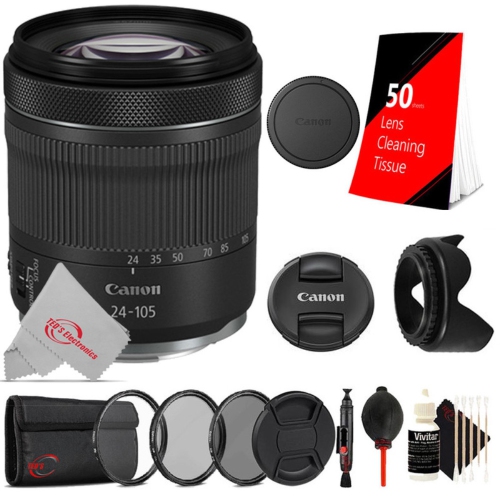
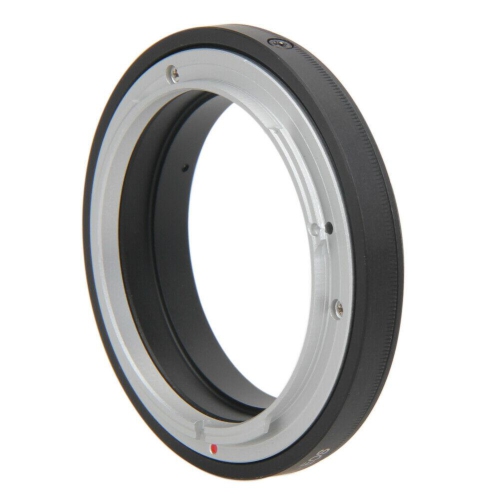
EF lenses are interchangeable camera lenses that use an electronic bayonet mount, with electrical contacts linking the lens to a compatible camera body. Introduced in 1987, the EF mount takes its name from “Electro-Focus”: autofocus is driven by a motor inside the lens rather than a mechanical drive from the camera. Those electronic connections also allow the camera to control the lens aperture and exchange information used for exposure and other functions. EF lenses are designed to cover a full-frame image sensor and can also be used on compatible APS-C DSLR cameras, where the smaller sensor captures a narrower angle of view. The focal length itself does not change; a 50mm lens remains a 50mm lens, but its framing on a compatible 1.6× crop-sensor body resembles that of an 80mm lens on full frame. That difference matters when matching a lens to its intended use. A focal length that feels natural for everyday scenes on one camera may be better suited to tightly framed portraits on another. EF lenses span wide-angle, standard, telephoto, macro, and specialist designs, giving photographers different ways to capture anything from a small handmade detail to action across a playing field. Mount compatibility is the starting point, since EF, EF-S, and EF-M are distinct designations, not interchangeable names for the same fit. EF-S lenses are intended for compatible APS-C cameras and should not be assumed to fit full-frame EF-mount DSLRs. EF lenses can also work with certain mirrorless cameras through a suitable mount adapter, although autofocus, aperture control, and other features depend on the particular camera, lens, and adapter combination. Photographers using an EF-M camera body can also explore EF M Lenses for that separate mount system; mounting an EF lens on an EF-M body requires the appropriate adapter. Confirming the camera’s exact mount helps distinguish a lens that attaches directly from one that needs additional hardware.
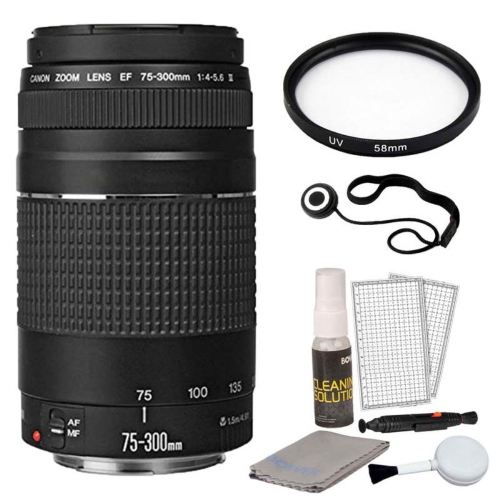
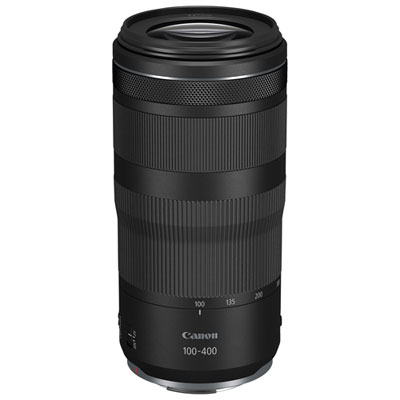
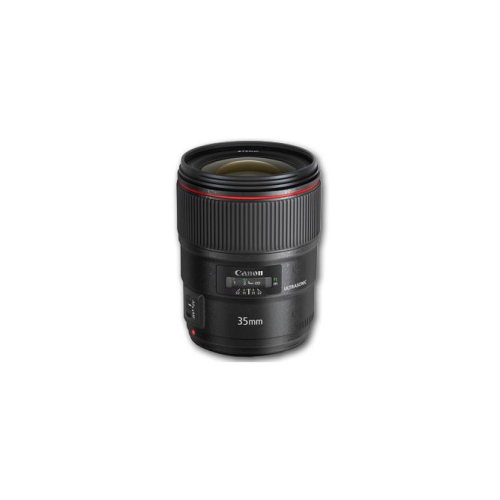
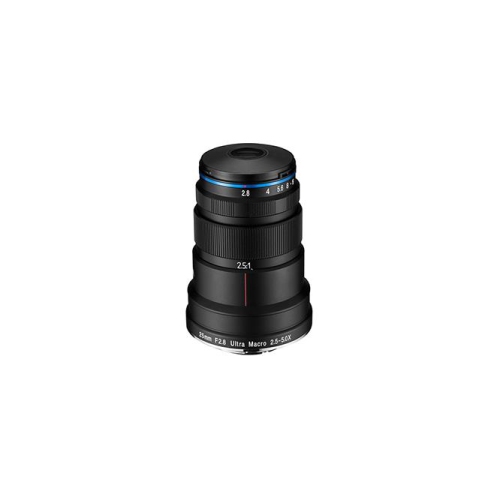
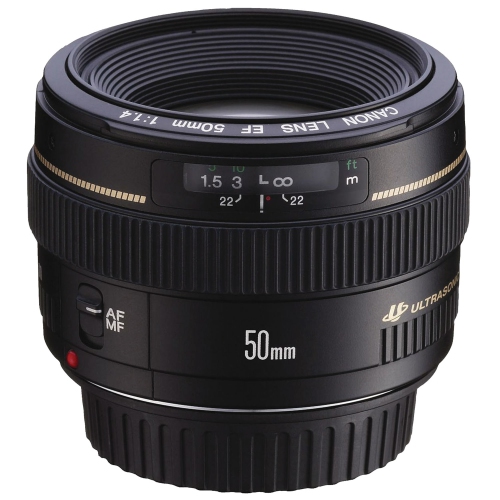
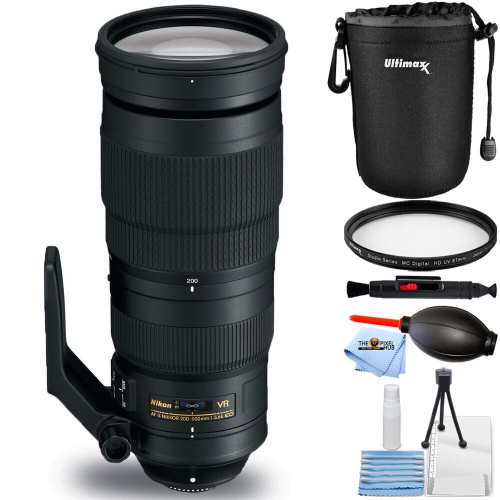
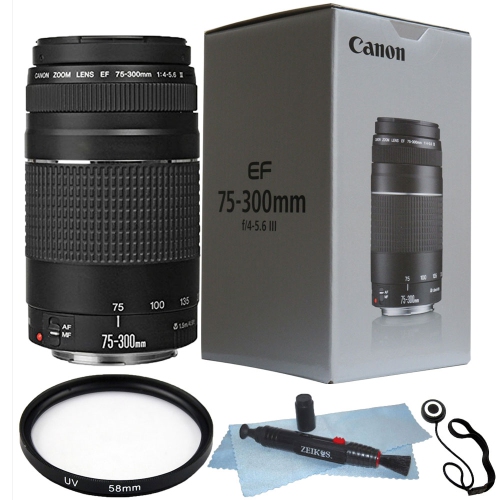
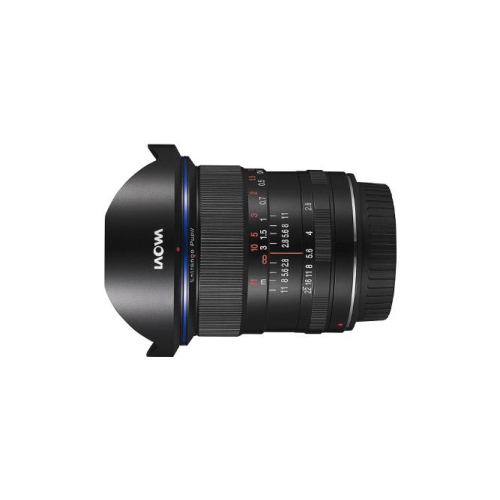
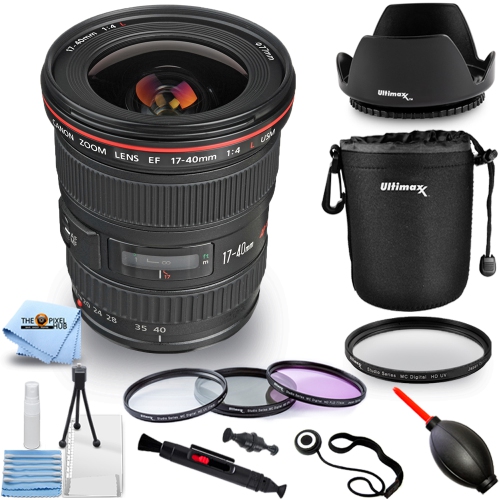
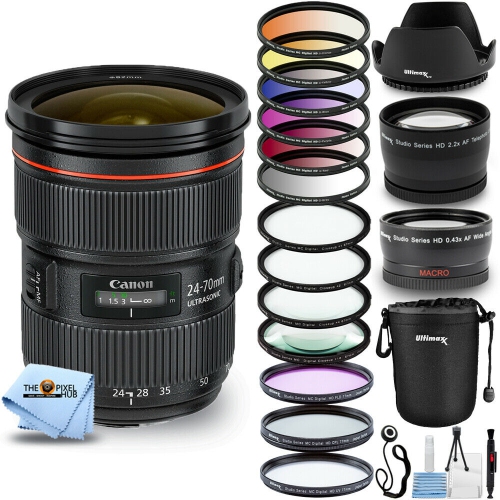
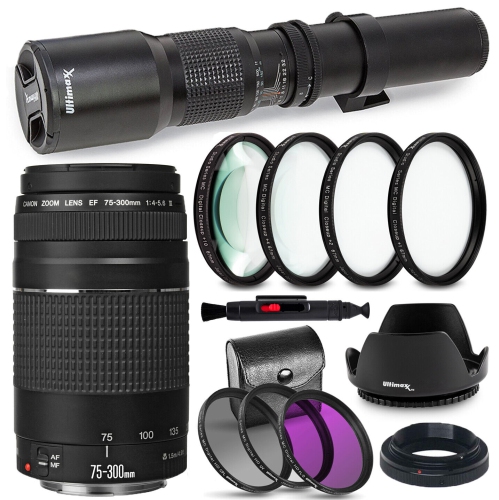
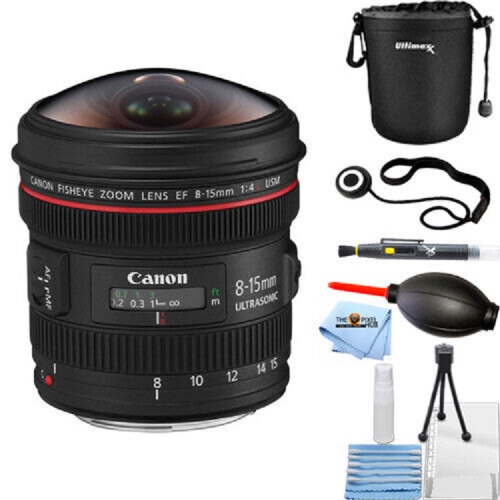
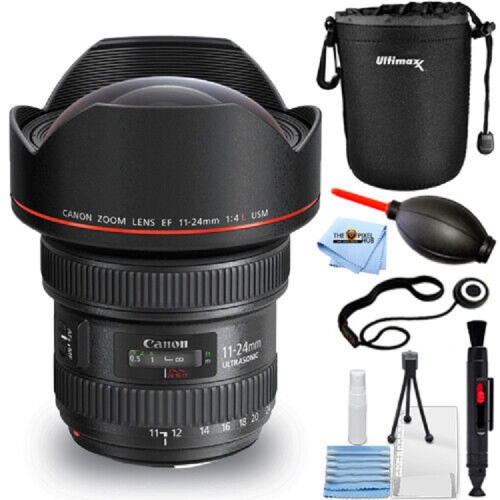
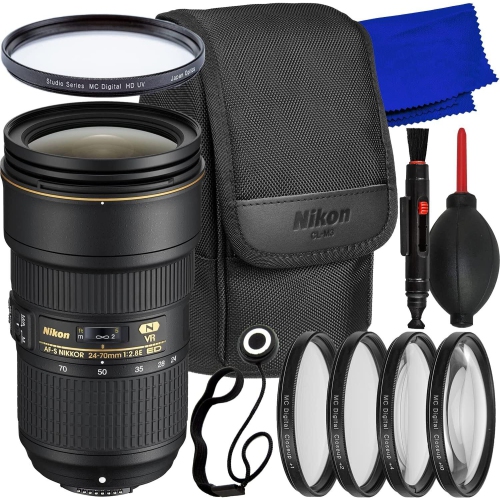
The character of an EF lens comes from more than its focal length. Prime lenses have a fixed focal length and often pair a relatively simple shooting experience with a wide maximum aperture, while zoom lenses cover a range of focal lengths without requiring a lens change. A standard zoom can move from a group photograph to a closer view of someone’s expression when there is little room to reposition. A wide-angle lens takes in more of a room or scene, making it useful for interiors, architecture, and expansive views, though faces placed near the frame edges can appear stretched. Telephoto lenses provide tighter framing from farther away, which suits sports, wildlife, stage performances, and portraits taken with more working distance. Macro lenses are built for close focusing; checking the maximum magnification helps distinguish genuine life-size reproduction, expressed as 1:1, from more modest close-up capability. For someone photographing jewellery or the texture of a flower petal, working distance can be just as important as magnification because it affects space for lighting and positioning. Maximum aperture, shown by an f-number, influences both light gathering and depth of field. A lower f-number can support faster shutter speeds in dim interiors and create a softly blurred background, but a very shallow depth of field also makes precise focus more important. A portrait with sharp eyelashes and a gently fading backdrop calls for different settings than a group photograph where several rows of faces need to remain clear. Some zooms maintain the same maximum aperture throughout their range, while others have a maximum aperture that becomes smaller as the lens is zoomed in. Image stabilization, where included, helps reduce blur from camera shake during handheld shooting, but it does not freeze a moving subject. Autofocus speed, focusing noise, and manual-focus handling also shape the experience, especially for people alternating between still photographs and video with sound recorded close to the camera.
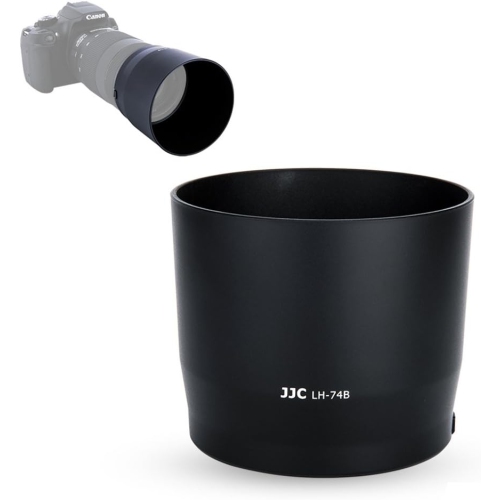
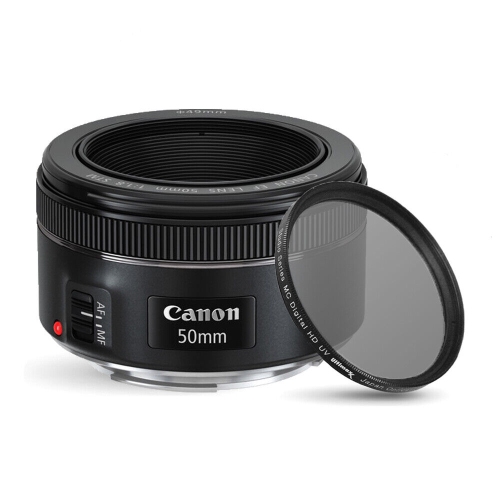
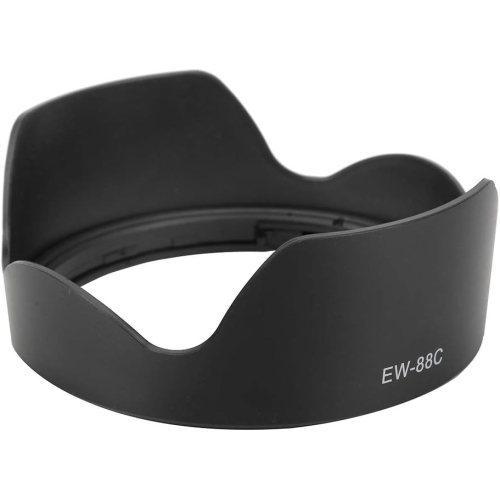
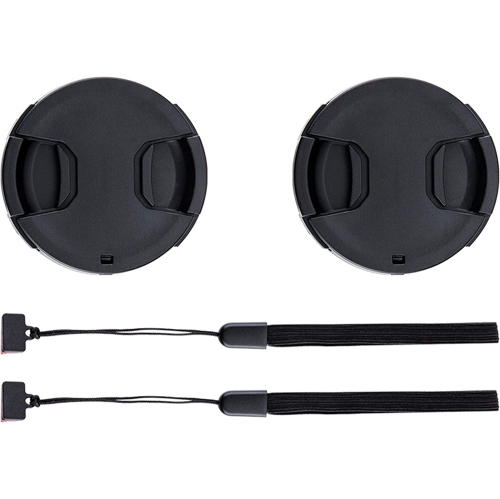
Construction and handling influence how comfortably an EF lens fits into an everyday camera kit. Optical glass, lens coatings, barrel materials, and mount construction all contribute to performance and durability, but weight alone is not a reliable measure of quality. Coatings can help control flare and unwanted reflections, while optical design affects sharpness, distortion, and colour fringing. Some barrel assemblies use metal, others use engineered plastics, and many combine materials to balance strength with manageable weight. A compact lens can make a camera easier to carry through a gallery or on a long walk, while a larger telephoto may benefit from a tripod collar that supports the lens rather than placing all the load on the camera mount. Comfortable balance becomes especially noticeable when photographing a full performance or following action for an extended session. Focus-ring placement, zoom-ring resistance, switch positions, and whether the barrel extends during focusing or zooming are practical details worth considering. Filter diameter is another separate measurement: it determines which screw-in filters fit the front of the lens, not which camera body the lens fits. A correctly matched hood helps shield the front element from stray light and incidental contact without intruding into the image. Routine care is straightforward but important. Front and rear caps protect exposed surfaces in a bag, padded compartments keep equipment from knocking together, and a hand-operated blower can remove loose dust before a clean lens cloth touches the glass. Cleaning fluid intended for photographic optics should be applied sparingly to the cloth rather than poured onto the lens. Keeping the rear contacts clean and avoiding contact with fingers helps preserve a reliable electrical connection. For students, hobbyists, family photographers, and experienced image-makers, the most useful lens is often the one that solves a familiar limitation: not enough room to step back, too much distance from the subject, or difficulty isolating a face from a busy background. An EF lens can also be a thoughtful gift for a photographer when the camera mount, existing focal lengths, and preferred subjects are known, so it adds a useful capability rather than duplicating equipment already in the bag.
The character of an EF lens comes from more than its focal length. Prime lenses have a fixed focal length and often pair a relatively simple shooting experience with a wide maximum aperture, while zoom lenses cover a range of focal lengths without requiring a lens change. A standard zoom can move from a group photograph to a closer view of someone’s expression when there is little room to reposition. A wide-angle lens takes in more of a room or scene, making it useful for interiors, architecture, and expansive views, though faces placed near the frame edges can appear stretched. Telephoto lenses provide tighter framing from farther away, which suits sports, wildlife, stage performances, and portraits taken with more working distance. Macro lenses are built for close focusing; checking the maximum magnification helps distinguish genuine life-size reproduction, expressed as 1:1, from more modest close-up capability. For someone photographing jewellery or the texture of a flower petal, working distance can be just as important as magnification because it affects space for lighting and positioning. Maximum aperture, shown by an f-number, influences both light gathering and depth of field. A lower f-number can support faster shutter speeds in dim interiors and create a softly blurred background, but a very shallow depth of field also makes precise focus more important. A portrait with sharp eyelashes and a gently fading backdrop calls for different settings than a group photograph where several rows of faces need to remain clear. Some zooms maintain the same maximum aperture throughout their range, while others have a maximum aperture that becomes smaller as the lens is zoomed in. Image stabilization, where included, helps reduce blur from camera shake during handheld shooting, but it does not freeze a moving subject. Autofocus speed, focusing noise, and manual-focus handling also shape the experience, especially for people alternating between still photographs and video with sound recorded close to the camera.
Construction and handling influence how comfortably an EF lens fits into an everyday camera kit. Optical glass, lens coatings, barrel materials, and mount construction all contribute to performance and durability, but weight alone is not a reliable measure of quality. Coatings can help control flare and unwanted reflections, while optical design affects sharpness, distortion, and colour fringing. Some barrel assemblies use metal, others use engineered plastics, and many combine materials to balance strength with manageable weight. A compact lens can make a camera easier to carry through a gallery or on a long walk, while a larger telephoto may benefit from a tripod collar that supports the lens rather than placing all the load on the camera mount. Comfortable balance becomes especially noticeable when photographing a full performance or following action for an extended session. Focus-ring placement, zoom-ring resistance, switch positions, and whether the barrel extends during focusing or zooming are practical details worth considering. Filter diameter is another separate measurement: it determines which screw-in filters fit the front of the lens, not which camera body the lens fits. A correctly matched hood helps shield the front element from stray light and incidental contact without intruding into the image. Routine care is straightforward but important. Front and rear caps protect exposed surfaces in a bag, padded compartments keep equipment from knocking together, and a hand-operated blower can remove loose dust before a clean lens cloth touches the glass. Cleaning fluid intended for photographic optics should be applied sparingly to the cloth rather than poured onto the lens. Keeping the rear contacts clean and avoiding contact with fingers helps preserve a reliable electrical connection. For students, hobbyists, family photographers, and experienced image-makers, the most useful lens is often the one that solves a familiar limitation: not enough room to step back, too much distance from the subject, or difficulty isolating a face from a busy background. An EF lens can also be a thoughtful gift for a photographer when the camera mount, existing focal lengths, and preferred subjects are known, so it adds a useful capability rather than duplicating equipment already in the bag.
Top selling and popular products
-
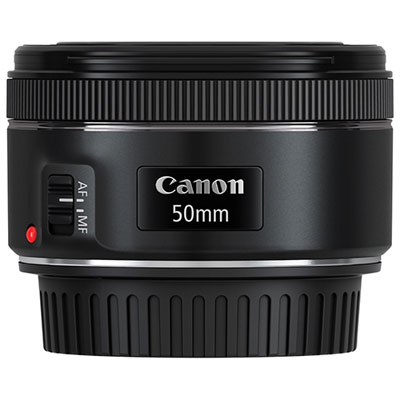 Your price for this item is $169.99
 -
 Your price for this item is $329.99
 -
 Your price for this item is $349.99
 -
 Your price for this item is $399.99
 -
 Your price for this item is $399.99
 -
 Your price for this item is $199.99
 -
 Your price for this item is $174.99
 -
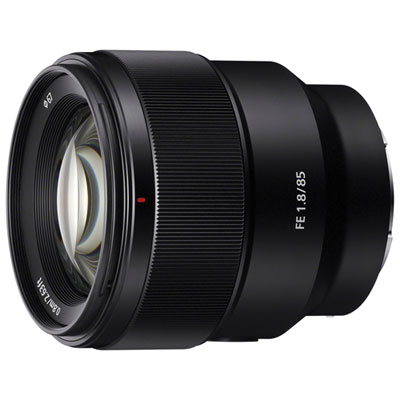 Your price for this item is $749.99
Discover more categories related to Ef Lenses
Top Collections:
Pokemon Centers, Kindle Devices, Best Budget Office Chairs, Apple iPhones 16, Best Laptops for Writers, iPhone 15 Apple, Canon G7X Cameras, Refurbished Apple Laptops, Alarm Clock, Motorola Razr Phones
Some products may be subject to Environmental Handling Fees
(EHF) depending on your province.
Learn more about EHFs.