Ef Mount Lenses
Looking to capture stunning images with your DSLR camera? Look no further than our collection of EF mount lenses. These versatile lenses are designed to fit a variety of Canon cameras, allowing you to unleash your creativity and take your photography skills to the next level. Whether you're a professional photographer or an enthusiastic hobbyist, our EF mount lenses offer exceptional image quality, precise autofocus, and a wide range of focal lengths to suit any shooting situation. Explore our selection today and find the perfect lens to enhance your photographic journey.
Sort
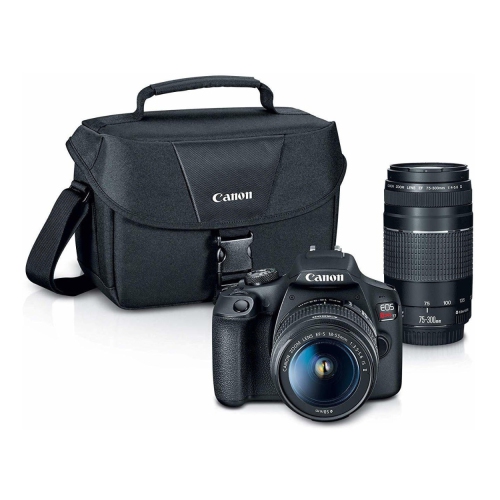
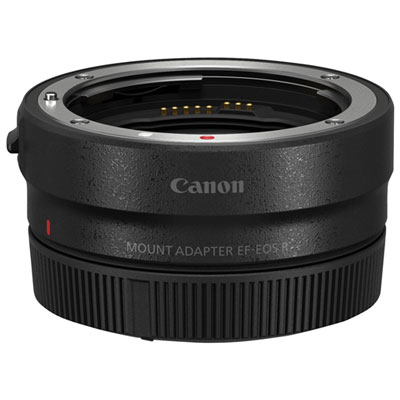
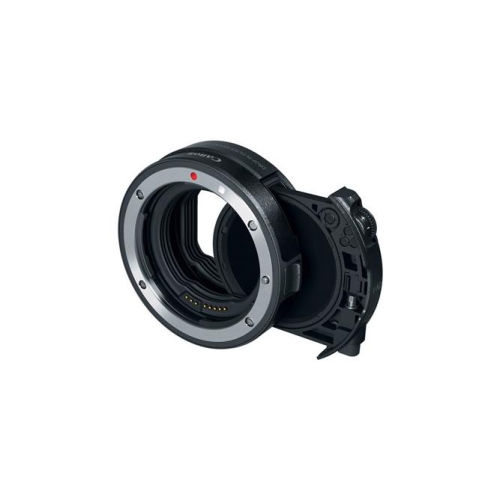
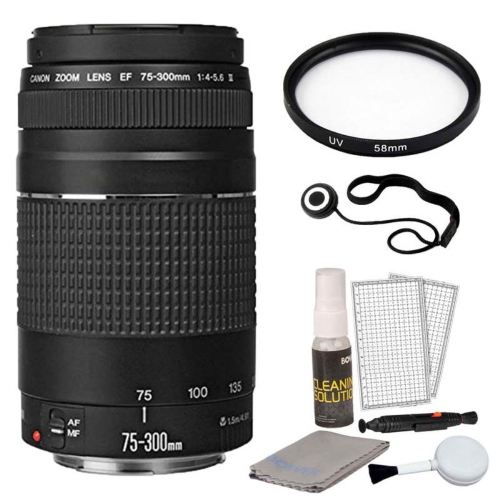
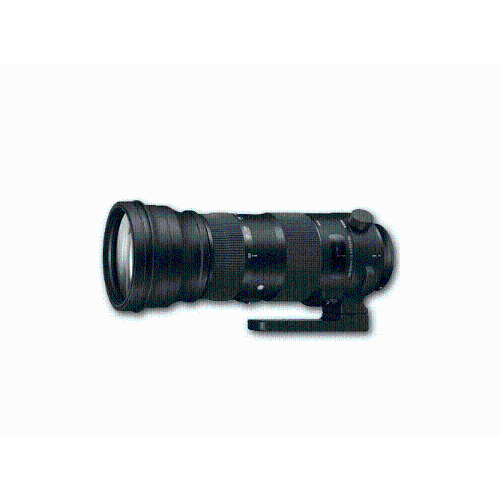

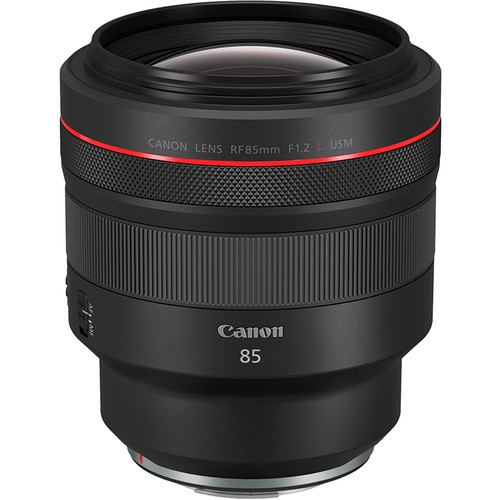
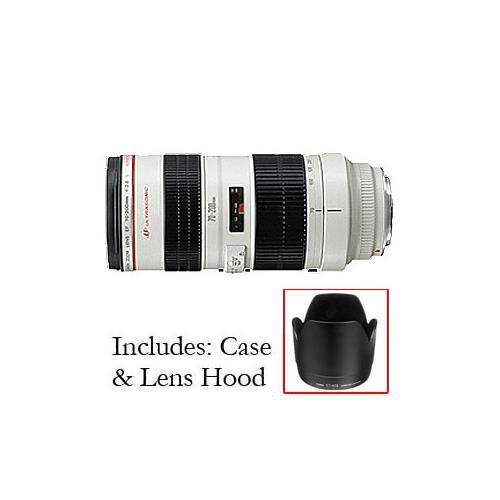
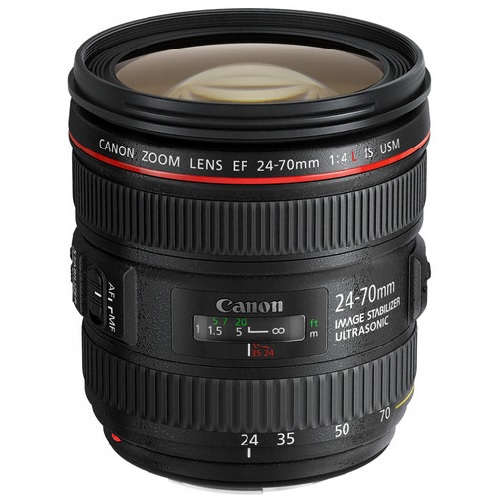
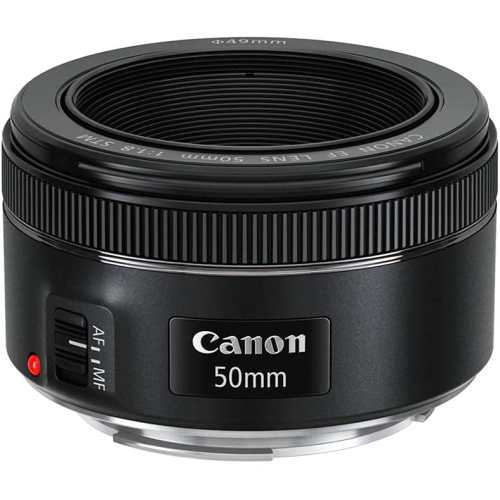
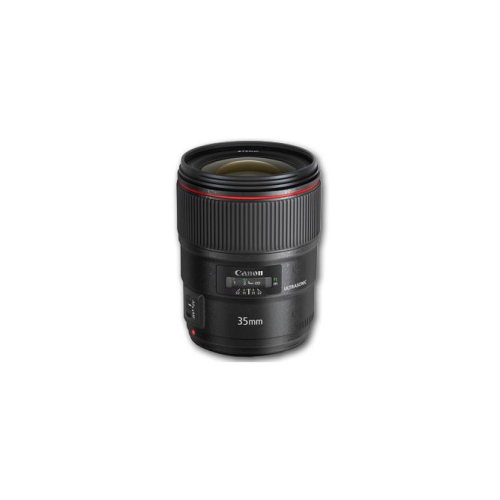
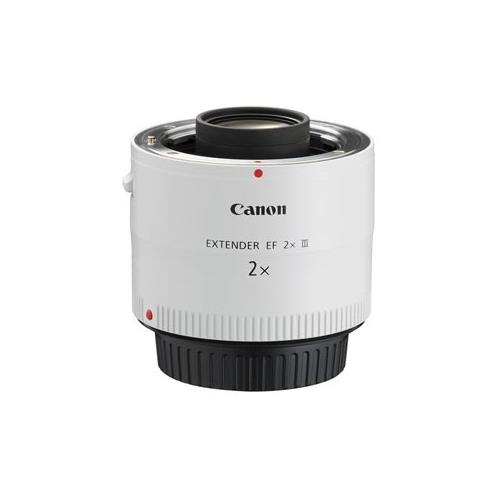

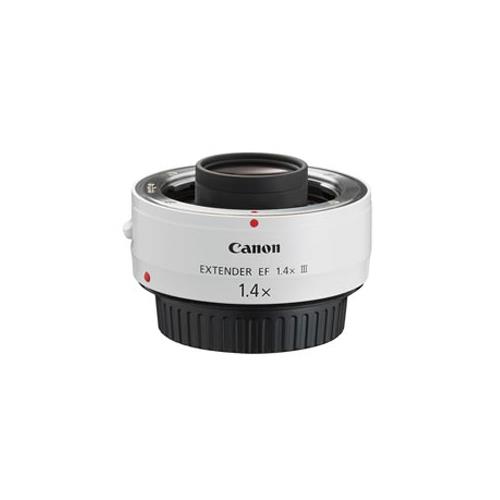
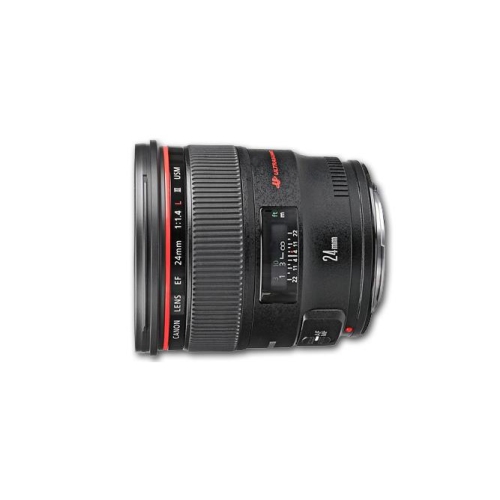
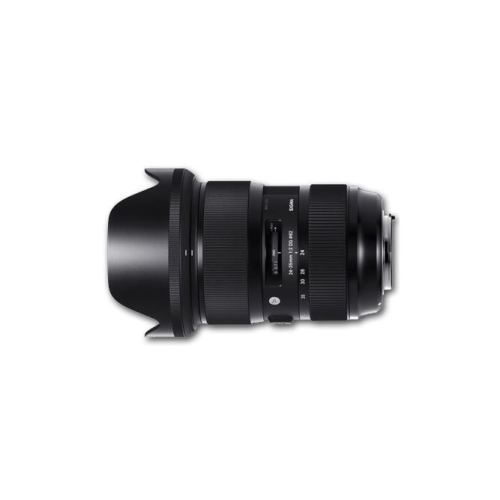
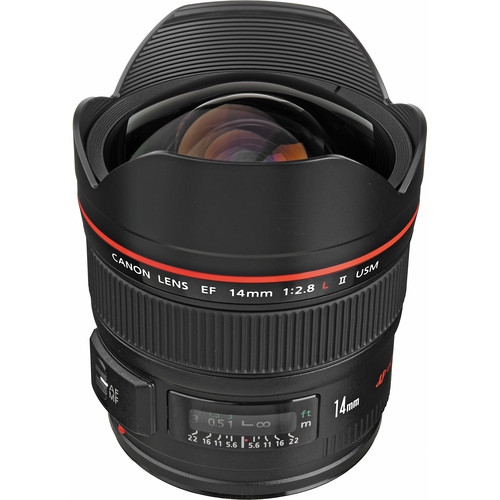
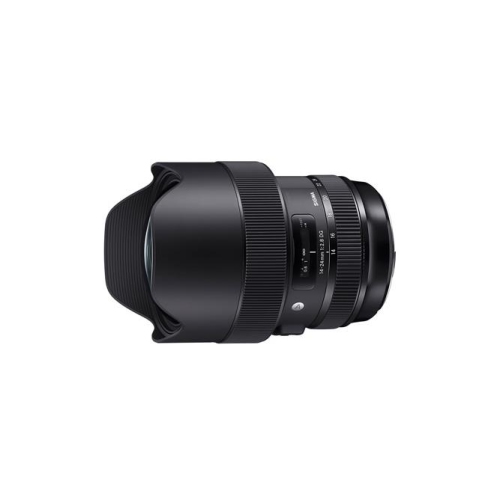
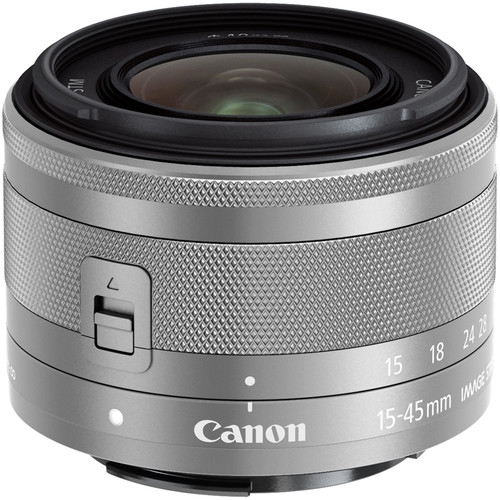
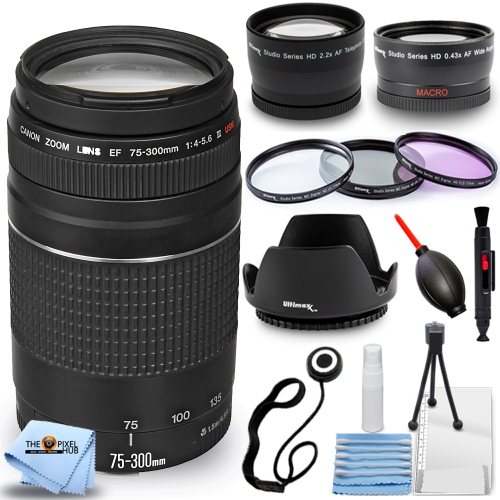


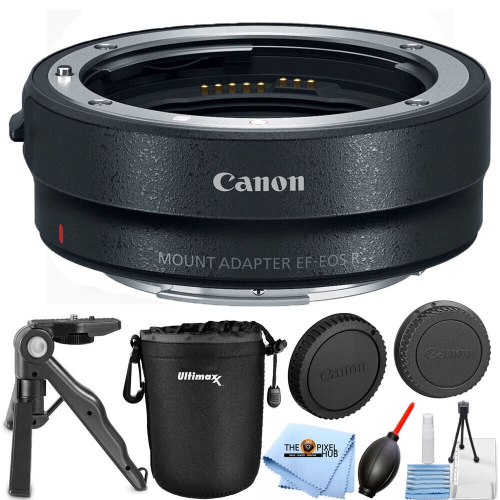
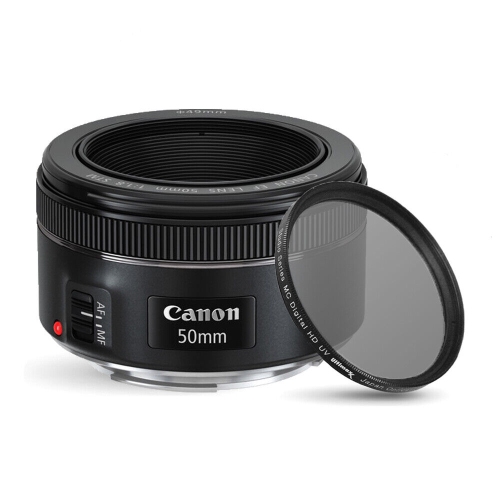
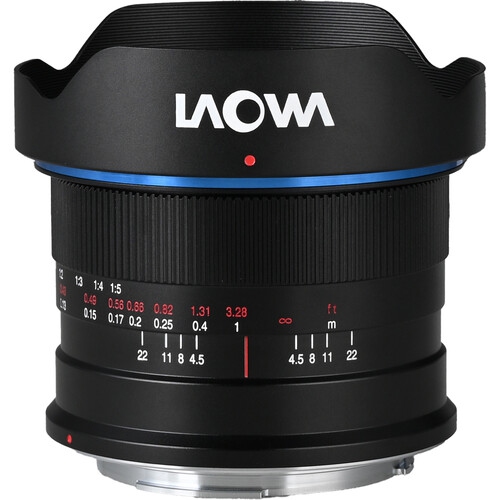
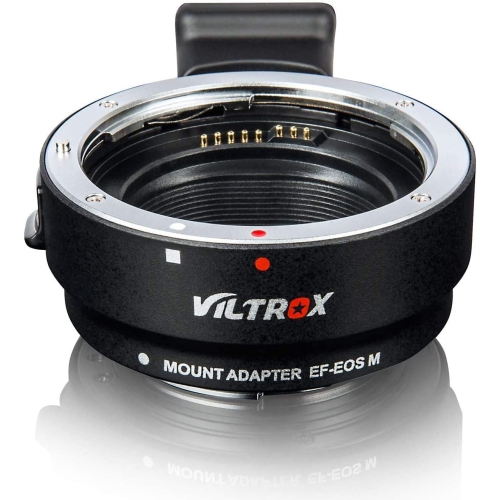
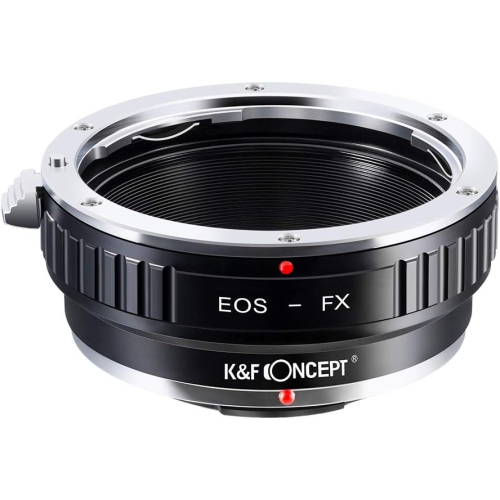
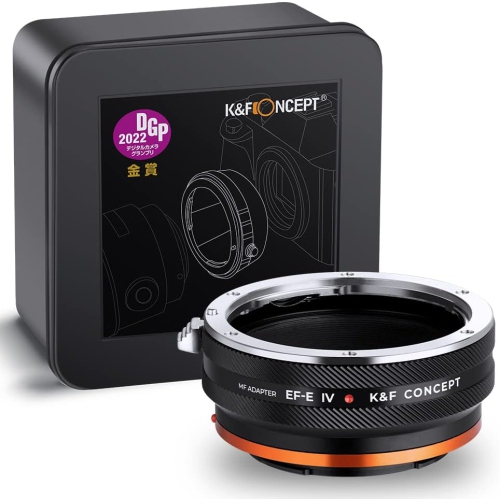
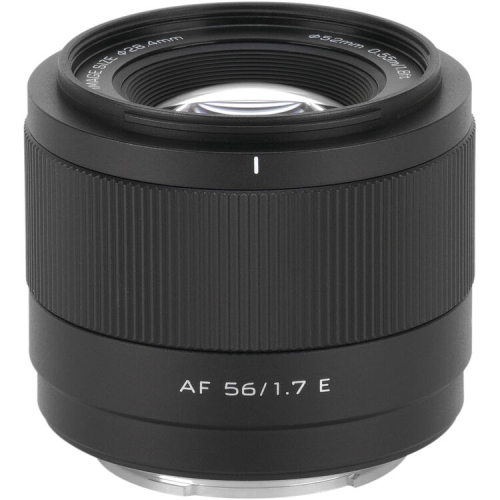
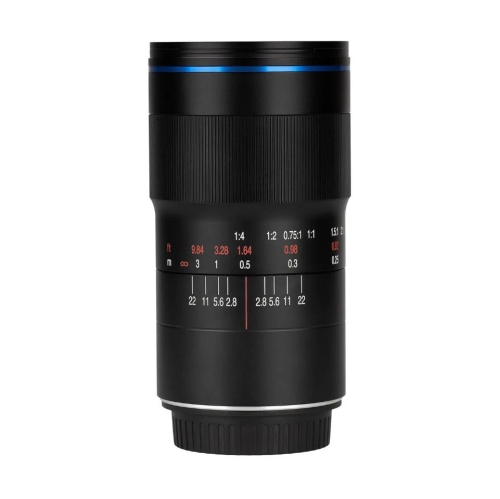
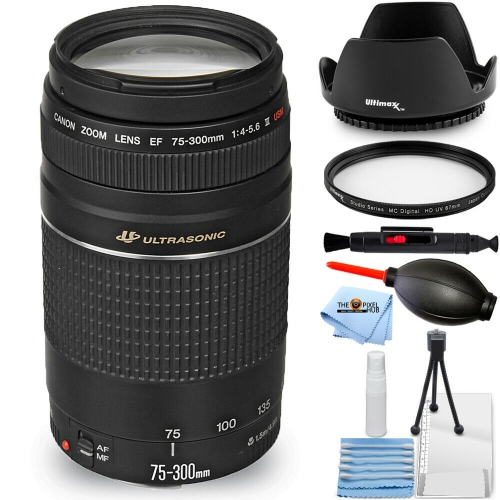
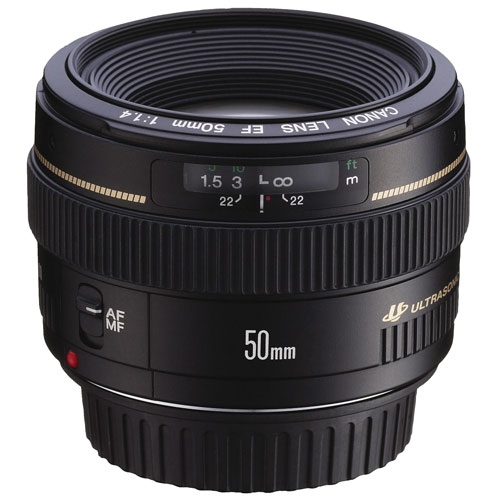
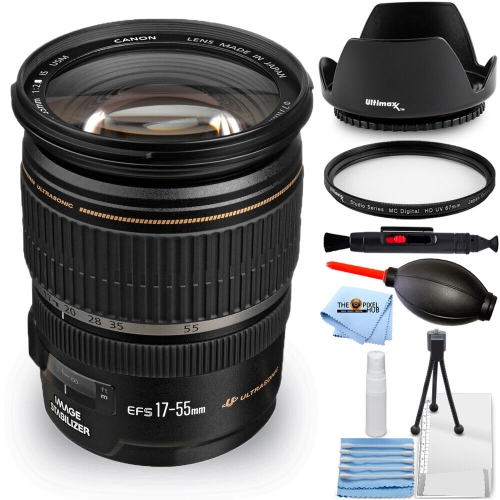
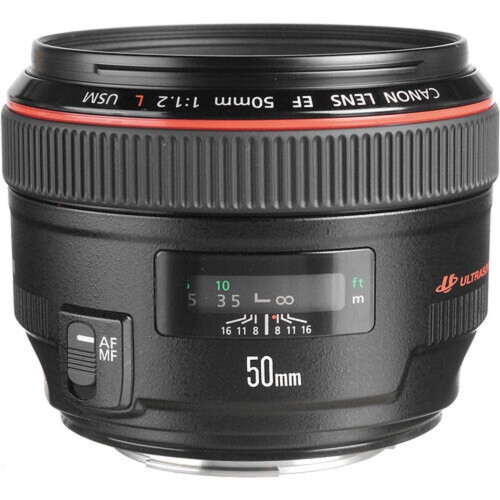
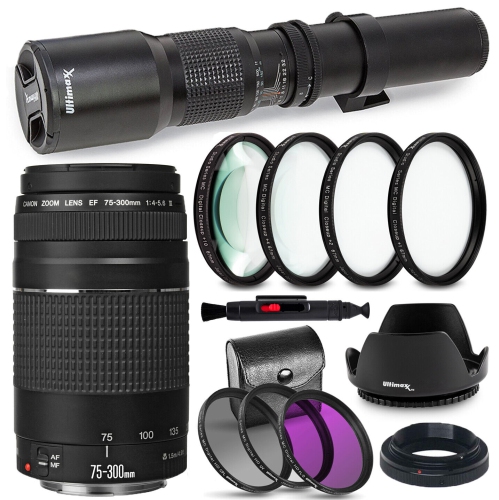
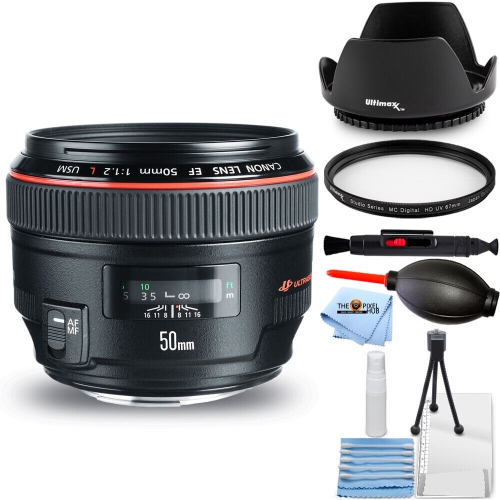
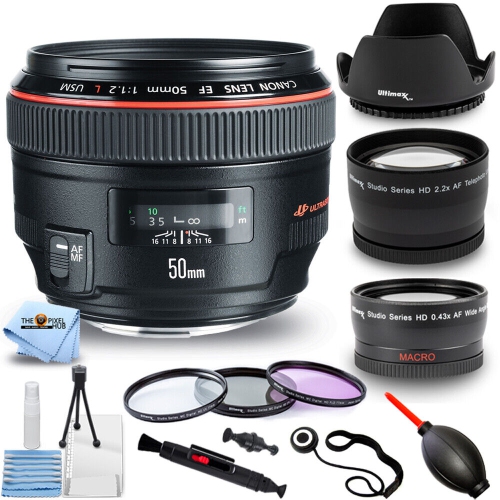
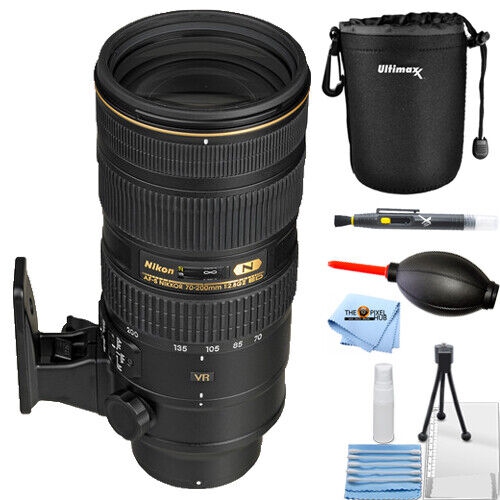
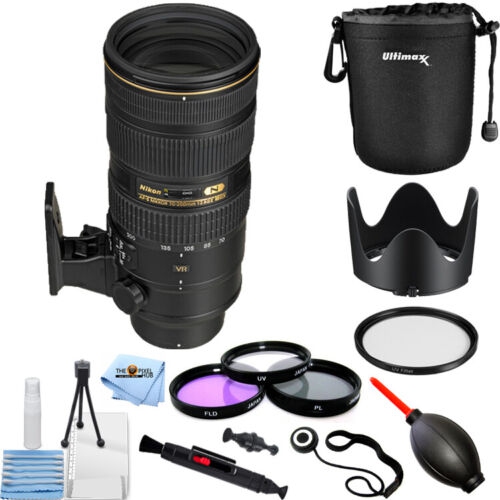
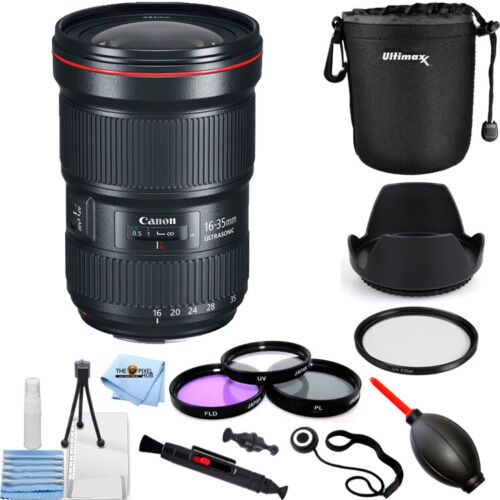
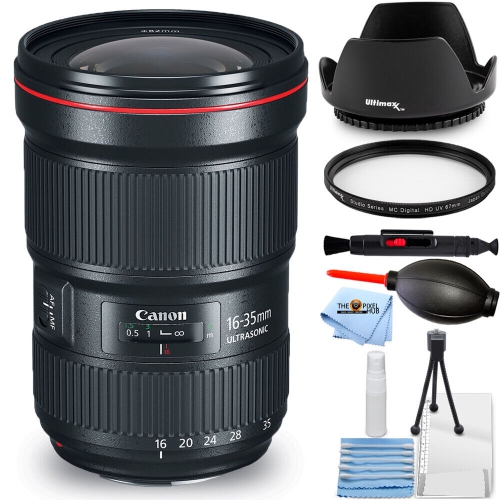
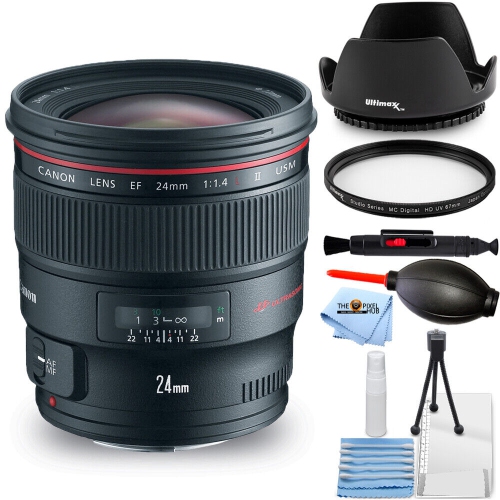
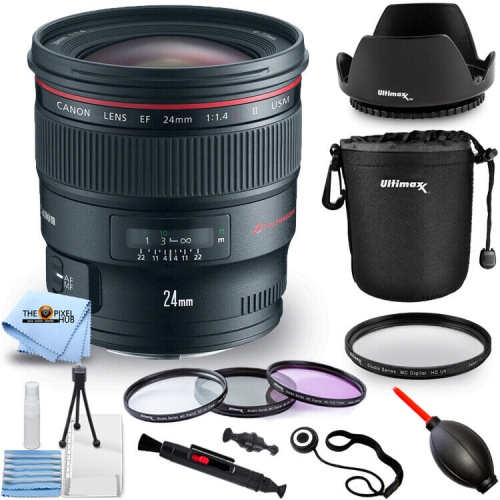
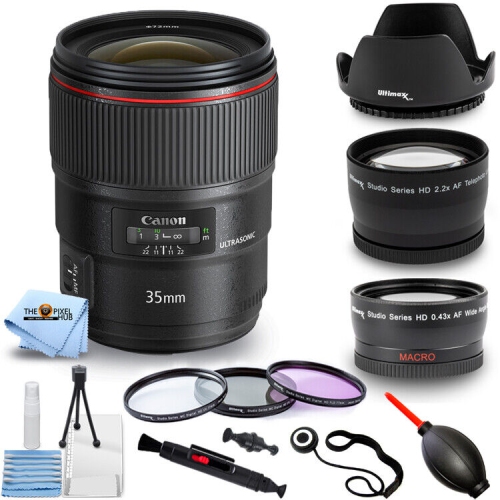
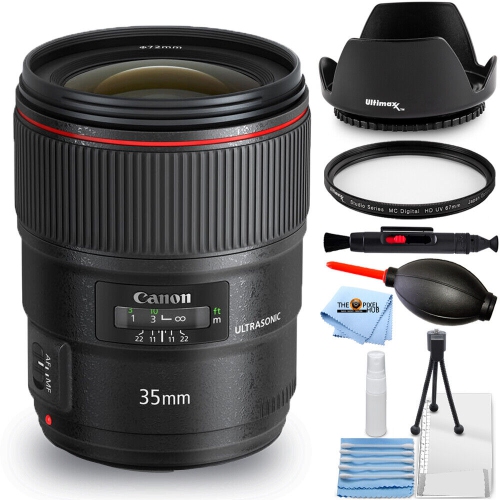
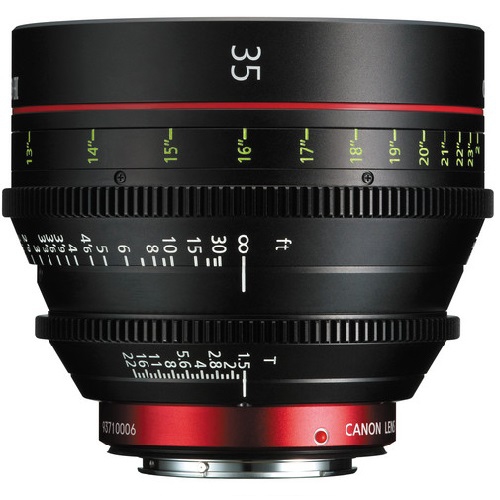
Focal length and aperture shape every photograph
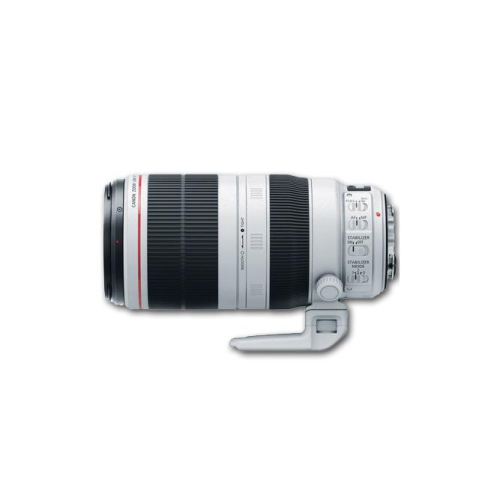
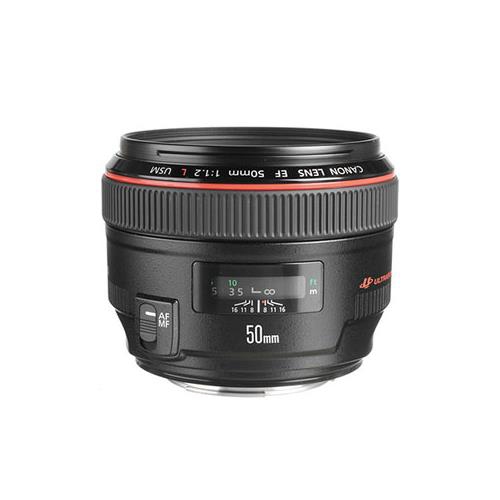
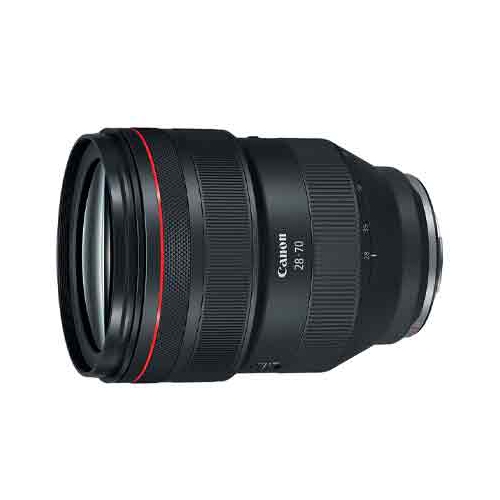
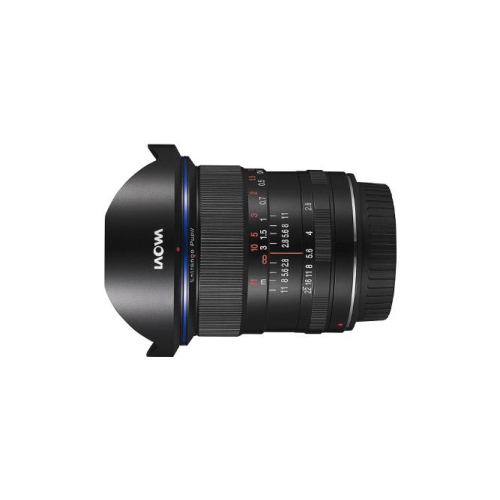
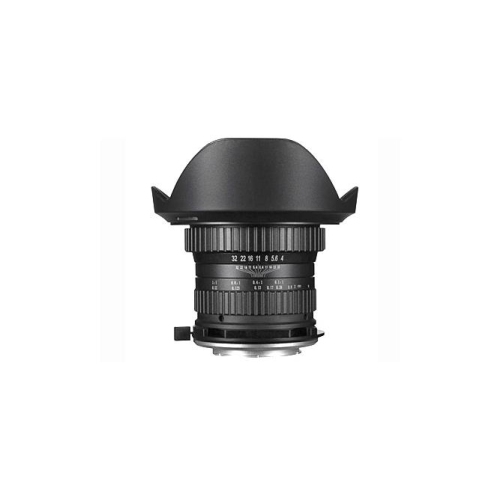
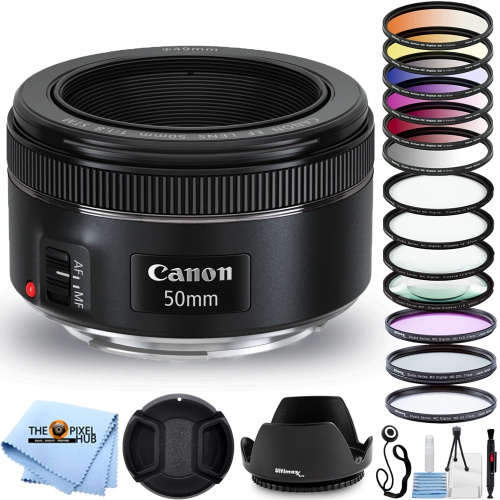
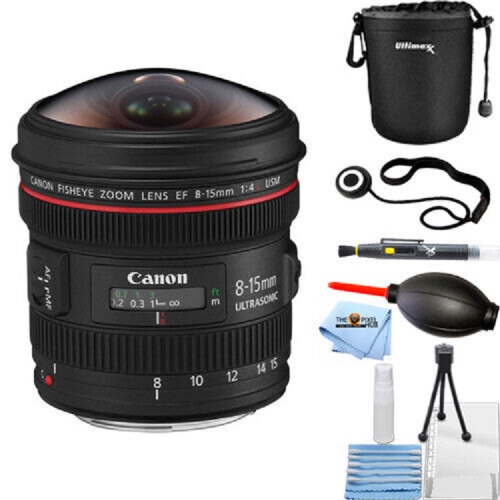
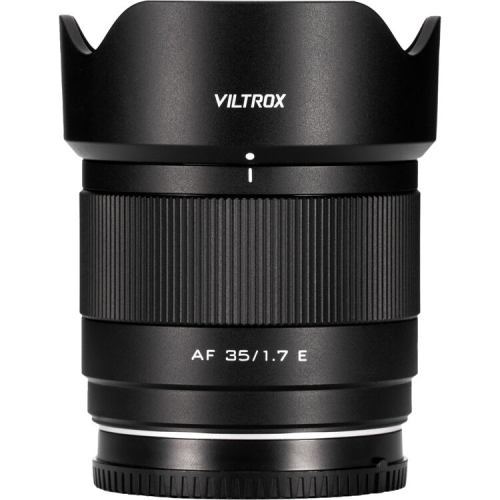
EF mount lenses are interchangeable camera lenses designed for compatible digital and film single-lens reflex cameras, with a broad selection of focal lengths, apertures, and optical designs for everyday photography. Unlike older manual lens systems that rely on mechanical connections, EF lenses use electronic contacts to communicate with the camera body. This communication allows the camera and lens to coordinate autofocus, aperture control, exposure information, and, on compatible models, image stabilization. Each lens typically includes its own autofocus motor, allowing focusing movements to be controlled electronically and quietly. This makes EF mount lenses practical for a wide range of subjects, from family gatherings and travel scenes to portraits, close-up details, landscapes, sporting events, and wildlife. A standard prime lens with a natural field of view can be a simple choice for street photography, indoor gatherings, and portraits, particularly when its wide aperture helps create a softly blurred background or gather more light during the cooler, darker months. Zoom lenses offer greater flexibility when moving closer to a subject is difficult, such as when photographing a child’s recital, a distant bird, a fast-moving game, or scenery from a lookout. Wide-angle options can capture architecture, rooms, sweeping landscapes, and group photographs, while telephoto lenses help bring faraway subjects into a closer view without requiring the photographer to approach. When browsing EF mount lenses, begin by checking the camera body and the type of sensor it uses. Full-frame cameras use the entire image area projected by a compatible lens, while crop-sensor cameras capture a smaller central portion of that image, creating a narrower apparent field of view. This can be useful for distant subjects, but it also means a familiar focal length may look different from one camera body to another. The lens mount, sensor format, and intended camera system should always be confirmed before purchase, since similar-looking mounts are not automatically interchangeable. Photographers using a crop-sensor camera may also want to check whether a lens is designed specifically for that format, especially if they may upgrade to a full-frame body later.
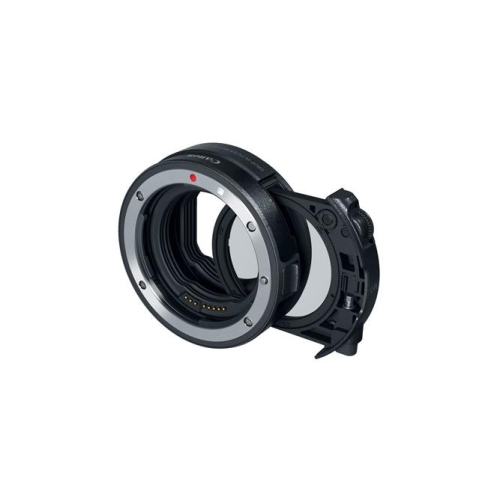
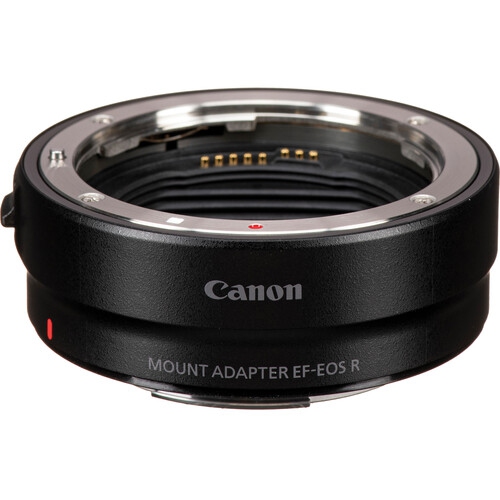
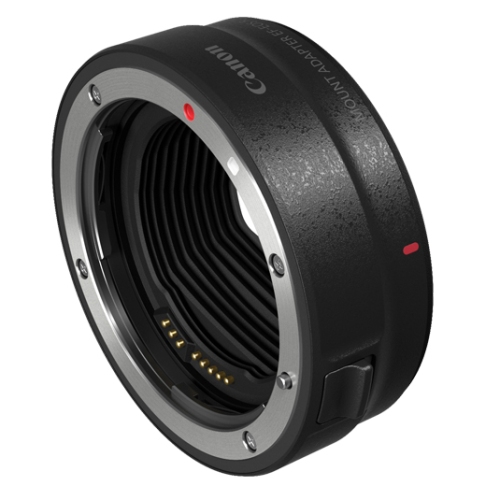
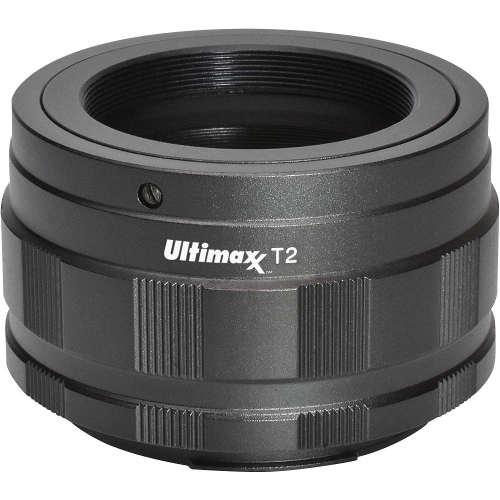
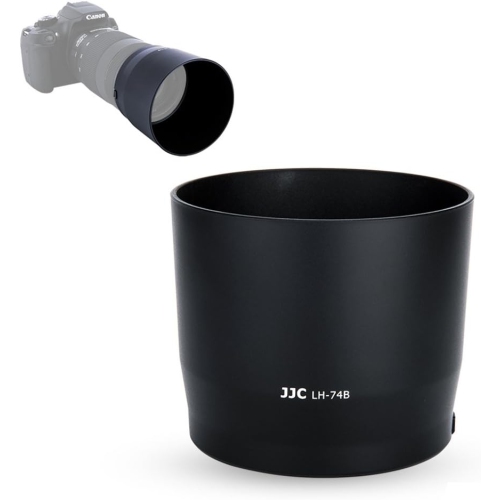
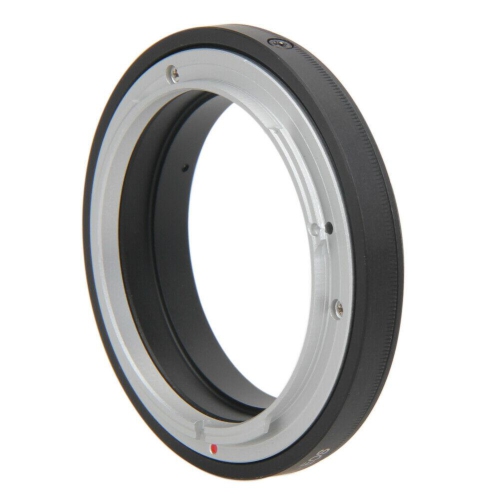
Choosing among EF mount lenses is largely a matter of matching the lens to the way a camera is used. Focal length determines how much of a scene fits in the frame and how large a subject appears from a given distance, while maximum aperture affects low-light performance, shutter-speed options, and background separation. A lower f-number generally allows more light to reach the sensor, which can help when photographing indoors, at dusk, or during winter activities, although lens size and cost can increase as apertures become wider. Image stabilization can be helpful for handheld photographs of still subjects, especially with longer lenses or in dim conditions, but it does not stop a moving person or animal from appearing blurred; faster shutter speeds and responsive autofocus remain important for action. Autofocus performance, minimum focusing distance, weight, weather sealing, filter size, and zoom range are also worth considering. A lighter lens may be easier to carry on day trips or while travelling, whereas a larger telephoto lens may be worthwhile for sports and wildlife photography when reach is the priority. People building a first interchangeable-lens kit often start with a versatile zoom, then add a prime lens for portraits, indoor photography, or creative depth of field. More experienced photographers may choose a specialised macro, wide-angle, or telephoto lens to complement the lenses they already own. EF mount lenses can also be used with compatible mirrorless camera bodies when paired with the correct manufacturer-supported adapter, preserving electronic communication and, depending on the body, features such as autofocus and image stabilization. Adapter compatibility should be checked carefully, as performance can vary between camera bodies, lens generations, and third-party accessories. These lenses can make thoughtful gifts for a photography student, a traveller documenting scenic routes, a parent capturing milestones, or an enthusiast preparing for a new creative project. A portrait photographer may appreciate a bright prime lens, while someone who spends weekends outdoors may prefer a zoom with useful reach and stabilization. Before selecting a gift, confirm the recipient’s camera model, sensor format, existing lens collection, and preferred subjects. Accessories such as lens hoods, protective filters, carrying cases, and the correct adapter may also support regular use, but the lens itself should remain the starting point. For shoppers comparing related mount options, the selection of Canon EF M Lenses represents a different compact mirrorless format and should not be confused with full-size EF mount lenses. Reviewing the mount designation, compatibility details, focusing features, and intended shooting distance helps ensure the selected lens fits both the camera and the photographer’s style.
Choosing among EF mount lenses is largely a matter of matching the lens to the way a camera is used. Focal length determines how much of a scene fits in the frame and how large a subject appears from a given distance, while maximum aperture affects low-light performance, shutter-speed options, and background separation. A lower f-number generally allows more light to reach the sensor, which can help when photographing indoors, at dusk, or during winter activities, although lens size and cost can increase as apertures become wider. Image stabilization can be helpful for handheld photographs of still subjects, especially with longer lenses or in dim conditions, but it does not stop a moving person or animal from appearing blurred; faster shutter speeds and responsive autofocus remain important for action. Autofocus performance, minimum focusing distance, weight, weather sealing, filter size, and zoom range are also worth considering. A lighter lens may be easier to carry on day trips or while travelling, whereas a larger telephoto lens may be worthwhile for sports and wildlife photography when reach is the priority. People building a first interchangeable-lens kit often start with a versatile zoom, then add a prime lens for portraits, indoor photography, or creative depth of field. More experienced photographers may choose a specialised macro, wide-angle, or telephoto lens to complement the lenses they already own. EF mount lenses can also be used with compatible mirrorless camera bodies when paired with the correct manufacturer-supported adapter, preserving electronic communication and, depending on the body, features such as autofocus and image stabilization. Adapter compatibility should be checked carefully, as performance can vary between camera bodies, lens generations, and third-party accessories. These lenses can make thoughtful gifts for a photography student, a traveller documenting scenic routes, a parent capturing milestones, or an enthusiast preparing for a new creative project. A portrait photographer may appreciate a bright prime lens, while someone who spends weekends outdoors may prefer a zoom with useful reach and stabilization. Before selecting a gift, confirm the recipient’s camera model, sensor format, existing lens collection, and preferred subjects. Accessories such as lens hoods, protective filters, carrying cases, and the correct adapter may also support regular use, but the lens itself should remain the starting point. For shoppers comparing related mount options, the selection of Canon EF M Lenses represents a different compact mirrorless format and should not be confused with full-size EF mount lenses. Reviewing the mount designation, compatibility details, focusing features, and intended shooting distance helps ensure the selected lens fits both the camera and the photographer’s style.
Top selling and popular products
-
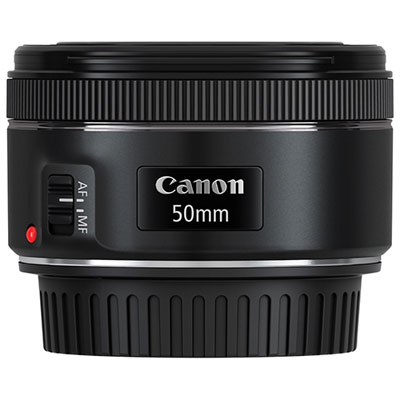 Your price for this item is $169.99
 -
 Your price for this item is $329.99
 -
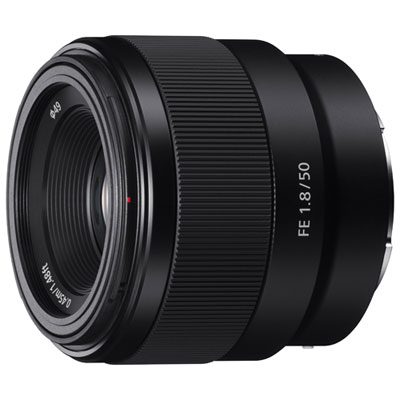 Your price for this item is $349.99
 -
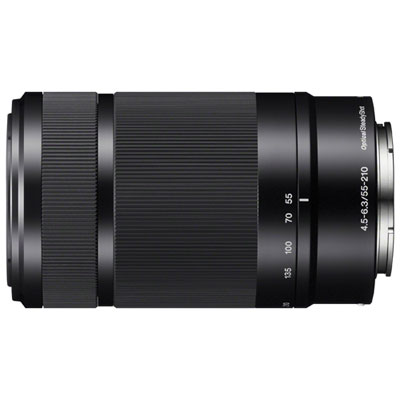 Your price for this item is $399.99
 -
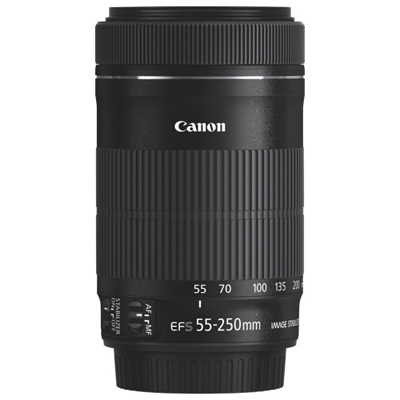 Your price for this item is $399.99
 -
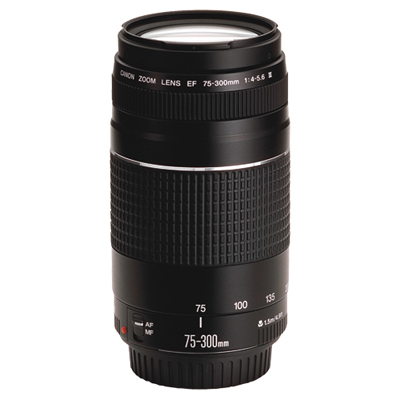 Your price for this item is $199.99
 -
 Your price for this item is $174.99
 -
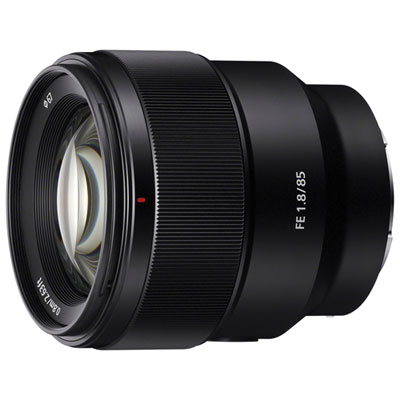 Your price for this item is $749.99
Discover more categories related to Ef Mount Lenses
Top Collections:
Pokemon Centers, Kindle Devices, Best Budget Office Chairs, Apple iPhones 16, Best Laptops for Writers, iPhone 15 Apple, Canon G7X Cameras, Refurbished Apple Laptops, Alarm Clock, Motorola Razr Phones
Some products may be subject to Environmental Handling Fees
(EHF) depending on your province.
Learn more about EHFs.