Entry-Level Mirrorless Cameras
Entry-Level Mirrorless Camera options are perfect for those looking to explore photography with ease and flexibility. Designed for beginners and hobbyists, these cameras offer a user-friendly experience while delivering impressive image quality. Whether you're capturing everyday moments or starting your creative journey, entry-level mirrorless cameras provide the ideal balance of performance and portability. Discover a variety of models that make it simple to take stunning photos and videos, helping you build confidence behind the lens.
Sort
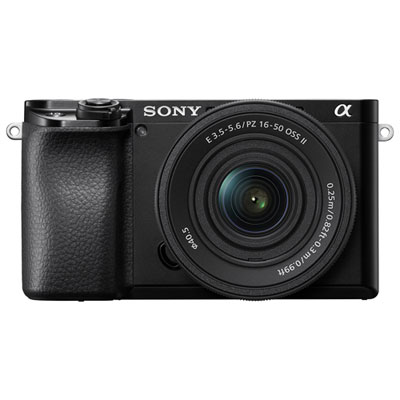
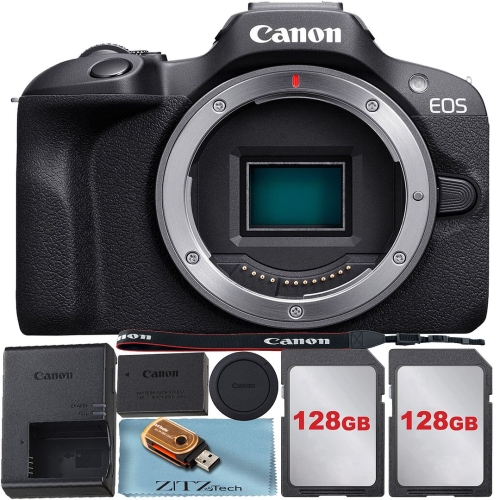
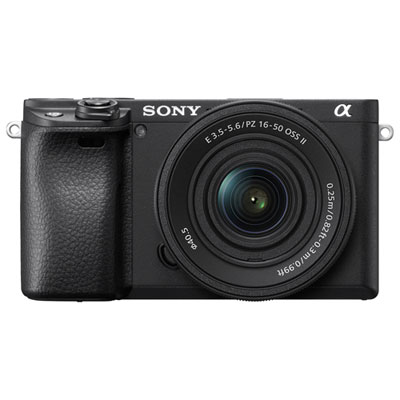
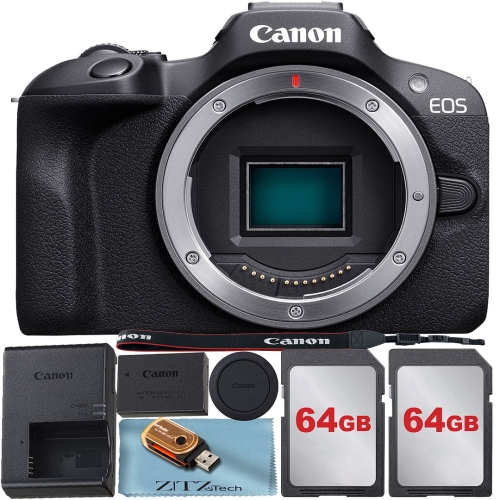
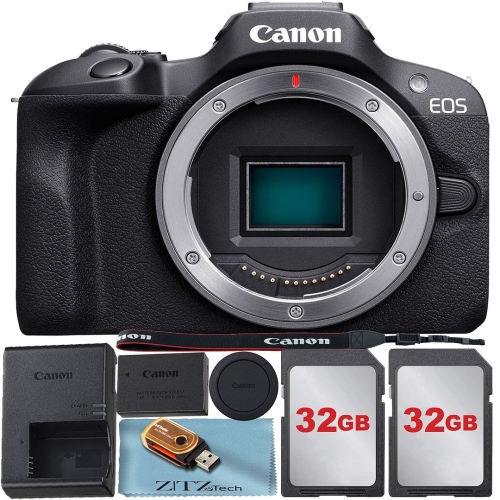
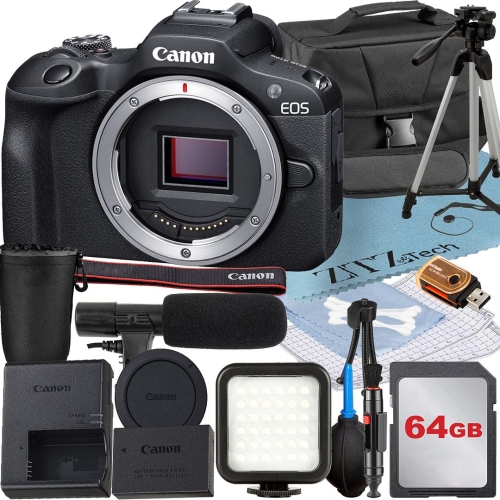
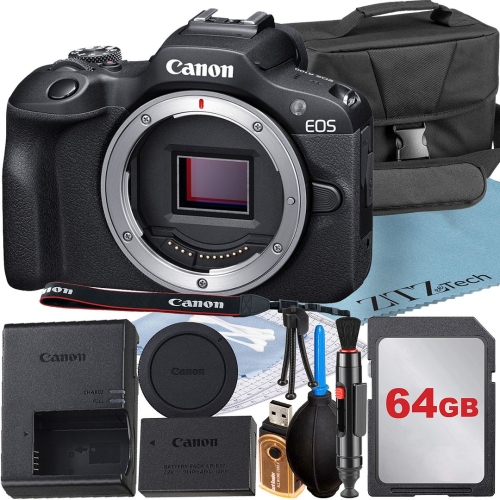
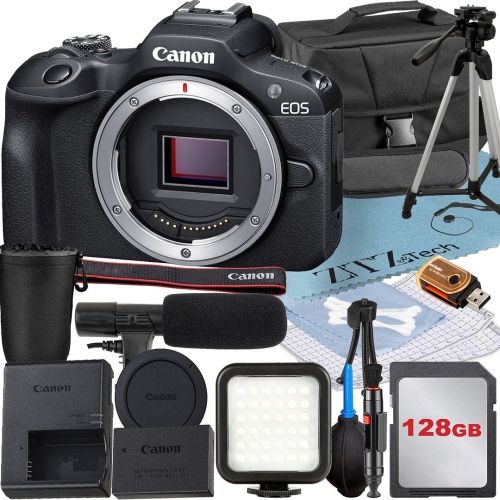
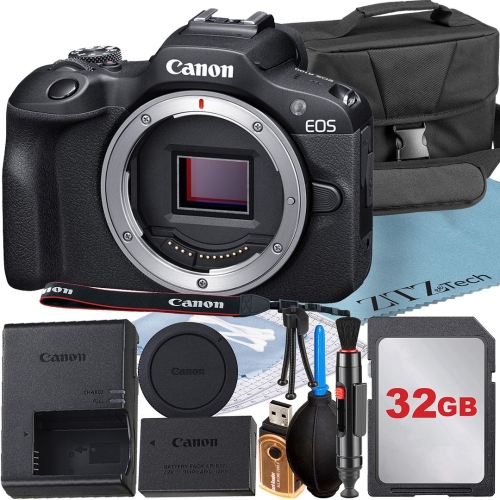
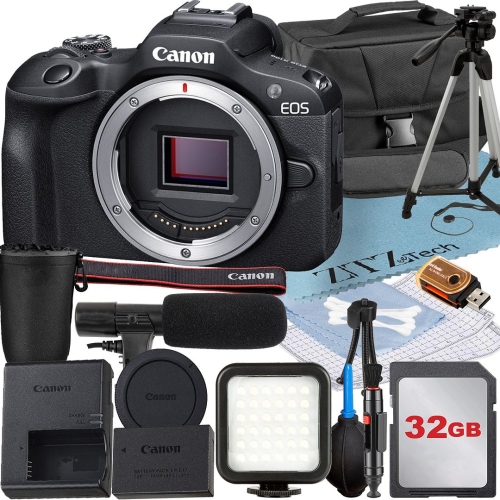
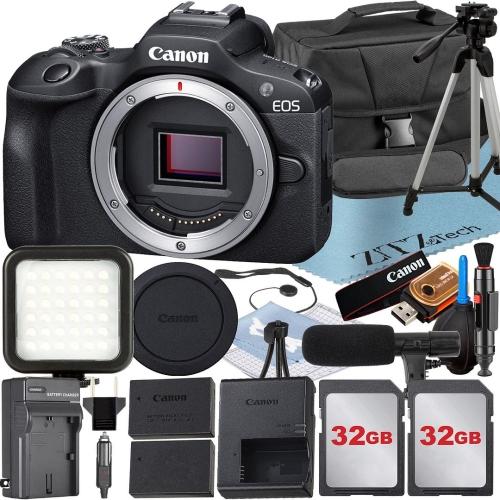
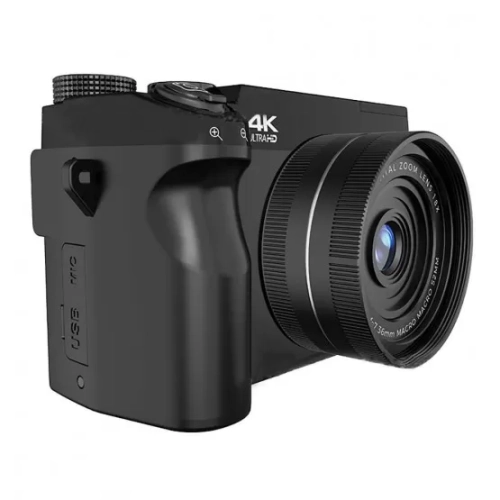
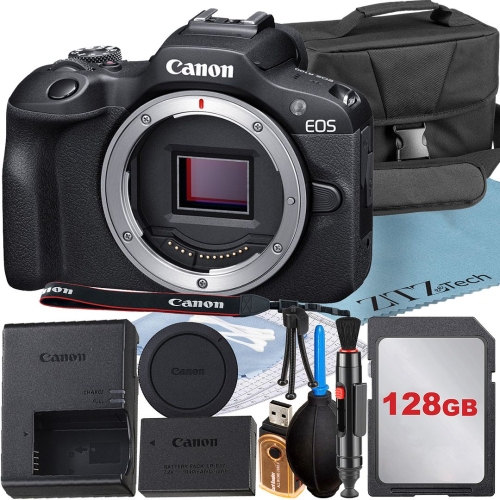
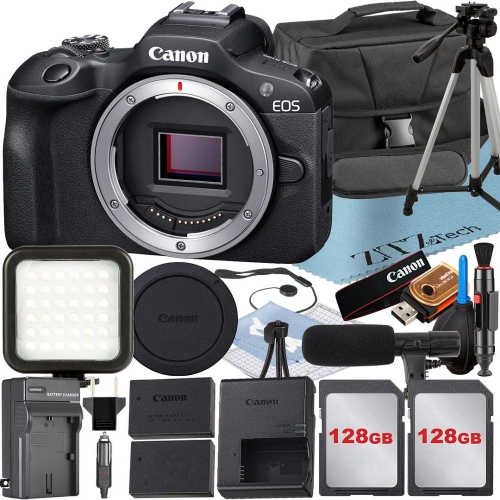
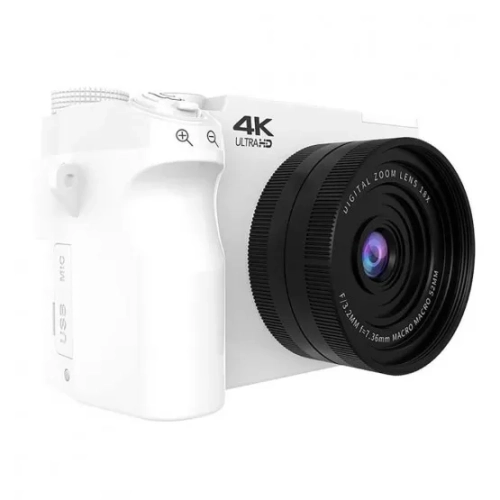
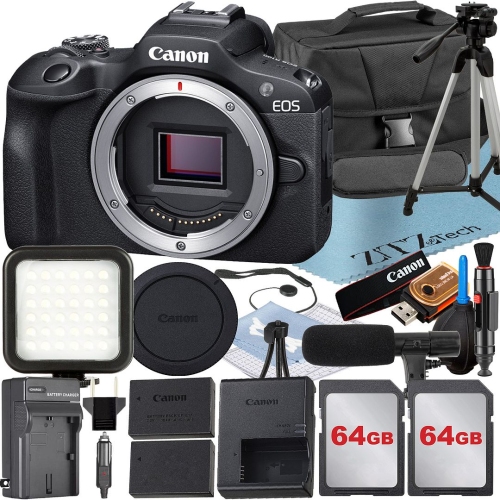
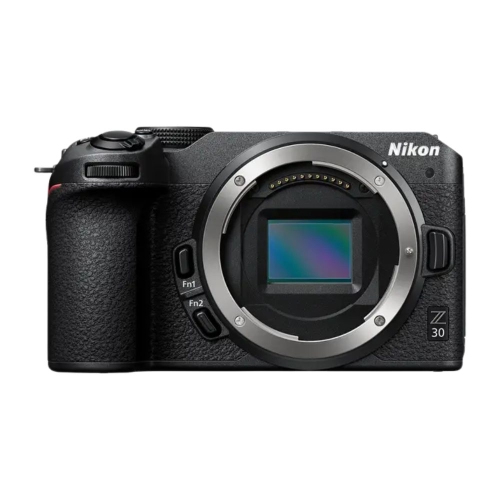

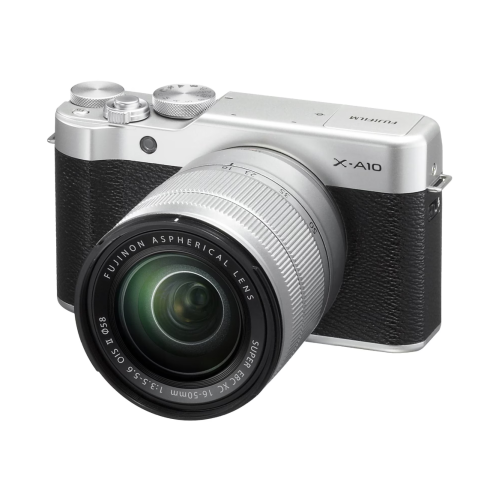
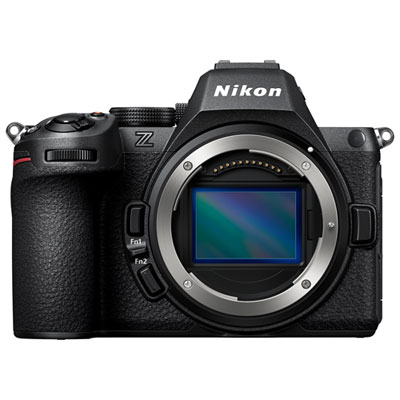
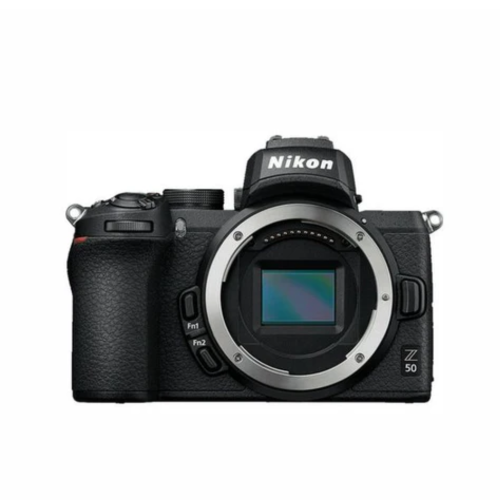
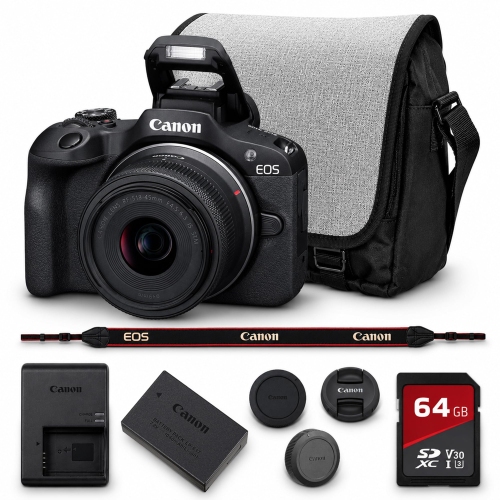
More creative control beyond your phone camera
Entry-level mirrorless cameras combine interchangeable lenses, approachable controls, and room to develop photography skills in a body that is often easier to carry than a comparable DSLR. Instead of using a mirror to direct light towards an optical viewfinder, a mirrorless camera sends the image from its sensor to a rear screen or, on equipped models, an electronic viewfinder. That digital preview can show how changes to brightness and colour settings will affect the photograph before the shutter is pressed. For someone moving beyond a phone camera, the appeal is both practical and creative: a more secure grip, dedicated controls, different lens options, and greater flexibility when photographing movement or working with limited light. Automatic modes can handle everyday snapshots, while aperture priority, shutter priority, and manual exposure provide more control as confidence grows. A wide aperture can soften the background behind a portrait, while a faster shutter speed can help capture a child racing across a playground. Results depend on the lens, lighting, focus, and camera settings, rather than the camera body alone. Many beginner-oriented models use APS-C or Micro Four Thirds sensors, though entry-level designs are not defined by one sensor size. Sensor performance, image processing, and lens quality all contribute to detail, colour, and the appearance of images taken in dim interiors. Megapixel count describes image resolution, but does not tell the whole story about image quality or ease of use. Reliable autofocus, comfortable handling, and clear menus can matter more in everyday photography than a small difference in resolution. Face and eye detection, where included, can help keep a person sharp during a portrait, although supported subjects and tracking performance vary between cameras. These features suit family photos, travel memories, school projects, and creative hobbies without requiring every exposure setting to be adjusted by hand. An entry-level camera can remain useful well beyond the first few outings, particularly when its controls make it easy to move between automatic assistance and more deliberate adjustments.
The lens has a substantial influence on what an entry-level mirrorless camera feels like to use and the kinds of photographs it can create. A compact standard zoom offers a convenient range for group pictures, street scenes, and portraits without frequent lens changes. A small prime lens has a fixed focal length, often pairing a compact shape with a wider maximum aperture that can help in dim rooms or produce a softer background. Longer lenses bring distant subjects closer in the frame, while wider lenses take in more of an interior or a broad view. The angle of view associated with a focal length also depends on sensor size, so the same number on two lenses does not always mean identical framing across different camera systems. Lens-mount compatibility matters, and autofocus or stabilization features may depend on the particular body-and-lens combination. For everyday carrying, the complete setup matters more than the camera body's size alone: a small body fitted with a large lens can still occupy considerable space in a bag. Lightweight composite housings are common in beginner-oriented designs, while metal components may be used in mounts, internal structures, or exterior panels. Materials alone do not establish durability; construction, moving parts, and careful handling also play a role. A shaped grip, accessible buttons, and a comfortable thumb rest can make a noticeable difference during a museum visit or an afternoon photographing family activities. Touchscreens can make selecting a focus point familiar to phone users, while physical dials provide direct access to exposure settings. A tilting or fully articulating screen can help with low-angle compositions, overhead shots, or framing from in front of the camera, depending on its movement. An electronic viewfinder provides another way to compose and can help steady the camera against the face. For someone comparing interchangeable-lens options with simpler camera designs, the broader selection of Entry-Level Digital Cameras provides useful context for different approaches to everyday photography.
Video features add another dimension for people recording family milestones, presenting a school assignment, or creating demonstrations at a desk. Resolution is only one consideration: autofocus behaviour, frame-rate options, recording limits, and sound support also affect the experience. A screen that faces forward can help with framing, while a microphone input allows a compatible external microphone to be connected for clearer speech. These features are not universal, and a headphone connection, in-body stabilization, or uninterrupted long-form recording should not be assumed. Lens-based stabilization and in-body stabilization can reduce the appearance of camera shake when supported, but neither freezes a moving subject. A tripod remains useful for a stationary presentation, a carefully composed still life, or a group photograph that includes the person setting up the camera. Wireless transfer can simplify sharing selected images with a phone, although app compatibility, connection steps, and transfer options differ. Battery endurance also varies with screen use, video recording, and wireless functions; a compatible spare battery can be useful for extended outings. Memory-card format, capacity, and sustained write speed need to match the camera's requirements, particularly for video and longer bursts of photographs. Routine care helps protect both the equipment and image quality. A padded bag reduces knocks during transport, lens caps protect exposed glass, and a clean microfibre cloth is suitable for gently removing marks from exterior lens surfaces when used as directed. Loose dust is best removed before wiping, and sensor cleaning requires particular care and the manufacturer's recommended methods. Keeping a rear lens cap and body cap handy limits the time internal surfaces are exposed during lens changes. As a gift, an entry-level mirrorless camera can suit a student, a keen traveller, a new parent, or someone returning to photography after years of phone snapshots. Its usefulness comes from matching the recipient's interests, preferred size, and existing compatible equipment, with enough flexibility to support the photographs and videos they enjoy making.
Top selling and popular products
-
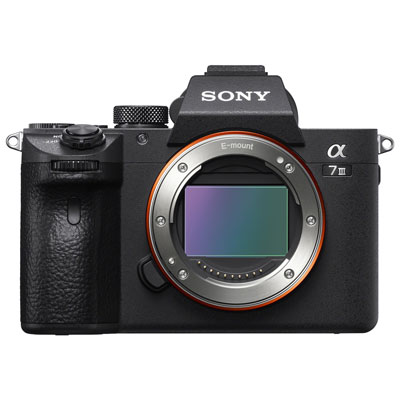 Your price for this item is $1799.99
-
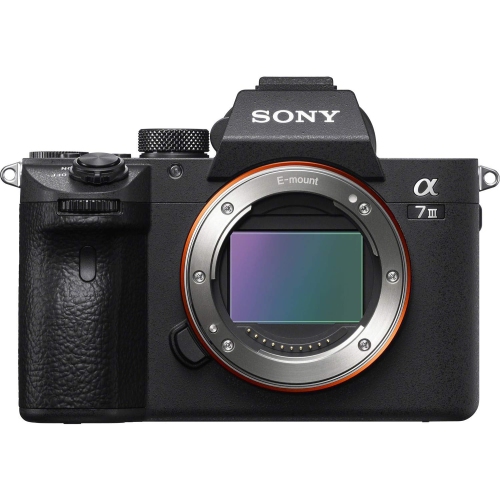 Your price for this item is $1899
-
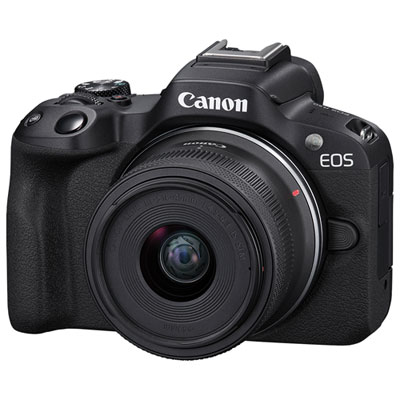 Your price for this item is $949.99
-
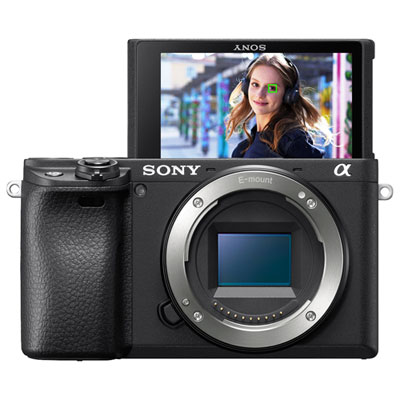 Your price for this item is $1049.99
-
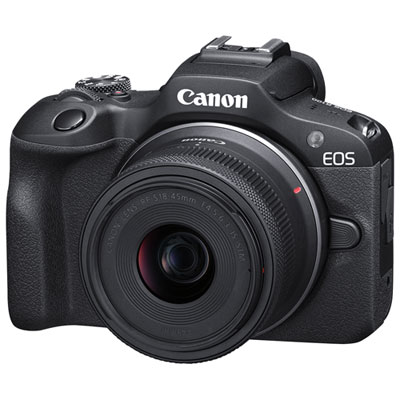 Your price for this item is $599.99
-
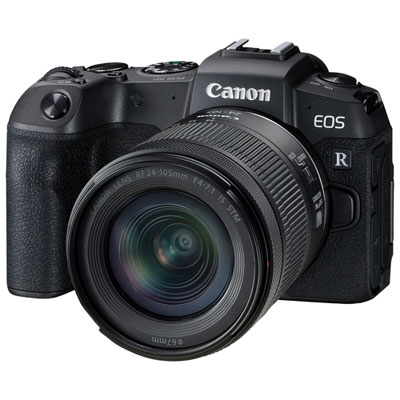 Your price for this item is $1299.99
-
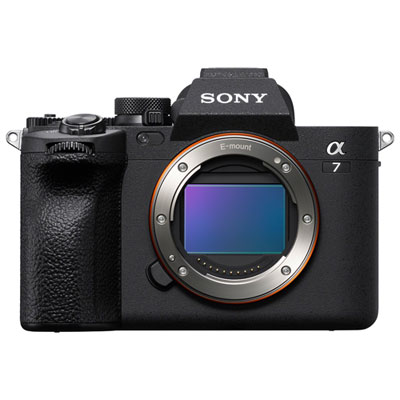 Your price for this item is $2699.99
-
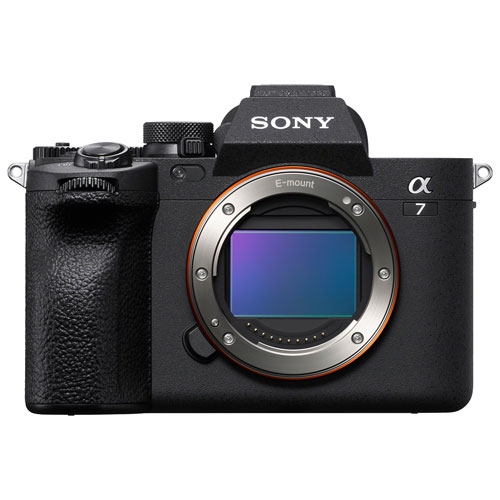 Your price for this item is $2469.99
Discover more categories related to Entry-Level Mirrorless Cameras
Top Collections:
Best Black Friday Deals This Year, Best Black Friday Deals On Electronics, Kindle Devices, Pokemon Centers, Best Black Friday Deals On Apple Products, Best Cameras for Sports Photography, Dyson Airwrap, Pokémon 30th Celebration Cards, Apple iPhone 17 Pro, Canon G7X Cameras
Some products may be subject to Environmental Handling Fees
(EHF) depending on your province.
Learn more about EHFs.