Event Cameras
Event cameras are designed to capture every important moment with clarity and precision, making them an excellent choice for a wide range of occasions. Whether you're documenting weddings, concerts, corporate gatherings, or family celebrations, these cameras help ensure you never miss a key shot. Explore the selection of event cameras to find the perfect match for your needs and make every event memorable.
Sort
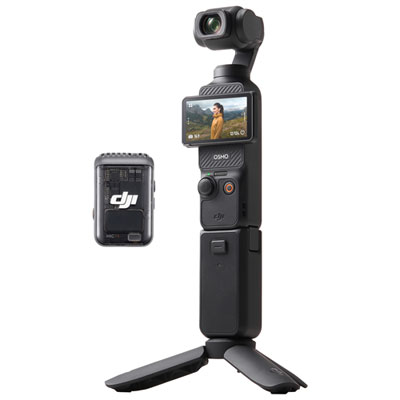
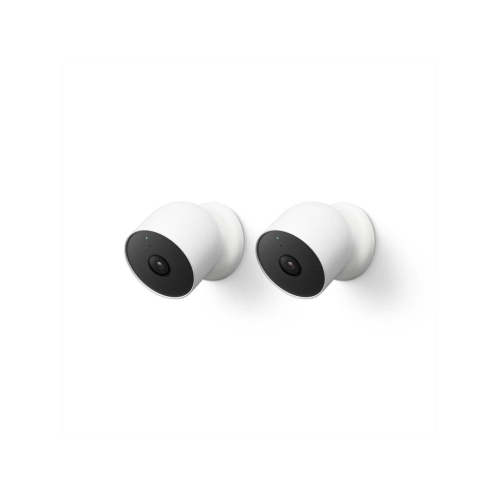
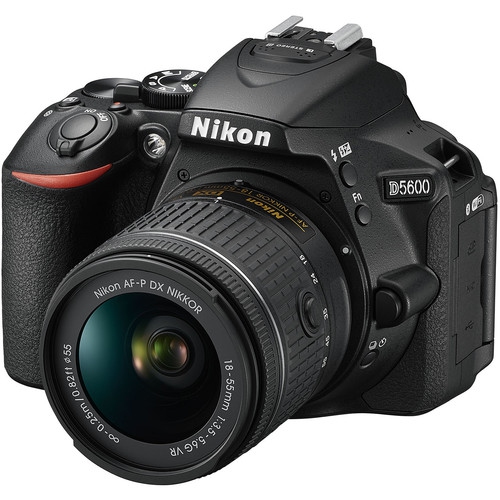
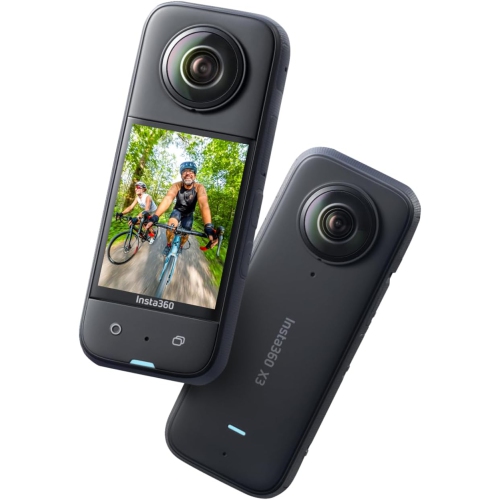
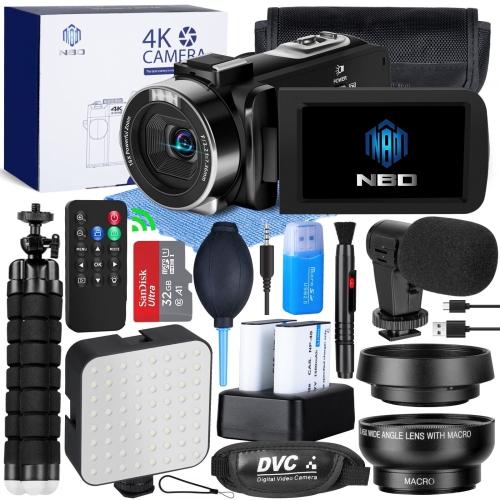
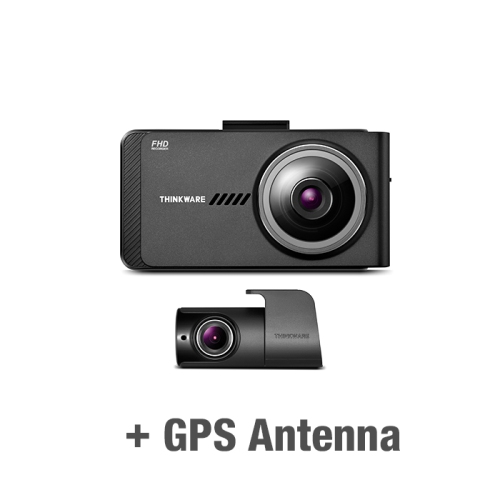
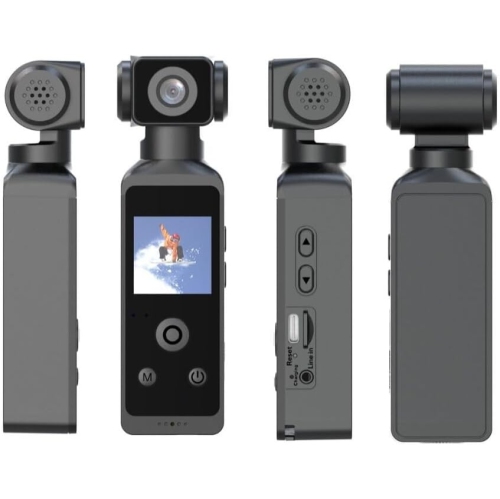
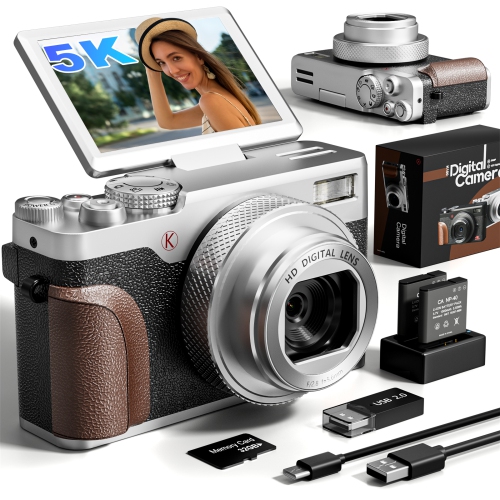
Specialized sensors for precise motion tracking and research
Event cameras are specialized imaging devices designed to record changes in brightness rather than capture complete images at fixed intervals. In a conventional camera, the sensor gathers light for each frame, then sends a full picture at a chosen frame rate such as 30 or 60 frames per second. An event camera works differently: each pixel remains quiet while the scene is unchanged and sends a signal only when the brightness at that location changes beyond a defined threshold. Each signal, often called an event, includes the pixel’s horizontal and vertical coordinates, a highly precise timestamp and an indication of whether the light became brighter or darker. This asynchronous approach allows event cameras to respond to movement with exceptional temporal precision, often at the microsecond level, while avoiding the motion blur associated with a traditional open-shutter exposure. They can be particularly useful when a fast-moving object, rotating mechanism or rapidly changing scene is more important than a conventional full-colour image. Because the sensor reports changes instead of repeatedly transmitting unchanged parts of a scene, event-based data can also reduce the volume of information that needs to be transferred or processed. Buyers comparing these products should first confirm that they are looking for an event-based vision sensor rather than a conventional camera intended to photograph conferences, performances or celebrations. The two categories serve very different purposes. Event cameras are commonly selected for research, development and machine-vision projects where timing, motion and responsiveness matter most. They may be used to study high-speed movement, build navigation systems, support robotics experiments or test computer-vision models that interpret asynchronous data. A compatible computer, development board or processing platform is often just as important as the camera itself, since the raw output may consist of streams of pixel events rather than familiar video files.
When choosing an event camera, consider the sensor resolution, pixel size, dynamic range and event-generation threshold, as these specifications affect how much detail the system can detect and how it responds to subtle or dramatic changes in light. Resolution determines the spatial detail available for tracking an object, while temporal performance indicates how precisely rapid changes can be recorded. High dynamic range can be valuable in scenes containing deep shadows beside bright windows, reflective surfaces or sudden flashes, since the sensor can continue registering changes across a broad range of lighting conditions. It is also worth checking the field of view and lens compatibility. A wide view can help a mobile robot or drone monitor its surroundings, while a narrower view may be better suited to observing a particular mechanism or test area. Interface and software support deserve close attention as well. Look for clear information about connection types, operating-system compatibility, application programming interfaces, data formats and available tools for visualizing or processing event streams. Developers who are new to asynchronous vision may appreciate products with documentation, sample data and software libraries that make it easier to display events, reconstruct approximate frames or connect the sensor to machine-learning workflows. Those with more advanced requirements may prioritize configurable thresholds, external synchronization, multiple triggering options or access to low-level sensor controls. Physical design matters when the camera will be mounted to a moving platform or used in a laboratory setup. Check the mounting points, cable arrangement, power requirements and operating-temperature range, particularly for robotics, drones or industrial environments where vibration and limited space can affect the installation. A suitable lens, protective housing and stable mounting solution may be necessary additions. Event cameras can perform impressively in difficult lighting, but they do not automatically replace every conventional camera: a mostly static scene may generate few events, and a project that requires detailed still images, natural colour or standard video may benefit from a hybrid setup that combines event-based sensing with frame-based imaging.
These products are generally aimed at engineers, students, researchers, developers and technically curious makers rather than casual snapshot photography. They can support university projects involving motion analysis, autonomous navigation, gesture recognition or computer vision, and they may help a robotics team detect obstacles before a conventional system has processed a complete frame. In drone development, event-based sensing can assist with rapid movement detection and navigation in changing surroundings. In industrial automation, it may help monitor fast machinery, identify irregular motion or track objects on a production line. Researchers working with augmented reality, virtual reality or eye-tracking systems can use the precise timing of event data to study gestures and movement, while specialists in transportation and autonomous systems may explore the technology for object tracking, scene understanding and real-time response. Event cameras can also be useful in demonstrations and classroom laboratories because they make an invisible aspect of digital imaging—the relationship between light, motion and time—easier to investigate. As a gift, one may suit a student entering engineering, a developer building a vision prototype or a hobbyist who enjoys experimenting with sensors and open-source software, although the recipient will usually need an existing computer and a clear project in mind. Before purchasing, review the complete system requirements instead of focusing on resolution alone. Confirm whether the camera includes the necessary lens, cable or mounting hardware, whether the software runs on the intended computer and whether the output can be integrated with the programming environment already in use. It can also help to compare the camera’s performance in low light, high-contrast scenes and rapid motion, since these are often the conditions that reveal its strengths. For creative projects that call for more traditional image capture, expressive effects or unusual perspectives, explore Creative Cameras as a separate category. With the right application and supporting equipment, an event camera can become a precise window into movement—following the flicker of a rotating part, the sudden turn of a robot or the quick passage of an object through a bright and shadowed scene.
When choosing an event camera, consider the sensor resolution, pixel size, dynamic range and event-generation threshold, as these specifications affect how much detail the system can detect and how it responds to subtle or dramatic changes in light. Resolution determines the spatial detail available for tracking an object, while temporal performance indicates how precisely rapid changes can be recorded. High dynamic range can be valuable in scenes containing deep shadows beside bright windows, reflective surfaces or sudden flashes, since the sensor can continue registering changes across a broad range of lighting conditions. It is also worth checking the field of view and lens compatibility. A wide view can help a mobile robot or drone monitor its surroundings, while a narrower view may be better suited to observing a particular mechanism or test area. Interface and software support deserve close attention as well. Look for clear information about connection types, operating-system compatibility, application programming interfaces, data formats and available tools for visualizing or processing event streams. Developers who are new to asynchronous vision may appreciate products with documentation, sample data and software libraries that make it easier to display events, reconstruct approximate frames or connect the sensor to machine-learning workflows. Those with more advanced requirements may prioritize configurable thresholds, external synchronization, multiple triggering options or access to low-level sensor controls. Physical design matters when the camera will be mounted to a moving platform or used in a laboratory setup. Check the mounting points, cable arrangement, power requirements and operating-temperature range, particularly for robotics, drones or industrial environments where vibration and limited space can affect the installation. A suitable lens, protective housing and stable mounting solution may be necessary additions. Event cameras can perform impressively in difficult lighting, but they do not automatically replace every conventional camera: a mostly static scene may generate few events, and a project that requires detailed still images, natural colour or standard video may benefit from a hybrid setup that combines event-based sensing with frame-based imaging.
These products are generally aimed at engineers, students, researchers, developers and technically curious makers rather than casual snapshot photography. They can support university projects involving motion analysis, autonomous navigation, gesture recognition or computer vision, and they may help a robotics team detect obstacles before a conventional system has processed a complete frame. In drone development, event-based sensing can assist with rapid movement detection and navigation in changing surroundings. In industrial automation, it may help monitor fast machinery, identify irregular motion or track objects on a production line. Researchers working with augmented reality, virtual reality or eye-tracking systems can use the precise timing of event data to study gestures and movement, while specialists in transportation and autonomous systems may explore the technology for object tracking, scene understanding and real-time response. Event cameras can also be useful in demonstrations and classroom laboratories because they make an invisible aspect of digital imaging—the relationship between light, motion and time—easier to investigate. As a gift, one may suit a student entering engineering, a developer building a vision prototype or a hobbyist who enjoys experimenting with sensors and open-source software, although the recipient will usually need an existing computer and a clear project in mind. Before purchasing, review the complete system requirements instead of focusing on resolution alone. Confirm whether the camera includes the necessary lens, cable or mounting hardware, whether the software runs on the intended computer and whether the output can be integrated with the programming environment already in use. It can also help to compare the camera’s performance in low light, high-contrast scenes and rapid motion, since these are often the conditions that reveal its strengths. For creative projects that call for more traditional image capture, expressive effects or unusual perspectives, explore Creative Cameras as a separate category. With the right application and supporting equipment, an event camera can become a precise window into movement—following the flicker of a rotating part, the sudden turn of a robot or the quick passage of an object through a bright and shadowed scene.
Top selling and popular products
-
 Your price for this item is $1899.99
 -
 Your price for this item is $1899
 -
 Your price for this item is $1749.99
 -
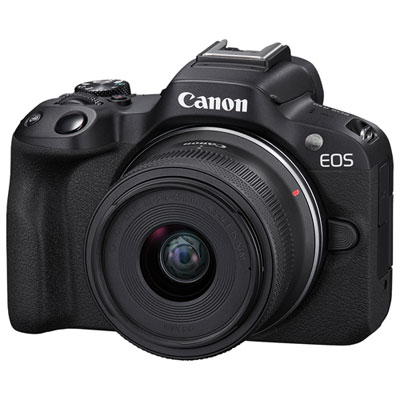 Your price for this item is $999.99
 -
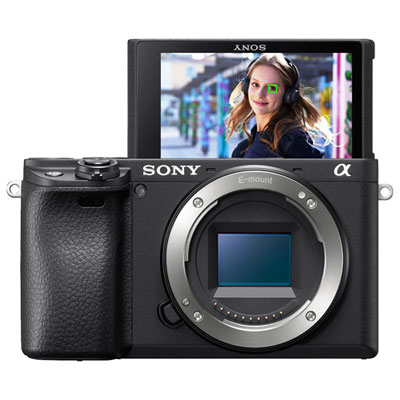 Your price for this item is $1249.99
 -
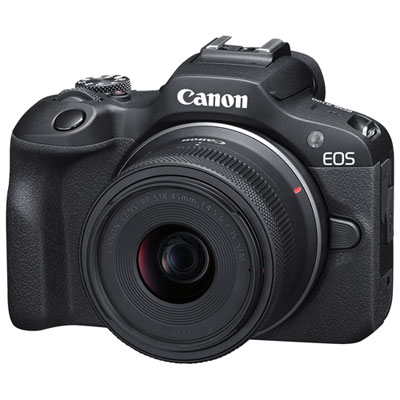 Your price for this item is $749.99
 -
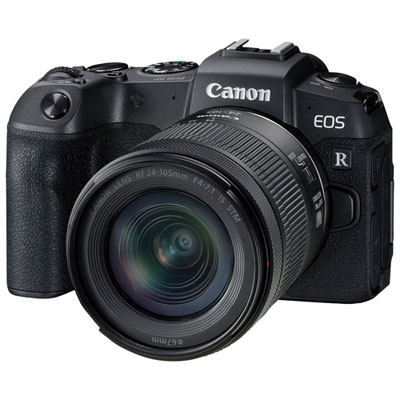 Your price for this item is $1499.99
 -
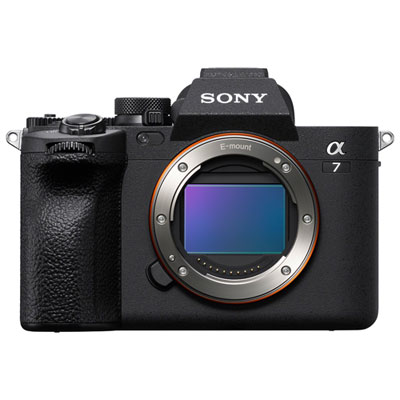 Your price for this item is $2699.99
Discover more categories related to Event Cameras

Top Collections:
Pokemon Centers, Kindle Devices, Best Budget Office Chairs, Apple iPhones 16, Best Laptops for Writers, iPhone 15 Apple, Canon G7X Cameras, Refurbished Apple Laptops, Alarm Clock, Motorola Razr Phones
Some products may be subject to Environmental Handling Fees
(EHF) depending on your province.
Learn more about EHFs.