Festival Photography Cameras
Capture every vibrant moment and dynamic scene with a Festival Photography Camera, designed to help you document unforgettable memories from your favorite events. Whether you're snapping candid crowd shots, lively performances, or colorful decorations, these cameras offer reliable performance for all your festival adventures. Explore a range of options to find the perfect fit for your creative vision and ensure every detail of the celebration is preserved in stunning quality. Elevate your photography experience and make every festival moment last with the right Festival Photography Camera.
Sort
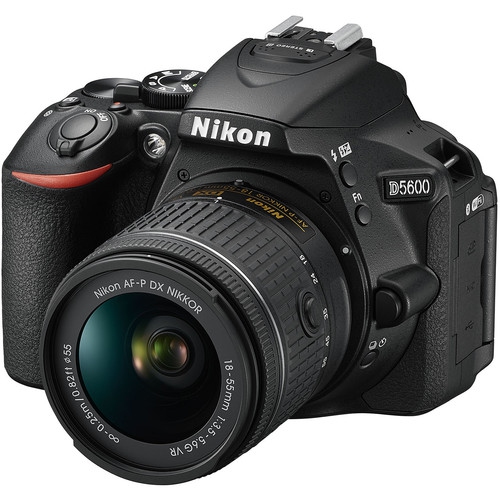
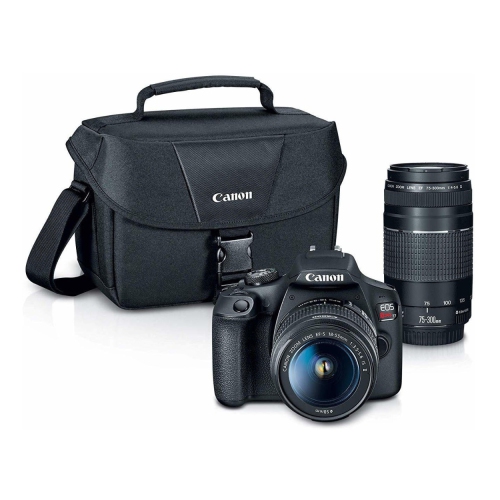

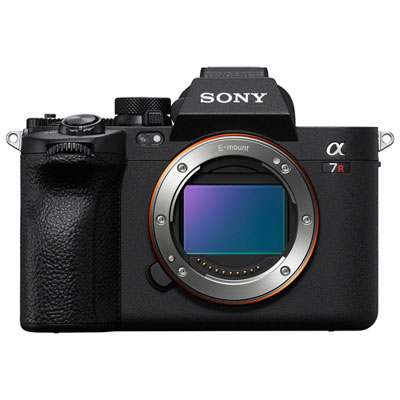
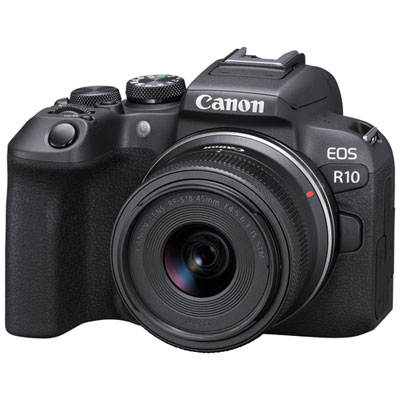
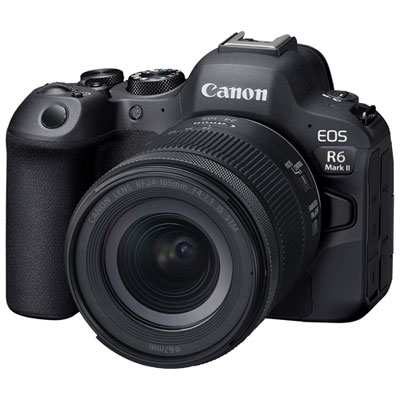
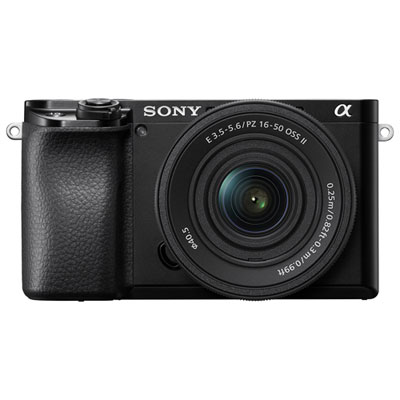
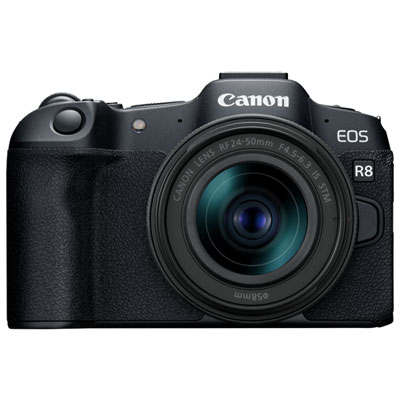
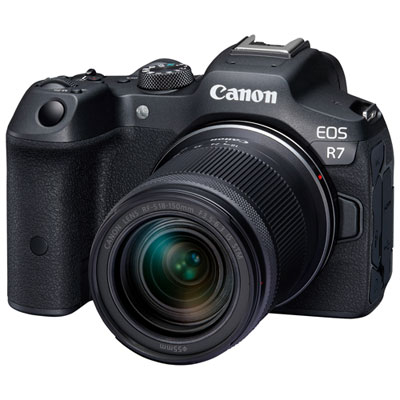
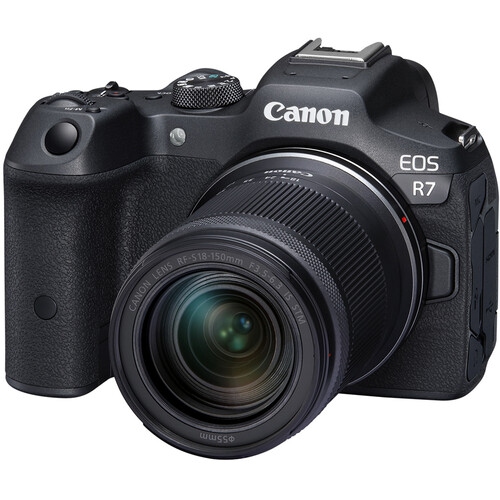
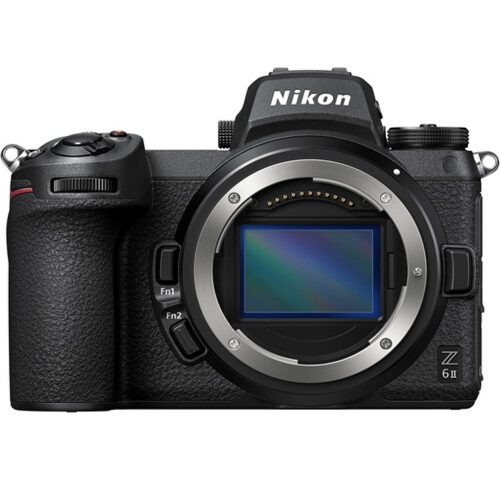
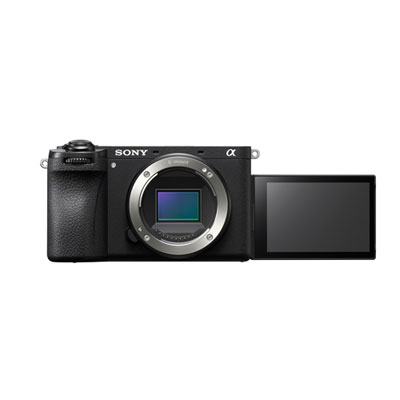
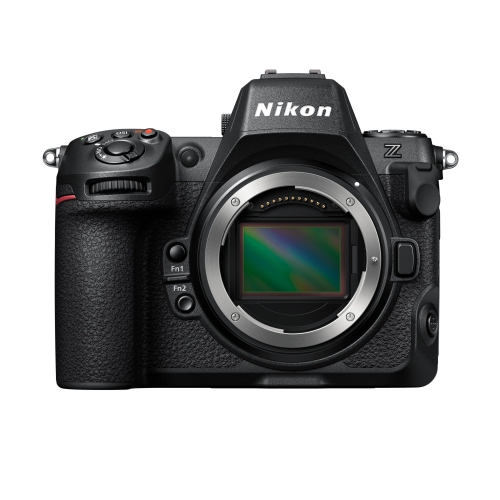
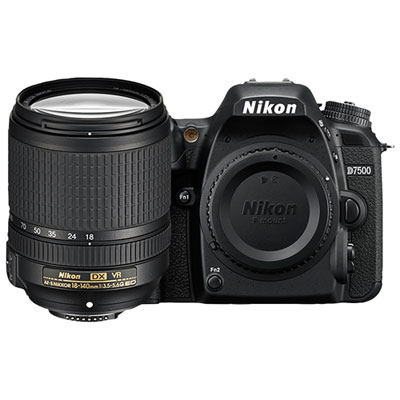
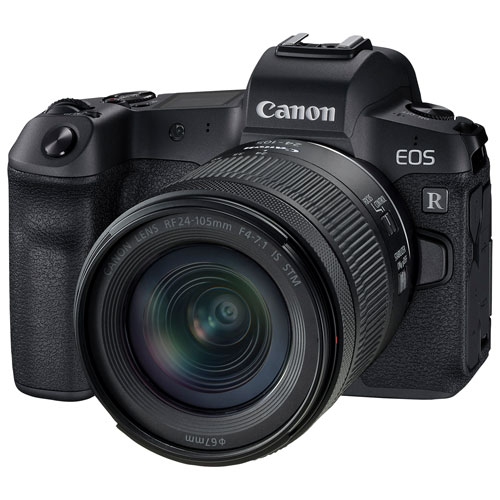
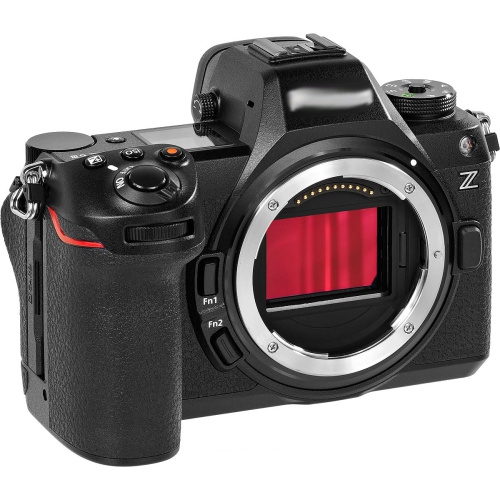
Stage access and lighting shape your camera options
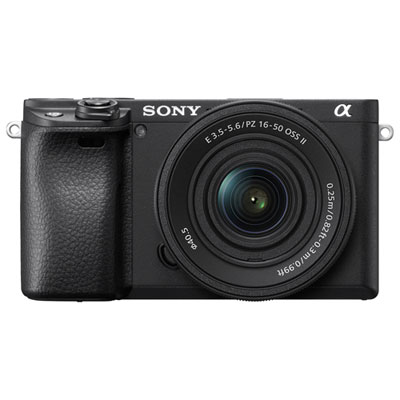
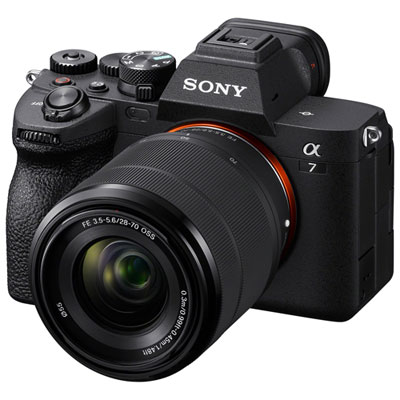
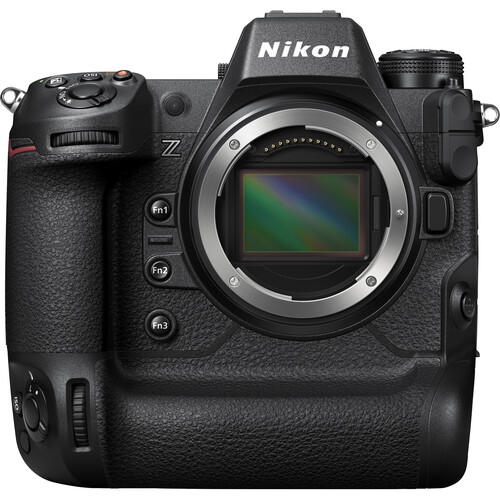
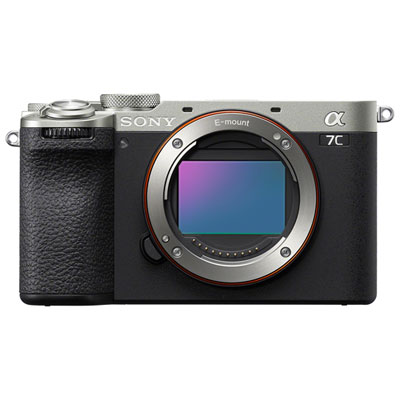
Festival photography cameras bring together portability, responsive focusing and the ability to capture performers under difficult lighting. The right camera depends as much on event access as on image quality: an audience member taking photographs between songs has different needs from an accredited photographer working near the stage. Entry policies vary by organizer and venue, and some restrict detachable lenses, larger camera bodies, tripods or other equipment. A compact camera with a fixed lens may suit audience photography, but its size alone does not guarantee admission. Checking the event’s published camera policy helps avoid arriving with equipment that cannot enter. For permitted audience photography, pocketable cameras keep the experience manageable, leaving less equipment to carry through a crowd. An optical zoom can frame a singer onstage and then pull back for a wider view of friends, art installations or the audience. Unlike digital zoom, optical zoom changes the framing through the lens rather than simply cropping the image, although the quality of the lens and sensor still matters. Bridge cameras offer a fixed lens with an extended zoom range, making them useful when the stage is distant and that camera type is allowed. Their larger bodies may be less convenient in tight spaces, and a long zoom does not automatically mean strong results in low light. Mirrorless cameras and DSLRs offer interchangeable lenses and greater flexibility where permitted, particularly for photographers with the appropriate accreditation. A wide-angle lens can include the performer, stage design and crowd, while a telephoto lens helps isolate an expression or a musician’s hands. Photo passes may also come with limits on shooting locations, flash use and the number of songs that can be photographed. These practical differences make festival photography cameras a varied category, spanning straightforward point-and-shoot options for personal memories and more adaptable equipment for experienced enthusiasts and working photographers.
Stage photography places unusual demands on a camera because a performer can move from a bright spotlight into deep shadow within a few steps. Sensor size, lens aperture and autofocus performance all contribute to the result; megapixel count alone does not describe how well a camera will handle a concert. Larger sensors generally offer advantages for controlling image noise at higher ISO settings, while a lens with a wide maximum aperture admits more light and can support the faster shutter speeds needed to freeze movement. With zoom lenses, the maximum aperture may become narrower toward the telephoto end, so the longest setting can be harder to use under dim stage lighting. Image stabilization helps reduce blur from camera shake, especially when framing at longer focal lengths, but it cannot freeze a drummer’s moving sticks or a singer crossing the stage. Responsive continuous autofocus, subject tracking and accessible focus controls are valuable for those moments. Face and eye detection can help, though smoke effects, backlighting, microphones and overlapping performers can challenge any focusing system. Burst shooting provides several frames from a brief gesture, with buffer capacity and memory card performance influencing how long the camera can maintain its pace. For colourful stage scenes, exposure compensation and highlight warnings can help preserve detail in a brightly lit face rather than letting the darker background dictate exposure. RAW capture gives experienced photographers more editing flexibility for exposure and white balance, while JPEG files are convenient for simpler sharing workflows. Electronic shutters can operate quietly, but some combinations of stage lighting and shutter settings produce visible bands; a mechanical shutter or flicker-reduction setting may help when available. For video, useful considerations include autofocus during recording, stabilization, microphone performance and recording limits. Resolution is only part of the picture: steady framing and clear sound matter when capturing a short performance clip, and loud amplified music can overwhelm built-in microphones.
Comfort and handling become important when a camera is carried for several hours rather than brought out for a single photograph. A secure grip, a well-positioned shutter button and controls that can be adjusted by touch help keep attention on the performance. Smaller cameras fit neatly into a permitted bag, while larger bodies may balance more comfortably with longer lenses. Polycarbonate construction can keep weight down, and metal components can add rigidity, but material alone does not determine durability. Lens mechanisms, hinges, control dials and the way a camera is carried also affect how well it stands up to regular use. A wrist strap or close-fitting shoulder strap provides useful security in a moving crowd without leaving equipment swinging freely. An electronic viewfinder can make composition easier when holding the camera close to the face, while a tilting screen offers flexibility for framing from different heights without obstructing another attendee’s view. Battery endurance deserves attention when photographs, playback and video recording share the same charge. A compatible spare battery and memory cards with sufficient capacity can reduce interruptions, provided they comply with event rules. Wireless transfer features are convenient for sending selected images to a phone, though transfer speed and battery use vary. Festival trips can also include street scenes, architecture and time spent exploring a host city, making Travel Cameras relevant for photographers who want one manageable setup for the whole visit. Between outings, a padded case protects against knocks, and a clean lens cap helps prevent scratches during transport. Loose grit is best removed with a suitable blower before a lens-safe cloth touches the glass, and interchangeable lenses benefit from careful handling to keep debris away from the sensor. For a music lover, arts enthusiast or photography student, a camera can be a thoughtful gift when its size, controls and intended use match the recipient’s interests. The most useful fit is equipment that feels comfortable to carry, meets the event’s requirements and makes capturing a memorable performance enjoyable.
Top selling and popular products
-
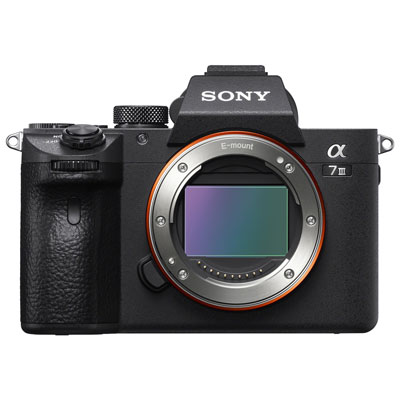 Your price for this item is $1799.99
-
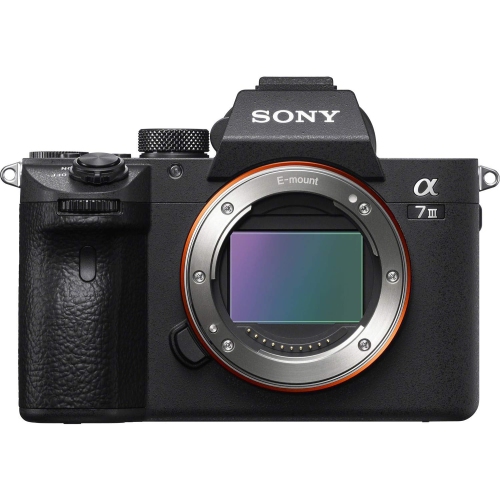 Your price for this item is $1899
-
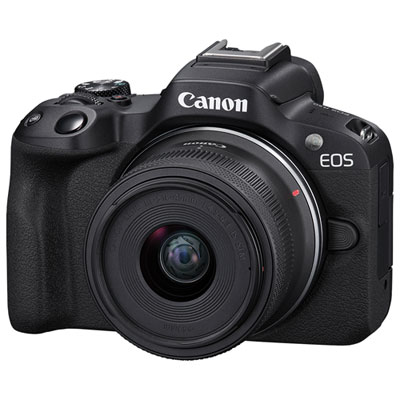 Your price for this item is $949.99
-
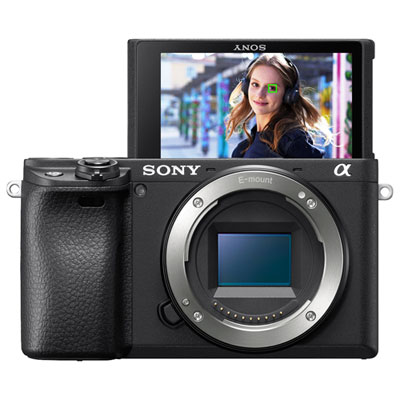 Your price for this item is $1049.99
-
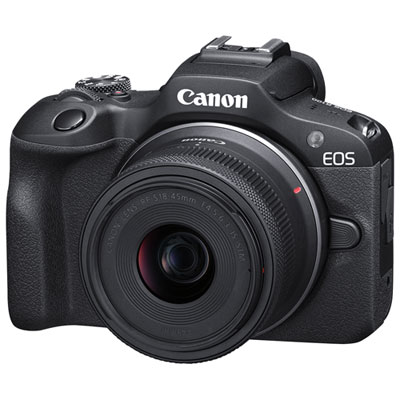 Your price for this item is $599.99
-
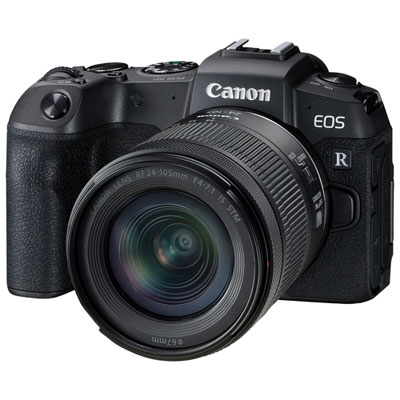 Your price for this item is $1299.99
-
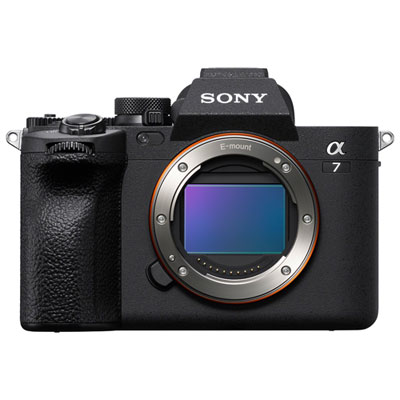 Your price for this item is $2699.99
-
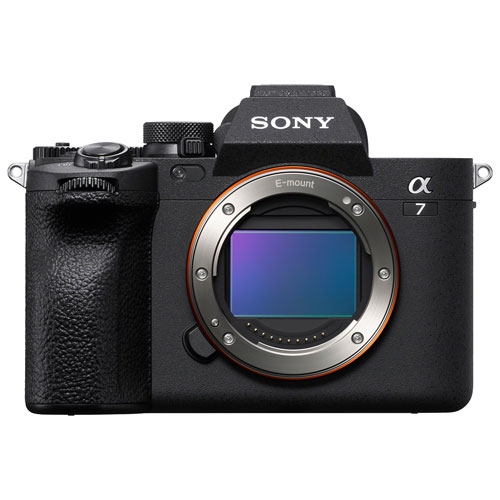 Your price for this item is $2469.99
Discover more categories related to Festival Photography Cameras
Top Collections:
Best Black Friday Deals This Year, Best Black Friday Deals On Electronics, Kindle Devices, Pokemon Centers, Best Black Friday Deals On Apple Products, Best Cameras for Sports Photography, Dyson Airwrap, Pokémon 30th Celebration Cards, Apple iPhone 17 Pro, Canon G7X Cameras
Some products may be subject to Environmental Handling Fees
(EHF) depending on your province.
Learn more about EHFs.