Stable Tripods
A tripod is a must-have accessory for any photographer. A tripod allows you to take pictures without moving, which can be crucial when you're trying to capture a moving subject like a car or person. It also allows you to take long exposures, which are great for night shots and star trails. Here are some of the best stable tripods on the market.
Sort
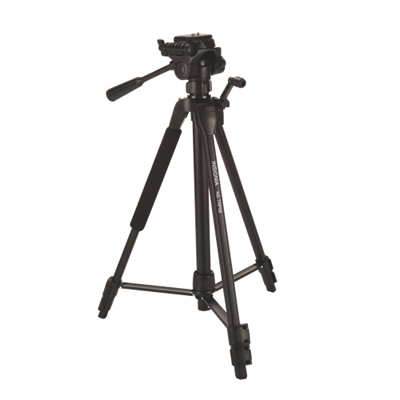
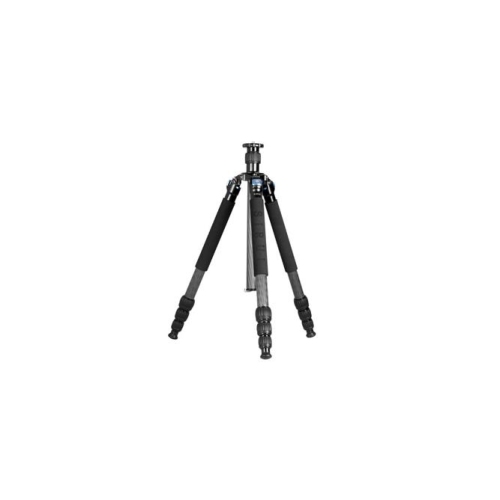
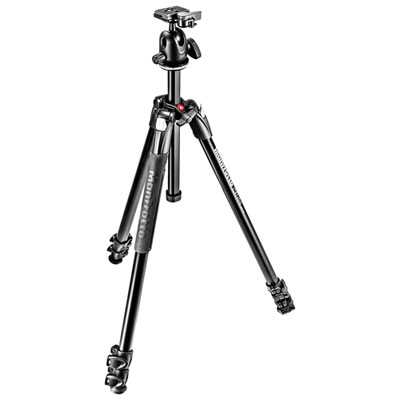
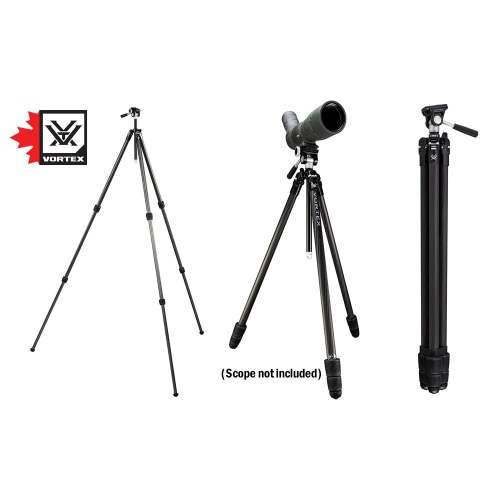
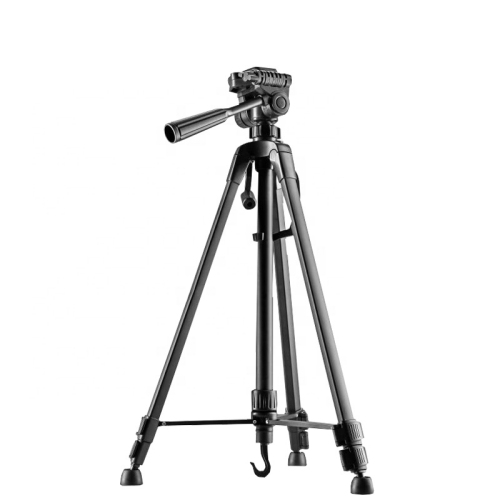
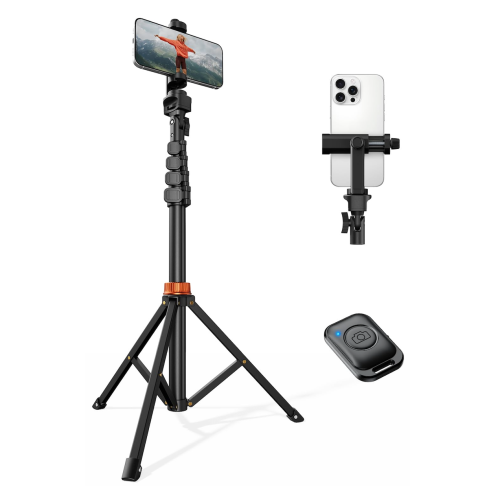
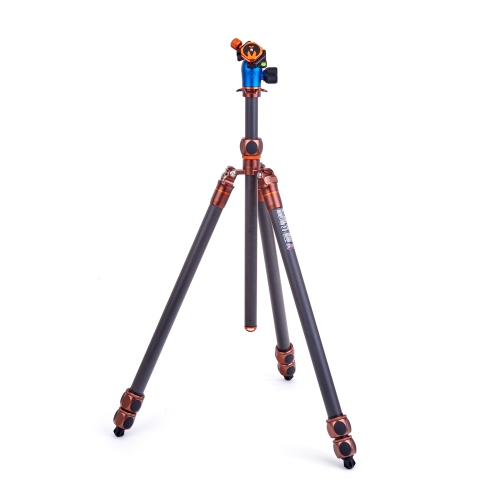
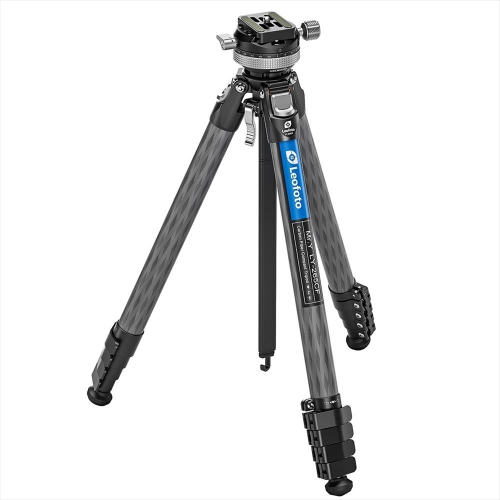
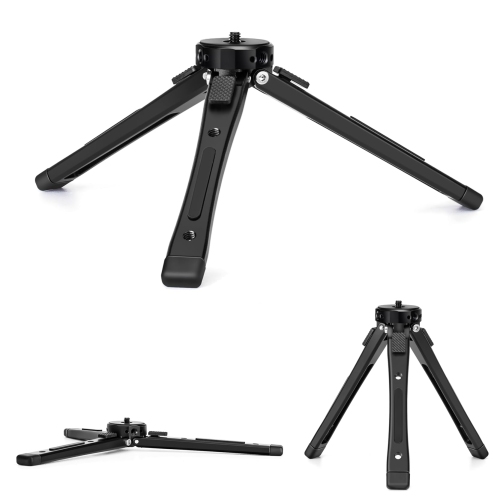
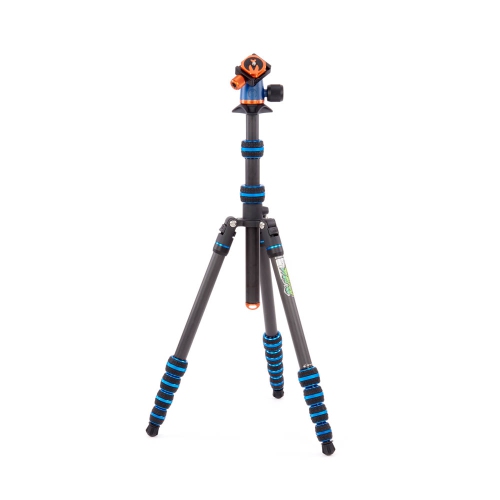
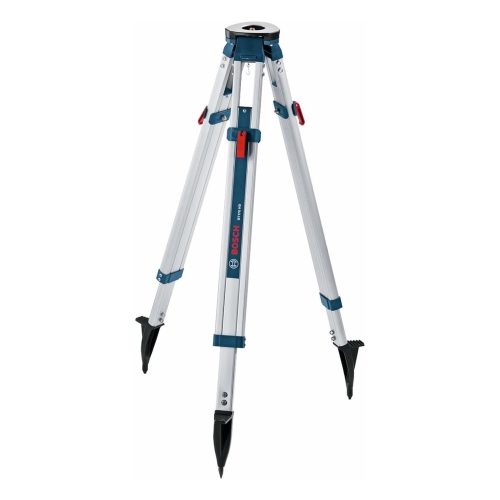
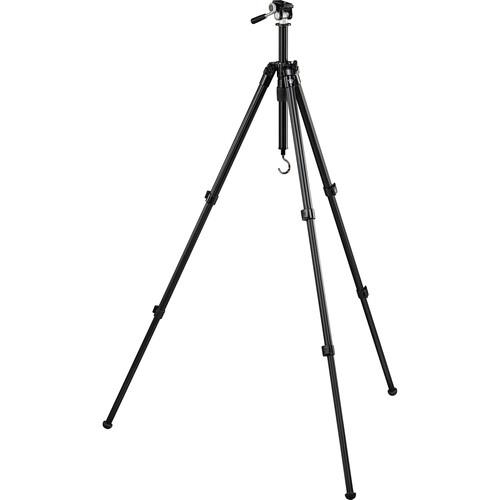
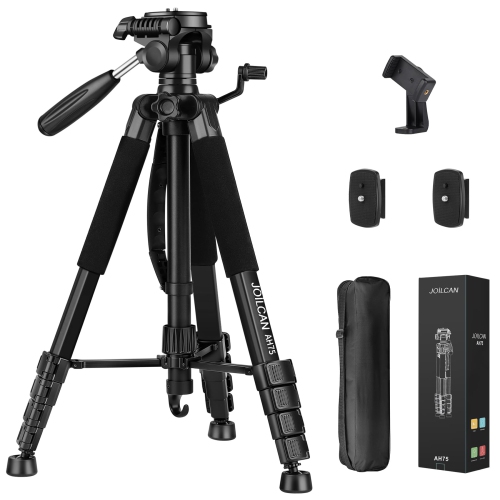
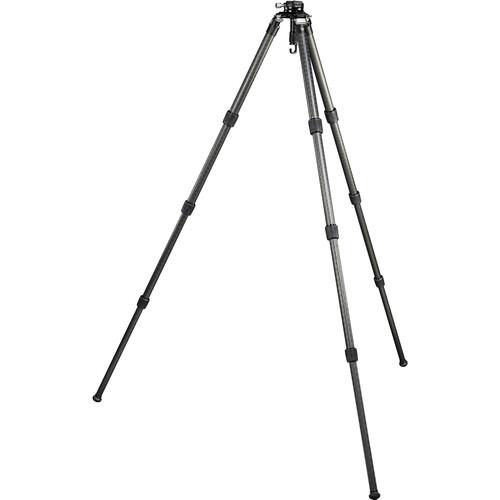
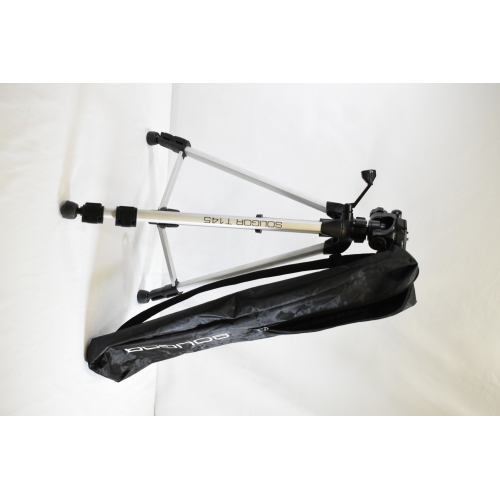
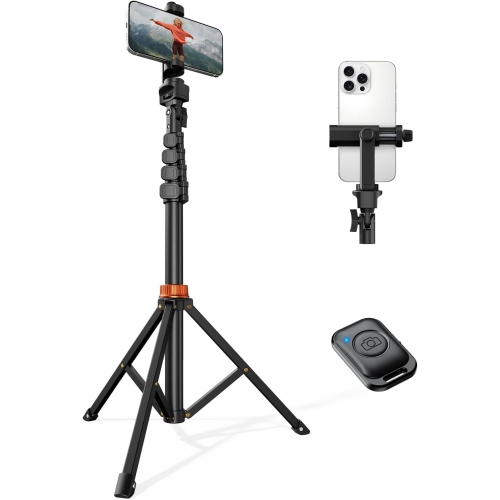
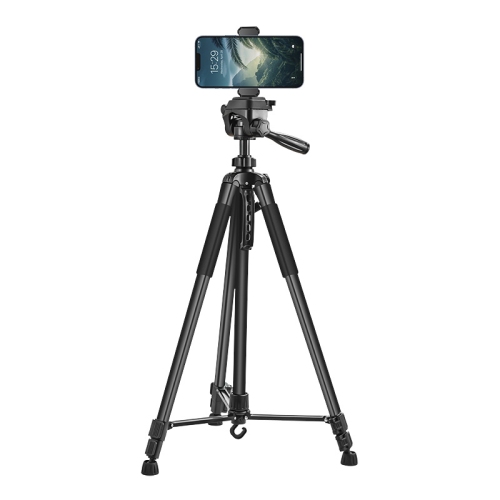
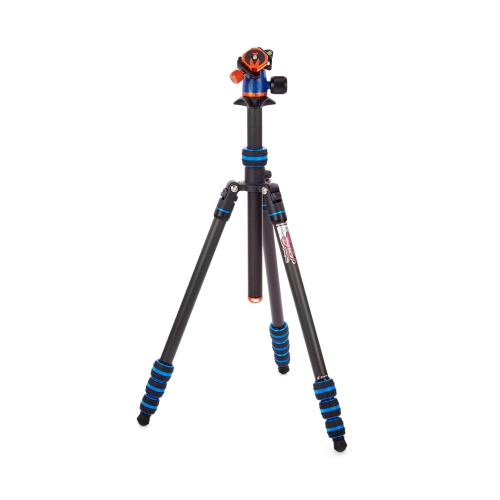
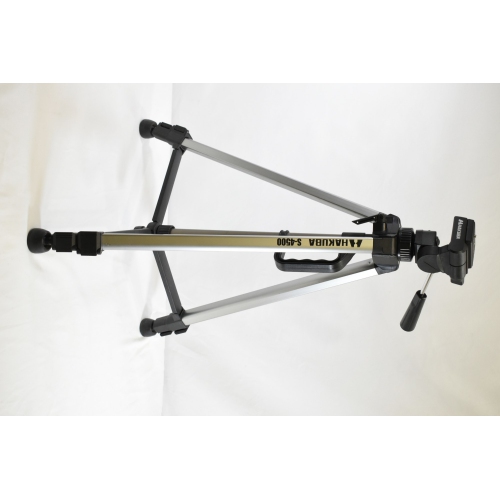
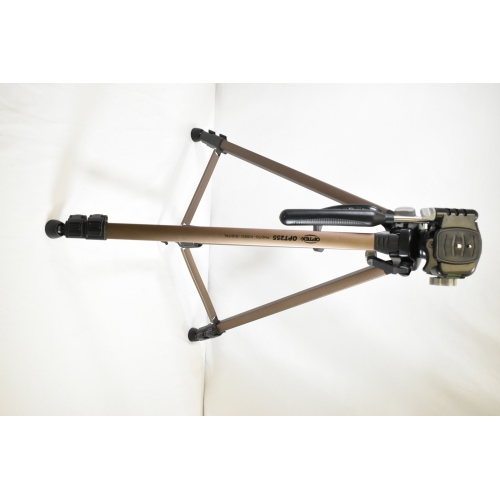

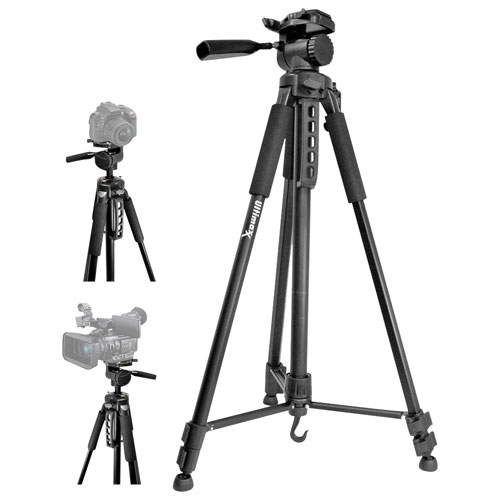

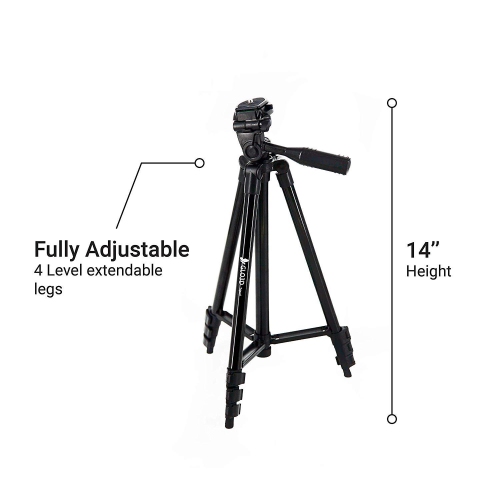
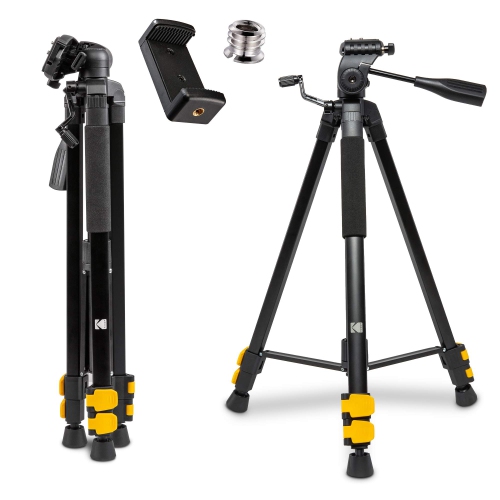
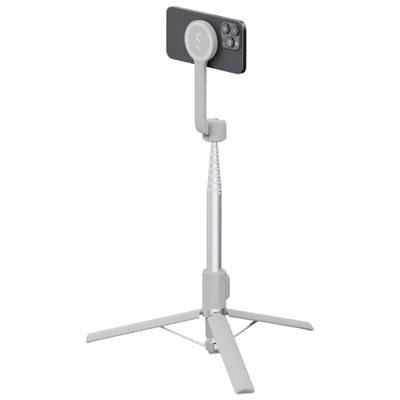
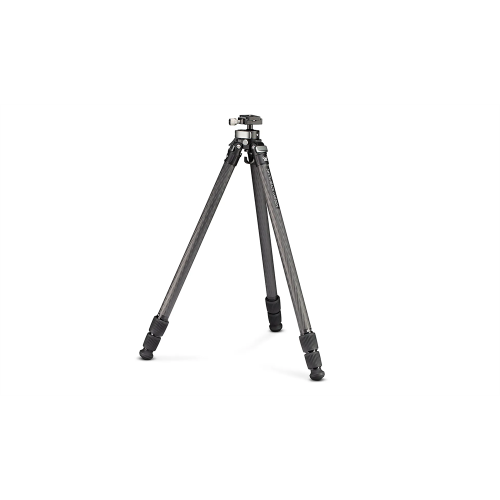
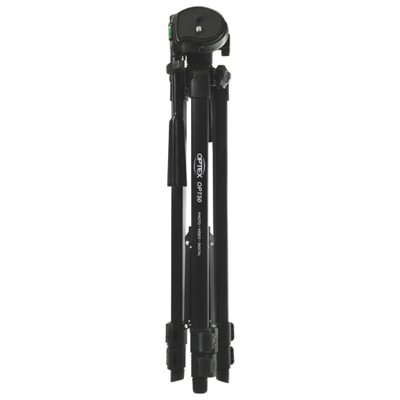
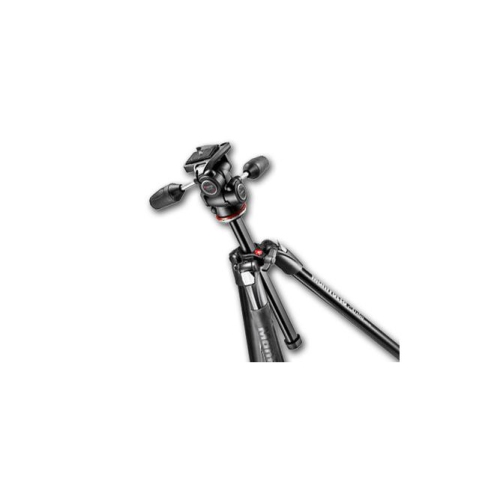

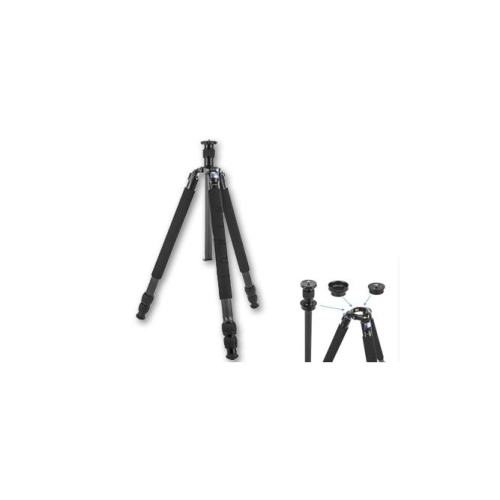
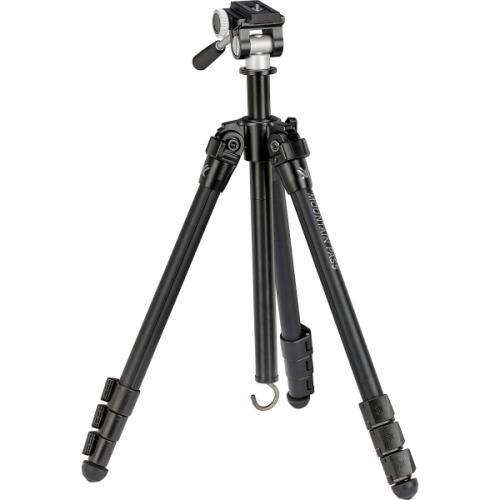
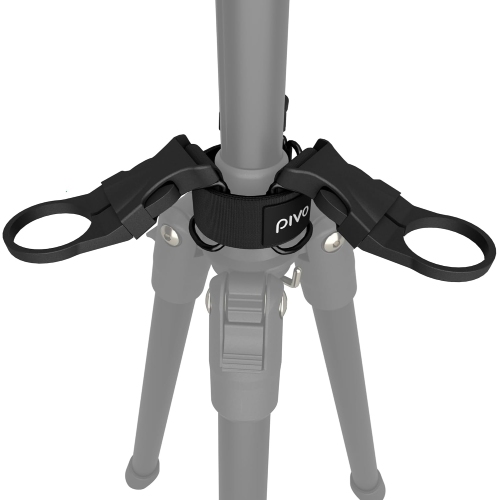
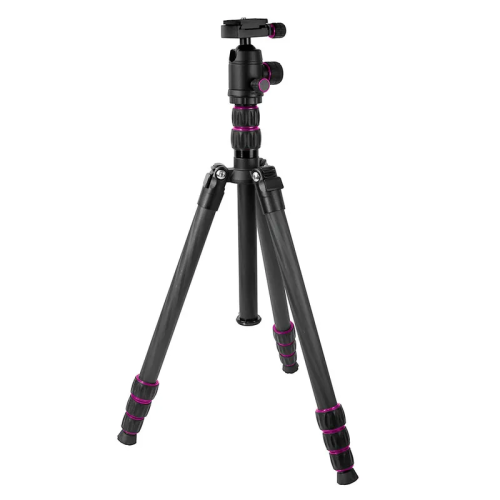
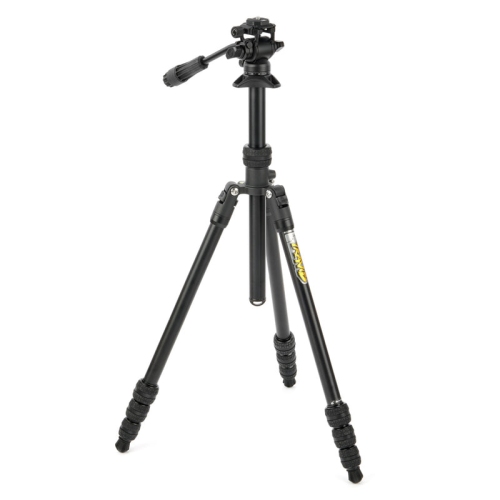
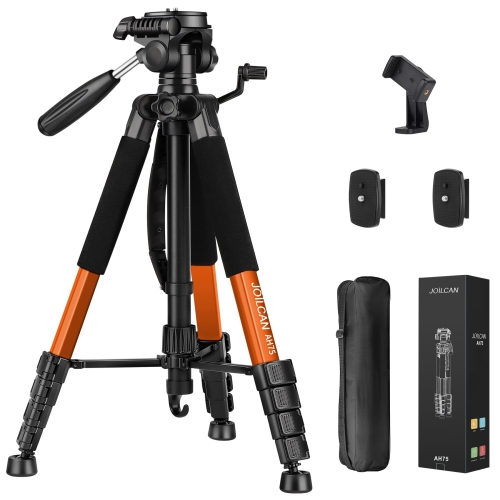
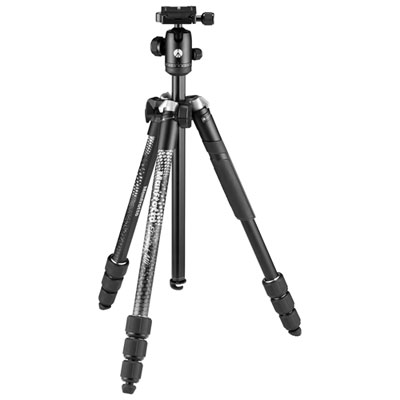
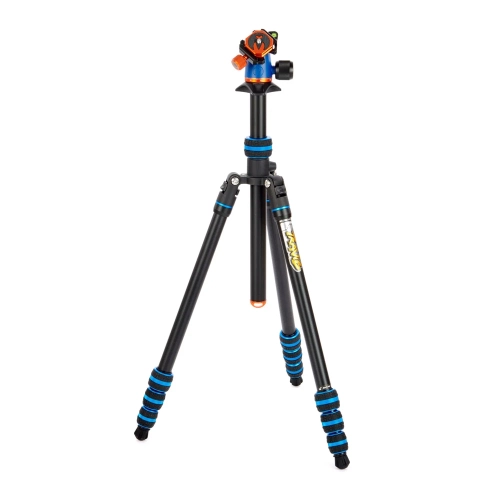
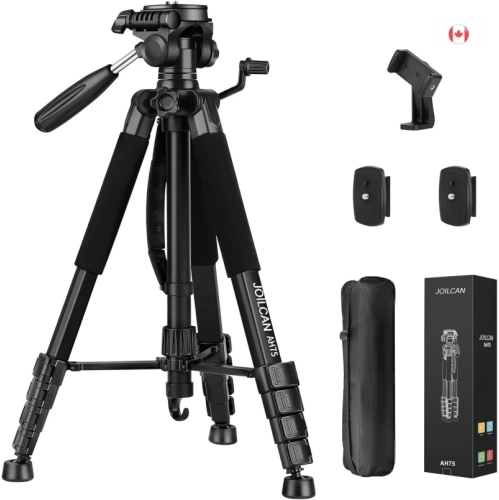
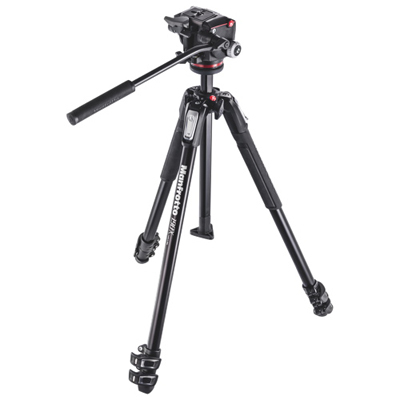
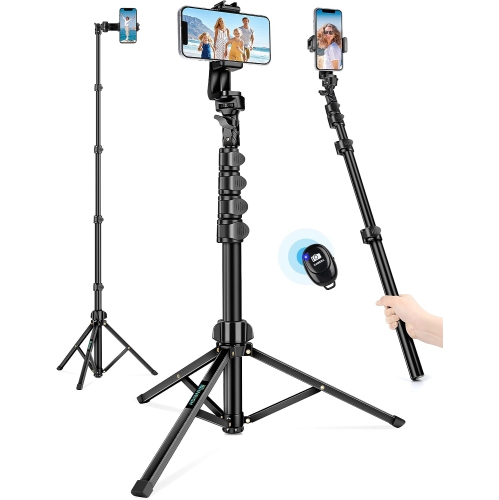
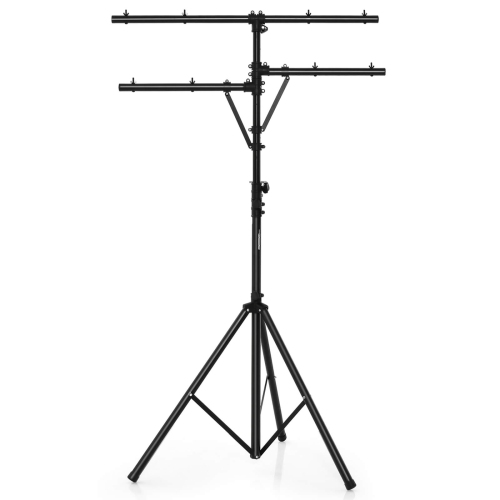
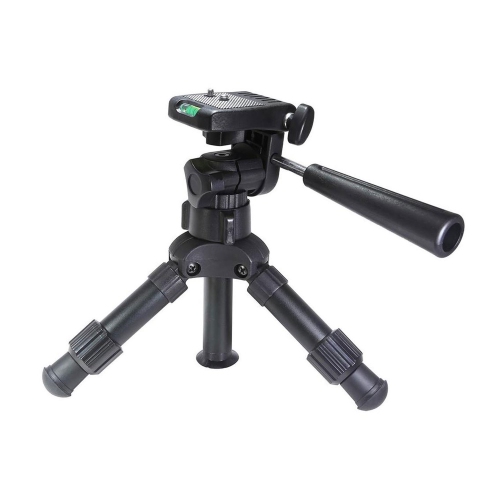
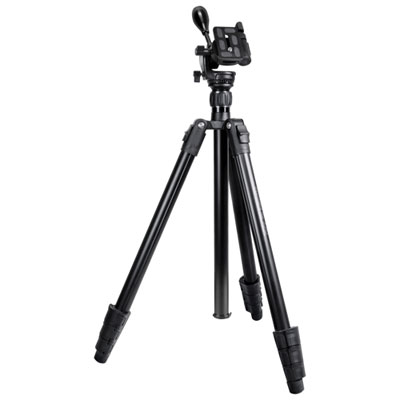

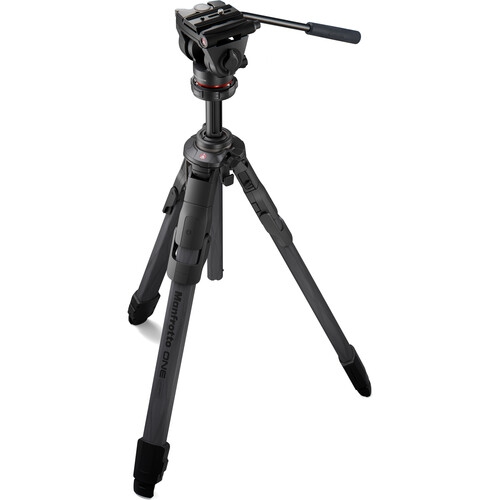
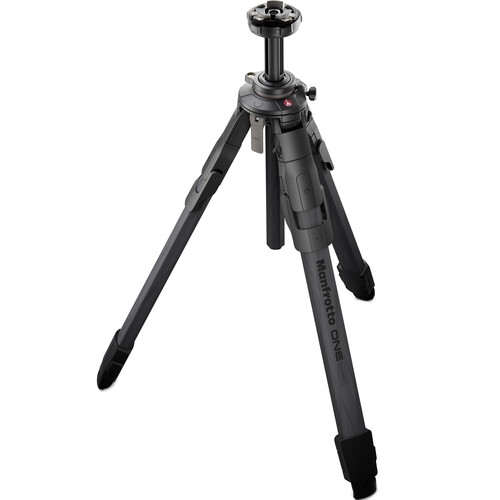
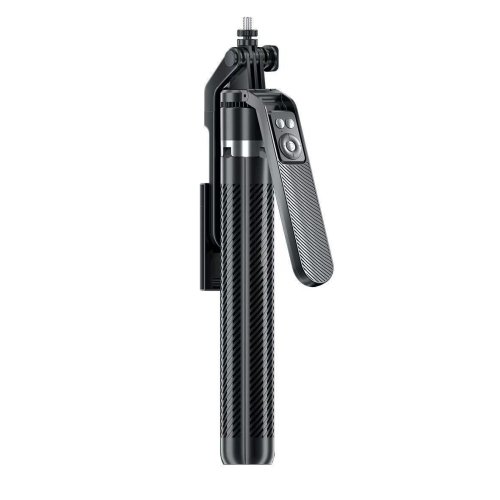
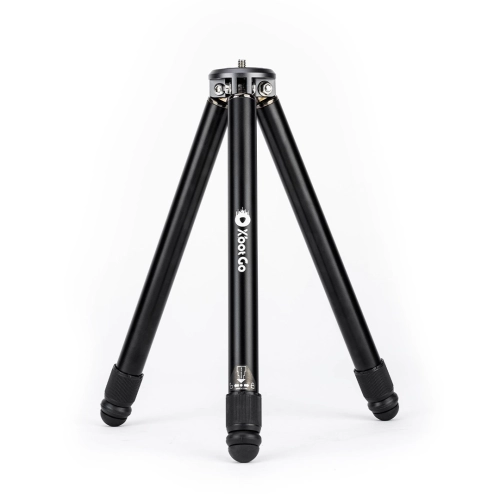
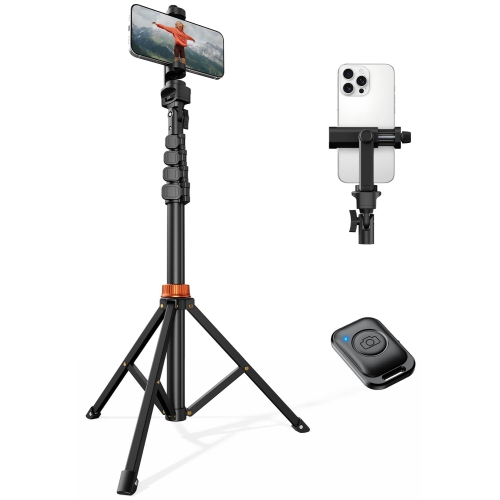
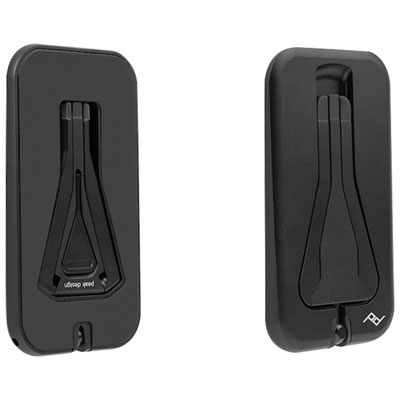
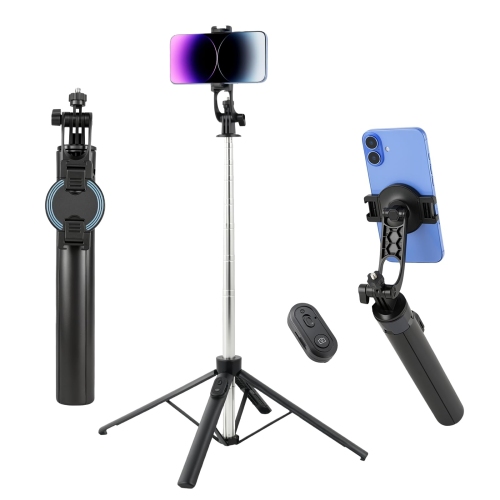
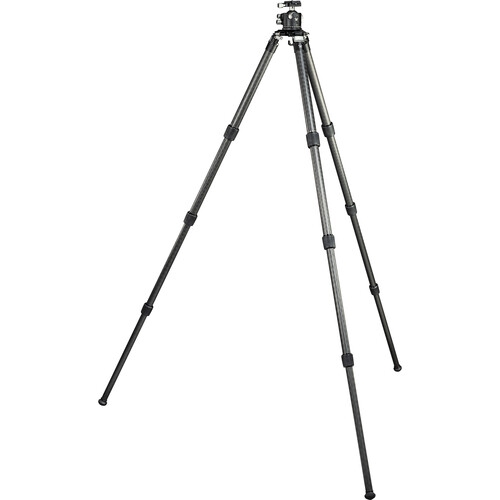
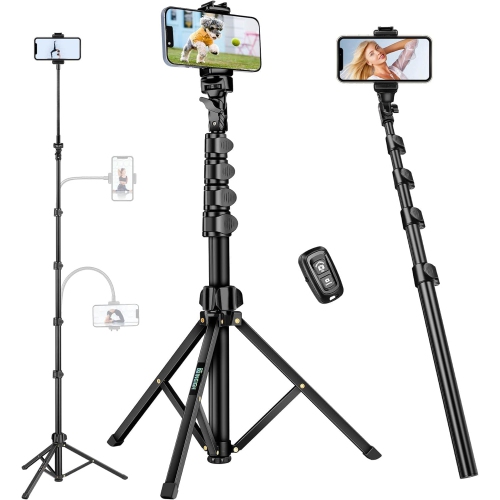
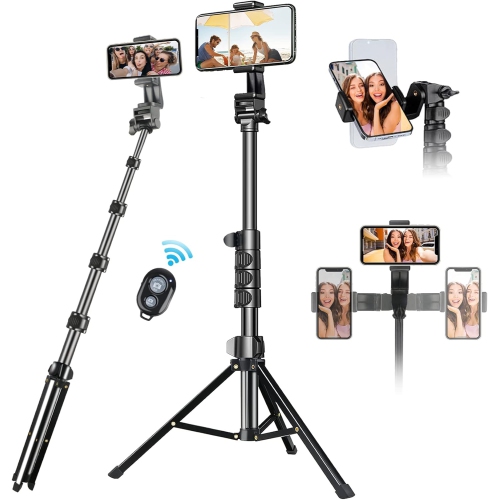
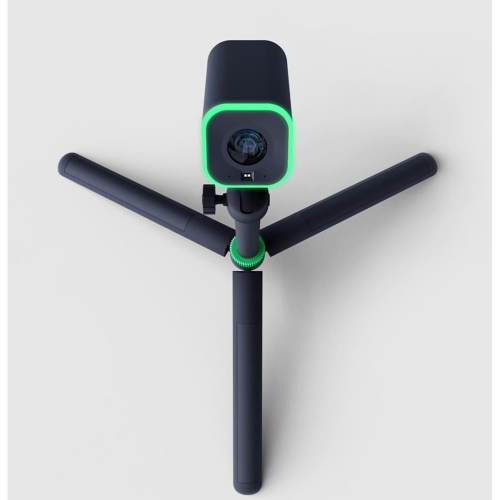
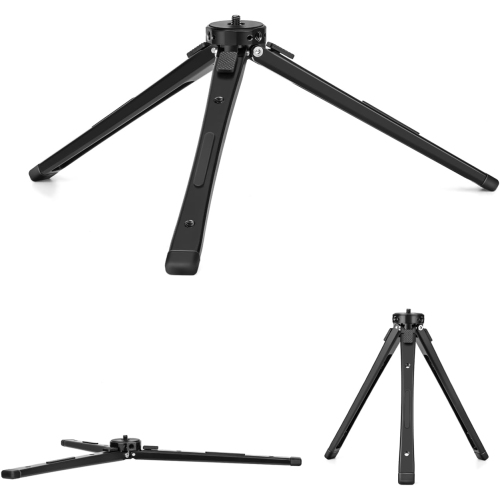
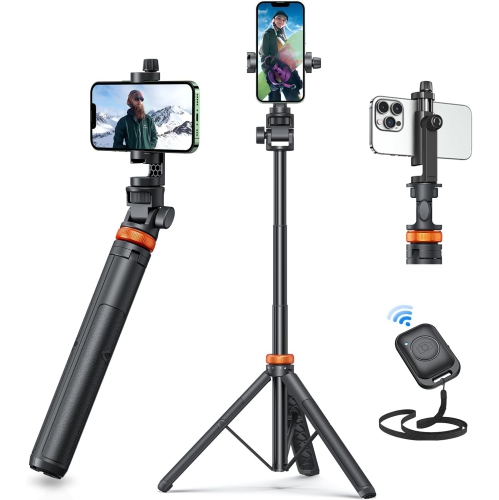

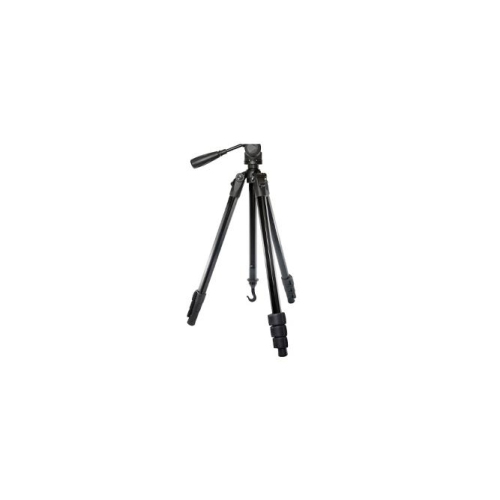

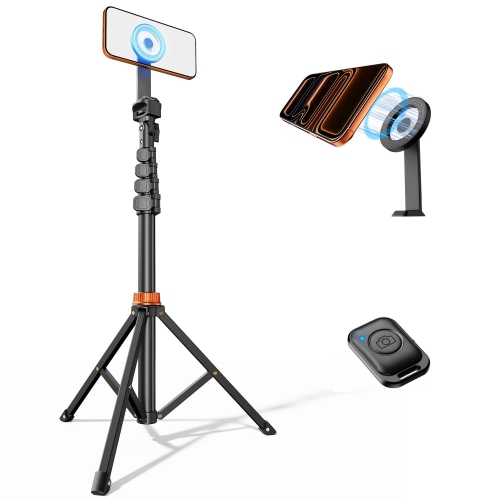
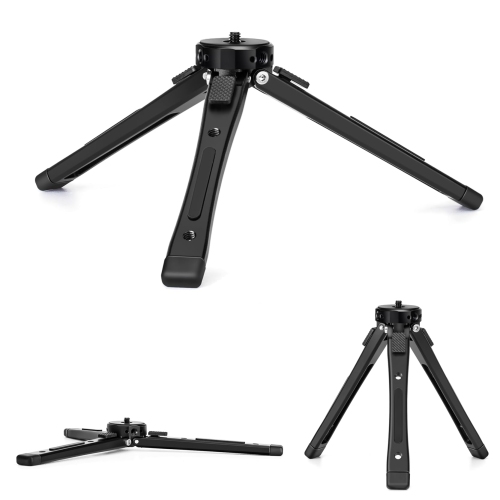

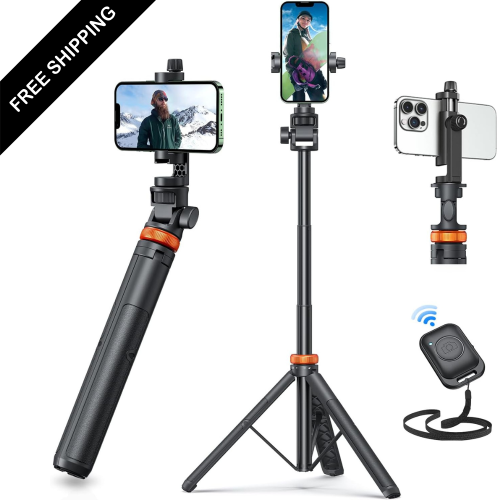
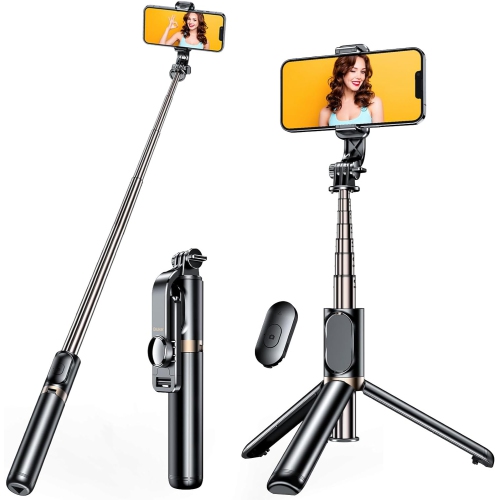
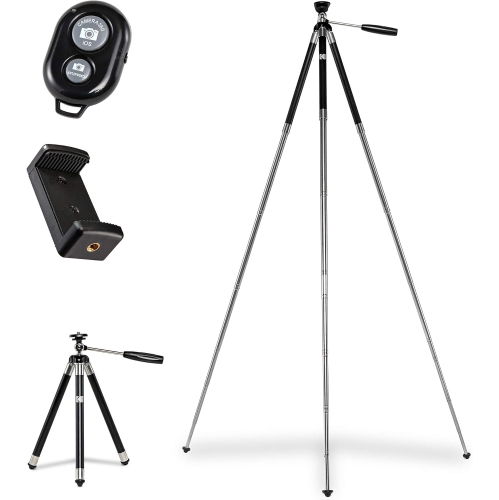


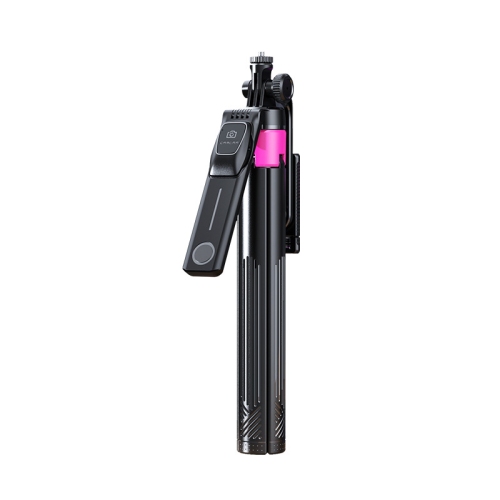
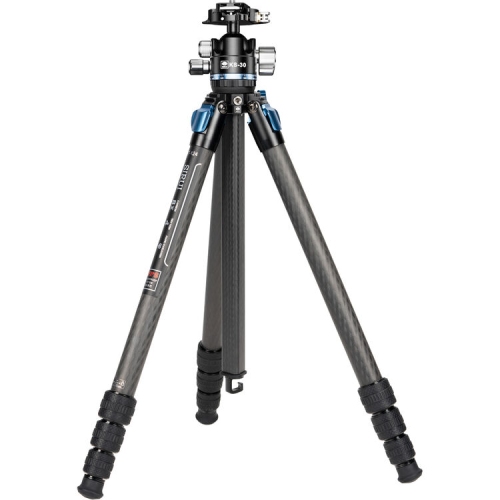
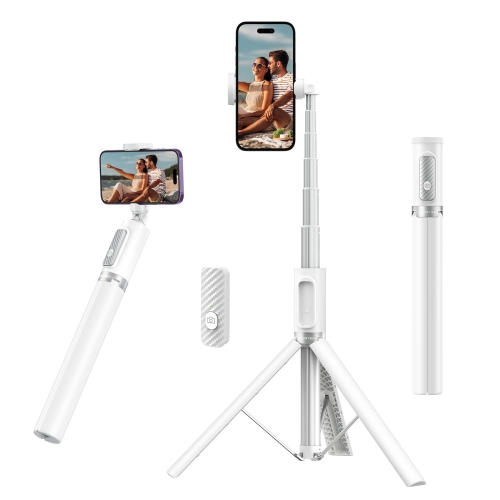
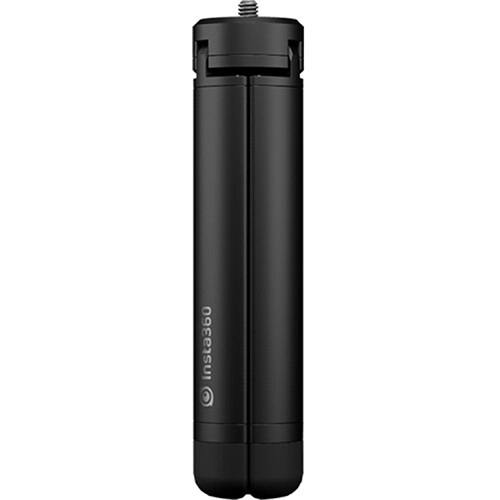

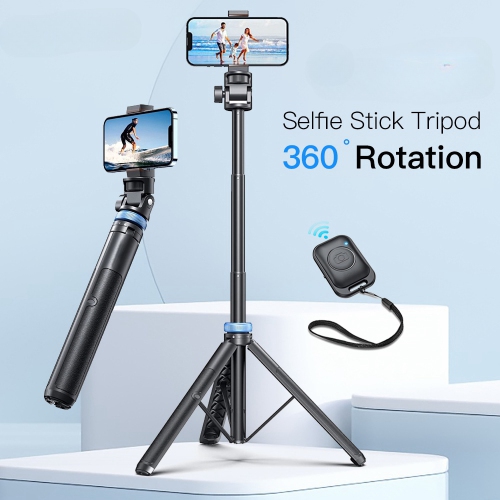
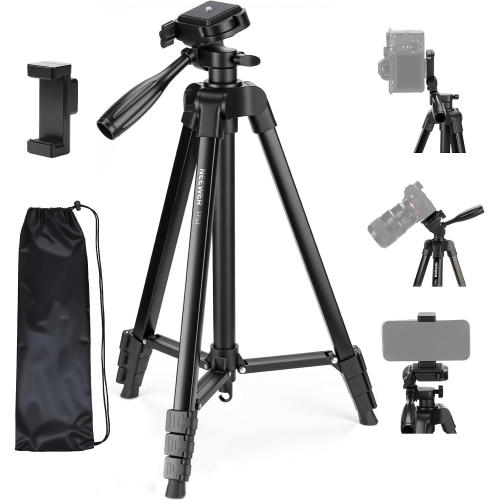
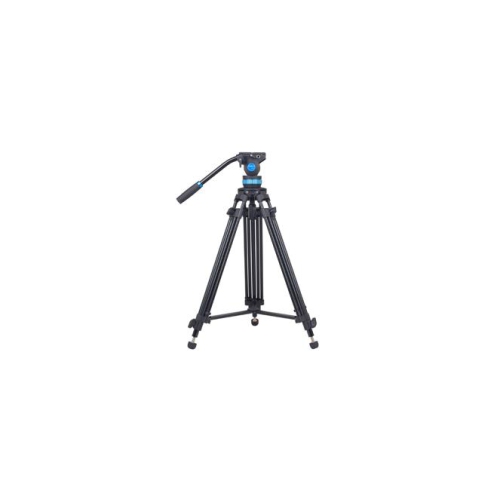
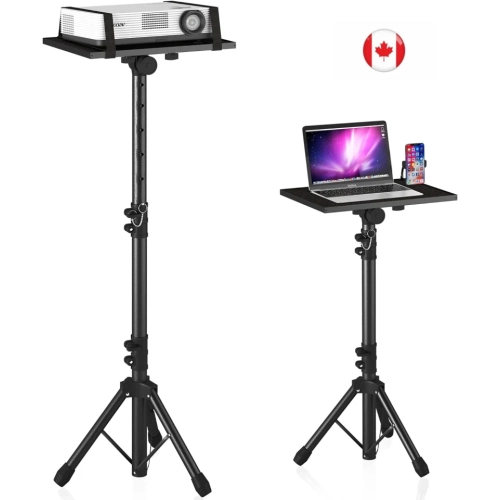
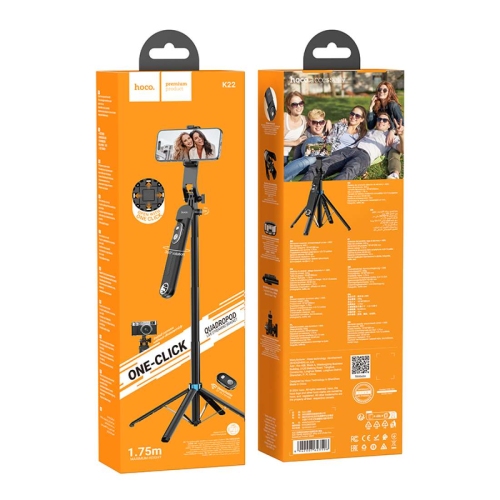
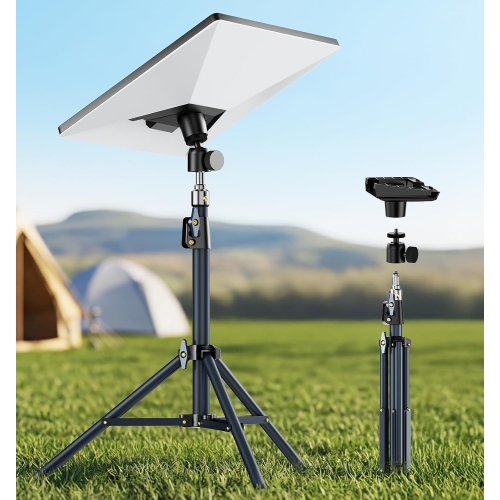
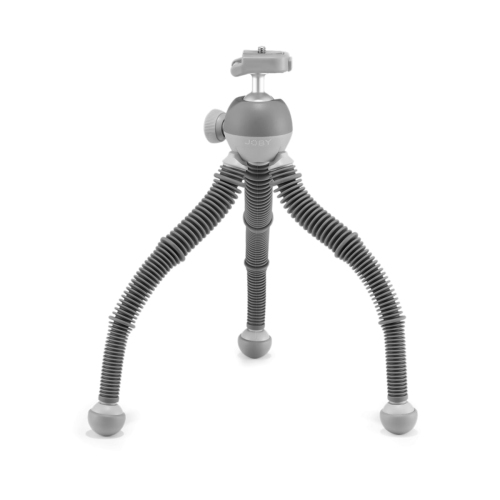
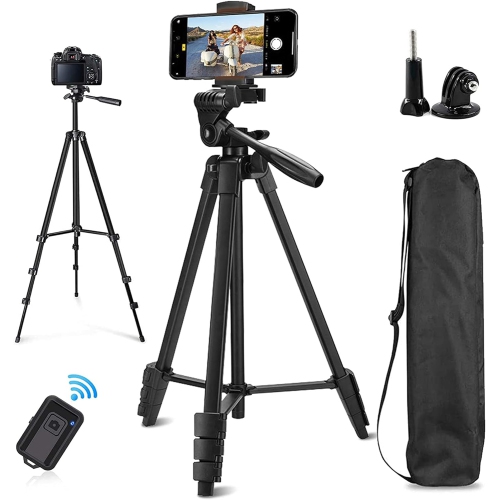
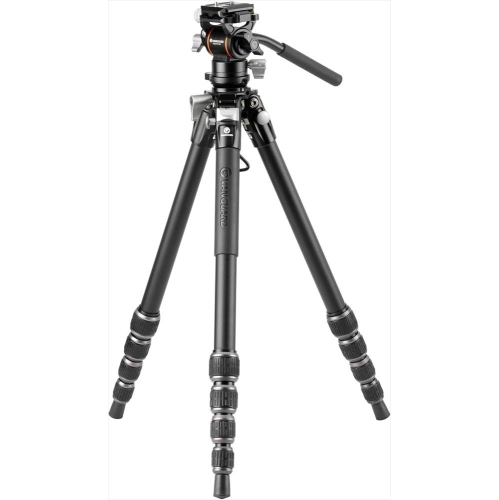
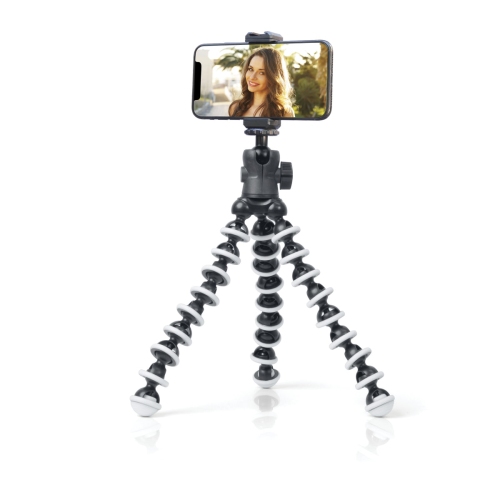
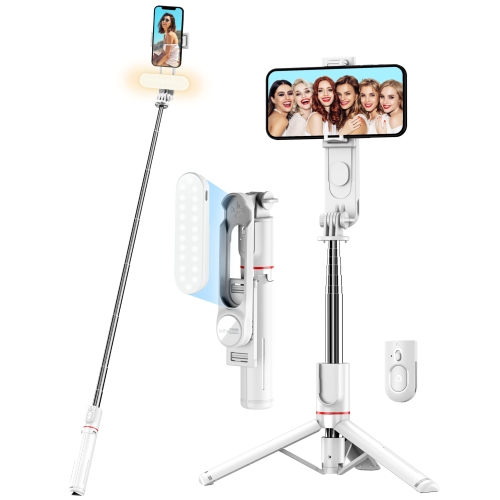
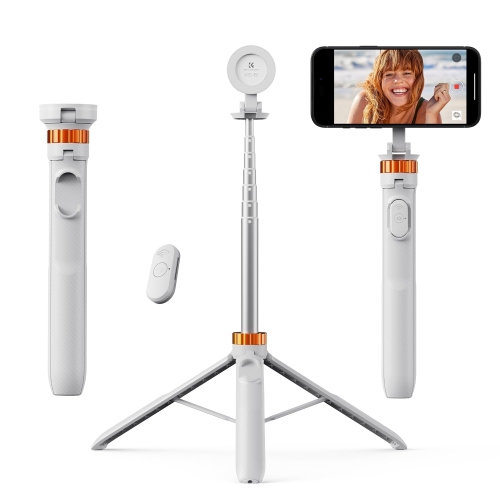
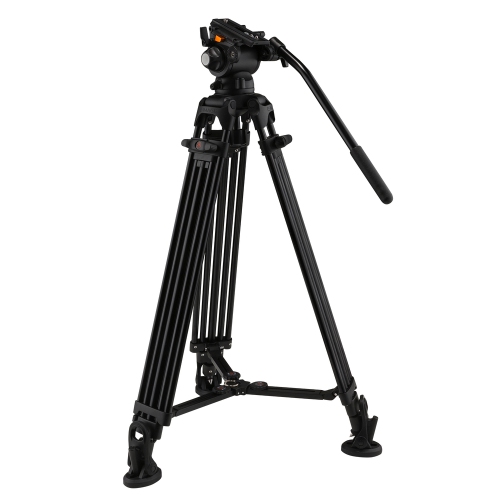
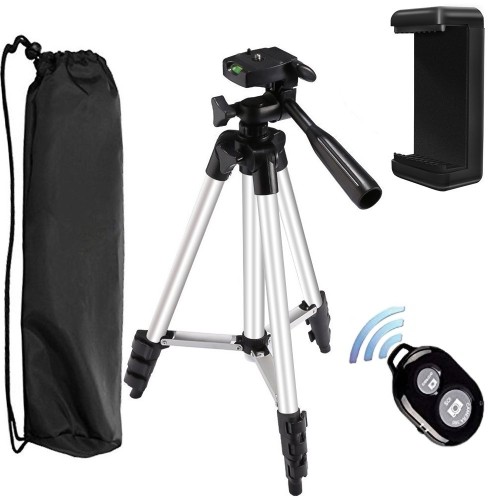
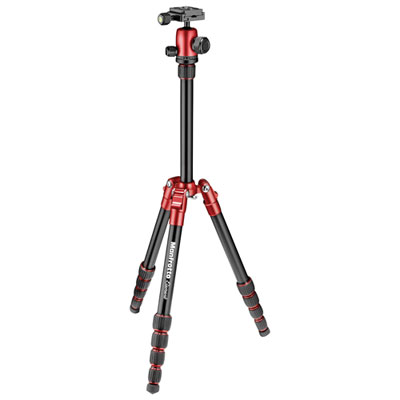
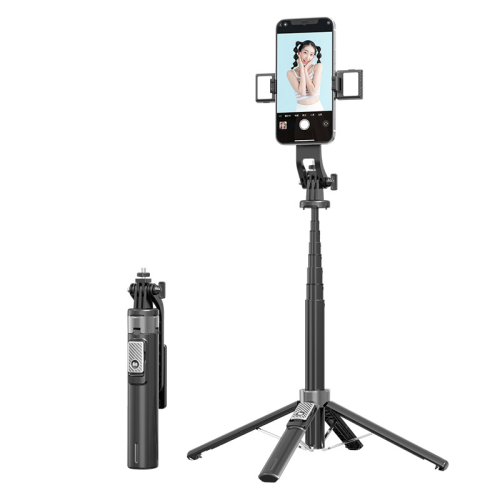
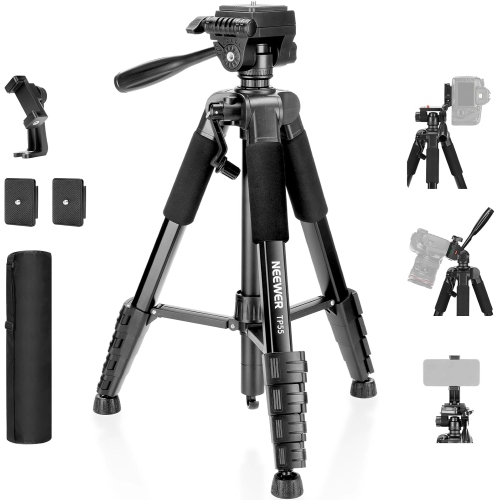
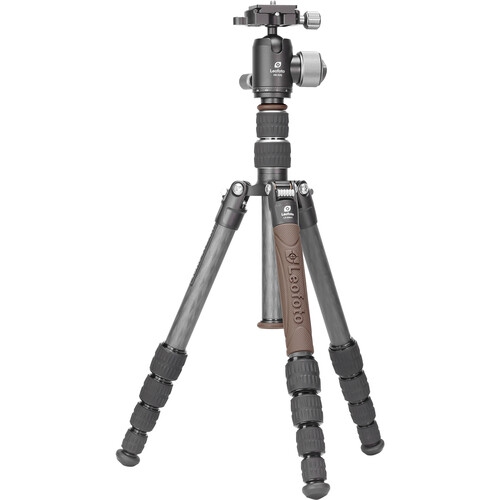
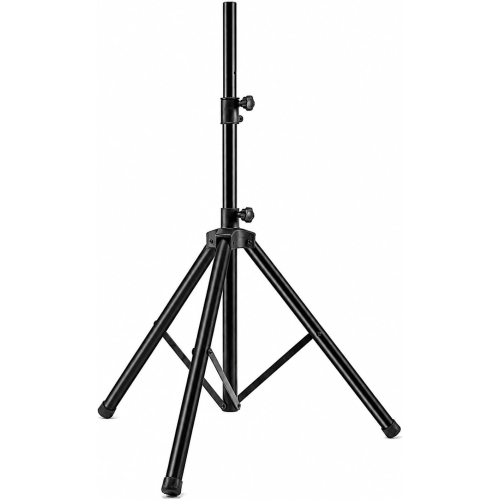
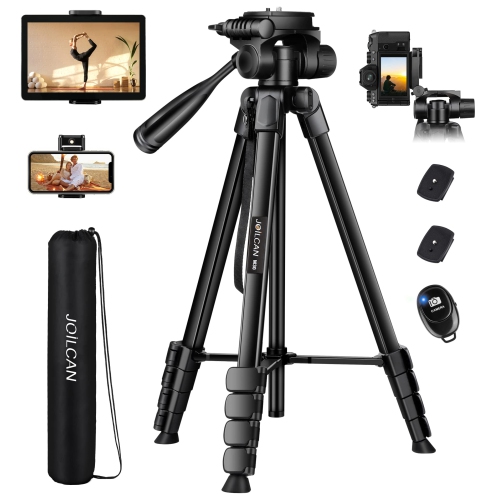
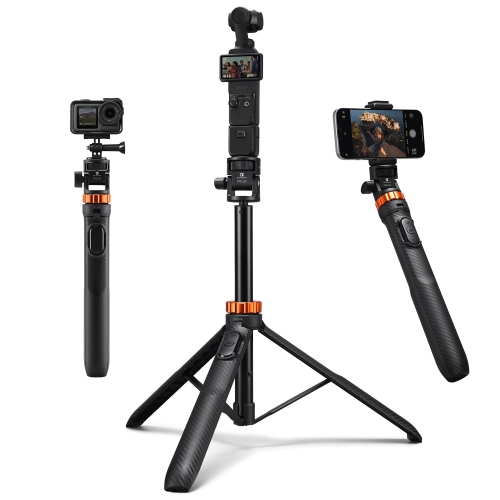
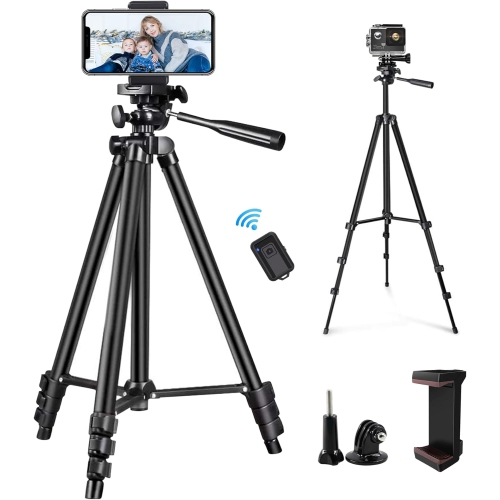
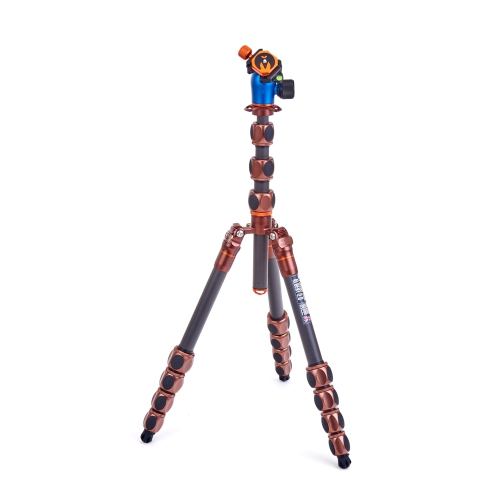

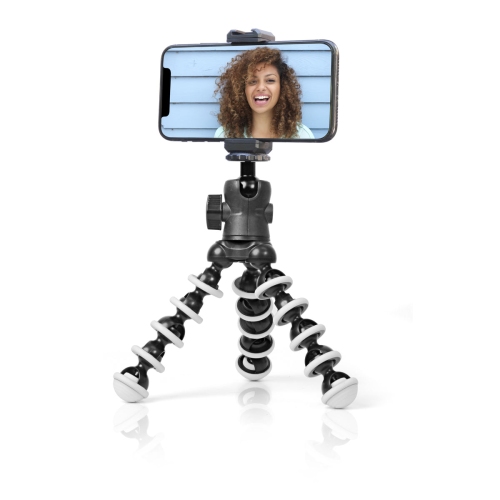
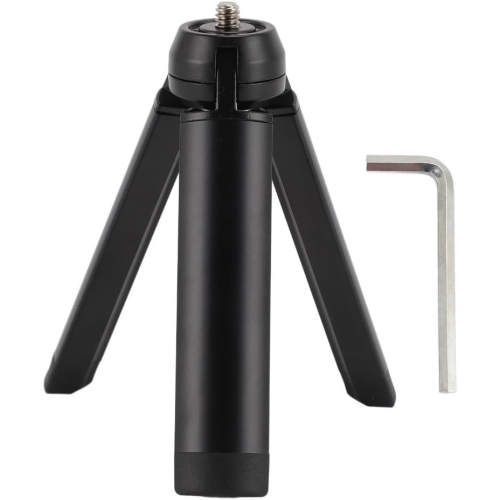
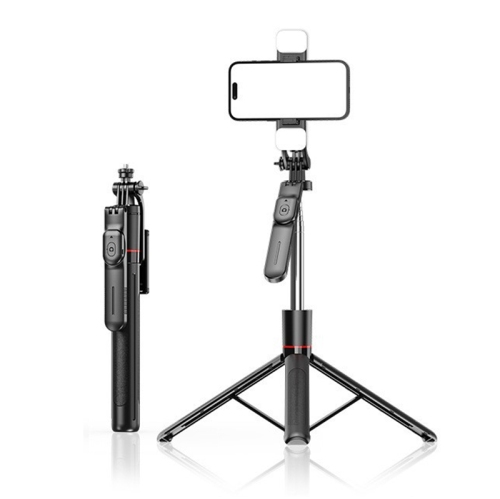
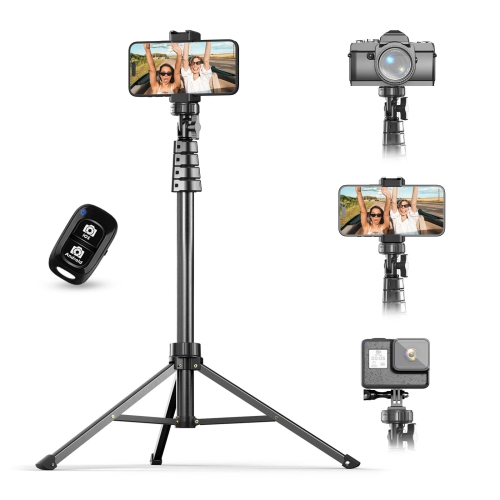
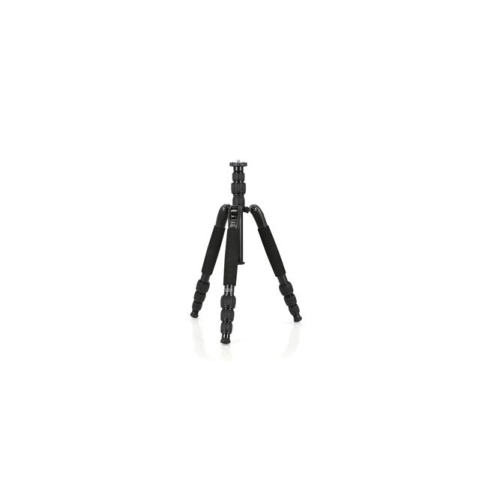
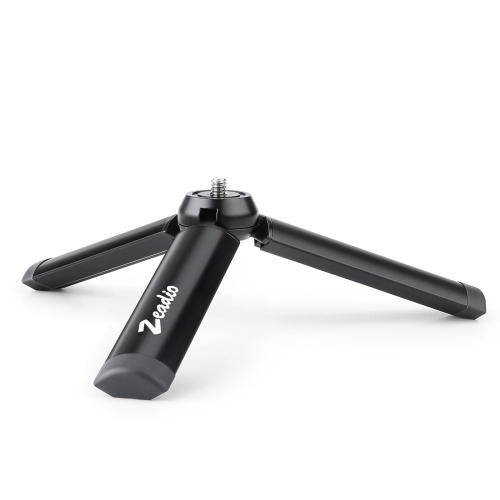
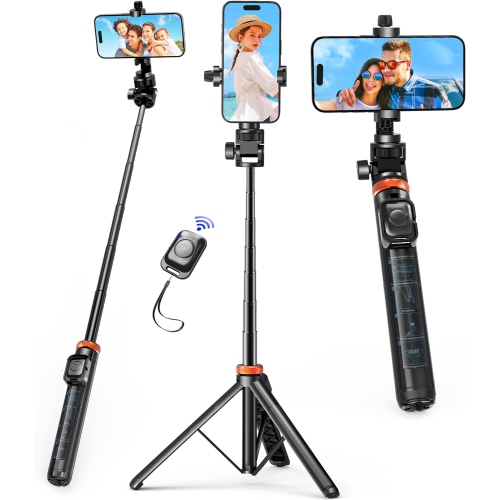
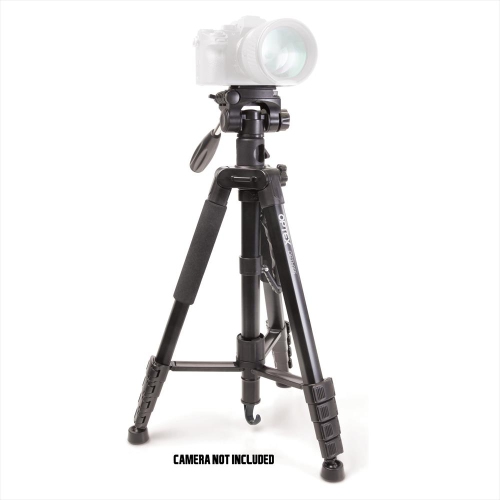
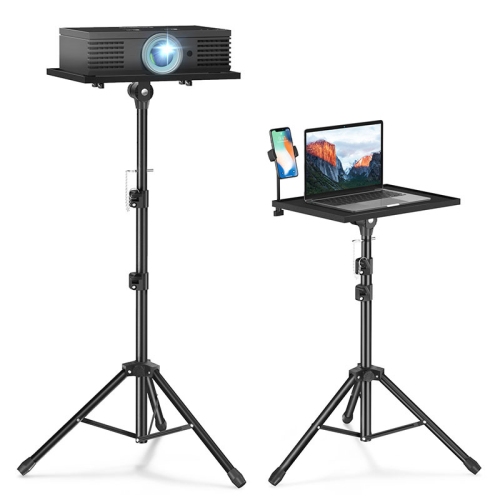
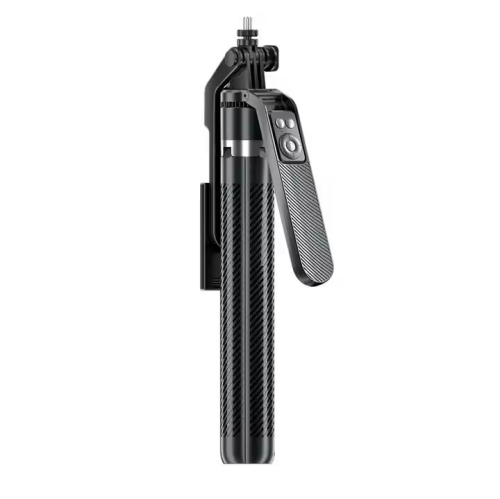
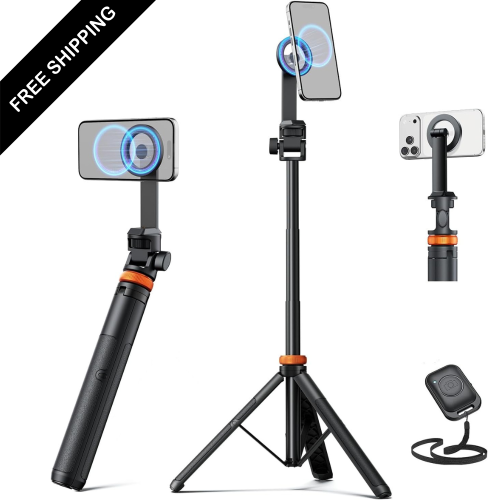
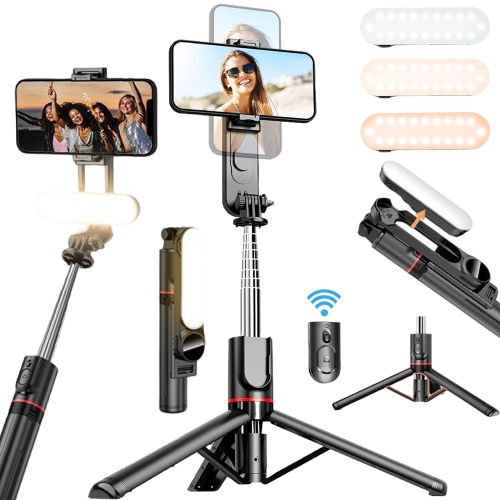
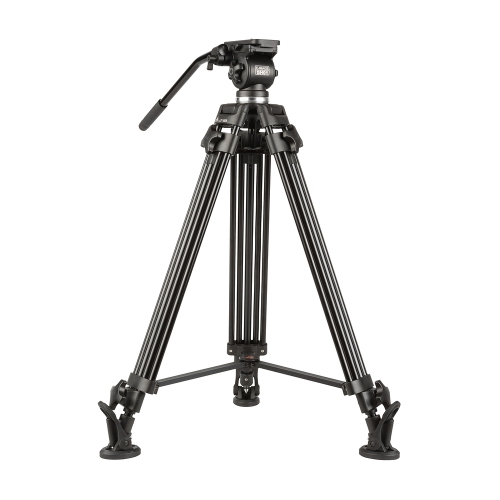
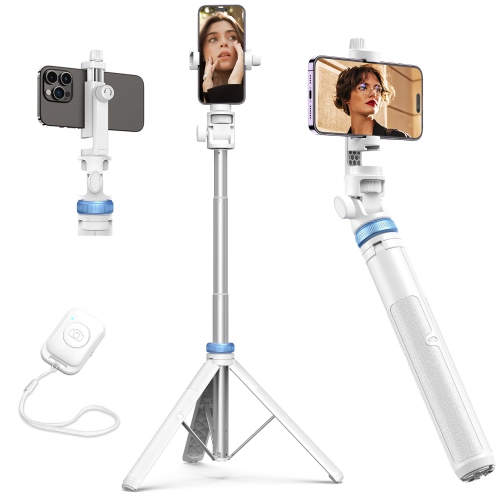
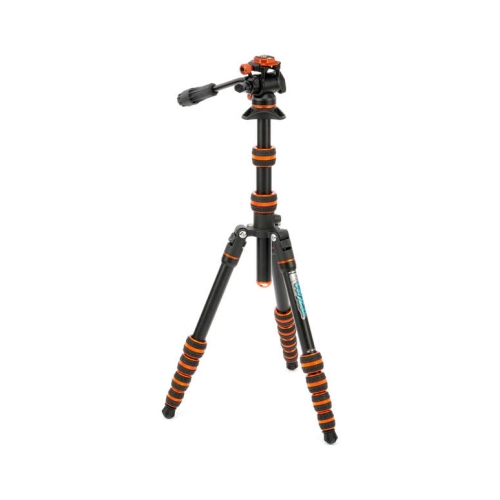
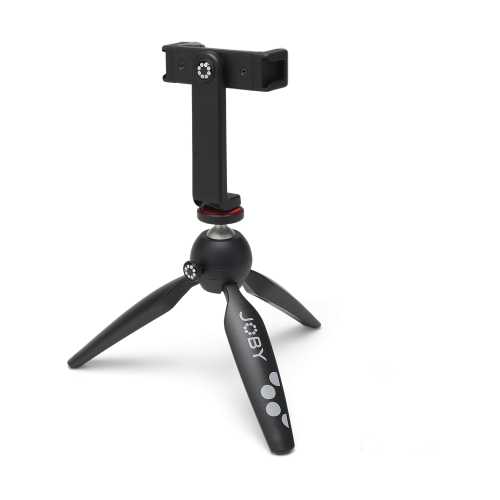
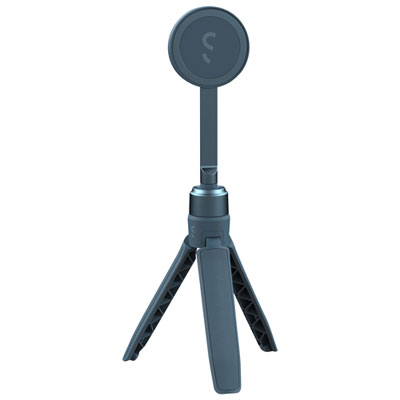
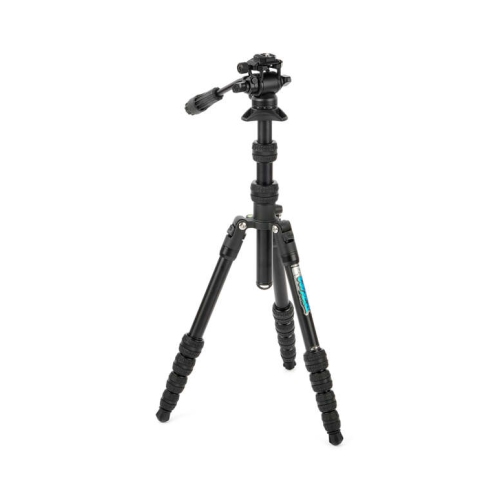

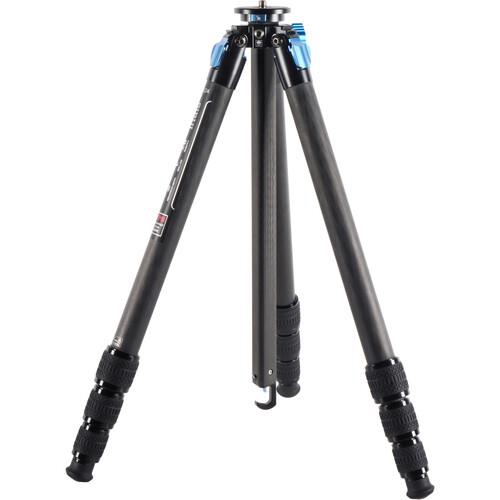
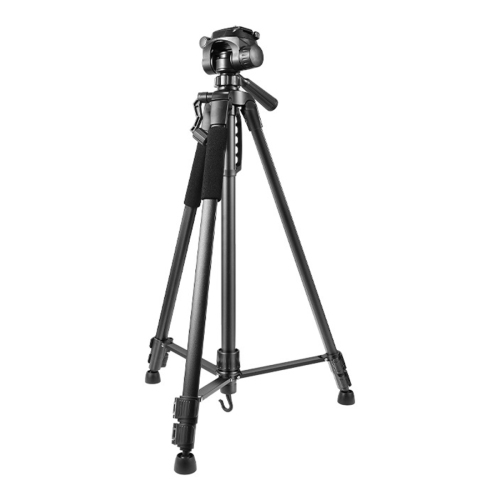
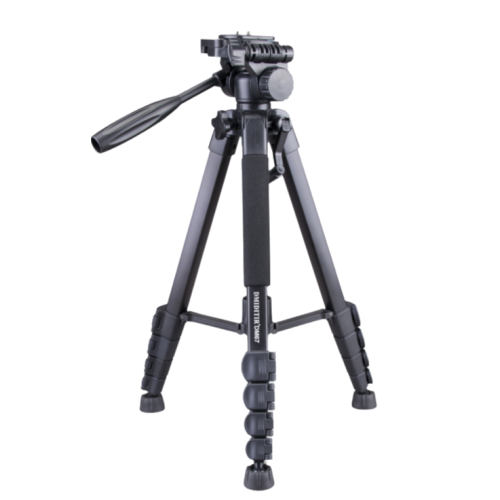
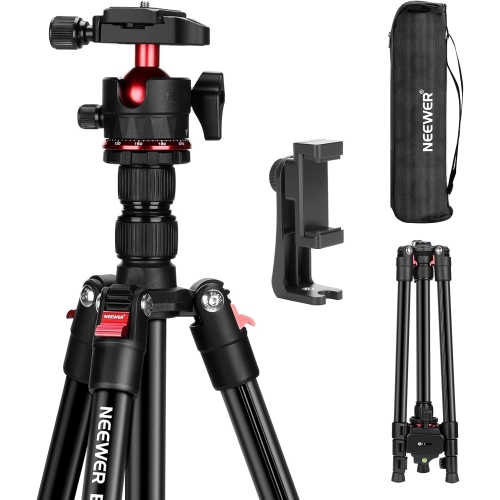
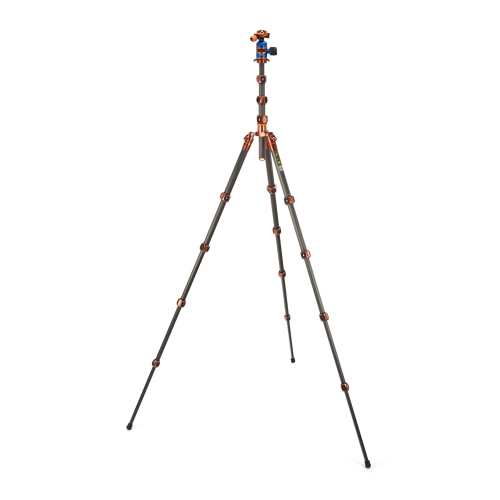
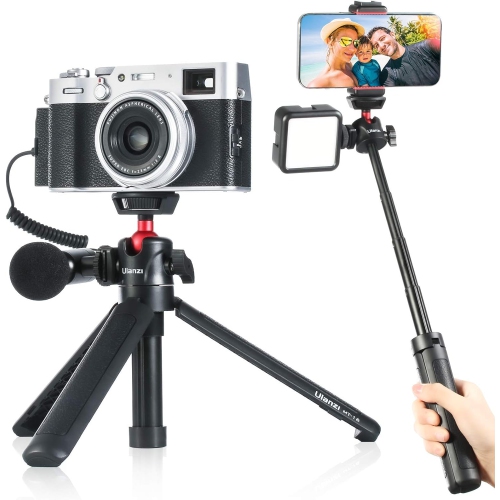
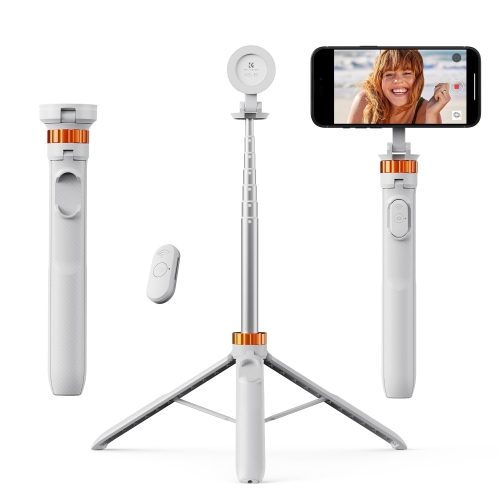
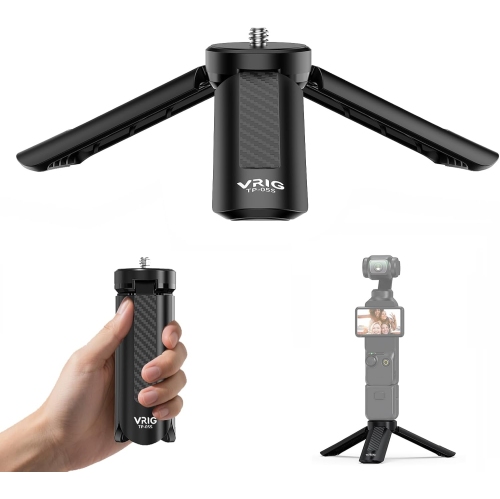
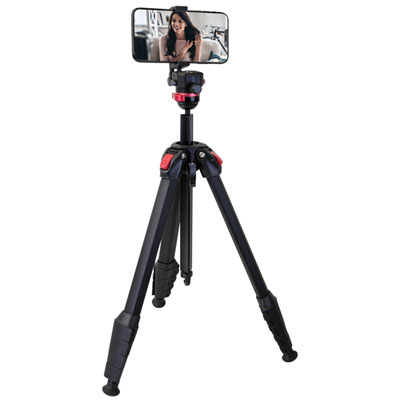
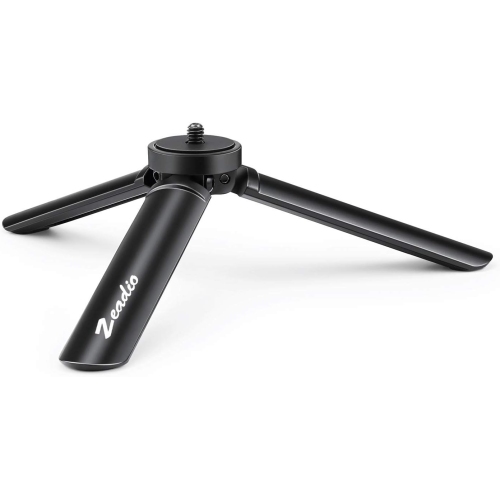
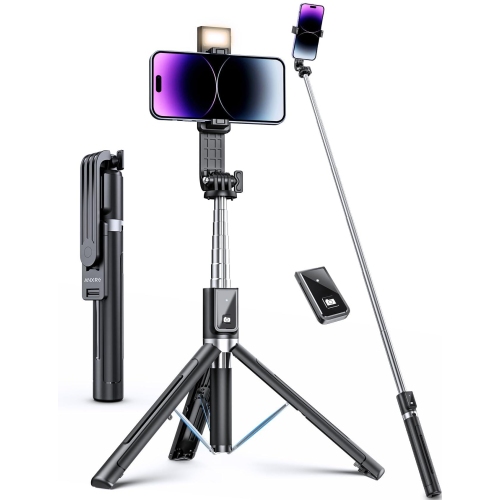
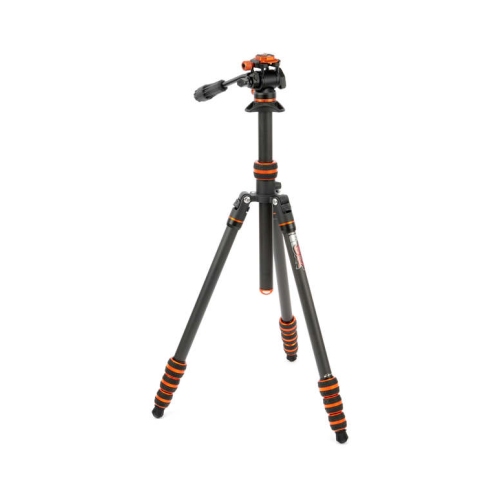
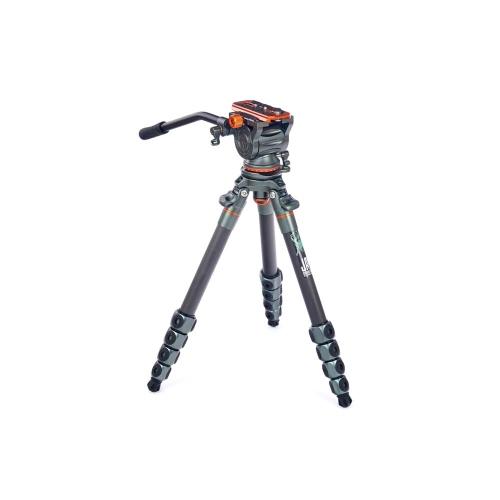
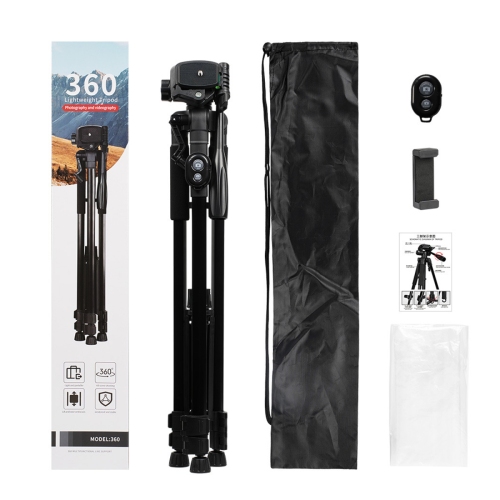
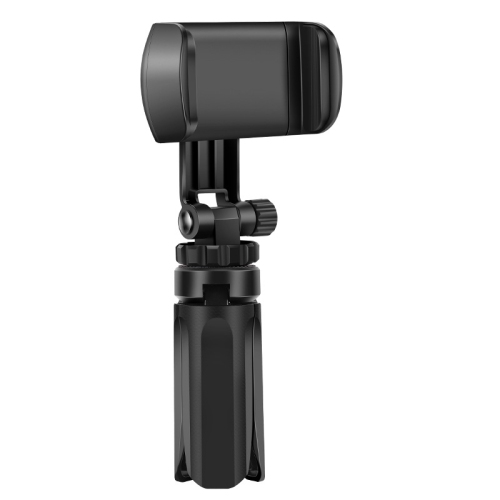
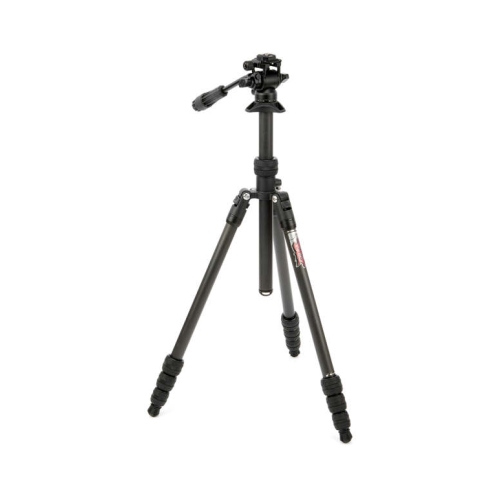
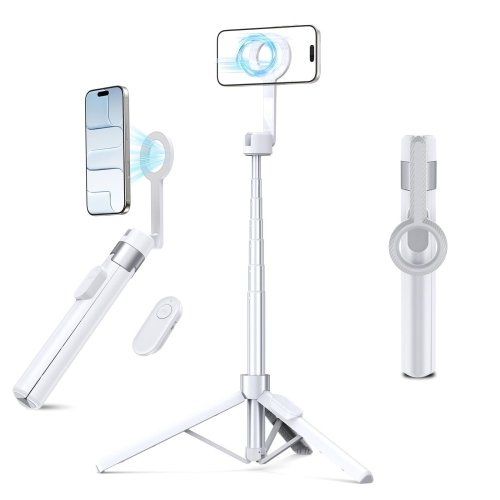
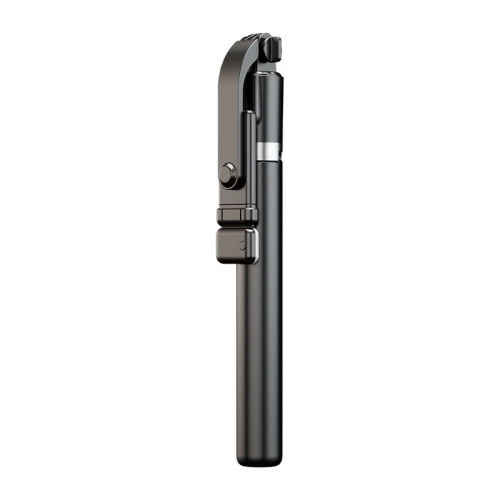
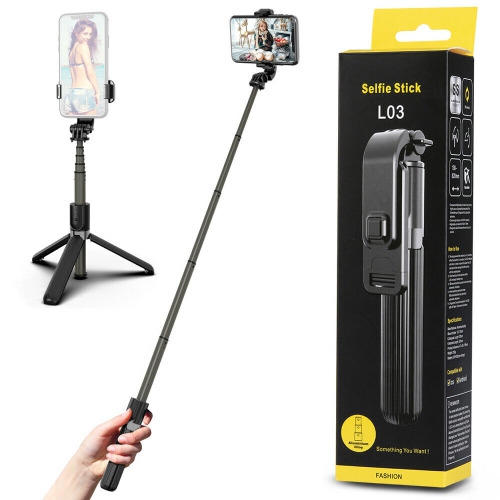
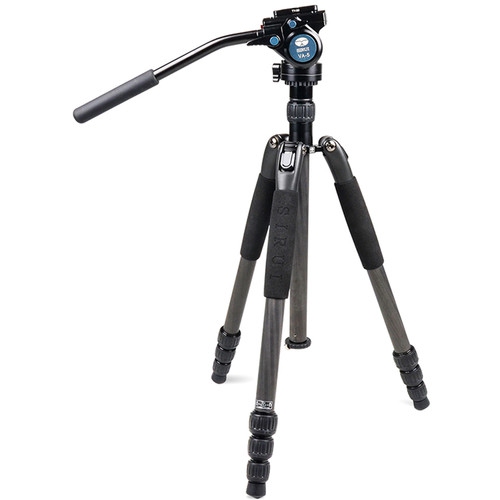
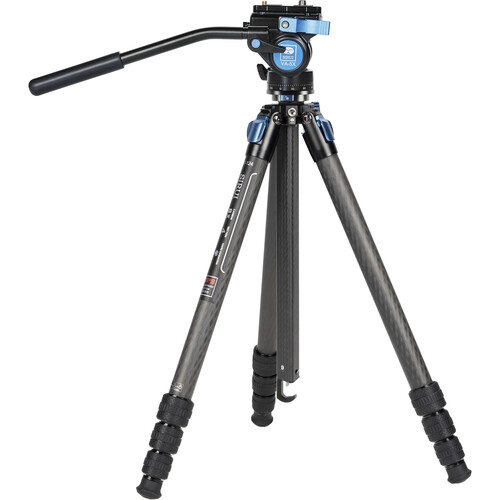
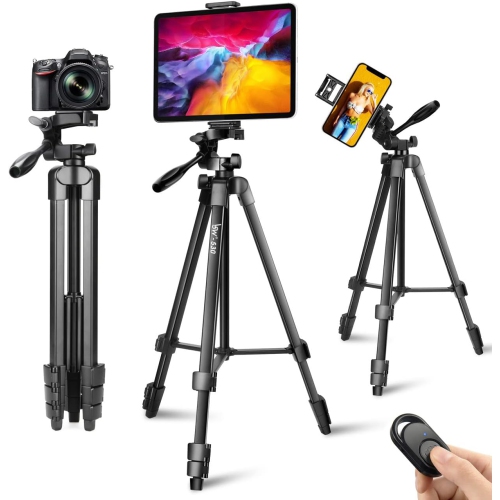
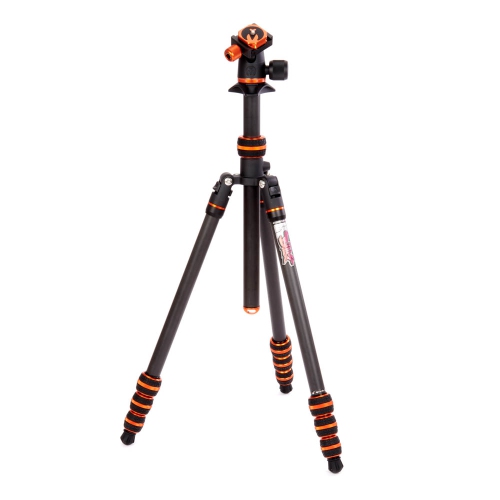
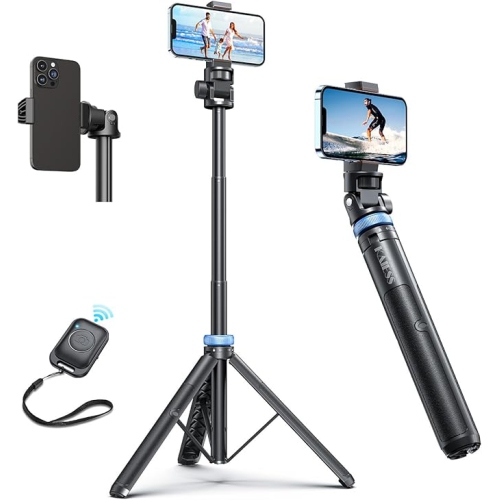
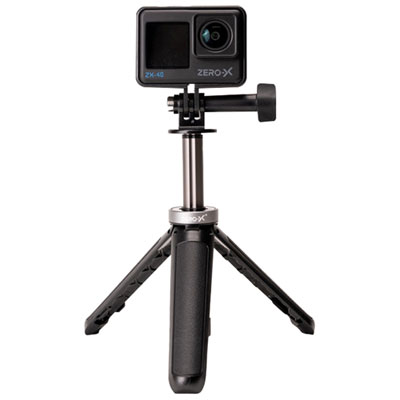
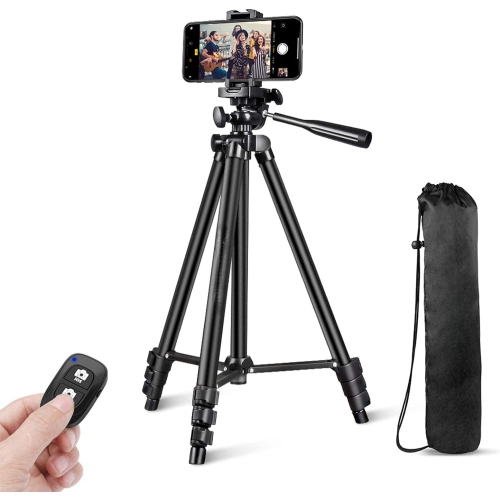
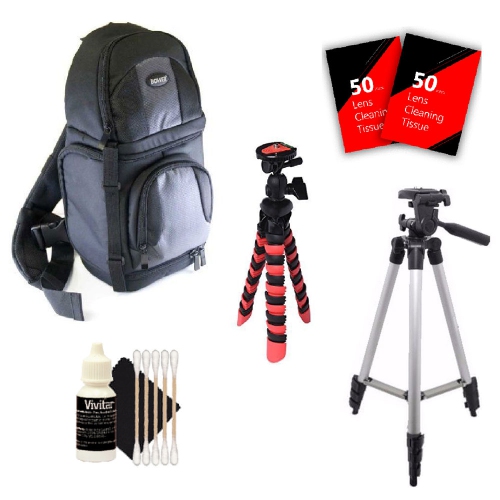
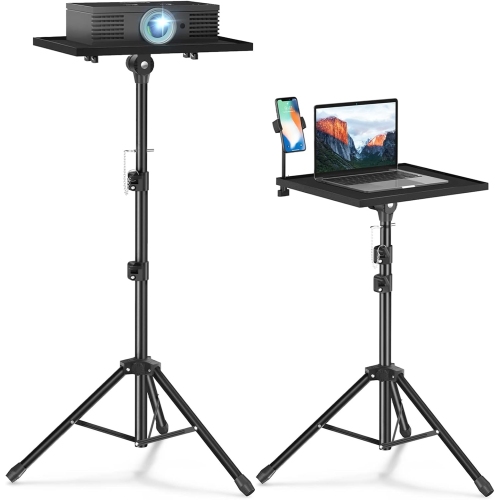
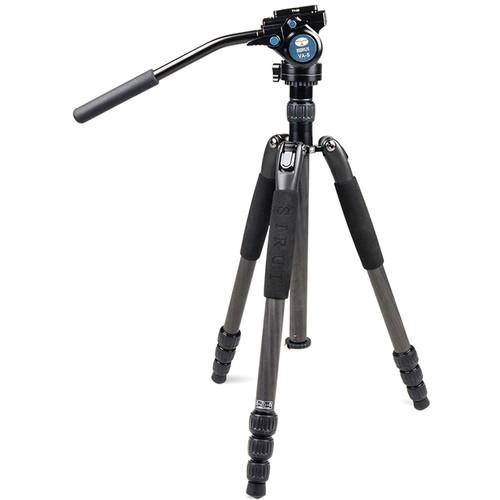
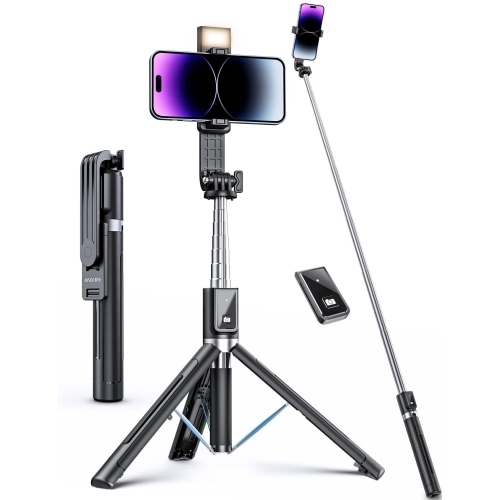
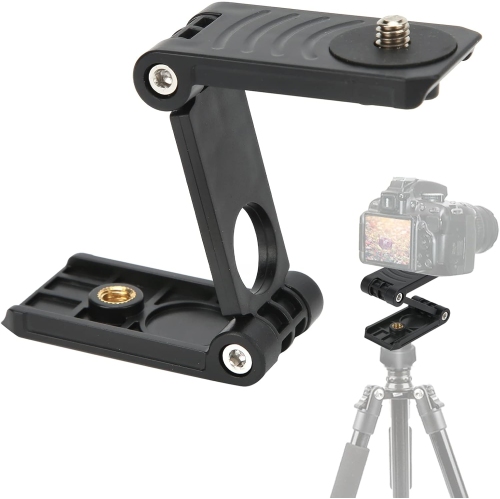
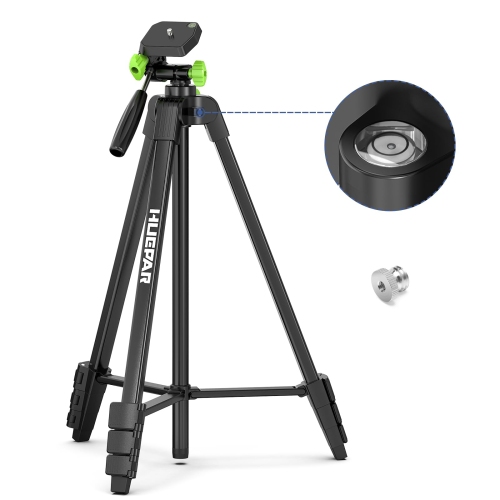
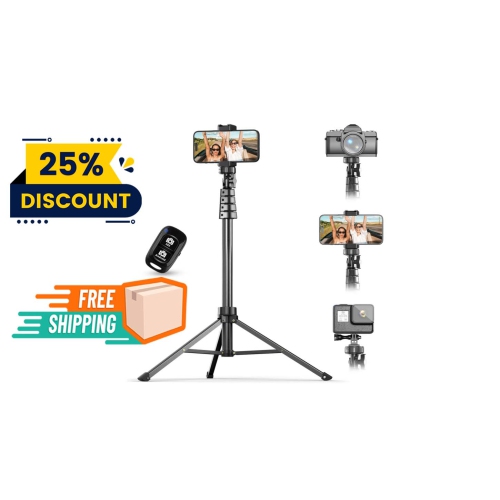
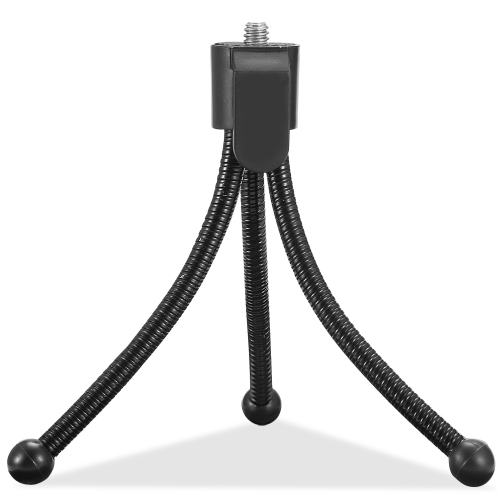
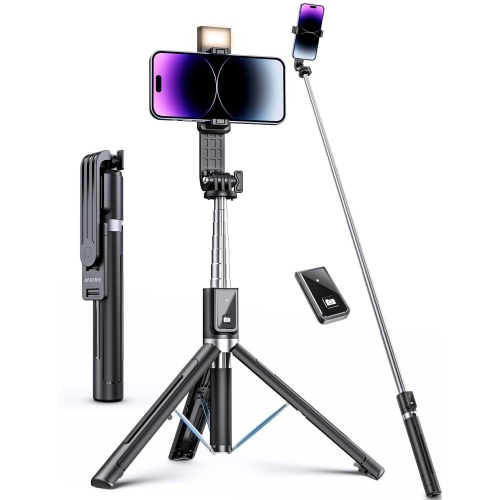

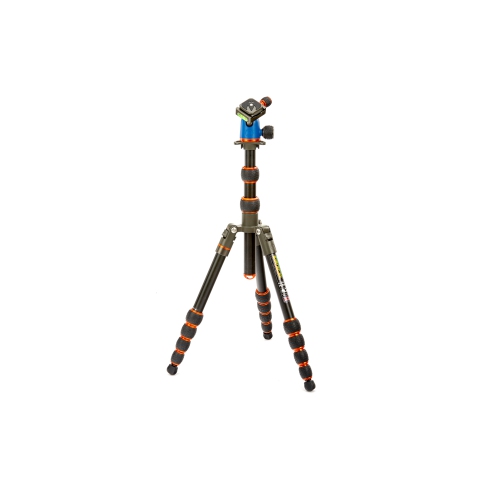
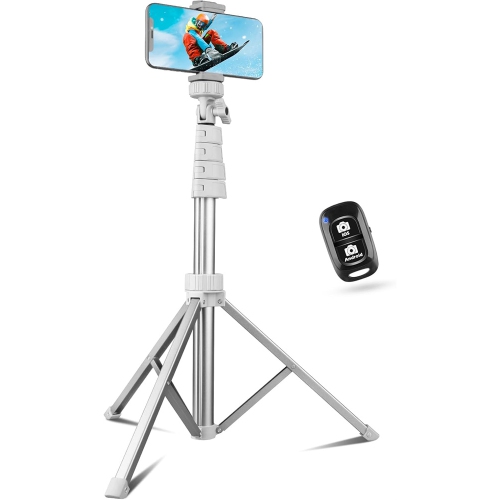
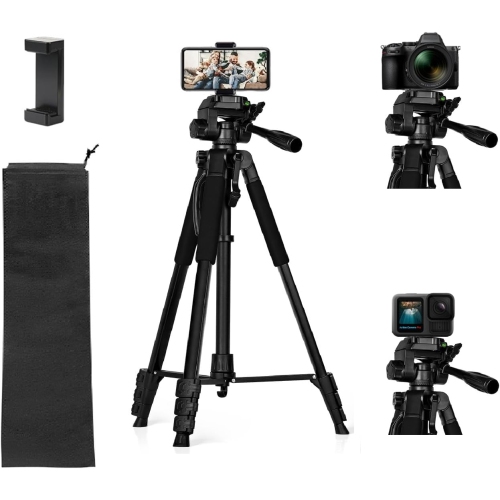
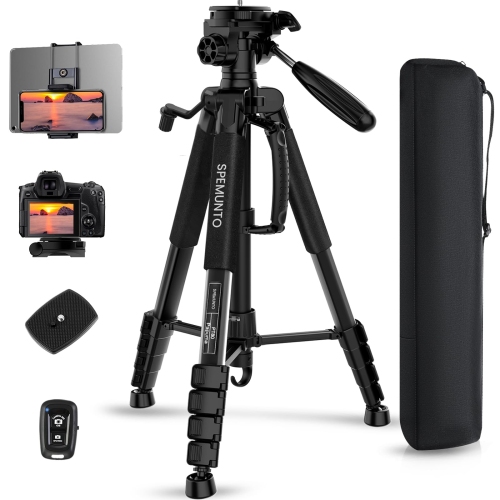
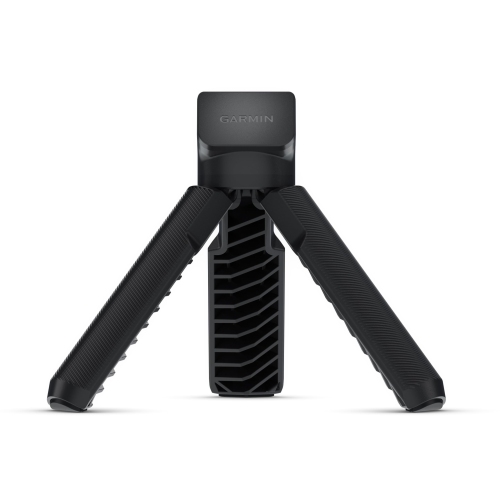
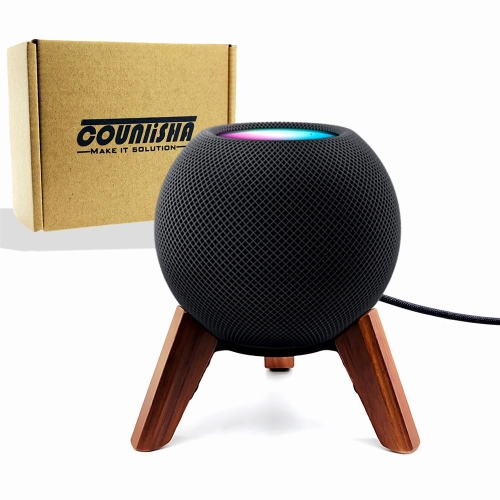
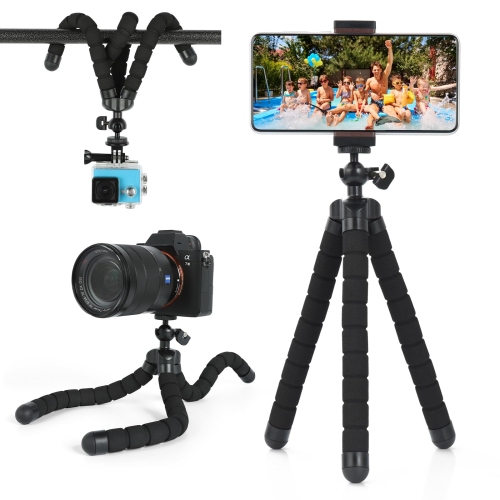
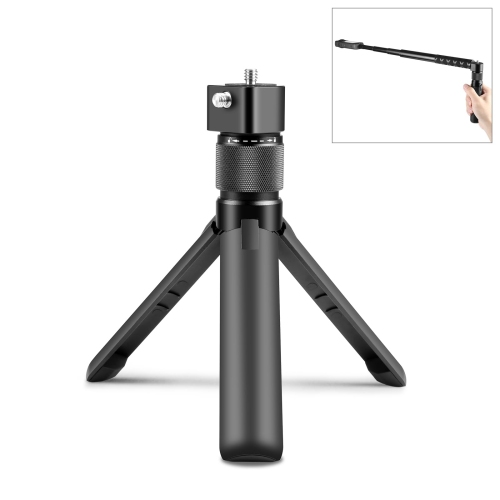
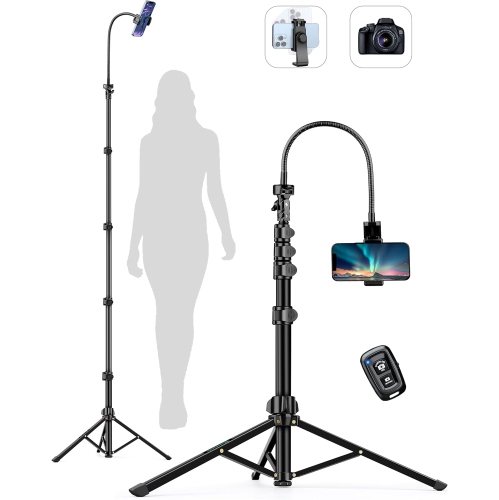
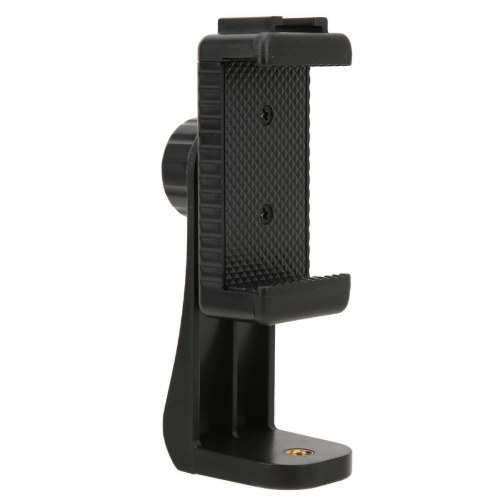
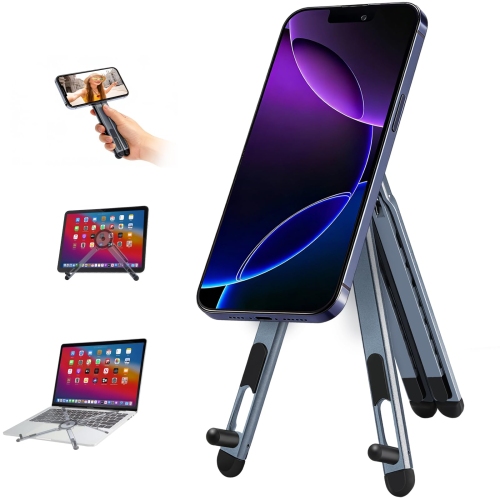
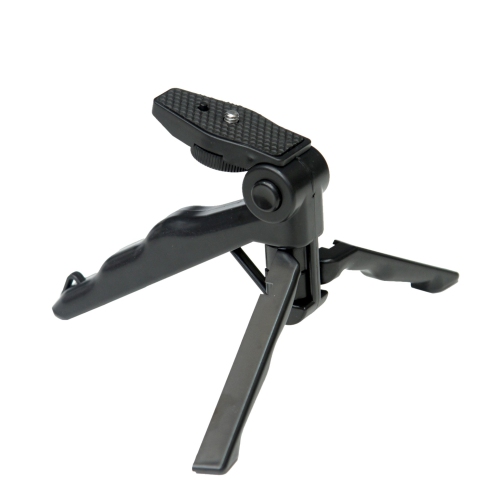
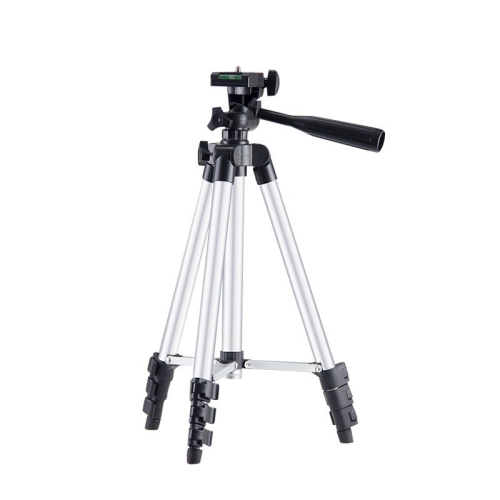
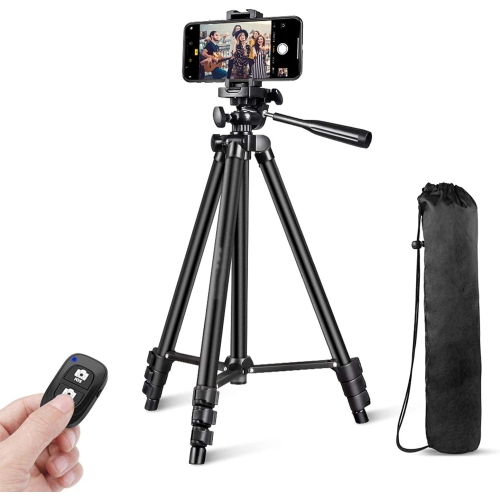
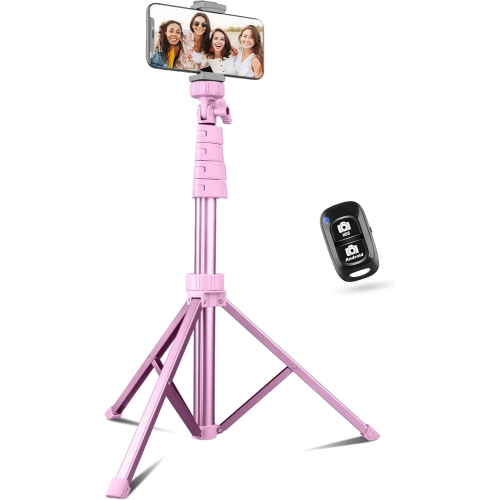
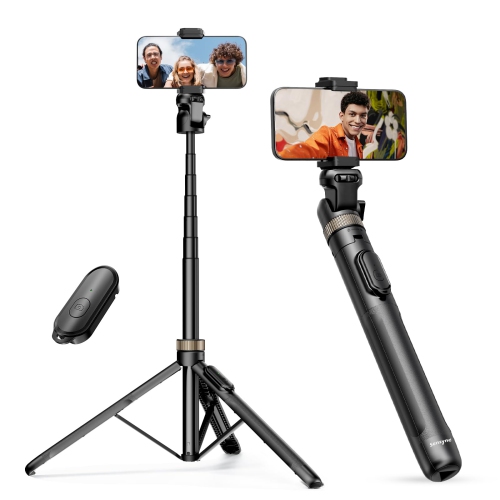
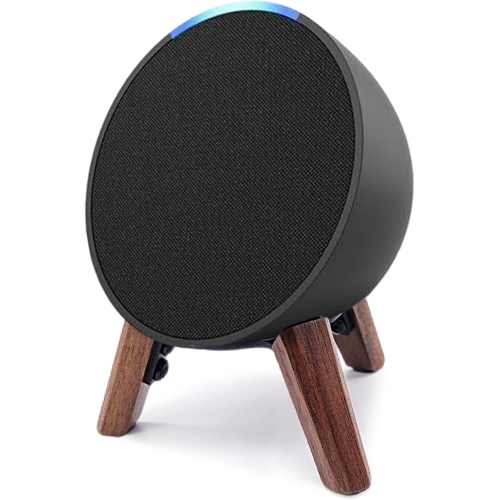
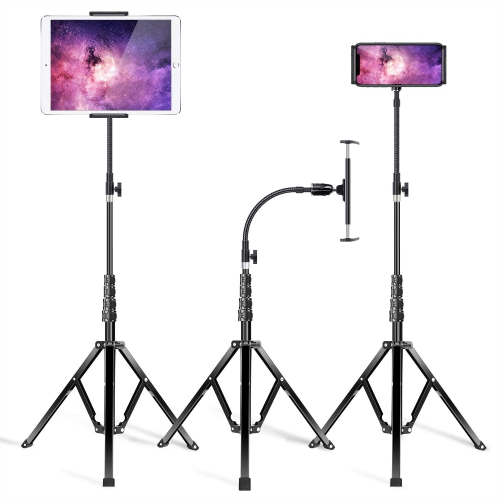
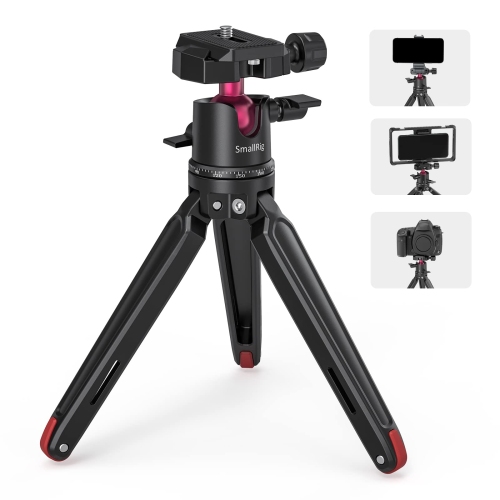
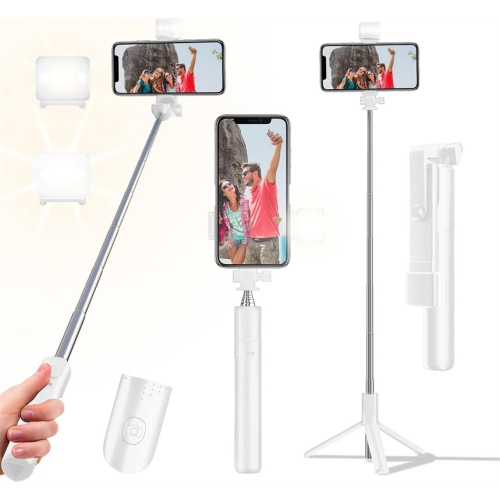
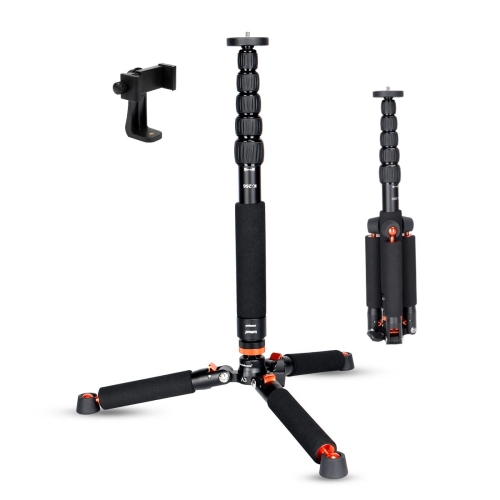
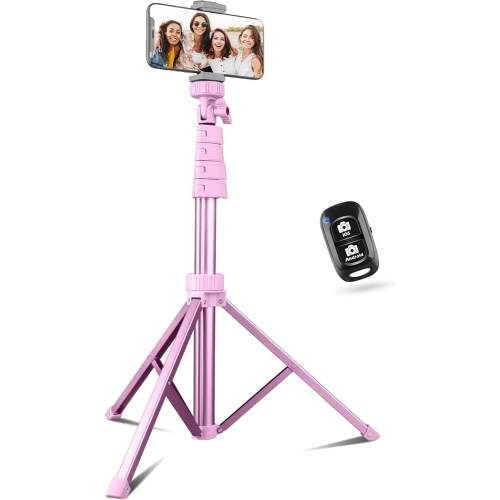
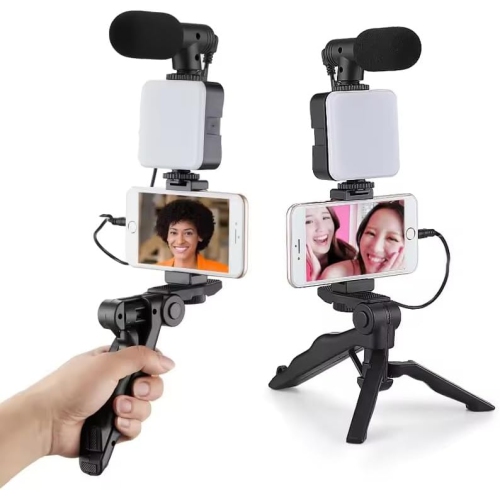
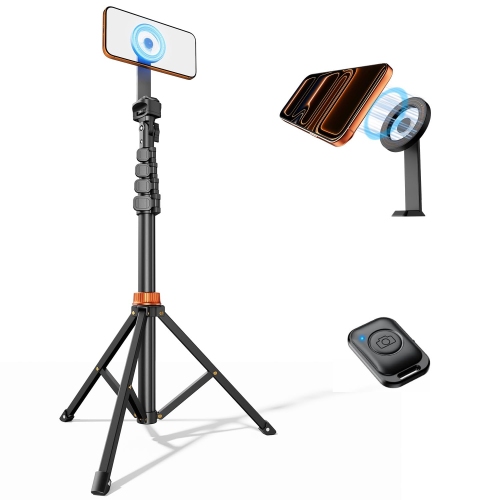
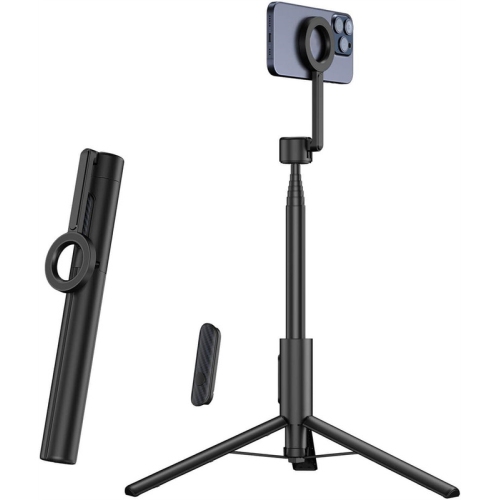
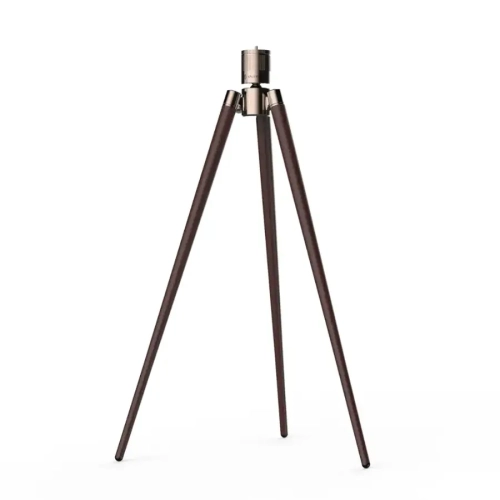
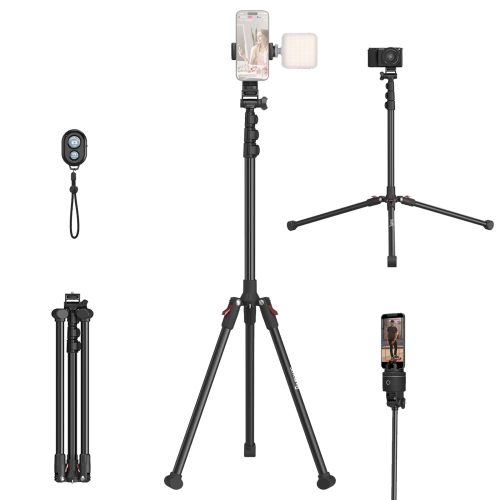


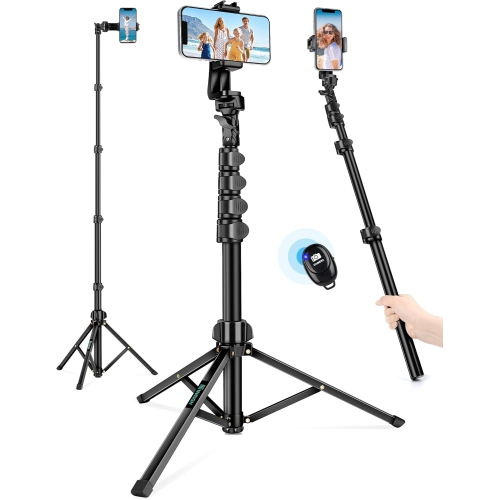
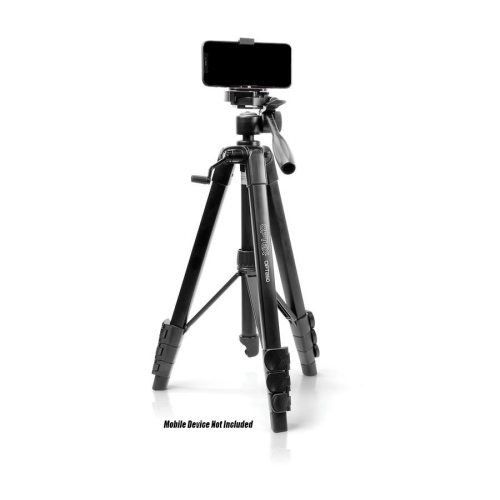
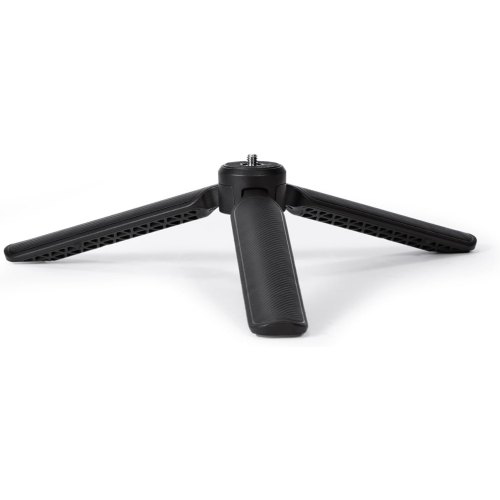
Steady shots depend on more than sturdy legs
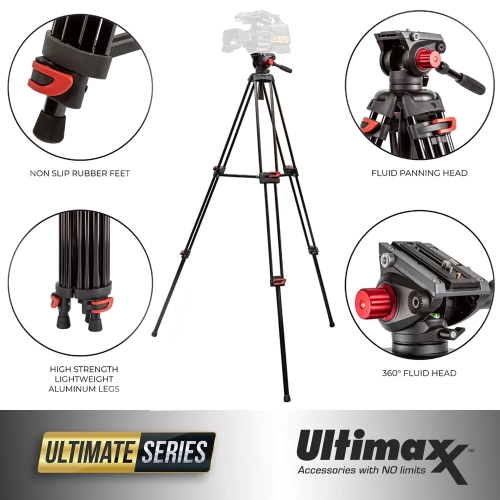
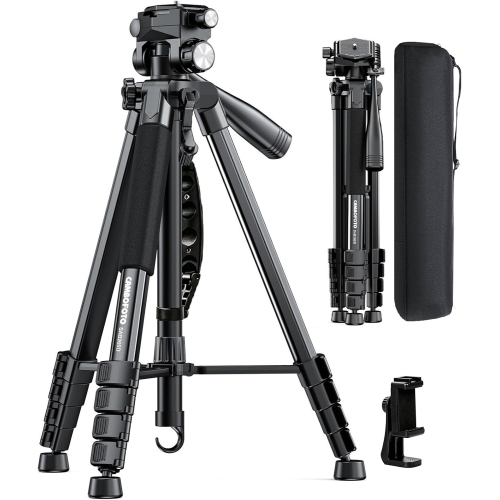
Stable tripods provide a firm, adjustable base for cameras and other compatible recording equipment, helping reduce movement during photographs and giving video shots a consistent frame. Their value becomes especially clear when a handheld camera cannot stay still long enough: a detailed photograph of jewellery, a long exposure of city lights, or a recorded interview where the composition needs to remain unchanged. Stability comes from the complete support system, including the legs, joints, head, mounting plate, and contact with the ground, rather than from weight alone. Aluminium legs offer a practical combination of strength and durability, while carbon fibre legs can reduce carrying weight and help dampen vibration. Tube diameter, construction quality, and the rigidity of each joint also matter. Thicker leg sections generally flex less, and designs with fewer sections have fewer joints that could introduce movement, although they may be longer when folded. A wide leg stance can create a secure foundation, while independently adjustable leg angles help each foot make solid contact on uneven surfaces. Flip locks and twist locks both have their place; secure engagement and resistance to slipping are more important than the lock style itself. Rubber feet suit many hard indoor surfaces, while interchangeable pointed feet may be useful on appropriate outdoor ground. Extending a centre column raises the camera but can also increase movement, so a tripod that reaches a useful working height with its column lowered offers an advantage for demanding shots. Models with ballast hooks provide another way to add support when used within the manufacturer’s limits. A suspended bag should remain still rather than swing, and its weight should not overload the hook or legs. These details distinguish a genuinely rigid platform from one that simply looks substantial. Even a sturdy tripod still depends on secure locks, a properly attached camera, and a surface that does not shift under its feet.
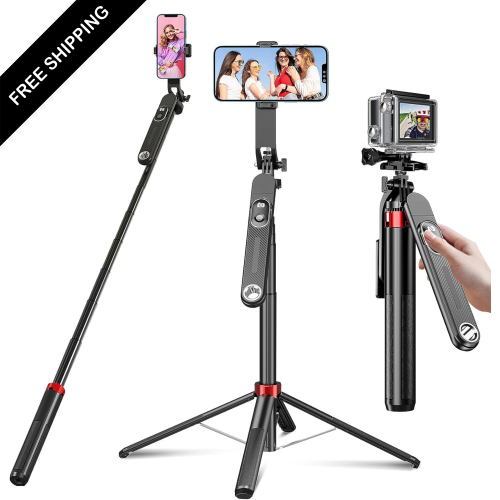
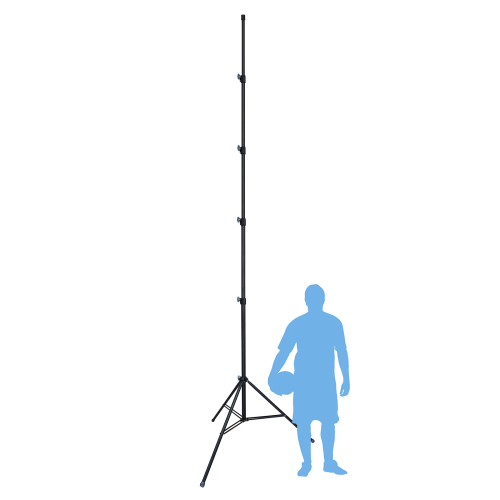
Compatibility is just as important as construction when comparing stable tripods. The supported load includes the camera body, lens, head-mounted accessories, and anything else carried above the legs. Both the tripod and its head need suitable load ratings, with room for the complete setup rather than only the camera body. A maximum load rating is not a universal measure of sharpness or resistance to vibration, since different designs and testing methods can produce different results. A long telephoto lens also places different demands on a support than a compact camera of the same weight. Where a lens has a compatible tripod collar, mounting through that collar can improve balance and reduce strain at the camera connection. Common mounting connections include 1/4-inch and 3/8-inch threads, but the plate, head, and device must fit together correctly; a similar-looking quick-release plate is not necessarily interchangeable. Secure plate engagement and accessible controls make it easier to adjust framing without disturbing the setup. Ball heads allow flexible positioning for still photography, while three-way heads provide separate control over individual axes. For video, a fluid head is designed to provide controlled resistance during pans and tilts, helping a shot follow a moving subject without abrupt changes. Counterbalance, where included, can help manage a camera’s tendency to tip as its angle changes, provided the setup falls within the head’s specified range. A levelling base or bowl can simplify horizontal alignment without repeatedly changing the leg lengths. Smartphone use requires a suitable holder, and vertical framing depends on the holder or head offering that orientation securely. Working height, folded length, and adjustment range shape everyday comfort as well. A tall tripod can make standing compositions easier, while low-angle capability brings the camera closer to a tabletop subject or small detail. Compact supports suit desks and confined spaces, but their smaller footprint makes careful balance especially important when equipment extends beyond the centre of the base.
Different uses call for different combinations of portability, stiffness, and control. A photographer carrying equipment between locations may appreciate a lighter tripod with a manageable folded length and a secure carrying case. Someone creating product photographs in a dedicated studio may place more emphasis on rigid legs, repeatable positioning, and a head that holds its angle without slowly settling. For portraits and group photographs, a steady support keeps the composition consistent while the photographer adjusts lighting or joins the frame using a timer or remote release. Close-up work benefits from fine positioning because small movements can noticeably change focus and composition. A tripod can also help maintain alignment across a sequence of images, such as a panorama or time-lapse, although the camera settings and shooting technique still influence the result. Video creators may prefer a system with a suitable fluid head and clearly accessible controls rather than a lightweight photography head designed mainly to lock into position. In a home recording space, cable routing deserves attention: a taut charging or microphone cable can pull on the camera, and loose cables around the feet can create a trip hazard. For a studio corner that needs a separate surface for a notebook or small accessories, Tripod Tables serve a furniture role, while a purpose-built camera tripod supports the recording equipment. Routine care helps preserve reliable operation. Removing grit from feet and leg joints, wiping down accessible surfaces, and following the manufacturer’s cleaning instructions can keep locks working smoothly. Legs should be clean and dry before storage, and worn feet, loose fasteners, or a damaged mounting plate deserve attention before the next session. A stable tripod can be a thoughtful gift for a photography student, hobbyist, or content creator when it matches their equipment and usual shooting style. The most useful support is one that holds the intended setup securely and remains comfortable to carry, position, and adjust often.
Top selling and popular products
-
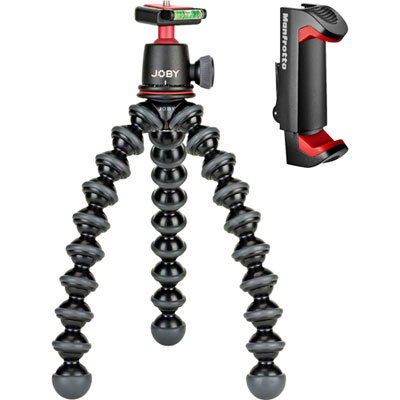 Your price for this item is $144.99
-
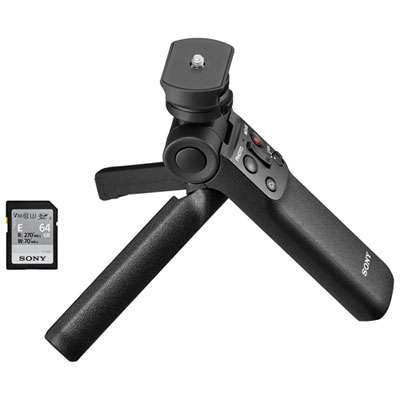 Your price for this item is $199.97
-
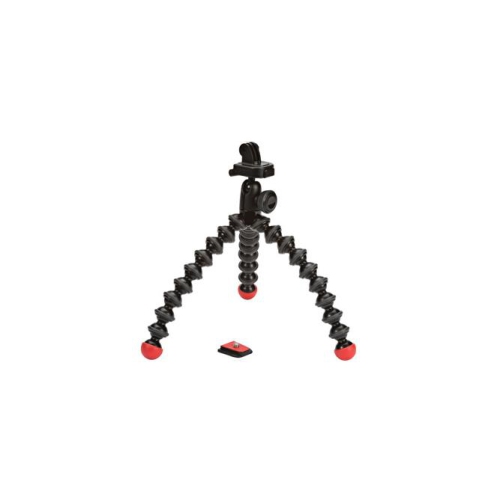 Your price for this item is $126.91
-
 Your price for this item is $139.99
-
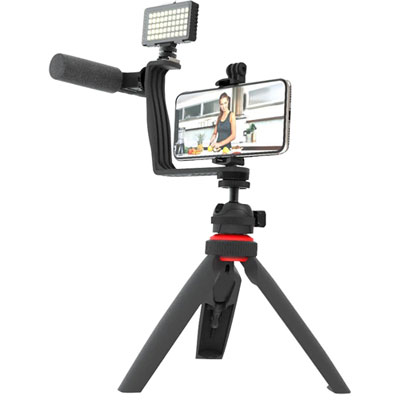 Your price for this item is $69.99
-
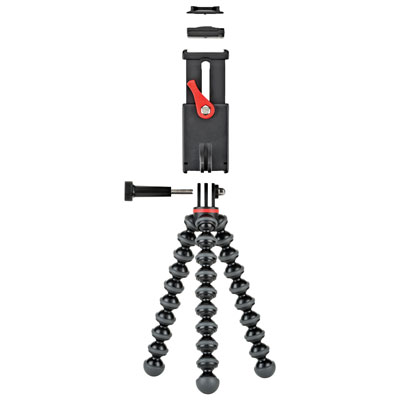 Your price for this item is $78.97
-
 Your price for this item is $259.99
-
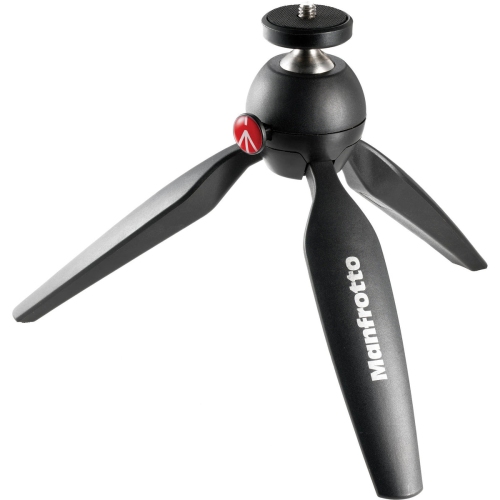 Your price for this item is $83.53
Discover more categories related to Stable Tripods
Top Collections:
Best Black Friday Deals This Year, Best Black Friday Deals On Electronics, Kindle Devices, Pokemon Centers, Best Black Friday Deals On Apple Products, Best Cameras for Sports Photography, Dyson Airwrap, Pokémon 30th Celebration Cards, Apple iPhone 17 Pro, Canon G7X Cameras
Some products may be subject to Environmental Handling Fees
(EHF) depending on your province.
Learn more about EHFs.