Fujifilm X-S20 Cameras
Discover the perfect companion for capturing life's moments with the Fujifilm X-S20 camera. Whether you're a passionate photographer or just starting, this camera offers versatility and performance to help you express your creativity. Explore a range of options and find the ideal Fujifilm X-S20 camera to suit your style, so you can preserve memories with clarity and ease.
Sort




More creative control in a camera that travels light
Compact APS-C mirrorless cameras bring detailed still photography and flexible video capture into a camera system that is comfortable to carry beyond a planned photo session. Their appeal lies in that balance: a body small enough for a day bag, a substantial grip for steady handling, and interchangeable lenses that let the same camera photograph a family gathering, a carefully plated meal, or a performer across a room. An APS-C sensor is larger than the sensors used in many pocket cameras and smartphones, offering greater scope for controlling depth of field and capturing fine detail. Resolution around 26 megapixels provides room for cropping and printing, although sharpness also depends on the lens, focus accuracy, shutter speed, and technique. For someone moving beyond phone photography, the difference is not simply more pixels; it is the ability to choose how movement, perspective, and background blur shape a picture. A bright prime lens can separate a face from a busy background, while a compact zoom makes it easier to adjust framing without changing lenses. Film simulation settings add another creative dimension, giving JPEG photographs distinct colour, contrast, or monochrome treatments directly in the camera. RAW capture preserves more flexibility for later adjustments, making it useful for difficult lighting or photographs intended for careful editing. These hybrid cameras suit travellers, photography students, hobbyists, and creators who want stills and video from one device. They can also make a thoughtful gift for someone developing a serious interest in photography, particularly when the camera fits lenses or accessories they already own. A body-only option makes sense for an established kit, whereas a body paired with a compatible lens provides a more complete starting point. What matters most is how the whole setup feels in use: a comfortable camera is more likely to come along for the ordinary moments that become favourite photographs.
Hybrid camera design places just as much importance on moving images as on still photographs. High-resolution recording, including 6.2K open-gate capture on equipped cameras, can be particularly useful for creators producing several versions of the same footage. Open-gate recording uses the sensor’s full width and height rather than a narrower widescreen section, leaving extra space to frame a horizontal video and a vertical clip from one take. That flexibility helps when filming a cooking demonstration, an interview, or a short product presentation, though careful composition is still needed to keep important details within each intended crop. Video resolution alone does not describe the finished result: frame rate, compression, bit depth, lighting, lens choice, and sound all matter. A higher frame rate can support smoother motion or slow-motion playback when footage is edited on a suitable timeline, while 10-bit recording offers more tonal information for colour adjustments. Log recording profiles are intended for a colour-managed editing workflow rather than an immediately finished look. For simpler projects, an in-camera colour treatment can reduce the work needed before sharing. A vari-angle touchscreen makes it easier to frame from waist height, above a crowd, or with the screen facing the person presenting. In-body image stabilization helps reduce visible camera shake during handheld shooting, but it cannot freeze a moving subject in a photograph or fully replace a tripod or gimbal for every video shot. Autofocus with subject detection can help maintain focus on supported subjects, especially when filming alone, although performance depends on the lens, lighting, settings, and scene. Clear audio deserves equal attention: a compatible external microphone can bring speech closer and reduce the prominence of surrounding noise, while headphone monitoring helps reveal distracting sounds before a take is finished. Memory cards also need the sustained write speed required by the selected recording mode. Larger video files take more storage and longer to transfer, so the camera, card, computer, and editing software all contribute to a practical everyday workflow.
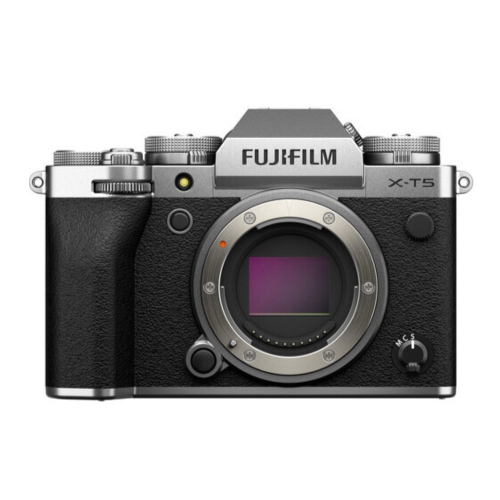
Handling, lens compatibility, and everyday care are just as important as headline recording specifications when building a compact camera kit. A deep grip gives the fingers a secure place to rest, while accessible control dials make it easier to change exposure without interrupting a moment. A conventional mode dial offers a familiar path between automatic shooting, aperture priority, shutter priority, and manual control. Screen articulation and an electronic viewfinder provide different ways to compose, and each can affect comfort during a long session. Shoppers exploring another approach to camera controls and still photography can also browse Fujifilm X-T5 cameras as part of choosing a system that suits their habits. Lens fit requires more than matching a brand name: the mount, electronic compatibility, autofocus support, and intended sensor coverage all need to align. A lightweight standard zoom keeps a bag manageable, while a longer telephoto lens changes the balance of the camera and may call for extra support. Camera bodies and lenses can combine metal, engineered plastics, rubberized grip surfaces, and coated optical glass; construction varies, so a sturdy feel should not be taken as proof of resistance to dust or splashes. Padded bags with adjustable dividers help prevent equipment from knocking together, and a properly attached strap provides security when moving between locations. Lens caps protect exposed glass during transport. For routine cleaning, a hand blower can remove loose particles before a clean lens cloth touches the surface; abrasive fabrics and household cleaners can damage delicate coatings. Lens changes are best kept brief and made away from airborne dust, with the camera switched off and the open mount protected. Battery endurance varies with screen use, autofocus activity, wireless transfers, and video recording, making a charged spare useful for longer outings. Compatible chargers, spare cards, and a reliable method of backing up files complete the setup without adding unnecessary bulk. Together, thoughtful handling and a well-matched kit make room for the real purpose of the camera: capturing expressive photographs and clear, engaging video wherever a story unfolds.
Top selling and popular products
-
 Your price for this item is $1899.99
-
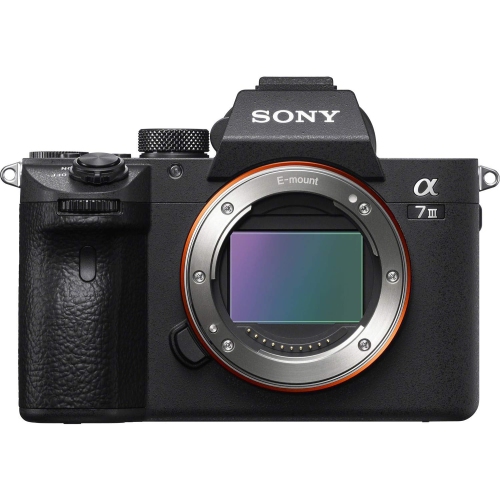 Your price for this item is $1899
-
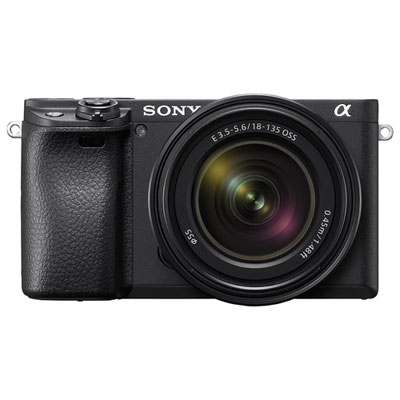 Your price for this item is $1749.99
-
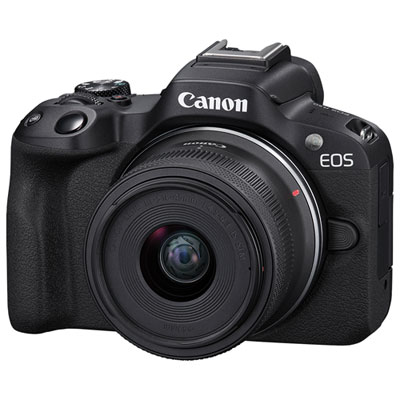 Your price for this item is $1099.99
-
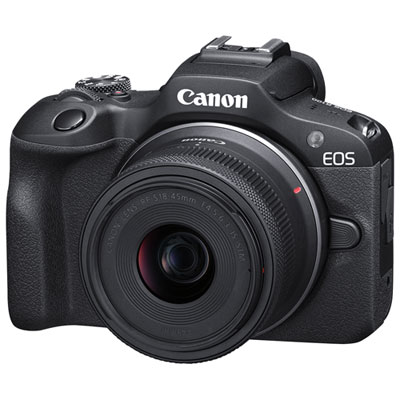 Your price for this item is $629.99
-
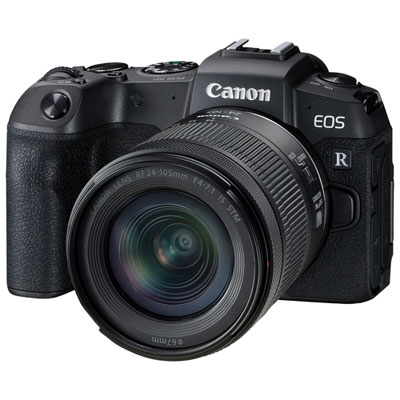 Your price for this item is $1499.99
-
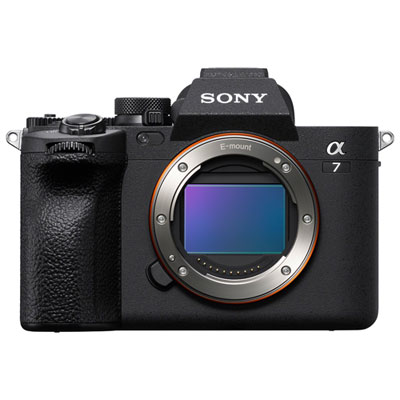 Your price for this item is $2699.99
-
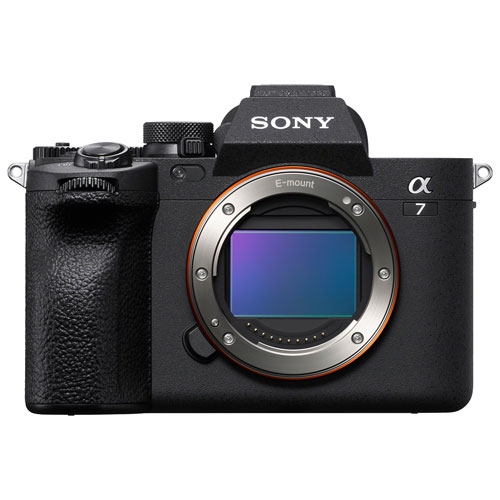 Your price for this item is $2419.99
Discover more categories related to Fujifilm X-S20 Cameras


Top Collections:
Pokemon Centers, Best Cameras for Sports Photography, Kindle Devices, Samsung Galaxy Phones, Canon G7X Cameras, Pokémon 30th Celebration Cards, Refurbished Apple Laptops, iPhone 15 Apple, Laptops for Students, Budget Smartphones
Some products may be subject to Environmental Handling Fees
(EHF) depending on your province.
Learn more about EHFs.