Fujifilm X-T5
Explore the world of photography with a mirrorless camera that combines cutting-edge technology and timeless design. Perfect for both budding photographers and seasoned professionals, this camera offers exceptional image quality and a host of advanced features to elevate your creative expression. Whether capturing stunning landscapes or intimate portraits, you'll appreciate the intuitive controls and versatile capabilities that make every shot a masterpiece. Dive into a realm where innovation meets artistry and discover how this camera can transform your photographic journey.
Sort


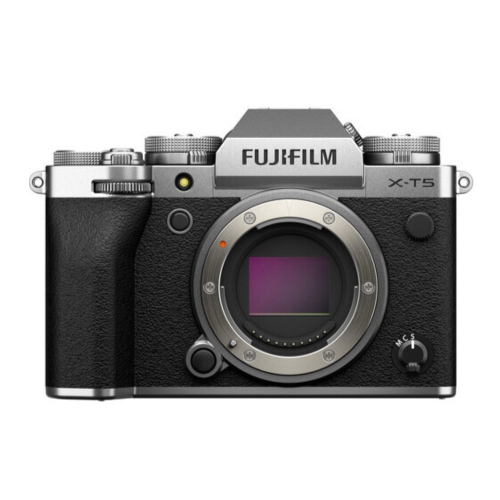
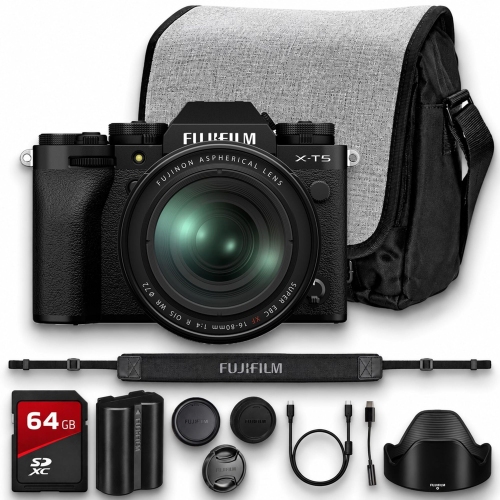


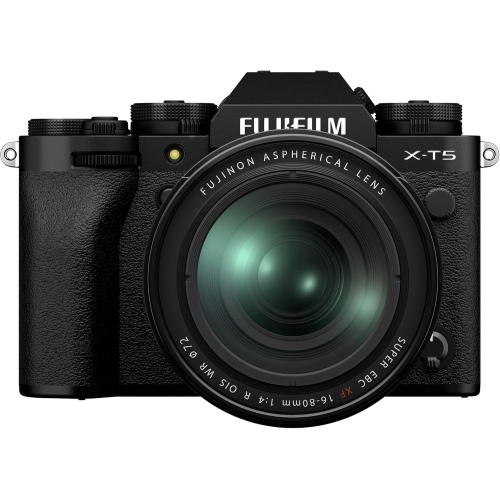


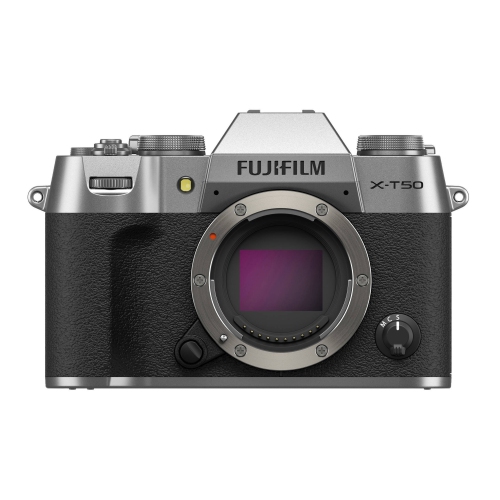


Fine image detail meets hands-on control for everyday photography
High-resolution APS-C mirrorless cameras bring fine image detail, interchangeable lenses, and hands-on control into a body that is practical to carry for everyday photography. Their appeal stretches from travel and family portraits to landscape, architecture, and street photography, where texture and timing can matter equally. A finely detailed image can preserve the grain in a wooden doorway, individual leaves along a trail, or the subtle pattern of a knitted sweater, while leaving room to crop without immediately losing clarity. Resolution is only part of that result, though: lens quality, accurate focus, shutter speed, and careful technique all contribute to a sharp photograph. An APS-C sensor offers a useful balance between image quality and system size, especially when paired with a compact lens rather than a large zoom. For photographers who prefer a deliberate approach, physical exposure dials make settings easy to see and adjust before raising the camera to eye level. An electronic viewfinder can preview exposure and colour, while a tilting screen makes it easier to compose from waist height or close to the ground. In-body image stabilization can help reduce blur from small hand movements when photographing still subjects, although a faster shutter speed is still needed to freeze a running child or a cyclist passing through the frame. These characteristics suit experienced photographers who want a smaller everyday system, as well as beginners interested in learning beyond automatic settings. A more advanced camera is not necessarily unsuitable for someone starting out; the more important considerations are comfortable handling, accessible controls, and a willingness to practise. Automatic exposure and autofocus can support early use, with manual adjustments becoming more useful as confidence grows. For a broader look at this camera family, Fujifilm Mirrorless provides a related starting point. The character of the finished photograph still depends on the person behind the camera: noticing soft window light, choosing a clean background, and waiting for an expression often matter more than using every available setting.
Lens choice shapes how a mirrorless camera feels and what it can comfortably photograph. A small prime lens keeps the overall kit unobtrusive for neighbourhood walks, café interiors, and casual portraits, while a standard zoom offers flexibility when changing position is difficult. Wider focal lengths can take in a mountain view or a room interior; longer focal lengths help frame distant details and create tighter portraits without standing close to the subject. Compatibility deserves particular attention because an interchangeable lens must match the camera’s mount or use a suitable adapter, and adapters may affect autofocus or other functions. On an APS-C body, the field of view differs from that of the same focal length on a full-frame camera, so equivalent focal-length descriptions can make comparisons easier. Maximum aperture also influences intended use. A wider aperture admits more light and can soften a distracting background, but the resulting shallow depth of field makes precise focus especially important. For a group gathered around a table, a smaller aperture may be more useful than maximum background blur because it helps keep faces at different distances in focus. Camera fit is just as personal as lens preference. Grip depth, dial placement, viewfinder comfort, and the balance of the attached lens all affect how securely a camera sits in the hand during a long outing. Photographers who wear glasses may place extra importance on seeing the full viewfinder image, while those working outdoors during the cooler months may appreciate controls that remain manageable with light gloves. Body materials and construction influence weight and durability, but a sturdy metal shell does not make a camera immune to knocks or moisture. Weather-resistant construction offers added protection only within the manufacturer’s stated limits, and the attached lens must also provide appropriate protection for the intended conditions. A comfortable strap, a padded bag with adjustable compartments, and a properly fitted lens hood can make the system easier to carry and protect during ordinary use. For travel, the most practical kit is often one that leaves enough room for personal essentials rather than filling every compartment with camera equipment.
Day-to-day care and a realistic workflow help preserve both the equipment and the photographs it produces. Lens caps keep glass protected in a bag, while a clean blower and an appropriate lens cloth can remove loose dust and fingerprints without unnecessary rubbing. Sand, grit, and damp fabric should be kept away from the camera, and lens changes are best made in a sheltered spot with minimal exposure to airborne dust. After moving from cold outdoor air into a warm room, allowing equipment to reach room temperature inside a closed bag can help limit condensation on cold surfaces. Batteries also tend to deliver less operating time in cold conditions, making a charged spare useful for longer outings. Memory cards need to meet the camera’s capacity and speed requirements, particularly for long bursts or high-resolution video. Large image files offer editing flexibility, but they also require more storage space and can take longer to transfer, review, and back up. JPEG files are convenient for sharing with minimal processing, while RAW files retain more scope for adjusting exposure, white balance, and tonal detail later. Colour presets can give photographs a consistent feel straight from the camera, which is appealing for anyone who would rather spend more time shooting than editing. Wireless transfer can simplify sharing selected images through a compatible app, although a card reader may be more practical for a full day’s photographs. Keeping a separate backup matters whether the images document a holiday, a family gathering, or a personal creative project. For someone receiving camera equipment as a gift, familiarity with their existing lens mount, preferred subjects, and carrying habits is more useful than choosing by specifications alone. A photography student may value direct controls and room to develop new skills, while an enthusiastic traveller may care most about a light, balanced kit. Thoughtful attention to handling, compatible accessories, and everyday routines helps turn a capable camera system into something that gets taken along and used regularly.
Top selling and popular products
-
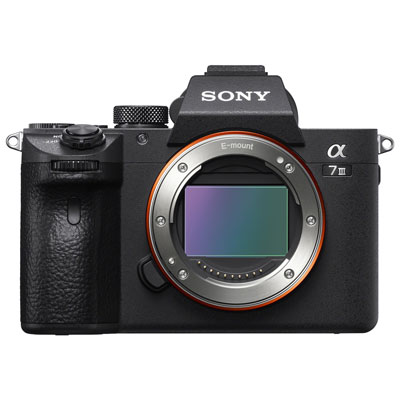 Your price for this item is $1899.99
-
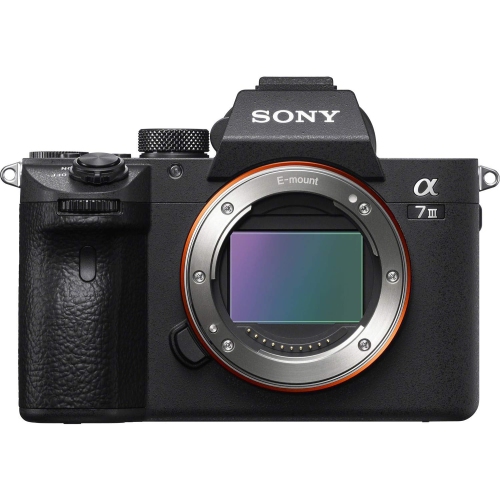 Your price for this item is $1899
-
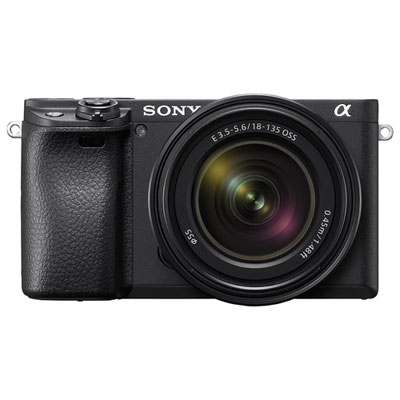 Your price for this item is $1749.99
-
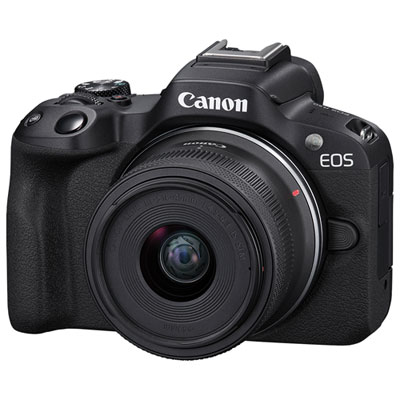 Your price for this item is $1099.99
-
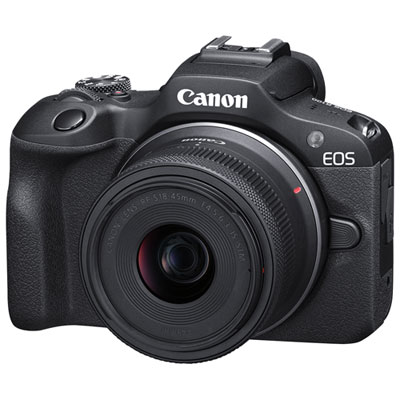 Your price for this item is $629.99
-
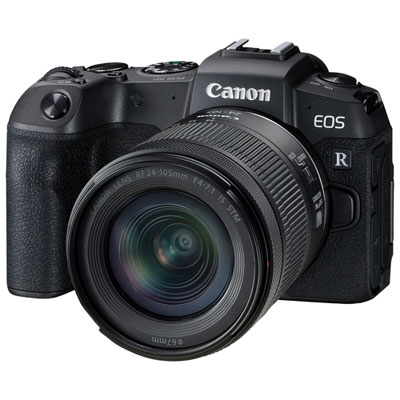 Your price for this item is $1499.99
-
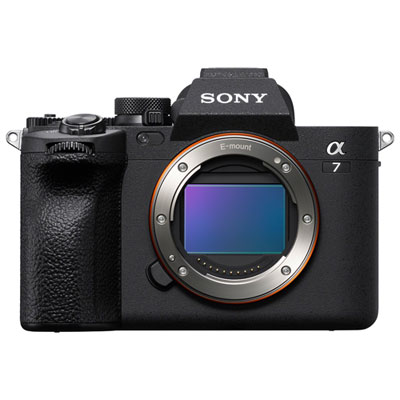 Your price for this item is $2699.99
-
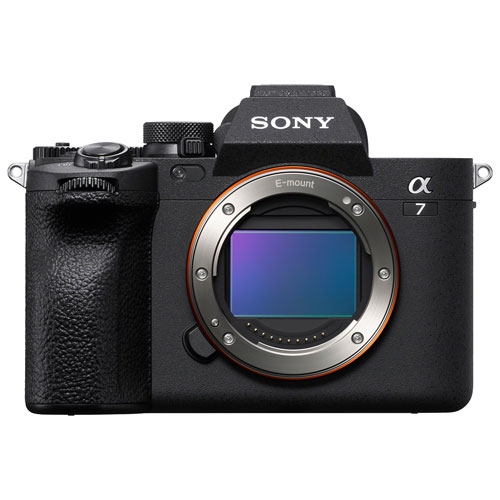 Your price for this item is $2419.99
Discover more categories related to Fujifilm X-T5


Top Collections:
Pokemon Centers, Best Cameras for Sports Photography, Kindle Devices, Samsung Galaxy Phones, Canon G7X Cameras, Pokémon 30th Celebration Cards, Refurbished Apple Laptops, iPhone 15 Apple, Laptops for Students, Budget Smartphones
Some products may be subject to Environmental Handling Fees
(EHF) depending on your province.
Learn more about EHFs.