Lens Aperture
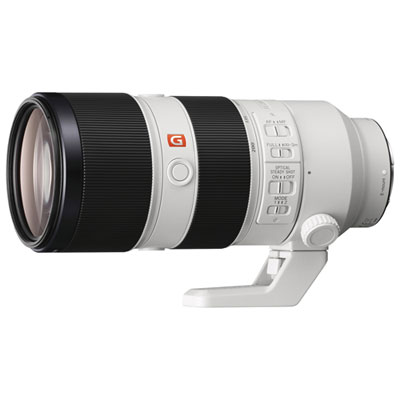
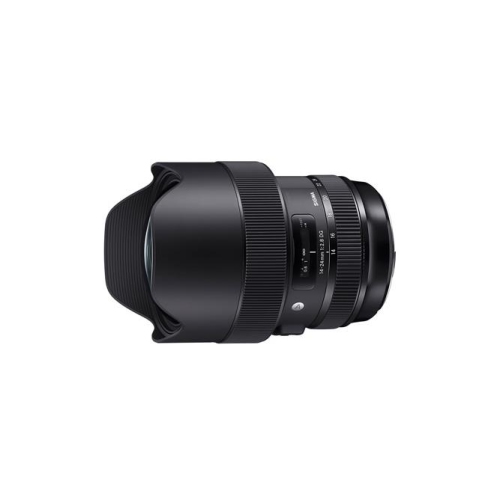
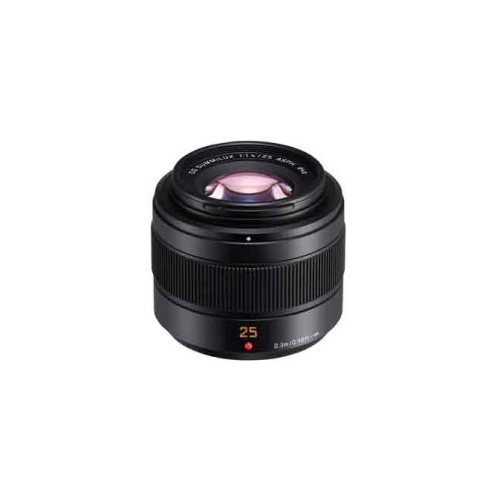
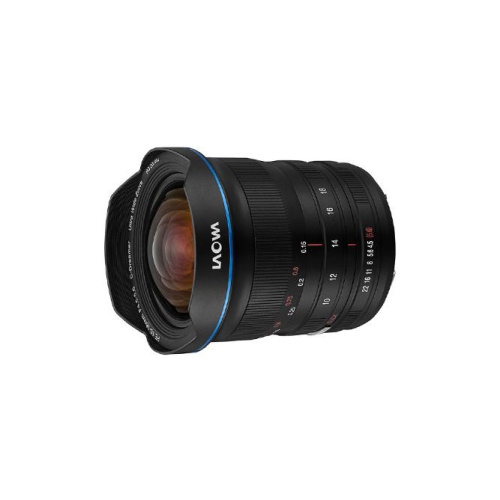
Understanding lens aperture is crucial for any photographer looking to capture stunning images. The aperture of a lens controls the amount of light that enters the camera, affecting both exposure and depth of field in photographs. A wider aperture lets in more light, perfect for low-light conditions or creating a beautiful bokeh effect with a blurred background. On the other hand, a smaller aperture allows less light but produces sharper images with greater depth of field. Dive into our range of lenses with varying aperture capabilities to elevate your photography game and unleash your creative vision.
Sort
Lens Aperture
Understanding lens aperture is essential for anyone looking to get the most out of their photography, whether you’re a seasoned professional, an enthusiastic hobbyist, or someone just starting to explore the world of cameras. The aperture, often described as the “pupil” of your camera lens, is responsible for controlling the amount of light that reaches your camera’s sensor. This seemingly simple mechanism plays a pivotal role in determining the exposure and creative look of your images. When you adjust the aperture, you’re not just changing how bright or dark your photo will be—you’re also influencing the depth of field, or how much of your scene appears in sharp focus. For example, a wide aperture (represented by a smaller f-number like f/1.8 or f/2.8) allows more light into the lens, making it ideal for situations with limited lighting, such as indoor events or capturing the soft glow of a summer sunset. This setting also creates a beautifully blurred background, making your subject stand out with striking clarity—perfect for portraits or close-ups of July’s blooming flowers. On the other hand, a narrow aperture (with a larger f-number like f/11 or f/16) brings more of the scene into focus, which is invaluable for landscape shots where you want both the foreground and background to remain crisp and detailed.
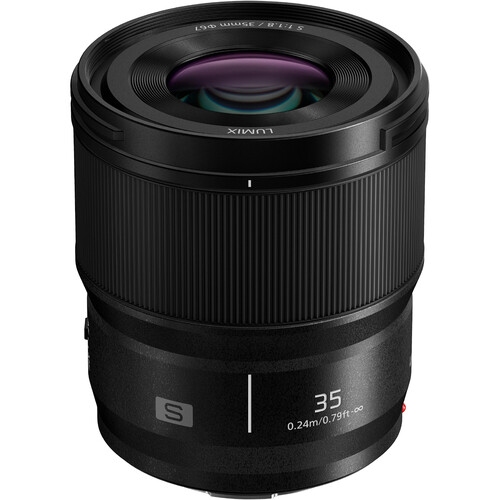
Choosing the right lens aperture involves considering your shooting environment, your creative goals, and the specific demands of your photography style. For those capturing fast-moving action, such as kids playing in a park or athletes on a field, a wider aperture can help you freeze the moment by letting in more light and allowing for faster shutter speeds. If you’re someone who loves travel or street photography, experimenting with different aperture settings can help you adapt to changing lighting conditions, from the bright midday sun to the soft, golden light of early evening. Lenses with versatile aperture ranges also make thoughtful gifts for students heading off to art school, new parents wanting to document their child’s milestones, or anyone eager to develop their skills behind the camera. The summer season, with its long days and vibrant outdoor scenes, provides the perfect opportunity to explore the creative potential of aperture adjustments—whether you’re capturing the intricate details of a butterfly on a flower or the sweeping vista of a lakeside picnic. For those interested in classic focal lengths that offer a natural perspective and beautiful background separation, exploring options like the 35mm Lens can be especially rewarding.
As you browse through the range of lenses designed with various aperture capabilities, it’s helpful to think about how you want your images to look and feel. A lens with a wide maximum aperture gives you more flexibility in low-light situations and allows for creative effects like bokeh—the pleasing blur in out-of-focus areas of your photo. This can transform an ordinary scene into something magical, highlighting your subject against a dreamy, softened backdrop. Conversely, if you’re planning to shoot group photos at a family reunion or document the layered beauty of a cityscape, a lens that performs well at narrower apertures will ensure everyone and everything stays sharp and clear. Many photographers find that experimenting with aperture settings is one of the most enjoyable aspects of learning their craft, offering endless opportunities to play with light, focus, and composition. Whether you’re capturing the excitement of summer festivals, the quiet charm of a backyard garden, or the candid moments that make life memorable, understanding lens aperture empowers you to tell your story through images that are as vivid and unique as your experiences.
Choosing the right lens aperture involves considering your shooting environment, your creative goals, and the specific demands of your photography style. For those capturing fast-moving action, such as kids playing in a park or athletes on a field, a wider aperture can help you freeze the moment by letting in more light and allowing for faster shutter speeds. If you’re someone who loves travel or street photography, experimenting with different aperture settings can help you adapt to changing lighting conditions, from the bright midday sun to the soft, golden light of early evening. Lenses with versatile aperture ranges also make thoughtful gifts for students heading off to art school, new parents wanting to document their child’s milestones, or anyone eager to develop their skills behind the camera. The summer season, with its long days and vibrant outdoor scenes, provides the perfect opportunity to explore the creative potential of aperture adjustments—whether you’re capturing the intricate details of a butterfly on a flower or the sweeping vista of a lakeside picnic. For those interested in classic focal lengths that offer a natural perspective and beautiful background separation, exploring options like the 35mm Lens can be especially rewarding.
As you browse through the range of lenses designed with various aperture capabilities, it’s helpful to think about how you want your images to look and feel. A lens with a wide maximum aperture gives you more flexibility in low-light situations and allows for creative effects like bokeh—the pleasing blur in out-of-focus areas of your photo. This can transform an ordinary scene into something magical, highlighting your subject against a dreamy, softened backdrop. Conversely, if you’re planning to shoot group photos at a family reunion or document the layered beauty of a cityscape, a lens that performs well at narrower apertures will ensure everyone and everything stays sharp and clear. Many photographers find that experimenting with aperture settings is one of the most enjoyable aspects of learning their craft, offering endless opportunities to play with light, focus, and composition. Whether you’re capturing the excitement of summer festivals, the quiet charm of a backyard garden, or the candid moments that make life memorable, understanding lens aperture empowers you to tell your story through images that are as vivid and unique as your experiences.
Top Picks For Lens Aperture
Top selling and popular products
-
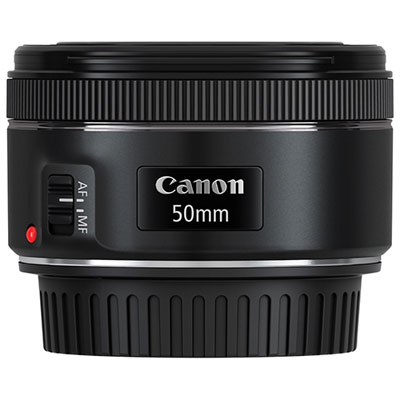 Your price for this item is $169.99
 -
 Your price for this item is $279.99
 -
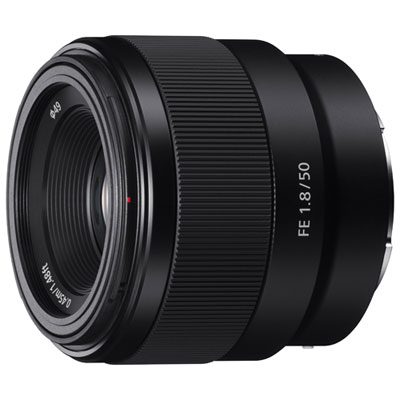 Your price for this item is $299.99
 -
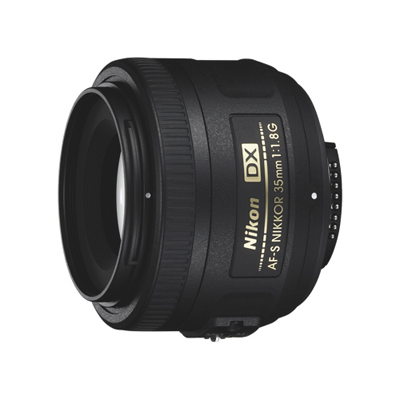 Your price for this item is $259.95
 -
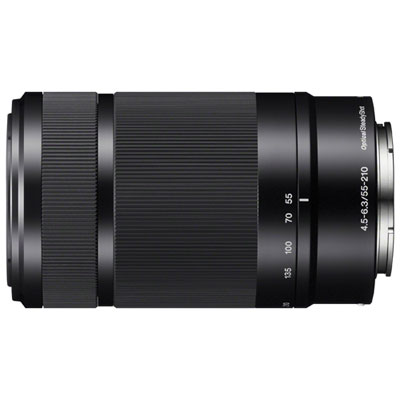 Your price for this item is $399.99
 -
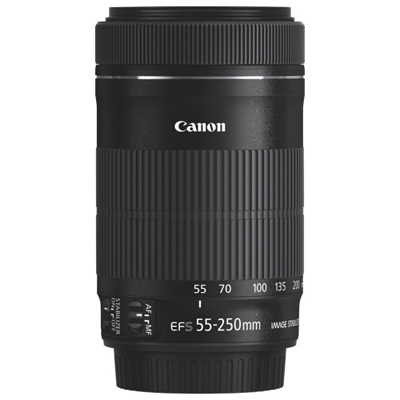 Your price for this item is $399.99
 -
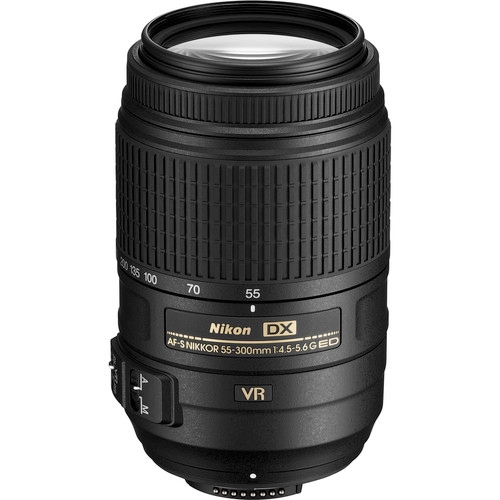 Your price for this item is $754.95
 -
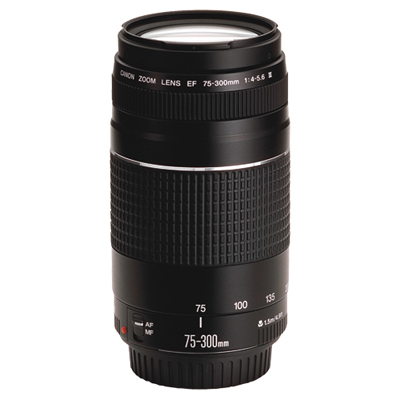 Your price for this item is $199.99
Discover more categories related to Lens Aperture
Top Collections:
Best Cell Phones Under $500, Kindle Devices, Apple iPhones 16, Stopwatch Timers, Canon G7X Cameras, iPhone 15 Apple, Dyson Airwrap, Wireless Earbuds Under $200, Fire Stick TVs, iPhone 14 256GB
Some products may be subject to Environmental Handling Fees
(EHF) depending on your province.
Learn more about EHFs.