Lenses for Canon 80d
Capture stunning images with the perfect lenses for your Canon 80D camera. Whether you're a professional photographer or a passionate hobbyist, this wide selection of lenses will help you elevate your photography game to new heights. From versatile zoom lenses to fast prime lenses, we have the right options to suit your shooting style and capture every moment with exceptional clarity and detail. Explore this range of lenses designed specifically for the Canon 80D and unlock endless creative possibilities for your photography journey.
Sort
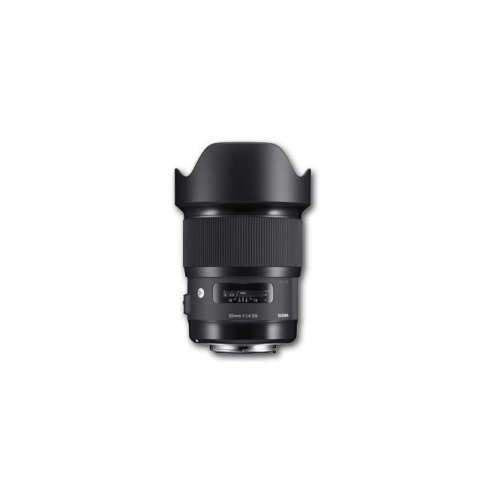
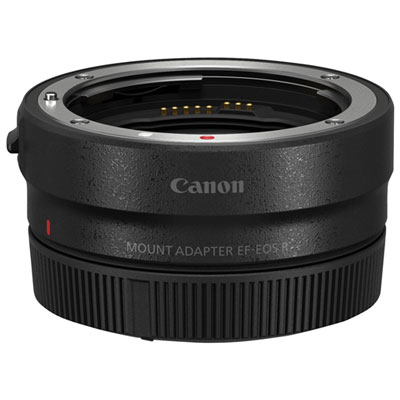
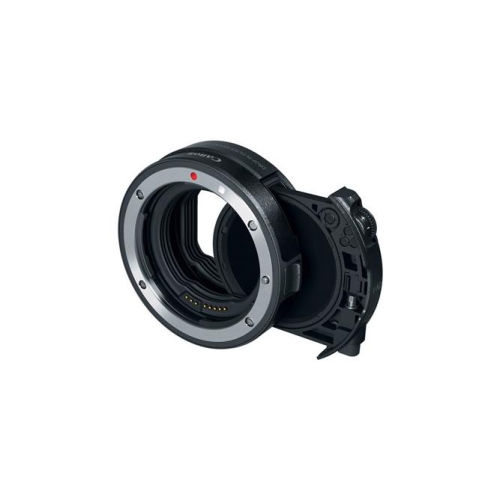
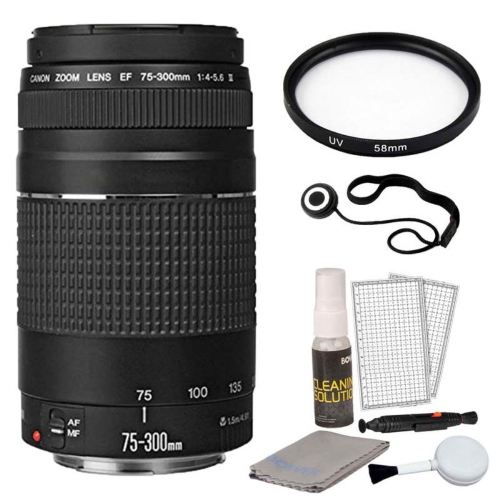
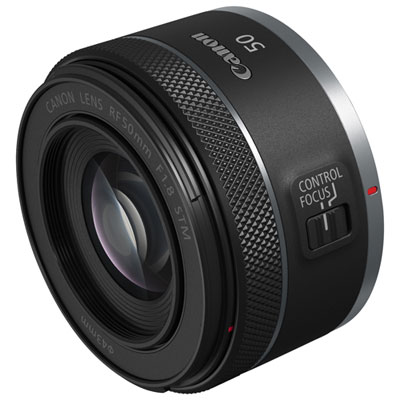
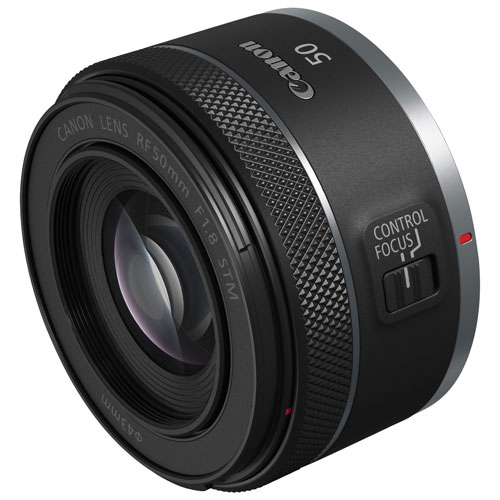
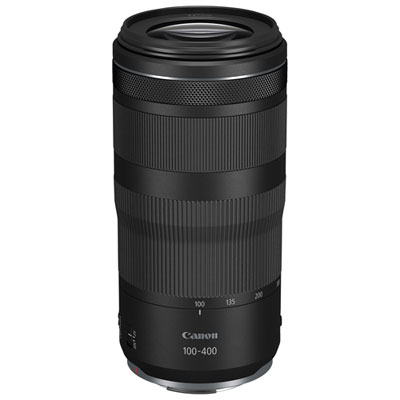
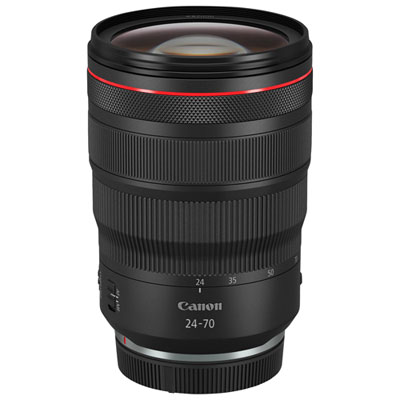

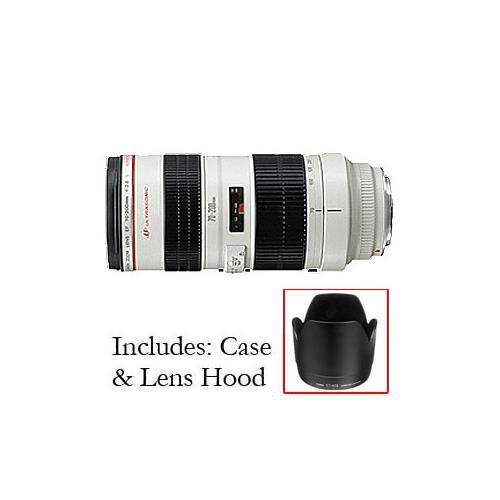
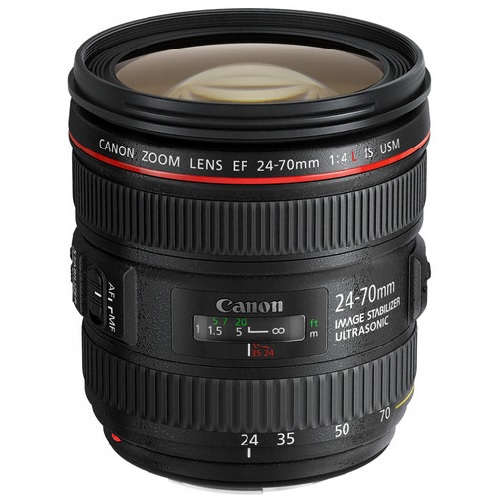

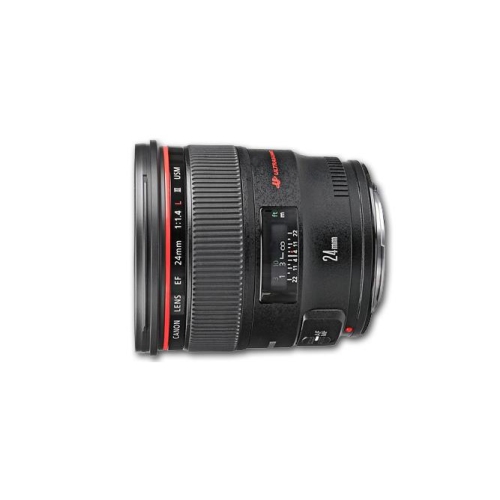
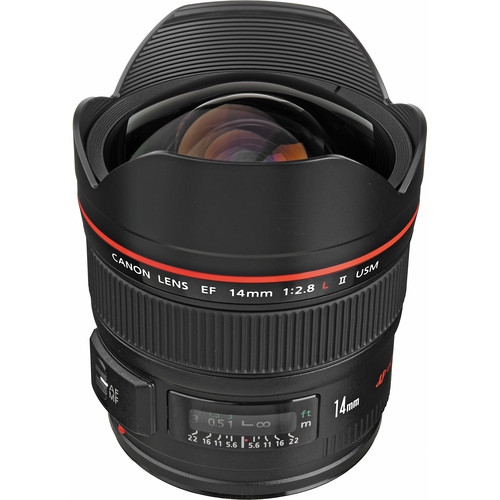
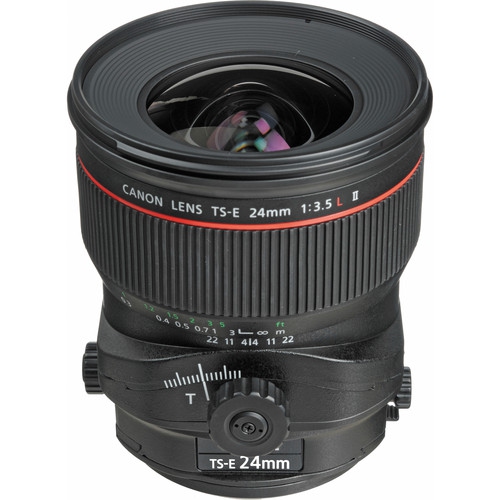

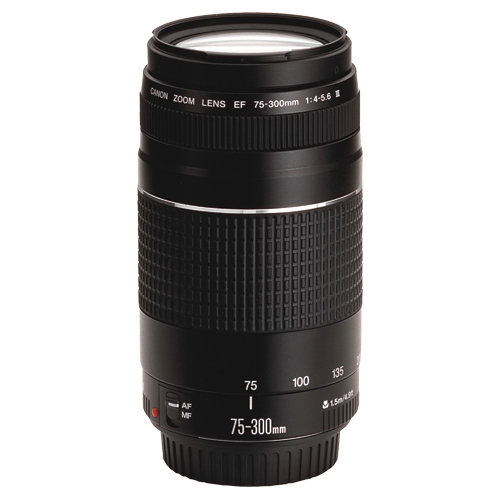
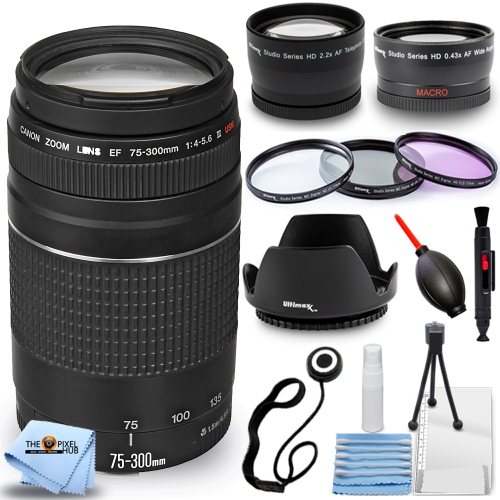
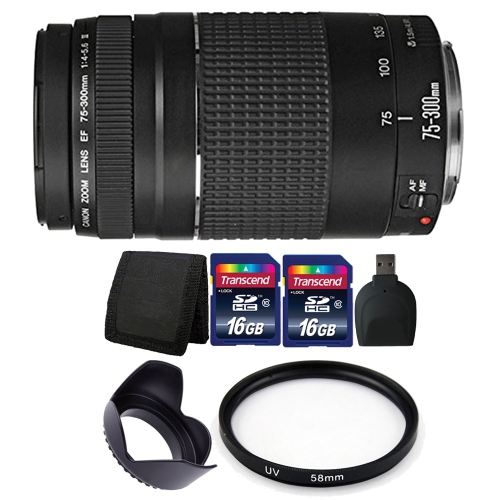
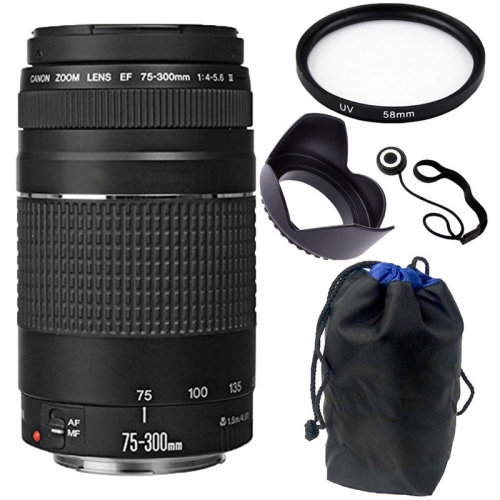
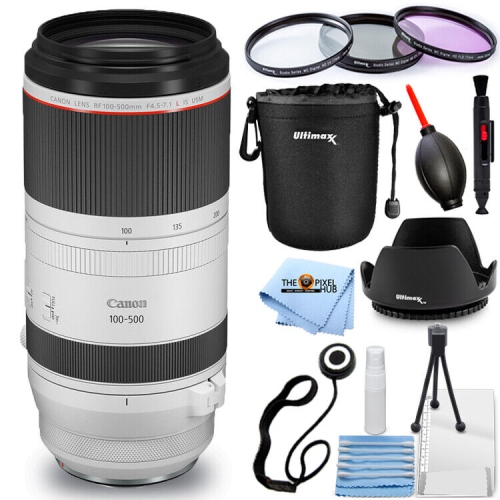
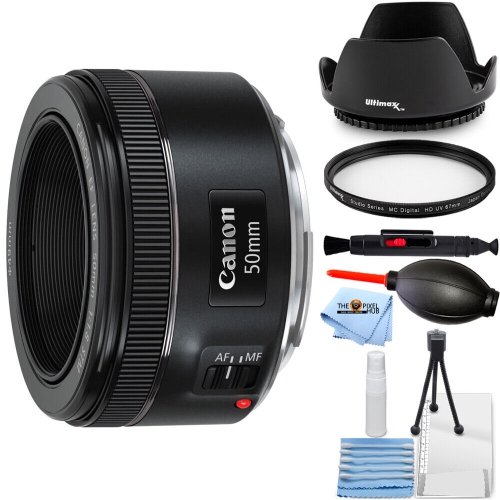
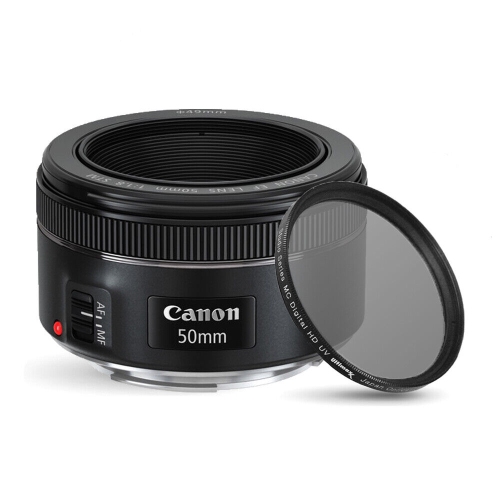
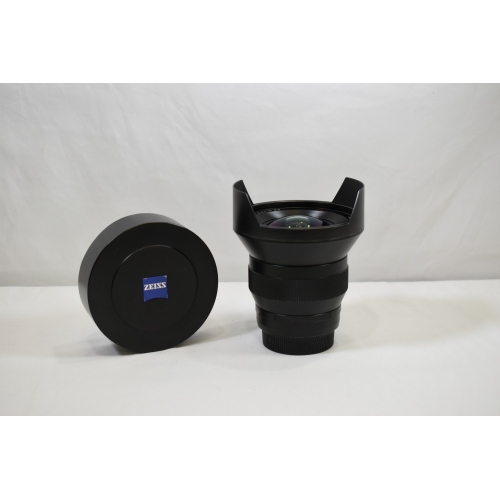


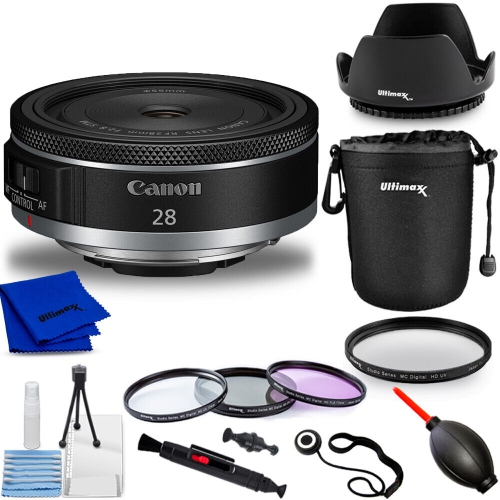
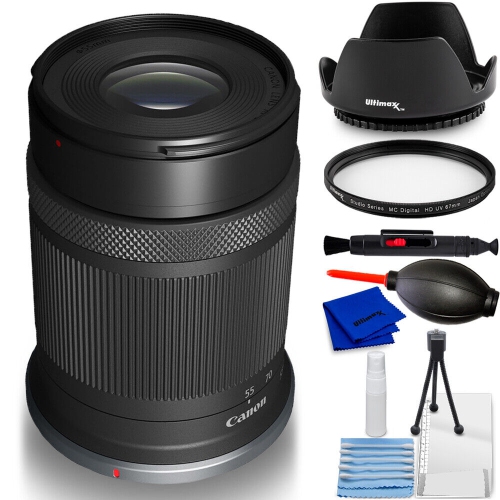
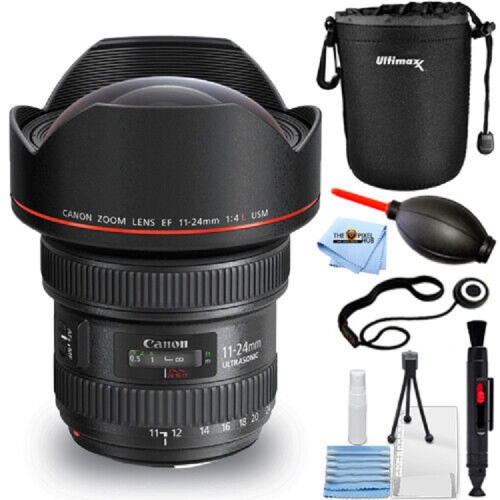
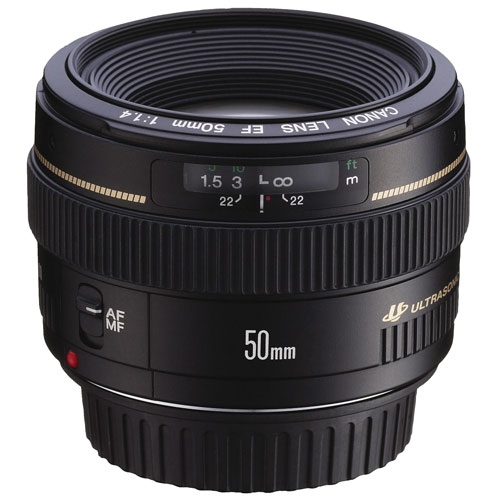
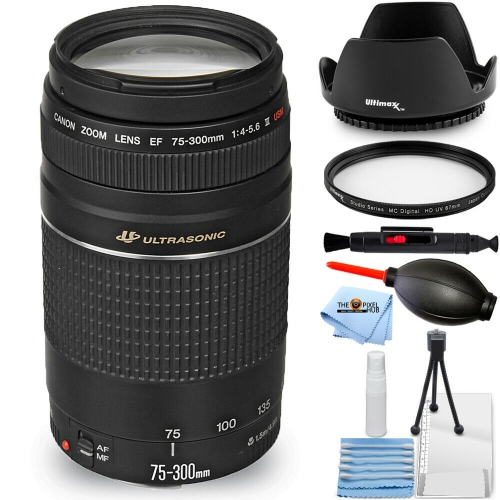
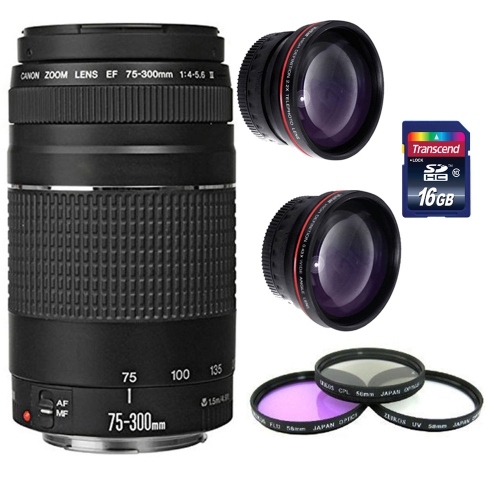
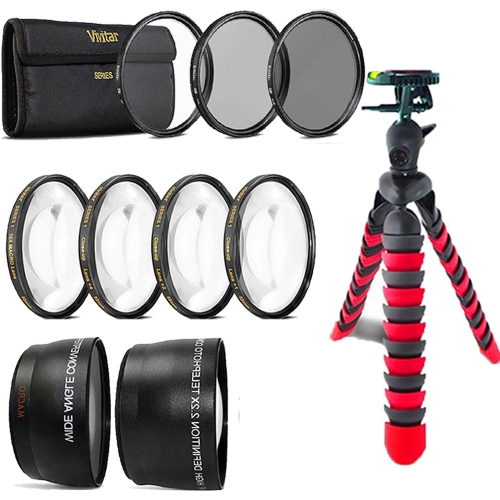
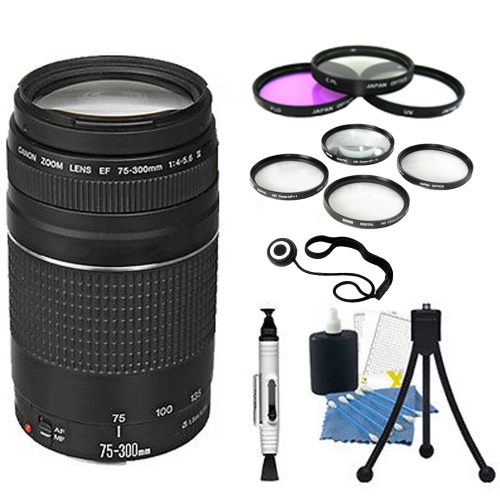
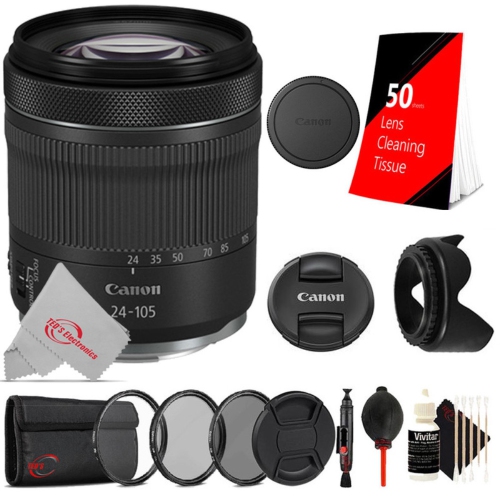
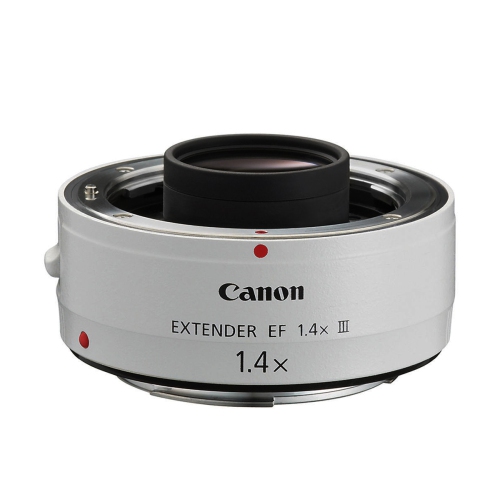
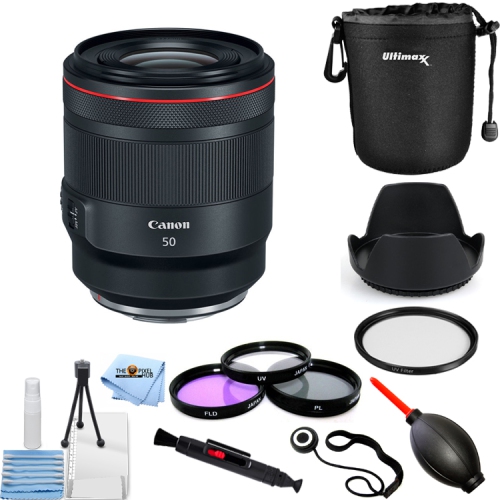
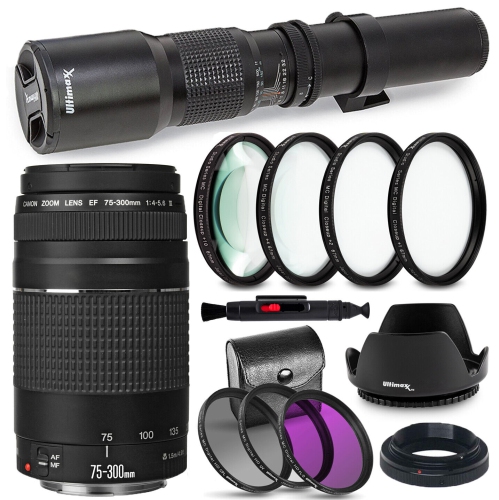
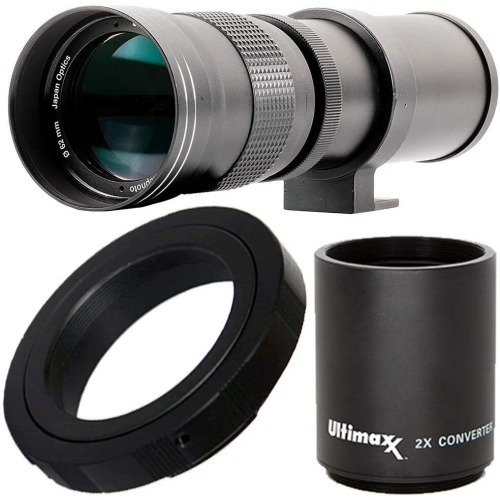
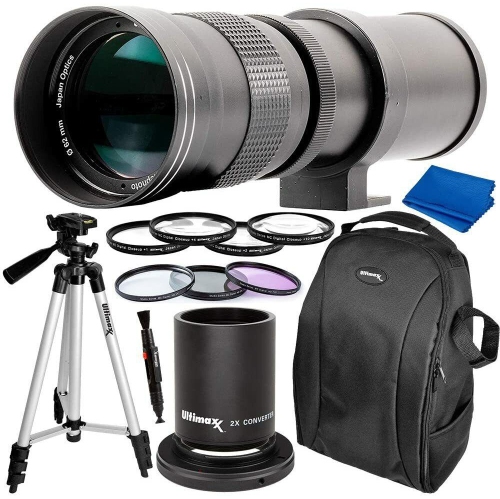
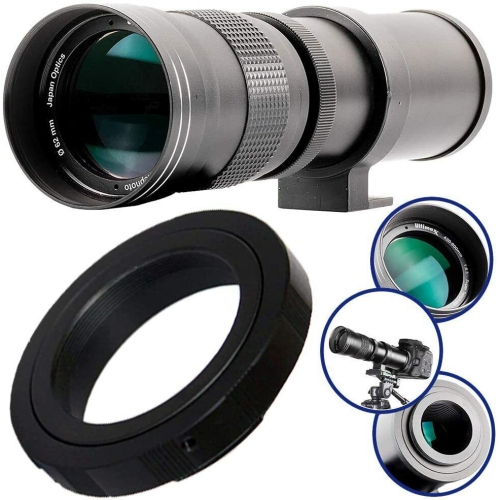

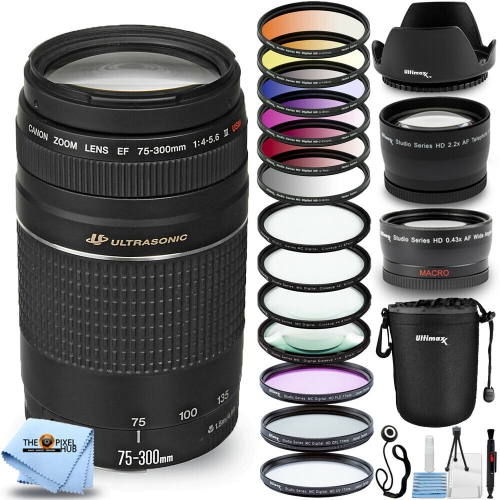
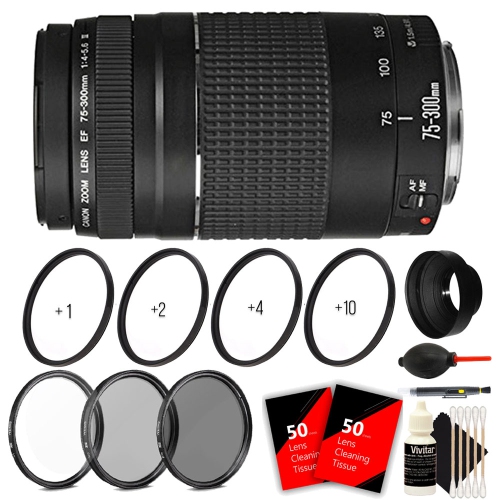
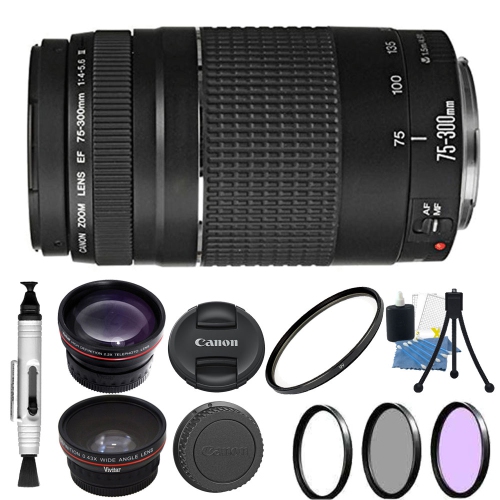
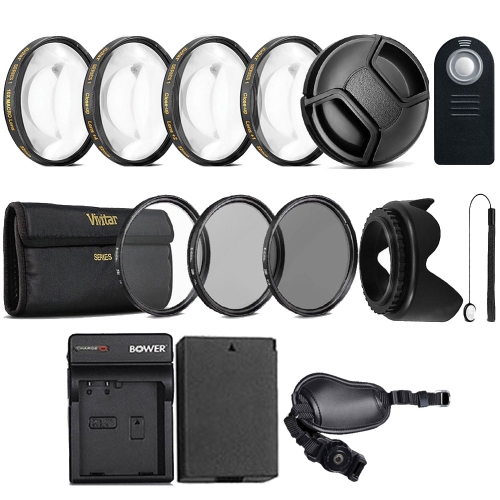
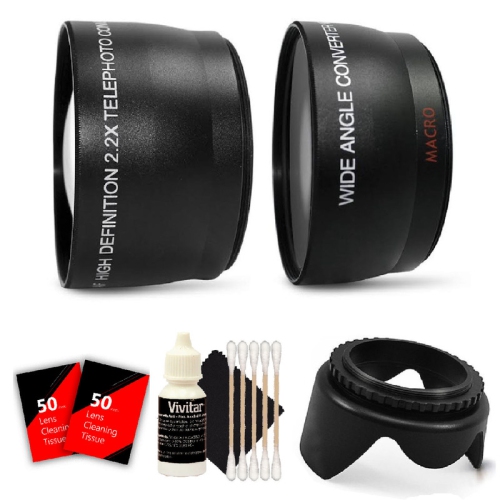
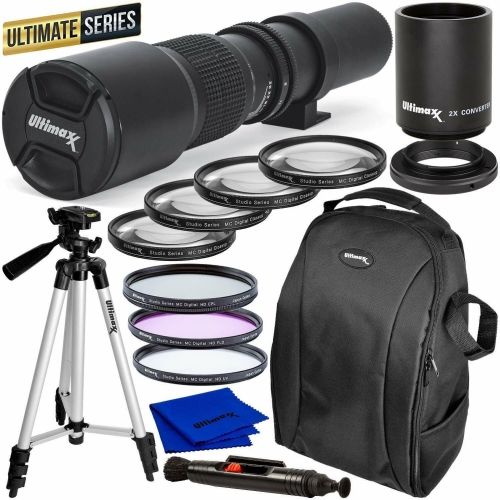
The right focal length for portraits, landscapes and action
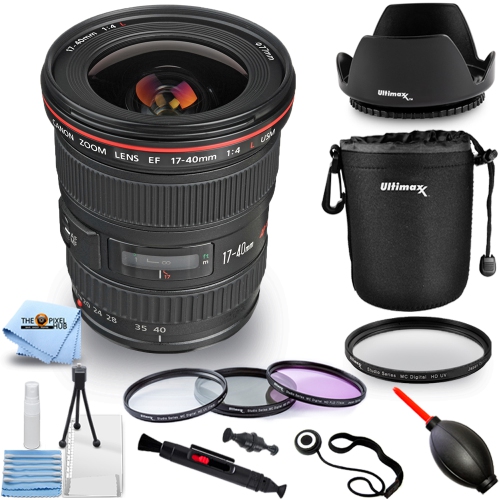
Choosing a lens for the Canon 80D starts with understanding how the camera’s APS-C sensor affects the way focal length appears in photographs. The camera uses a 1.6x crop factor, so a lens marked 50mm delivers a field of view similar to an 80mm lens on a full-frame camera. That can be helpful for portraits, close-up details and indoor photography, while shorter focal lengths are better suited to rooms, architecture, group photos and sweeping landscapes. A versatile standard zoom can cover everyday subjects, family gatherings, travel scenes and casual video without requiring frequent lens changes. Look for a useful range that moves from moderately wide to short telephoto, along with image stabilization when handheld shooting is likely. Stabilization can help reduce the effect of small movements at slower shutter speeds, especially during evening walks, indoor celebrations or the softer light found during the cooler months. Autofocus performance also deserves attention. A quiet, responsive focusing system is useful for candid photos and video, while a manual focus ring with a smooth, precise feel can appeal to photographers who prefer to control focus themselves. Before purchasing, confirm that the lens uses a compatible Canon EF or EF-S mount and check whether its controls, autofocus functions and stabilization features are supported by the Canon 80D. Lens size and weight matter as well: a compact option is easy to keep attached for spontaneous photos, while a larger lens may provide greater reach or a brighter aperture at the cost of added bulk. The right choice depends on the balance between portability, focal range, low-light performance and the kinds of subjects that appear most often in your camera bag.
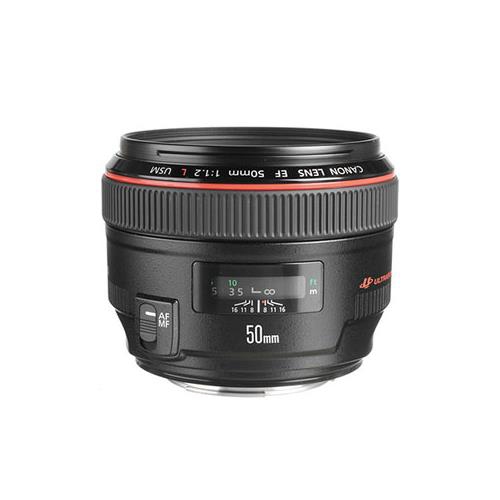
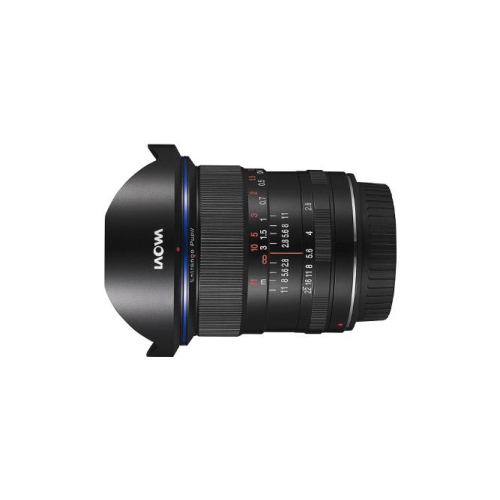
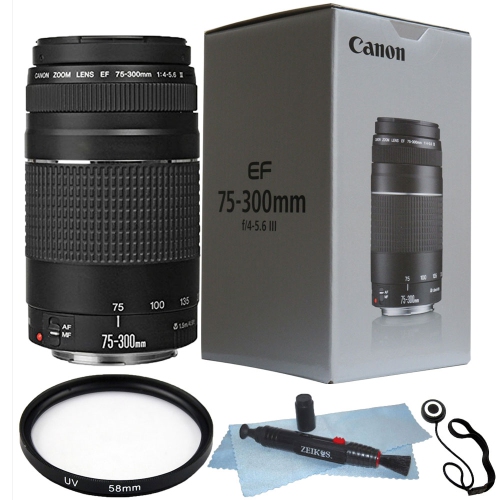
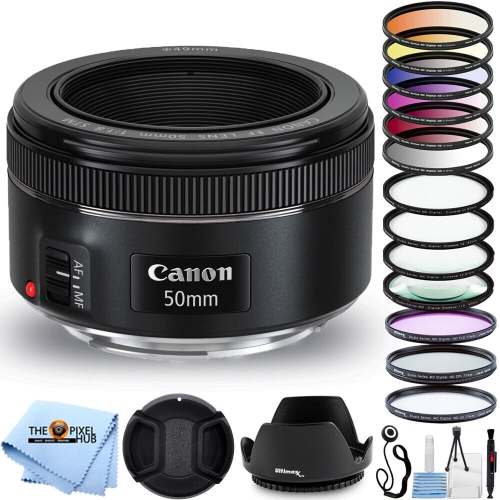
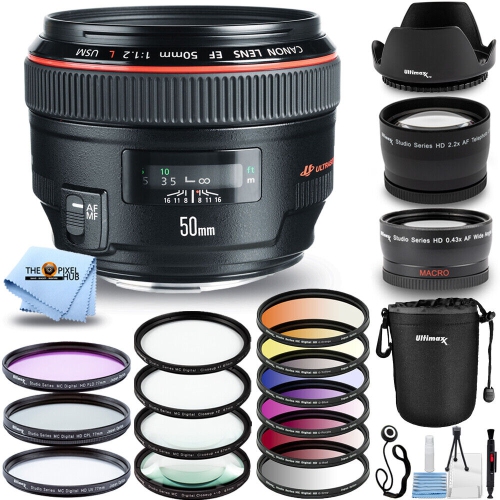
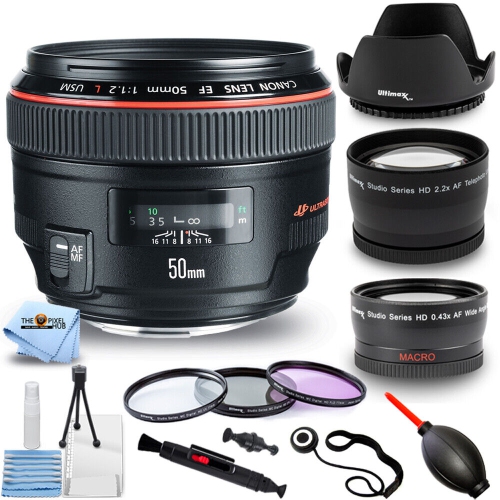
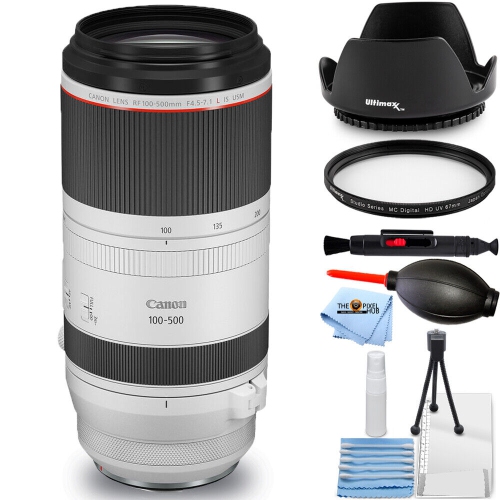
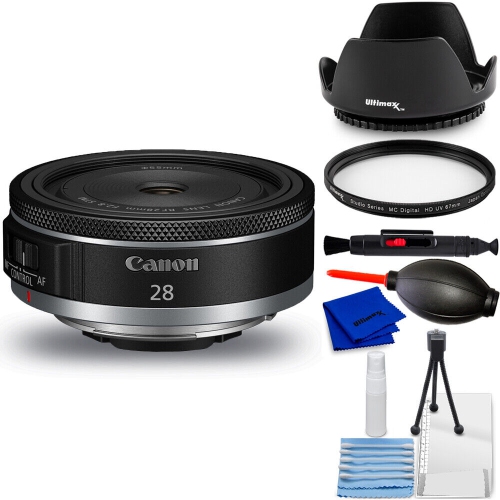
For portraits, a bright prime lens with a wide maximum aperture can create a pleasing separation between the subject and the background, helping a face stand out against softly blurred lights, foliage or a familiar room. The effective field of view produced by a 50mm lens on the Canon 80D is particularly useful for head-and-shoulder portraits, pets and detail shots where a little working distance is welcome. Wider prime lenses can be easier to use in small rooms and are well suited to street photography, food photos, travel snapshots and video where the camera may be held at arm’s length. A wide-angle zoom provides more flexibility for interiors, architecture, landscapes and group portraits, allowing photographers to include more of a scene without stepping back into a wall or across a busy street. For sports, wildlife, outdoor performances and distant subjects, a telephoto zoom brings the action closer while keeping the photographer at a comfortable distance. When comparing telephoto options, consider focal-length reach, autofocus speed, stabilization and maximum aperture. A longer lens can make it easier to fill the frame with a bird on a branch or a player crossing a field, but it may also be heavier and require steadier handling. A lens with a brighter aperture can help freeze movement in dimmer conditions, though lenses with variable apertures may offer a more compact design and lower weight. Photographers who enjoy video should also consider focus noise, smooth focusing and the ability to make controlled framing adjustments. Someone building a first interchangeable-lens kit may appreciate a general-purpose zoom that covers daily photography before adding a specialized wide-angle, portrait or telephoto lens. An experienced photographer may instead be looking for one specific improvement, such as more background blur, wider interiors or extra reach for outdoor subjects. These lenses can also make thoughtful gifts for a student learning photography, a traveller preparing for a memorable trip, a parent photographing family milestones or a hobbyist ready to move beyond a basic kit lens. For another compatible camera system in the same family, shoppers can also browse Lenses for Canon SL2.
Practical details often determine whether a new lens becomes a regular part of a kit. Check the closest focusing distance if you enjoy photographing flowers, crafts, food or small objects, and consider the filter diameter if you plan to use a polarizing or protective filter. A lens hood can help shield the front element from stray light and is useful when shooting toward bright skies, windows or low afternoon sun. A wider aperture is valuable for portraits and low-light scenes, but it can also make focusing more exact because the zone of sharpness becomes narrower. For landscapes and architecture, stopping down to a smaller aperture can help keep more of the scene in focus, while a tripod or stable support may be useful when detail and composition matter more than mobility. For active subjects, autofocus tracking, shutter speed and reach usually matter more than having the widest possible aperture. Keep the intended carrying setup in mind: a lens that fits comfortably in a shoulder bag is more likely to accompany you on walks, road trips and family outings than one that feels cumbersome after a few hours. During the transition between warmer days and colder weather, changing light can move from bright outdoor scenes to dim interiors quickly, making a versatile zoom or a bright prime especially practical. Dust caps, a padded case and careful handling can help keep the lens ready for regular use, while cleaning should be gentle and limited to appropriate lens-care materials. Whether the goal is a single all-purpose lens or a small collection covering wide, standard and telephoto views, choosing based on subject matter, shooting distance, aperture, stabilization, autofocus and carrying comfort makes it easier to find a compatible option that suits the Canon 80D and the way each photographer actually takes pictures.
For portraits, a bright prime lens with a wide maximum aperture can create a pleasing separation between the subject and the background, helping a face stand out against softly blurred lights, foliage or a familiar room. The effective field of view produced by a 50mm lens on the Canon 80D is particularly useful for head-and-shoulder portraits, pets and detail shots where a little working distance is welcome. Wider prime lenses can be easier to use in small rooms and are well suited to street photography, food photos, travel snapshots and video where the camera may be held at arm’s length. A wide-angle zoom provides more flexibility for interiors, architecture, landscapes and group portraits, allowing photographers to include more of a scene without stepping back into a wall or across a busy street. For sports, wildlife, outdoor performances and distant subjects, a telephoto zoom brings the action closer while keeping the photographer at a comfortable distance. When comparing telephoto options, consider focal-length reach, autofocus speed, stabilization and maximum aperture. A longer lens can make it easier to fill the frame with a bird on a branch or a player crossing a field, but it may also be heavier and require steadier handling. A lens with a brighter aperture can help freeze movement in dimmer conditions, though lenses with variable apertures may offer a more compact design and lower weight. Photographers who enjoy video should also consider focus noise, smooth focusing and the ability to make controlled framing adjustments. Someone building a first interchangeable-lens kit may appreciate a general-purpose zoom that covers daily photography before adding a specialized wide-angle, portrait or telephoto lens. An experienced photographer may instead be looking for one specific improvement, such as more background blur, wider interiors or extra reach for outdoor subjects. These lenses can also make thoughtful gifts for a student learning photography, a traveller preparing for a memorable trip, a parent photographing family milestones or a hobbyist ready to move beyond a basic kit lens. For another compatible camera system in the same family, shoppers can also browse Lenses for Canon SL2.
Practical details often determine whether a new lens becomes a regular part of a kit. Check the closest focusing distance if you enjoy photographing flowers, crafts, food or small objects, and consider the filter diameter if you plan to use a polarizing or protective filter. A lens hood can help shield the front element from stray light and is useful when shooting toward bright skies, windows or low afternoon sun. A wider aperture is valuable for portraits and low-light scenes, but it can also make focusing more exact because the zone of sharpness becomes narrower. For landscapes and architecture, stopping down to a smaller aperture can help keep more of the scene in focus, while a tripod or stable support may be useful when detail and composition matter more than mobility. For active subjects, autofocus tracking, shutter speed and reach usually matter more than having the widest possible aperture. Keep the intended carrying setup in mind: a lens that fits comfortably in a shoulder bag is more likely to accompany you on walks, road trips and family outings than one that feels cumbersome after a few hours. During the transition between warmer days and colder weather, changing light can move from bright outdoor scenes to dim interiors quickly, making a versatile zoom or a bright prime especially practical. Dust caps, a padded case and careful handling can help keep the lens ready for regular use, while cleaning should be gentle and limited to appropriate lens-care materials. Whether the goal is a single all-purpose lens or a small collection covering wide, standard and telephoto views, choosing based on subject matter, shooting distance, aperture, stabilization, autofocus and carrying comfort makes it easier to find a compatible option that suits the Canon 80D and the way each photographer actually takes pictures.
Top selling and popular products
-
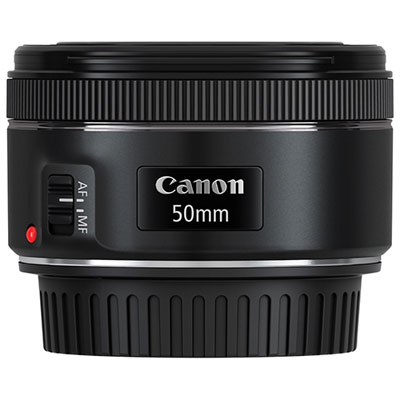 Your price for this item is $169.99
 -
 Your price for this item is $329.99
 -
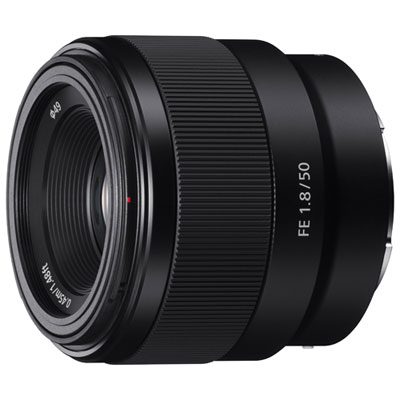 Your price for this item is $349.99
 -
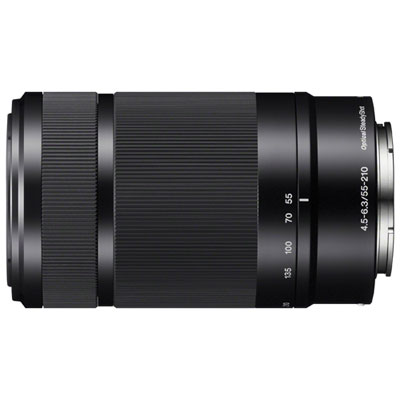 Your price for this item is $399.99
 -
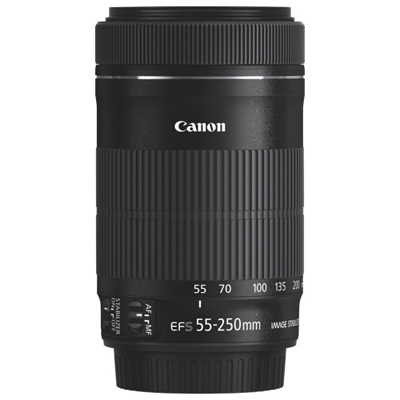 Your price for this item is $399.99
 -
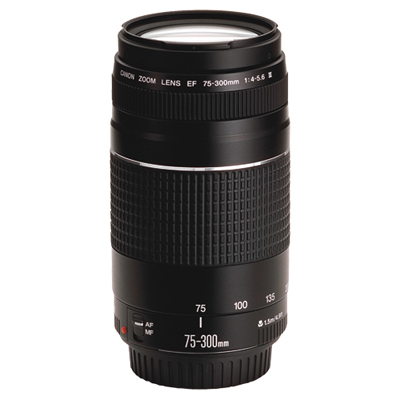 Your price for this item is $199.99
 -
 Your price for this item is $174.99
 -
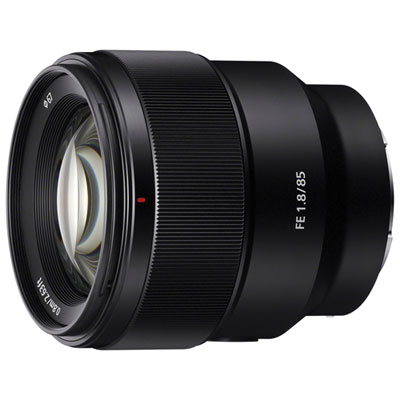 Your price for this item is $749.99
Discover more categories related to Lenses for Canon 80d
Top Collections:
Pokemon Centers, Kindle Devices, Best Budget Office Chairs, Apple iPhones 16, Best Laptops for Writers, iPhone 15 Apple, Canon G7X Cameras, Refurbished Apple Laptops, Alarm Clock, Motorola Razr Phones
Some products may be subject to Environmental Handling Fees
(EHF) depending on your province.
Learn more about EHFs.