Lenses for Slr Cameras
Capture the perfect shot with our wide selection of lenses for SLR cameras. Whether you're a professional photographer or an enthusiastic hobbyist, having the right lens is essential for achieving stunning results. From wide-angle lenses that capture breathtaking landscapes to telephoto lenses that bring distant subjects up close, we have a variety of options to suit every shooting style and preference. Explore our range of lenses and unlock your camera's true potential to capture moments with exceptional clarity, detail, and creativity.
Sort
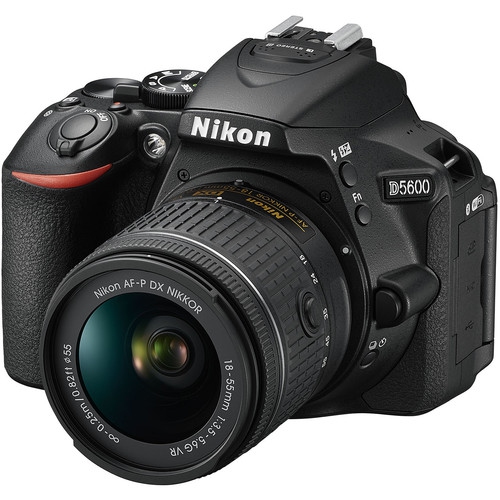
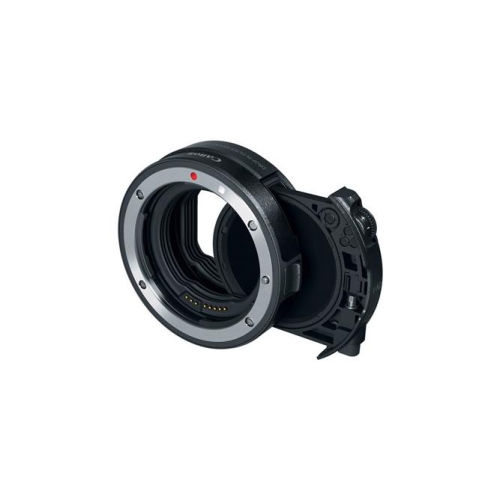
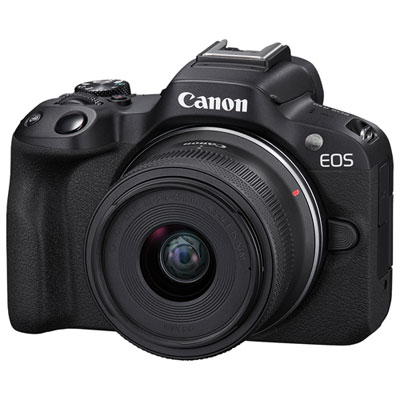
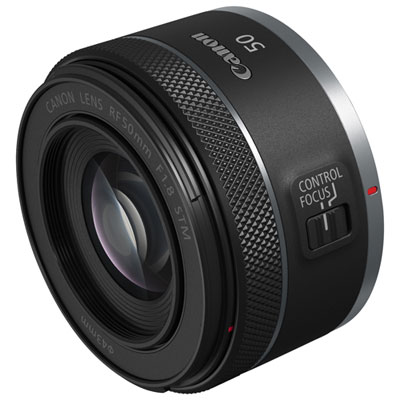
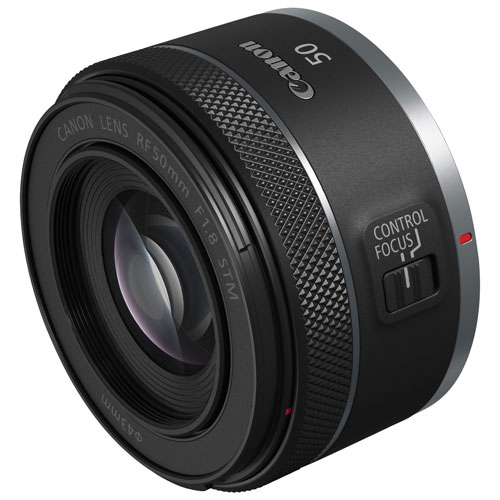
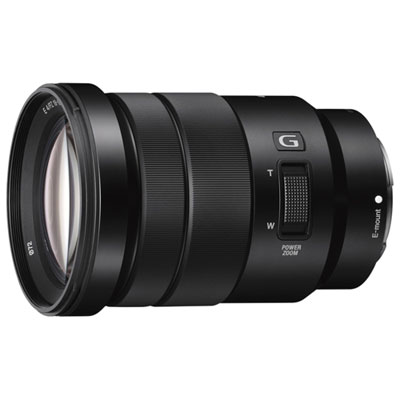
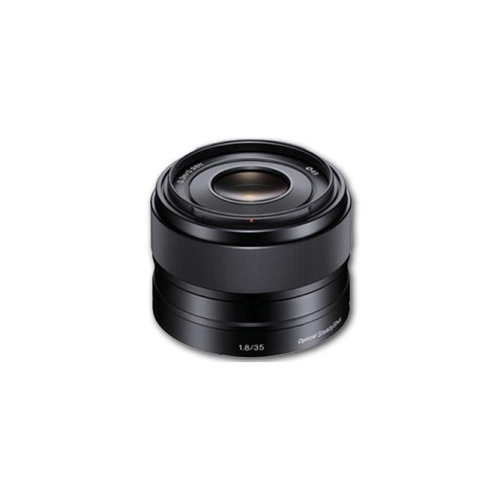
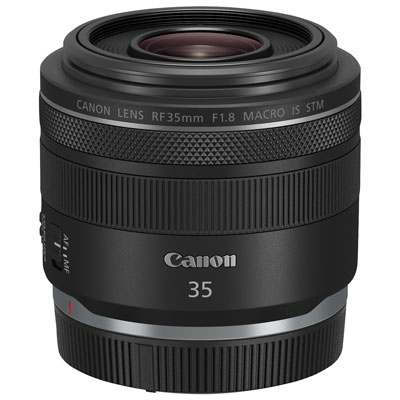
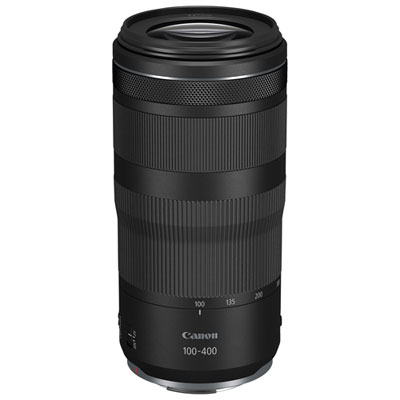
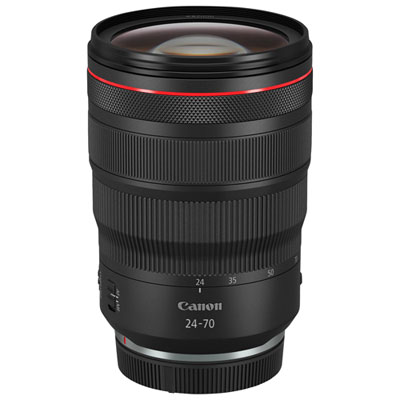
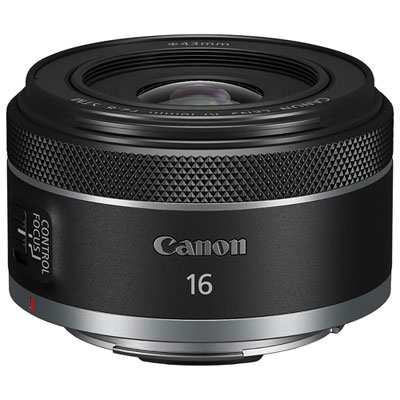
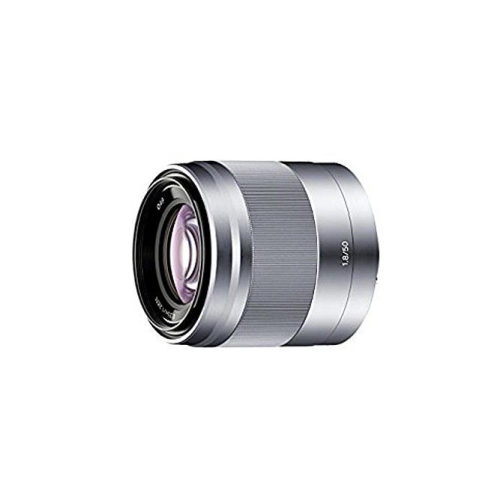
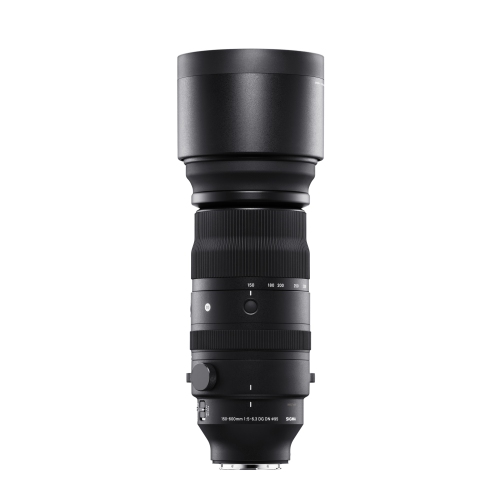
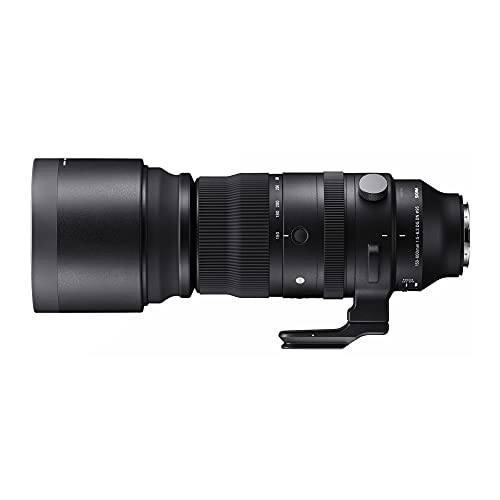
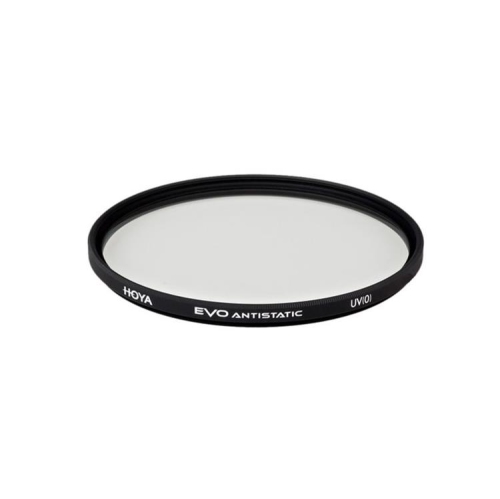

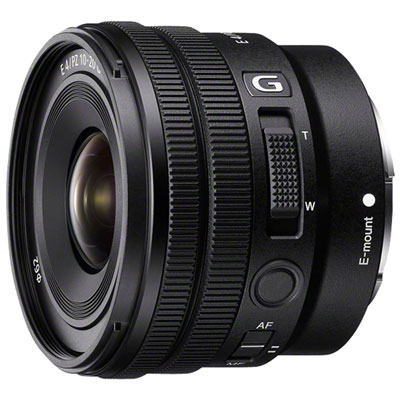
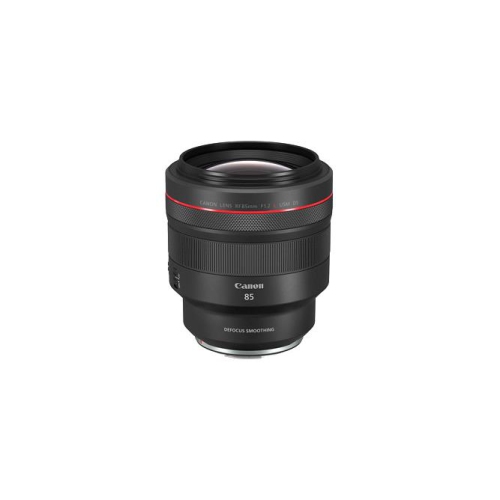
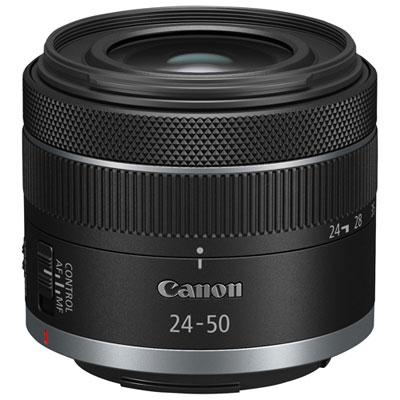
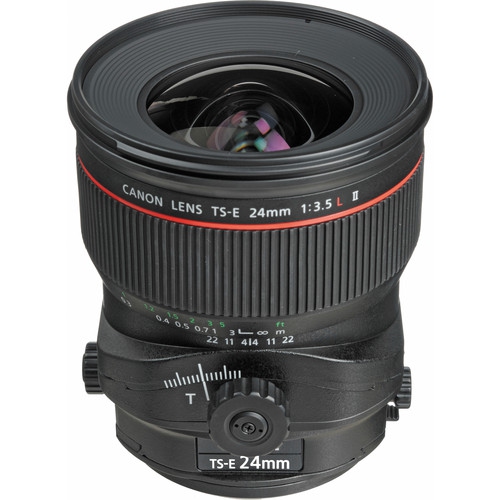
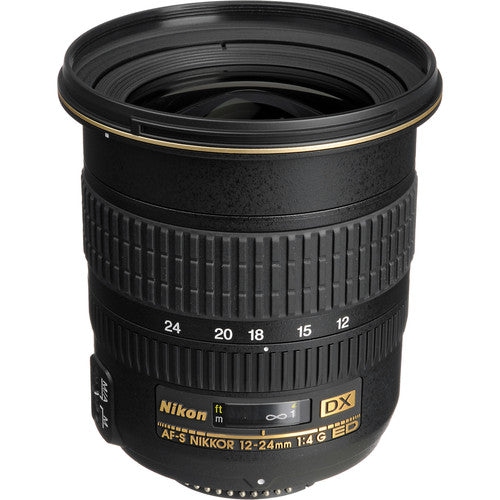
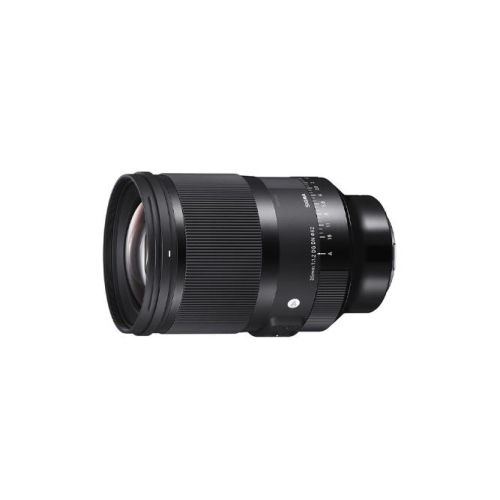
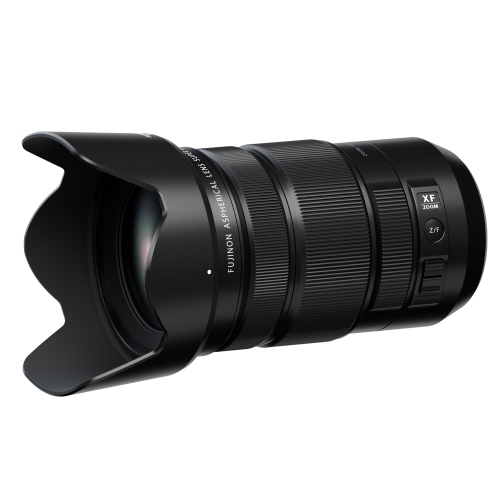
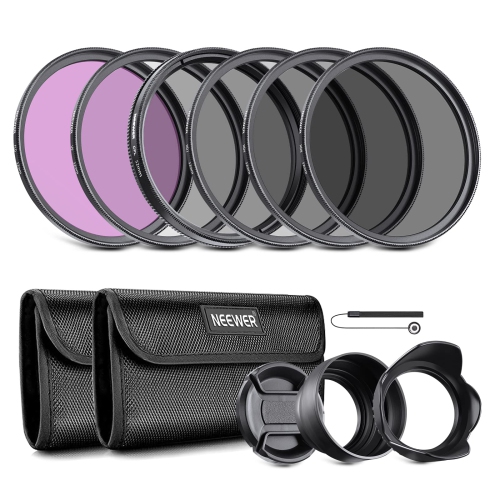
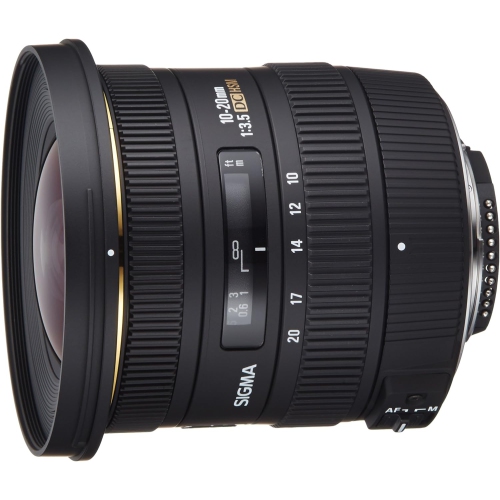
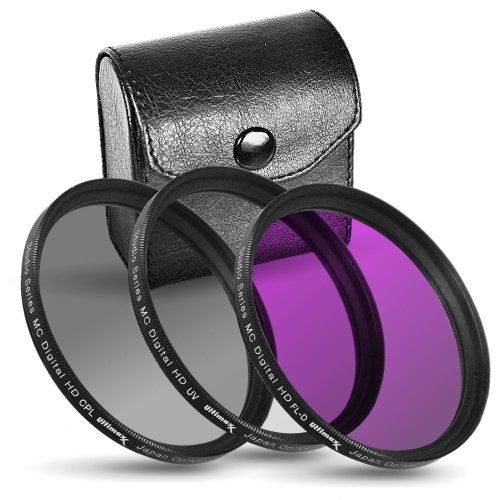

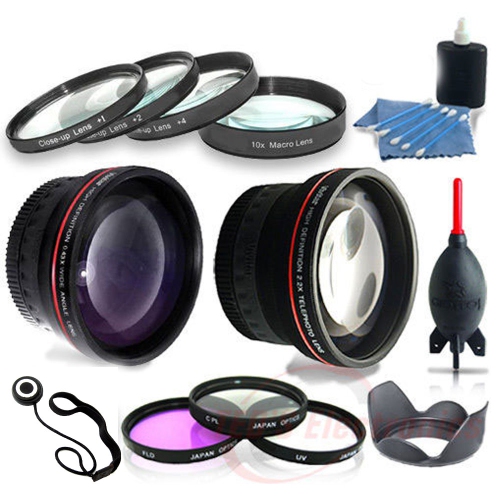
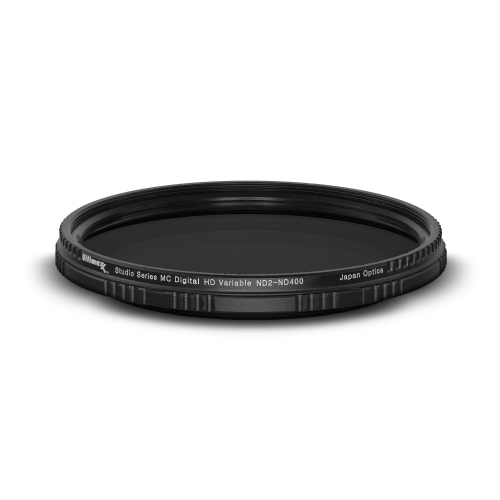
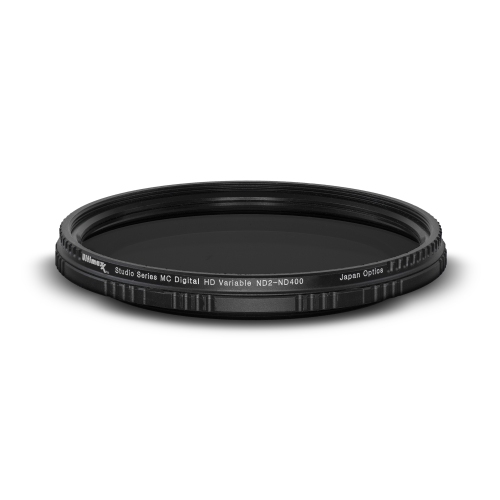
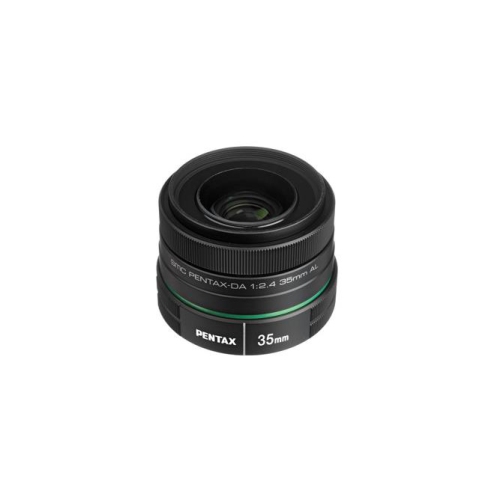

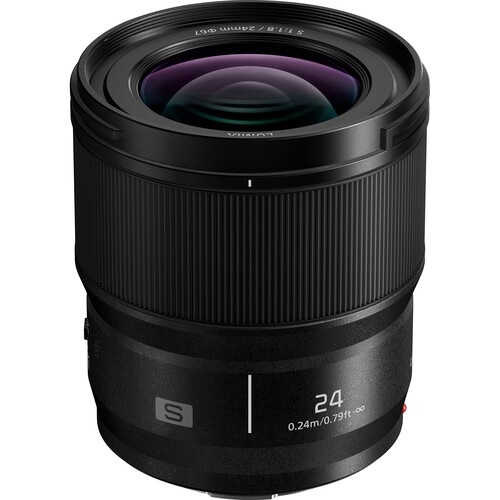
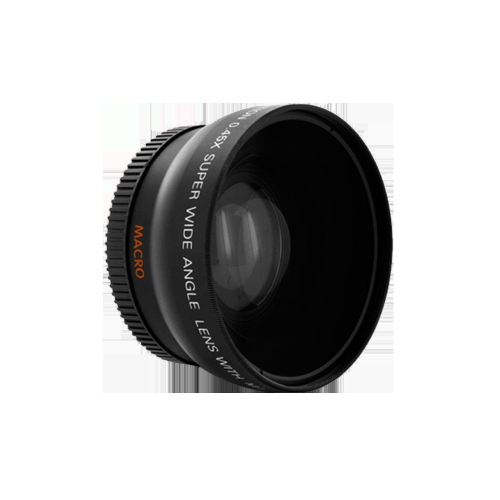
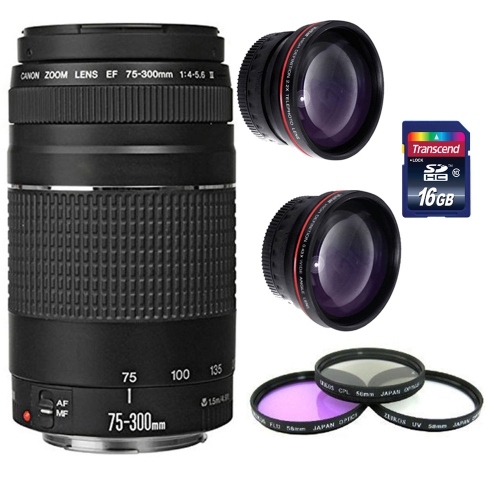
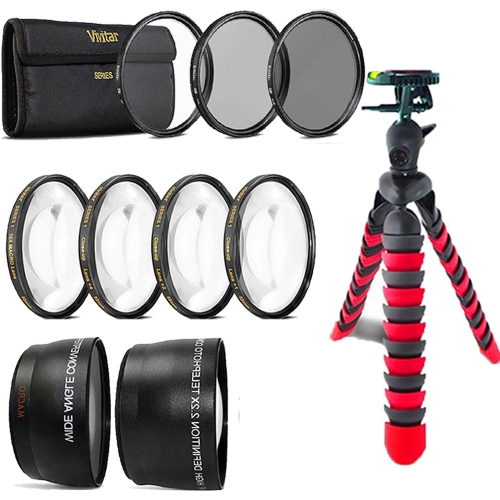
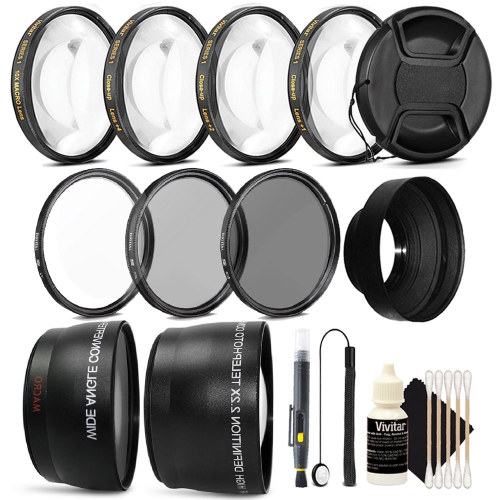
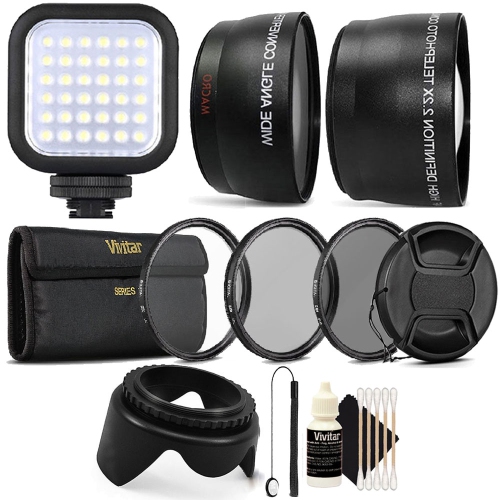
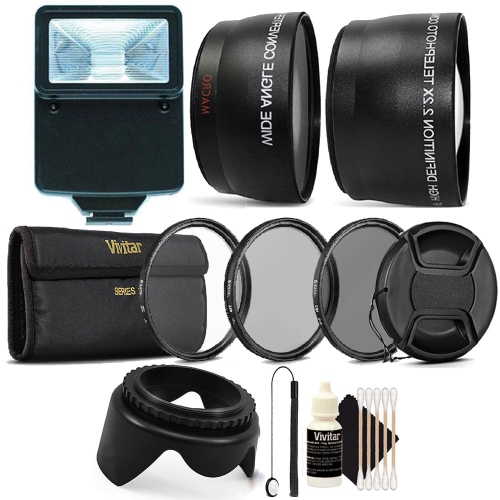
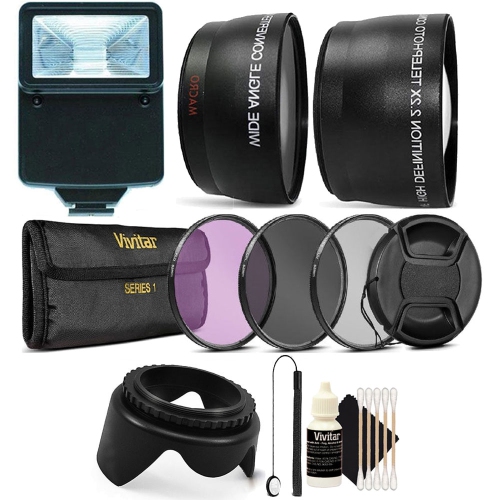
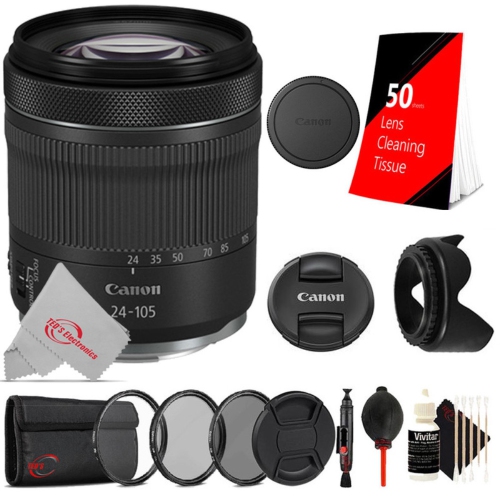
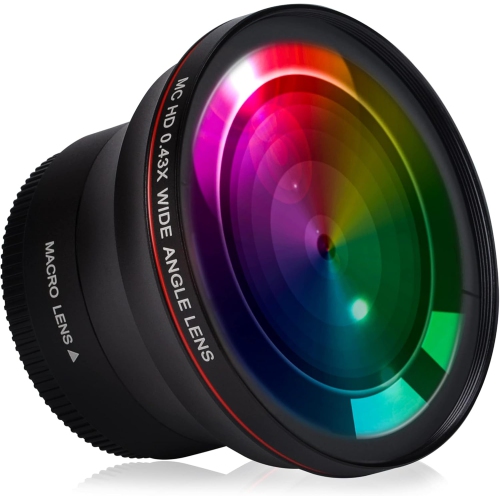
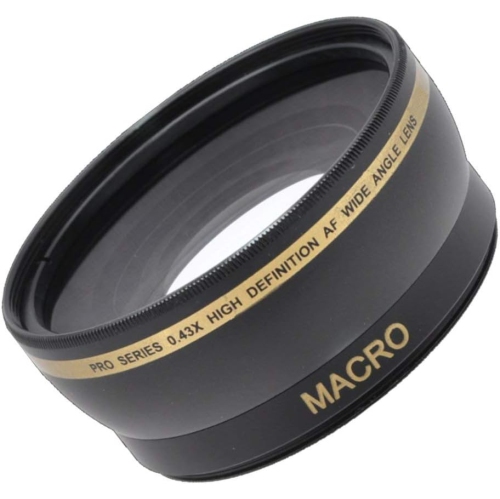
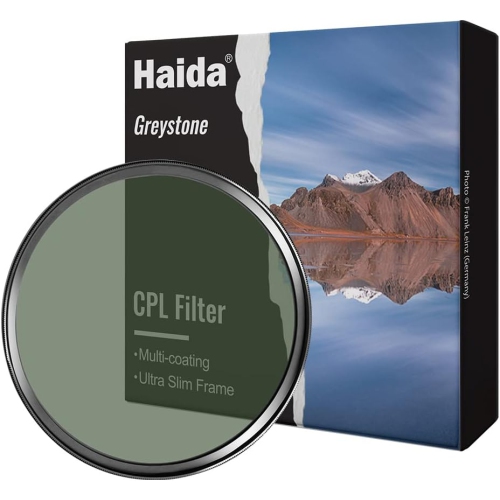
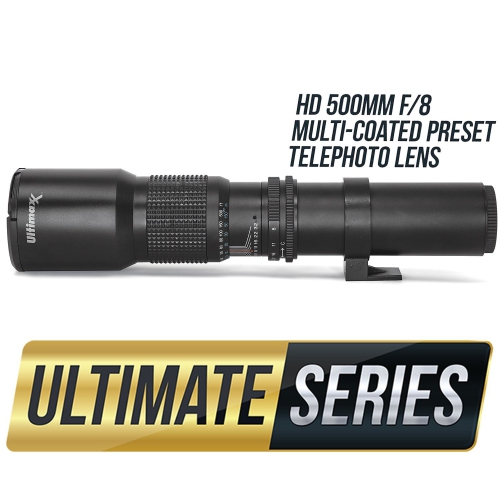
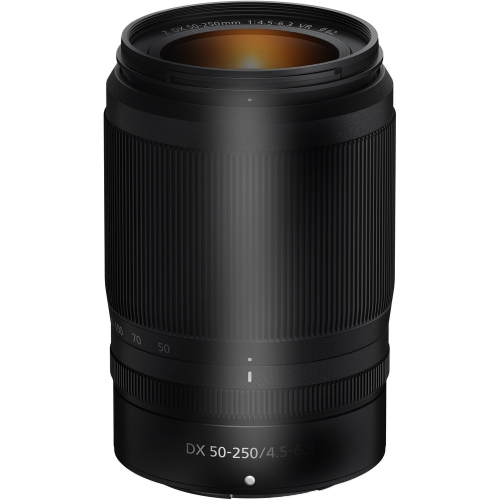
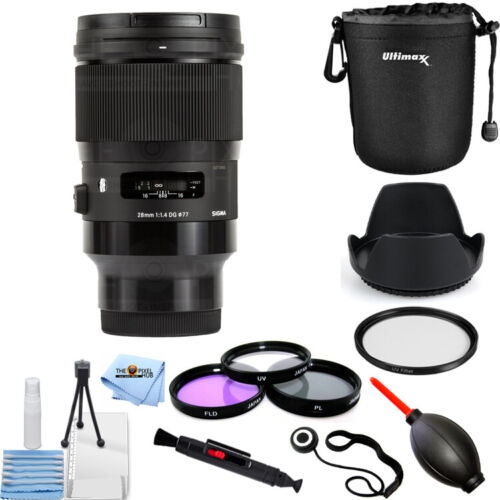
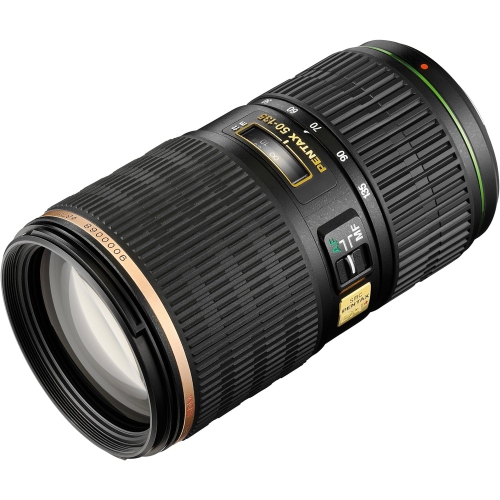


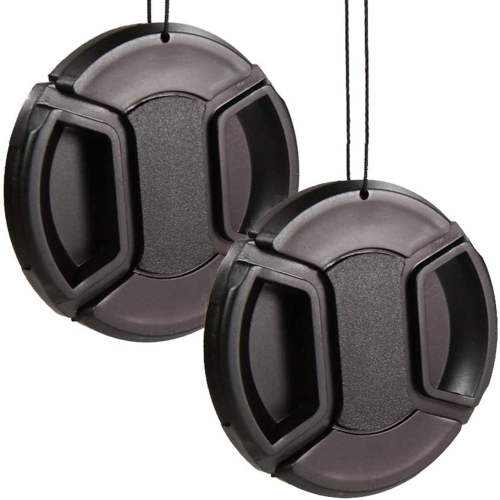
How focal length changes what fits in your frame
Lenses for SLR cameras focus light onto film or a digital sensor, shaping how much of a scene fits in the frame, how large a subject appears, and how sharply details stand out against the background. Different lens types serve distinct purposes, from a wide view of an architectural interior to a close portrait with softly blurred surroundings. On a full-frame camera, wide-angle focal lengths of roughly 14mm to 35mm suit expansive landscapes, buildings, and indoor spaces where stepping back is not possible. Standard lenses around 40mm to 60mm provide a familiar-looking field of view for everyday photographs, while short telephoto lenses around 85mm to 135mm are often used for portraits with comfortable working distance. Longer telephoto lenses bring distant athletes, birds, and stage performers into a tighter frame without requiring the photographer to move closer. These ranges are useful reference points rather than fixed boundaries: the camera’s sensor size also determines the angle of view. A 50mm lens shows a narrower portion of a scene on an APS-C camera than on a full-frame body, making it useful for different compositions on each format. Prime lenses have a fixed focal length, encouraging deliberate framing and movement around a subject. Many offer a wide maximum aperture in a relatively compact design. Zoom lenses cover a range of focal lengths, allowing quick changes between a broader scene and a closer detail from the same position. That flexibility can be valuable when photographing a family gathering, exploring city streets, or capturing a performance from an assigned seat. Neither design is inherently the better choice for every photographer; portability, framing flexibility, maximum aperture, and optical performance all influence the experience. For someone building a lens collection, a new focal length can expand what an existing camera can capture, whether that means fitting an entire room into the photograph or isolating a face in a busy setting. The most useful addition usually fills a clear gap in the kinds of pictures that person enjoys taking.
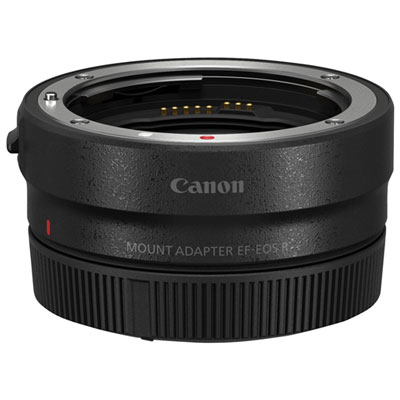
Fit begins with the lens mount, but physical attachment is only one part of compatibility. SLR and DSLR camera systems use specific mounts, and lenses designed for mirrorless cameras generally cannot be used on SLR bodies. Even within a compatible SLR mount, autofocus, aperture control, metering, and stabilization support can vary by camera generation and lens design. Some autofocus lenses depend on a focusing motor inside the camera body, while others have their own motor. Older manual-focus lenses may attach yet require manual exposure settings or offer limited metering functions. Image coverage matters as well: a lens designed for an APS-C sensor may not cover the full image area of a full-frame sensor or 35mm film frame. Depending on the system, that mismatch can cause dark corners, trigger a cropped capture mode, or prevent safe mounting altogether. Camera-specific collections such as Lenses for Canon 80d provide a narrower starting point, with individual lens specifications remaining important for confirming fit and supported functions. Once compatibility is established, aperture and focusing characteristics help distinguish lenses intended for different uses. A lower maximum f-number, such as f/1.8 or f/2.8, indicates a wider aperture that admits more light than a higher f-number at the same focal length. This can support faster shutter speeds in dim interiors and create shallower depth of field, although subject distance and focal length also affect background blur. A portrait lens with a wide aperture can separate a person from a crowded room, while a smaller aperture may be preferable when several faces need to remain sharp. Optical stabilization helps reduce blur caused by camera movement during handheld photography, but it does not freeze a moving subject. For sports, pets, and active children, responsive autofocus and an appropriate shutter speed remain important. For video on compatible DSLR bodies, focus motor noise, smooth focus transitions, and changes in framing during focusing can also affect how a lens performs.
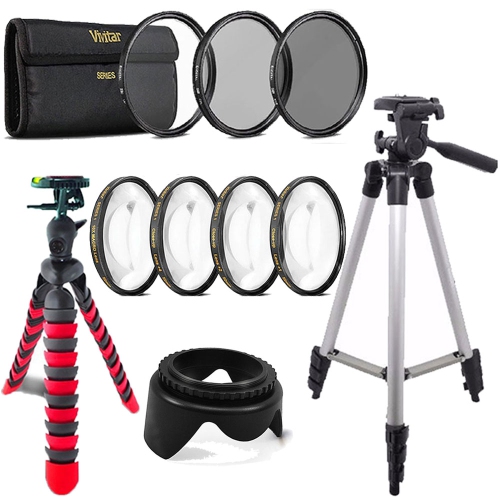
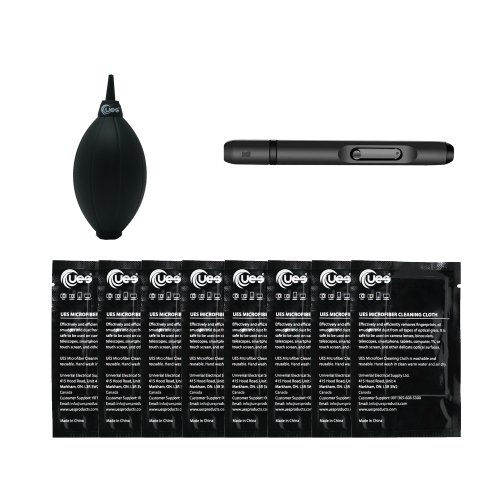
Construction, handling, and care influence how comfortably a lens fits into everyday photography. Optical glass elements work together to control focus and image defects, while coatings help manage reflections, flare, and loss of contrast. Some designs use aspherical or low-dispersion elements to address distortion or colour fringing, though the complete optical design matters more than any single material claim. Lens barrels may combine metal and engineered plastics to balance rigidity and weight. A larger lens with a wide aperture can offer useful shooting flexibility, but its size becomes noticeable during a long museum visit or an afternoon spent photographing a community event. Balance on the camera body, the feel of the focus and zoom rings, and access to switches all contribute to handling. Heavier telephoto lenses may include a tripod collar that supports the lens directly and helps balance the setup on a suitable tripod. Close-up work brings another set of considerations. Minimum focusing distance indicates how close the camera can be to a subject while maintaining focus, whereas maximum magnification describes how large that subject is reproduced on the film or sensor. A macro lens capable of 1:1 magnification can capture tiny details at life size on the recording surface, revealing the texture of a flower petal or the fine engraving on jewellery. Working distance is especially relevant when lighting a small object or photographing an insect without crowding it. Routine care helps preserve both image quality and mechanical condition: a blower removes loose dust before a clean lens cloth or tissue touches the glass, and suitable cleaning fluid should be applied sparingly to the cleaning material rather than poured onto the lens. Front and rear caps, a fitted hood, and a padded compartment help protect exposed surfaces during transport. A hood can also reduce stray light when it is matched to the lens’s angle of view. For students, hobbyists, portrait photographers, and anyone receiving a lens as a gift, confirmed camera compatibility and a clear understanding of their favourite subjects make the choice more personal and useful.
Fit begins with the lens mount, but physical attachment is only one part of compatibility. SLR and DSLR camera systems use specific mounts, and lenses designed for mirrorless cameras generally cannot be used on SLR bodies. Even within a compatible SLR mount, autofocus, aperture control, metering, and stabilization support can vary by camera generation and lens design. Some autofocus lenses depend on a focusing motor inside the camera body, while others have their own motor. Older manual-focus lenses may attach yet require manual exposure settings or offer limited metering functions. Image coverage matters as well: a lens designed for an APS-C sensor may not cover the full image area of a full-frame sensor or 35mm film frame. Depending on the system, that mismatch can cause dark corners, trigger a cropped capture mode, or prevent safe mounting altogether. Camera-specific collections such as Lenses for Canon 80d provide a narrower starting point, with individual lens specifications remaining important for confirming fit and supported functions. Once compatibility is established, aperture and focusing characteristics help distinguish lenses intended for different uses. A lower maximum f-number, such as f/1.8 or f/2.8, indicates a wider aperture that admits more light than a higher f-number at the same focal length. This can support faster shutter speeds in dim interiors and create shallower depth of field, although subject distance and focal length also affect background blur. A portrait lens with a wide aperture can separate a person from a crowded room, while a smaller aperture may be preferable when several faces need to remain sharp. Optical stabilization helps reduce blur caused by camera movement during handheld photography, but it does not freeze a moving subject. For sports, pets, and active children, responsive autofocus and an appropriate shutter speed remain important. For video on compatible DSLR bodies, focus motor noise, smooth focus transitions, and changes in framing during focusing can also affect how a lens performs.
Construction, handling, and care influence how comfortably a lens fits into everyday photography. Optical glass elements work together to control focus and image defects, while coatings help manage reflections, flare, and loss of contrast. Some designs use aspherical or low-dispersion elements to address distortion or colour fringing, though the complete optical design matters more than any single material claim. Lens barrels may combine metal and engineered plastics to balance rigidity and weight. A larger lens with a wide aperture can offer useful shooting flexibility, but its size becomes noticeable during a long museum visit or an afternoon spent photographing a community event. Balance on the camera body, the feel of the focus and zoom rings, and access to switches all contribute to handling. Heavier telephoto lenses may include a tripod collar that supports the lens directly and helps balance the setup on a suitable tripod. Close-up work brings another set of considerations. Minimum focusing distance indicates how close the camera can be to a subject while maintaining focus, whereas maximum magnification describes how large that subject is reproduced on the film or sensor. A macro lens capable of 1:1 magnification can capture tiny details at life size on the recording surface, revealing the texture of a flower petal or the fine engraving on jewellery. Working distance is especially relevant when lighting a small object or photographing an insect without crowding it. Routine care helps preserve both image quality and mechanical condition: a blower removes loose dust before a clean lens cloth or tissue touches the glass, and suitable cleaning fluid should be applied sparingly to the cleaning material rather than poured onto the lens. Front and rear caps, a fitted hood, and a padded compartment help protect exposed surfaces during transport. A hood can also reduce stray light when it is matched to the lens’s angle of view. For students, hobbyists, portrait photographers, and anyone receiving a lens as a gift, confirmed camera compatibility and a clear understanding of their favourite subjects make the choice more personal and useful.
Top selling and popular products
-
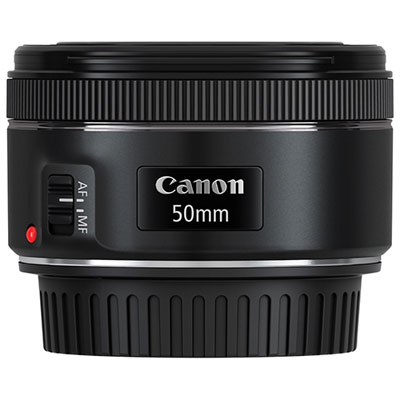 Your price for this item is $169.99
 -
 Your price for this item is $329.99
 -
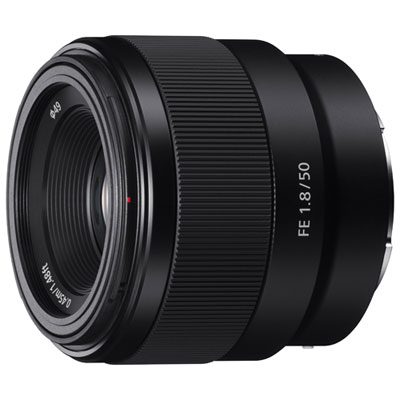 Your price for this item is $349.99
 -
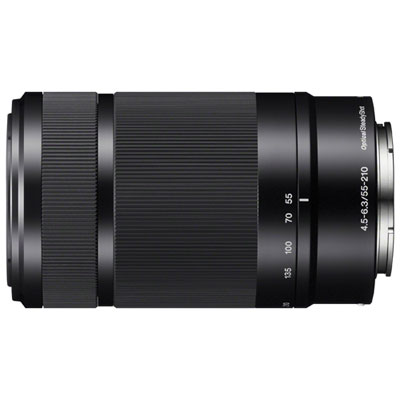 Your price for this item is $399.99
 -
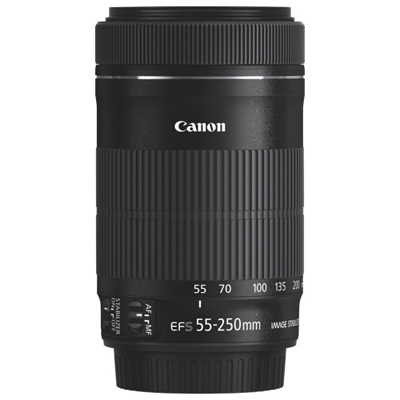 Your price for this item is $399.99
 -
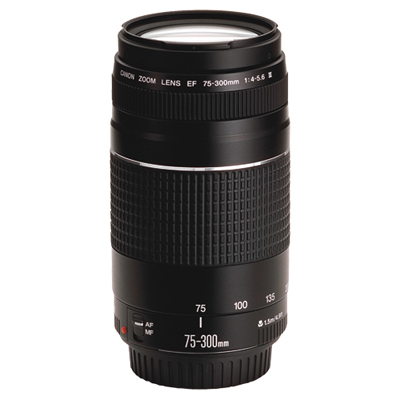 Your price for this item is $199.99
 -
 Your price for this item is $174.99
 -
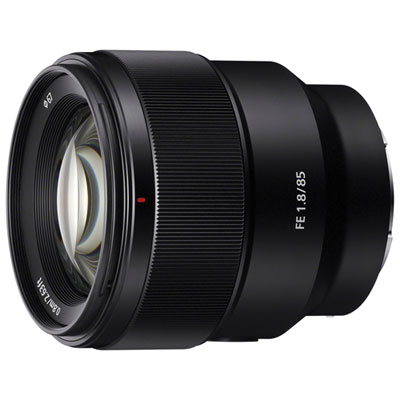 Your price for this item is $749.99
Discover more categories related to Lenses for Slr Cameras
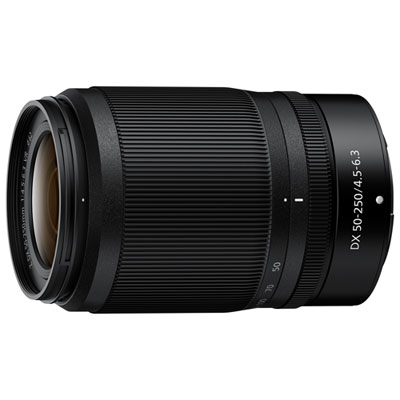
Top Collections:
Pokemon Centers, Kindle Devices, Best Budget Office Chairs, Apple iPhones 16, Best Laptops for Writers, iPhone 15 Apple, Canon G7X Cameras, Refurbished Apple Laptops, Alarm Clock, Motorola Razr Phones
Some products may be subject to Environmental Handling Fees
(EHF) depending on your province.
Learn more about EHFs.