Lumix S5 IIX
Discover the latest in cutting-edge camera technology with the Lumix S5 Iix. This powerful and versatile camera is designed to meet the needs of both amateur enthusiasts and professional photographers alike. With its impressive array of features and functionalities, the Lumix S5 Iix offers unparalleled image quality, exceptional performance, and intuitive controls, making it a must-have for anyone looking to take their photography to the next level. Explore a world of endless creative possibilities with the Lumix S5 Iix.
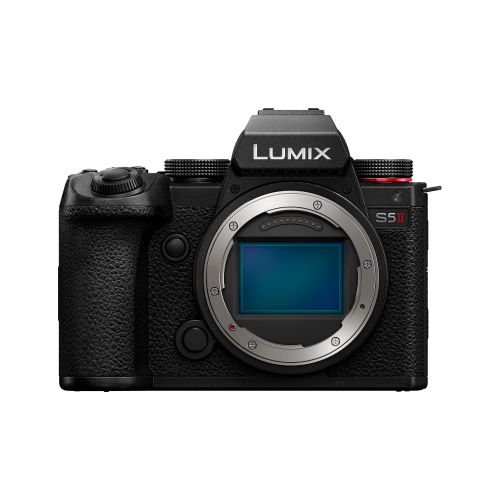
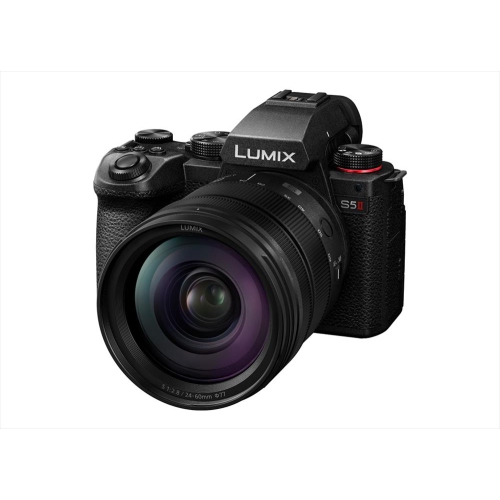

One full-frame system for portraits and video production
Full-frame mirrorless cameras bring still photography and video production into a single interchangeable-lens system, making them a practical choice for creators whose work moves between the two. A portrait session might call for detailed photographs with soft background blur, followed by a short interview or behind-the-scenes footage using the same camera and lens. A full-frame sensor provides considerable flexibility over depth of field, while image quality also depends on the lens, exposure, lighting, and processing. Resolution around 24 megapixels offers a useful balance for detailed photographs, everyday editing, and manageable file sizes, though cropping heavily leaves fewer pixels for a finished image. For hybrid use, autofocus behaviour matters as much as resolution: phase-detection and contrast-detection technologies can work together to acquire focus and follow a moving subject. Face and eye detection can help keep a speaker sharp as they turn towards another person, but performance still depends on the selected settings, subject visibility, and lens compatibility. In-body image stabilization helps reduce the effect of camera movement during handheld shooting, and compatible stabilized lenses may provide additional support. It does not freeze a moving subject or replace every function of a tripod or gimbal. Lens choice gives the system much of its character. A standard zoom can cover an establishing shot, a seated portrait, and a tighter detail without a lens change, while a wide-aperture prime can offer more control over background separation. L-mount lenses need to be matched to the camera’s sensor coverage and intended use; a compatible mount alone does not mean every lens provides the same field of view, autofocus response, or stabilization features. For photographers expanding into video, and videographers who also deliver still images, the strongest fit is a system that supports both kinds of work without making familiar tasks unnecessarily complicated. Handling, lens balance, and access to frequently used controls all contribute to that fit.
Video-focused mirrorless cameras are distinguished less by a single headline resolution than by the recording options surrounding it. On cameras that support it, 6K open-gate recording uses a taller sensor area than conventional widescreen capture, leaving room to create horizontal and vertical versions from the same take. That extra space can be useful when an interview needs to appear on a website and in a vertical social clip, although framing still needs to protect the subject in both formats. Oversampled 4K can produce fine detail by drawing on higher-resolution sensor data, while higher frame rates create opportunities for slow-motion playback. Some recording modes introduce a sensor crop, alter autofocus options, or require faster storage, so the settings needed for an actual project matter more than the largest number on a specification sheet. Ten-bit recording provides more tonal information than eight-bit recording, which can help preserve smooth gradients and allow greater adjustment during colour grading. Log profiles offer another route to flexible post-production, but they benefit from careful exposure and a suitable editing workflow. Supported intraframe formats and direct recording to an external solid-state drive can suit more demanding productions, provided the camera, drive, cable, and chosen recording mode are compatible. External RAW output likewise requires a compatible recorder and software; an HDMI connection by itself does not establish that capability. Long interviews, performances, and demonstrations also put attention on recording duration, power options, and heat management. Active cooling can support extended takes, but uninterrupted operation depends on the mode, power supply, storage capacity, and the manufacturer’s operating limits. Clear audio deserves equal attention. A microphone input, headphone monitoring, and accessible level controls help capture a voice cleanly and reveal problems such as clothing rubbing against a microphone. A fully articulated screen is useful for checking framing from in front of the lens, while a full-size HDMI port can simplify a connection to an external monitor during a more structured shoot.
Physical design and supporting equipment influence how comfortably a full-frame camera fits into everyday work. A deep grip and clearly separated controls can make a difference during a long portrait session, particularly with a heavier zoom attached. Metal-alloy construction can provide a sturdy foundation, but durability also depends on how the camera is carried, supported, and maintained. A padded bag with adjustable dividers helps keep the body, lenses, and small accessories from knocking together, while a secure strap provides reassurance when moving between locations. Lens changes are best kept brief and made away from dust; replacing caps promptly and using a hand-operated blower for loose particles can help protect optical surfaces. Coated glass needs an appropriate lens-cleaning cloth and cleaning solution, and sensor care should follow the manufacturer’s instructions rather than improvised methods. Video accessories deserve similar attention to fit. A cage must match the body’s dimensions and leave room for the screen, battery door, ports, and cooling vents. Tripod heads need to support the combined weight of the camera, lens, microphone, and any attached monitor, not just the body. External drives and cables should be secured so that an accidental tug does not strain a port or interrupt a take. Batteries, memory cards, and drive capacity are part of the working setup, especially when a single assignment includes both high-resolution stills and lengthy video clips. Existing equipment can help narrow the choice: anyone comparing options with the Panasonic S5 can consider lens compatibility, handling preferences, and the recording features their projects require. These systems can suit independent filmmakers, wedding photographers, small-business content teams, and experienced enthusiasts who want room to develop their craft. As a gift, a camera body or lens benefits from knowing the recipient’s existing mount and preferred subjects. The most useful setup is one that feels balanced in the hand, works with the intended editing process, and makes it straightforward to capture both a fleeting expression and a carefully planned sequence.
Top selling and popular products
-
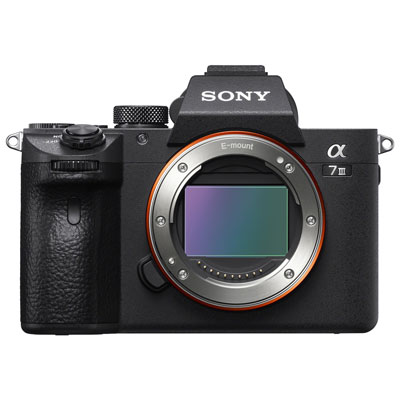 Your price for this item is $1899.99
-
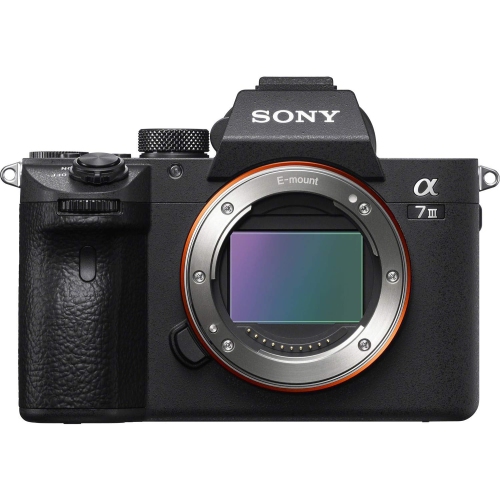 Your price for this item is $1899
-
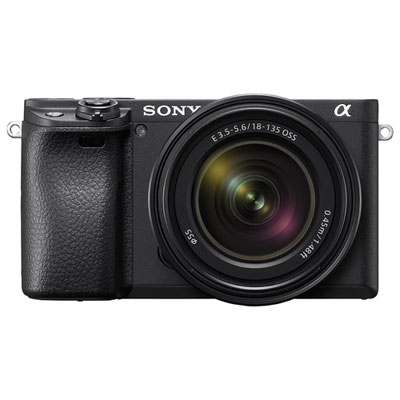 Your price for this item is $1749.99
-
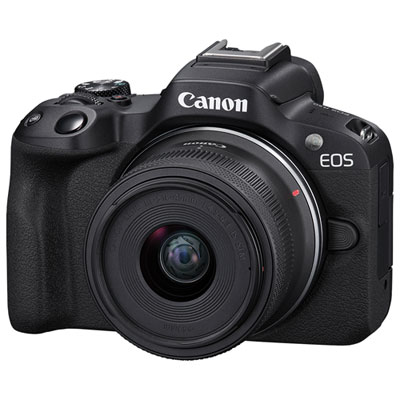 Your price for this item is $1099.99
-
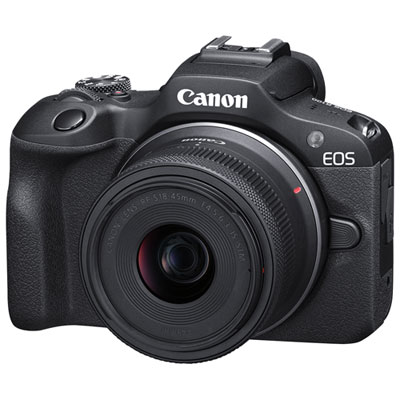 Your price for this item is $629.99
-
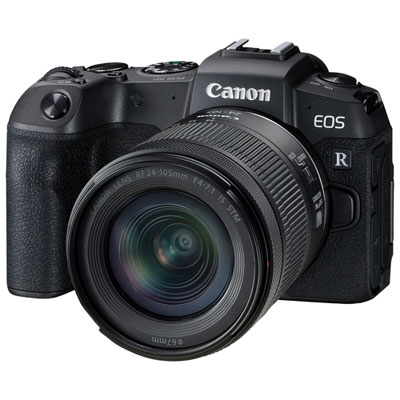 Your price for this item is $1499.99
-
 Your price for this item is $2699.99
-
 Your price for this item is $2419.99
Discover more categories related to Lumix S5 IIX

Top Collections:
Pokemon Centers, Best Cameras for Sports Photography, Kindle Devices, Samsung Galaxy Phones, Canon G7X Cameras, Pokémon 30th Celebration Cards, Refurbished Apple Laptops, iPhone 15 Apple, Laptops for Students, Budget Smartphones
Some products may be subject to Environmental Handling Fees
(EHF) depending on your province.
Learn more about EHFs.