Micro Four Thirds Cameras
Capture stunning images with our range of micro-four-thirds cameras. These compact and versatile cameras are perfect for photographers of all skill levels who want to take their creativity to the next level. With their advanced technology and interchangeable lenses, micro-four-thirds cameras offer exceptional image quality and flexibility, allowing you to capture every moment with precision and clarity. Whether you're a professional looking to upgrade your gear or an amateur photographer ready to explore new horizons, our selection of micro-four-thirds cameras has something for everyone.
Sort
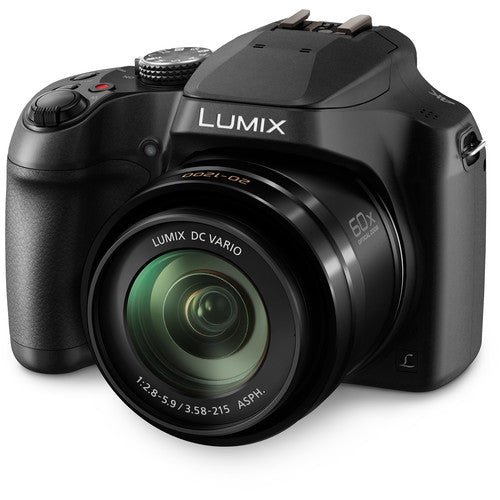
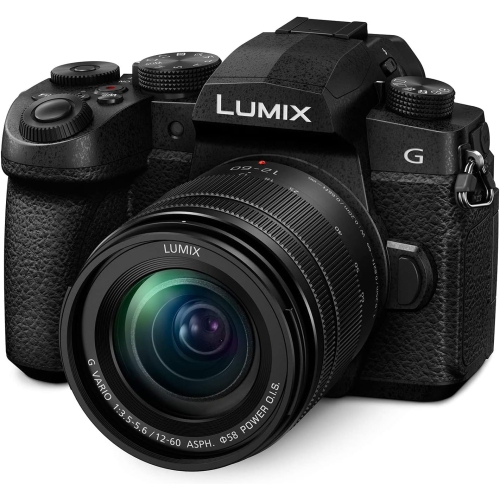
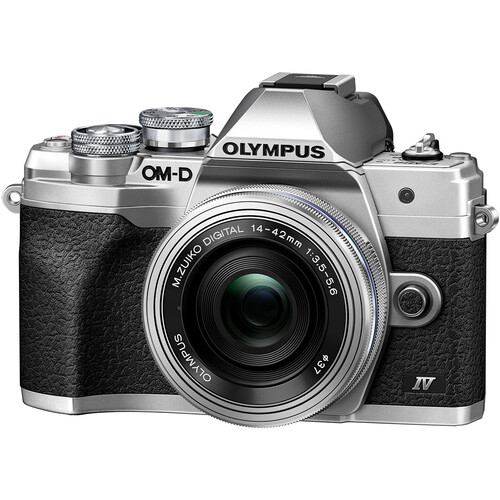
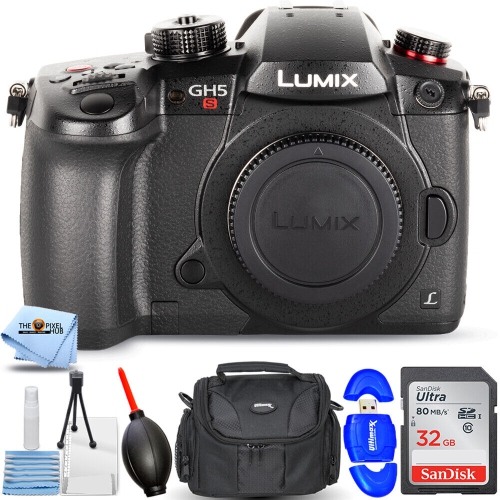
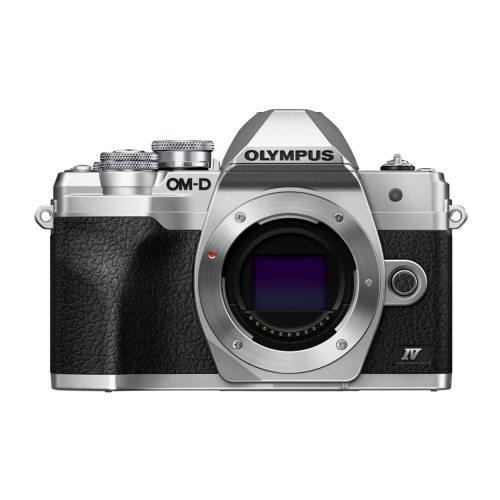


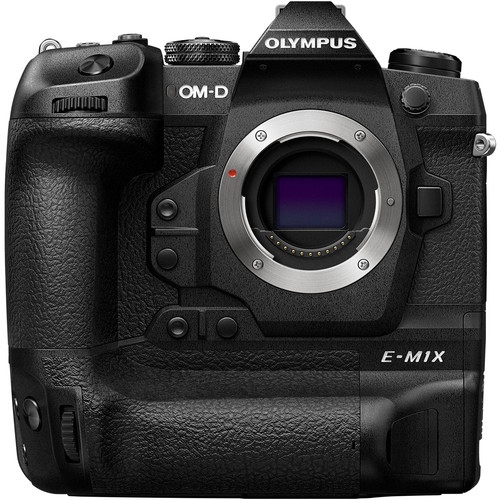
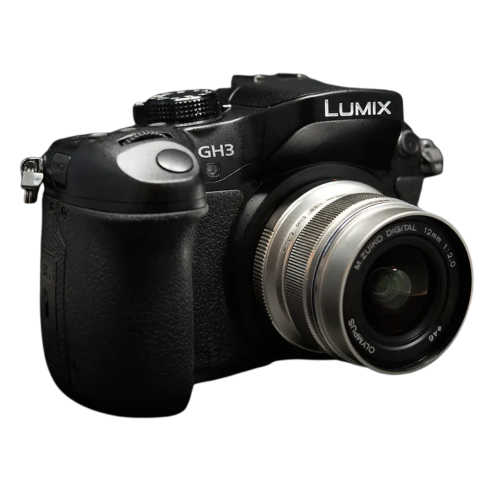
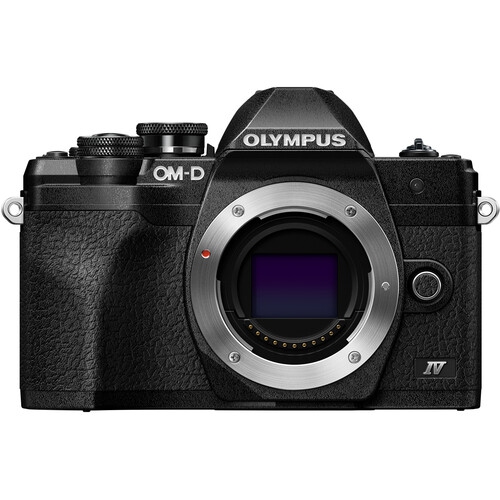

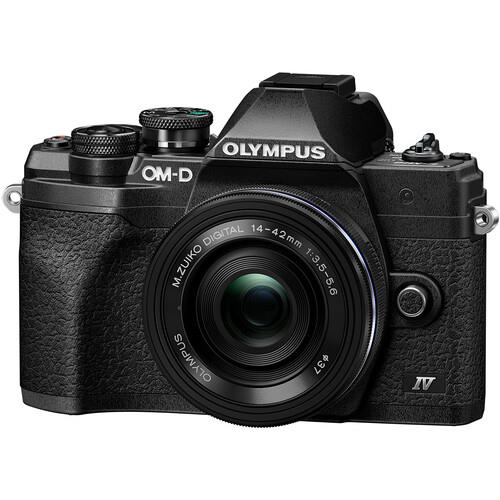

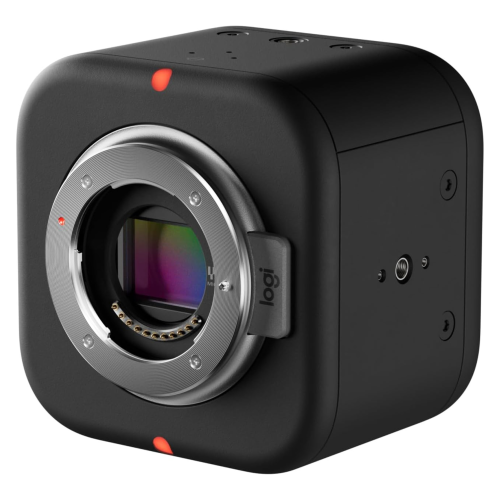
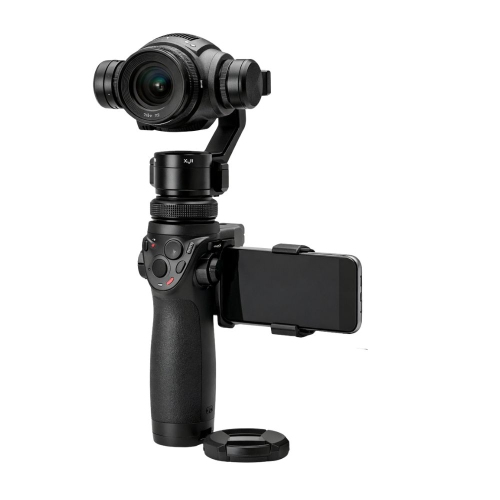

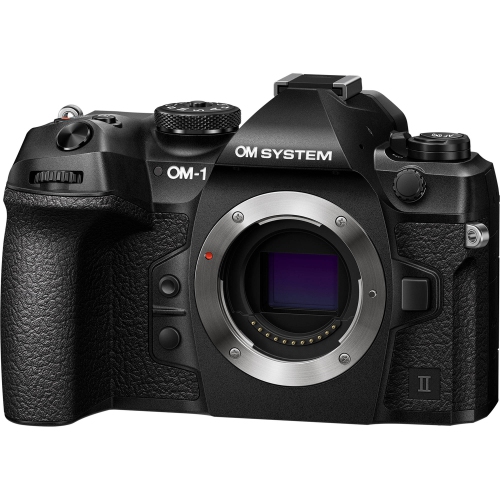
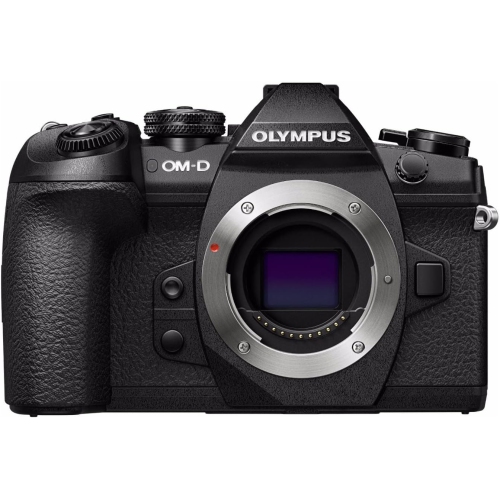

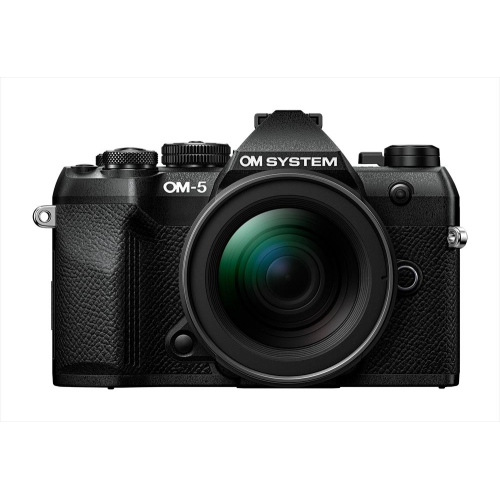

Creative control in a compact interchangeable-lens system
Micro Four Thirds cameras are interchangeable-lens mirrorless cameras built around a shared lens mount and a sensor format measuring approximately 17.3 × 13 mm. Often shortened to MFT or M43, the system combines creative control with equipment that can be comfortable to carry throughout a day of sightseeing, family activities, or street photography. Its sensor is smaller than those used in APS-C and full-frame cameras, which helps make compact camera bodies and lenses possible, although size and weight vary by design. The format has a 2× crop factor relative to full frame: a 25 mm lens provides roughly the same angle of view as a 50 mm lens on a full-frame camera. The lens’s actual focal length does not change. This relationship is particularly useful for distant subjects, since a relatively compact telephoto setup can frame a bird on a branch or a player across a sports field tightly without requiring the same focal length as a full-frame setup. At equivalent framing and the same aperture number, Micro Four Thirds generally produces greater depth of field than full frame, helping keep more of a subject in focus. That can be helpful when photographing a plate of food, a handmade object, or several people gathered around a table. Background blur is still possible, particularly with a wide-aperture lens, a close subject, and plenty of distance behind it. The sensor’s native 4:3 aspect ratio creates an image shape that suits portraits, everyday scenes, and compositions intended for both screens and prints. Other aspect ratios may be selectable in-camera, usually by cropping the captured image. For someone moving beyond a phone camera, the appeal includes direct control over shutter speed, aperture, focus, and lens choice. For an experienced photographer, a smaller complementary system can make it easier to bring a capable camera along without carrying a large bag. Image quality depends on the lens, exposure, focus, processing, and individual camera design as well as sensor size; the format alone does not determine how a photograph will look.
Lens choice gives Micro Four Thirds cameras much of their versatility. A compact standard zoom can cover building details, group photographs, and casual portraits without frequent lens changes, while a small prime lens can keep an everyday setup light and unobtrusive. Wide-angle lenses take in interiors and broad views, telephoto lenses bring distant details into the frame, and macro lenses reveal textures in jewellery, flowers, and other small subjects. The shared mount allows native Micro Four Thirds lenses from different manufacturers to be used across compatible system bodies, giving photographers room to build a lens collection around their interests. The Micro Four Thirds System Lenses page brings this lens category together. Mount compatibility does not mean every feature works identically with every pairing: coordinated lens-and-body stabilization, certain autofocus functions, lens controls, and firmware-dependent features may have specific requirements. Older Four Thirds DSLR lenses use a different mount and require an appropriate adapter, with autofocus performance dependent on the combination. Many Micro Four Thirds cameras include in-body image stabilization, which moves the sensor to help counter camera shake. This can make handheld photographs of stationary subjects sharper at slower shutter speeds and help steady video footage. Stabilization does not freeze a moving child or running pet; those subjects still call for a sufficiently fast shutter speed. Autofocus behaviour also differs between cameras, particularly when tracking motion or identifying eyes and faces. For portraits and family photography, reliable subject detection and easy focus-point selection can matter more than the highest burst rate. For action, burst speed is only part of the picture: buffer capacity, viewfinder responsiveness, and continuous autofocus performance also affect the experience. In dim interiors, a wide-aperture lens can admit more light, while careful exposure helps preserve detail and colour. RAW capture provides additional editing flexibility, whereas camera-processed JPEG files suit straightforward sharing. A useful balance of lenses and controls makes the system adaptable, whether the goal is a carefully composed still life or a fleeting expression across a dinner table.
The way a camera fits the hand matters just as much as its dimensions on paper. A deeper grip can feel more secure with a longer lens, while a flatter body paired with a short lens can slip more easily into a small shoulder bag. Accessible dials, clearly spaced buttons, and a viewfinder that is comfortable to use with glasses all contribute to a camera that feels natural rather than distracting. A tilting or fully articulating screen can simplify low-angle photographs, overhead compositions, and self-recorded video, though screen movement and connection placement vary. For video, useful distinctions include resolution, frame-rate options, autofocus transitions, microphone connections, headphone monitoring, and any recording limits. Some recording modes crop the image further, changing how much of the scene fits into the frame. Higher-resolution footage and faster frame rates can also require faster memory cards and more storage space. Wireless functions, where included, may support image transfers or remote control, but their capabilities depend on the camera and companion software. Construction ranges from lightweight composite housings to bodies incorporating metal alloys; durability depends on the overall design, not simply whether the exterior feels heavy. A padded bag with separate compartments helps prevent lenses and accessories from knocking against one another, and a comfortable strap reduces the chance of an accidental drop. Basic care includes using a blower to remove loose dust before wiping a lens with a suitable clean cloth, keeping caps in place during storage, and avoiding contact with the sensor when changing lenses. Powering the camera off during lens changes and keeping the mount exposed only briefly can help limit dust entering the body. Battery life varies with screen use, video recording, and shooting habits, so charging arrangements and access to a spare battery are practical considerations for longer outings. Micro Four Thirds cameras can suit students developing photographic skills, travellers who value a manageable kit, hobbyists exploring close-up work, and creators dividing their time between stills and video. As a gift, compatibility with the recipient’s existing lenses and their preference for compactness or a substantial grip can make the choice more personal and useful.
Top selling and popular products
-
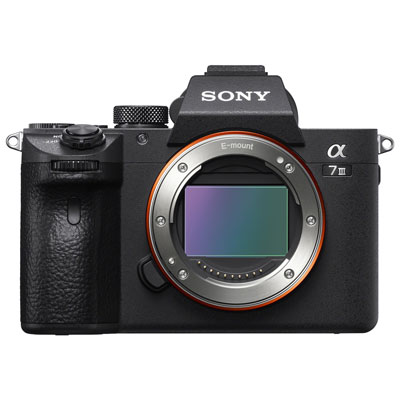 Your price for this item is $1899.99
-
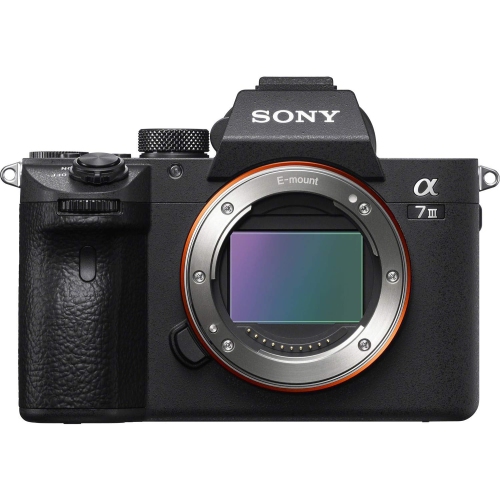 Your price for this item is $1899
-
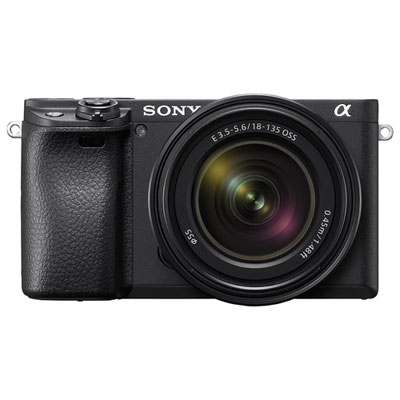 Your price for this item is $1749.99
-
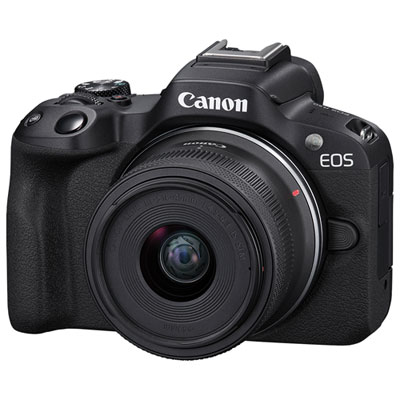 Your price for this item is $1099.99
-
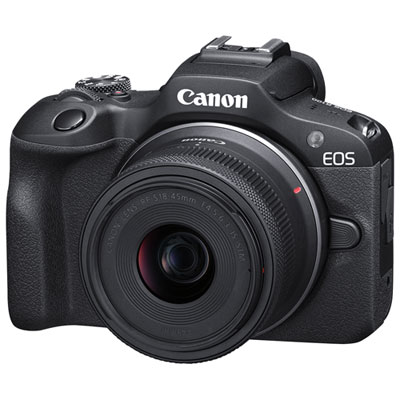 Your price for this item is $629.99
-
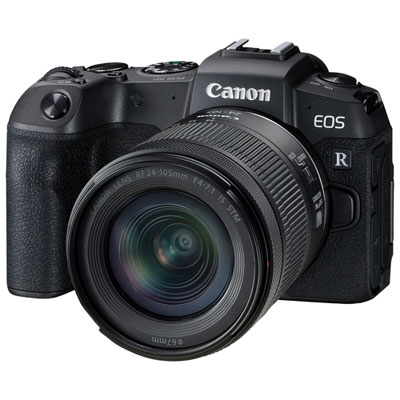 Your price for this item is $1499.99
-
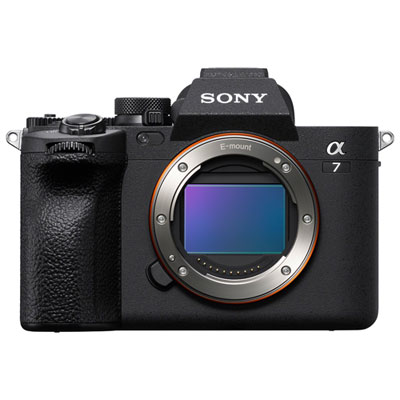 Your price for this item is $2699.99
-
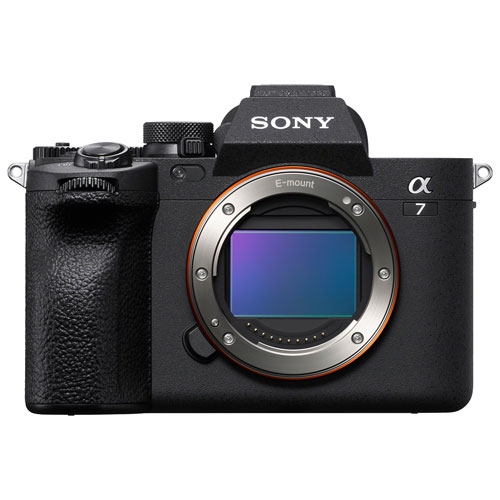 Your price for this item is $2419.99
Discover more categories related to Micro Four Thirds Cameras
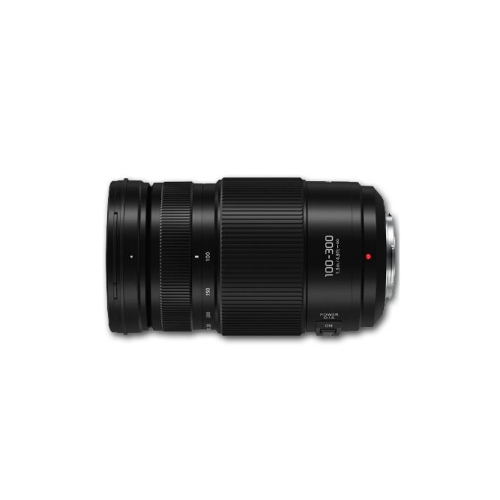

Top Collections:
Pokemon Centers, Best Cameras for Sports Photography, Kindle Devices, Samsung Galaxy Phones, Canon G7X Cameras, Pokémon 30th Celebration Cards, Refurbished Apple Laptops, iPhone 15 Apple, Laptops for Students, Budget Smartphones
Some products may be subject to Environmental Handling Fees
(EHF) depending on your province.
Learn more about EHFs.