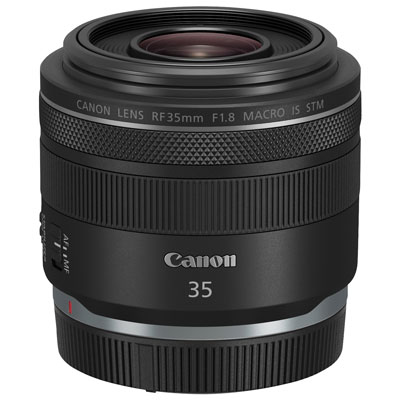
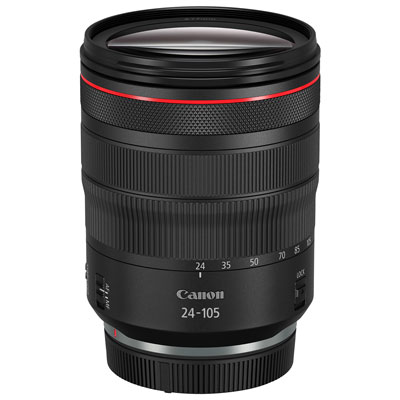
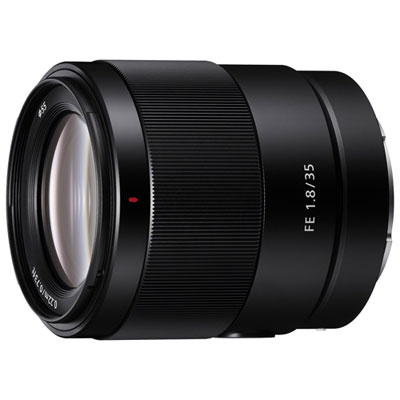
Micro Four Thirds System Lenses
Looking to take your photography skills to the next level? Look no further than our collection of Micro Four Thirds System Lenses. Designed to deliver exceptional image quality and versatility, these lenses are a must-have for any avid photographer or videographer. With their compact size and lightweight design, they offer the perfect balance between portability and performance. Whether you're capturing stunning landscapes, taking portraits with beautiful bokeh, or shooting fast-action sports, our selection of Micro Four Thirds System Lenses has you covered. Explore our range today and unlock a world of creative possibilities. Also check out our selection of Affordable Camera Lenses For Canon for even more great options!


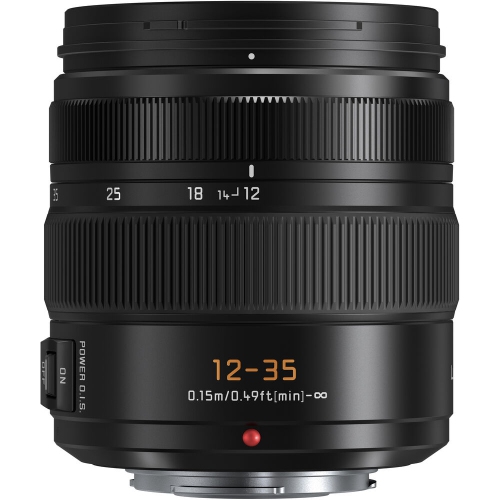


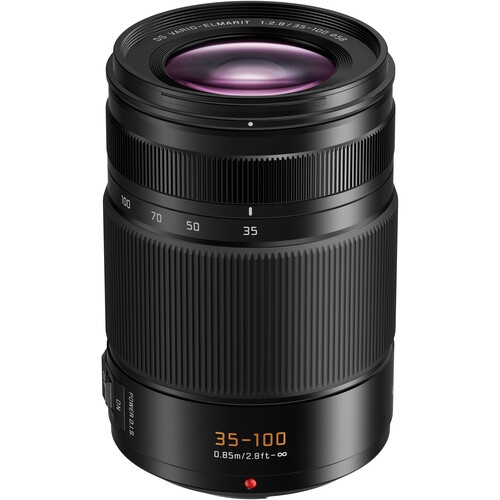
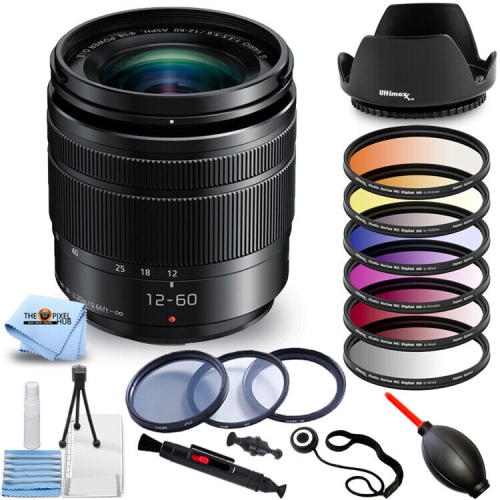
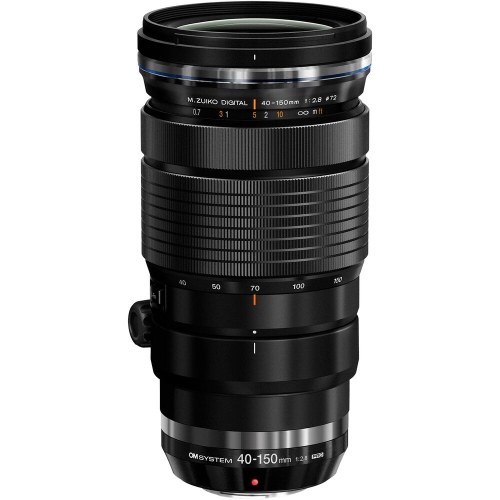

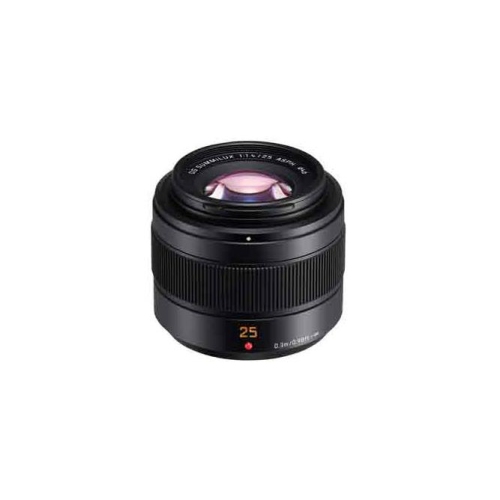
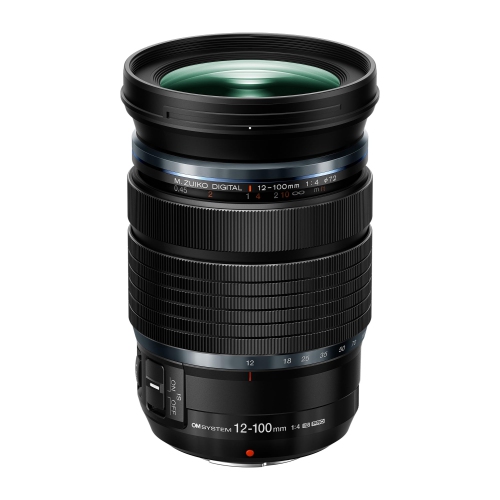

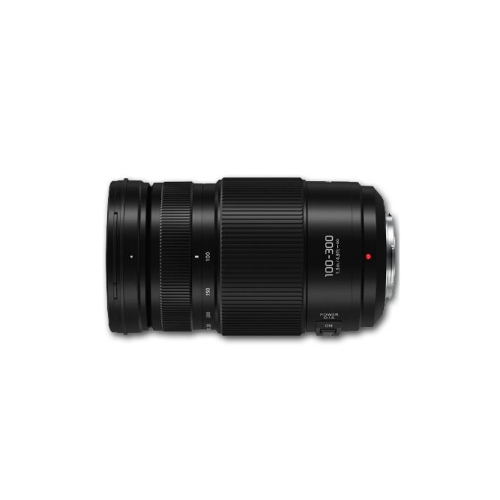

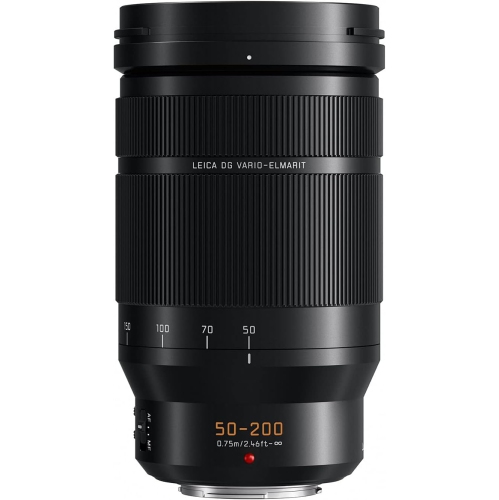

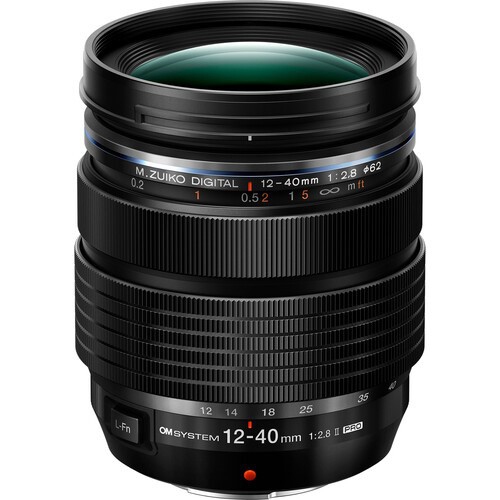
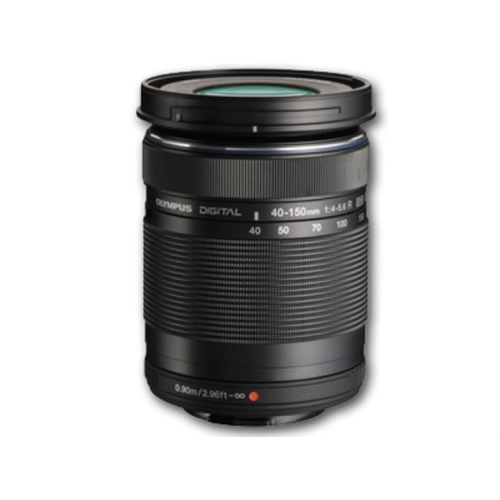

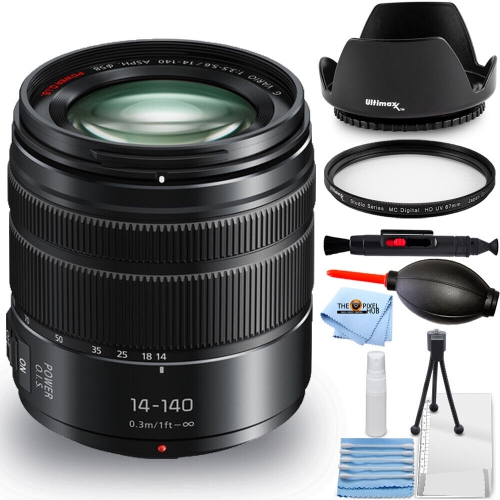



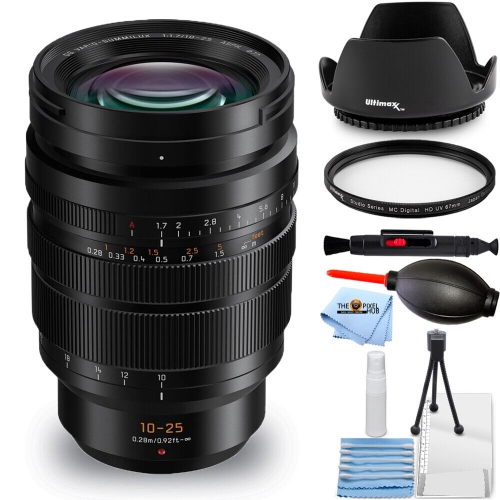



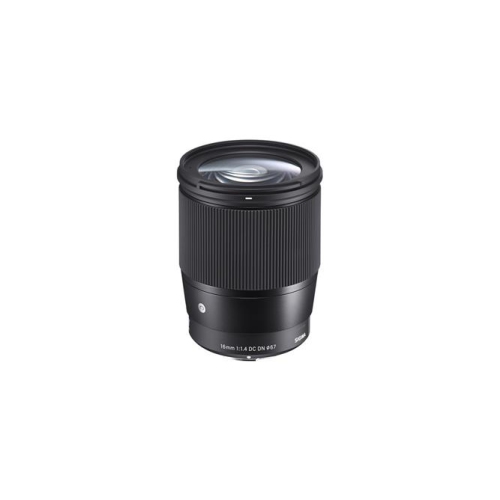
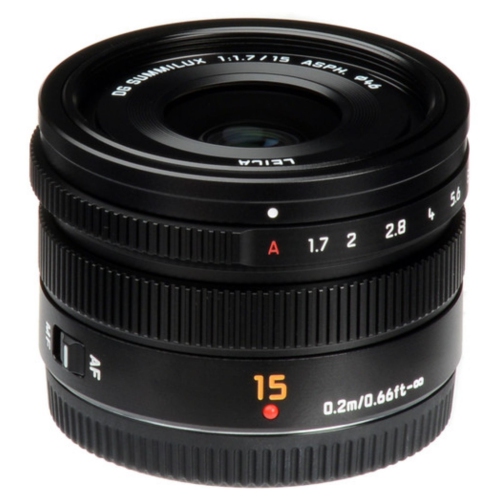
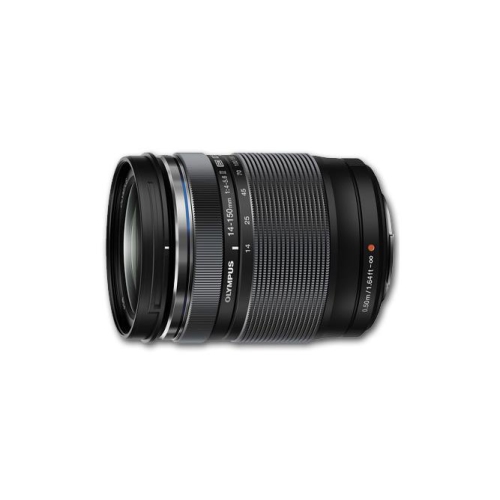


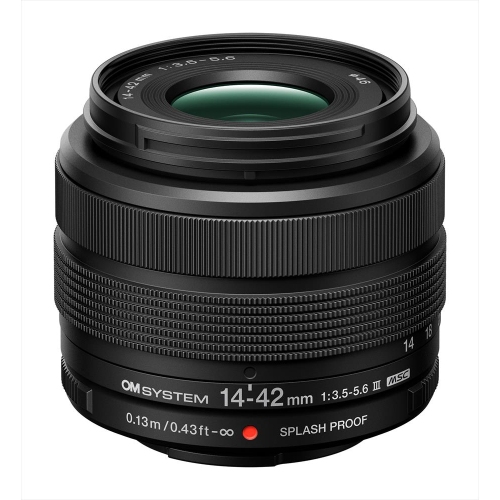


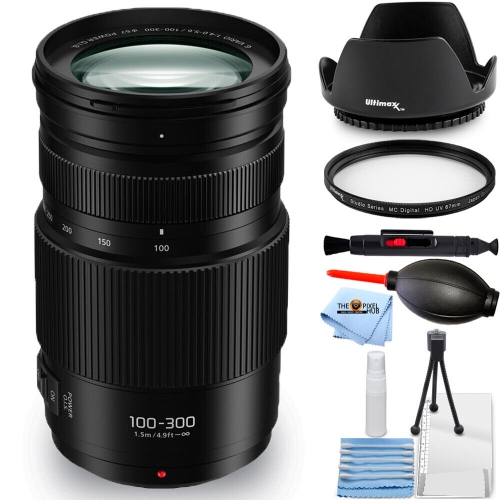
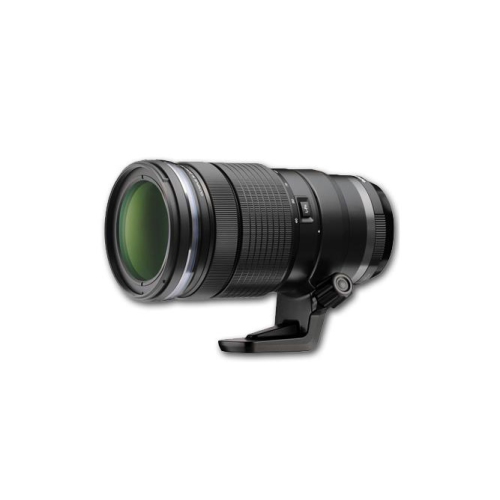


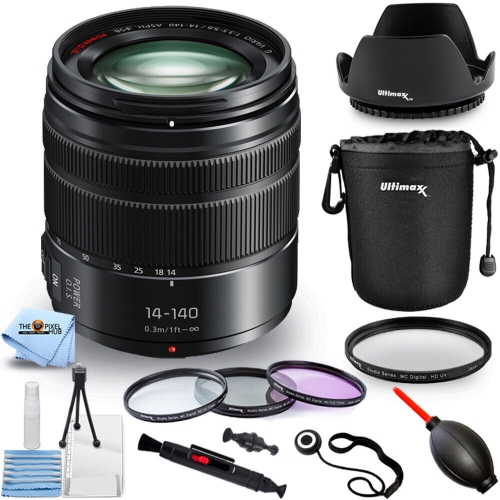
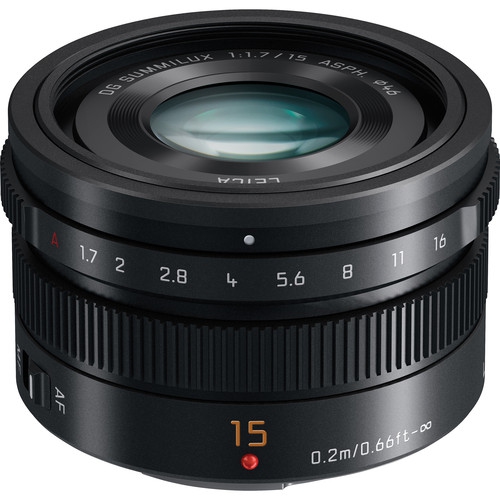

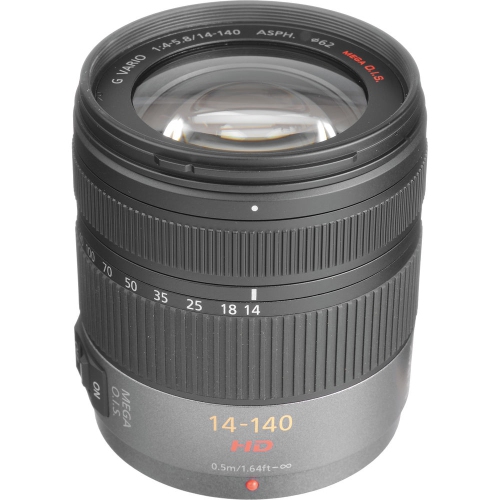

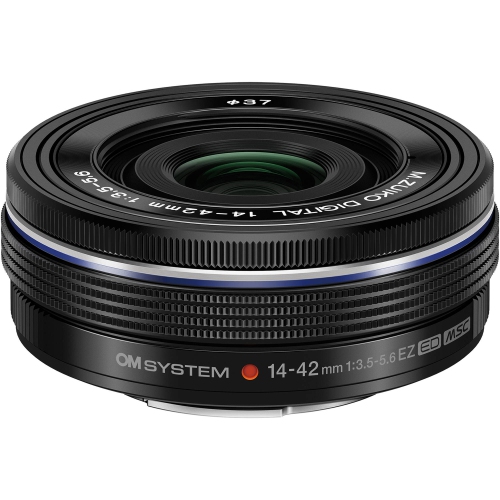
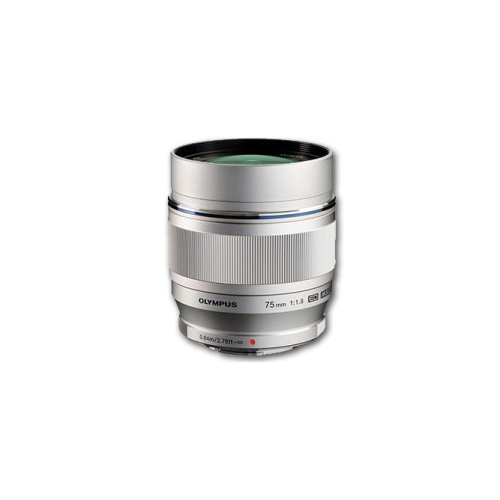
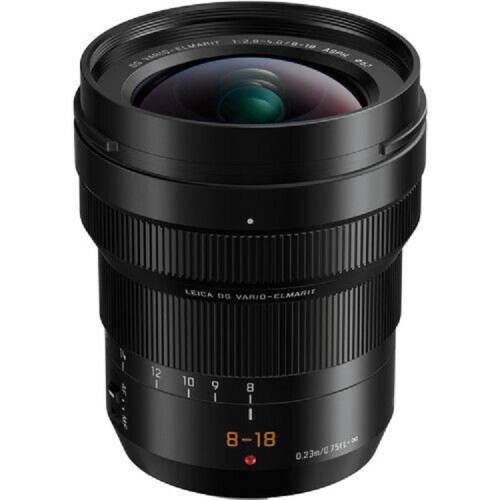
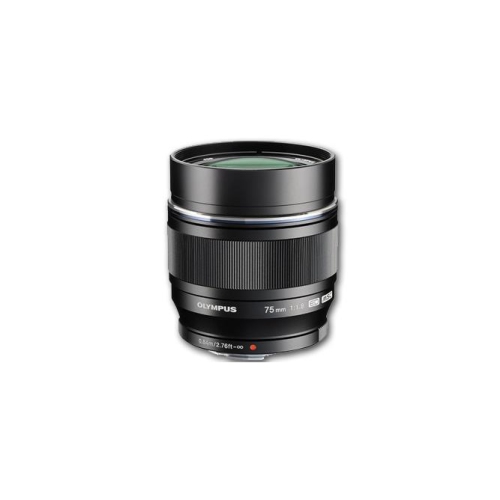

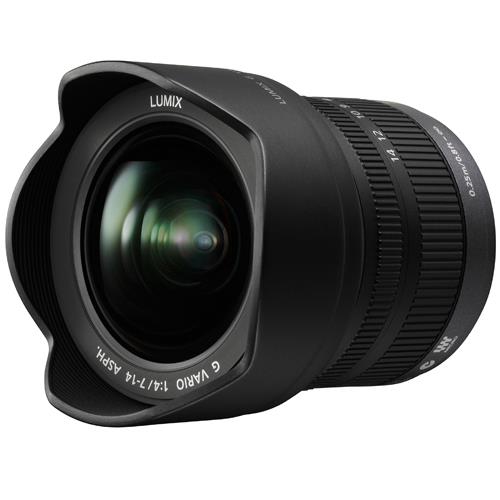

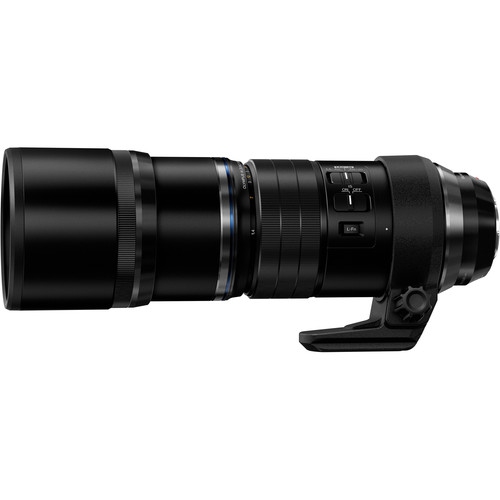


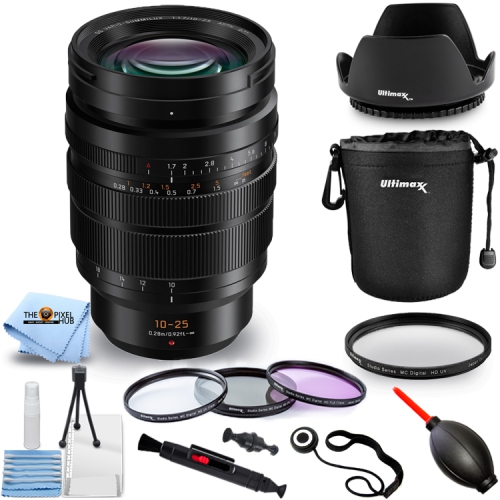









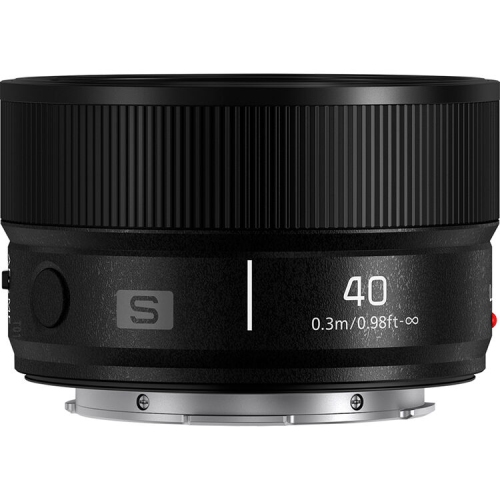

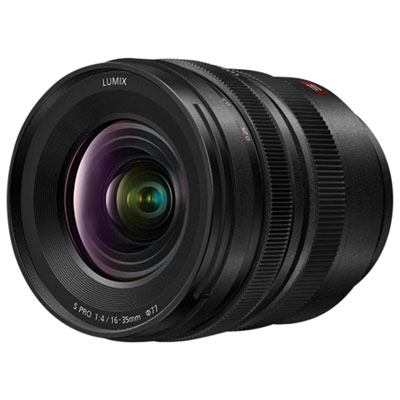

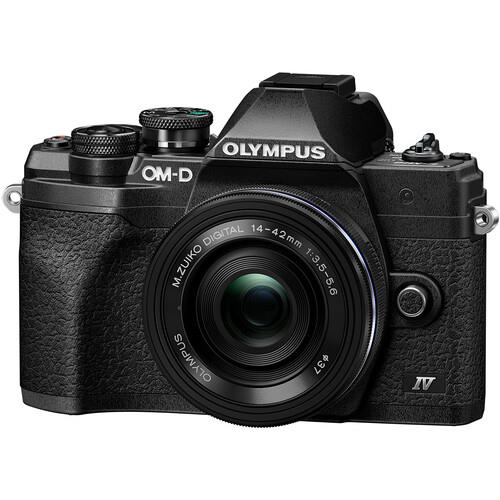
A compact system for changing scenes and perspectives
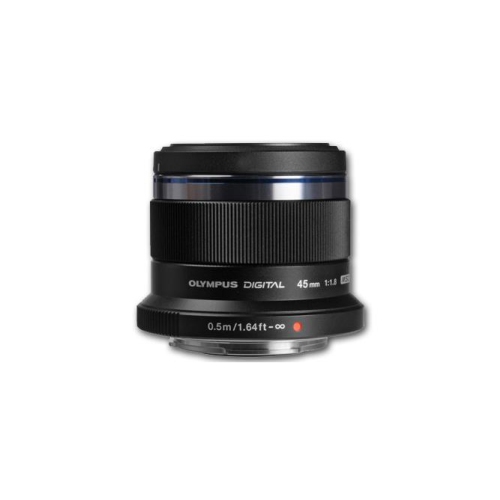
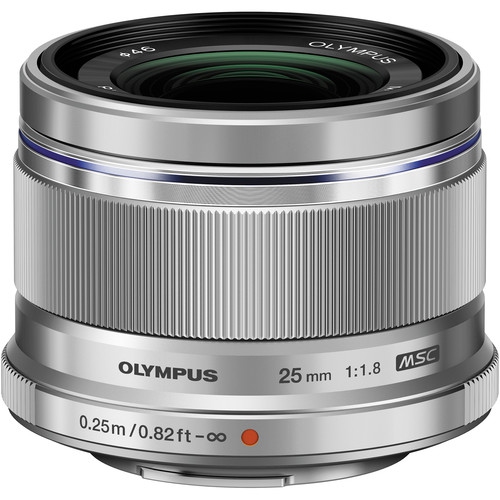
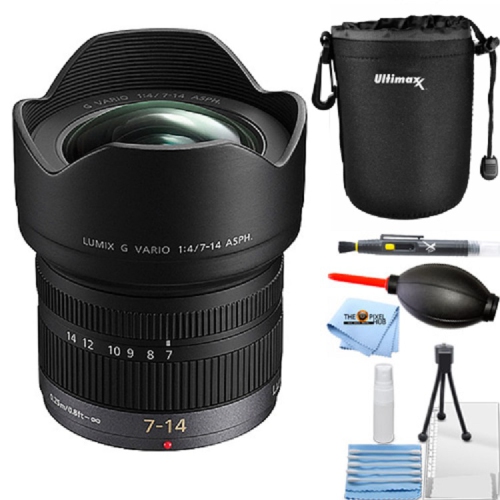
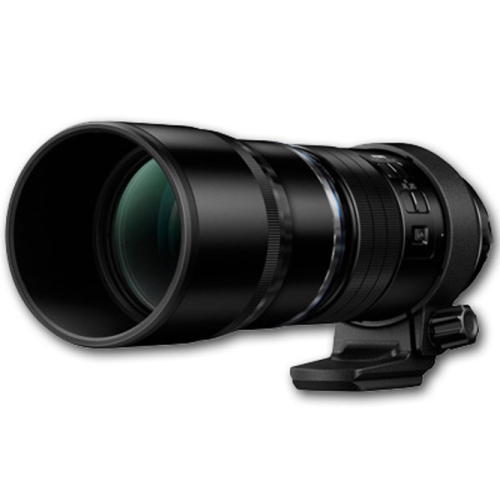
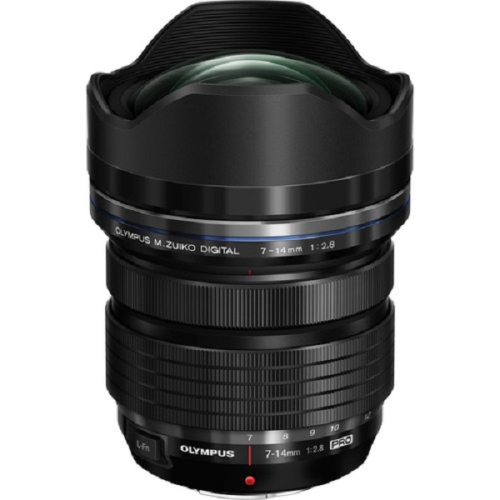
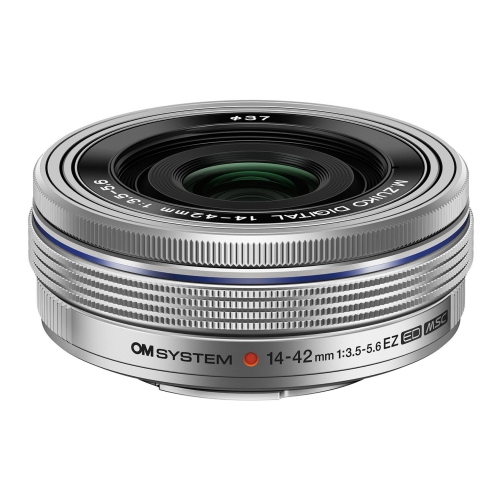
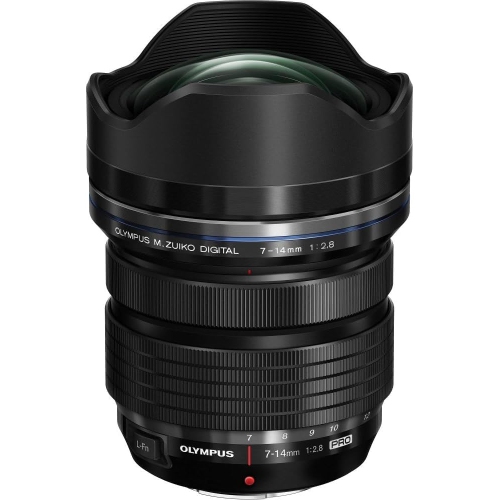
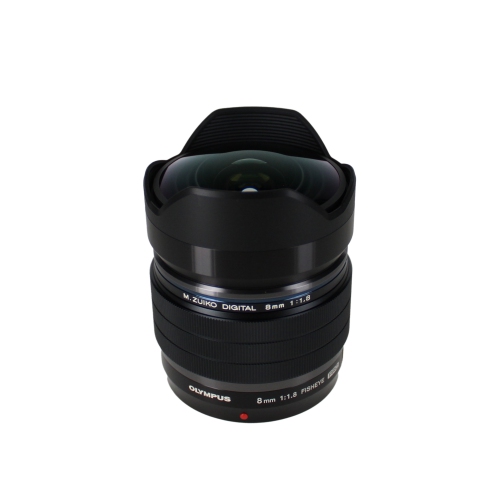
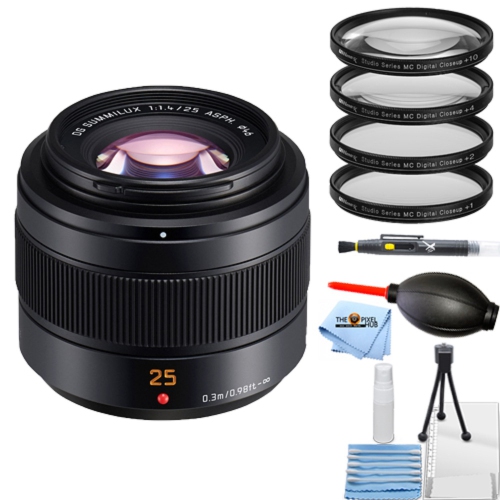
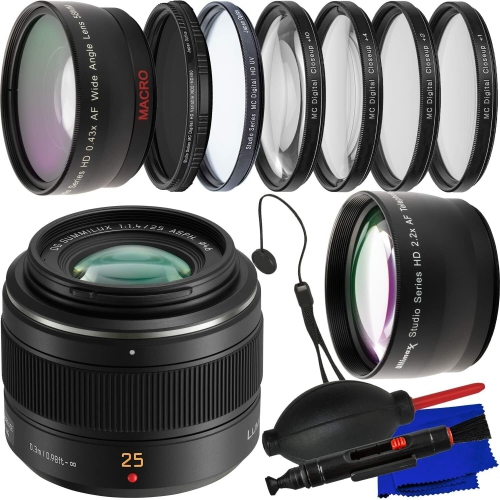
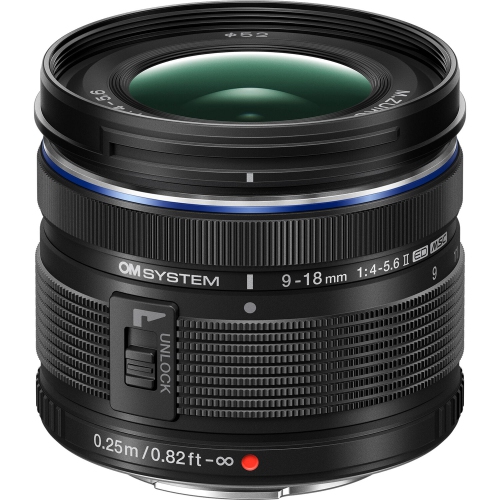
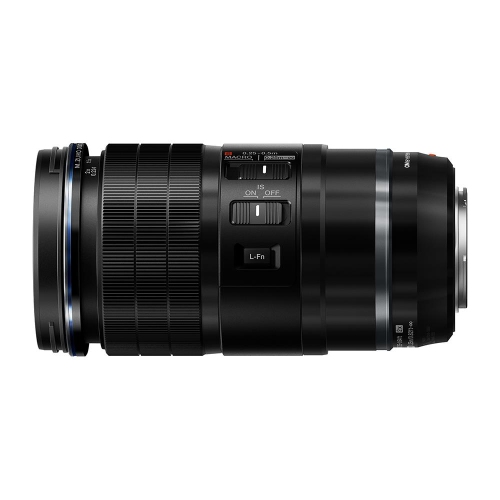
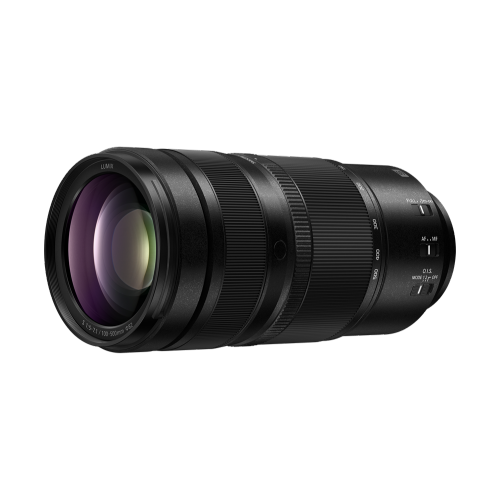
When choosing among Micro Four Thirds System Lenses, begin with the kind of scenes you expect to photograph most often. A wide-angle lens is useful for architecture, interiors, sweeping landscapes, group portraits, and video where a broad view helps place the subject in its surroundings. Standard focal lengths are versatile choices for everyday photography, food, travel, family gatherings, and casual video, while a bright standard prime can be especially helpful indoors or during the cooler months when daylight fades earlier. Portrait-oriented lenses are often selected for flattering perspective and attractive background separation, helping a person stand out against softly rendered surroundings. Their wider apertures can also make it easier to photograph a child’s expression near a window, a musician in a dim venue, or a pet settling into a favourite chair without relying as heavily on a flash. Zoom lenses provide flexibility when moving closer is difficult or impractical, which is valuable for events, travel, sports, and outdoor activities. Longer focal lengths bring distant subjects closer in the frame and can be particularly useful for birds, field sports, performances, and candid moments from a respectful distance. Shoppers comparing longer options may also wish to explore Micro Four Thirds Telephoto Lenses. Look closely at maximum aperture, focal-length range, minimum focusing distance, autofocus compatibility, optical stabilization, and physical size. A wider maximum aperture can help in low light and create shallower depth of field, while a smaller, lighter lens may be more convenient for walks and travel. A zoom with a broad range can reduce the need to change lenses, whereas a prime lens may offer a bright aperture, a simple design, and a distinctive perspective. For outdoor use, check whether the lens and camera are both rated for protection against dust or moisture, since those features are most useful when the entire system is compatible rather than relying on one sealed component alone.
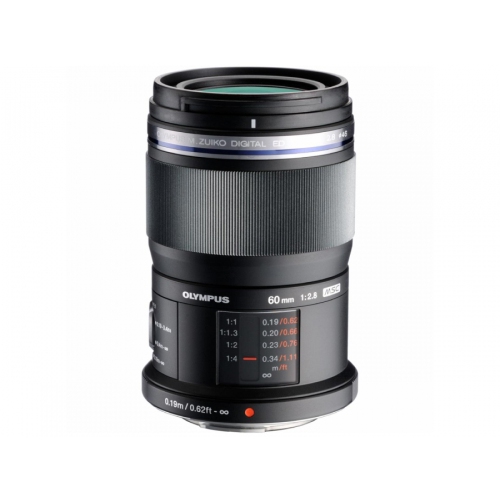
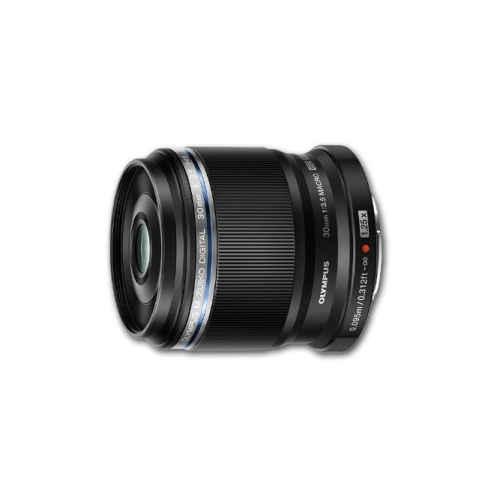
These lenses can suit beginners purchasing a first interchangeable-lens camera, experienced photographers refining a specialised kit, and creators who want more control over framing than a built-in camera lens can provide. A person who photographs family life might start with a compact standard lens and later add a portrait lens for birthdays, school performances, and informal gatherings. A traveller may prefer a versatile zoom for changing scenery, narrow streets, museum interiors, and distant landmarks, then add a small wide-angle or bright prime for evenings. Wildlife and sports photographers often look for reach, fast focusing, stabilization, and a comfortable balance when tracking moving subjects for long periods. Video creators may prioritize quiet autofocus, smooth zooming, consistent exposure, and a focusing design that minimizes distracting changes in framing. Macro-capable lenses can appeal to photographers who notice the small details around them, from the texture of leaves and craftwork to the intricate patterns on everyday objects. Micro Four Thirds System Lenses can also make thoughtful gifts for a photography enthusiast, especially when chosen to complement the focal length they already own rather than duplicate it. Before giving one, it helps to confirm the recipient’s camera mount, preferred subjects, and whether they values a compact prime, a flexible zoom, or a longer lens for distant scenes. Other practical details include filter-thread size, supplied lens hood, minimum and maximum aperture, manual-focus controls, and compatibility with the camera’s stabilization system. Taking a little time to match these specifications with the photographer’s habits can lead to a lens that feels natural in the hand and earns regular use, whether it is capturing warm indoor gatherings, crisp outdoor details, or changing light during a long walk.
Top selling and popular products
-
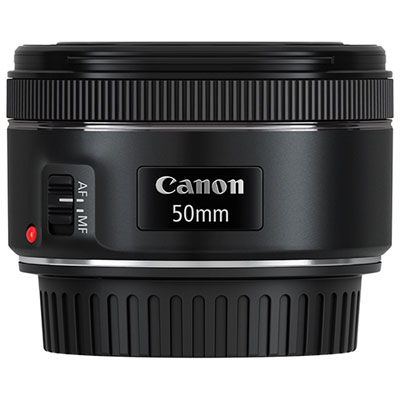 Your price for this item is $169.99
-
 Your price for this item is $329.99
-
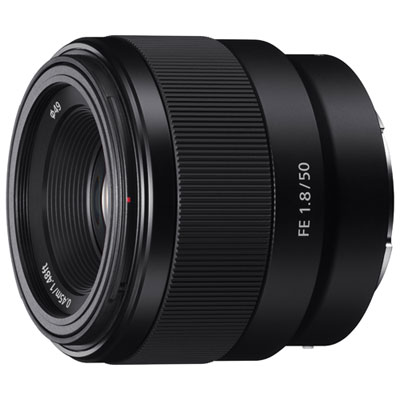 Your price for this item is $349.99
-
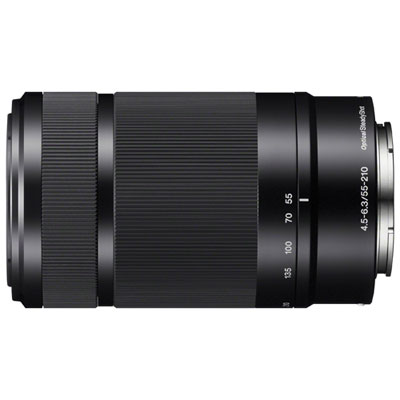 Your price for this item is $399.99
-
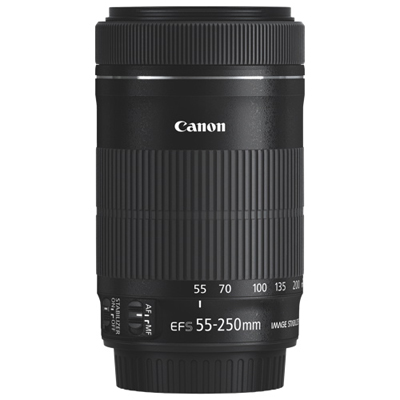 Your price for this item is $399.99
-
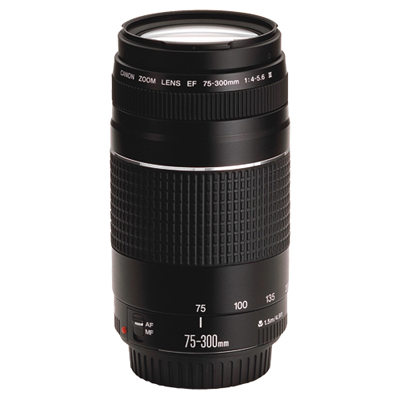 Your price for this item is $199.99
-
 Your price for this item is $174.99
-
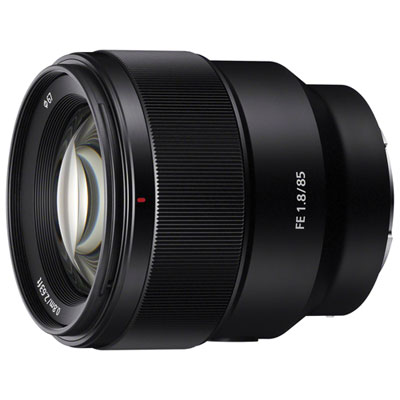 Your price for this item is $799.99