Mirrorless Cameras for Film
Mirrorless cameras for film offer creative flexibility and advanced imaging capabilities, making them a popular choice for filmmakers and video enthusiasts. Whether capturing cinematic scenes or producing high-quality content, these cameras provide the control and versatility needed for a wide range of film projects. Explore options that suit your shooting style, budget, and production needs with mirrorless cameras for film available at Best Buy.
Sort
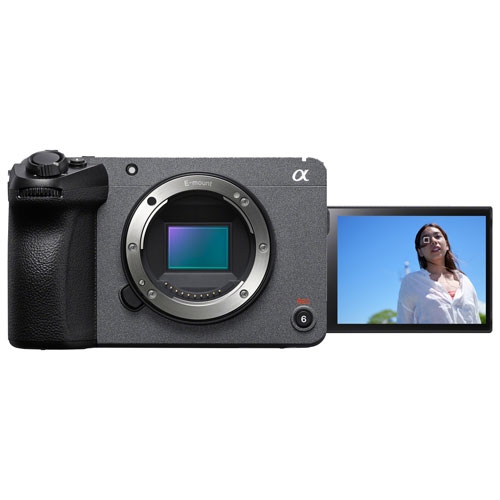
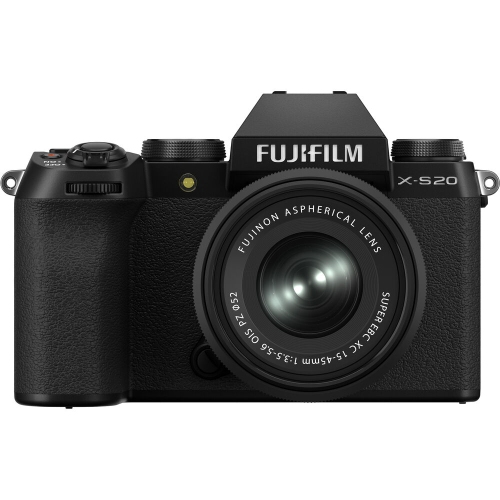
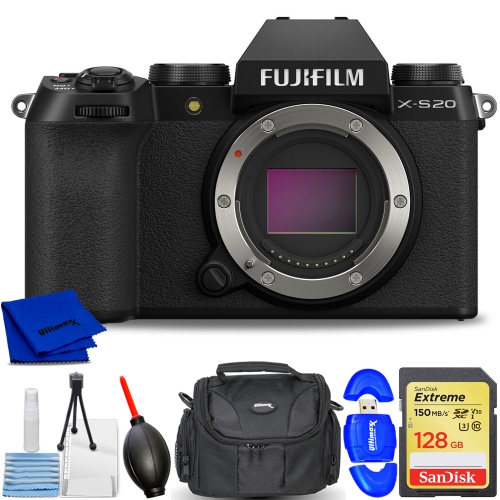
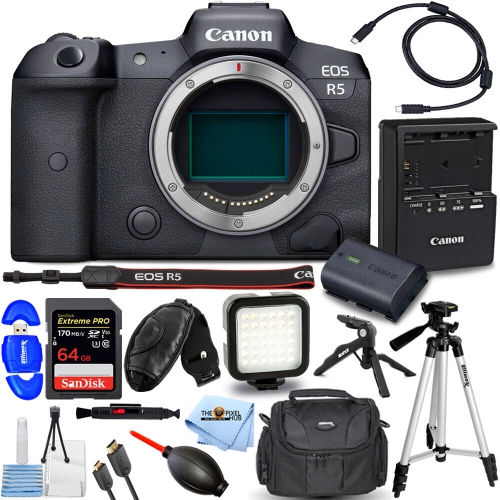
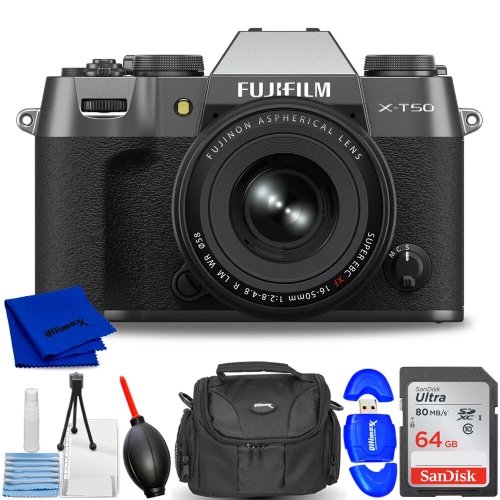
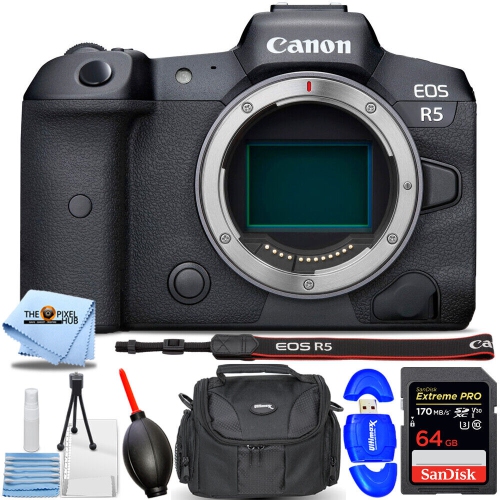

How camera features shape the shot and the edit
Mirrorless cameras for film are digital cameras used to shoot movies and create a film-like look without loading a roll of film. Instead of using photographic film, they capture light with an image sensor, and an electronic viewfinder or rear screen previews the image. That makes the same type of camera useful for a student short, a documentary interview or a small crew shooting stills and video on the same set. The most useful video features depend on what happens in front of the lens. A sit-down interview calls for a camera that can handle long takes, with a microphone input for clear dialogue and a headphone jack to catch a shirt collar brushing against a mic. For a scene that follows someone down a hallway, dependable autofocus can help keep a face sharp as the distance changes. In-body stabilization can take the edge off small handheld movements, while a tripod makes more sense for a steady, repeatable frame. Resolution is only part of the picture: 4K can leave room to crop or straighten a shot during editing, but some cameras narrow the field of view in certain video modes, which matters when there’s barely enough space to back away from the subject. Shooting at 24 fps gives movement the cadence associated with many feature films, while higher frame rates can slow down a dancer’s turn or a splash of water in the edit. For longer projects, the camera’s heat management, battery life and media requirements can matter as much as resolution. A camera that balances comfortably with a small lens may feel quite different once a zoom, microphone and monitor are attached. A deep grip can help with that added weight, while a compact body and a light prime lens suit a setup that needs to move from room to room with very little gear. A screen that tilts or swings out also makes framing easier when the camera is close to the floor or the person in front of it is working alone.
A film-like image can come from an in-camera colour profile, from colour grading after the shoot or from the way a lens renders light. Film simulation modes and other picture profiles can give footage softer contrast, muted colours or the warmer tones associated with some film stocks. An in-camera look is practical when a clip needs to be ready to share with minimal editing. A log profile, by contrast, produces a deliberately flat image that leaves more room for grading, such as adjusting skin tones while holding detail in a bright window. If a camera supports 10-bit video in the mode being used, the extra colour information can help maintain smooth transitions in areas like a softly lit wall when the footage needs a substantial adjustment. The look still starts on set: fixing the white balance can keep colour consistent across takes, and a large, soft light can make more difference to a close-up than switching between profiles. Vintage lenses made for film cameras offer another way to shape the image. A compatible adapter lets many older manual lenses fit a modern mirrorless body, though mount compatibility and the ability to focus at a distance depend on the lens and adapter. An older lens might produce a soft glow around a lamp or a flare that sweeps across the frame as an actor passes a window. Those qualities can suit one scene and prove distracting in another. Manual focus also lets the camera operator choose the exact moment attention shifts from a hand on a doorknob to the person standing behind it. Features such as focus peaking, which highlights edges that appear sharp, and a magnified preview can make it easier to check focus. Sensor size affects framing with adapted lenses, too: a lens that gives a comfortable view of two people on a full-frame body may frame much more tightly on a smaller sensor. In a cramped room, that difference can decide whether both faces fit in the shot.
The build and handling of a mirrorless camera matter on an ordinary shooting day. Magnesium alloy components can add rigidity, while tough polycarbonate construction can keep a body light enough to carry between setups. The weight of the lens often makes just as much difference to how the whole kit feels. It helps to consider where the controls sit with both hands in position, whether a tripod plate blocks the battery door, and whether a microphone cable gets in the way of the flip-out screen. Those details are easy to overlook until a battery needs changing halfway through an interview or the camera has to move quickly from a tripod to a handheld shot. Basic care helps protect the equipment from the wear that comes with frequent use. A padded bag keeps a lens from knocking against a charger or tripod plate, and body and rear lens caps keep dust out when the kit is packed away. Before swapping lenses, it helps to have the next lens ready so the sensor isn’t exposed any longer than necessary. A clean lens cloth is useful for removing fingerprints from the front glass, especially before a shot with a bright light in the frame, where a smudge can be more noticeable. As a gift for a film student or an aspiring director, a mirrorless body is especially thoughtful when it fits the lenses they already use or gives them a straightforward way to practise framing, focus and sound. For someone who shoots a performance and takes portraits backstage, a hybrid camera can save carrying a separate kit, but the balance between stills and video features matters. If the work is mainly portraits, street scenes or everyday stills, Mirrorless Cameras for Photography is a closer fit. For moving images, the useful differences come down to how the camera handles a full take, from keeping a subject sharp and dialogue clear to delivering files that fit the intended edit.
Top selling and popular products
-
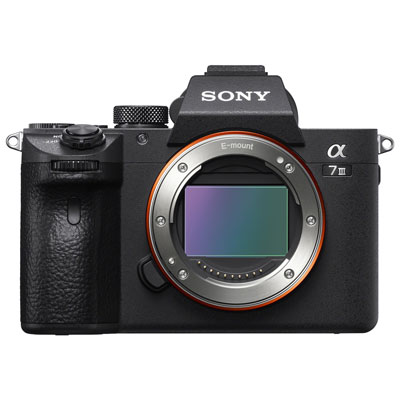 Your price for this item is $1799.99
-
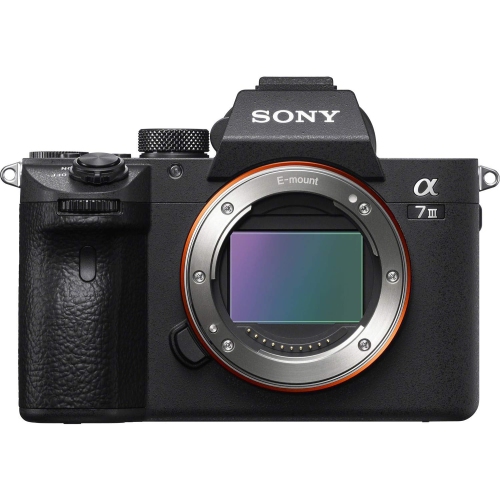 Your price for this item is $1899
-
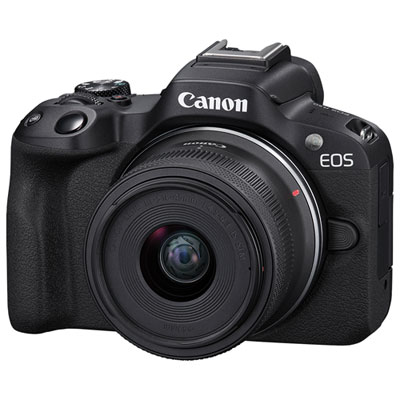 Your price for this item is $949.99
-
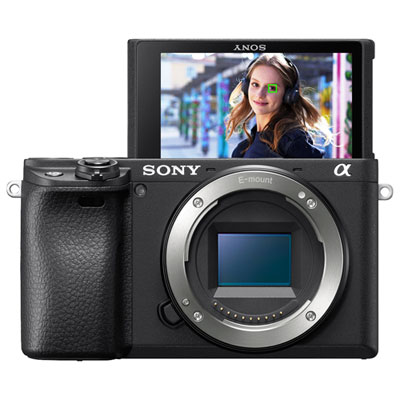 Your price for this item is $1049.99
-
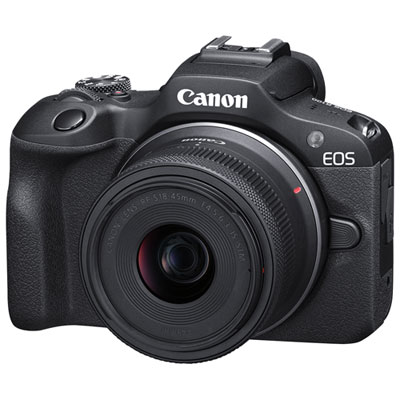 Your price for this item is $599.99
-
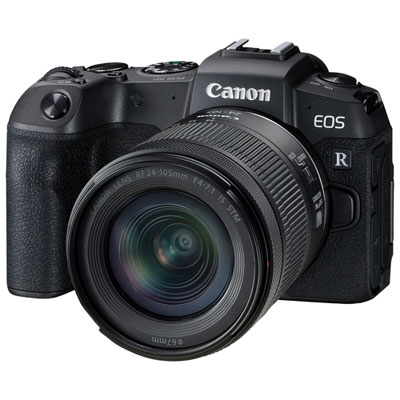 Your price for this item is $1299.99
-
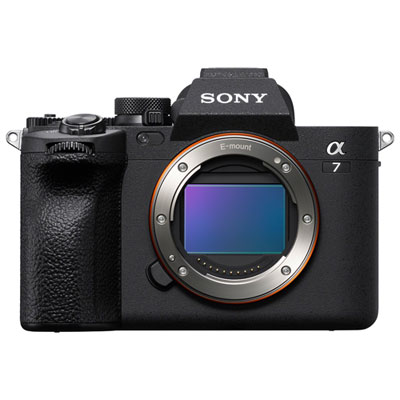 Your price for this item is $2699.99
-
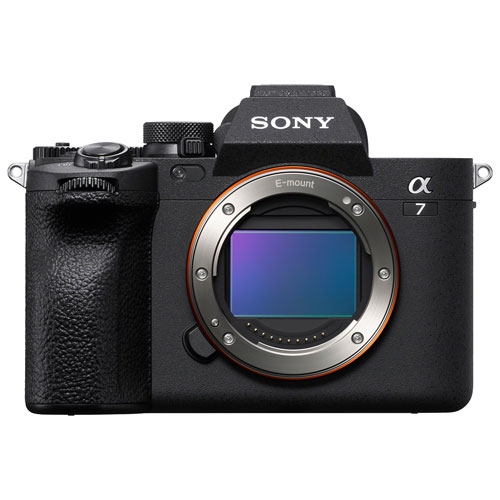 Your price for this item is $2469.99
Discover more categories related to Mirrorless Cameras for Film

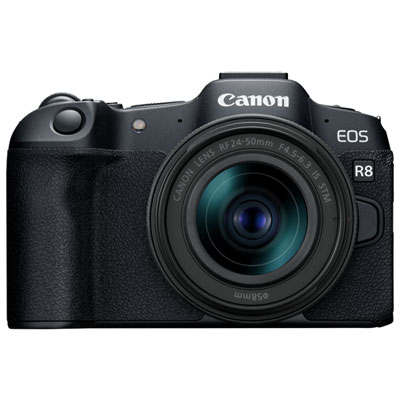
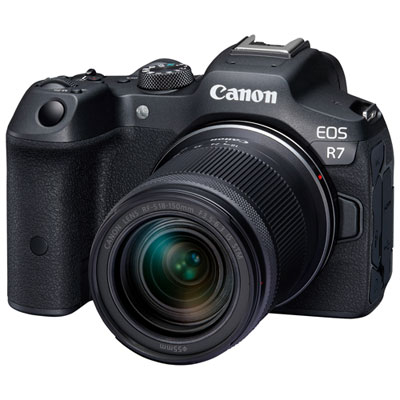
Top Collections:
Best Black Friday Deals This Year, Best Black Friday Deals On Electronics, Kindle Devices, Pokemon Centers, Best Black Friday Deals On Apple Products, Best Cameras for Sports Photography, Dyson Airwrap, Pokémon 30th Celebration Cards, Apple iPhone 17 Pro, Canon G7X Cameras
Some products may be subject to Environmental Handling Fees
(EHF) depending on your province.
Learn more about EHFs.