Mirrorless Cameras for Filmmaking
Mirrorless cameras are a great option for almost any filmmaker. They're small, light, and easy to use, and they give you the flexibility to use different lenses and accessories. Mirrorless cameras are also affordable. Here are some of our favorites.
Sort
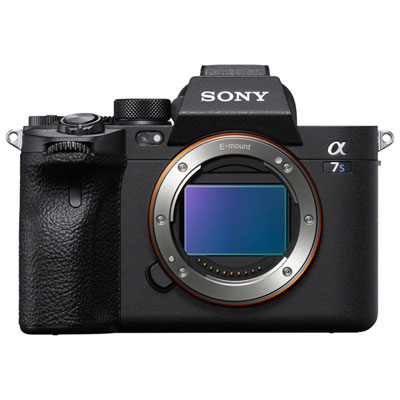
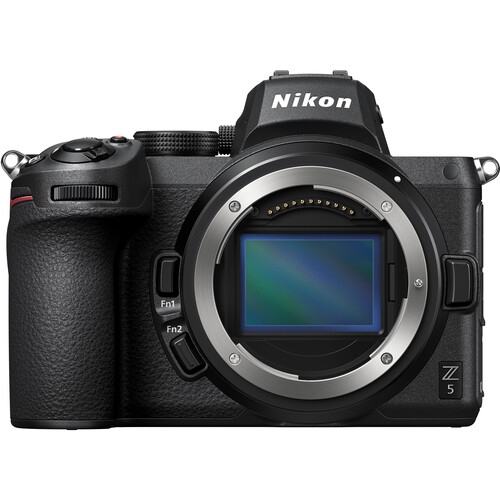
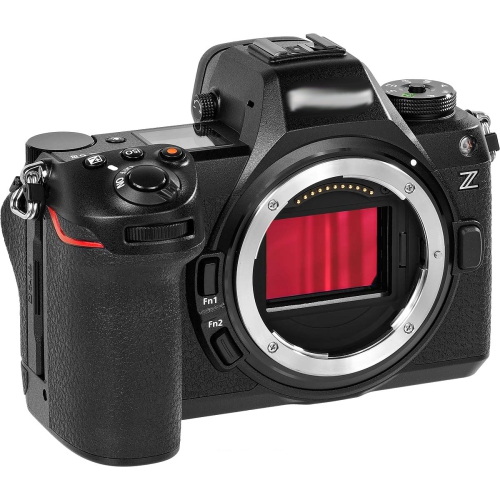
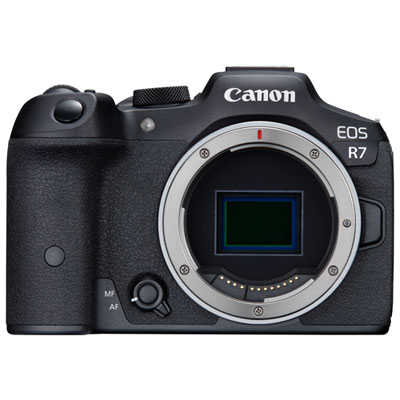
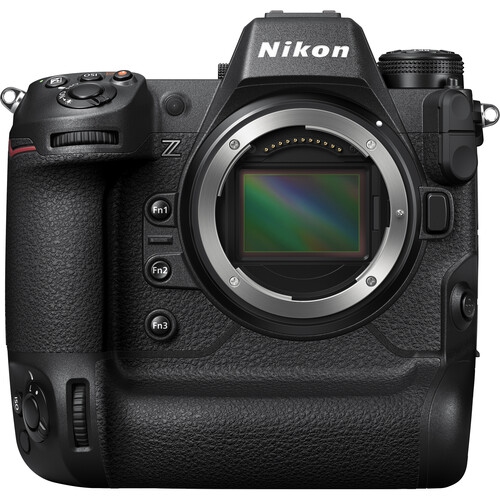
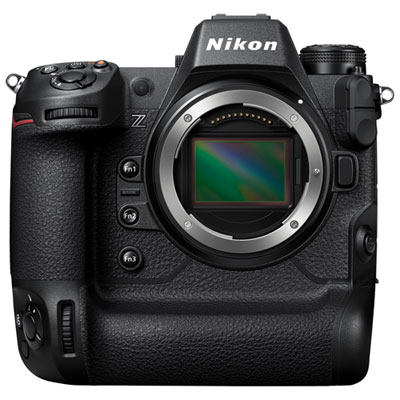
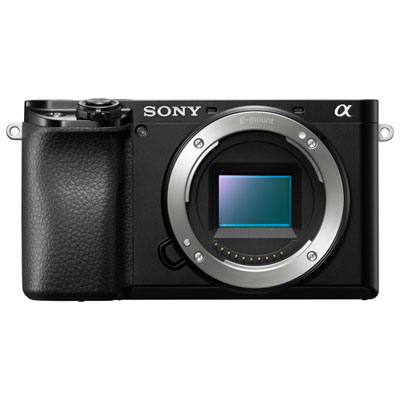
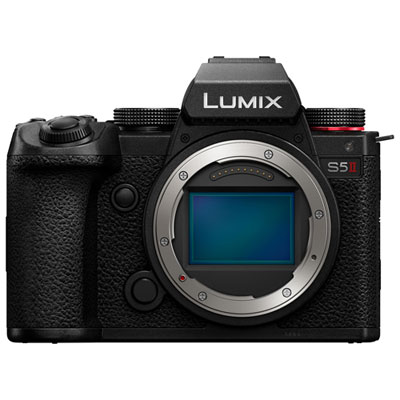
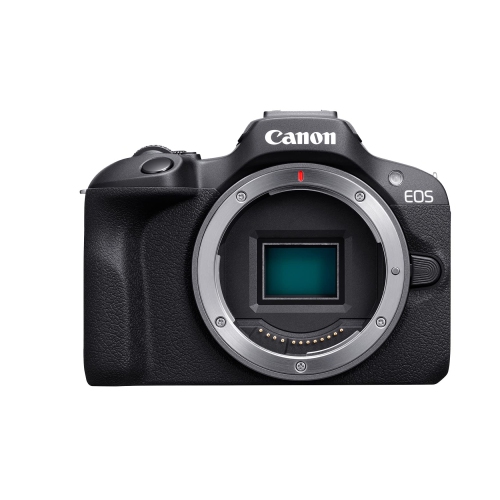
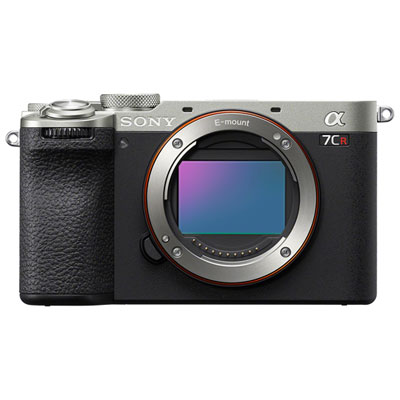
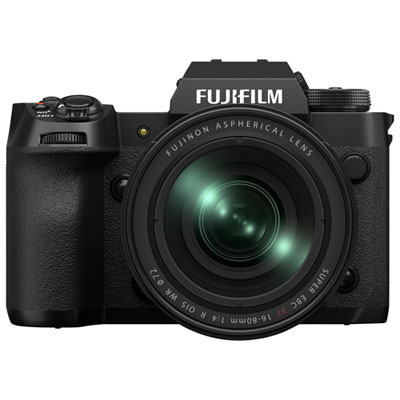
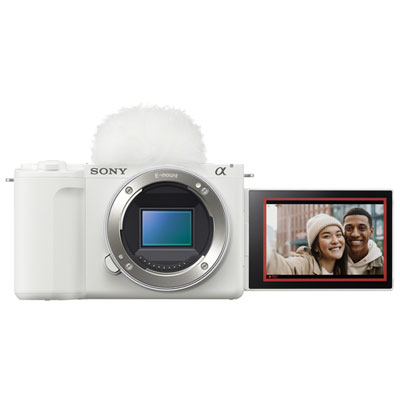
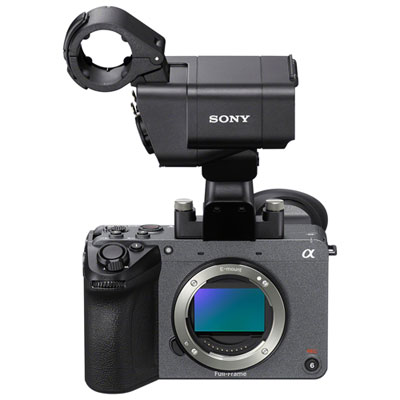
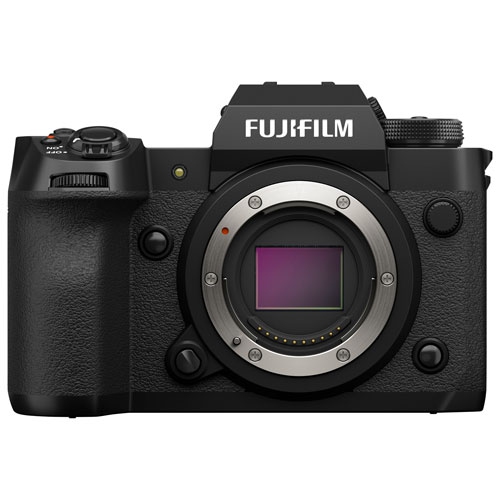
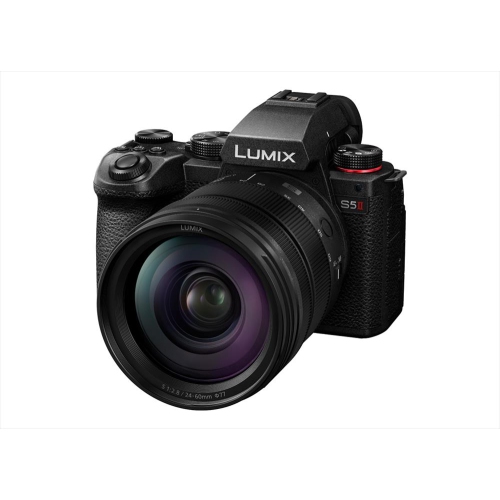
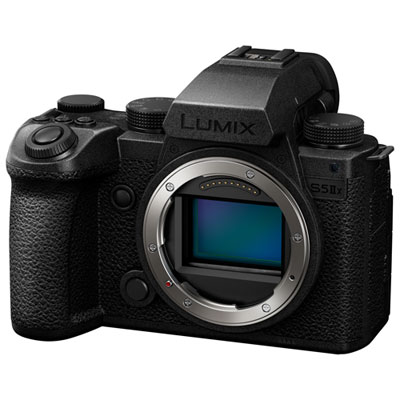
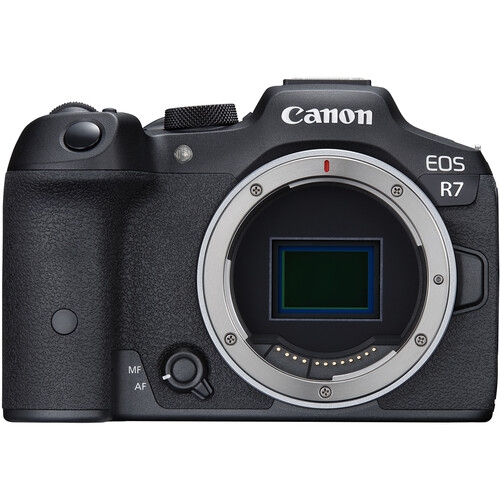
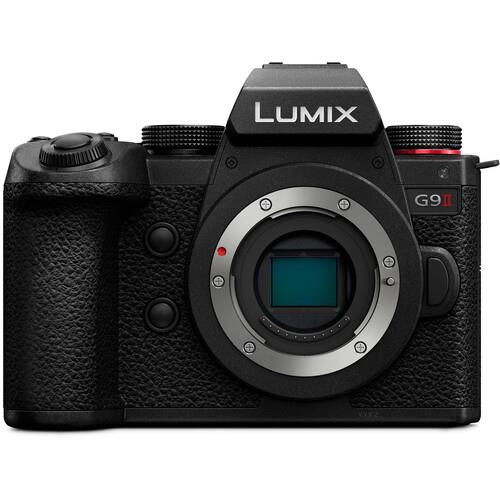
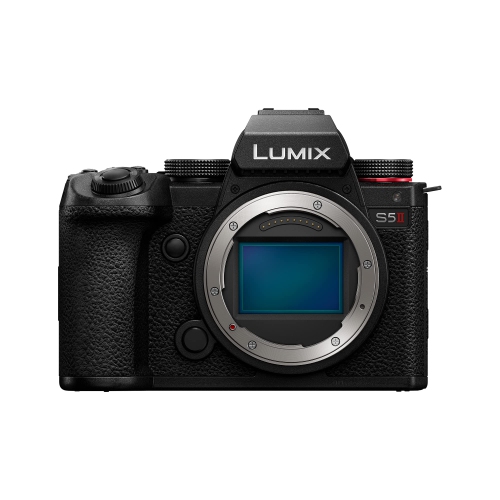
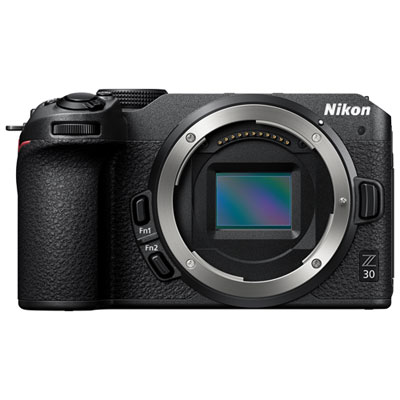
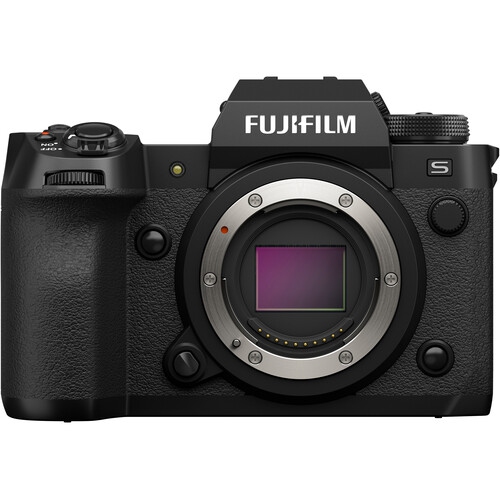
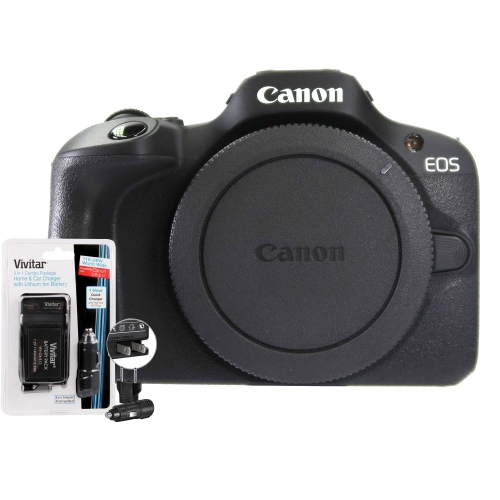
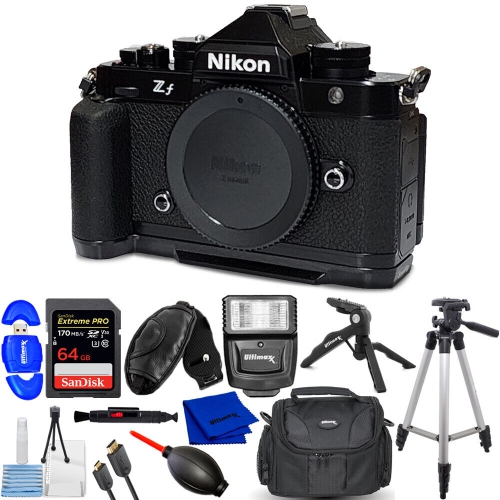
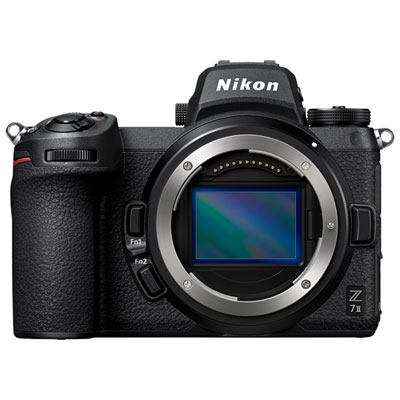
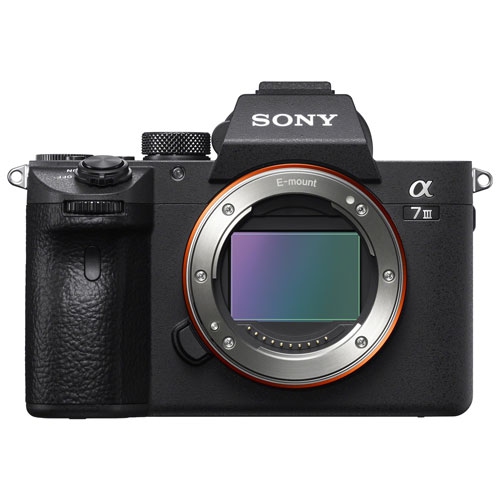
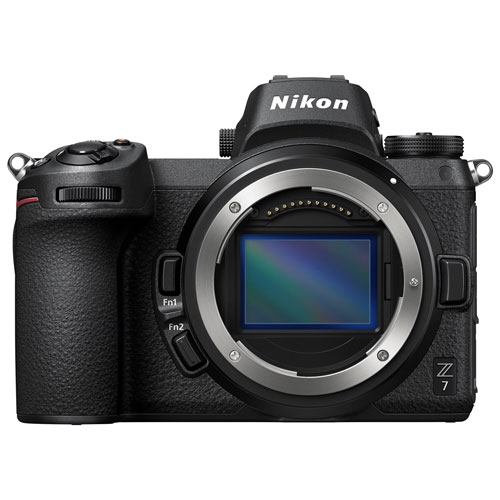
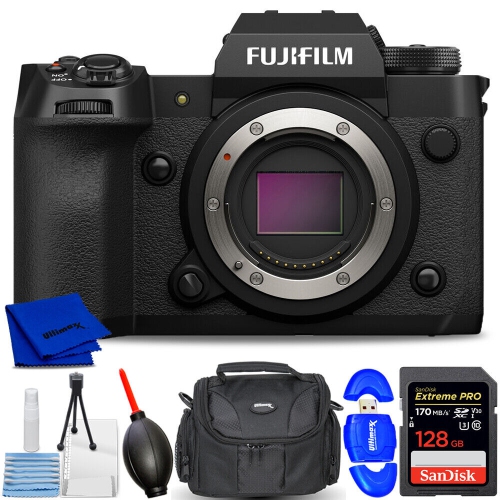
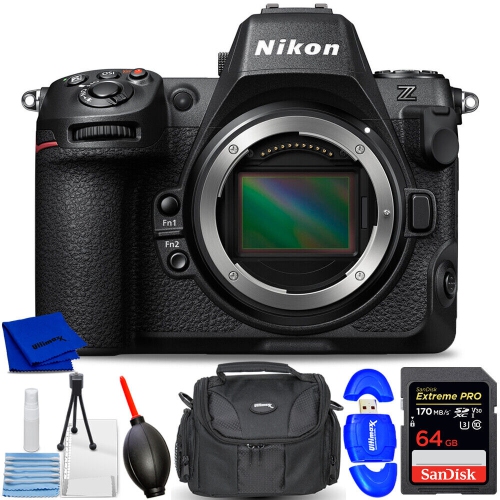
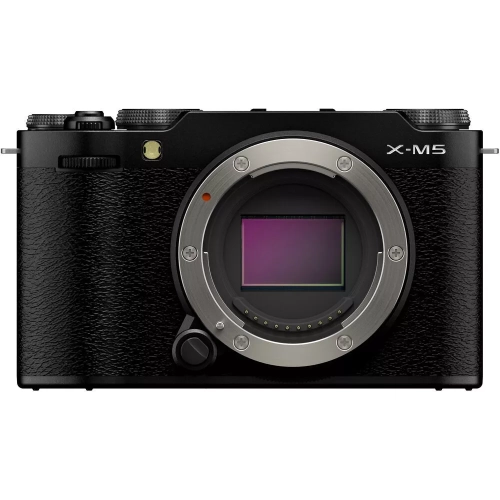

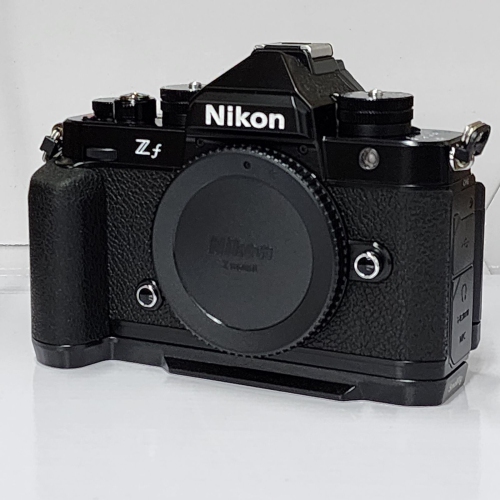
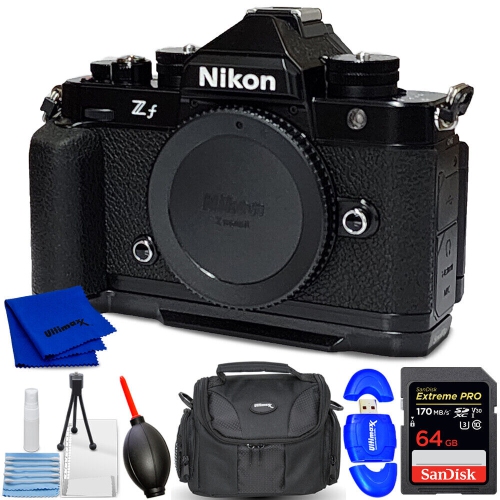
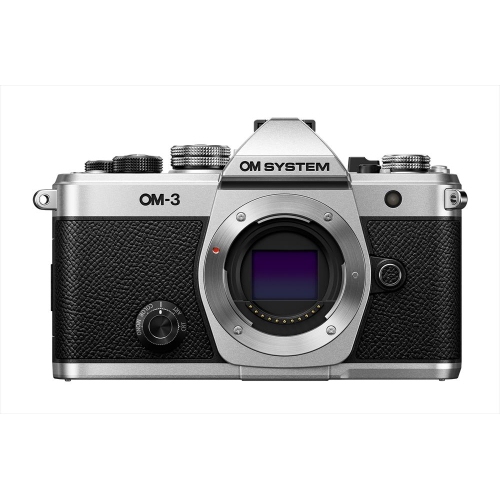
Important camera features for polished filmmaking projects
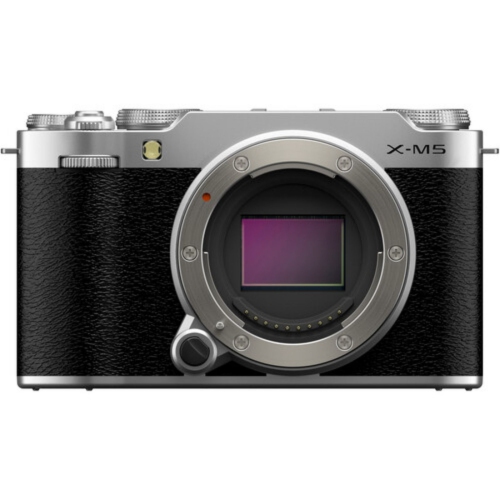
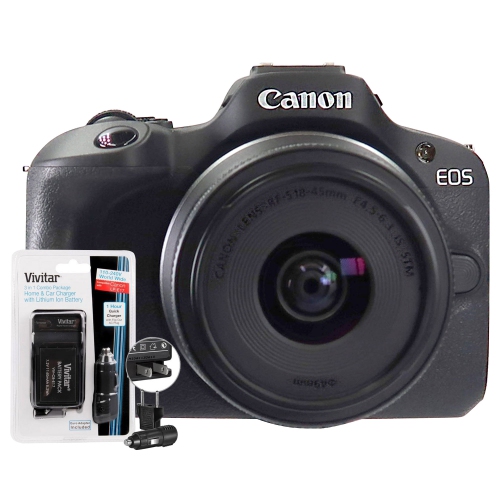
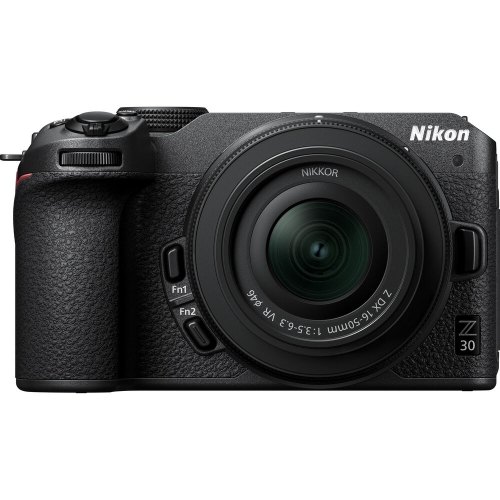
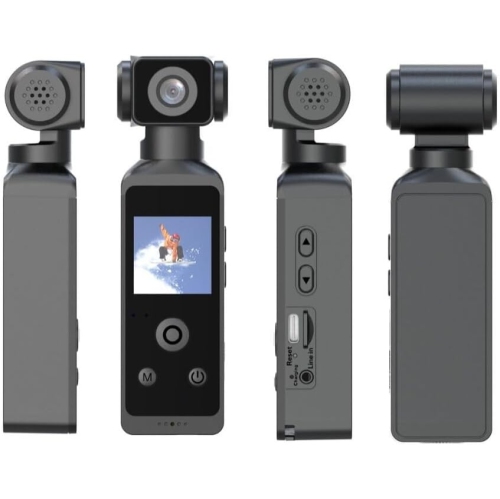
Mirrorless cameras for filmmaking combine the creative control of interchangeable lenses with a compact design that is easier to carry from one scene to the next. Unlike a traditional DSLR, a mirrorless camera sends light directly to the sensor without a reflex mirror, allowing manufacturers to build smaller bodies while still offering large sensors, detailed video capture, and advanced controls. This makes them useful for a wide range of filmmaking projects, from short films and documentaries to interviews, travel videos, music performances, family stories, and online content. A mirrorless camera can be a strong choice for someone moving beyond a smartphone or basic camcorder, as well as for an experienced creator who wants a flexible second camera. During the cooler months, a lightweight setup can be especially convenient for filming indoors, at community events, or on location when a large production kit would be difficult to manage. These cameras can also make thoughtful gifts for aspiring filmmakers, photography students, vloggers, and anyone who enjoys turning everyday moments into polished video. When comparing options, consider how the camera feels in your hands, how easily its controls can be reached while recording, and whether its screen, viewfinder, and menu system suit the way you prefer to work. A comfortable camera is more likely to be used regularly, whether it is mounted on a tripod for a carefully lit interview or carried through a busy street while capturing spontaneous footage.
Video resolution is one of the first specifications to review. Cameras capable of recording in 4K can produce sharp, detailed footage that holds up well on modern televisions, monitors, and mobile devices, while cameras offering higher-than-4K capture may provide additional flexibility for cropping, reframing, or creating different versions of the same shot. Resolution is only part of the picture, however. Look for useful frame-rate options, such as standard rates for natural motion and higher rates for smooth slow-motion playback. Bit depth and recording formats can also affect how much control you have when colour grading, especially if you plan to create a consistent look across multiple scenes. A camera with a flat or log picture profile may preserve more highlight and shadow detail for post-production, while simpler picture modes can be helpful when you want footage that looks finished straight out of the camera. Sensor size is another important consideration. Full-frame sensors are often valued for their low-light performance and ability to create a shallow depth of field, which can separate a subject from a softly blurred background. Crop-sensor models can offer a smaller, lighter kit and may provide extra reach with telephoto lenses, making them useful for wildlife, sports, or distant performances. If you often film handheld, in crowded rooms, or while walking between locations, in-body image stabilization can help reduce the visible effects of camera shake. Lens-based stabilization and electronic stabilization may provide additional support, although each system can affect the field of view or image appearance in different ways. For more options, browse Mirrorless 4k Cameras and compare the available video features alongside the type of projects you expect to make.
The lens mount and available lens selection should remain part of the buying decision because the camera body is only one part of a filmmaking system. A wide-angle lens can establish the feeling of a room, capture a landscape, or make a small interior appear more open, while a standard lens can provide a natural perspective for interviews and everyday scenes. A telephoto lens is helpful for performances, sports, and portraits where you need to keep your distance. Variable-aperture zoom lenses are convenient when you want to change framing without switching lenses, while bright prime lenses can perform well in dim settings and create a pronounced background blur. Autofocus performance also matters, particularly when filming moving subjects, children, pets, or presenters who lean towards and away from the camera. Features such as face detection, eye detection, subject tracking, and touch-to-focus can make solo filming more manageable. For interviews and dialogue, check for microphone and headphone connections so you can record and monitor sound with greater confidence; clear audio often has as much impact on a finished film as sharp images. HDMI output, USB connectivity, wireless transfer, and webcam support may also be useful depending on whether you plan to livestream, transfer clips to a computer, or use the camera for video calls. Remember to budget for essentials such as memory cards rated for the selected recording format, spare batteries, a charger, a tripod, a compact microphone, and a camera bag. If you are filming outdoors as the weather changes, a protective cover and a reliable way to keep batteries warm can add peace of mind. The best mirrorless camera for filmmaking is the one that matches your subjects, editing plans, lenses, recording habits, and comfort level, giving you dependable tools without making the process feel unnecessarily complicated.
Video resolution is one of the first specifications to review. Cameras capable of recording in 4K can produce sharp, detailed footage that holds up well on modern televisions, monitors, and mobile devices, while cameras offering higher-than-4K capture may provide additional flexibility for cropping, reframing, or creating different versions of the same shot. Resolution is only part of the picture, however. Look for useful frame-rate options, such as standard rates for natural motion and higher rates for smooth slow-motion playback. Bit depth and recording formats can also affect how much control you have when colour grading, especially if you plan to create a consistent look across multiple scenes. A camera with a flat or log picture profile may preserve more highlight and shadow detail for post-production, while simpler picture modes can be helpful when you want footage that looks finished straight out of the camera. Sensor size is another important consideration. Full-frame sensors are often valued for their low-light performance and ability to create a shallow depth of field, which can separate a subject from a softly blurred background. Crop-sensor models can offer a smaller, lighter kit and may provide extra reach with telephoto lenses, making them useful for wildlife, sports, or distant performances. If you often film handheld, in crowded rooms, or while walking between locations, in-body image stabilization can help reduce the visible effects of camera shake. Lens-based stabilization and electronic stabilization may provide additional support, although each system can affect the field of view or image appearance in different ways. For more options, browse Mirrorless 4k Cameras and compare the available video features alongside the type of projects you expect to make.
The lens mount and available lens selection should remain part of the buying decision because the camera body is only one part of a filmmaking system. A wide-angle lens can establish the feeling of a room, capture a landscape, or make a small interior appear more open, while a standard lens can provide a natural perspective for interviews and everyday scenes. A telephoto lens is helpful for performances, sports, and portraits where you need to keep your distance. Variable-aperture zoom lenses are convenient when you want to change framing without switching lenses, while bright prime lenses can perform well in dim settings and create a pronounced background blur. Autofocus performance also matters, particularly when filming moving subjects, children, pets, or presenters who lean towards and away from the camera. Features such as face detection, eye detection, subject tracking, and touch-to-focus can make solo filming more manageable. For interviews and dialogue, check for microphone and headphone connections so you can record and monitor sound with greater confidence; clear audio often has as much impact on a finished film as sharp images. HDMI output, USB connectivity, wireless transfer, and webcam support may also be useful depending on whether you plan to livestream, transfer clips to a computer, or use the camera for video calls. Remember to budget for essentials such as memory cards rated for the selected recording format, spare batteries, a charger, a tripod, a compact microphone, and a camera bag. If you are filming outdoors as the weather changes, a protective cover and a reliable way to keep batteries warm can add peace of mind. The best mirrorless camera for filmmaking is the one that matches your subjects, editing plans, lenses, recording habits, and comfort level, giving you dependable tools without making the process feel unnecessarily complicated.
Top selling and popular products
-
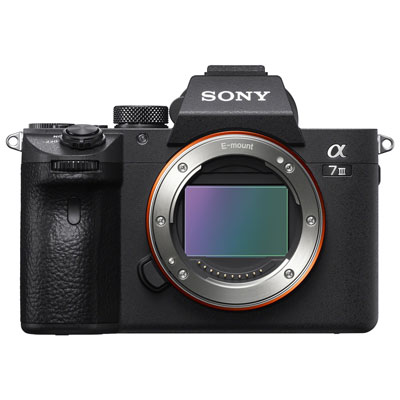 Your price for this item is $1899.99
 -
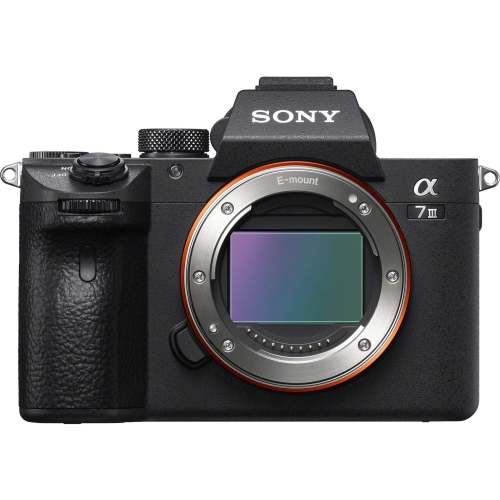 Your price for this item is $1899
 -
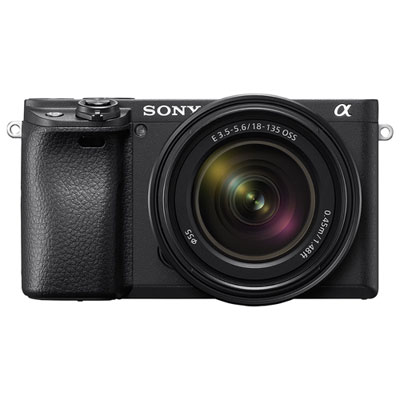 Your price for this item is $1749.99
 -
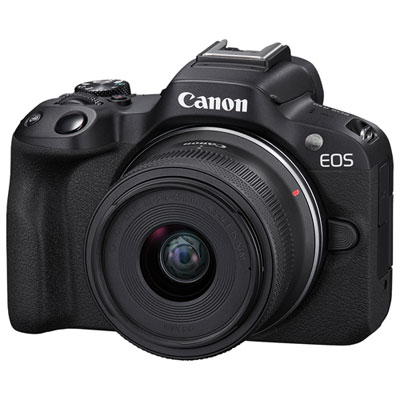 Your price for this item is $999.99
 -
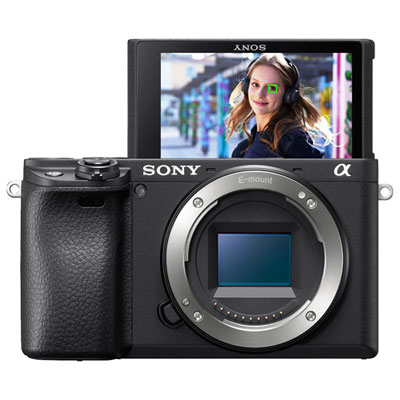 Your price for this item is $1249.99
 -
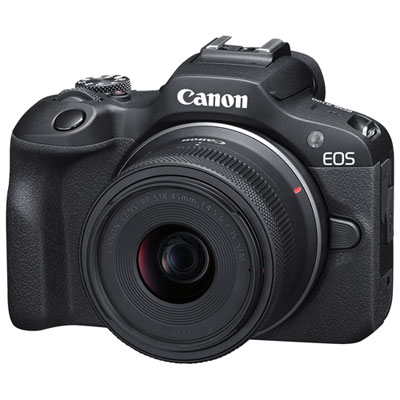 Your price for this item is $749.99
 -
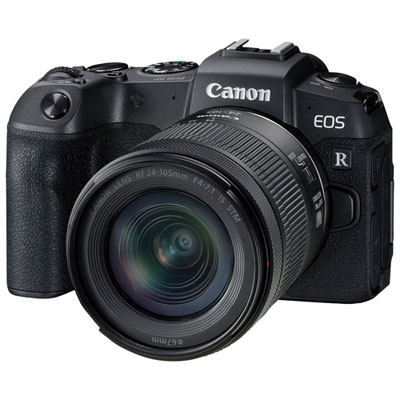 Your price for this item is $1499.99
 -
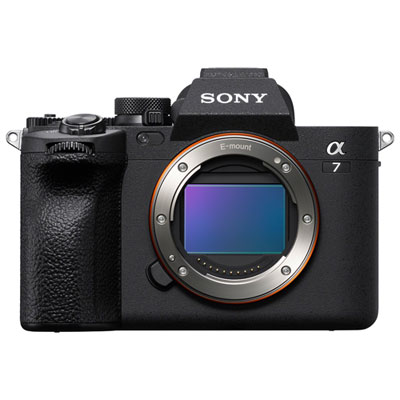 Your price for this item is $2699.99
Discover more categories related to Mirrorless Cameras for Filmmaking
Top Collections:
Pokemon Centers, Kindle Devices, Best Budget Office Chairs, Apple iPhones 16, Best Laptops for Writers, iPhone 15 Apple, Canon G7X Cameras, Refurbished Apple Laptops, Alarm Clock, Motorola Razr Phones
Some products may be subject to Environmental Handling Fees
(EHF) depending on your province.
Learn more about EHFs.