Mirrorless Cameras for Videography
If you're looking to get into videography, a mirrorless camera is a great place to start. Mirrorless cameras are small and light, making them easy to carry around all day. They also have interchangeable lenses, so you can use whatever lens is best for the shot. And they take high-quality video, so your footage will look professional. Here are some of the best mirrorless cameras for videography.
Sort
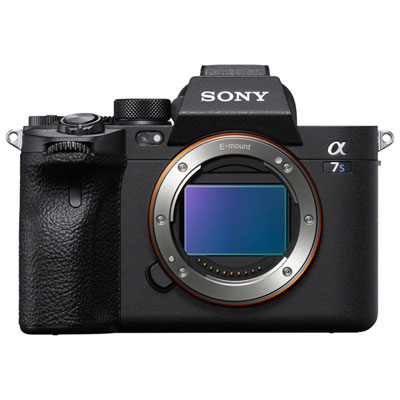
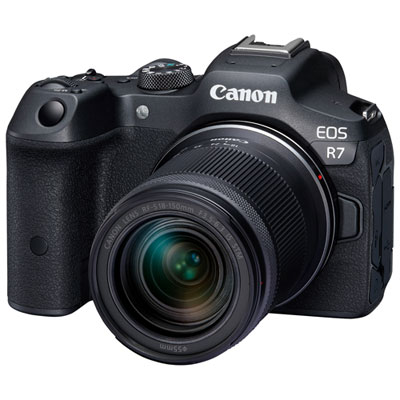
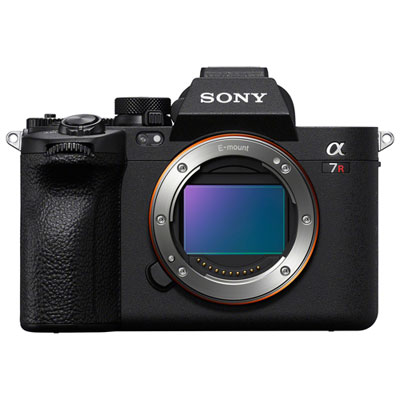
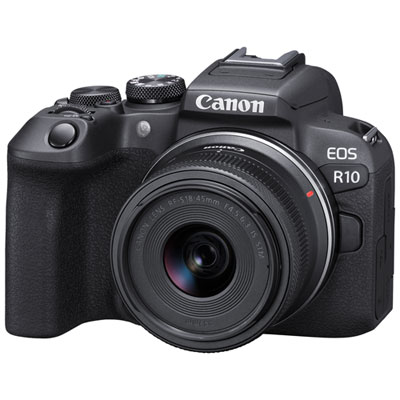
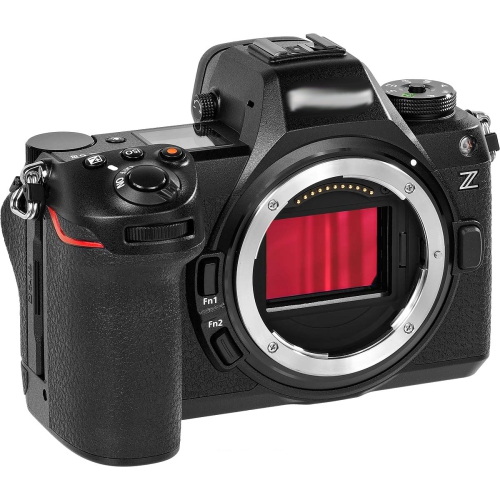
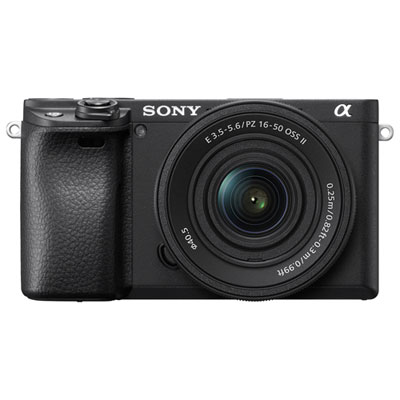
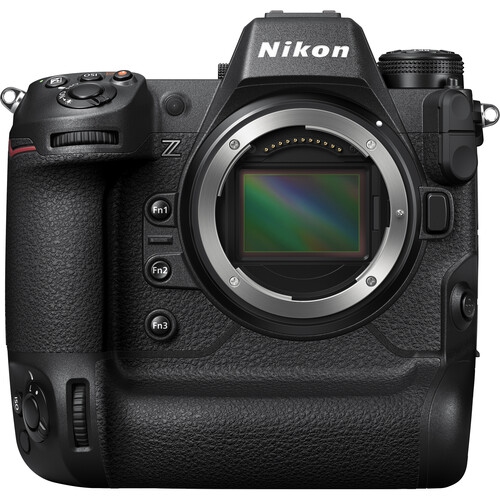
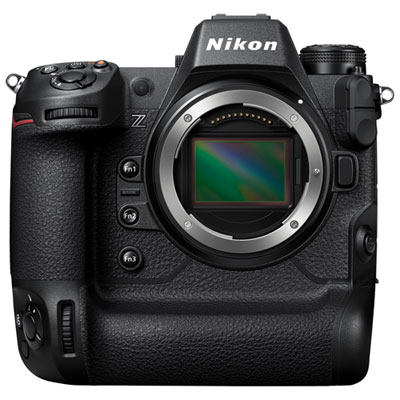
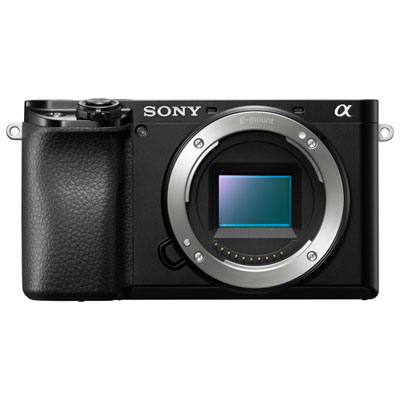
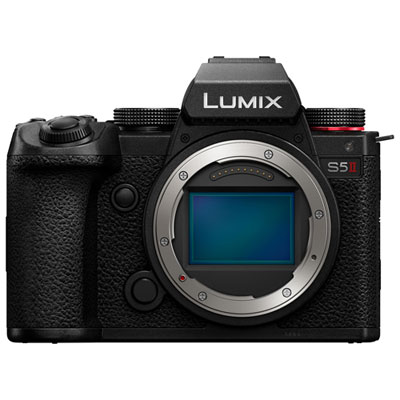
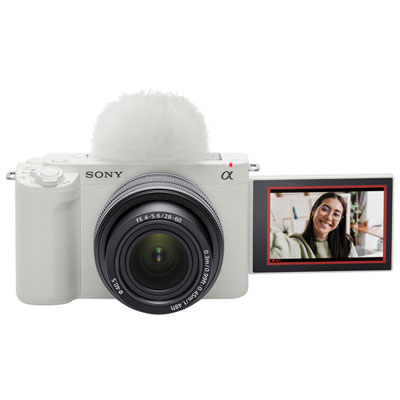
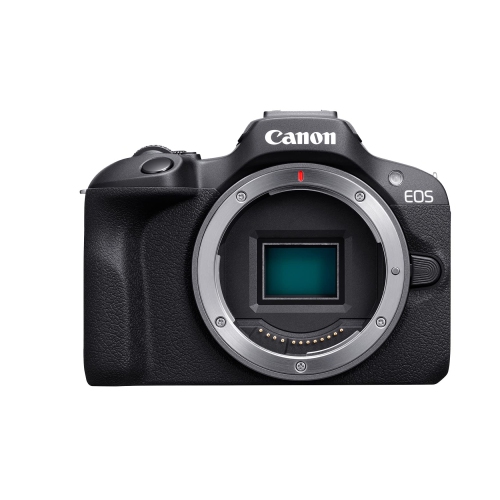
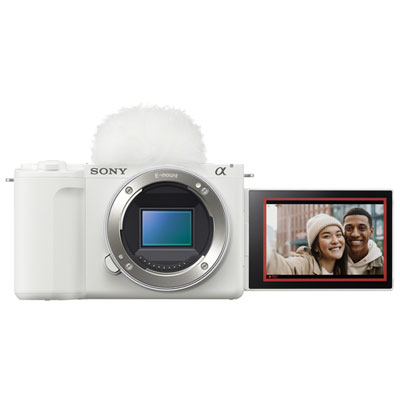
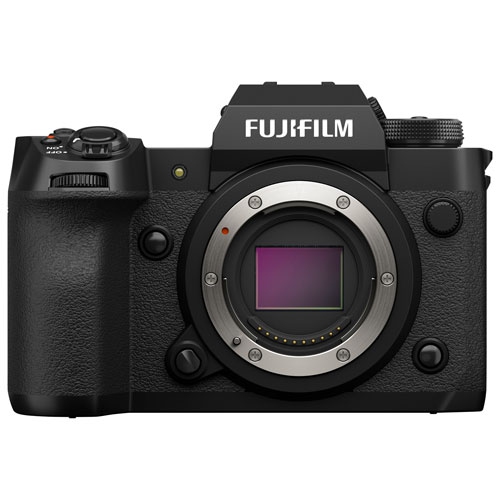
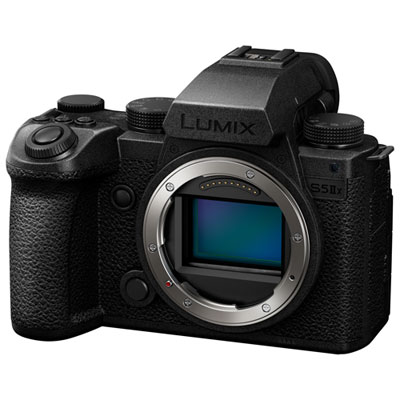
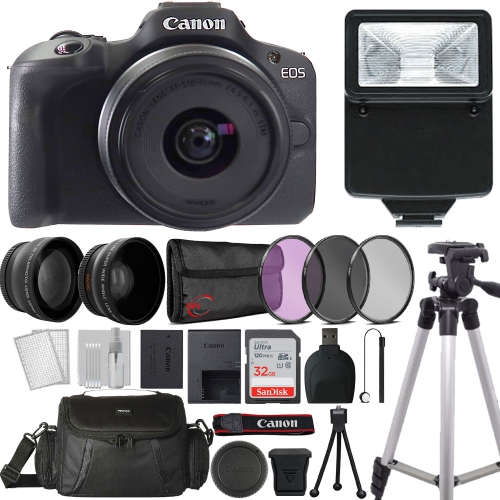
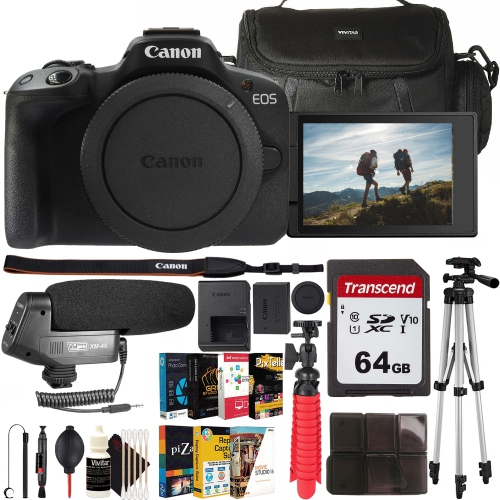
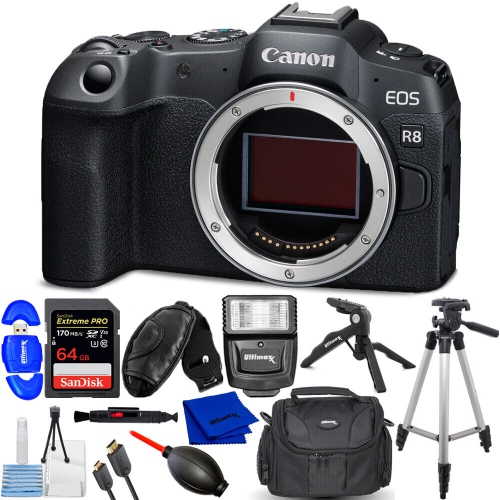
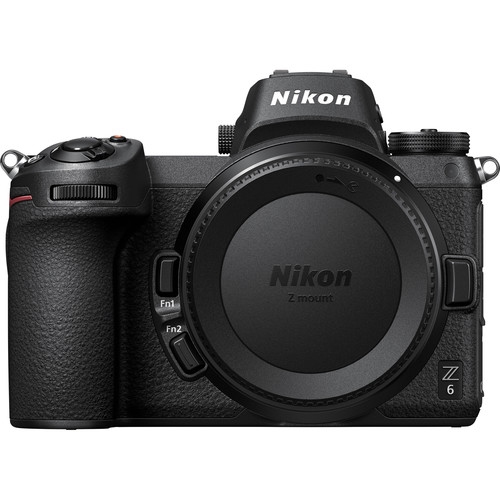
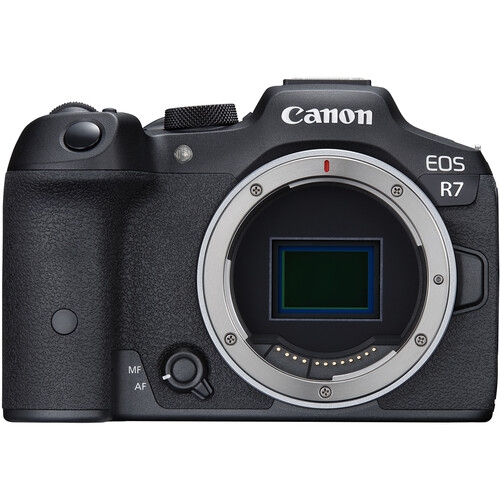
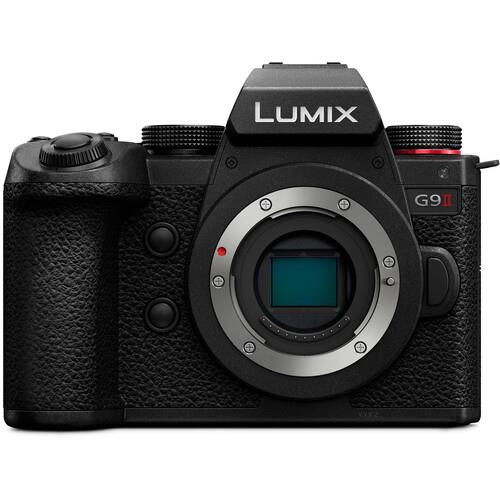
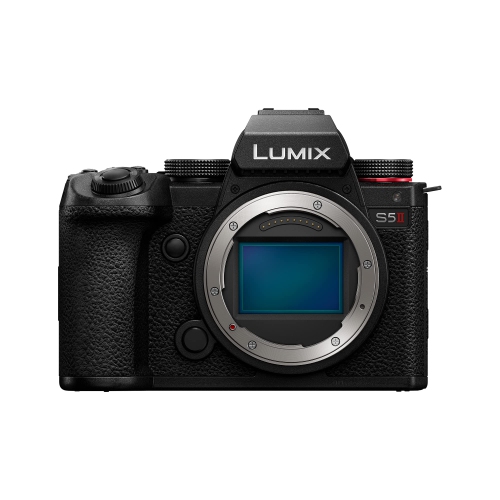
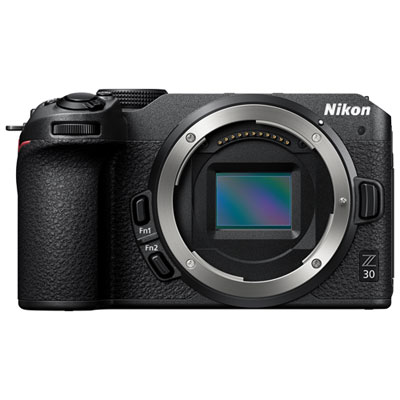
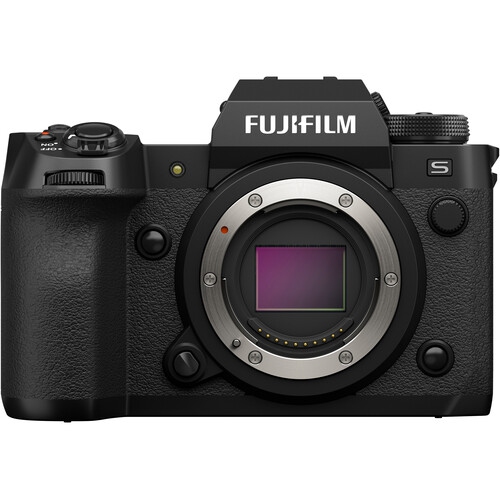
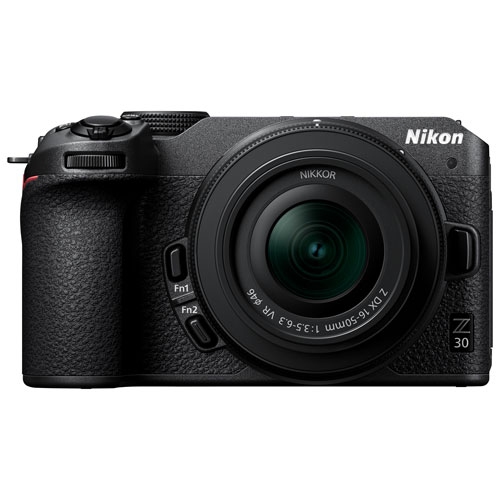
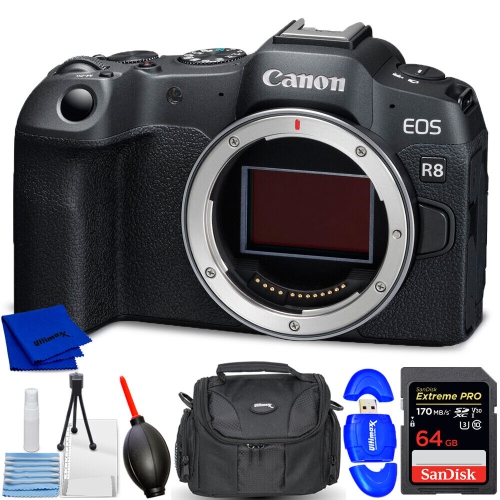
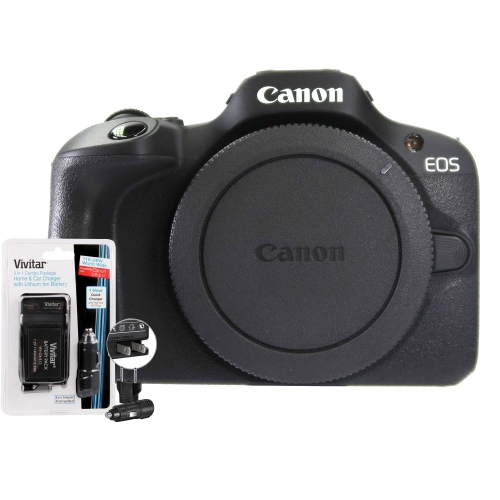
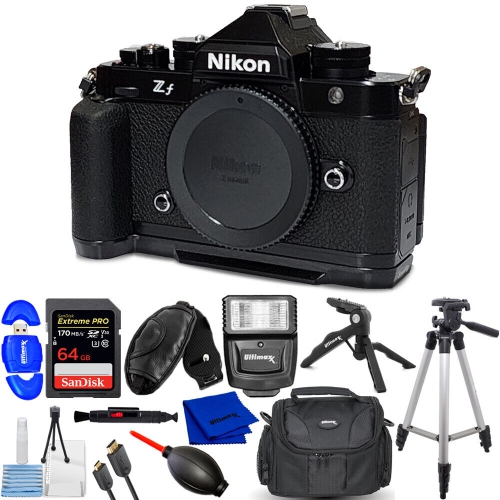
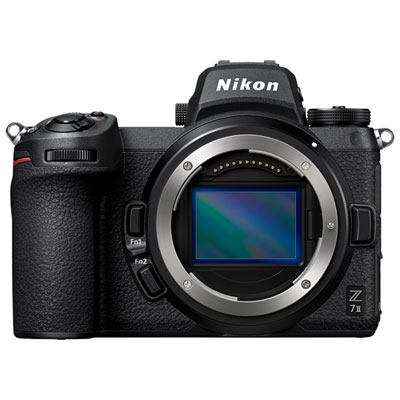
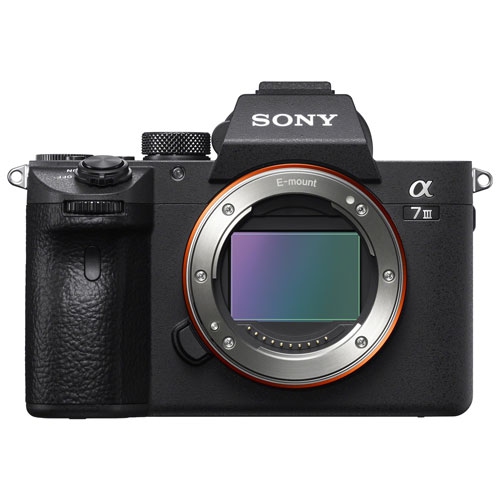
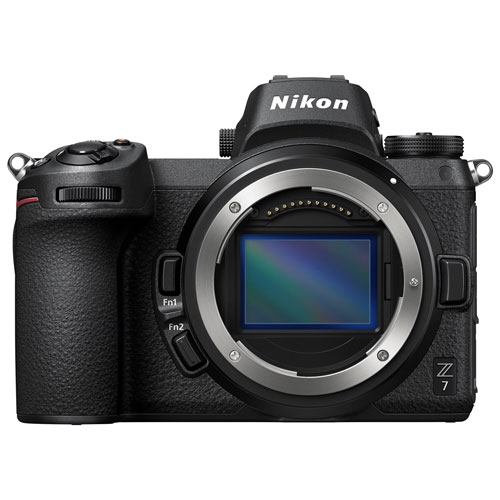
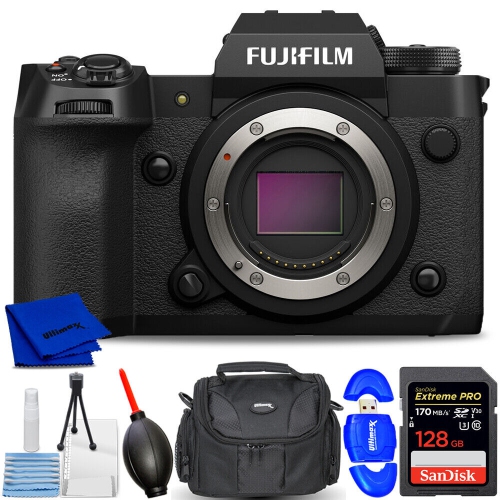
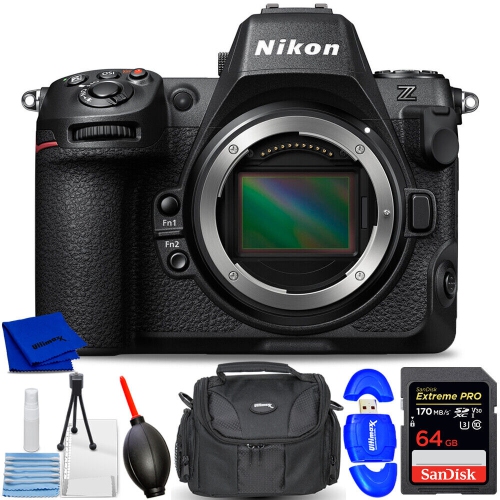
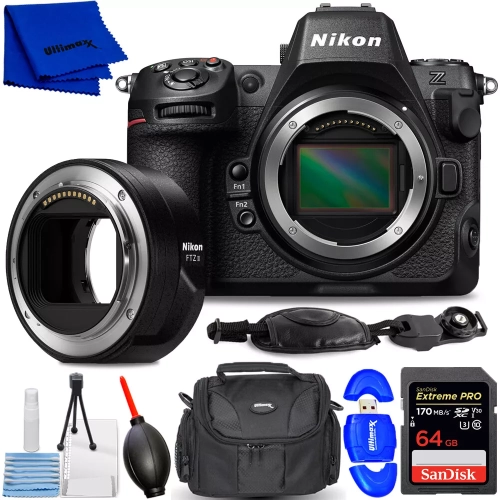
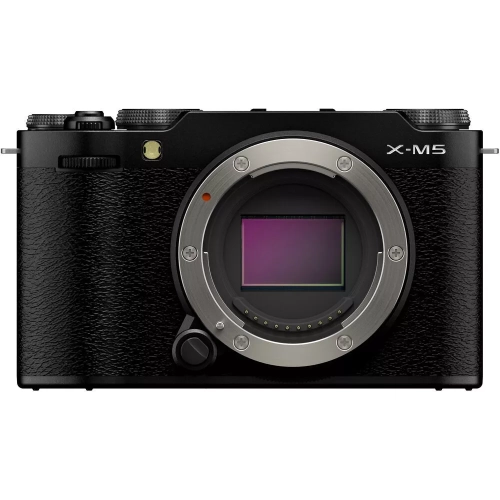

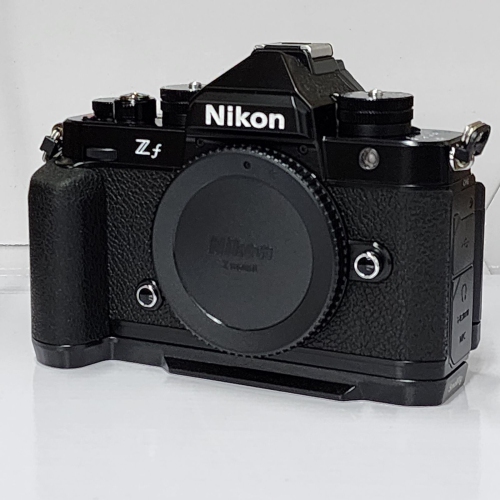
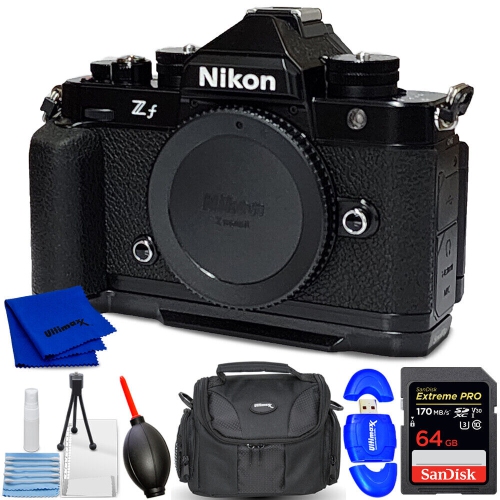
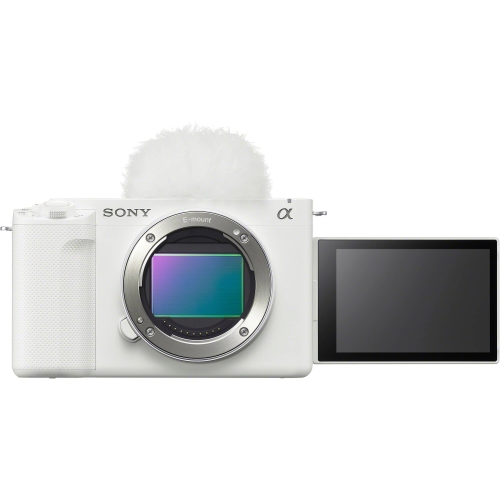
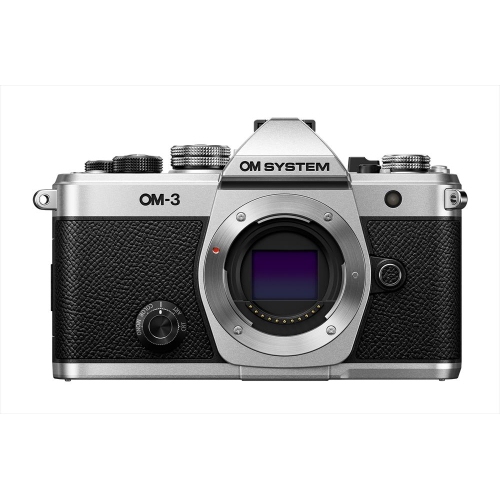
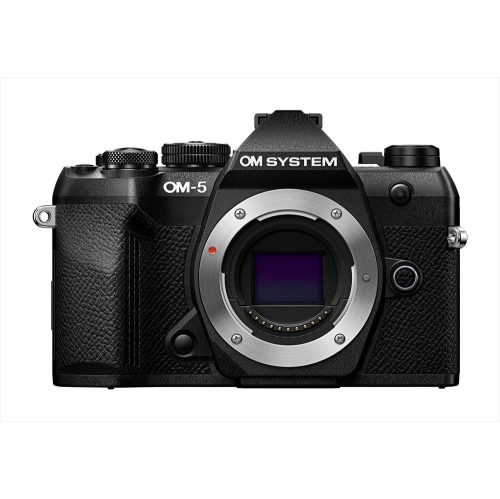
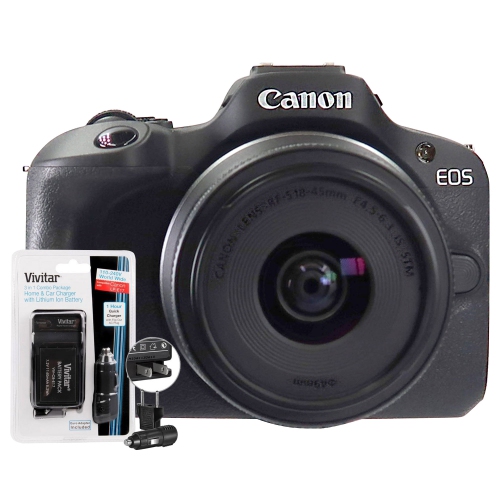
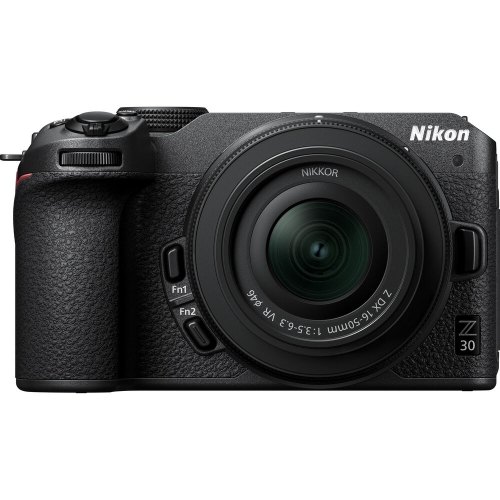
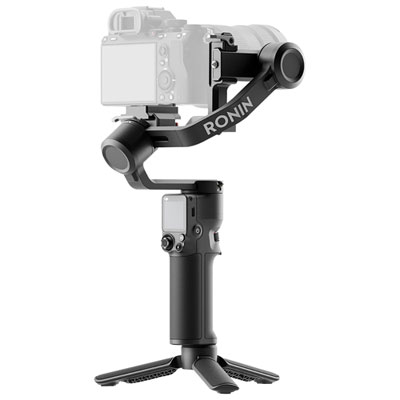
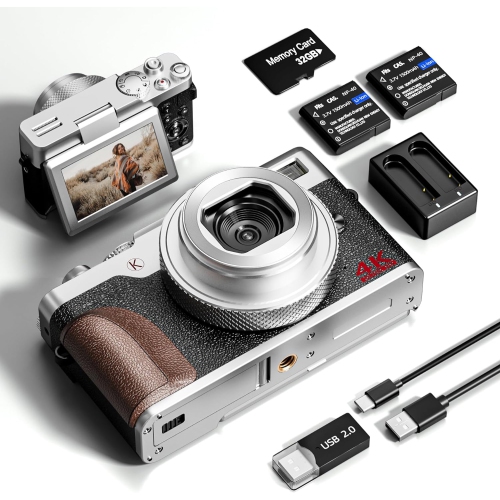
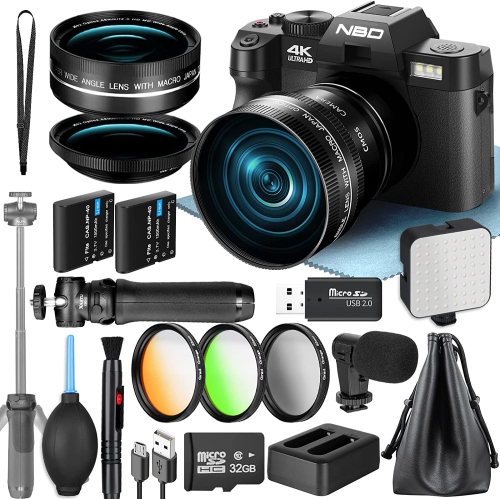
What to consider for smoother, more intentional video
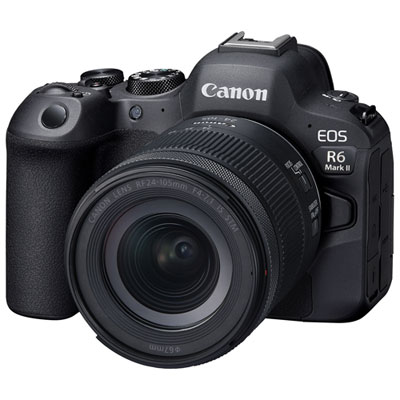
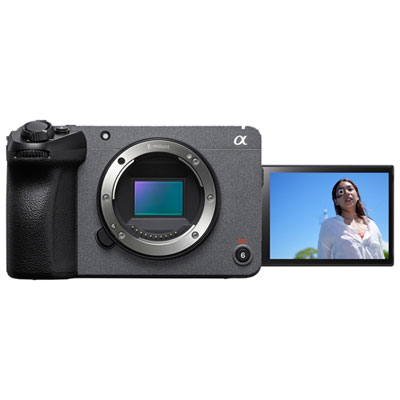
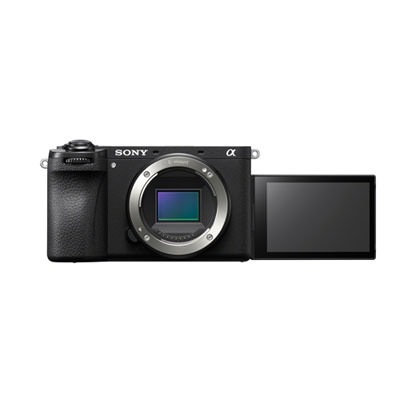
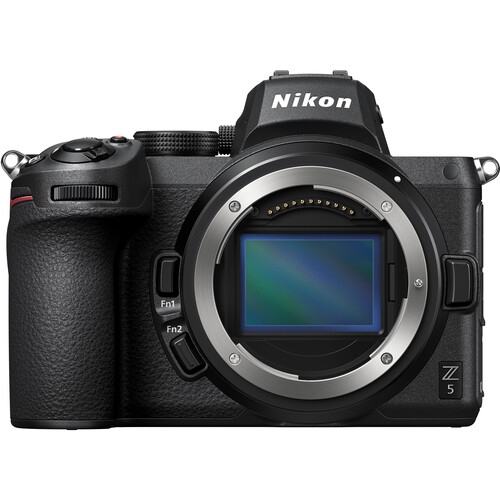
Mirrorless cameras for videography give creators a flexible way to capture polished video without the bulk of a traditional professional cinema setup. Their interchangeable-lens design makes it easier to shape the look of a scene, whether you are filming a talking-head video in a home office, recording a family celebration, following a fast-moving subject outdoors, or building a cinematic short film. Many models offer 4K recording for detailed footage, while higher frame-rate options can help create smooth slow-motion clips when the action calls for it. Fast, reliable autofocus is another important feature, particularly for solo creators who need the camera to keep a face, pet, performer, or moving subject sharp without constantly adjusting focus by hand. In-body image stabilization can also make a noticeable difference when filming handheld, reducing the small shakes that are easy to notice in walking shots, room tours, travel footage, and behind-the-scenes clips. When comparing cameras, consider the type of video you expect to make most often rather than choosing based on specifications alone. A compact body may be more comfortable for long recording sessions or travel, while a larger body may provide additional controls, a more substantial grip, and better balance with bigger lenses. Sensor size also affects the overall experience: full-frame options are often favoured for their low-light performance and shallow depth of field, while APS-C and other compact sensor formats can provide a lighter setup and more reach with compatible lenses. A camera with a flip-out or tilting screen is especially useful for vlogging, interviews, and self-recording because it lets you monitor framing from in front of the lens. Built-in microphones can be suitable for casual clips, but microphone inputs, headphone monitoring, and compatibility with external audio equipment are valuable additions when clear speech matters. Good video depends on more than resolution; sound, lighting, focus, stabilization, battery life, recording limits, and comfortable handling all contribute to footage that feels intentional and easy to watch.
The best mirrorless camera for videography depends on how and where you plan to use it. A vlogger walking through a market during the cooler months may prioritize a lightweight body, dependable autofocus, a screen that faces forward, and a lens wide enough to include the surroundings while filming at arm’s length. Someone recording indoor performances, interviews, or school projects may place greater importance on clean low-light footage, external microphone support, and simple manual controls that make it easier to adjust exposure without interrupting a scene. For sports, pets, and outdoor activities, look for responsive continuous autofocus, a useful burst mode for still images, strong stabilization, and a lens with enough reach to keep distance from the action. Creators making short films or carefully composed social videos may appreciate picture profiles, manual exposure options, high frame rates, and the ability to use a range of lenses for different perspectives. A standard zoom lens is a practical starting point because it can cover wide establishing shots and tighter compositions without changing lenses, while a fast prime lens can add a softer background and perform well in dim rooms. Before choosing, check the recording formats supported by your computer and editing software, as higher-quality video files can require more storage and processing power. Memory card compatibility, spare batteries, a camera bag, a small tripod, and a compact LED light can also affect the total cost and convenience of a setup. If you are buying a gift, mirrorless cameras can be a thoughtful choice for a budding filmmaker, content creator, photography student, traveller, or family member who enjoys documenting everyday moments. A camera becomes especially useful when it matches the recipient’s habits: a beginner may value a straightforward interface and automatic modes, while an experienced creator may prefer customizable buttons, advanced video controls, and room to expand with lenses and accessories. Think about whether the recipient records mostly at home, travels frequently, works in changing light, or needs a setup that can fit into a small bag.
Before settling on a camera, consider the complete kit rather than the body in isolation. Videography often involves moving between bright windows, shaded streets, warm indoor lighting, and evening scenes, so the ability to control shutter speed, aperture, ISO, and white balance can help maintain a consistent appearance from one shot to the next. A camera with a headphone jack allows you to listen for unwanted hum, wind noise, clothing rustle, or a microphone that has come loose before those problems become part of the final recording. A clean HDMI output may be useful for live streaming or monitoring on a larger display, while USB charging can simplify travel and reduce the number of chargers in your bag. Lens selection deserves careful thought as well. Wide-angle lenses are useful for landscapes, architecture, group scenes, and handheld self-recording; standard lenses create a natural perspective for interviews and everyday storytelling; telephoto lenses help isolate distant subjects at events, on trails, or across a playing field. If you plan to move between locations, give equal attention to weight and balance. A setup that looks impressive on paper may become tiring after an afternoon of walking, especially when paired with a large lens, microphone, and cage. For creators focused on online video, you may also want to explore Mirrorless Cameras for YouTube for options suited to presenter-led content and channel production. Whether you are filming the first golden leaves outside the window, capturing lively indoor gatherings, or creating a carefully lit project at home, the right mirrorless camera can make the process more comfortable while giving you greater control over the finished video. Focus on the features that support your real shooting style, leave room for learning, and choose a system that can grow with your creative plans.
The best mirrorless camera for videography depends on how and where you plan to use it. A vlogger walking through a market during the cooler months may prioritize a lightweight body, dependable autofocus, a screen that faces forward, and a lens wide enough to include the surroundings while filming at arm’s length. Someone recording indoor performances, interviews, or school projects may place greater importance on clean low-light footage, external microphone support, and simple manual controls that make it easier to adjust exposure without interrupting a scene. For sports, pets, and outdoor activities, look for responsive continuous autofocus, a useful burst mode for still images, strong stabilization, and a lens with enough reach to keep distance from the action. Creators making short films or carefully composed social videos may appreciate picture profiles, manual exposure options, high frame rates, and the ability to use a range of lenses for different perspectives. A standard zoom lens is a practical starting point because it can cover wide establishing shots and tighter compositions without changing lenses, while a fast prime lens can add a softer background and perform well in dim rooms. Before choosing, check the recording formats supported by your computer and editing software, as higher-quality video files can require more storage and processing power. Memory card compatibility, spare batteries, a camera bag, a small tripod, and a compact LED light can also affect the total cost and convenience of a setup. If you are buying a gift, mirrorless cameras can be a thoughtful choice for a budding filmmaker, content creator, photography student, traveller, or family member who enjoys documenting everyday moments. A camera becomes especially useful when it matches the recipient’s habits: a beginner may value a straightforward interface and automatic modes, while an experienced creator may prefer customizable buttons, advanced video controls, and room to expand with lenses and accessories. Think about whether the recipient records mostly at home, travels frequently, works in changing light, or needs a setup that can fit into a small bag.
Before settling on a camera, consider the complete kit rather than the body in isolation. Videography often involves moving between bright windows, shaded streets, warm indoor lighting, and evening scenes, so the ability to control shutter speed, aperture, ISO, and white balance can help maintain a consistent appearance from one shot to the next. A camera with a headphone jack allows you to listen for unwanted hum, wind noise, clothing rustle, or a microphone that has come loose before those problems become part of the final recording. A clean HDMI output may be useful for live streaming or monitoring on a larger display, while USB charging can simplify travel and reduce the number of chargers in your bag. Lens selection deserves careful thought as well. Wide-angle lenses are useful for landscapes, architecture, group scenes, and handheld self-recording; standard lenses create a natural perspective for interviews and everyday storytelling; telephoto lenses help isolate distant subjects at events, on trails, or across a playing field. If you plan to move between locations, give equal attention to weight and balance. A setup that looks impressive on paper may become tiring after an afternoon of walking, especially when paired with a large lens, microphone, and cage. For creators focused on online video, you may also want to explore Mirrorless Cameras for YouTube for options suited to presenter-led content and channel production. Whether you are filming the first golden leaves outside the window, capturing lively indoor gatherings, or creating a carefully lit project at home, the right mirrorless camera can make the process more comfortable while giving you greater control over the finished video. Focus on the features that support your real shooting style, leave room for learning, and choose a system that can grow with your creative plans.
Top selling and popular products
-
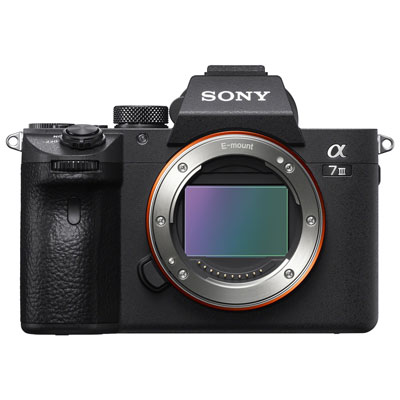 Your price for this item is $1899.99
 -
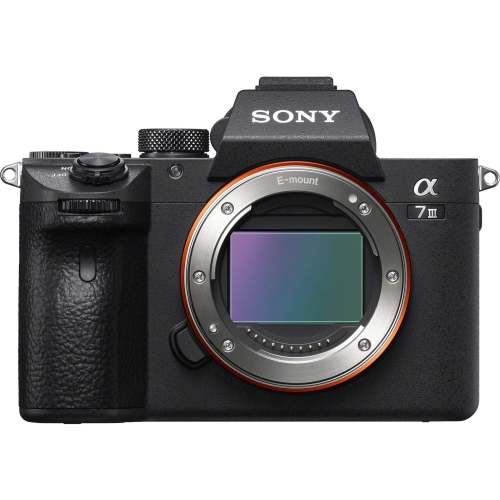 Your price for this item is $1899
 -
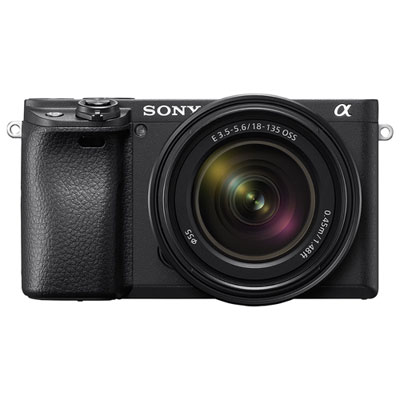 Your price for this item is $1749.99
 -
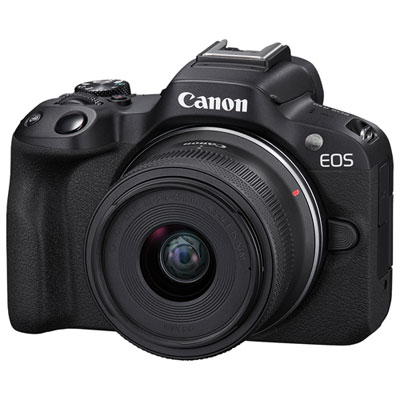 Your price for this item is $999.99
 -
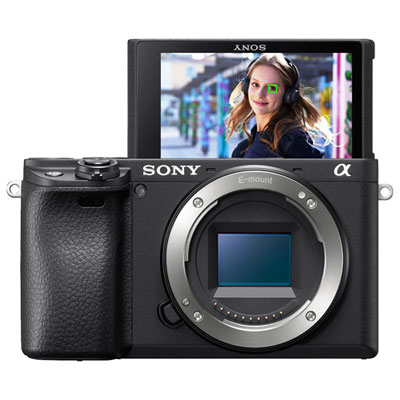 Your price for this item is $1249.99
 -
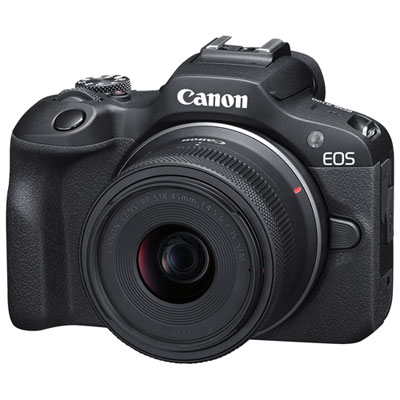 Your price for this item is $749.99
 -
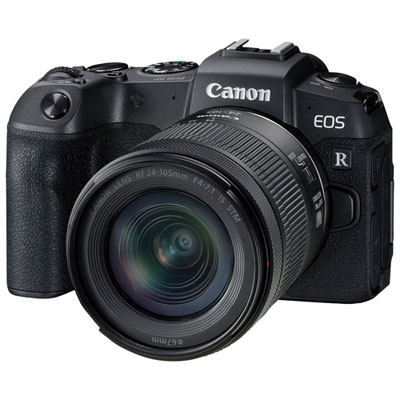 Your price for this item is $1499.99
 -
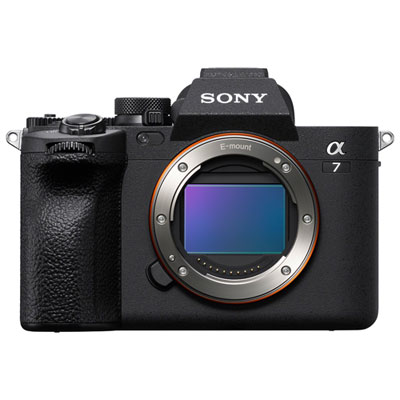 Your price for this item is $2699.99
Discover more categories related to Mirrorless Cameras for Videography
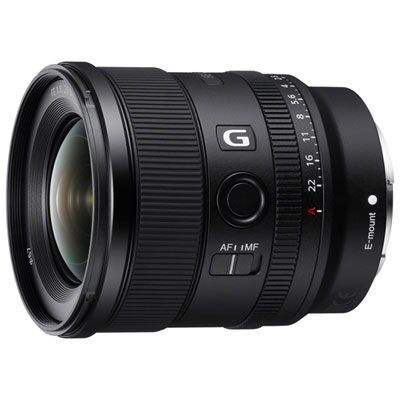
Top Collections:
Pokemon Centers, Kindle Devices, Best Budget Office Chairs, Apple iPhones 16, Best Laptops for Writers, iPhone 15 Apple, Canon G7X Cameras, Refurbished Apple Laptops, Alarm Clock, Motorola Razr Phones
Some products may be subject to Environmental Handling Fees
(EHF) depending on your province.
Learn more about EHFs.