Mirrorless Cameras for Landscape Photography
Capture breathtaking vistas and stunning natural scenes with Mirrorless Cameras For Landscape Photography. Designed to offer exceptional image quality and creative control, these cameras are ideal for photographers who want to bring out the beauty of every landscape. Whether you’re exploring mountain ranges, coastlines, or city skylines, find the perfect mirrorless camera to elevate your outdoor photography and help you create memorable images with every shot.
Sort
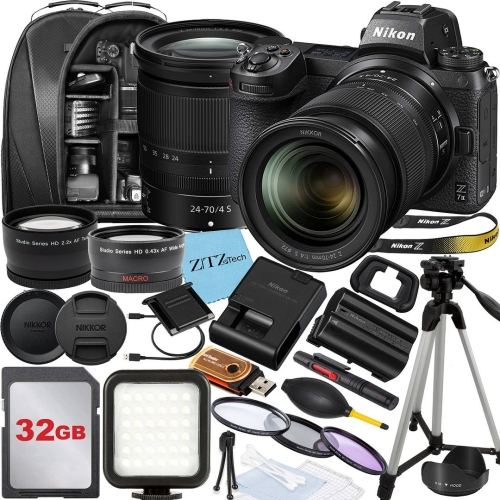
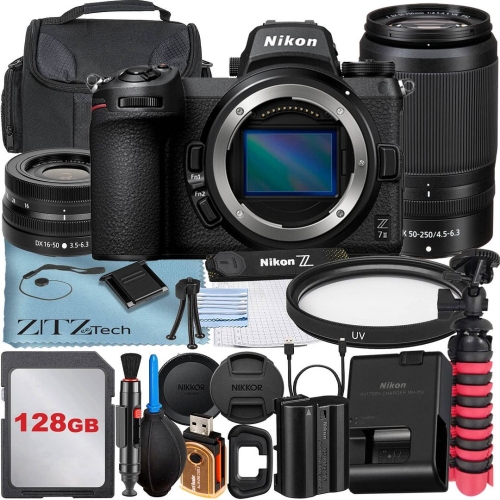
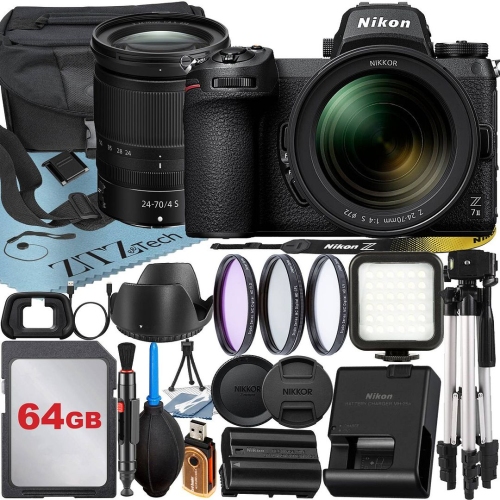
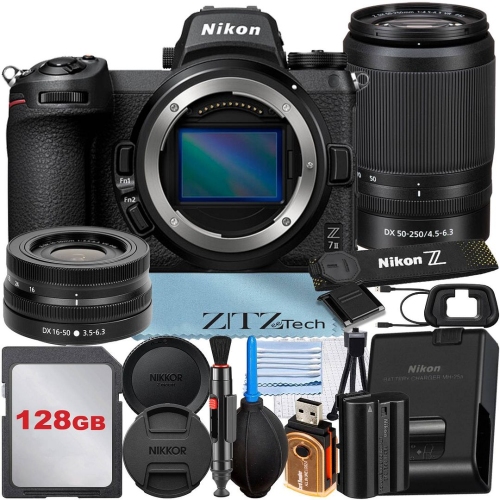
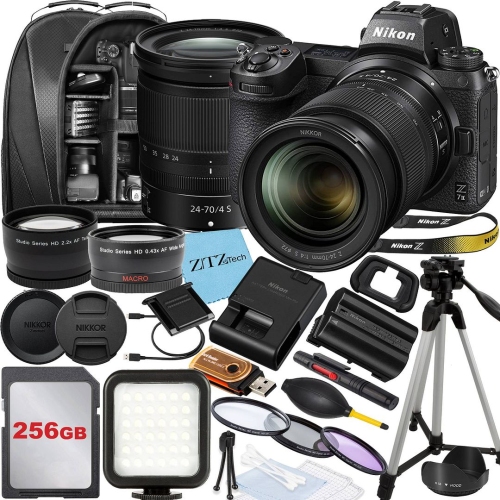
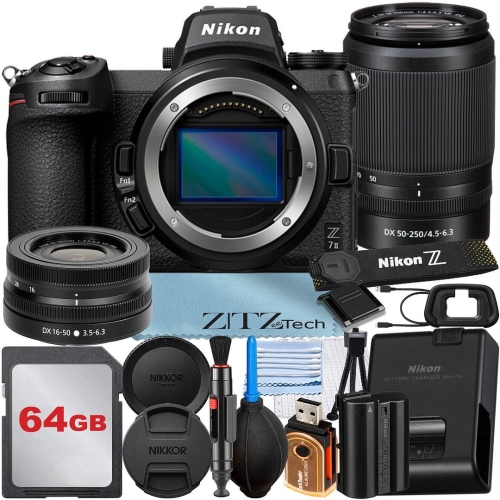
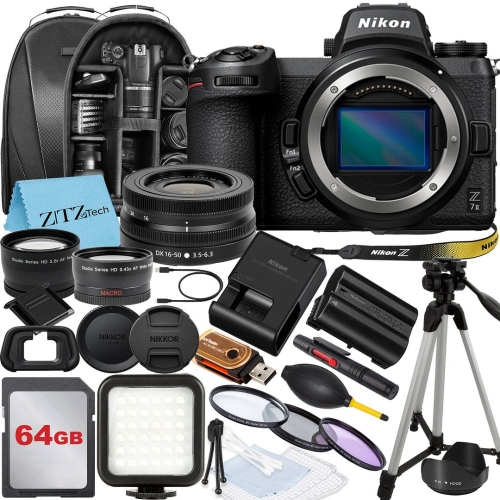
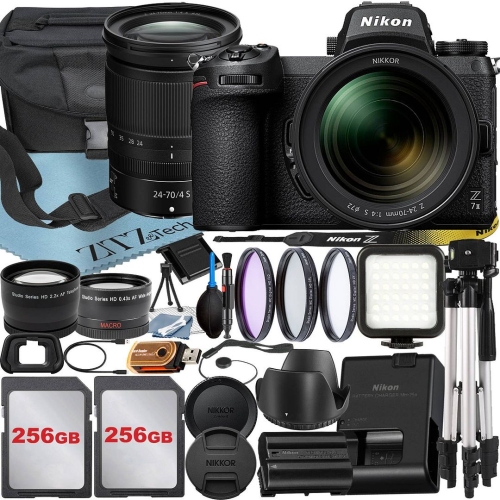
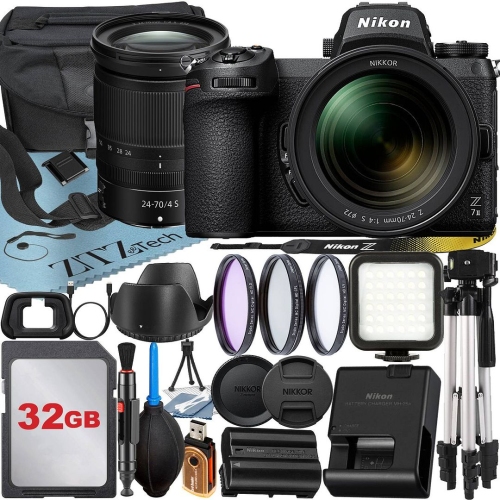
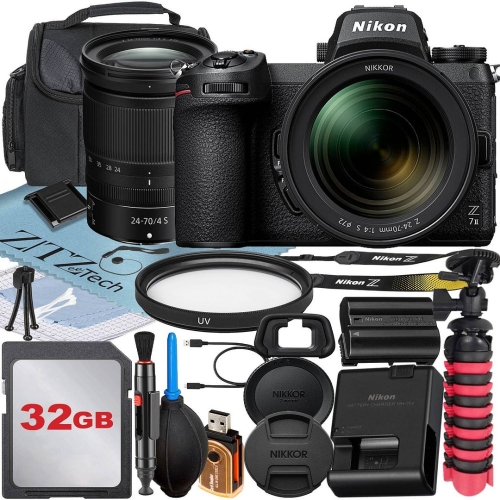
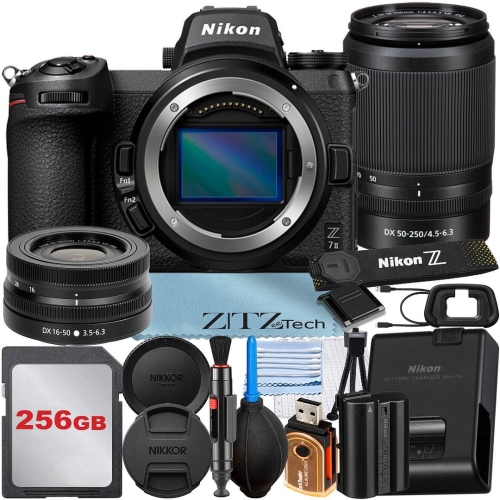
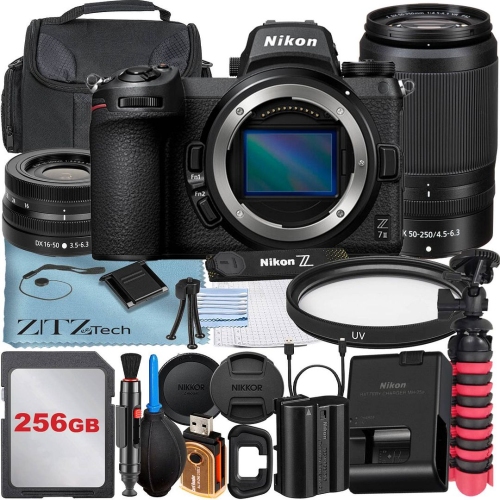
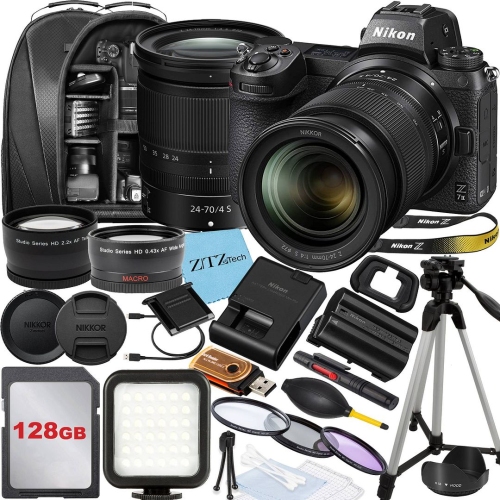
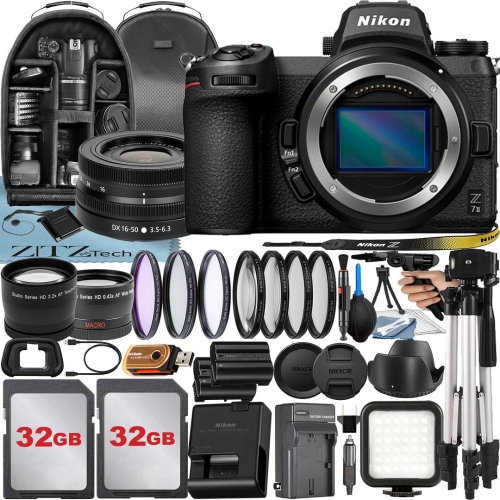
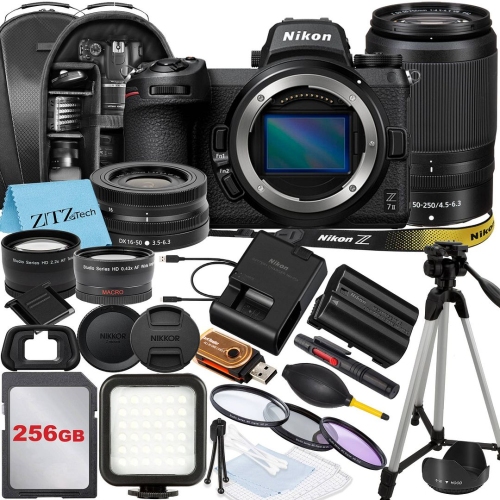
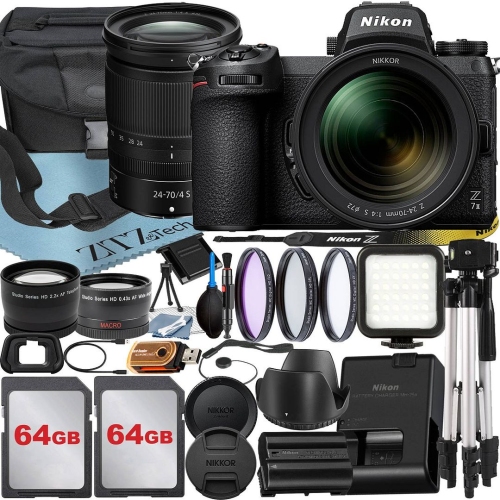
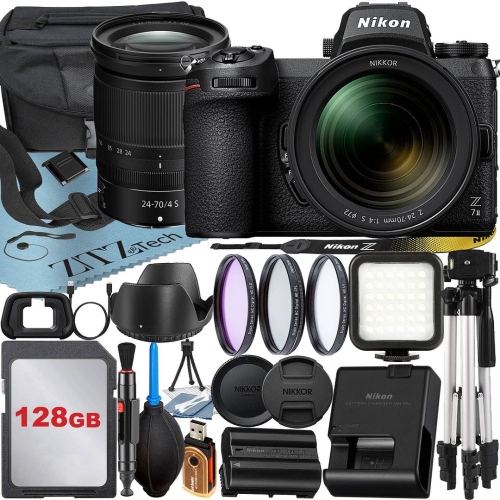
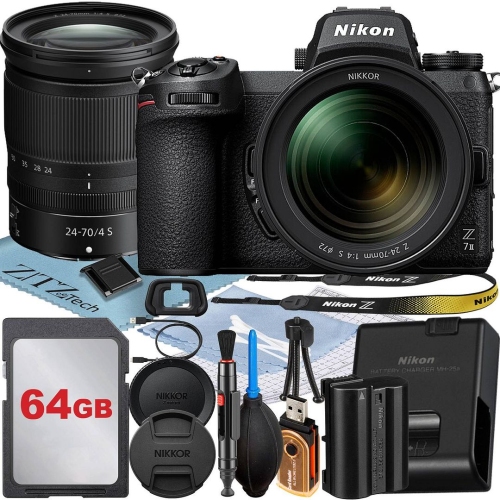
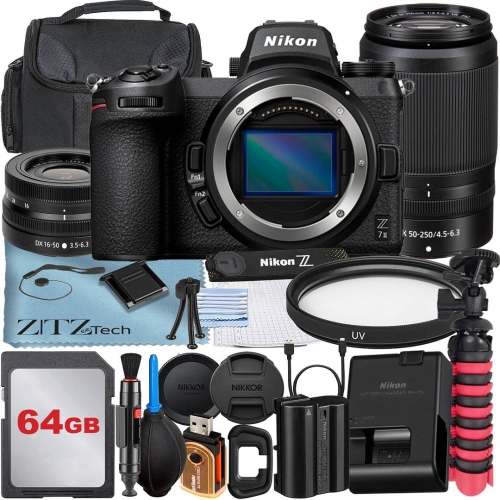
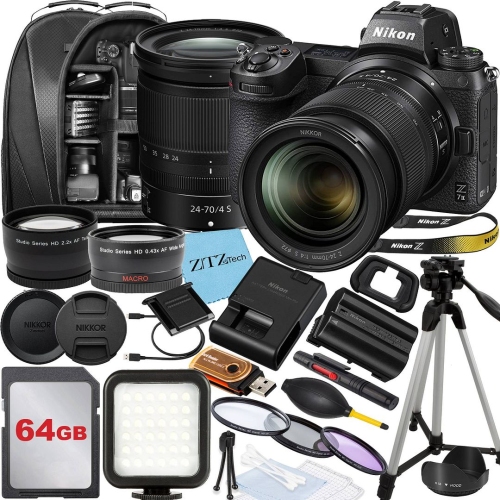
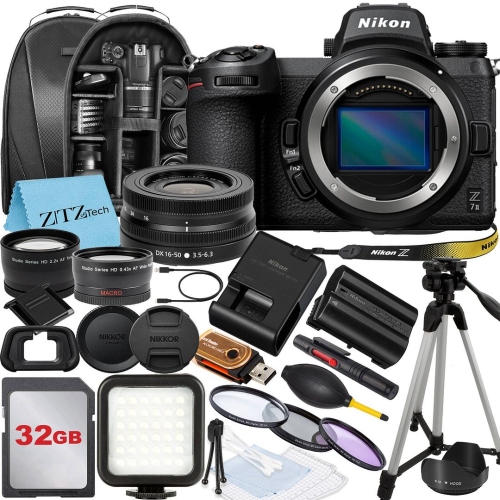
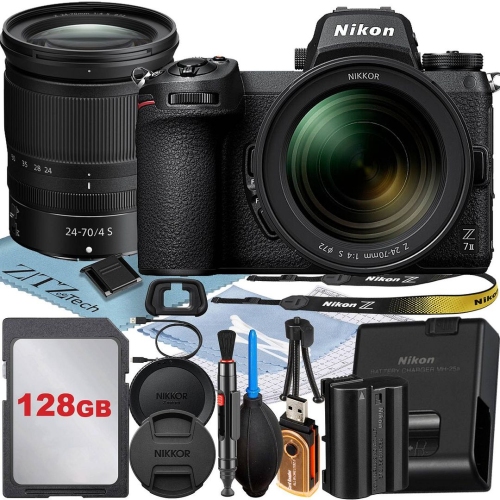
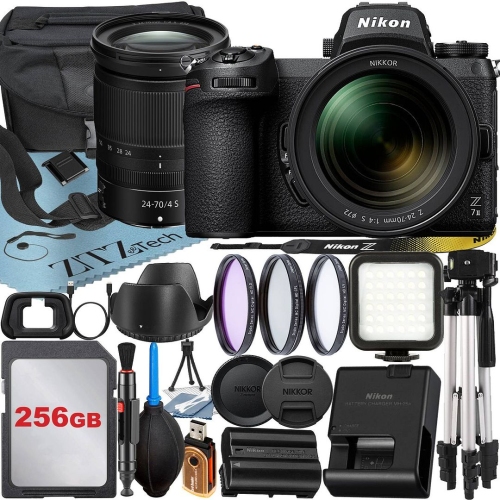
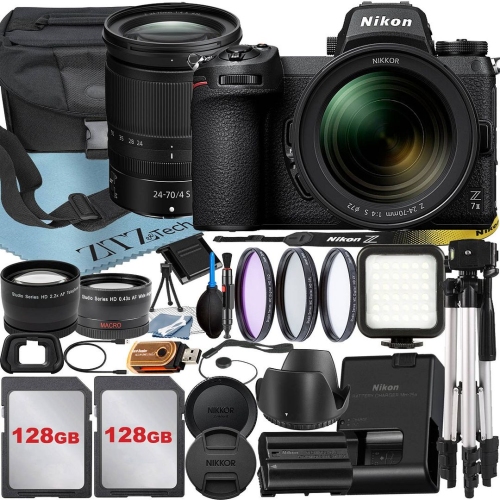
Greater detail and control for changing outdoor light
Mirrorless cameras for landscape photography give photographers a compact, flexible way to capture everything from broad mountain ranges and coastal horizons to quiet woodland trails and snow-covered fields. Unlike a phone or a basic point-and-shoot camera, a mirrorless camera provides greater control over exposure, focus, colour, and the final look of an image. The electronic viewfinder shows a live preview of brightness and white balance, making it easier to judge a scene when the sun is low or the foreground is much darker than the sky. For landscape work, resolution is one of the first specifications to consider. A sensor with 40 megapixels or more can record fine detail in rock faces, distant trees, grasses, and architectural features, while also leaving room to crop an image without losing as much clarity. Higher resolution is especially valuable for large prints, wall art, and detailed panoramas, although a lower-resolution camera can still produce excellent results when paired with a sharp lens and thoughtful technique. Full-frame cameras are popular for their strong low-light performance and broad dynamic range, while APS-C models can reduce the weight of a hiking kit and often offer a more approachable entry point. Medium-format mirrorless cameras can provide exceptional detail and tonal subtlety for photographers who prioritize image quality above all else. The best choice depends on the balance between resolution, portability, lens availability, and comfort during long days outdoors.
Dynamic range is another important consideration when choosing a mirrorless camera for landscape photography. A scene with a bright sky and shaded valley can be difficult to expose evenly, particularly around sunrise, sunset, or beneath a canopy of trees. A camera with a wide dynamic range can preserve more information in both bright highlights and deep shadows, giving you greater flexibility when editing RAW files. A low base ISO, such as ISO 64 or another extended-low setting, may help capture clean images with smooth tonal transitions in bright conditions, while higher ISO performance becomes useful during blue hour, overcast afternoons, or winter walks when daylight fades early. In-body image stabilization can help reduce the effects of camera shake when photographing handheld, especially with longer exposures, though a tripod remains the preferred choice for maximum sharpness and precise composition. Look for a camera with manual exposure controls, RAW capture, exposure bracketing, and a clear electronic viewfinder. These features make it easier to blend exposures, recover shadow detail, or create a balanced image when one exposure cannot contain the full range of light. Weather sealing is also worth careful attention. Rain, mist, dust, and melting snow can appear without warning on a trail, so a camera designed to resist moisture and dust can provide added confidence when conditions change. Weather sealing works best when the camera is paired with a similarly protected lens, and it does not replace a rain cover or dry storage during prolonged exposure to wet weather.
The lens selection can shape the character of a landscape photograph as much as the camera body. Wide-angle lenses are useful for emphasizing a dramatic foreground, making a nearby boulder, winding path, or stand of trees feel prominent against a sweeping background. Standard zoom lenses offer a natural perspective for flexible framing, while telephoto lenses can isolate distant peaks, compress layers of hills, or pick out patterns in the landscape that are easy to miss with the naked eye. A versatile kit may include one wide or standard zoom for general outings and a longer lens for distant details, depending on how much weight you are comfortable carrying. Other practical features matter on the trail as well. A comfortable grip, responsive controls, a bright viewfinder, and a tilting screen can make composition easier from low or awkward positions. Battery life is important during cold-weather excursions, since low temperatures can reduce how long a battery lasts; carrying a spare battery and keeping it close to your body can help. Memory cards with adequate capacity and fast write speeds are useful for high-resolution RAW files and exposure brackets. A sturdy tripod, circular polarizing filter, lens cloth, and protective camera bag can complete a landscape setup, while a graduated neutral-density filter may help balance a bright horizon with a darker foreground. These cameras can be thoughtful gifts for hikers, travellers, photographers, and anyone who enjoys turning outdoor memories into prints, photo books, or framed artwork. They also suit experienced users who want more detail and control, as well as beginners ready to move beyond automatic shooting. Someone who photographs wildlife as often as scenery may also appreciate browsing Mirrorless Cameras for Wildlife Photography for a body with fast autofocus and a compatible telephoto lens. During the cooler months, landscapes can take on especially clear textures and soft, angled light, from frost on meadow grass to snow on distant ridges. A capable mirrorless camera lets photographers respond to those changing conditions while carrying a system that can grow with their skills, whether they are making a quiet image from a nearby lookout or setting out before dawn for a carefully planned panorama.
Top selling and popular products
-
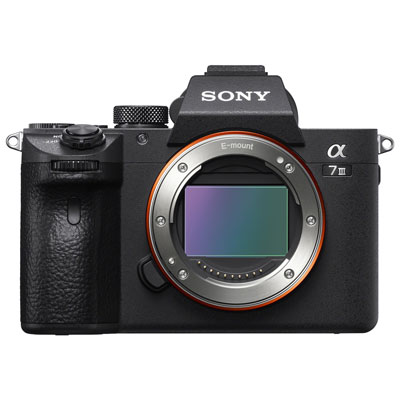 Your price for this item is $1899.99
-
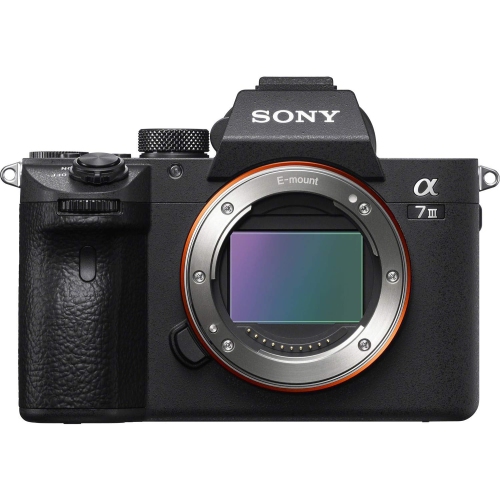 Your price for this item is $1899
-
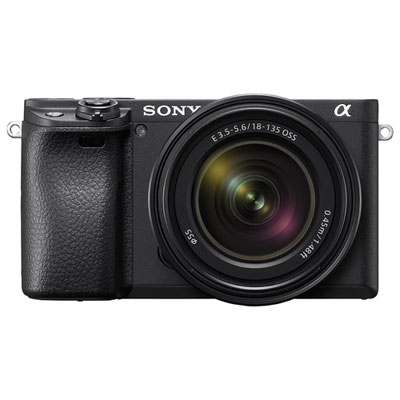 Your price for this item is $1749.99
-
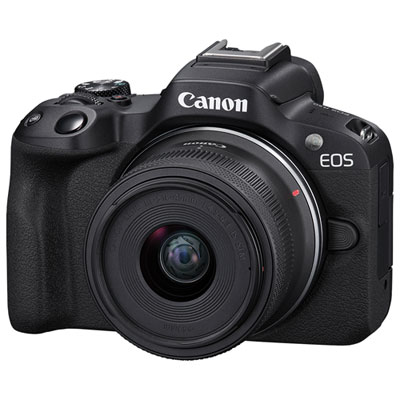 Your price for this item is $1099.99
-
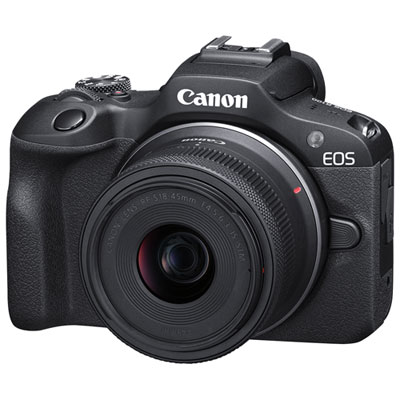 Your price for this item is $629.99
-
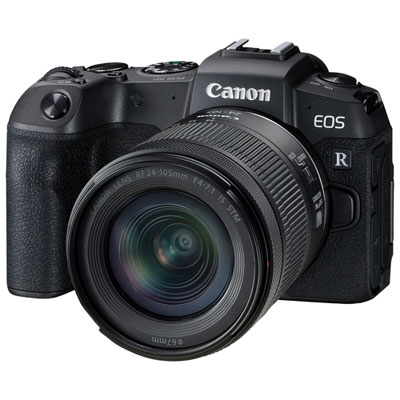 Your price for this item is $1499.99
-
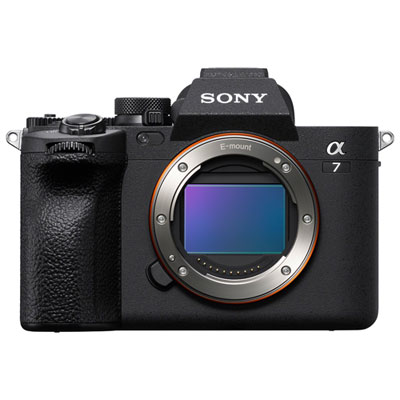 Your price for this item is $2699.99
-
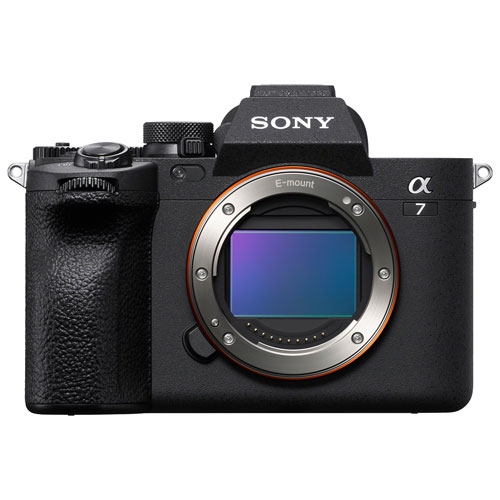 Your price for this item is $2419.99
Discover more categories related to Mirrorless Cameras for Landscape Photography
Top Collections:
Pokemon Centers, Best Cameras for Sports Photography, Kindle Devices, Samsung Galaxy Phones, Canon G7X Cameras, Pokémon 30th Celebration Cards, Refurbished Apple Laptops, iPhone 15 Apple, Laptops for Students, Budget Smartphones
Some products may be subject to Environmental Handling Fees
(EHF) depending on your province.
Learn more about EHFs.