Mirrorless Cameras for Sports Photography
Mirrorless Cameras For Sports Photography deliver the speed, precision, and versatility needed to capture every thrilling moment on the field or court. Designed for photographers who demand quick performance and sharp image quality, these cameras are ideal for freezing fast-paced action with stunning clarity. Whether shooting from the sidelines or tracking athletes in motion, explore a wide selection of mirrorless cameras that help you achieve professional results in any sporting environment. Elevate your sports photography with advanced tools built to keep up with every play.
Sort
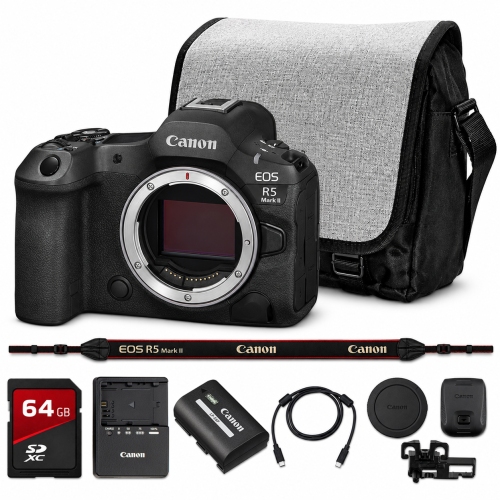

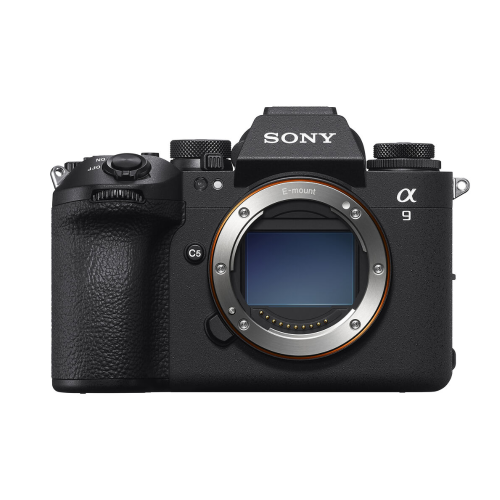
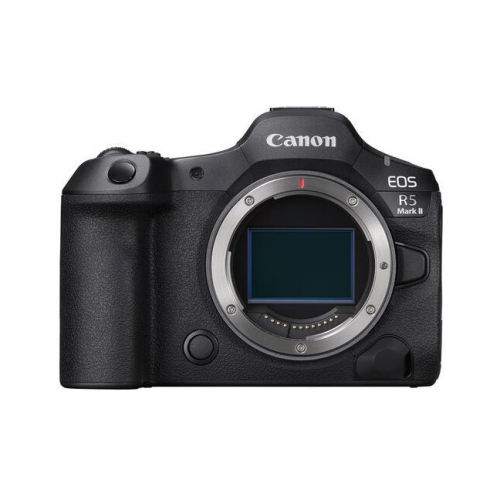
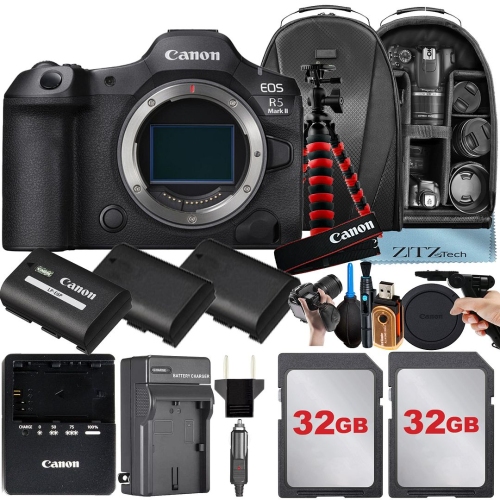
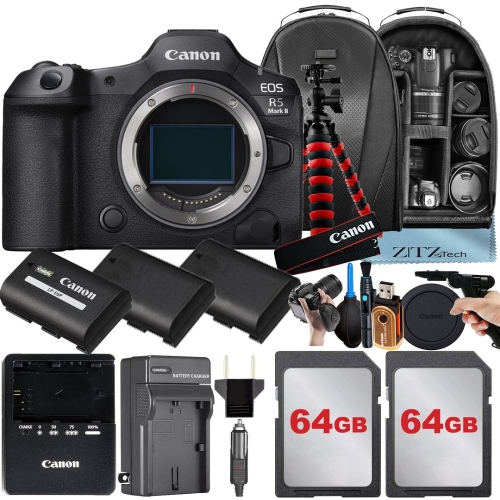

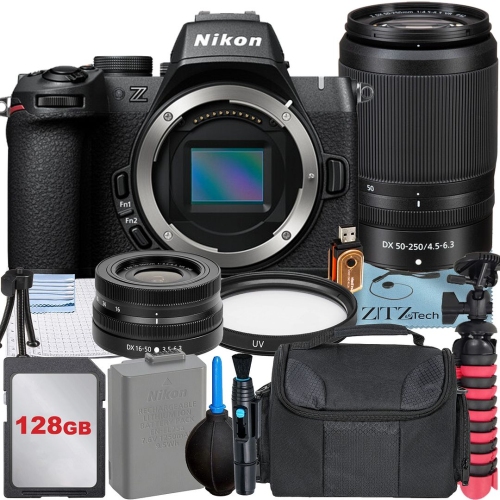

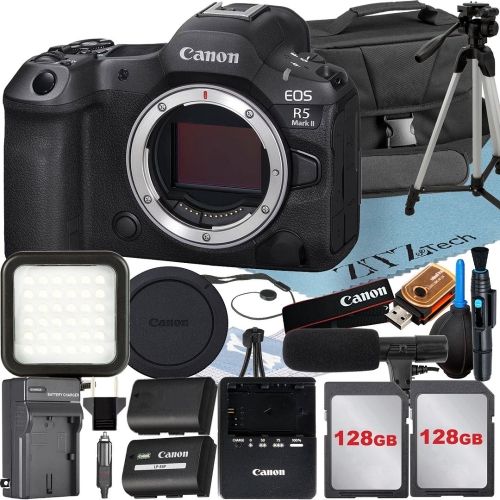

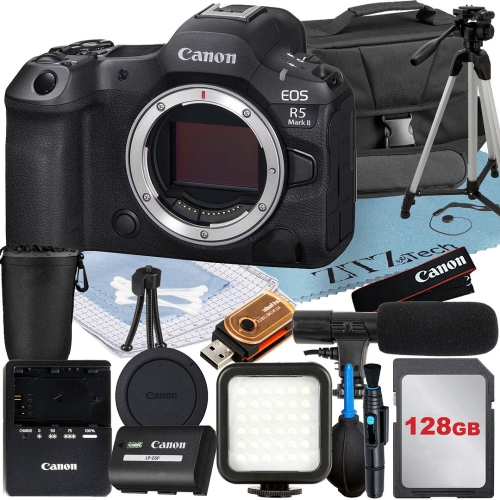
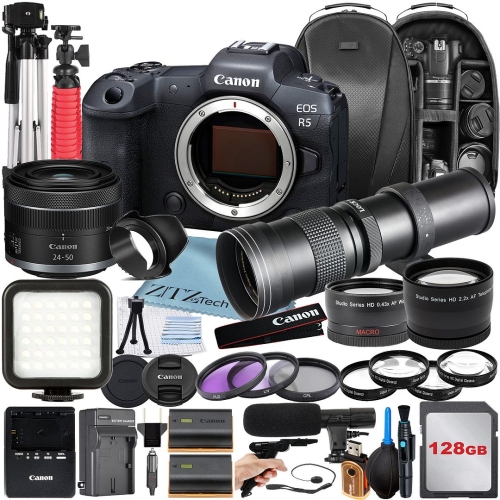
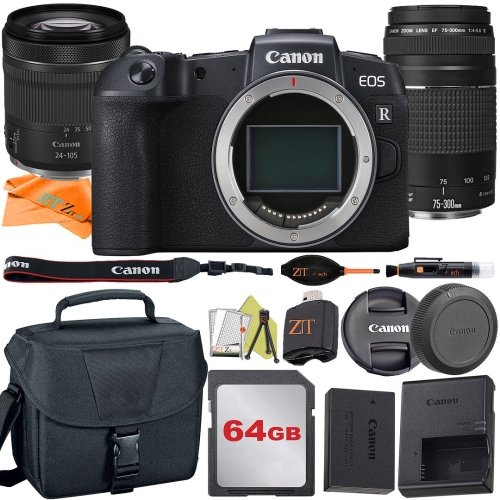
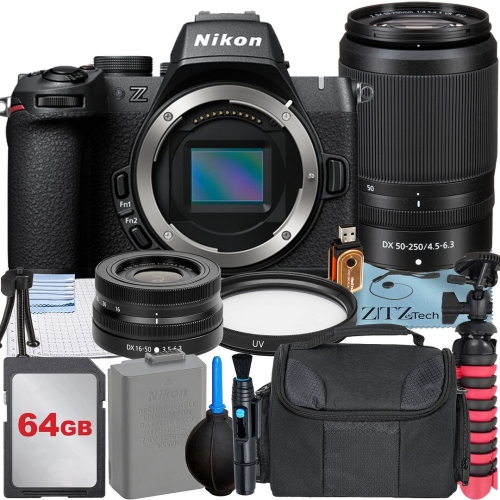
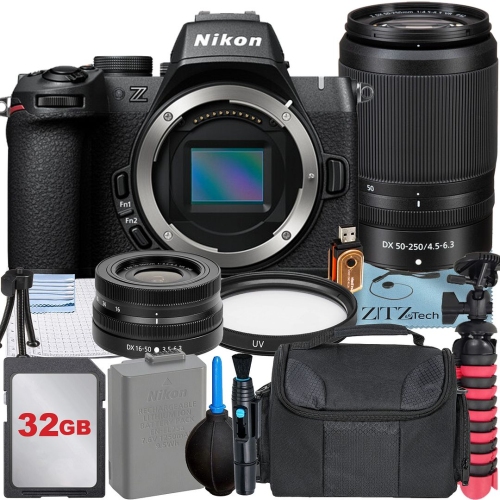
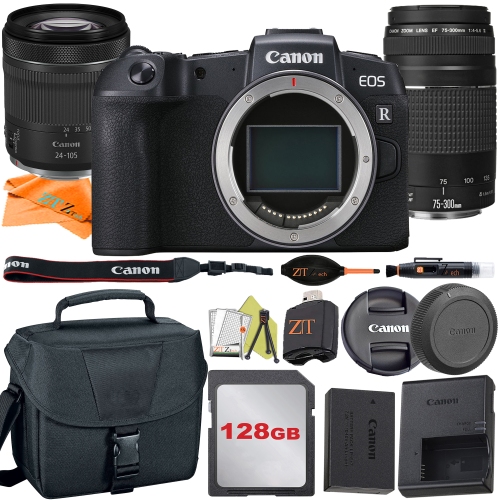
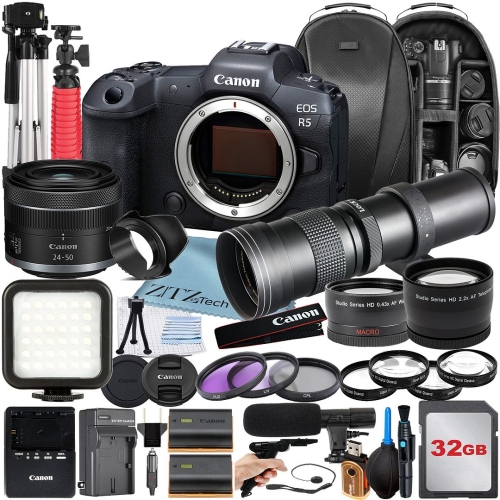

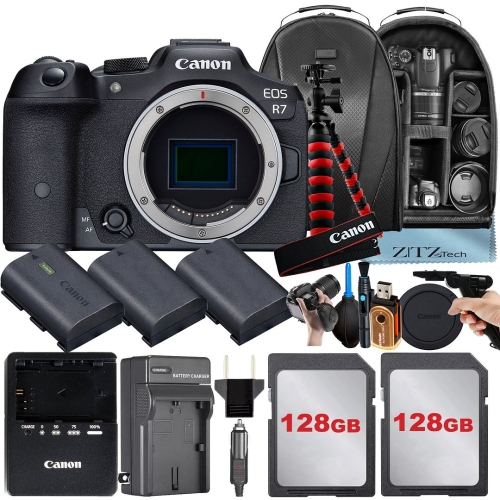
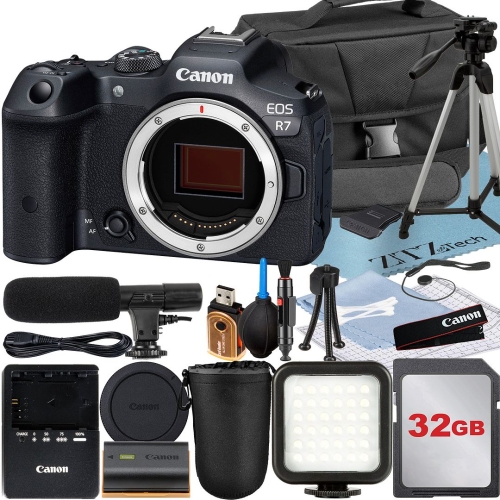

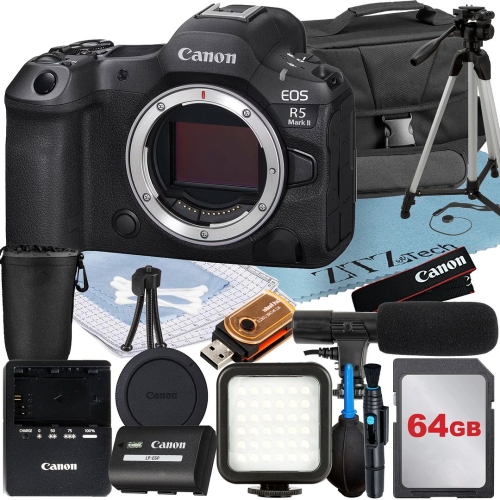

Sharp action shots take more than shooting speed
Mirrorless cameras for sports photography are built around a demanding task: keeping a moving athlete sharp while preserving the moment that tells the story. A basketball suspended above the rim, a runner leaning across the finish line, or a goalkeeper stretching towards the ball can change in a fraction of a second. Fast continuous autofocus, dependable subject tracking, and responsive burst shooting help photographers follow that action rather than repeatedly refocus between frames. Autofocus coverage across much of the image area is especially useful when a player moves away from the centre of the composition. Face and eye detection can help with visible subjects, while tracking performance around helmets, overlapping players, and busy backgrounds depends on the camera and its settings. Continuous shooting speed matters, but the most useful specification is the burst rate supported with continuous autofocus and the desired image quality. Maximum advertised speeds may apply only to particular shutter modes or file formats. Buffer capacity also affects how long a camera can keep shooting before slowing down, making it important for extended plays and closely spaced bursts. An electronic viewfinder provides a preview of exposure and framing, and a responsive display makes it easier to follow an athlete through a telephoto lens. Reduced viewfinder blackout can help maintain that connection during a burst. Shutter behaviour deserves equal attention: an electronic shutter can offer quiet operation and rapid shooting, but moving subjects or quick panning may appear distorted when sensor readout is slow. Faster readout, often associated with stacked sensors, reduces this rolling-shutter effect; a global shutter exposes all pixels simultaneously to eliminate that form of skew. Mechanical shutters remain useful in situations where electronic capture produces distortion or banding under artificial lighting. For parents photographing community games, enthusiasts covering club competitions, and experienced photographers working from the sidelines, these capabilities contribute to more consistent results when there is no chance to repeat a play. The strongest match is not simply the camera with the highest frame rate, but one whose focusing, viewing, and shooting performance work well together.
Sensor size and lens compatibility shape how a sports camera performs from the stands, beside a court, or near a track. Full-frame sensors can offer strong image quality at higher ISO settings, which is valuable when fast shutter speeds are needed inside an arena or gymnasium. APS-C cameras provide a narrower field of view with a given focal length, helping distant athletes fill more of the frame without changing the lens’s actual focal length or magnification. Smaller-format systems can also support a more compact camera-and-lens combination, although overall size depends heavily on the lens. Resolution provides room to crop an image when access to the action is limited, but larger files place greater demands on memory cards, storage, and image processing. Lens choice is just as influential as the camera body. A telephoto zoom allows framing to change as players approach or move away, while a lens with a wide maximum aperture gathers more light and can separate a subject from distracting spectators or signage. Longer focal lengths suit distant action, whereas shorter focal lengths can work well for courtside photographs, team celebrations, and wider views that show the setting. Lens-mount compatibility matters, and adapted lenses may not support every autofocus feature or maximum burst rate. A shutter speed around 1/1000 second can be a useful starting point for many sports, while faster movement may call for 1/2000 second or shorter; the right setting depends on the athlete’s speed, distance, and direction of travel. Image stabilization helps reduce blur from camera movement, particularly with longer lenses, but it does not freeze a moving player. That distinction matters when photographing a sharply defined face alongside a swinging racquet or a speeding puck. Artificial lighting adds another consideration, since flicker can create uneven brightness or colour between frames. Compatible flicker-reduction settings can help, though their effectiveness varies with the lighting and shooting mode. Together, sensor performance, a suitable lens, and flexible exposure controls give sports photographers room to balance sharp action, manageable image noise, and the visual character of each scene.
Handling and durability become more noticeable over a full game than during a quick test of the shutter button. A comfortable grip, accessible autofocus controls, and a well-positioned joystick can make it easier to move the focus area without taking an eye away from the viewfinder. The camera should feel balanced with the intended lens attached, since a lightweight body paired with a large telephoto lens can still be tiring to hold. Some bodies use magnesium-alloy construction, while others combine metal components with engineered polymers; overall build quality, control design, and lens weight matter more than any single material. A secure strap and a supportive bag help protect equipment while moving between shooting positions, and a monopod can take weight off the arms during longer sessions where venue rules permit one. Battery endurance varies with viewfinder use, burst shooting, autofocus activity, and video capture, so a charged spare can be valuable during a tournament. Memory cards need to meet the camera’s requirements for sustained shooting, and dual card slots can provide backup recording on bodies that support it. For photographers who also capture short action clips, video autofocus, recording limits, and easy switching between stills and video can influence everyday usability. Routine care helps keep the equipment ready: a blower and suitable lens cloth can remove loose dust and fingerprints, while lens changes are best handled carefully to limit debris entering the camera. Sensor cleaning requires the appropriate method and tools rather than casual wiping. These cameras can make thoughtful gifts for a dedicated sports parent, a photography student, or an enthusiast developing an interest in action, particularly when the lens mount matches equipment already owned. Their responsive focusing and ability to capture fleeting expressions also have uses beyond the playing surface. Photographers covering celebrations may find related priorities among Mirrorless Cameras for Wedding Photographers, where quick reactions and dependable focus matter too. For sports, a comfortable, compatible system helps keep attention on the next play.
Top selling and popular products
-
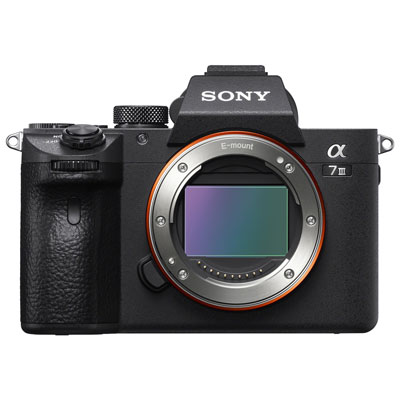 Your price for this item is $1899.99
-
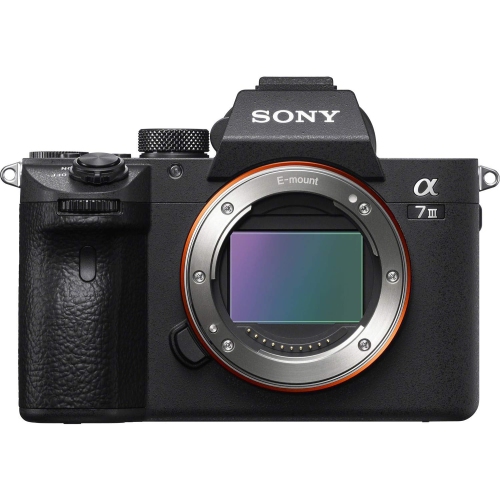 Your price for this item is $1899
-
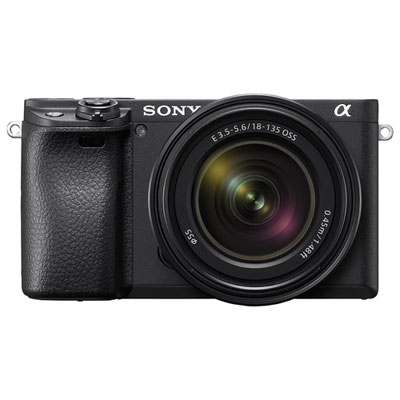 Your price for this item is $1749.99
-
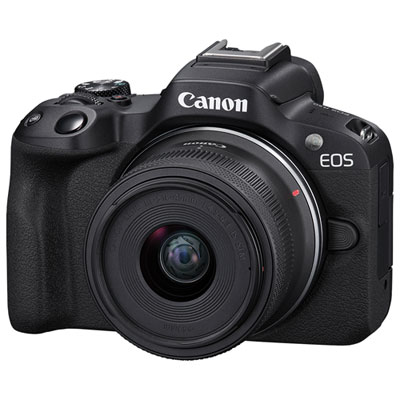 Your price for this item is $1099.99
-
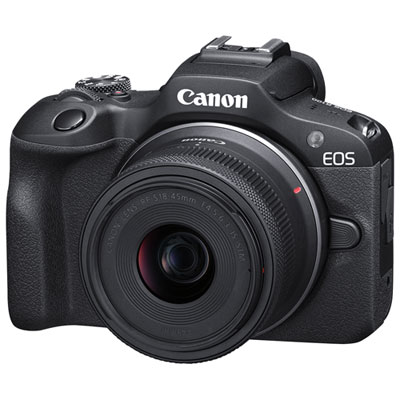 Your price for this item is $629.99
-
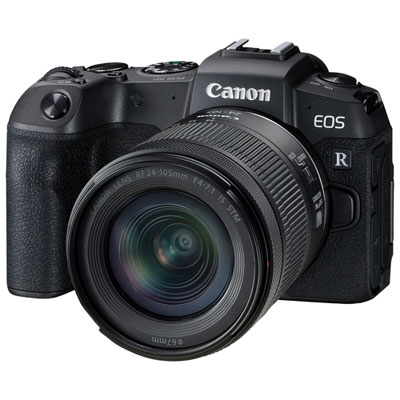 Your price for this item is $1499.99
-
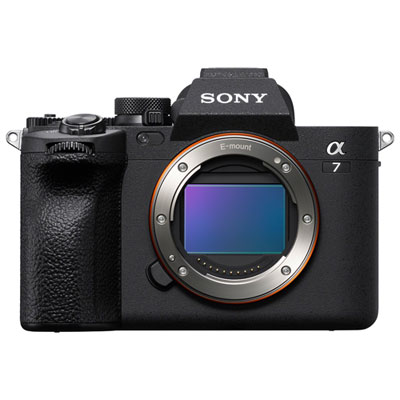 Your price for this item is $2699.99
-
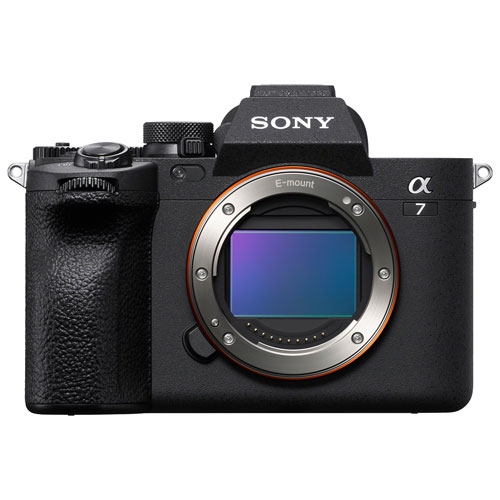 Your price for this item is $2419.99
Discover more categories related to Mirrorless Cameras for Sports Photography
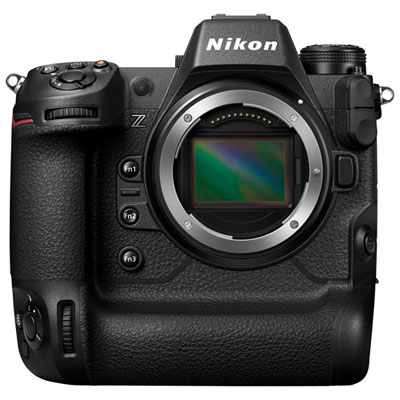
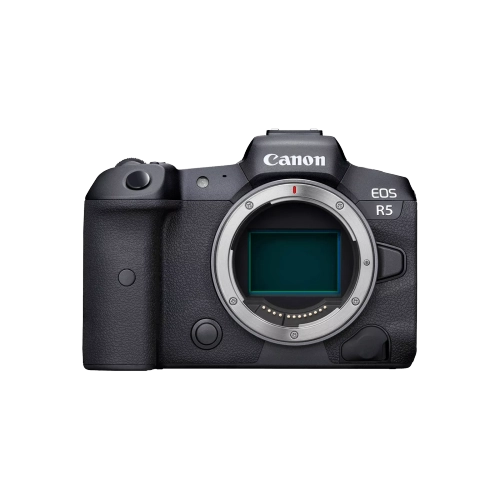
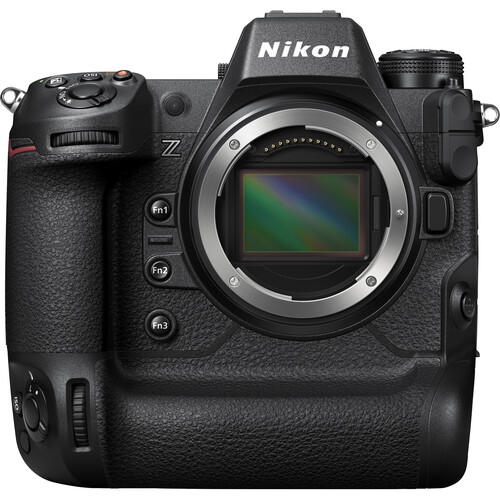
Top Collections:
Pokemon Centers, Best Cameras for Sports Photography, Kindle Devices, Samsung Galaxy Phones, Canon G7X Cameras, Pokémon 30th Celebration Cards, Refurbished Apple Laptops, iPhone 15 Apple, Laptops for Students, Budget Smartphones
Some products may be subject to Environmental Handling Fees
(EHF) depending on your province.
Learn more about EHFs.