Sports Lenses for Nikon
Looking to enhance your sports photography game with your Nikon camera? Look no further! Our collection of sports lenses for Nikon is designed to help you capture every thrilling moment with stunning clarity and precision. Whether you're shooting fast-paced action on the field, capturing adrenaline-pumping moments at the racetrack, or freezing the perfect jump on the slopes, these lenses are specifically crafted to meet the demands of sports photography. With a wide range of focal lengths, fast autofocus capabilities, and exceptional image quality, our sports lenses for Nikon are your ticket to taking your shots to the next level.
Sort
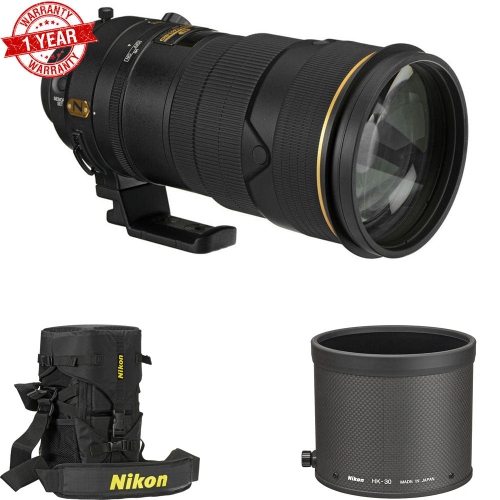
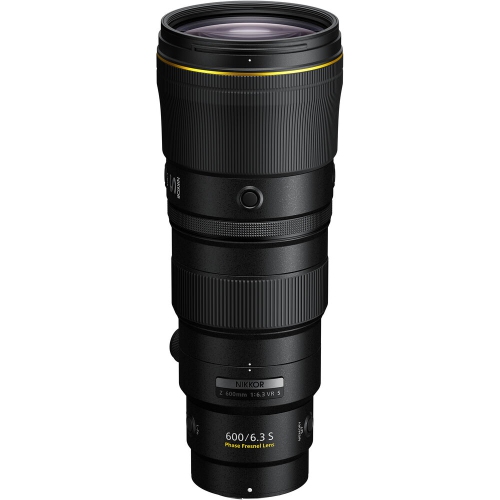
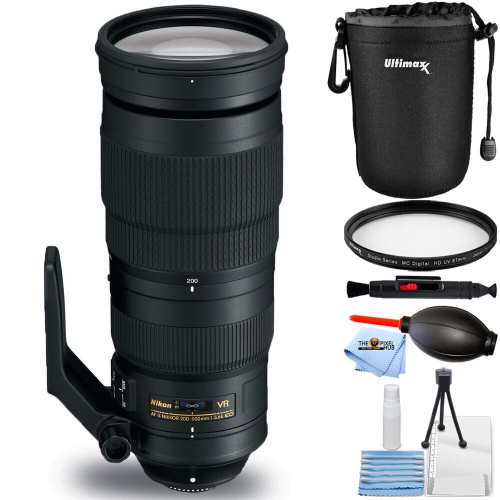
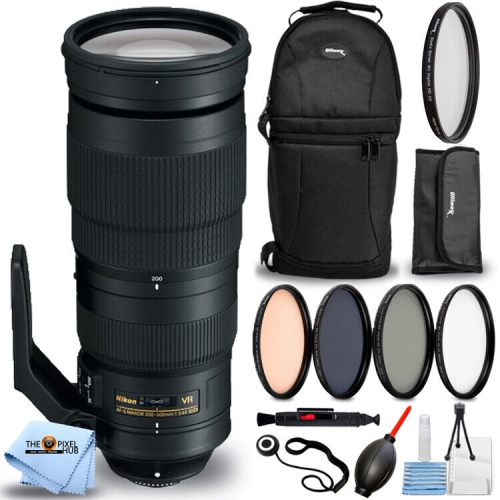
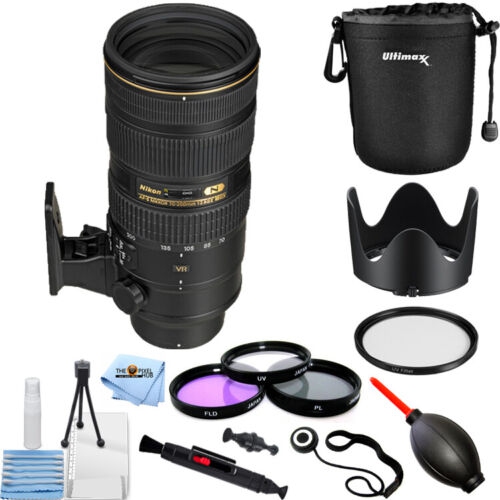
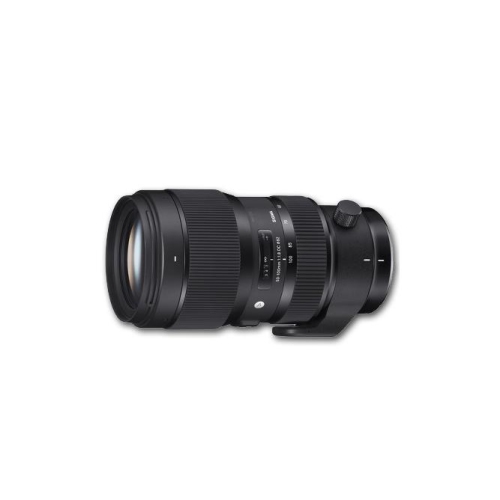
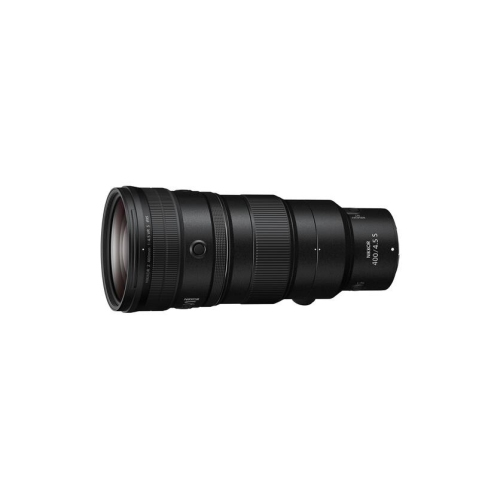
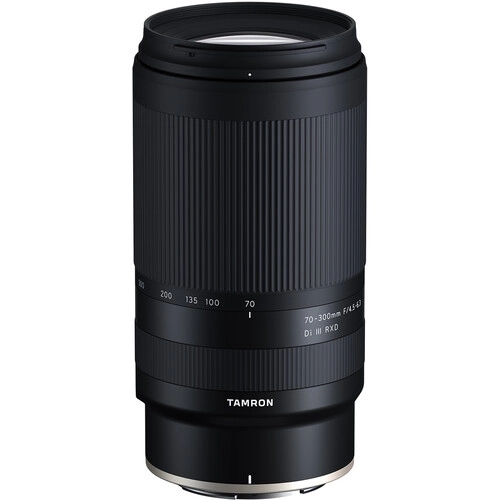
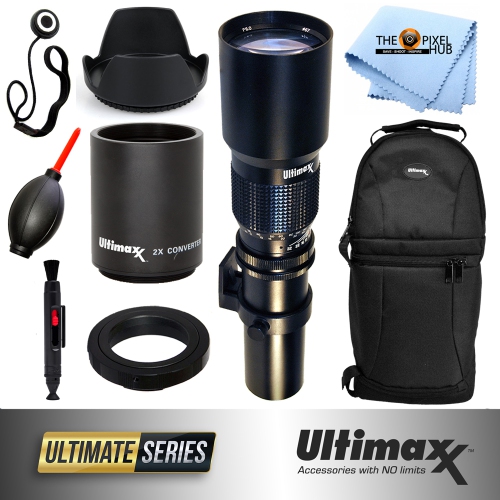
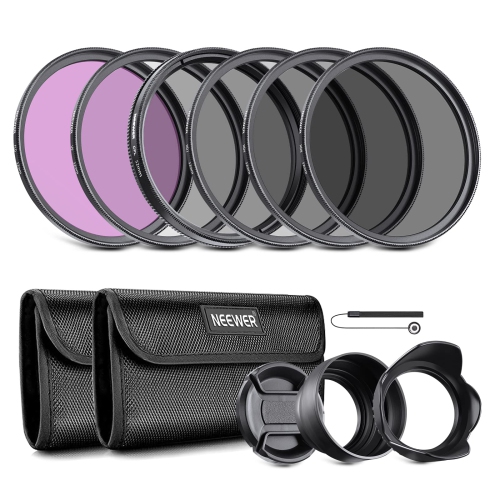
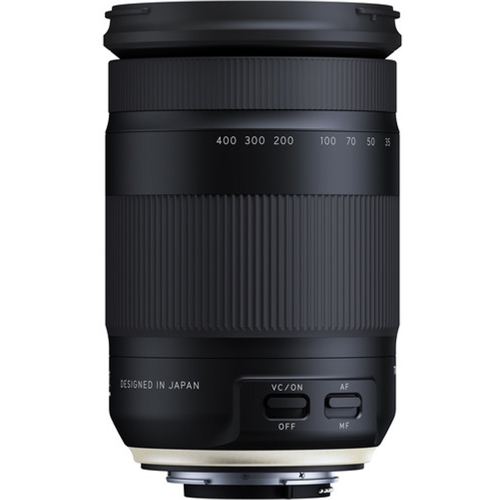
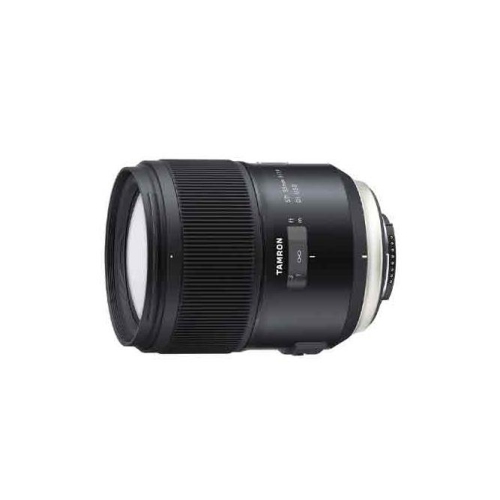

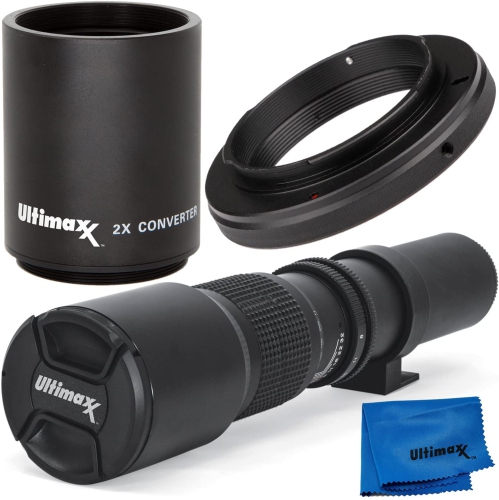
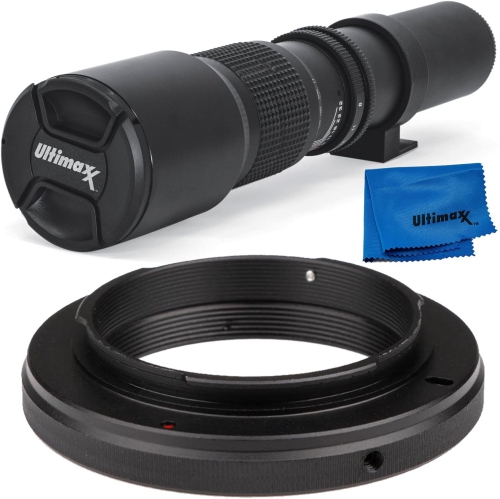
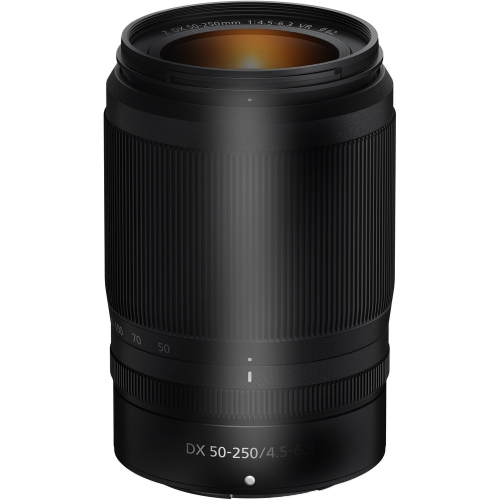
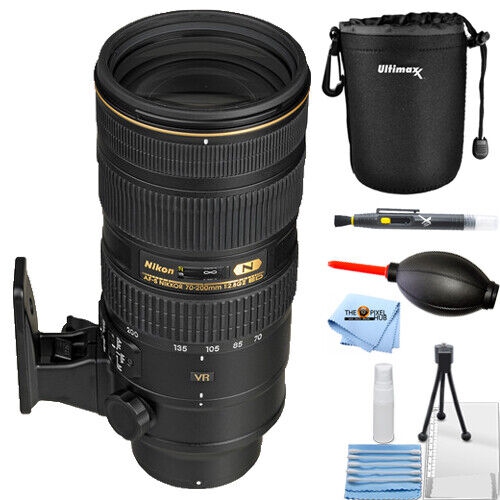
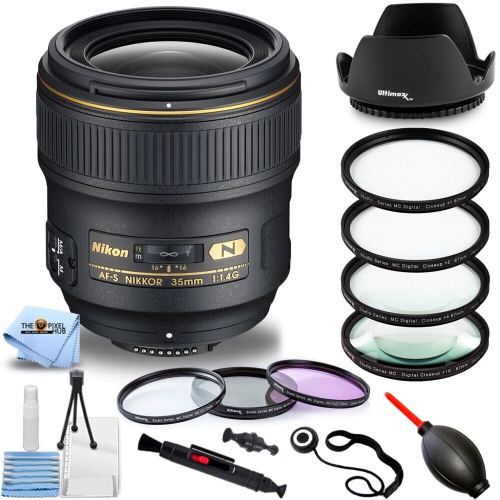
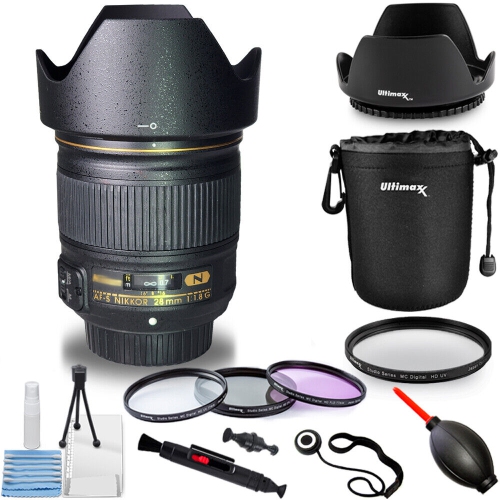
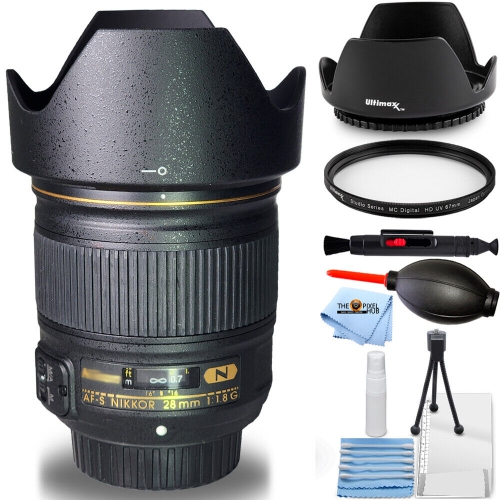
Reach, speed, and precision for sharper action photography
Sports lenses for Nikon cameras are designed to bring fast-moving subjects closer while helping you capture the split-second details that make an image feel alive. From a soccer player changing direction on a wet field to a runner crossing the finish line or a skater moving through an indoor rink, the right telephoto lens gives you the reach and responsiveness needed to follow the action from a comfortable distance. A versatile 70-200mm zoom is a popular starting point for court sports, field sports, school events, and portraits from the sidelines, while longer zoom ranges such as 100-400mm, 180-600mm, or 200-500mm can be especially useful when the subject is farther away. Shorter focal lengths provide a wider view for nearby action and allow more of the surroundings into the frame; longer focal lengths create a tighter composition and help isolate an athlete against a busy background. Choosing between these ranges depends on where you photograph, how close you can get to the playing area, and whether you prefer the flexibility of a zoom or the consistent perspective of a prime lens. For additional options across different camera systems and shooting styles, explore Lenses for Sports Photography.
Speed is one of the most important considerations when photographing sports. A lens with a wide maximum aperture, such as f/2.8, can let in more light for faster shutter speeds, which helps freeze a hockey stick at the moment of contact, preserve the shape of a leaping athlete, or capture a cyclist’s expression as they pass. Wide apertures can also create a softer background, drawing attention to the subject while reducing distractions from spectators, fences, and signage. Indoor venues, evening games, and cooler, overcast conditions often make that extra light particularly valuable. Image stabilization, also known as vibration reduction on compatible equipment, can help reduce the effect of camera shake when shooting at longer focal lengths, especially during breaks in the action or when making handheld images from the stands. Stabilization does not replace a fast shutter speed for freezing movement, but it can make framing easier and support sharper results when the subject pauses. Autofocus performance matters just as much: look for a lens that can acquire focus quickly, track moving subjects smoothly, and maintain performance as an athlete moves toward or away from the camera. A quiet, responsive focusing system is useful at close events where you want to work discreetly, while weather-resistant construction can add confidence during outdoor games held in light rain, blowing dust, or changing conditions.
Compatibility is essential before choosing a sports lens for a Nikon camera. Nikon DSLR bodies generally use the F-mount, while Nikon mirrorless bodies use the Z-mount, and a lens made for one system may not attach directly to the other without the appropriate adapter. Even when an adapter provides a physical connection, autofocus, stabilization, aperture control, and other features can vary, so check the lens and camera specifications carefully. The camera’s sensor size can also affect the effective field of view, making a telephoto lens appear to provide more reach on some bodies. Consider the weight and balance of the complete camera-and-lens setup as well. A large super-telephoto lens can be ideal for distant outdoor sports, but a lighter telephoto zoom may be easier to carry around a full day of tournaments, track meets, or family activities. A tripod collar, monopod, or sturdy support can help with heavier combinations, while a comfortable camera strap and a padded bag make it easier to move between locations. Sports lenses can be thoughtful gifts for a parent photographing a child’s first season, a student building a photography portfolio, or an enthusiast who enjoys capturing local teams and outdoor adventures. Before purchasing, think about the sports being photographed, typical lighting, distance from the action, camera mount, desired focal length, maximum aperture, autofocus features, stabilization, and overall portability. Matching those details to real shooting habits makes it easier to choose a Nikon-compatible lens that feels natural in hand and performs reliably through warm afternoons, changing weather, and the cooler months.
Speed is one of the most important considerations when photographing sports. A lens with a wide maximum aperture, such as f/2.8, can let in more light for faster shutter speeds, which helps freeze a hockey stick at the moment of contact, preserve the shape of a leaping athlete, or capture a cyclist’s expression as they pass. Wide apertures can also create a softer background, drawing attention to the subject while reducing distractions from spectators, fences, and signage. Indoor venues, evening games, and cooler, overcast conditions often make that extra light particularly valuable. Image stabilization, also known as vibration reduction on compatible equipment, can help reduce the effect of camera shake when shooting at longer focal lengths, especially during breaks in the action or when making handheld images from the stands. Stabilization does not replace a fast shutter speed for freezing movement, but it can make framing easier and support sharper results when the subject pauses. Autofocus performance matters just as much: look for a lens that can acquire focus quickly, track moving subjects smoothly, and maintain performance as an athlete moves toward or away from the camera. A quiet, responsive focusing system is useful at close events where you want to work discreetly, while weather-resistant construction can add confidence during outdoor games held in light rain, blowing dust, or changing conditions.
Compatibility is essential before choosing a sports lens for a Nikon camera. Nikon DSLR bodies generally use the F-mount, while Nikon mirrorless bodies use the Z-mount, and a lens made for one system may not attach directly to the other without the appropriate adapter. Even when an adapter provides a physical connection, autofocus, stabilization, aperture control, and other features can vary, so check the lens and camera specifications carefully. The camera’s sensor size can also affect the effective field of view, making a telephoto lens appear to provide more reach on some bodies. Consider the weight and balance of the complete camera-and-lens setup as well. A large super-telephoto lens can be ideal for distant outdoor sports, but a lighter telephoto zoom may be easier to carry around a full day of tournaments, track meets, or family activities. A tripod collar, monopod, or sturdy support can help with heavier combinations, while a comfortable camera strap and a padded bag make it easier to move between locations. Sports lenses can be thoughtful gifts for a parent photographing a child’s first season, a student building a photography portfolio, or an enthusiast who enjoys capturing local teams and outdoor adventures. Before purchasing, think about the sports being photographed, typical lighting, distance from the action, camera mount, desired focal length, maximum aperture, autofocus features, stabilization, and overall portability. Matching those details to real shooting habits makes it easier to choose a Nikon-compatible lens that feels natural in hand and performs reliably through warm afternoons, changing weather, and the cooler months.
Top selling and popular products
-
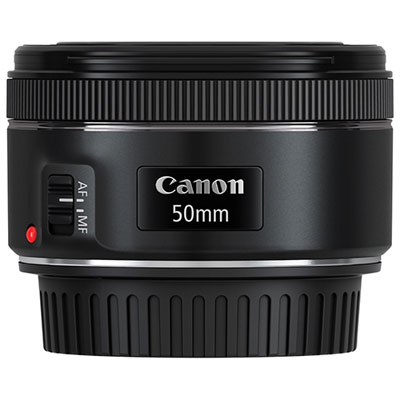 Your price for this item is $169.99
 -
 Your price for this item is $329.99
 -
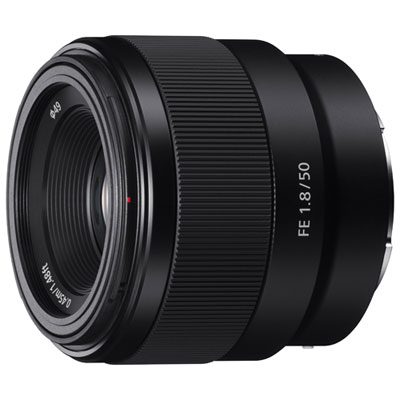 Your price for this item is $349.99
 -
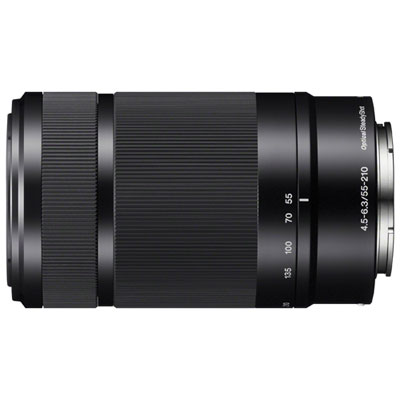 Your price for this item is $399.99
 -
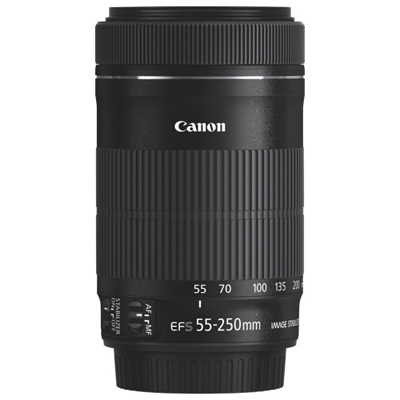 Your price for this item is $399.99
 -
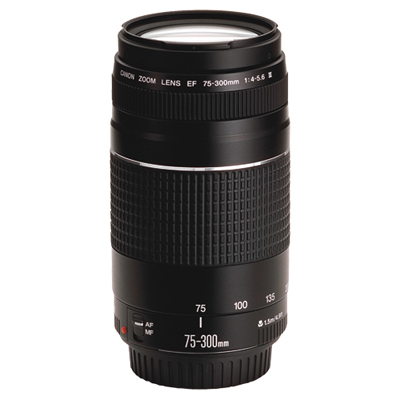 Your price for this item is $199.99
 -
 Your price for this item is $174.99
 -
 Your price for this item is $749.99
Discover more categories related to Sports Lenses for Nikon
Top Collections:
Pokemon Centers, Kindle Devices, Best Budget Office Chairs, Apple iPhones 16, Best Laptops for Writers, iPhone 15 Apple, Canon G7X Cameras, Refurbished Apple Laptops, Alarm Clock, Motorola Razr Phones
Some products may be subject to Environmental Handling Fees
(EHF) depending on your province.
Learn more about EHFs.