Panasonic G7
Discover the versatility and performance of the Panasonic G7, a popular choice for photography enthusiasts and content creators. Explore a curated selection of models and accessories designed to help you capture stunning images and video. Whether you're upgrading your current setup or stepping into the world of interchangeable lens cameras, the Panasonic G7 offers options to suit your needs. Find the perfect fit for your creative projects and enjoy reliable quality every time you shoot.
Sort
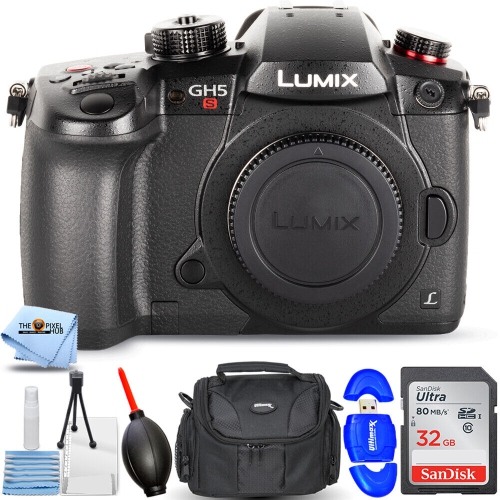

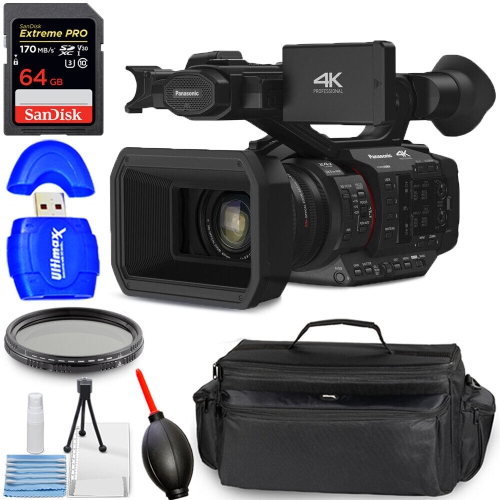


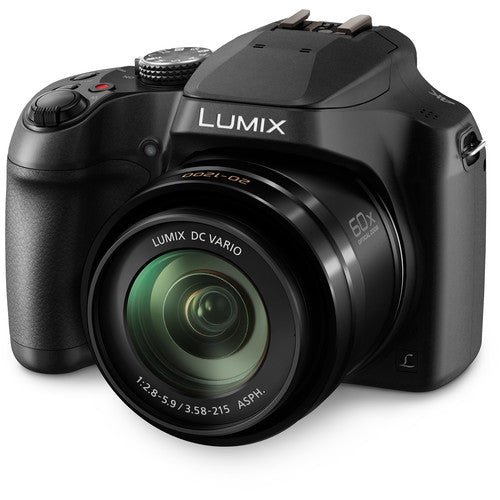
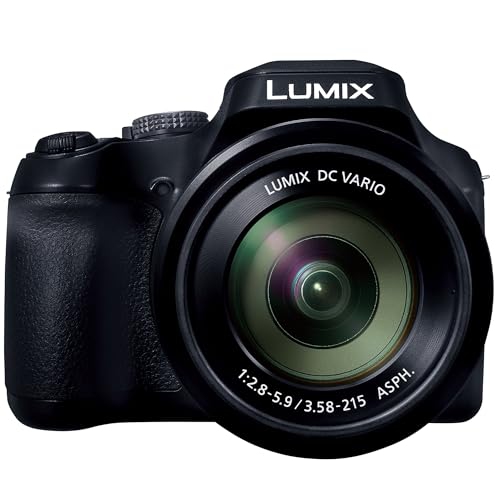
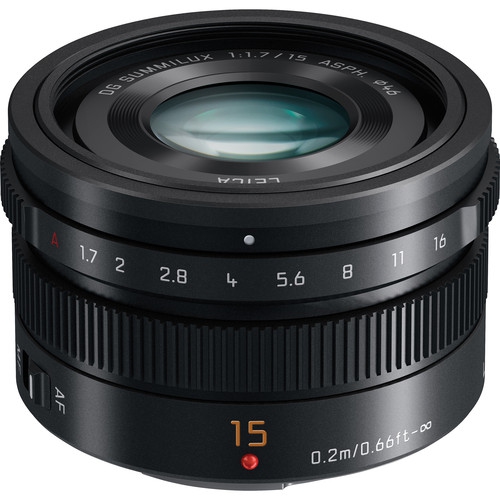
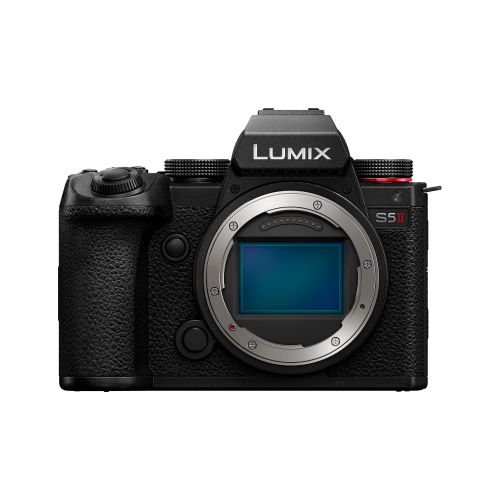
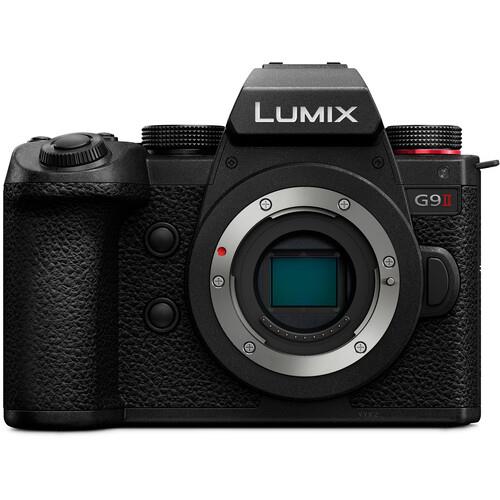
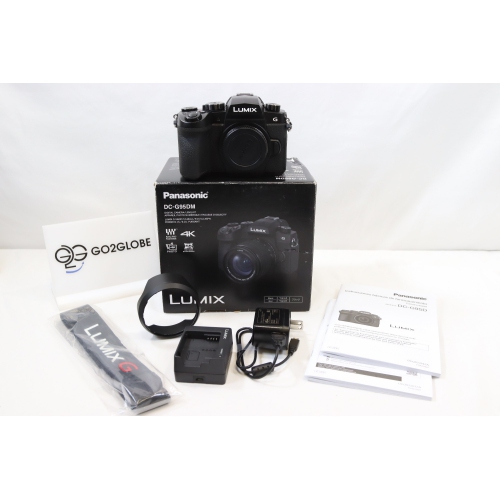


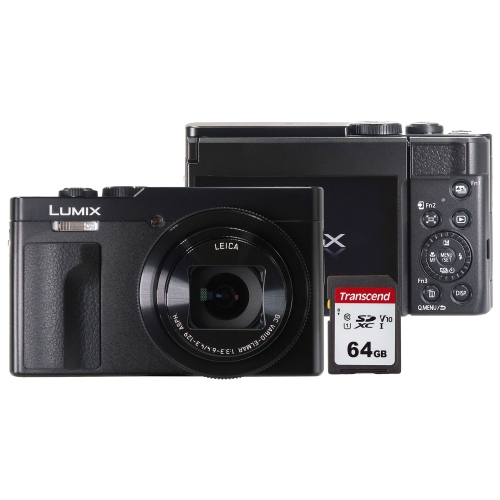

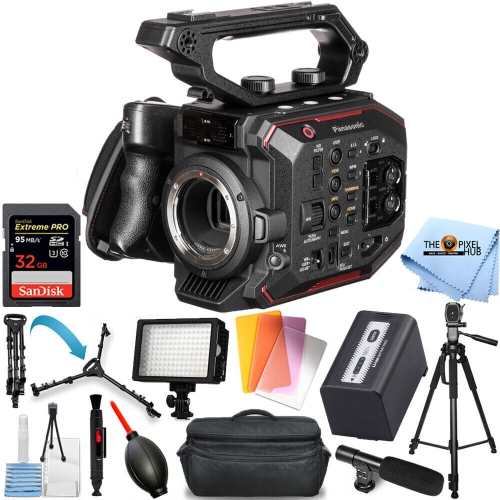
Detailed photos and 4K video in a compact body
Compact Micro Four Thirds mirrorless cameras bring interchangeable lenses, detailed still photography, and high-resolution video into a size that is manageable for everyday outings, travel, and home recording. Unlike a digital SLR, a mirrorless camera does not use a moving mirror to direct light into an optical viewfinder. Instead, an electronic viewfinder or rear screen displays the scene through the lens, making it easier to see how exposure adjustments affect the image before taking a photograph. A 16-megapixel Micro Four Thirds sensor can provide ample detail for family albums, online portfolios, and many printed photographs, while keeping image files relatively manageable. Megapixels are only part of image quality: lens sharpness, accurate focus, lighting, and exposure all contribute to the result. The format has a 2x crop factor relative to full-frame cameras, so a 25mm lens gives a similar angle of view to a 50mm lens on full frame. This affects framing rather than physically changing the lens’s focal length. A compact standard zoom suits scenes that change quickly, such as a child moving from a kitchen table to a doorway, while a bright prime lens can help separate a portrait subject from a softly blurred background. Wider lenses are useful for interiors and group photographs; longer lenses bring distant details closer without requiring the photographer to move. Lens compatibility matters beyond the mount itself, since autofocus behaviour, optical stabilization, and electronic controls can depend on the particular body-and-lens pairing. Physical exposure dials and customizable buttons make frequently used settings easier to reach, especially when moving between still photography and video. A vari-angle touch screen is useful for framing from floor level, above a crowd, or in front of the camera, while an electronic viewfinder offers a more supported shooting position with the camera held close to the face. Together, these features suit beginners learning exposure as well as experienced photographers looking for a smaller everyday setup.
Video capability is another important part of this camera category, particularly for people recording interviews, demonstrations, family milestones, or creative projects. Standard 4K UHD footage measures 3840 by 2160 pixels, providing more detail than Full HD and room to crop when producing a 1080p video. Recording at 24 frames per second can suit narrative work, while 30 frames per second is commonly used for everyday video and online content. Full HD recording at 60 frames per second captures motion more smoothly and can support slow-motion playback when edited into a lower-frame-rate project. Resolution alone does not determine the finished result: frame rate, compression, lens choice, lighting, and camera movement all influence how footage looks. A recording rate of 100 Mbps produces sizeable files, making a memory card with adequate sustained write performance important; the camera’s stated card requirements remain the best reference for compatibility. Some 4K recording features also allow individual frames to be saved as approximately 8-megapixel still images, which can be helpful when an expression or movement is difficult to anticipate, although these frames do not replace full-resolution photographs in every situation. Focus performance deserves attention when the subject moves towards the camera or passes behind another object. Contrast-detection autofocus can work well for stationary subjects, but continuous video focus may show visible adjustments, depending on the lens, settings, and scene. For a seated interview or tabletop demonstration, a fixed focus position can keep the image consistent. Stabilization is equally relevant: a body without in-body image stabilization relies on a stabilized lens, external support, or careful handling to reduce camera shake. A tripod is particularly useful for a recipe demonstration, product close-up, or spoken presentation. Sound also shapes the viewing experience. A 3.5mm microphone input allows a compatible external microphone to capture speech closer to the speaker, reducing the hollow sound often heard in larger rooms. Where a camera has no headphone output, direct headphone monitoring is unavailable, so a short test recording and visible audio-level meters become useful checks before a longer take.
Handling, construction, and care influence how comfortably a camera fits into daily use. A lightweight body with moulded plastic exterior panels can be easier to carry for extended periods, though it still benefits from protection against knocks and pressure inside a bag. Grip shape matters as much as weight: a secure handhold and comfortably placed shutter button make a difference when photographing an event for an afternoon or recording several short clips in succession. A larger lens changes the balance of the setup, so the body, lens, and carrying method are best thought of together. A padded shoulder bag or backpack compartment keeps equipment separated from loose keys and other hard objects, while a neck or wrist strap offers added security during use. Lens caps protect exposed glass between shots, and a clean blower and suitable lens cloth help remove dust and fingerprints without abrasive wiping. Because an interchangeable-lens camera exposes its sensor area when the lens is removed, brief, careful lens changes in a clean location help limit dust entering the body. Sensor cleaning requires tools and techniques intended for that purpose rather than household cleaning supplies. Rechargeable batteries, a compatible charger, and appropriately rated memory cards support longer sessions, while backing up photographs and video helps protect the work after recording. Wi-Fi features, where supported, can simplify transferring selected images or operating the camera remotely through a compatible app; available functions depend on the camera and connected device. HDMI output can connect a camera to compatible viewing or recording equipment, although live-output features vary by model. For students, hobby photographers, and people developing a video practice, a compact mirrorless setup offers room to experiment with lenses and manual controls without requiring a large kit. It can also make a thoughtful gift for someone interested in documenting family stories, creating short films, or moving beyond phone photography, particularly when the lens suits what they enjoy shooting. The Panasonic Lumix GH5 collection offers a related destination for exploring Micro Four Thirds photography and video equipment. Across this category, a well-matched combination of camera, lens, support, and audio accessories is more useful than concentrating on a single specification.
Top selling and popular products
-
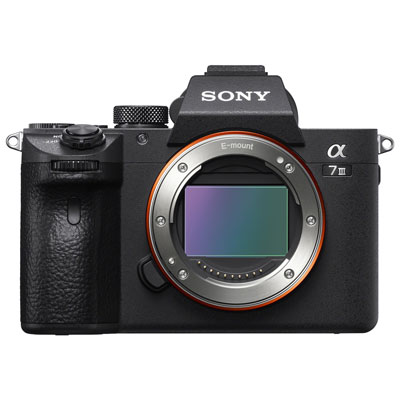 Your price for this item is $1899.99
-
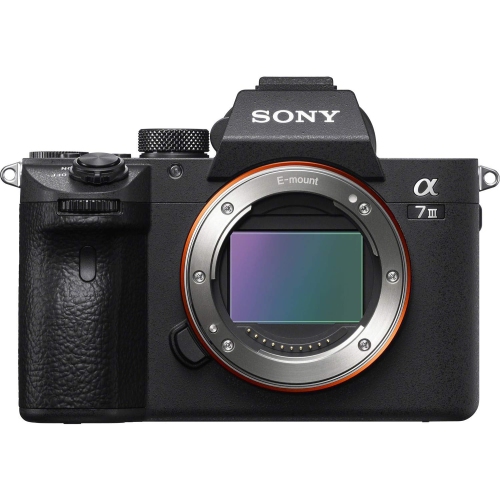 Your price for this item is $1899
-
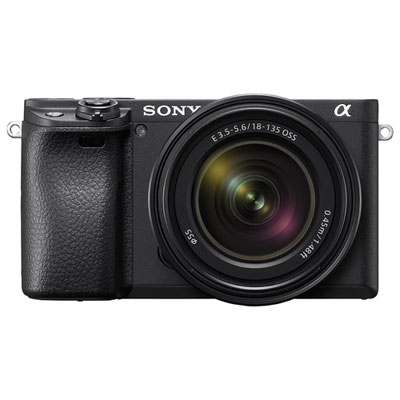 Your price for this item is $1749.99
-
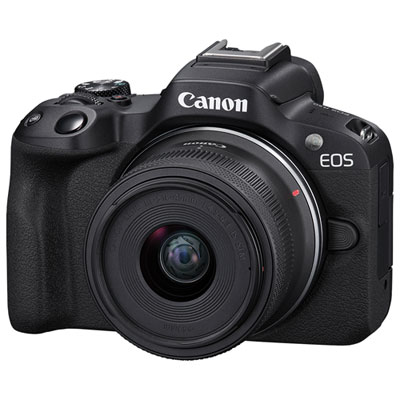 Your price for this item is $1099.99
-
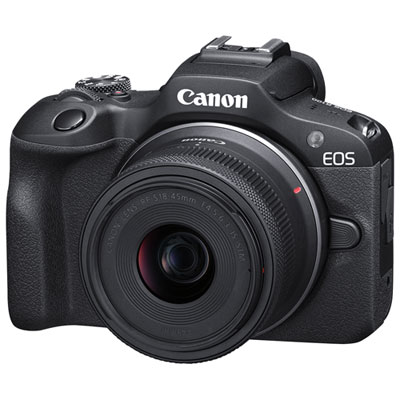 Your price for this item is $629.99
-
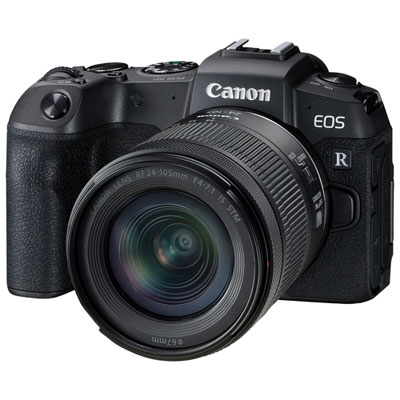 Your price for this item is $1499.99
-
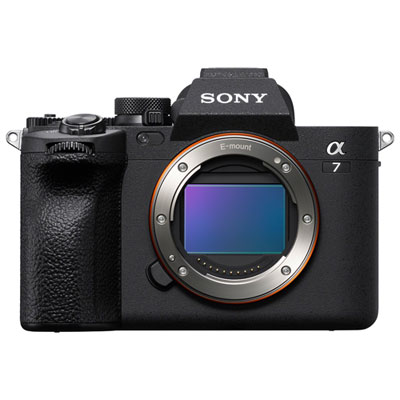 Your price for this item is $2699.99
-
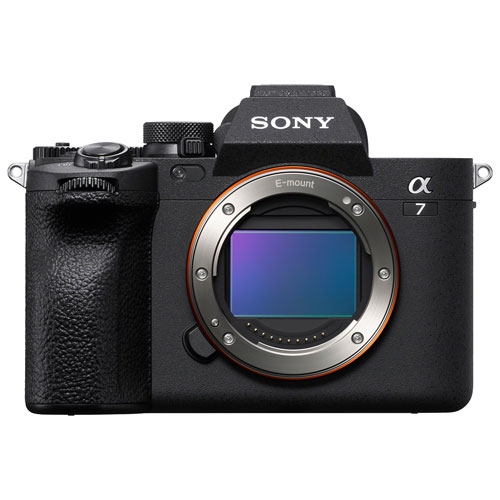 Your price for this item is $2419.99
Discover more categories related to Panasonic G7

Top Collections:
Pokemon Centers, Best Cameras for Sports Photography, Kindle Devices, Samsung Galaxy Phones, Canon G7X Cameras, Pokémon 30th Celebration Cards, Refurbished Apple Laptops, iPhone 15 Apple, Laptops for Students, Budget Smartphones
Some products may be subject to Environmental Handling Fees
(EHF) depending on your province.
Learn more about EHFs.