Professional Video Cameras
Capture every moment with precision and clarity using a professional video camera. Ideal for filmmakers, content creators, and videographers, these high-quality cameras are designed to deliver exceptional performance in any setting. Whether you're shooting a documentary, recording live events, or creating cinematic masterpieces, a professional video camera offers the advanced technology and versatility needed to bring your vision to life. Explore our selection and find the perfect tool to elevate your video production to new heights.
Sort
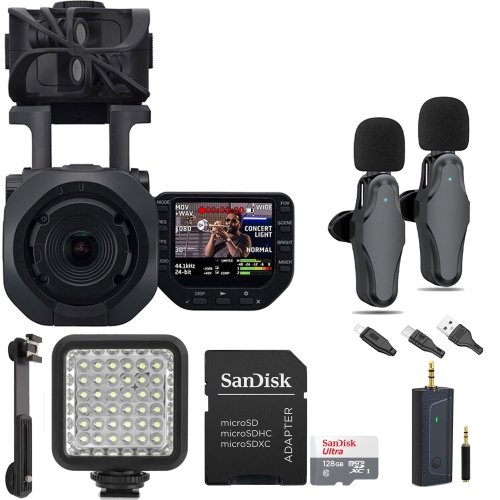
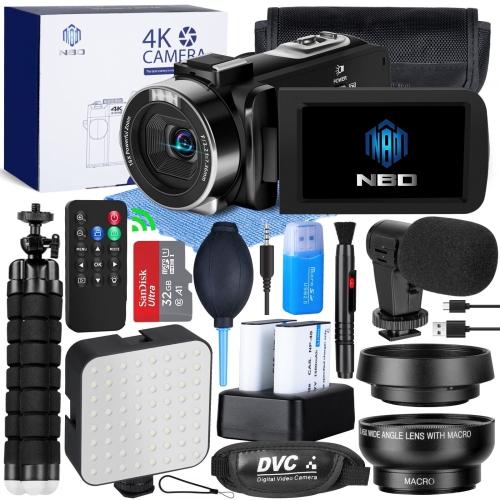
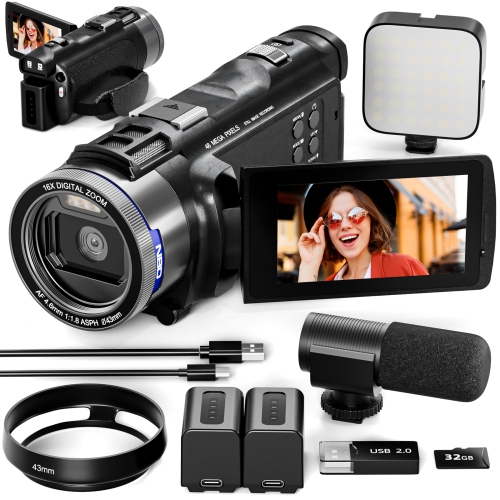
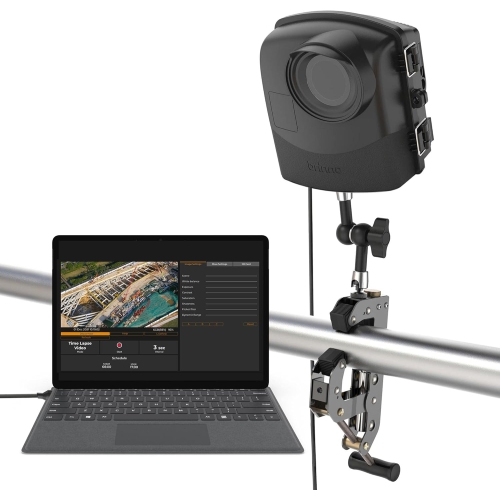
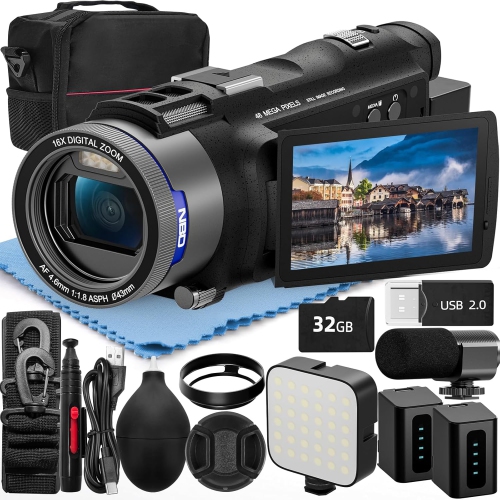
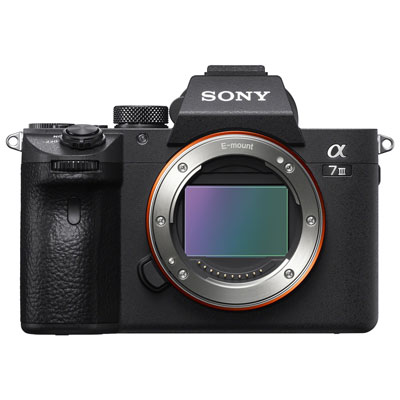
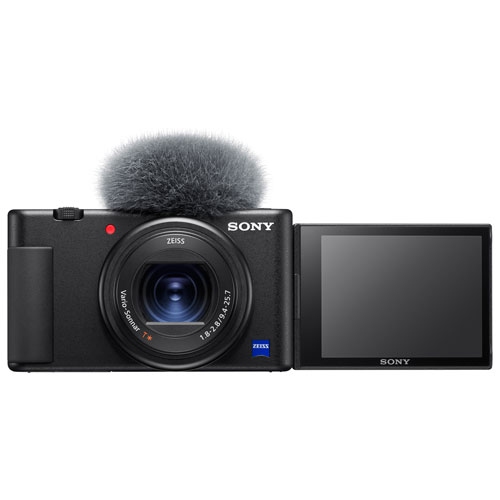
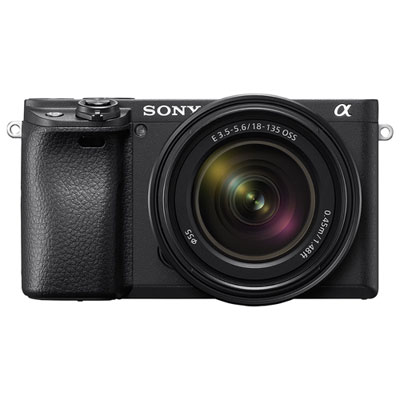
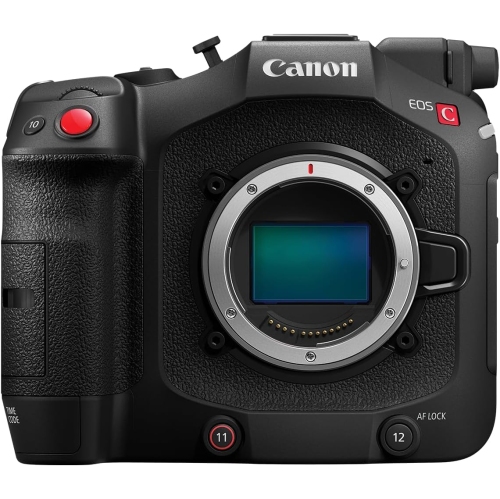
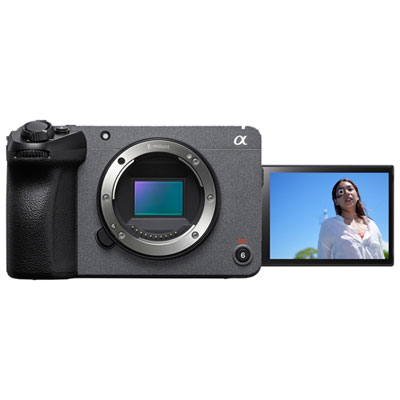
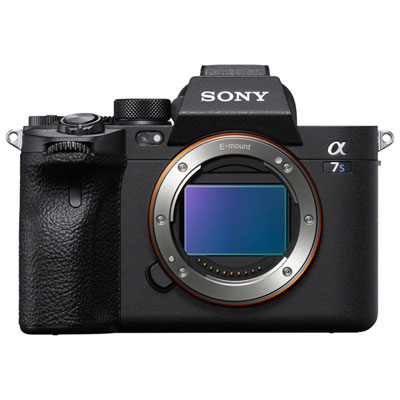
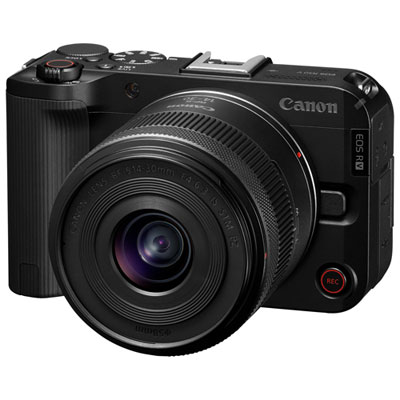
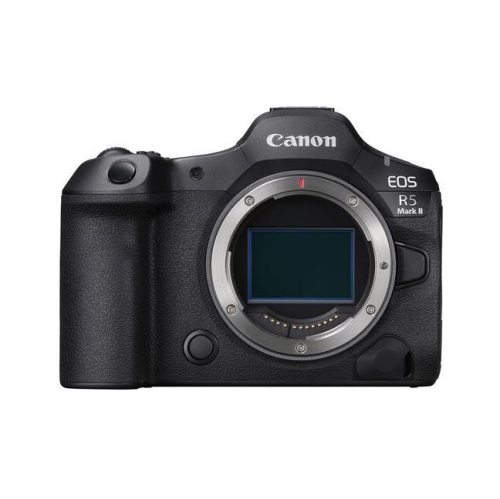
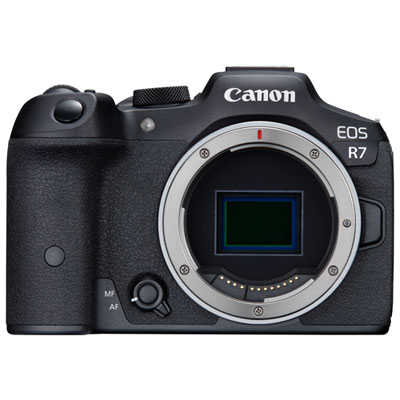
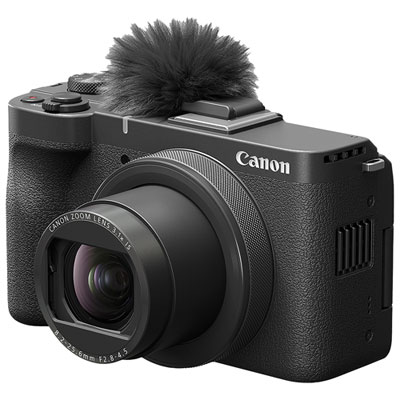
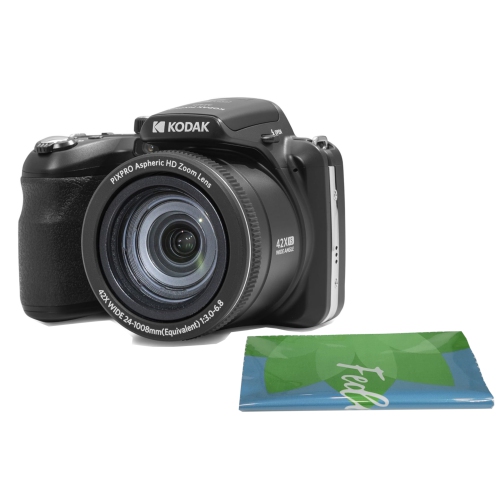
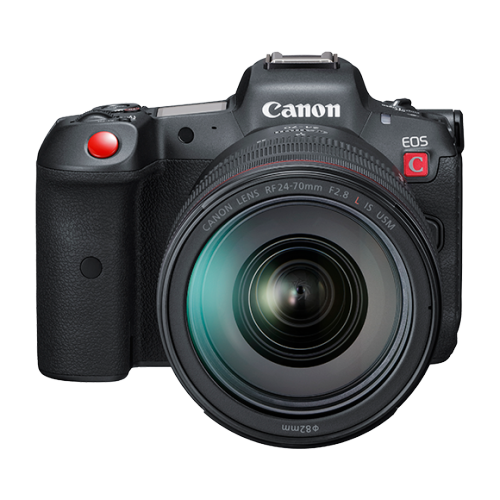
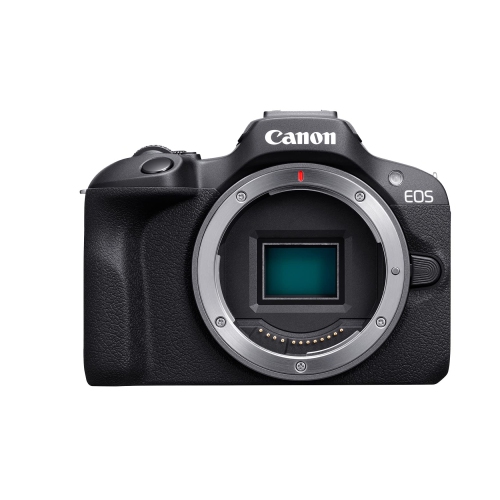
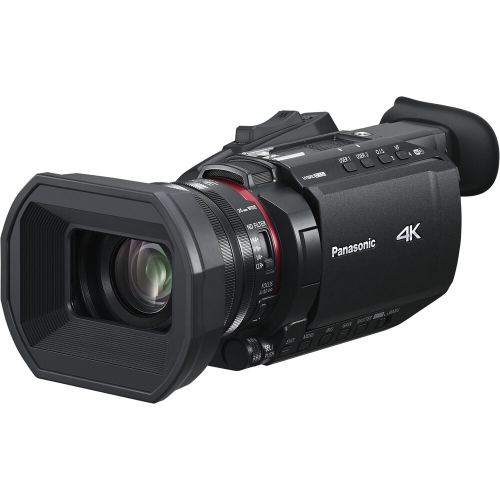
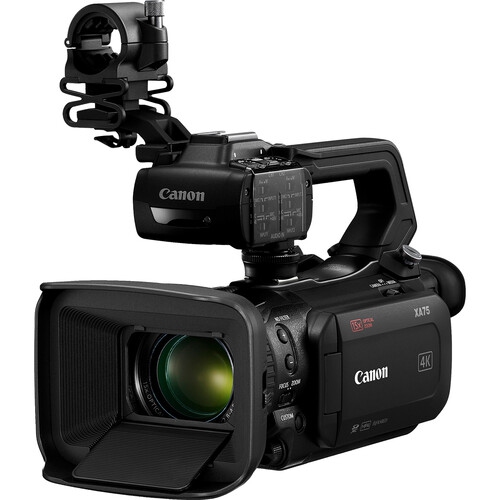
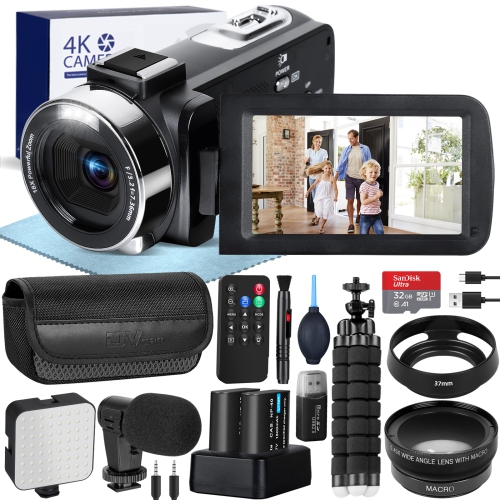
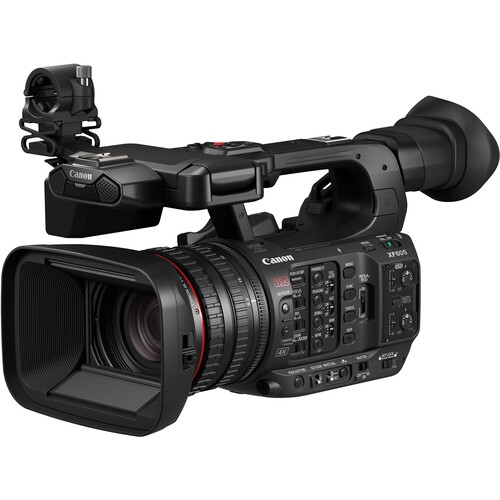
Image quality and control for demanding production workflows
Professional video cameras are built for creators and production teams who need dependable image quality, precise control, and recording features that can keep up with demanding work. Unlike consumer-oriented cameras, these systems are designed for broadcast, television, cinema, documentary, corporate, educational, and live-event production, where consistency matters from the first take to the final delivery. A professional camcorder typically combines a permanently attached zoom lens with a comfortable shoulder or handheld design, physical controls, built-in neutral density filters, long recording times, and professional audio inputs. This makes it a practical choice for news gathering, weddings, conferences, interviews, sports, and documentary work, particularly when there is no time to change lenses or adjust a complicated setup. Cinema cameras take a more modular approach, often using interchangeable lenses, larger sensors, wide dynamic range, and advanced codecs that provide flexibility during colour grading. They are well suited to narrative films, commercials, music videos, short films, and carefully lit interviews where a controlled background blur and a highly polished visual style are important. Studio and broadcast cameras are designed for multi-camera environments, with connections and controls that support production galleries, control rooms, live switching, and permanent installations. Exploring High End Video Cameras can help production teams compare systems suited to different stages, locations, and workflows. The right category depends on how footage will be captured: a fast-moving event often benefits from an integrated lens and straightforward operation, while a scripted production may gain more from a cinema body with interchangeable lenses and extensive recording options.
When choosing a professional video camera, begin with the type of production, the crew size, and the amount of control needed on set. An integrated zoom lens is useful for covering a ceremony from the back of a room, following a speaker across a stage, or moving quickly between a wide establishing shot and a close-up without interrupting the action. Look for a broad zoom range, responsive autofocus, optical image stabilization, built-in ND filters, and manual controls that are easy to reach while recording. For interviews and documentary work, physical XLR inputs with reliable gain control can be more convenient than relying on separate audio equipment, especially when connecting microphones, wireless receivers, or a small mixer. Cinema cameras are often chosen for their sensor size, lens compatibility, shallow depth of field, dynamic range, and support for RAW or high-quality log recording. These features give experienced editors and colourists more room to shape highlights, shadows, skin tones, and overall mood in post-production. They also require more planning: lenses, batteries, media, cages, monitors, and rigging can become part of the complete system. Resolution is important, but it should be considered alongside frame rates, bit depth, chroma sampling, codec options, and the storage capacity required for larger files. A camera that records smoothly in the format used by an editing team can be more valuable than one with a higher headline specification that creates a difficult workflow. For live production, check for the connections and synchronization features required by the existing setup, including SDI, HDMI, genlock, timecode, tally support, and network or fibre options where applicable. A camera intended for a studio may prioritize reliable output and integration, while a field camera may place greater emphasis on battery life, weather-resistant construction, low-light performance, and a viewfinder that remains clear in bright outdoor conditions.
Professional video cameras are used by a wide range of people, from independent filmmakers and production companies to broadcasters, event videographers, schools, houses of worship, government teams, and businesses creating training or promotional content. A wedding videographer may need to record continuously through speeches, entrances, and first dances while monitoring clean audio from several sources. A documentary shooter may value a compact body, quick autofocus, image stabilization, and a lens that can adapt as a scene changes from a quiet interview to an unexpected moment outdoors. A filmmaker working on a short narrative project may instead build a camera package around carefully selected lenses, external monitoring, follow focus equipment, and a recording format that leaves room for a distinctive grade. In a lecture hall, auditorium, or conference venue, a studio-style camera can form part of a multi-camera arrangement that sends consistent feeds to a switcher for a polished live programme. These cameras can also be meaningful gifts for film students, emerging creators, or experienced videographers reaching a new stage in their work, although the best choice depends on the recipient’s existing lenses, audio equipment, editing software, and preferred production style. Before buying, consider the full shooting kit rather than the camera body alone: spare batteries, high-speed memory cards, chargers, microphones, tripods, camera bags, monitors, lighting, and dependable backup storage may all contribute to a successful production. It is also worth checking recording limits, media compatibility, menu accessibility, ergonomics, warranty coverage, and the availability of service or support. The most suitable professional video camera is the one that fits naturally into the way footage is captured and delivered, whether that means moving quickly through an event, building a carefully lit cinematic scene, or producing a reliable live broadcast with several cameras working together.
When choosing a professional video camera, begin with the type of production, the crew size, and the amount of control needed on set. An integrated zoom lens is useful for covering a ceremony from the back of a room, following a speaker across a stage, or moving quickly between a wide establishing shot and a close-up without interrupting the action. Look for a broad zoom range, responsive autofocus, optical image stabilization, built-in ND filters, and manual controls that are easy to reach while recording. For interviews and documentary work, physical XLR inputs with reliable gain control can be more convenient than relying on separate audio equipment, especially when connecting microphones, wireless receivers, or a small mixer. Cinema cameras are often chosen for their sensor size, lens compatibility, shallow depth of field, dynamic range, and support for RAW or high-quality log recording. These features give experienced editors and colourists more room to shape highlights, shadows, skin tones, and overall mood in post-production. They also require more planning: lenses, batteries, media, cages, monitors, and rigging can become part of the complete system. Resolution is important, but it should be considered alongside frame rates, bit depth, chroma sampling, codec options, and the storage capacity required for larger files. A camera that records smoothly in the format used by an editing team can be more valuable than one with a higher headline specification that creates a difficult workflow. For live production, check for the connections and synchronization features required by the existing setup, including SDI, HDMI, genlock, timecode, tally support, and network or fibre options where applicable. A camera intended for a studio may prioritize reliable output and integration, while a field camera may place greater emphasis on battery life, weather-resistant construction, low-light performance, and a viewfinder that remains clear in bright outdoor conditions.
Professional video cameras are used by a wide range of people, from independent filmmakers and production companies to broadcasters, event videographers, schools, houses of worship, government teams, and businesses creating training or promotional content. A wedding videographer may need to record continuously through speeches, entrances, and first dances while monitoring clean audio from several sources. A documentary shooter may value a compact body, quick autofocus, image stabilization, and a lens that can adapt as a scene changes from a quiet interview to an unexpected moment outdoors. A filmmaker working on a short narrative project may instead build a camera package around carefully selected lenses, external monitoring, follow focus equipment, and a recording format that leaves room for a distinctive grade. In a lecture hall, auditorium, or conference venue, a studio-style camera can form part of a multi-camera arrangement that sends consistent feeds to a switcher for a polished live programme. These cameras can also be meaningful gifts for film students, emerging creators, or experienced videographers reaching a new stage in their work, although the best choice depends on the recipient’s existing lenses, audio equipment, editing software, and preferred production style. Before buying, consider the full shooting kit rather than the camera body alone: spare batteries, high-speed memory cards, chargers, microphones, tripods, camera bags, monitors, lighting, and dependable backup storage may all contribute to a successful production. It is also worth checking recording limits, media compatibility, menu accessibility, ergonomics, warranty coverage, and the availability of service or support. The most suitable professional video camera is the one that fits naturally into the way footage is captured and delivered, whether that means moving quickly through an event, building a carefully lit cinematic scene, or producing a reliable live broadcast with several cameras working together.
Top selling and popular products
-
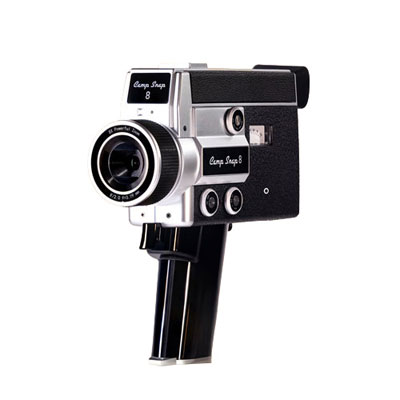 Your price for this item is $199.99
 -
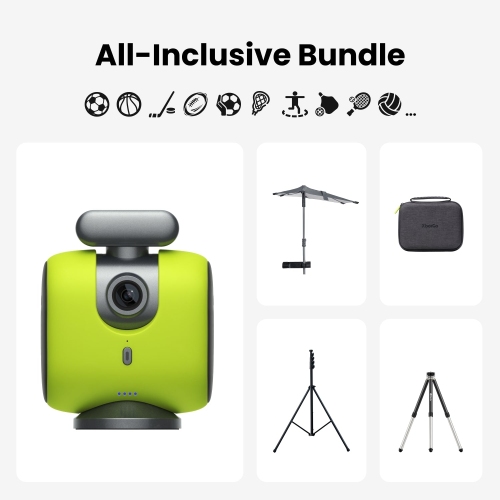 Your price for this item is $859.99
 -
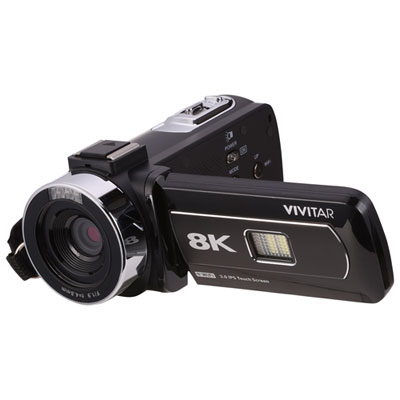 Your price for this item is $249.99
 -
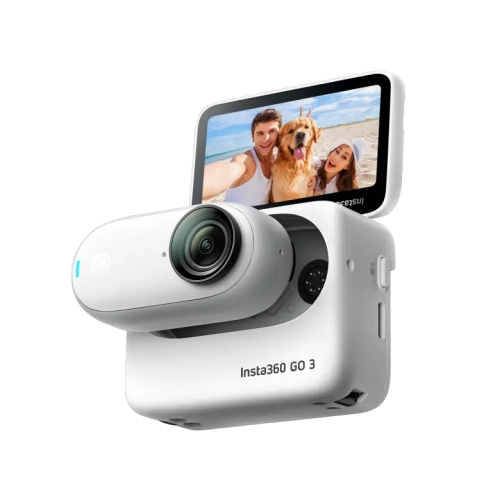 Your price for this item is $522.37
 -
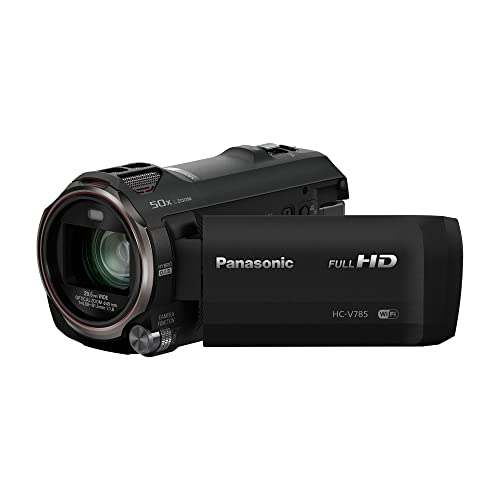 Your price for this item is $839.98
 -
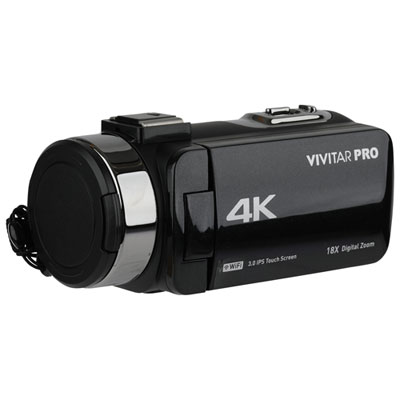 Your price for this item is $199.99
 -
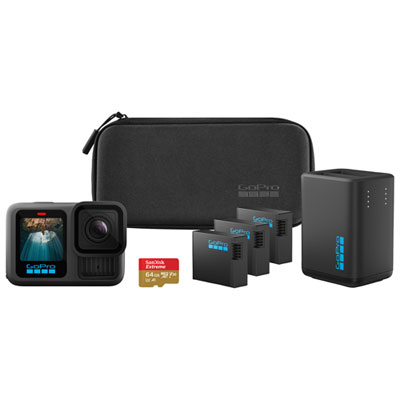 Your price for this item is $679.97
 -
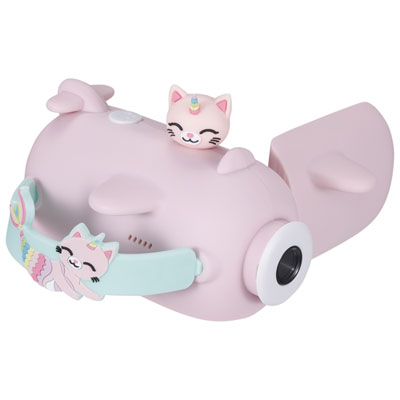 Your price for this item is $69.99
Discover more categories related to Professional Video Cameras
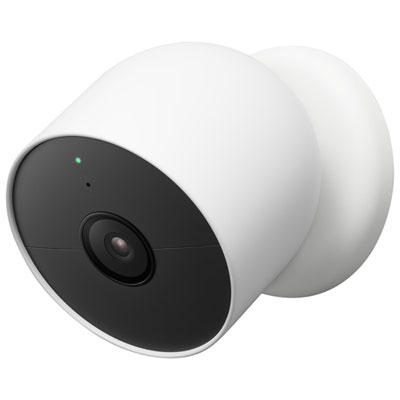
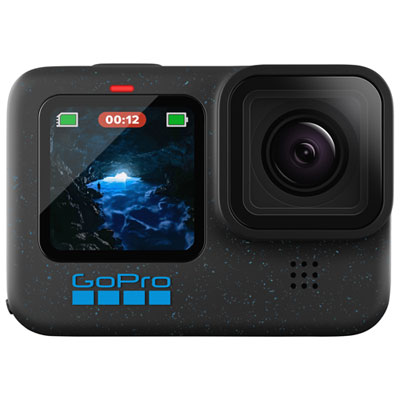
Top Collections:
Pokemon Centers, Best Cameras for Sports Photography, Kindle Devices, Samsung Galaxy Phones, Canon G7X Cameras, Pokémon 30th Celebration Cards, Refurbished Apple Laptops, iPhone 15 Apple, Laptops for Students, Budget Smartphones
Some products may be subject to Environmental Handling Fees
(EHF) depending on your province.
Learn more about EHFs.