Optics Camera Lenses
Discover the perfect Optics Camera Lens to elevate your photography and videography experience. Whether you're capturing breathtaking landscapes, detailed portraits, or fast-paced action shots, choosing the right lens is essential for achieving stunning results. Explore a wide selection of options designed to suit every skill level and creative vision. Find the ideal Optics Camera Lens to match your camera and bring your unique perspective to life.
Sort
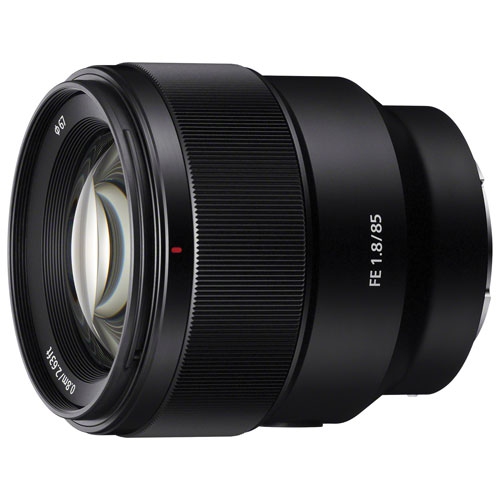
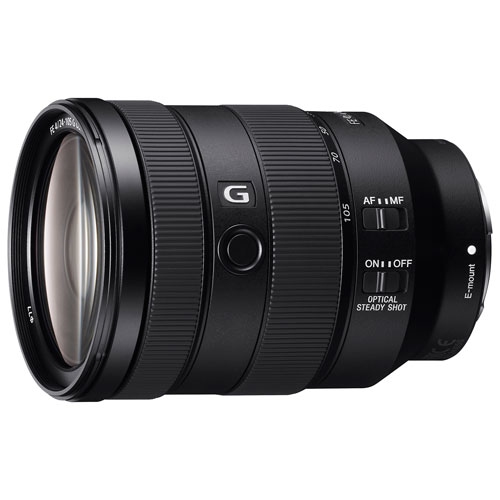
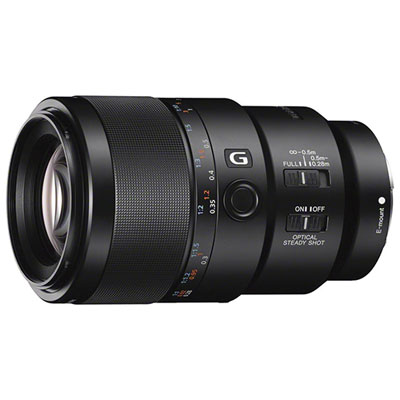
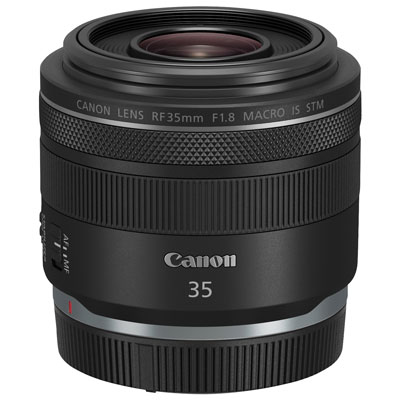
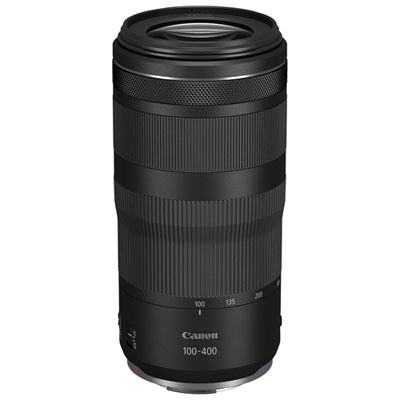
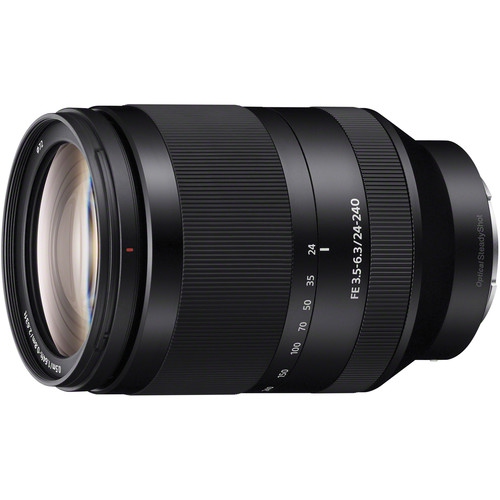
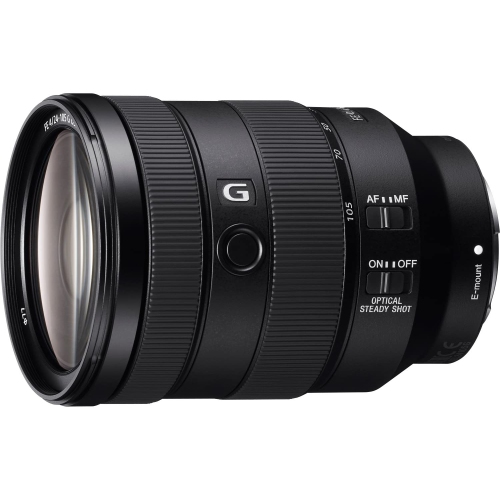
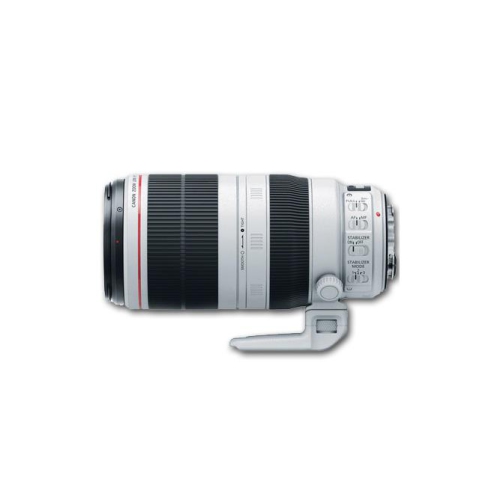
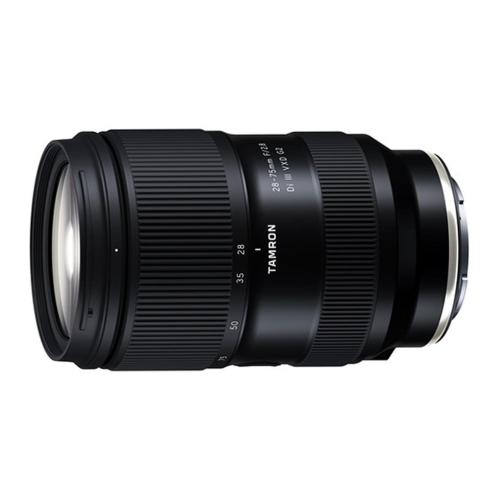
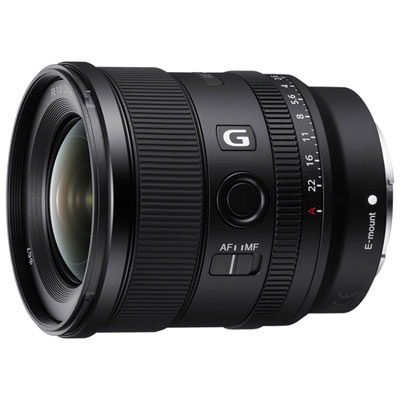
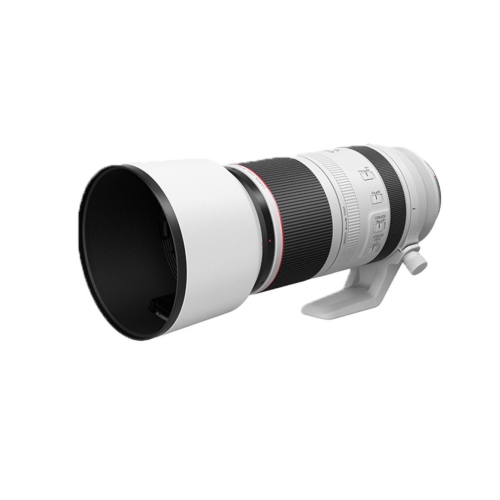
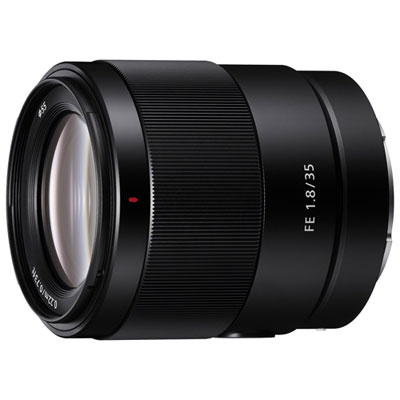
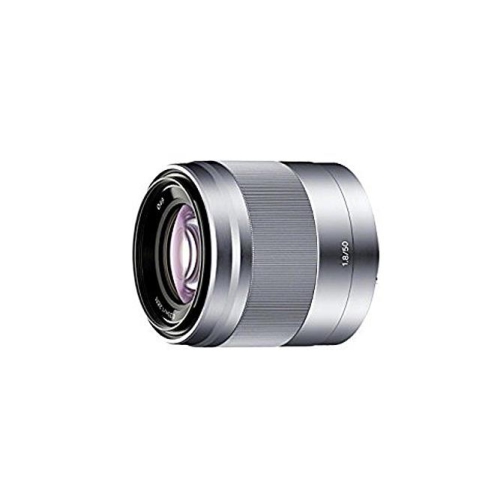
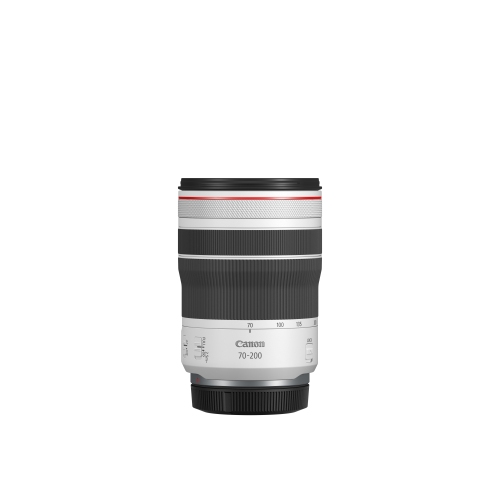

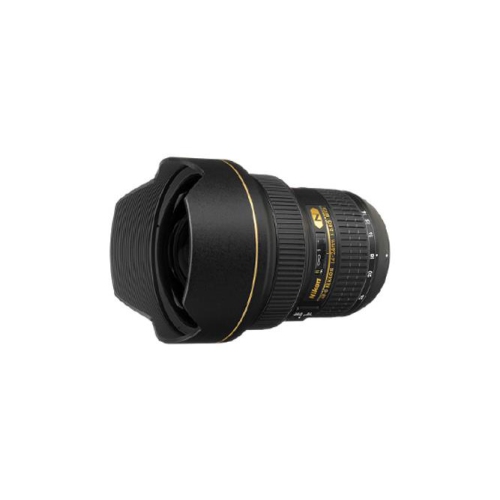
How focal length and aperture shape your photos
Optical camera lenses use transparent glass or optical plastic elements to bend and focus light onto a camera’s sensor or film through refraction. The arrangement of these elements helps determine how much of a scene appears in the frame, how fine details are reproduced, and how sharply a subject stands apart from its background. Different camera lenses bring different possibilities to familiar subjects: the sweep of a city skyline, the expression on a face across a table, or the delicate texture of a flower petal. Focal length, measured in millimetres, is central to that character. Wide-angle lenses take in a broad view, making them useful for architecture, interiors, and expansive landscapes. Standard lenses offer a field of view suited to everyday scenes and natural-looking compositions, while telephoto lenses frame distant subjects more tightly for sports, wildlife, and performances. The angle of view also depends on sensor size, so the same focal length can produce different framing on different camera formats. Prime lenses have a fixed focal length, often combining a relatively simple design with a wide maximum aperture. Zoom lenses cover a range of focal lengths, allowing framing changes without switching lenses, which can be helpful when photographing a family gathering or following movement from a fixed position. Aperture controls the size of the opening that admits light, influencing both exposure and depth of field. A wide aperture, represented by a lower f-number, can help separate a portrait subject from a softly blurred background and support faster shutter speeds in dim light. Smaller apertures generally bring more of a scene into acceptable focus, although very small openings can soften fine detail through diffraction. Background blur also depends on focal length, subject distance, and the distance behind the subject. These characteristics give camera lens optics their practical and creative importance: a lens shapes not just what fits within the picture, but how the finished image feels.
Compatibility is as important as optical performance because a camera lens must work with the body’s mount, sensor format, and electronic controls. Mount systems are not interchangeable by default, even when two lenses look similar, and an adapter does not necessarily preserve every function. Depending on the combination, autofocus, aperture adjustment, image stabilization, or electronic communication may be limited. Lenses designed to cover a larger sensor can often be used on a smaller sensor within a compatible system, while lenses intended for smaller formats may not cover a larger sensor without cropping or dark corners. Beyond fit, lens construction influences handling and image quality. Optical formulas can include aspherical elements to help control distortion and specialized glass to reduce colour fringing around high-contrast edges. Anti-reflective coatings help limit flare and ghosting, particularly when a bright light source sits inside or near the frame. Sharpness, contrast, distortion, and the rendering of out-of-focus areas all contribute to a lens’s visual character; no single specification describes the whole result. Barrel materials may include metal, engineered plastics, or a combination of both, balancing weight, rigidity, and everyday portability. A metal mount can provide a durable connection, while the feel and placement of focus and zoom rings affect comfort during longer sessions. A compact lens may be easier to carry through a museum or on a walking tour, whereas a larger telephoto lens can benefit from a supportive camera strap or tripod collar. Autofocus performance matters when expressions change quickly or a subject moves towards the camera, but results also depend on the camera body and available light. For video, smooth focusing transitions, quiet operation, and controlled focus breathing can be useful, especially when shifting attention between a person and an object in the same shot. Optical stabilization can reduce blur caused by camera movement during handheld photography, though it cannot freeze a moving subject. Together, these details influence how naturally a lens fits into a photographer’s routine.
Intended use often gives the clearest picture of which lens characteristics matter most. Portrait photography can benefit from flattering working distances and smooth background rendering, while close-up photography calls for attention to minimum focusing distance and maximum magnification. A macro lens designed for high magnification can reveal lettering on a tiny component or the fine structure of a leaf, but working distance still matters when positioning lights or avoiding shadows from the camera. For travel and everyday photography, manageable size and a useful focal-length range can make a lens easier to keep within reach. Product photography, food photography, and creative tabletop work may place greater emphasis on close focusing, consistent sharpness, and precise manual adjustments. Photographers interested in traditional photographic equipment can also explore Film Camera Lenses, where mount compatibility, aperture control, and focusing methods are important considerations. Across lens types, thoughtful handling helps preserve optical surfaces and mechanical operation. Front and rear caps protect exposed elements during storage, while a fitted pouch or padded compartment helps prevent knocks and contact with other equipment. Loose dust is best removed with a suitable blower before a clean lens cloth touches the glass, reducing the chance of dragging grit across a coating. Cleaning fluid intended for coated optics should be applied sparingly to the cloth rather than poured directly onto the lens. A correctly fitted hood can help block stray light and provide some protection against incidental contact, while filters need the correct thread diameter to attach securely. Focus and zoom rings should move without being forced, and exposed mounts benefit from being kept free of debris. These details matter whether a lens accompanies a beginner documenting everyday life, a student developing a visual style, or an experienced photographer building a more specialized setup. As a gift, a camera lens is most useful when it matches the recipient’s exact camera system and the subjects they enjoy photographing, giving it a clear role beyond its specifications.
Top selling and popular products
-
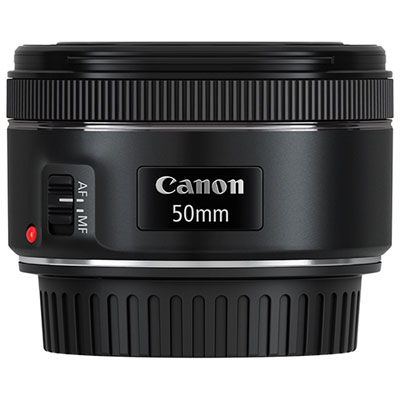 Your price for this item is $169.99
-
 Your price for this item is $279.99
-
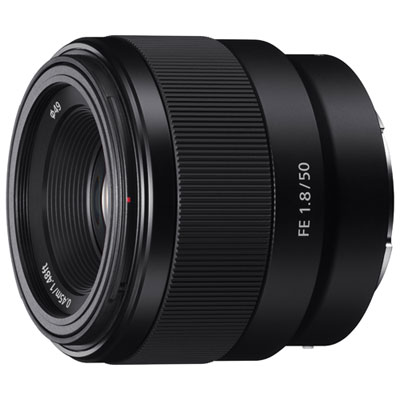 Your price for this item is $299.99
-
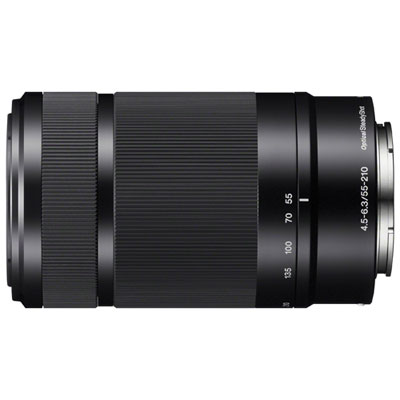 Your price for this item is $399.99
-
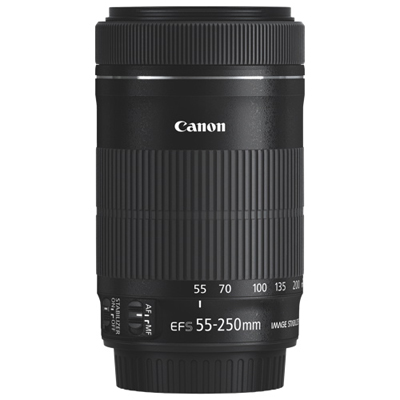 Your price for this item is $399.99
-
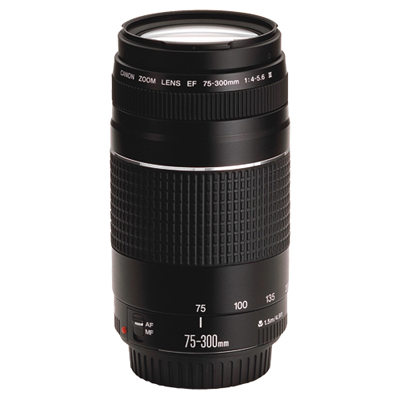 Your price for this item is $199.99
-
 Your price for this item is $539.99
-
 Your price for this item is $174.99
Discover more categories related to Optics Camera Lenses

Top Collections:
Best Black Friday Deals This Year, Best Black Friday Deals On Electronics, Kindle Devices, Best Black Friday Deals On Apple Products, Best Budget Office Chairs, Best Cameras for Sports Photography, Dyson Airwrap, Canon G7X Cameras, Best Laptops for Writers, Samsung Galaxy Phones
Some products may be subject to Environmental Handling Fees
(EHF) depending on your province.
Learn more about EHFs.