Zeiss Lenses for Sony
Capture every detail with these Zeiss lenses for Sony. Whether you're a professional photographer or an avid hobbyist, these lenses offer exceptional clarity, precision, and performance. Designed to elevate your photography experience, Zeiss lenses deliver stunning image quality and unparalleled sharpness. With a wide range of focal lengths and advanced optical technologies, these lenses allow you to capture every moment with breathtaking detail and accuracy.
Sort
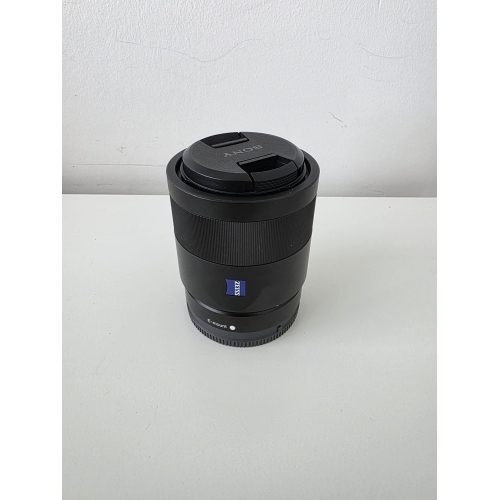
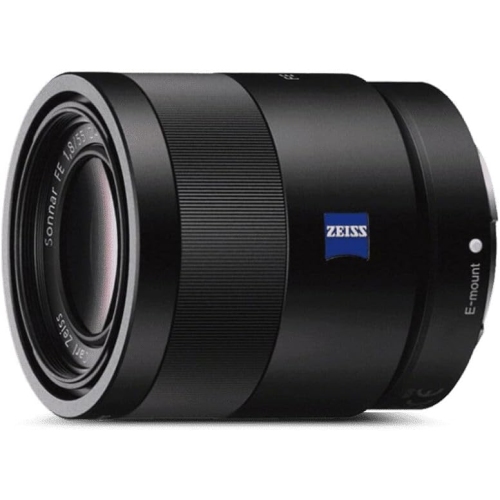
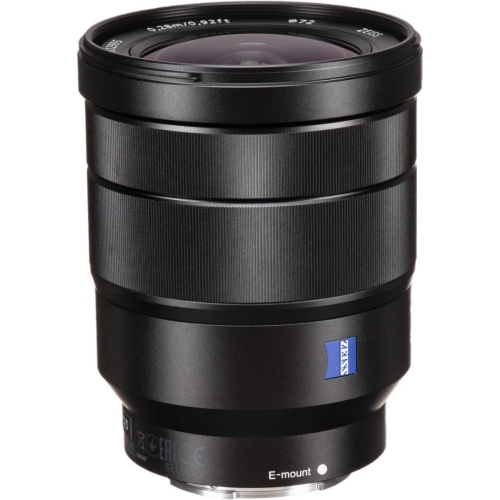
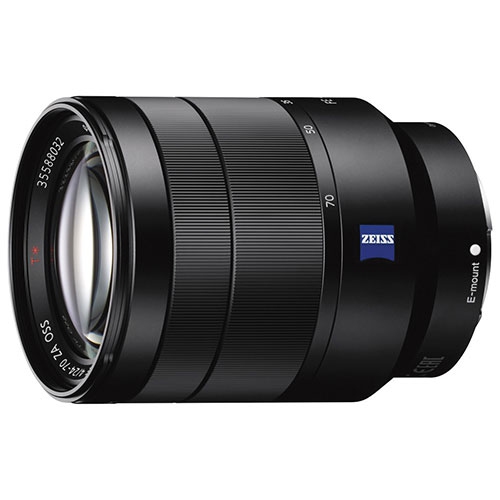
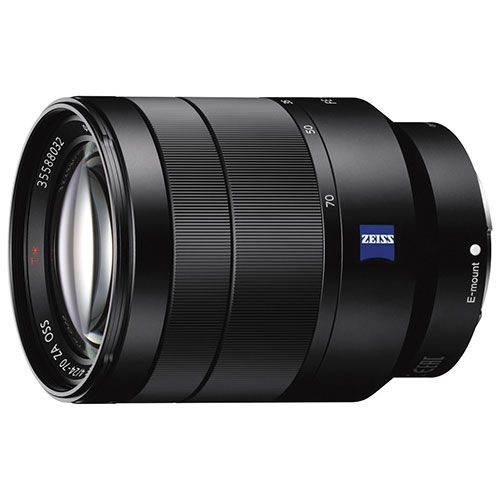
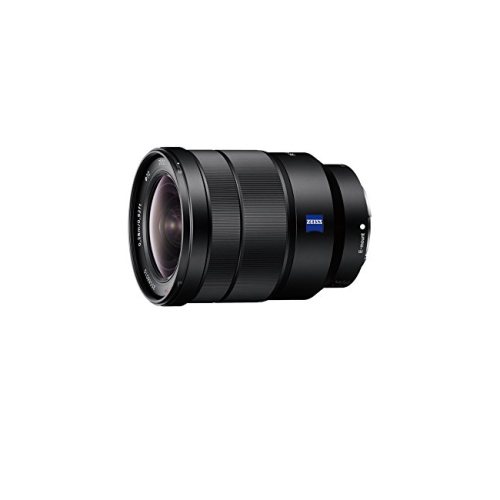

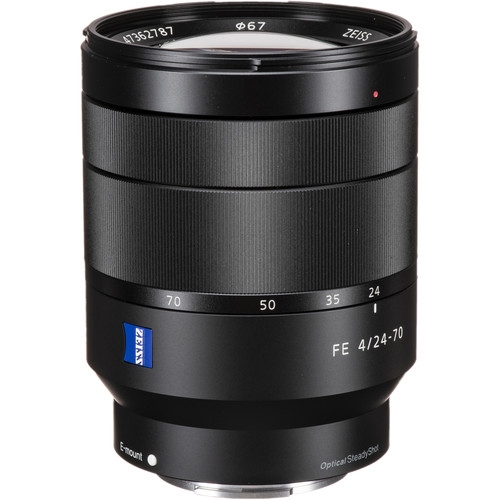
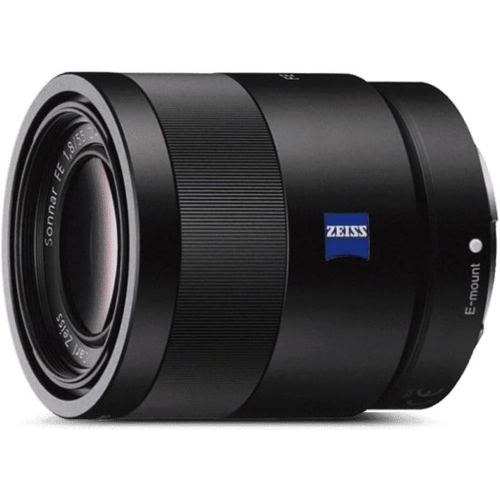
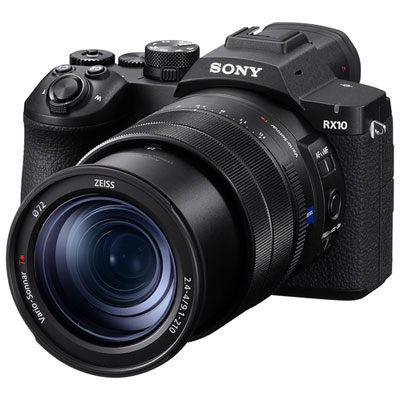
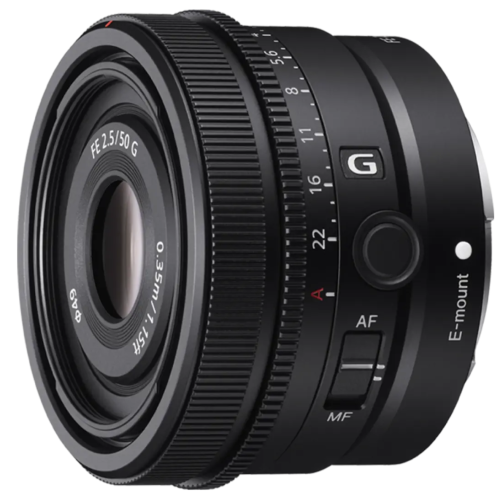
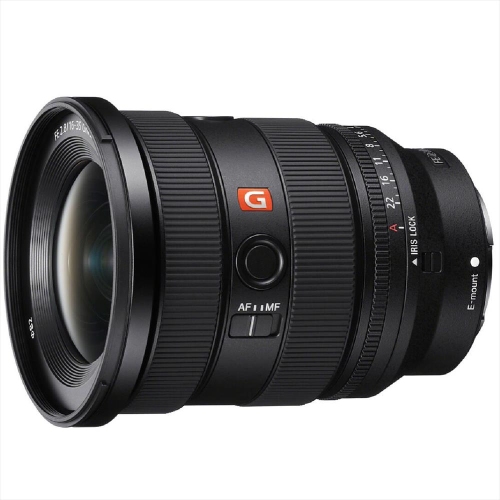
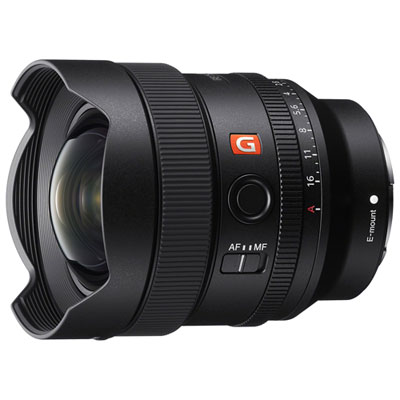
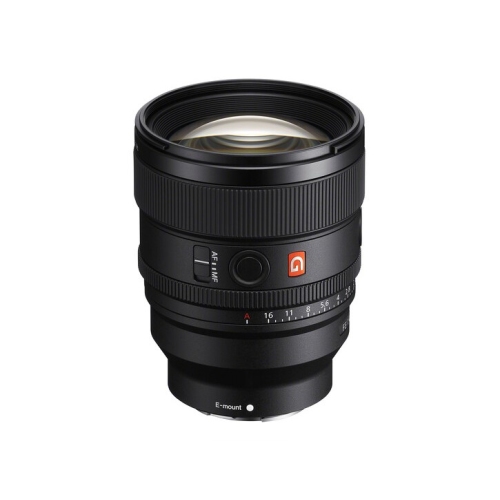

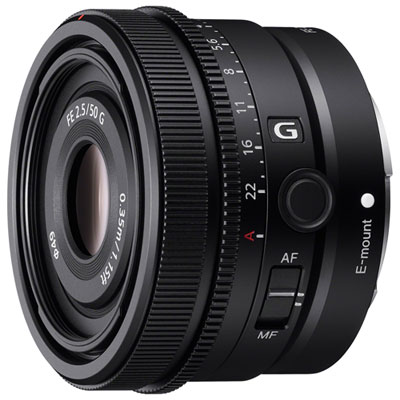
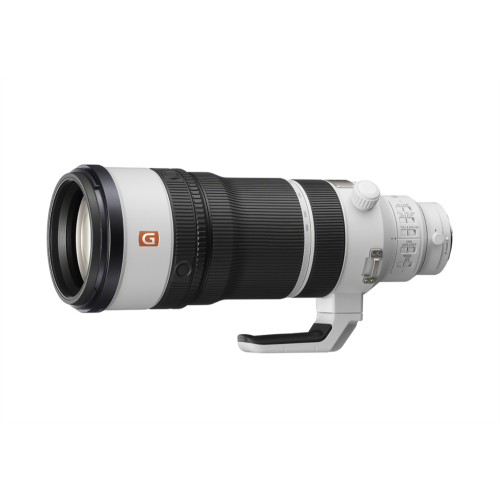
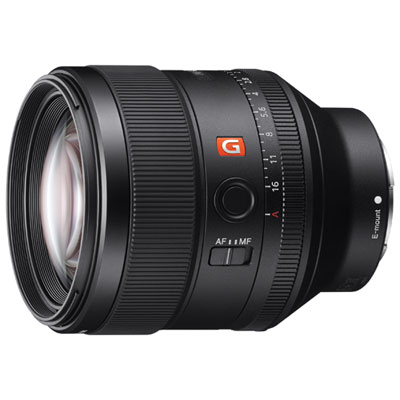
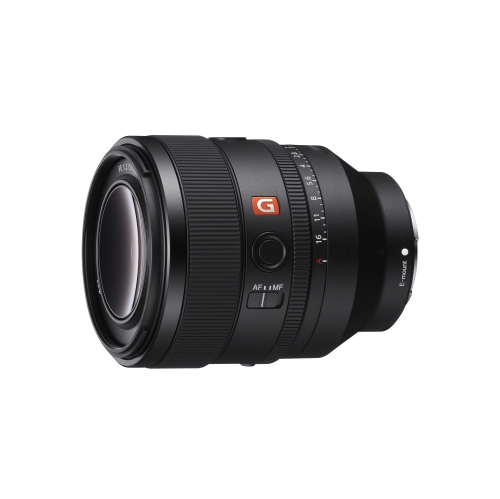
How lens compatibility and optics shape your photographs
Lenses for E-mount mirrorless cameras bring different perspectives to familiar subjects, from the sweep of a city skyline to the small expressions that make a portrait feel personal. This lens category includes autofocus and manual-focus designs, with prime and zoom options suited to photography, video, or a combination of both. Compatibility starts with the camera’s mount and sensor format, rather than the appearance of the lens or the focal length printed on its barrel. E-mount is used by both full-frame and APS-C mirrorless cameras, while FE identifies lenses designed to cover a full-frame sensor. Full-frame E-mount lenses can generally be used on APS-C E-mount bodies, where the smaller sensor produces a narrower angle of view. A 50mm lens, for example, gives an angle of view similar to a 75mm lens on a full-frame camera when mounted on an APS-C body with a 1.5× crop factor; its actual focal length does not change. APS-C lenses have a smaller image circle, so their use on a full-frame body generally involves a crop mode or visible darkening outside the covered area. A-mount and E-mount are distinct systems, and an adapter does not necessarily preserve every autofocus or exposure function. Within compatible mounts, electronic communication, stabilization support, and camera firmware can also affect operation. The related selection of Sony FE lenses offers another way to explore lenses intended for full-frame E-mount cameras. Beyond fit, optical design shapes contrast, detail, and the rendering of out-of-focus areas. Anti-reflective coatings help reduce reflections within the lens, especially when bright light sources sit near the frame, although no coating eliminates flare in every situation. Fine lettering on a storefront, texture in woven fabric, and the transition from a sharp eye to a softly blurred background all reveal different aspects of a lens’s character. Sharpness matters, but so do colour rendering, distortion, and how naturally the image holds together across the frame.
Focal length and maximum aperture have a direct influence on what a lens is comfortable photographing. Wide-angle designs take in more of a scene and can suit interiors, architecture, or expansive views, though placing faces close to the edge of a wide frame can exaggerate their proportions. A standard focal length gives an adaptable view for everyday photographs, shared meals, and documentary work, while a short telephoto lens allows more working distance for portraits and tighter compositions. Perspective depends on camera position: stepping back and using a longer focal length changes the relationship between a nearby subject and the background compared with photographing close up through a wide-angle lens. Prime lenses have one focal length and often appeal to photographers who value a particular field of view or a wide maximum aperture. Zoom lenses make it easier to adjust framing from a fixed position, such as beside a stage or across a busy room. A lower maximum f-number can admit more light and allow shallower depth of field, but the amount of background blur also depends on focal length, subject distance, and the distance behind the subject. For a portrait with both eyes clearly defined, stopping down slightly may be more useful than always using the widest aperture. Autofocus is convenient for moving subjects and spontaneous expressions, with performance influenced by both the lens motor and the camera’s focusing system. Manual focus offers deliberate control for carefully arranged still-life photographs, repeatable video takes, or compositions where the subject remains in one place. Focus magnification and peaking, where supported by the camera, help with precise adjustments. For video, focus-ring response, motor noise, aperture control, and focus breathing can matter as much as still-image detail. A mechanical aperture ring provides direct adjustment on some designs, while a switchable click mechanism, where fitted, can allow smoother changes during recording. Optical stabilization can reduce blur from camera movement at slower shutter speeds, but it does not freeze a person walking through the frame, and its interaction with in-body stabilization depends on the camera and lens pairing.
Materials, handling, and everyday care help determine how comfortably a lens fits into a camera kit over time. Barrels may use metal, engineered composites, or a combination of materials; metal construction can provide a reassuring feel, while lighter designs can be easier to carry through a full day of shooting. Weight distribution matters alongside total weight. A substantial lens on a small body may feel front-heavy, especially when held one-handed, whereas a compact prime can leave more room in a shoulder bag for another focal length. Focus-ring grip, the placement of switches, and the visibility of distance markings can make a noticeable difference during repeated use. Minimum focusing distance deserves attention for food, flowers, and small objects, although close focusing alone does not make a lens a true macro design; maximum magnification describes how large a subject can appear on the sensor. Filter thread diameter determines the size of compatible screw-in filters, and a properly matched hood can limit stray light while providing some protection against incidental contact. Any resistance to dust or moisture is specific to the lens design and does not make the equipment waterproof. For routine cleaning, loose grit is best removed with a hand blower before a clean lens cloth touches the glass, since rubbing particles across the surface can mark coatings. Stubborn fingerprints call for a small amount of suitable optical cleaner applied to the cloth rather than poured onto the lens. Front and rear caps, padded dividers, and a clean storage space help protect optical surfaces and the mount between outings. These lenses can suit hobbyists building a more purposeful kit, portrait photographers refining a preferred look, and video creators who need consistent manual control. As a gift, a lens is most useful when the recipient’s exact camera mount, sensor format, and existing focal lengths are known. A comfortable working distance, dependable handling, and the right angle of view are often what turn an appealing lens into one that gets used regularly.
Top selling and popular products
-
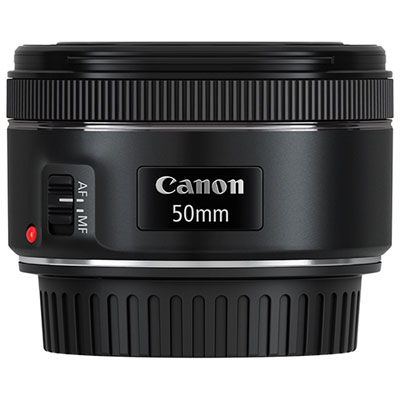 Your price for this item is $169.99
-
 Your price for this item is $329.99
-
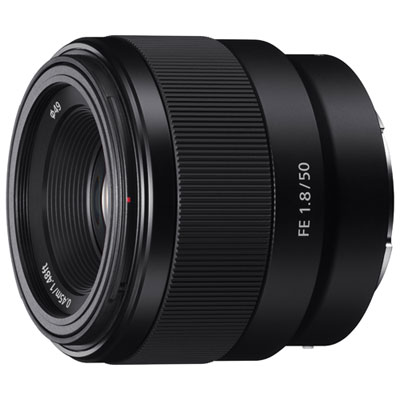 Your price for this item is $349.99
-
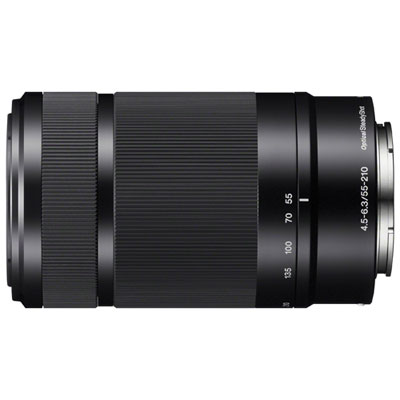 Your price for this item is $399.99
-
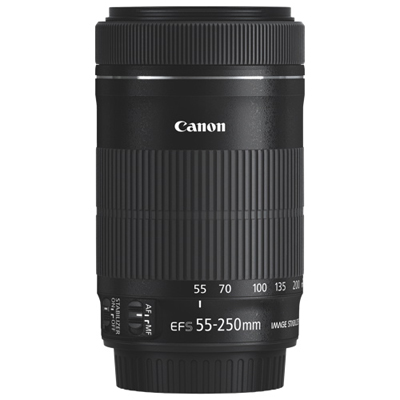 Your price for this item is $399.99
-
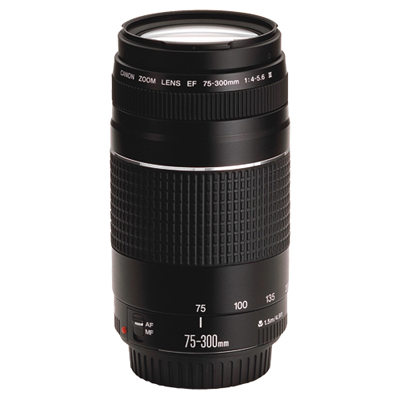 Your price for this item is $199.99
-
 Your price for this item is $174.99
-
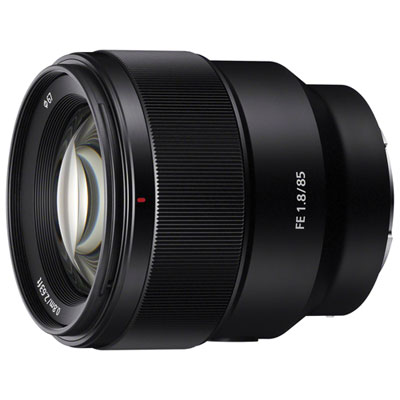 Your price for this item is $799.99
Discover more categories related to Zeiss Lenses for Sony
Top Collections:
Pokemon Centers, Best Cameras for Sports Photography, Kindle Devices, Samsung Galaxy Phones, Canon G7X Cameras, Pokémon 30th Celebration Cards, Refurbished Apple Laptops, iPhone 15 Apple, Laptops for Students, Budget Smartphones
Some products may be subject to Environmental Handling Fees
(EHF) depending on your province.
Learn more about EHFs.