Sony Mirrorless Telephoto Lenses
Capture stunning images from a distance with our selection of telephoto lenses for Sony mirrorless cameras. Whether you're an avid wildlife photographer, a sports enthusiast, or simply want to bring distant subjects up close, these lenses offer exceptional zoom capabilities and impeccable image quality. Designed to deliver sharpness, clarity, and versatility, our range of telephoto lenses will elevate your photography game to new heights. Discover the perfect lens to suit your needs and unlock endless creative possibilities with Sony mirrorless telephoto lenses.
Sort
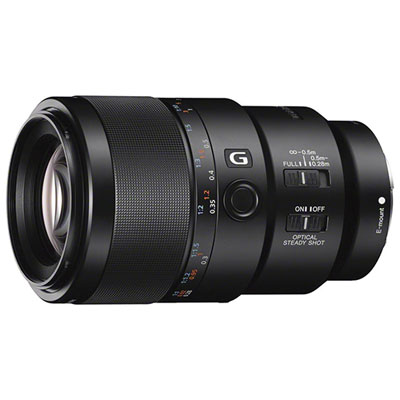
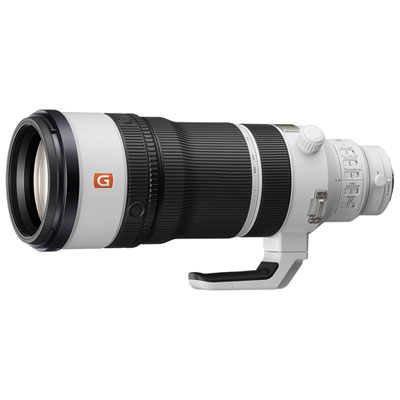
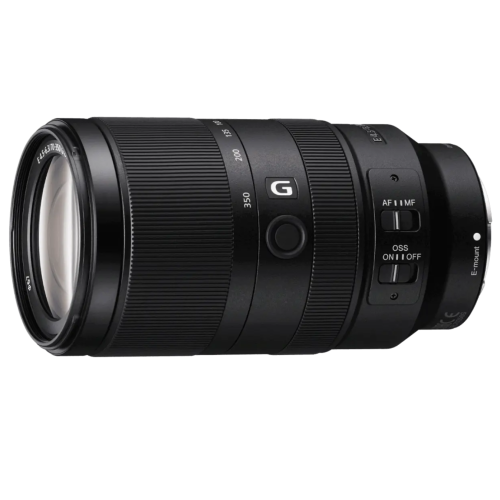
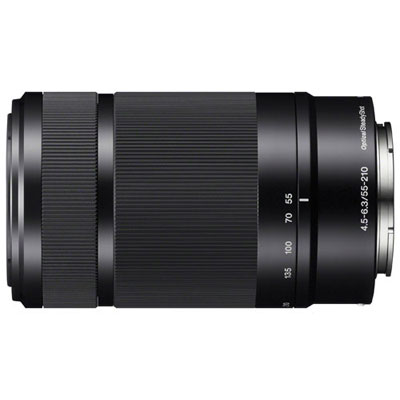
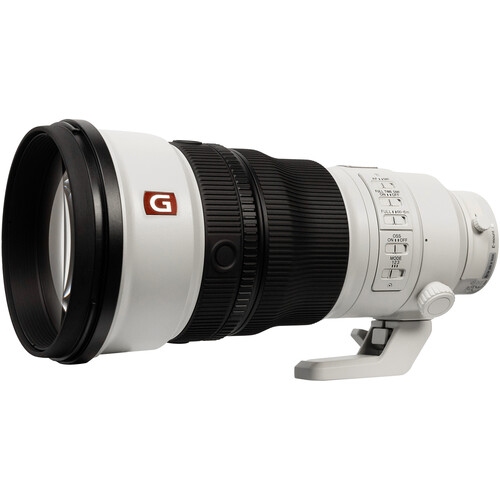
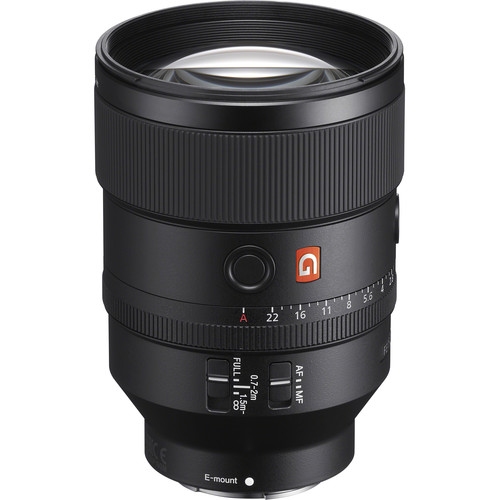
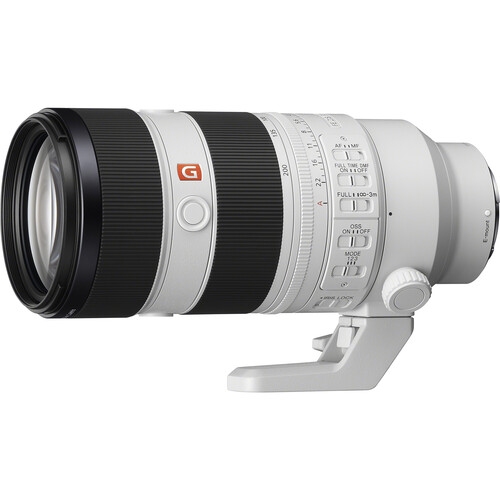

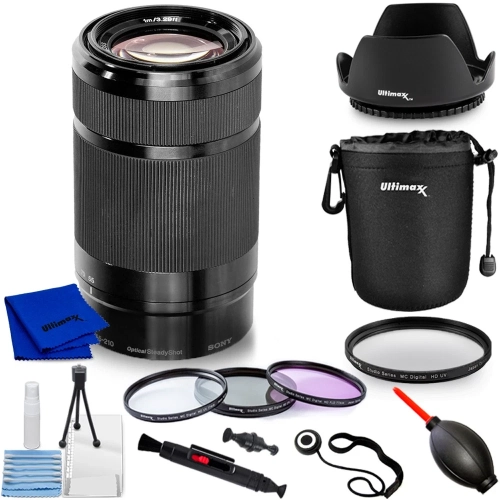
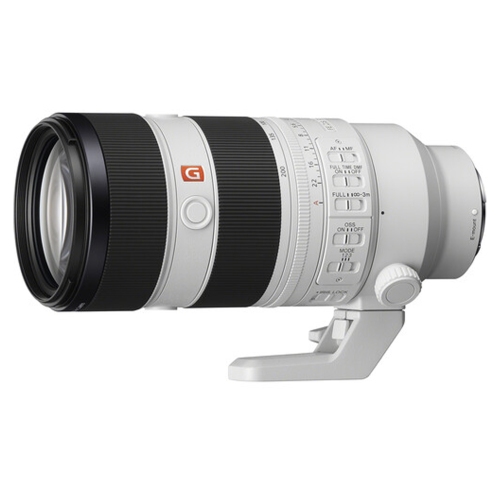
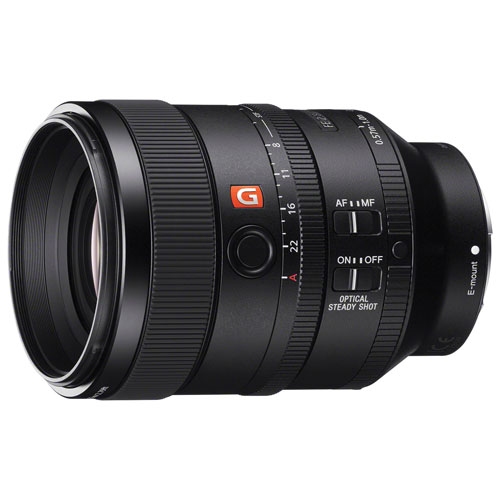
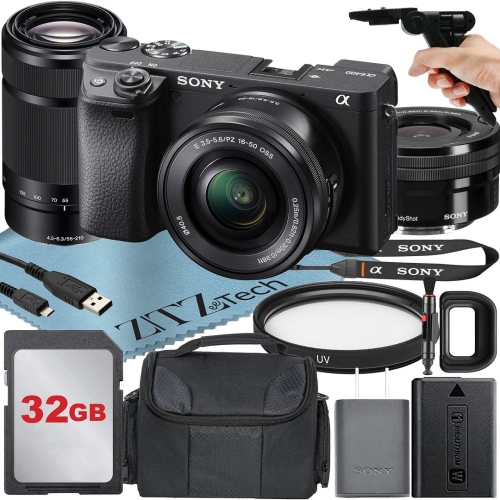
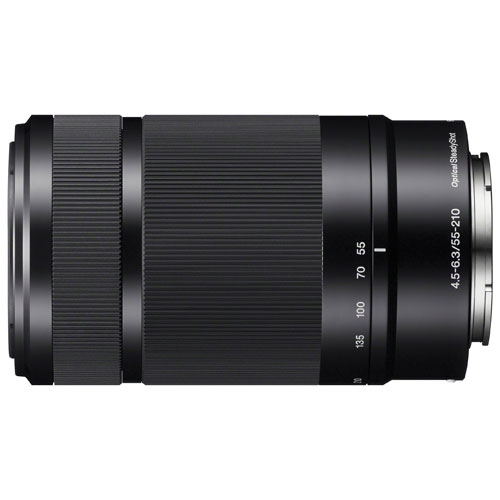
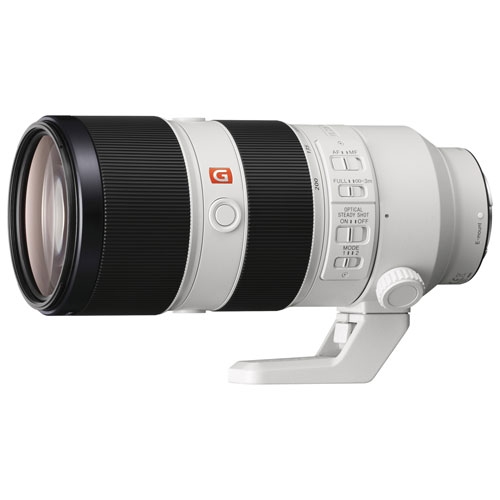
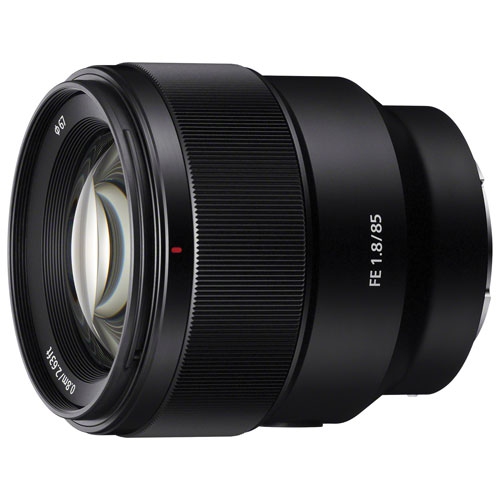
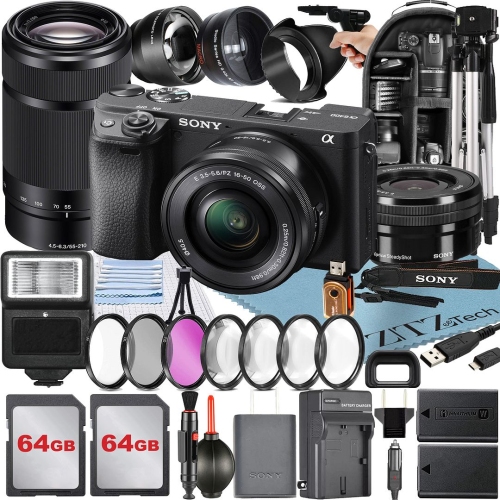
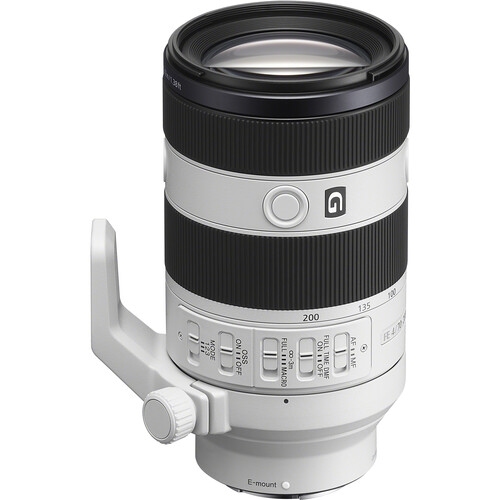
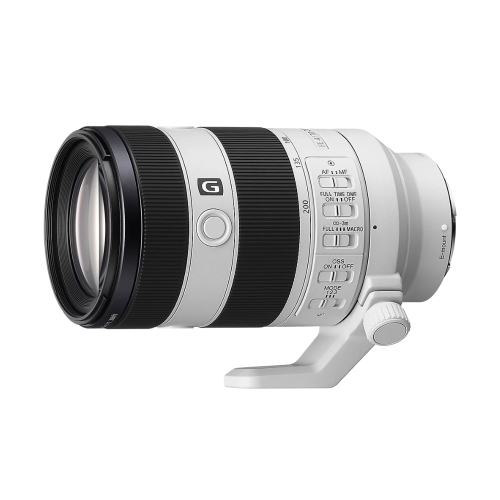
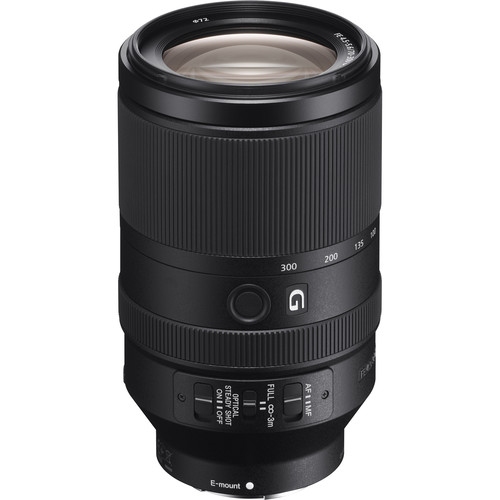
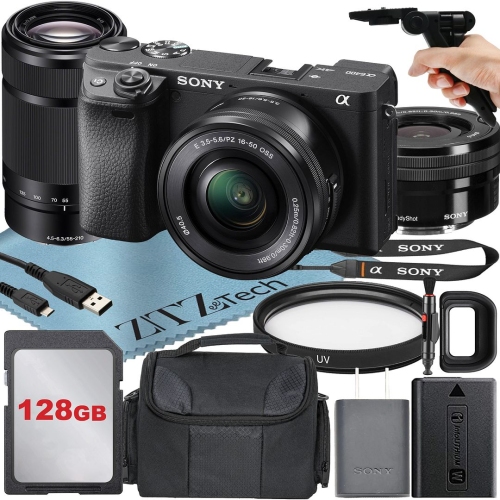
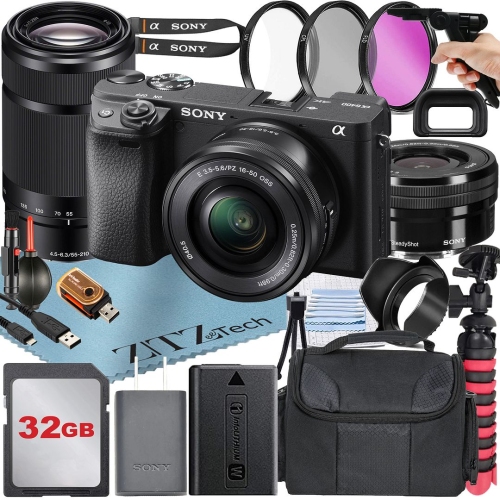
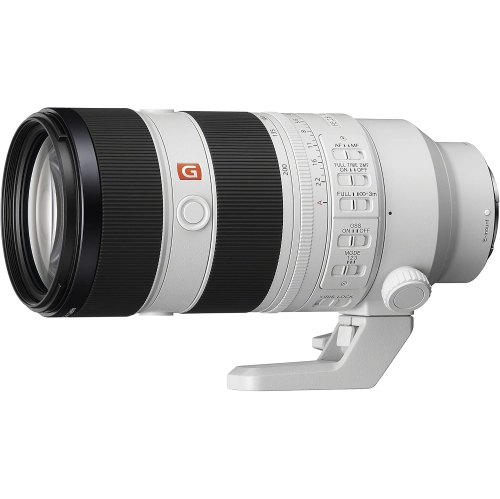
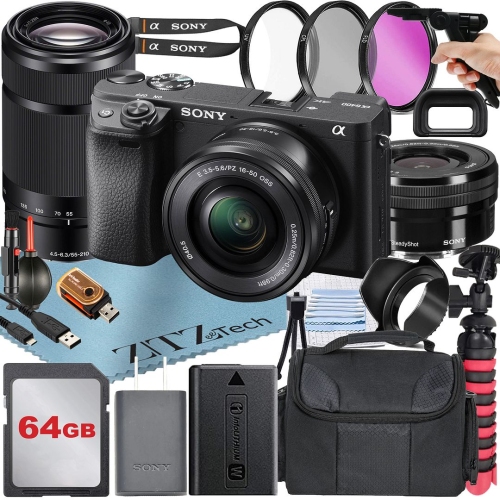
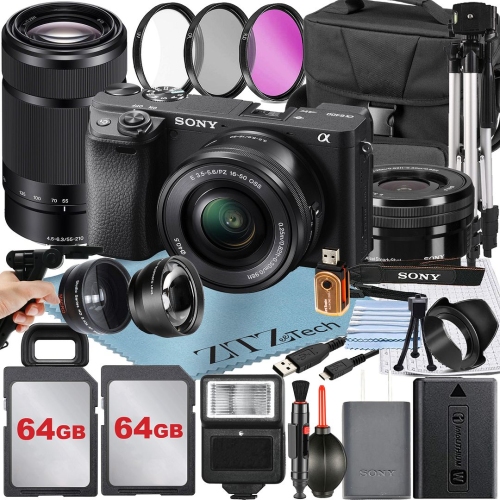
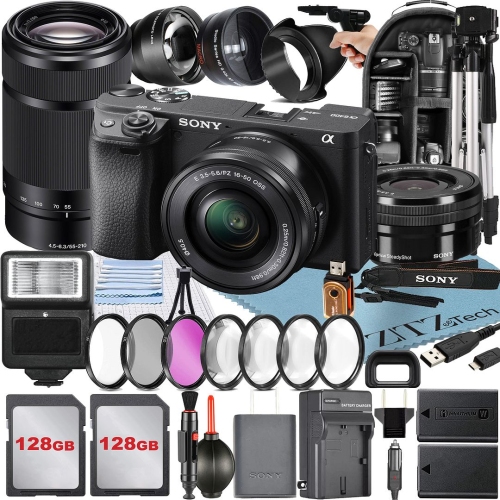
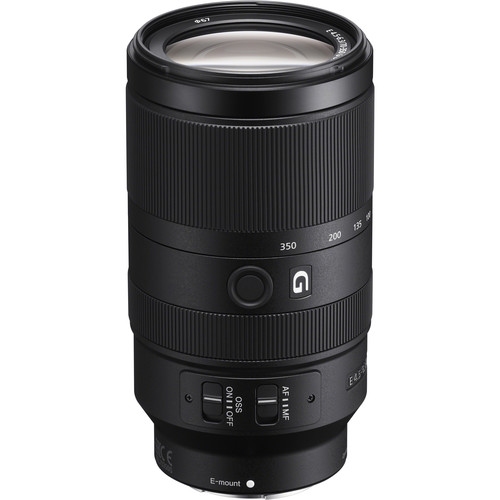
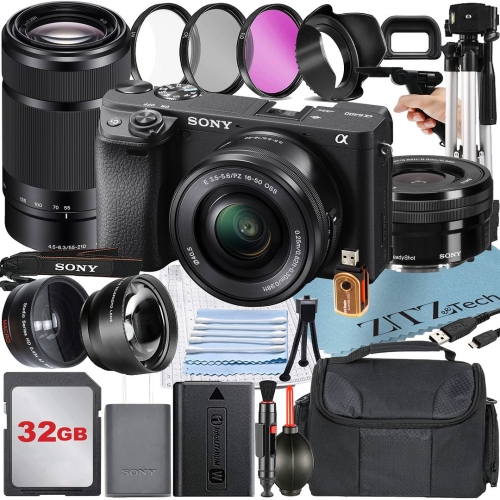
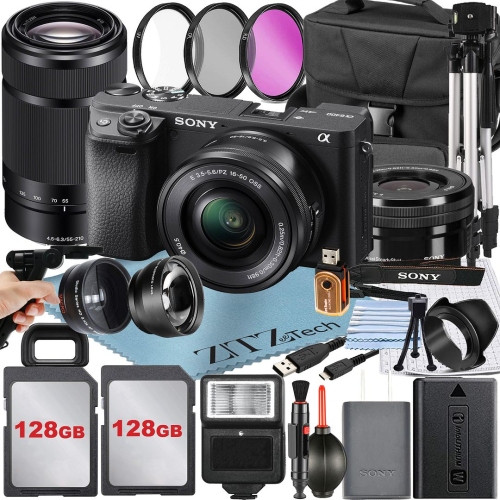
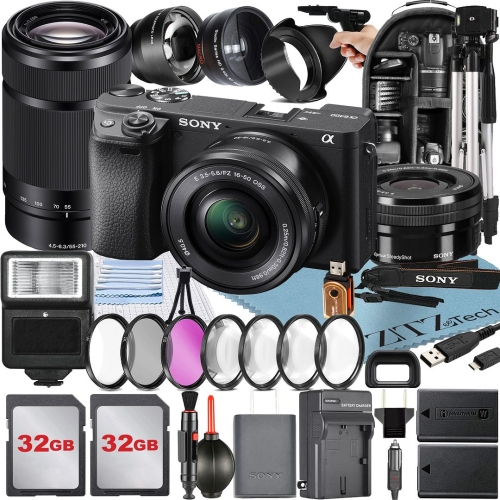
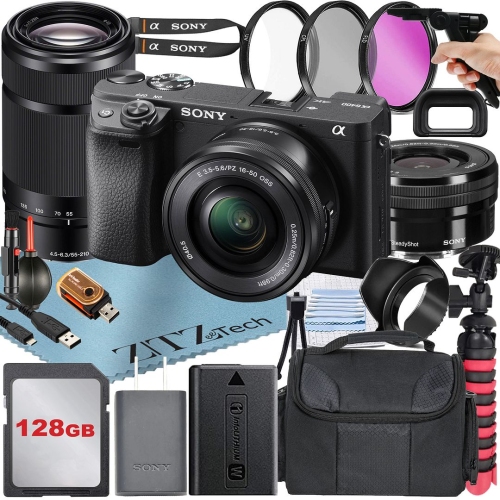
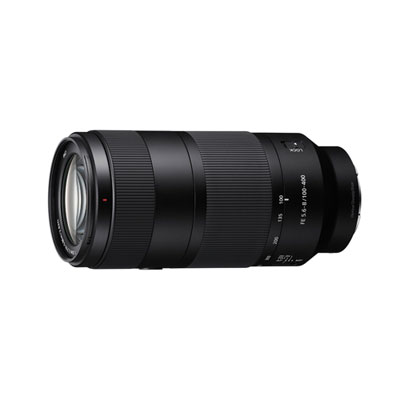
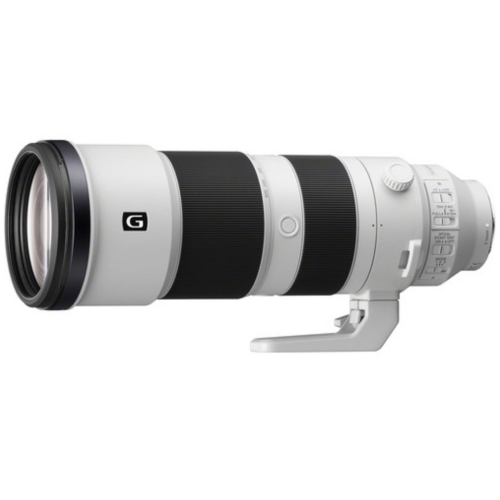
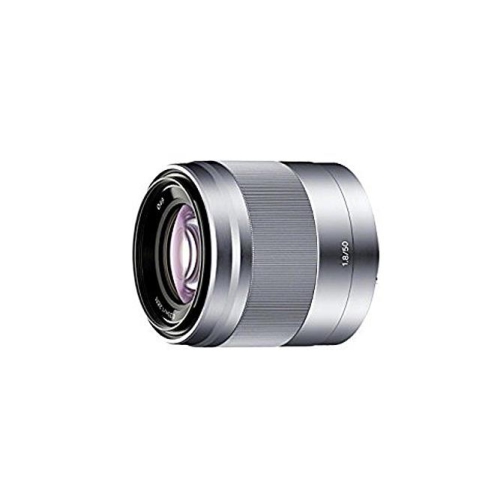
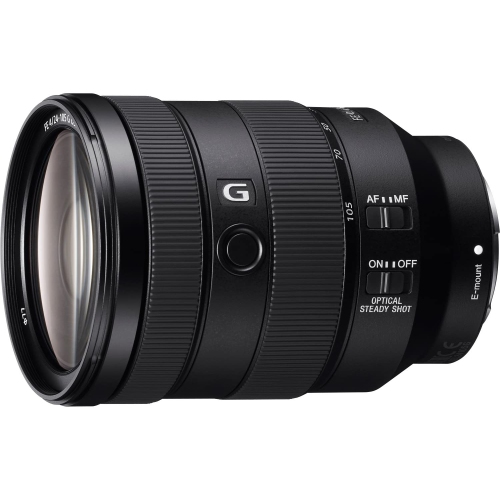
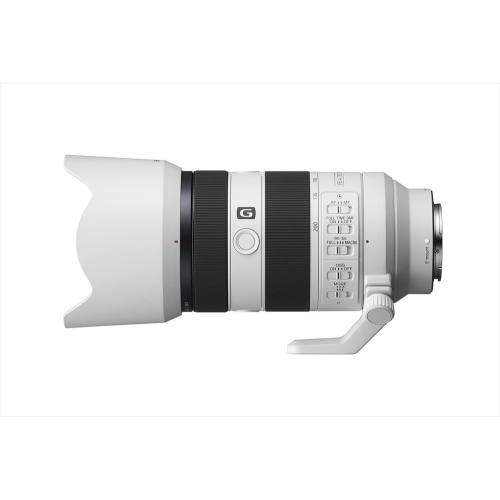

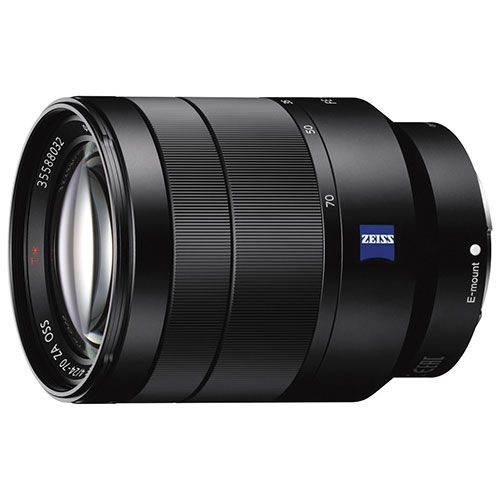
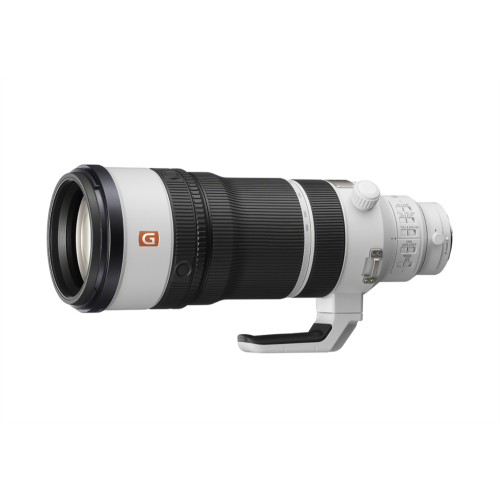
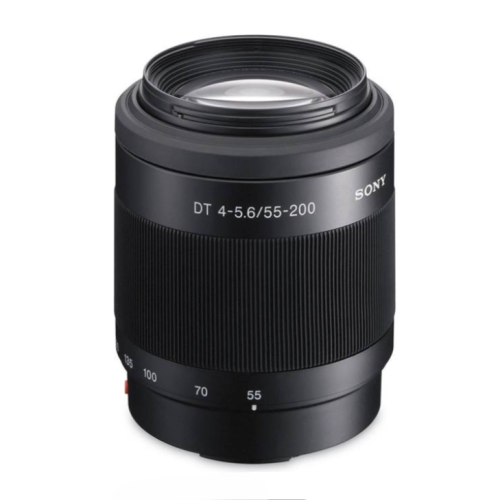
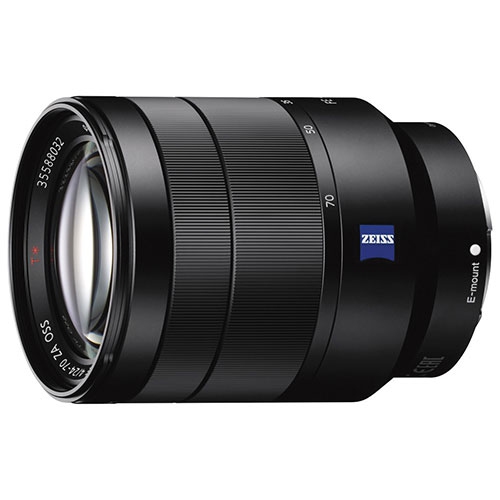
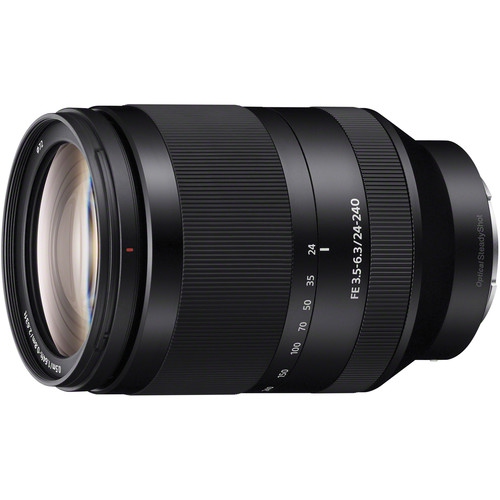
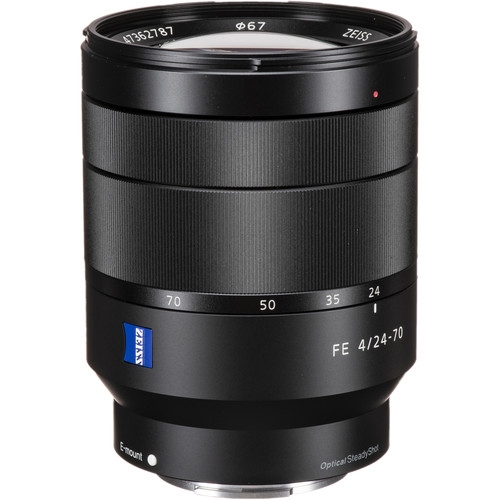
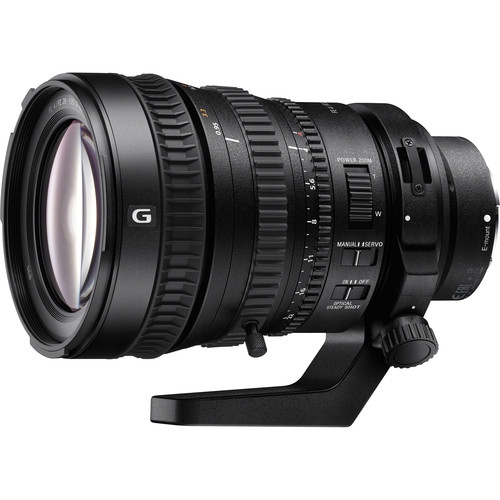
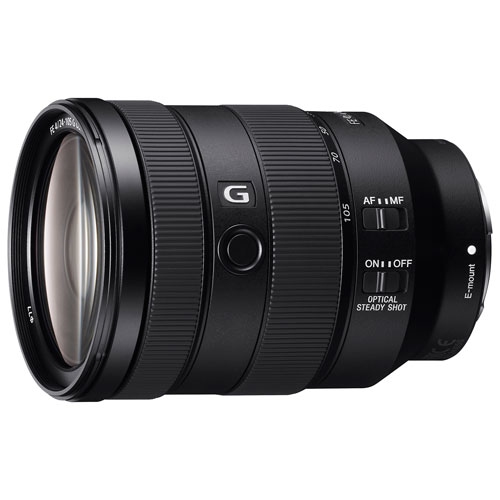
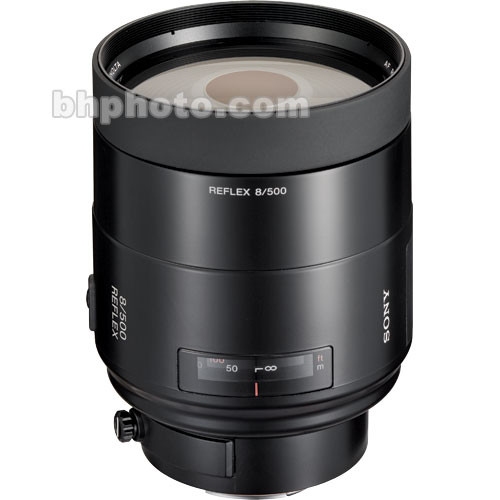
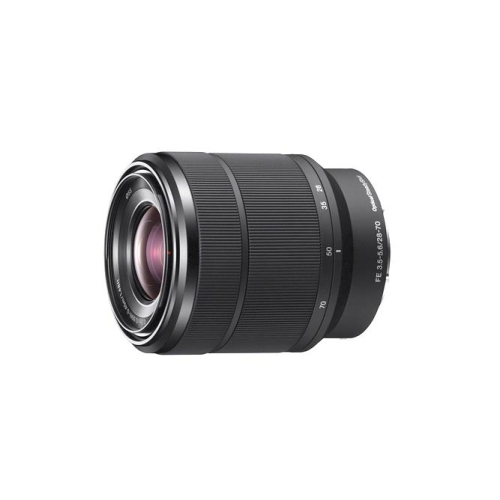
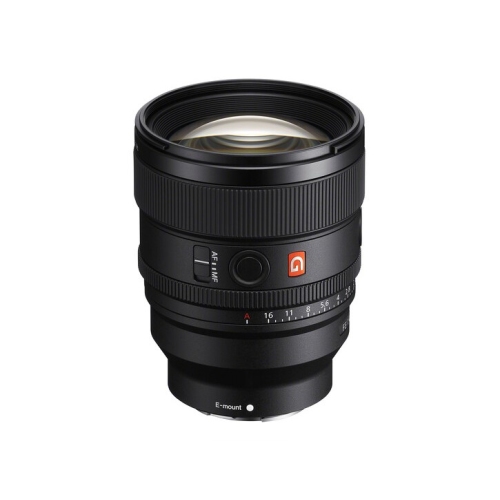

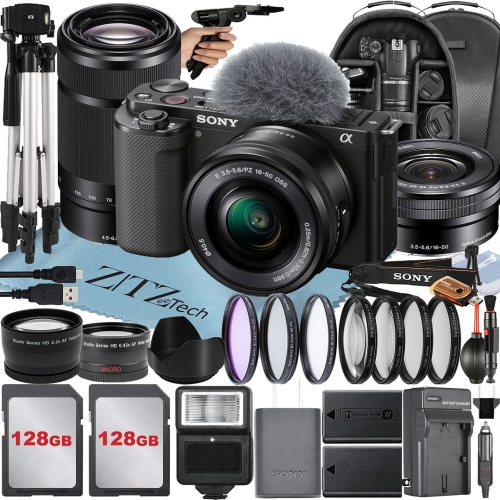
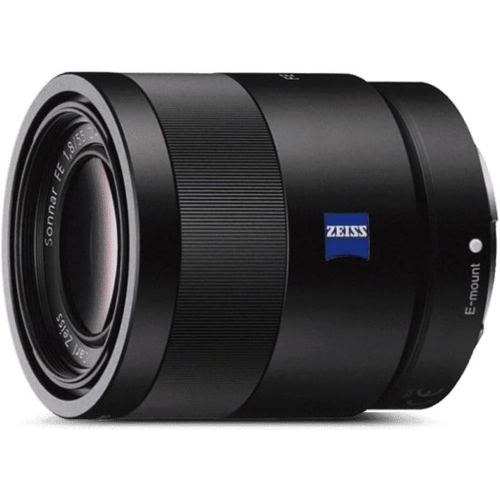
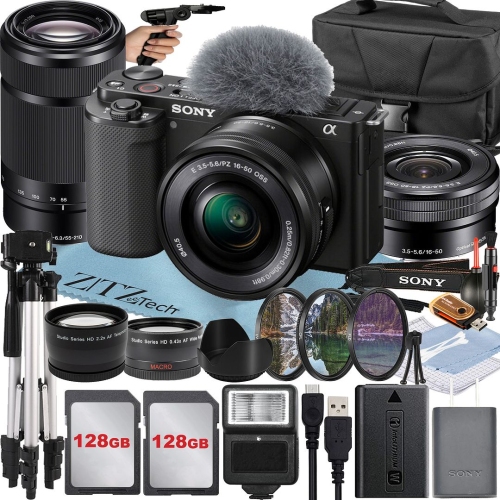
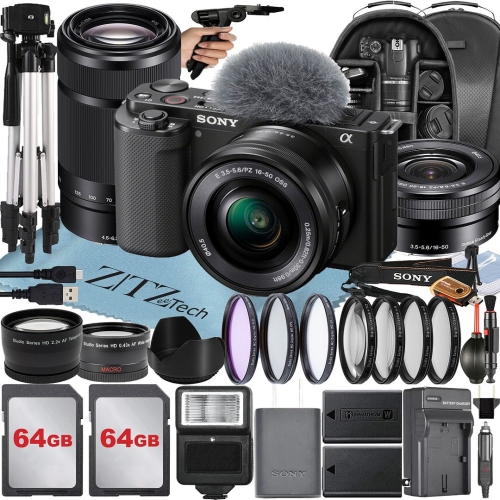
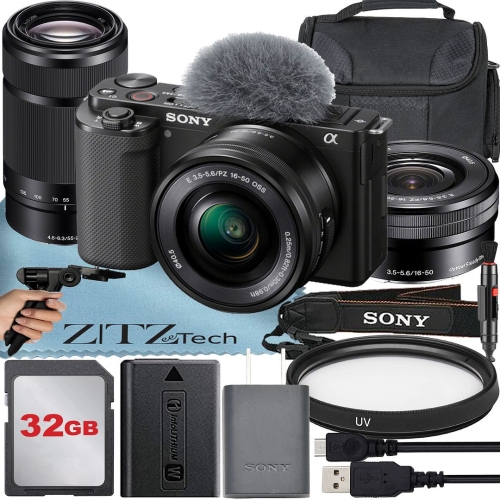
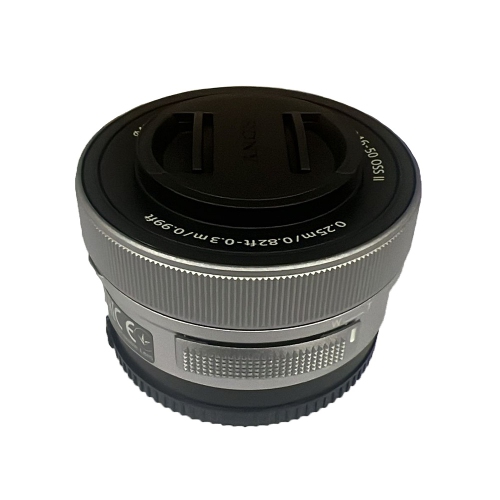
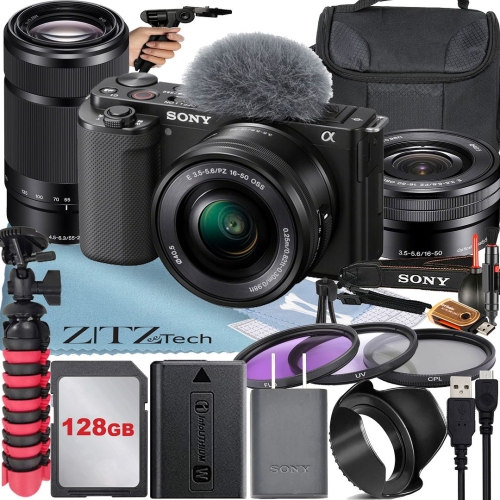
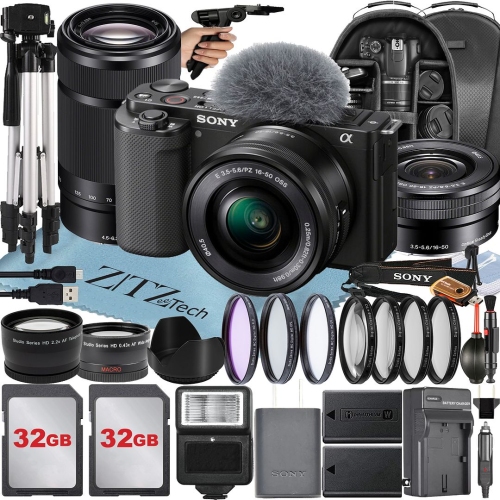
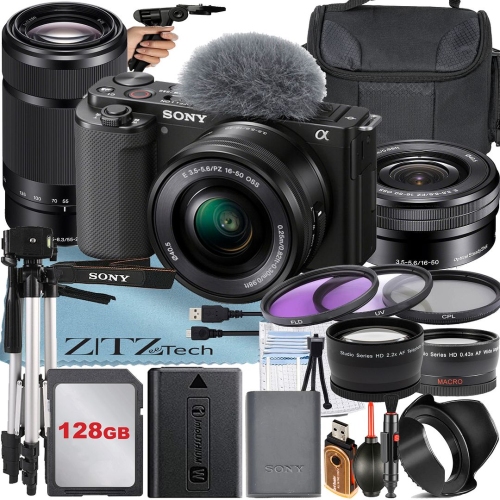
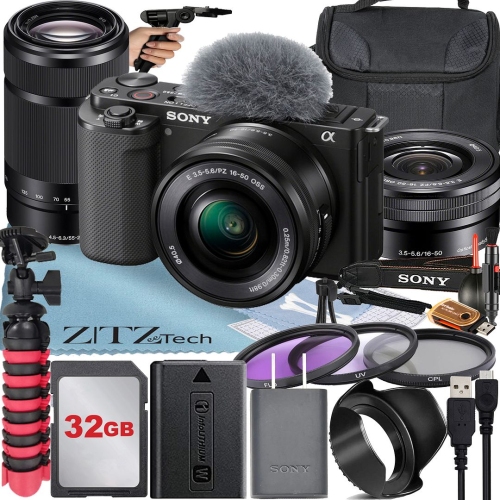
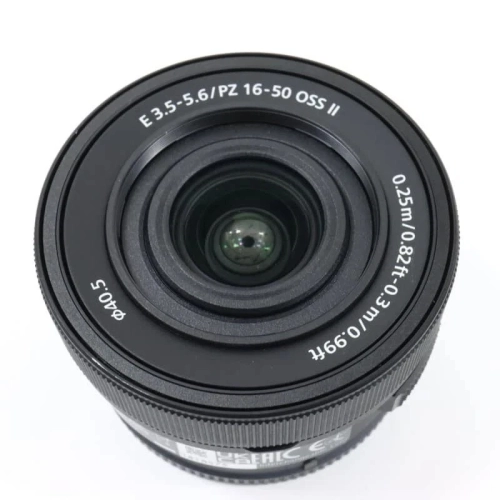
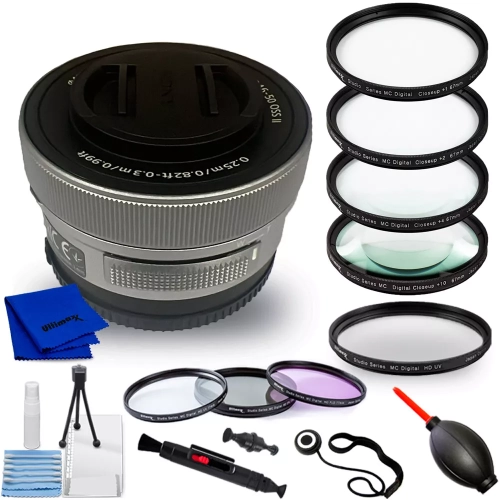
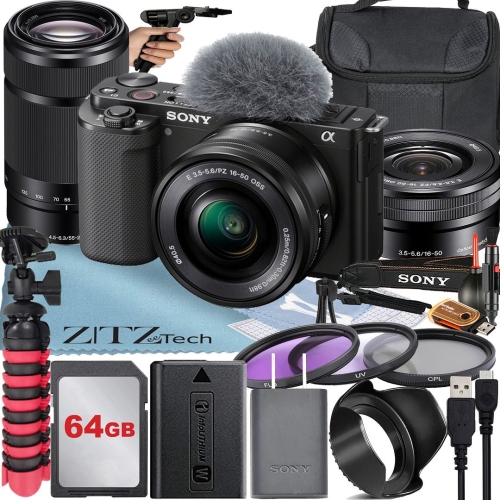
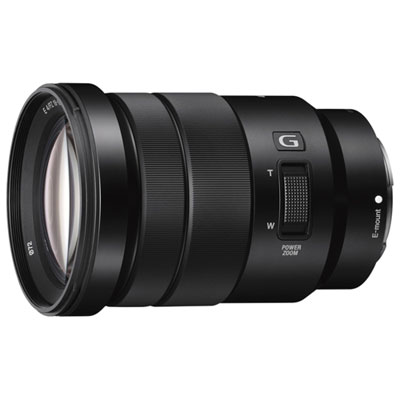
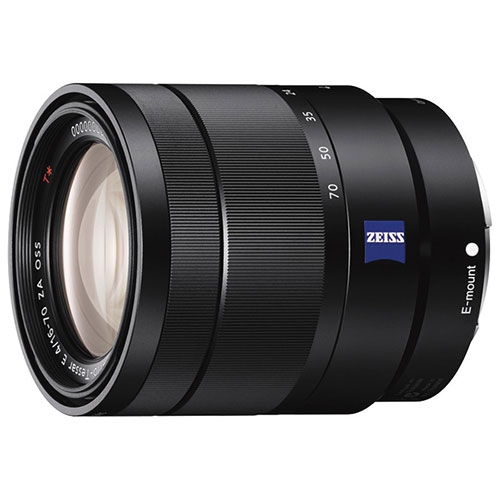
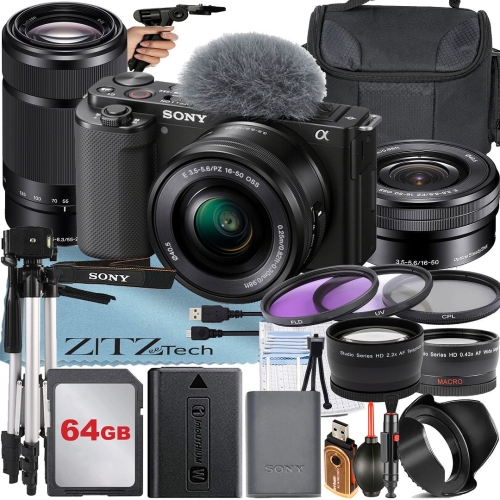
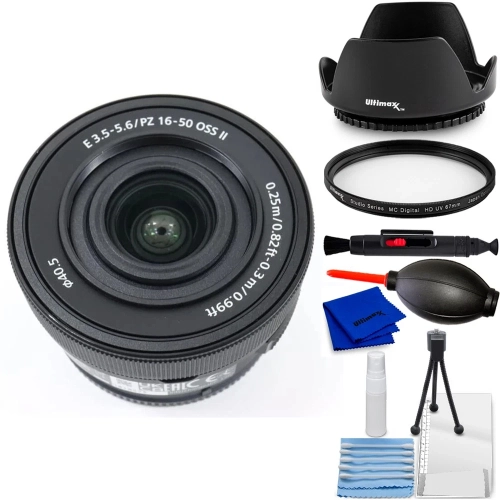
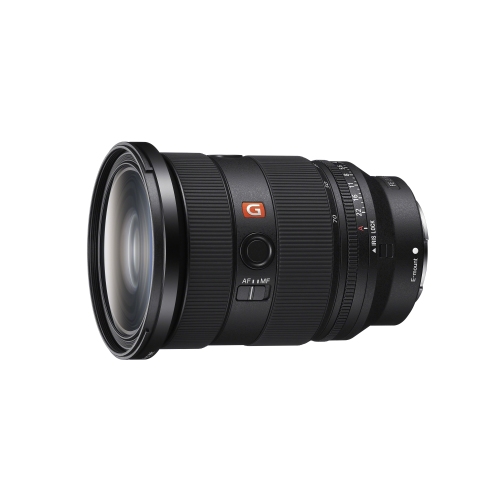
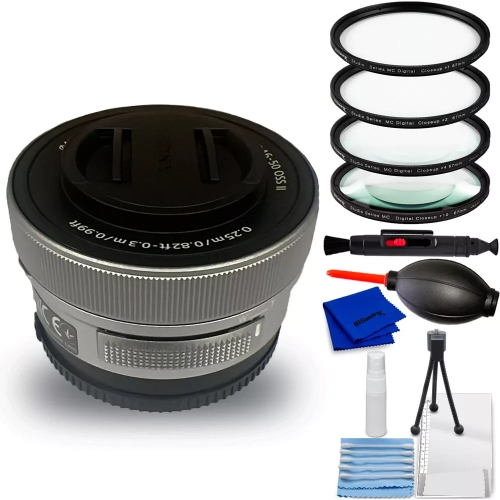
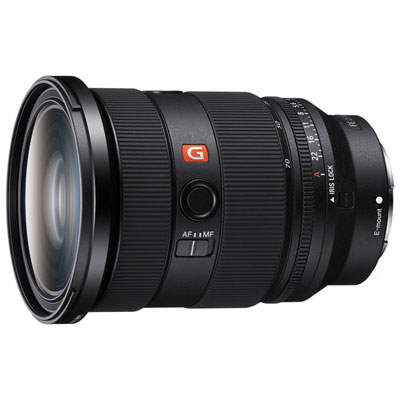
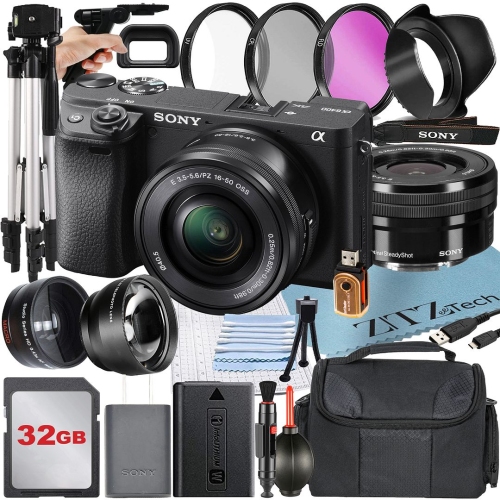
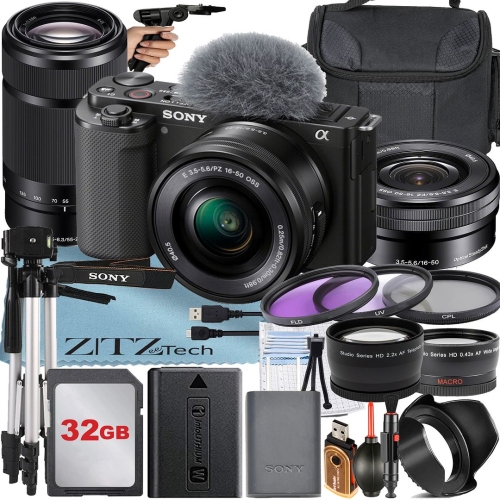
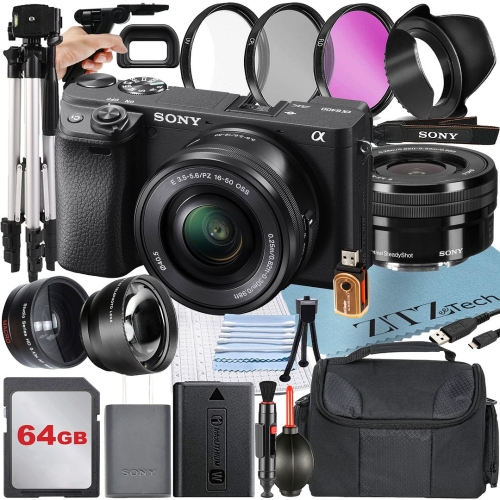
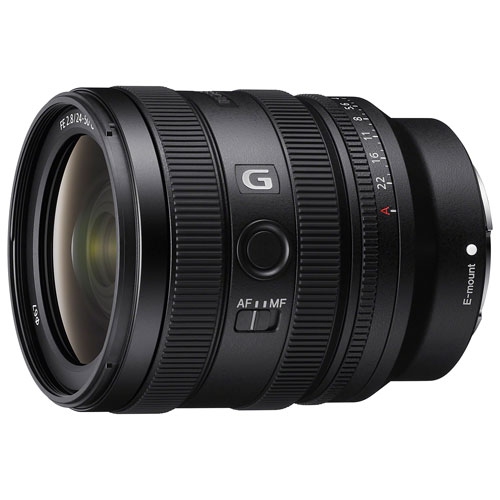
The right telephoto reach depends on your subject
Mirrorless telephoto lenses bring distant subjects into a larger part of the frame, making them useful for everything from birds along a shoreline to players crossing a football field. For E-mount mirrorless cameras, the main choices include telephoto zooms, which cover a range of focal lengths, and telephoto primes, which offer a single focal length. A zoom gives photographers room to adjust their framing when a subject moves closer or farther away, while a prime can suit a more predictable working distance or a preference for a particular combination of aperture, size, and optical performance. Shorter telephoto focal lengths are well suited to portraits, performances, and details within a landscape. Longer focal lengths help capture distant wildlife and field sports without needing to move closer. A mid-range telephoto zoom can serve several purposes during the same outing: a tightly framed portrait beside a trail, layers of trees across a valley, and a candid moment from the edge of a gathering. Super-telephoto lenses are more specialised, providing the reach needed for a small bird on a high branch or action on the far side of a playing field. That reach also narrows the angle of view, making it harder to find and follow an unpredictable subject. For photographers exploring different camera systems or lens formats, the broader selection of Mirrorless Telephoto Lenses offers another way to browse this category. The right fit depends less on the longest focal length alone than on the subjects, shooting distances, and camera body involved. A compact telephoto can be easier to carry through a full afternoon outdoors, while a larger lens may provide a wider maximum aperture or greater reach for demanding assignments. Enthusiasts, family photographers, and experienced image-makers may all use these lenses, though their priorities can differ considerably between a portrait session and a day spent tracking wildlife.
Compatibility starts with the camera’s lens mount and sensor format. E-mount lenses attach to E-mount mirrorless camera bodies, but full-frame and APS-C coverage remain important distinctions. FE-designated lenses cover a full-frame sensor and can also be used on APS-C E-mount bodies. Lenses designed specifically for APS-C sensors generally require a crop setting on a full-frame body to avoid dark image edges, reducing the captured resolution compared with using the full sensor area. On an APS-C body, the angle of view is approximately equivalent to 1.5 times the stated focal length on full frame; the lens’s actual focal length does not change. This makes sensor format an important part of judging how tightly a telephoto will frame a subject. Maximum aperture matters just as much in practical use. A wider aperture admits more light, helping support faster shutter speeds for movement and offering more control over background blur. A constant-aperture zoom maintains its maximum aperture throughout the zoom range, whereas a variable-aperture design typically has a narrower maximum aperture at its longest setting. Optical image stabilisation can reduce blur from small camera movements during handheld photography, but it does not freeze a running athlete or a bird’s wingbeat. Whether lens and in-body stabilisation work together, and how they do so, depends on the camera and lens combination. Autofocus performance also depends on both components, with focusing motors, camera settings, lighting, and subject contrast all affecting results. A focus limiter, where fitted, can restrict the distance range searched by autofocus when the subject stays far away. Minimum focusing distance deserves attention for flowers, pets, and small details, since a long focal length does not automatically provide strong close-up capability. Teleconverters offer additional reach only with explicitly compatible lenses and bodies, and they reduce the maximum effective aperture. Checking these specifications helps distinguish lenses that appear similar but behave quite differently in everyday photography.
Construction and handling shape how comfortable a telephoto lens feels over a long session. Lens barrels may use metal alloys, engineered plastics, or a combination of materials to balance weight and rigidity, while optical coatings help control reflections and maintain contrast. Some designs include protective front-element coatings that make fingerprints or moisture easier to remove. Dust- and moisture-resistant construction can be valuable during the cooler months, although resistance is not the same as waterproofing and varies by model. A lens hood helps shield the front element from stray light and offers some protection against incidental contact. Internal-zoom designs maintain their overall barrel length while zooming, which can keep handling more consistent; extending designs may pack into a shorter space for transport. The size and placement of zoom rings, focus rings, switches, and customisable buttons matter when following action or working with gloves. Heavier lenses often benefit from a monopod or tripod, and a compatible tripod collar supports the setup at the lens rather than placing all its weight on the camera mount. For video, quiet autofocus, controlled focus breathing, and a balanced setup can be useful, though these characteristics should be checked for the individual lens. Carrying comfort deserves equal consideration: a padded bag with enough depth for the lens and hood can make a substantial difference on a walking route. Care is straightforward but worth keeping consistent. Loose grit is best removed with a blower before the glass is gently cleaned with suitable optical cleaning materials. Front and rear caps help protect exposed surfaces, and lenses should be stored dry rather than left in a damp bag after an outing. After shooting in cold weather, allowing equipment to warm gradually inside a closed bag before opening it indoors helps reduce condensation. As a gift, a telephoto lens can be meaningful for someone developing an interest in wildlife, portraits, or sport, provided the recipient’s camera mount, preferred subjects, and existing focal-length coverage are known. A lens that fills a genuine gap in their kit is more useful than extra reach that rarely leaves the cupboard.
Top selling and popular products
-
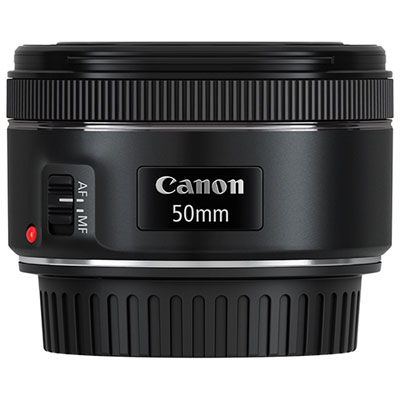 Your price for this item is $169.99
-
 Your price for this item is $329.99
-
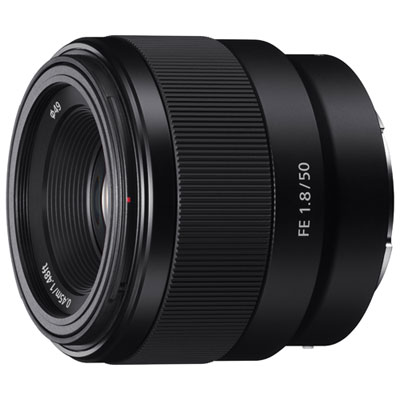 Your price for this item is $349.99
-
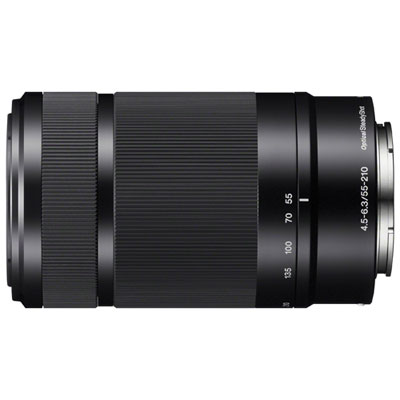 Your price for this item is $399.99
-
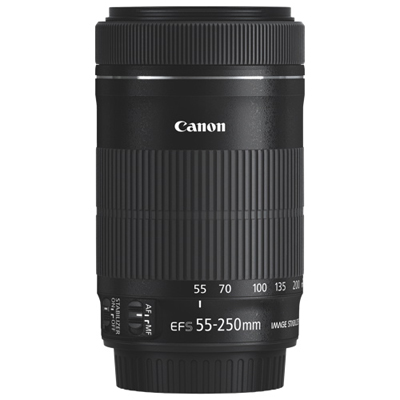 Your price for this item is $399.99
-
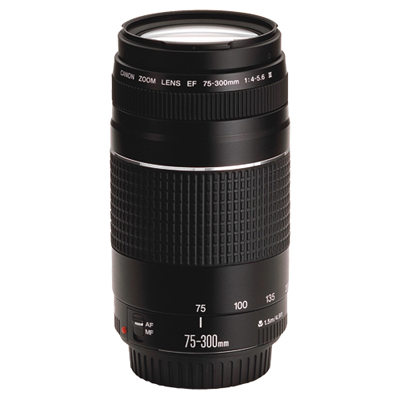 Your price for this item is $199.99
-
 Your price for this item is $174.99
-
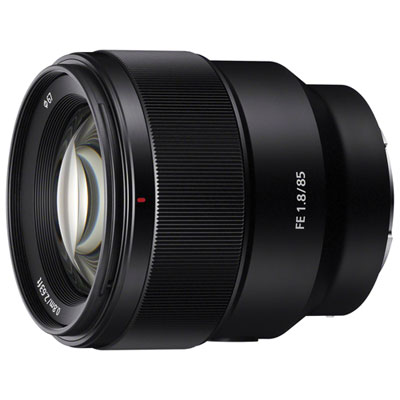 Your price for this item is $799.99
Discover more categories related to Sony Mirrorless Telephoto Lenses

Top Collections:
Pokemon Centers, Best Cameras for Sports Photography, Kindle Devices, Samsung Galaxy Phones, Canon G7X Cameras, Pokémon 30th Celebration Cards, Refurbished Apple Laptops, iPhone 15 Apple, Laptops for Students, Budget Smartphones
Some products may be subject to Environmental Handling Fees
(EHF) depending on your province.
Learn more about EHFs.