RF Lenses
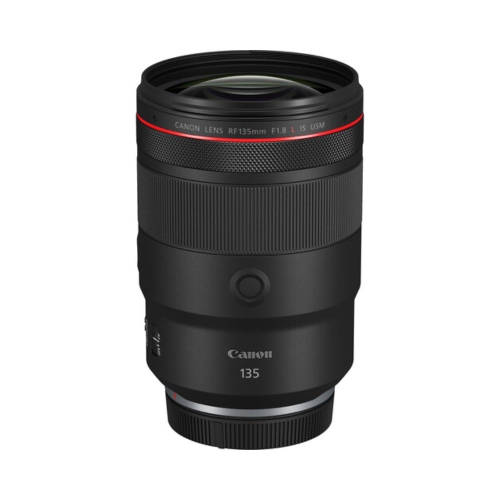
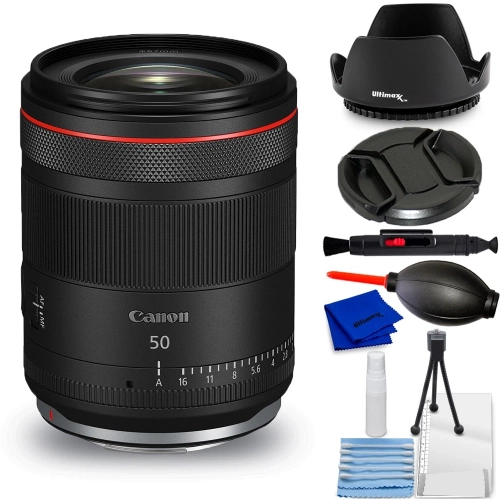
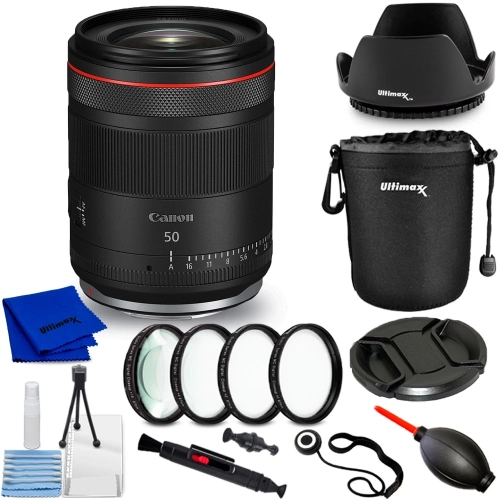
Capture every detail and bring your photography to life with our collection of RF lenses. Designed for professional photographers and enthusiasts alike, these lenses are crafted to deliver stunning image quality and exceptional performance. Whether you're capturing breathtaking landscapes, fast-paced action, or intimate portraits, our selection of RF lenses offers unparalleled versatility and precision. Elevate your photography game with the latest advancements in lens technology and unleash your creativity like never before. Also check out our selection of Camera Lenses For Macro Photography for even more great options!
Sort





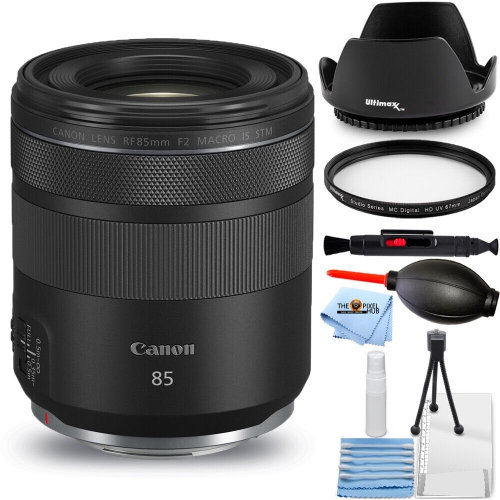
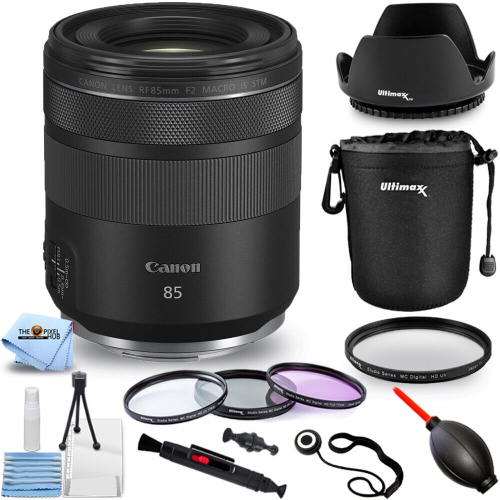
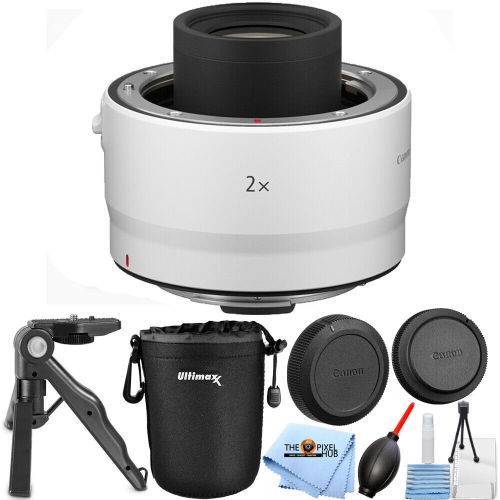
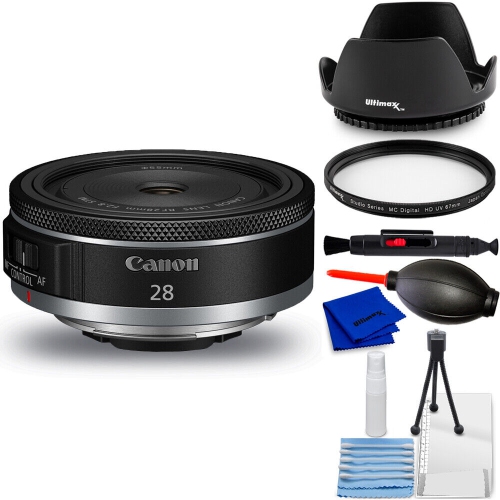
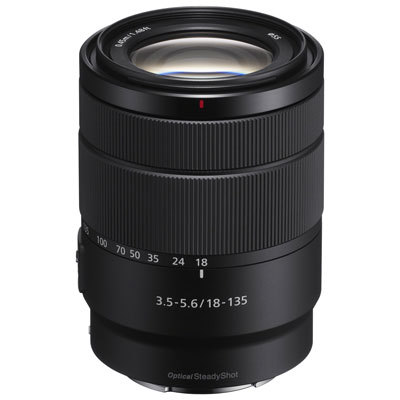

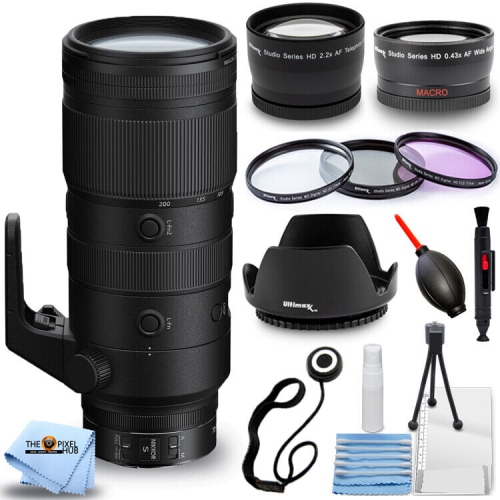
Why sensor size changes the scene you capture
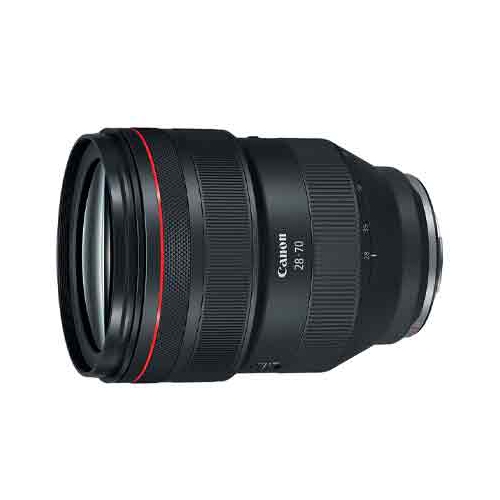
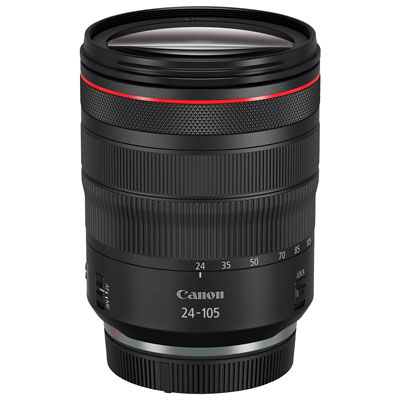
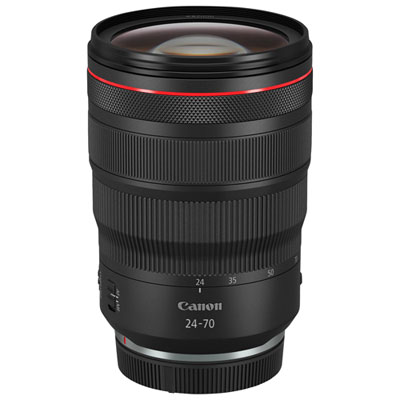
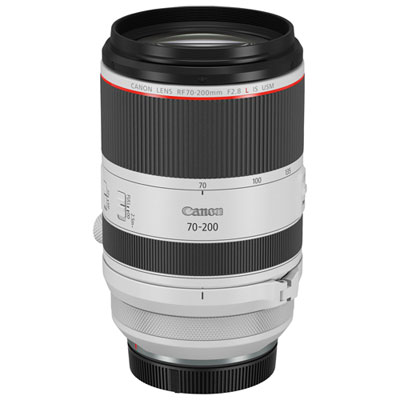
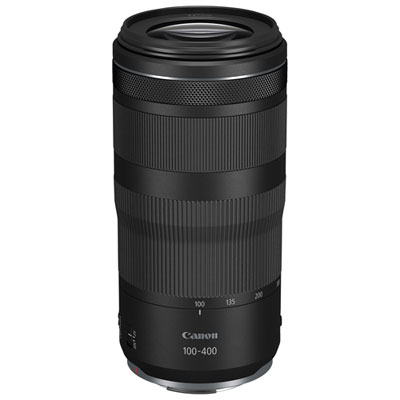
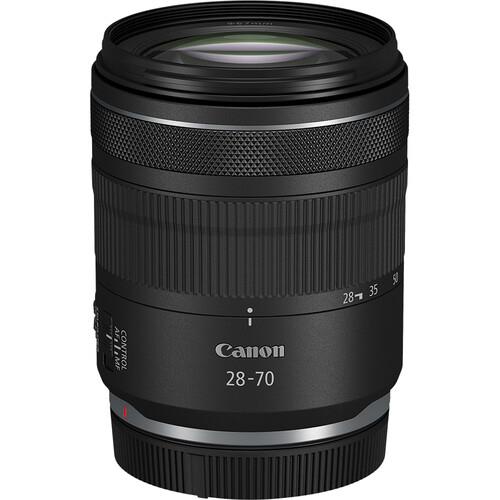
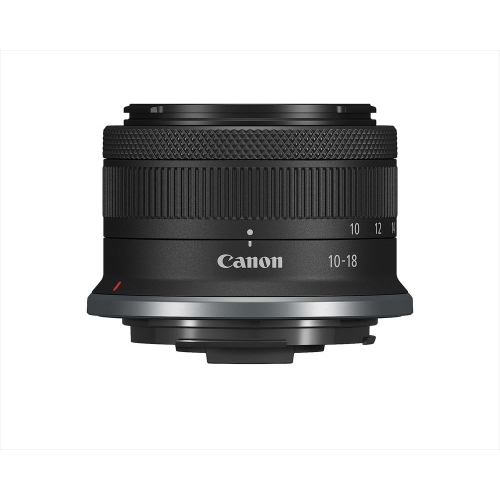
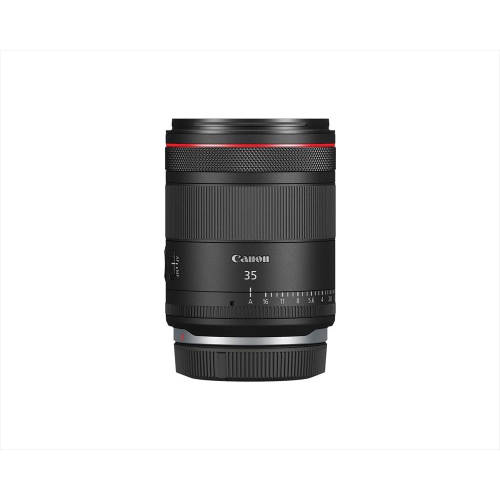
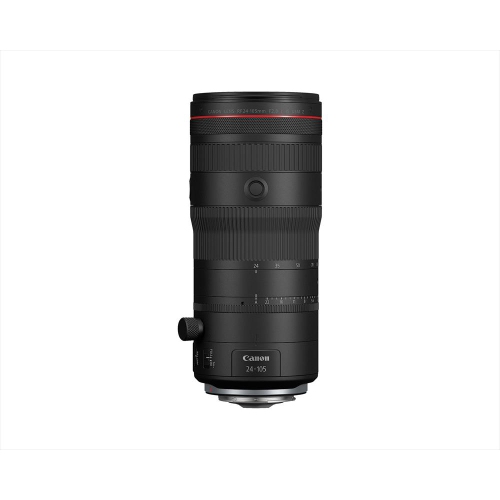
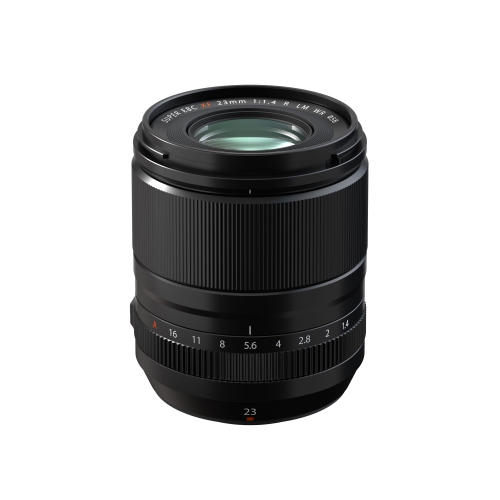
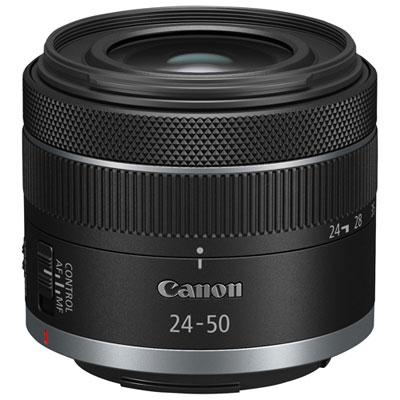
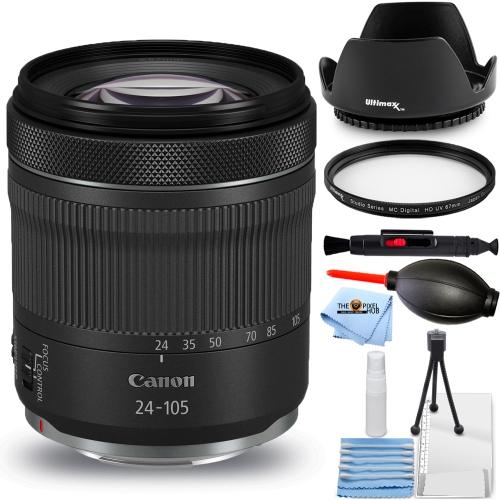
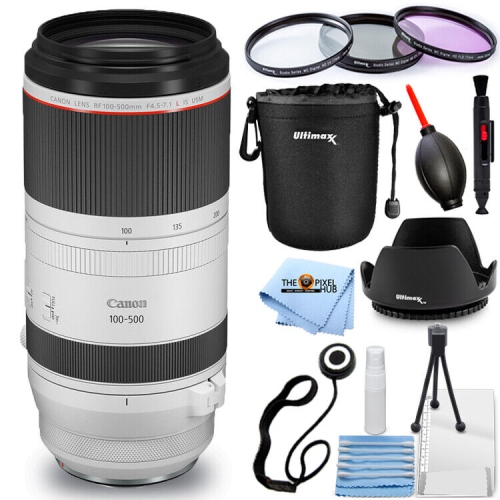
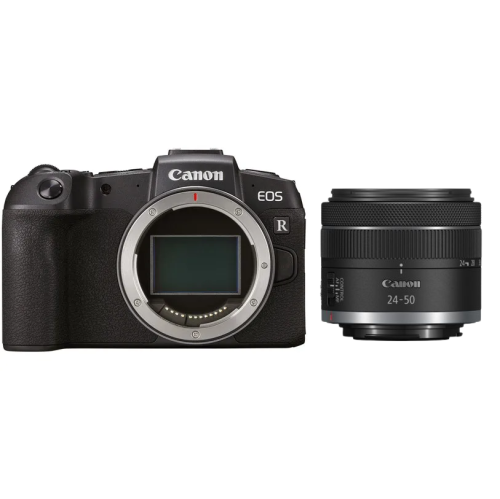
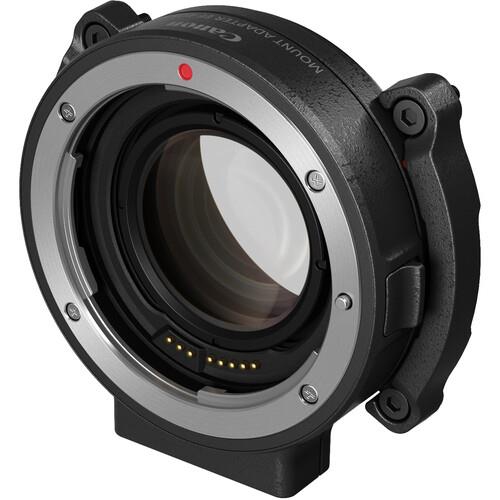
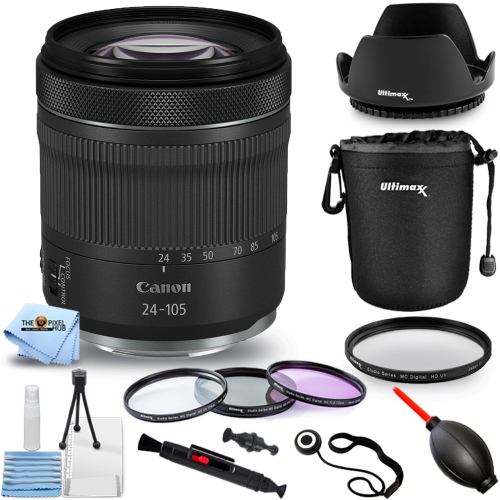
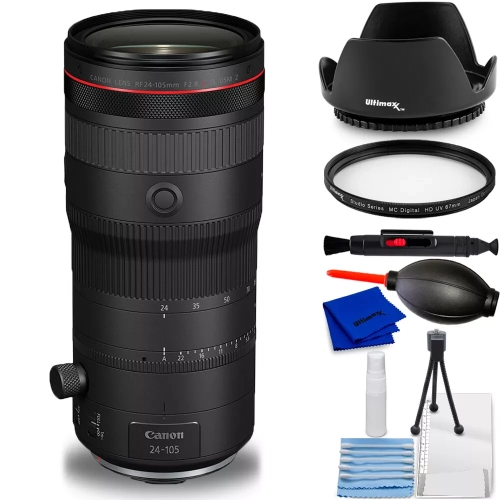
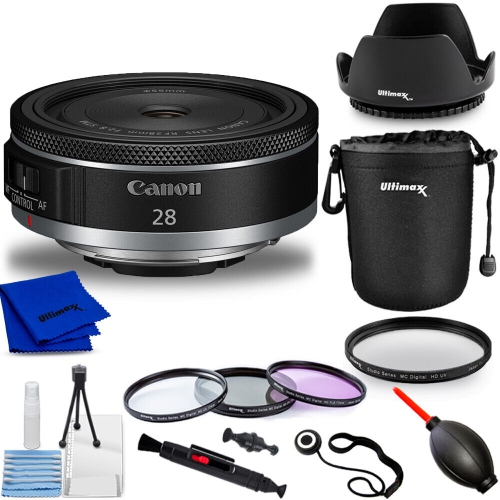
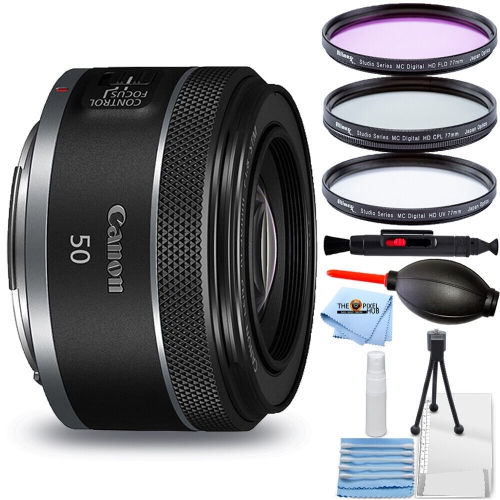
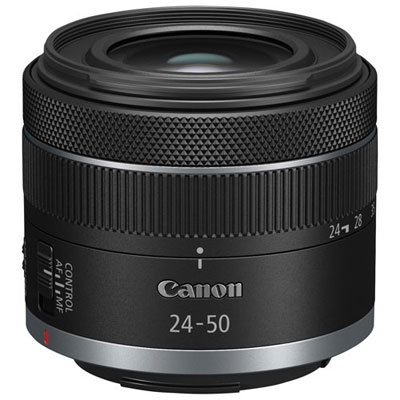
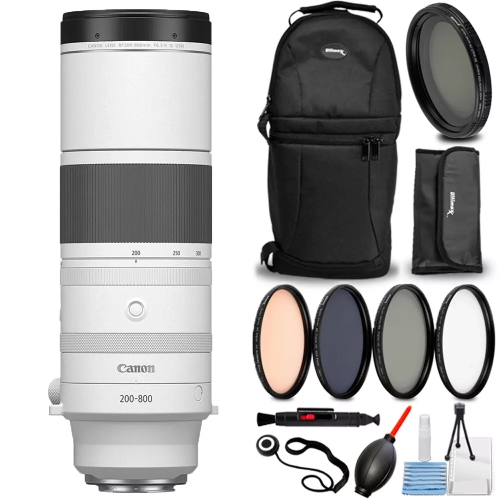
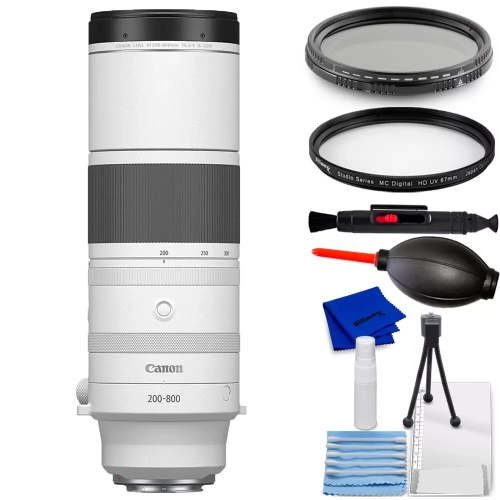
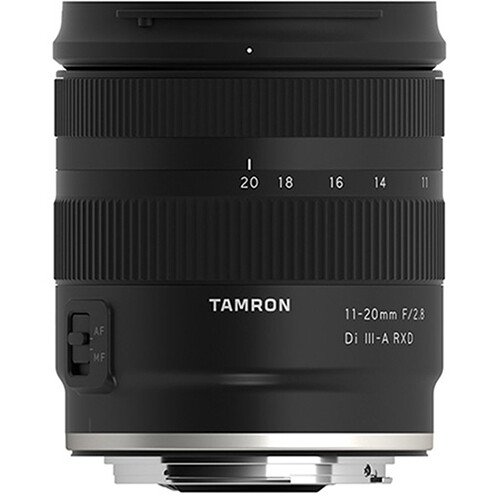
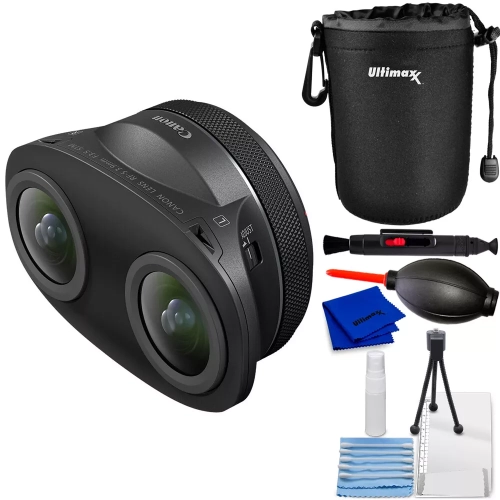
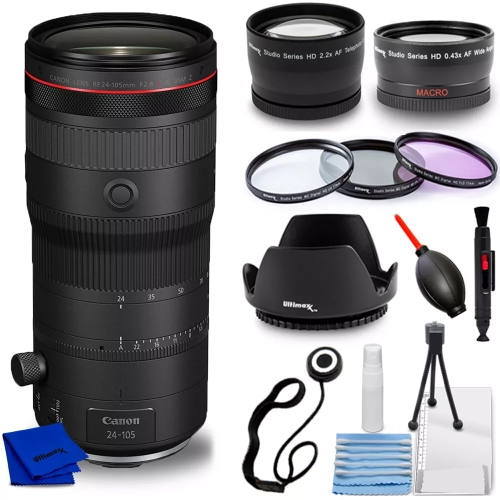
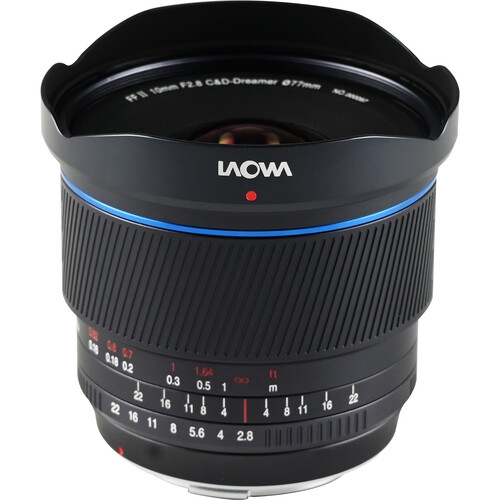
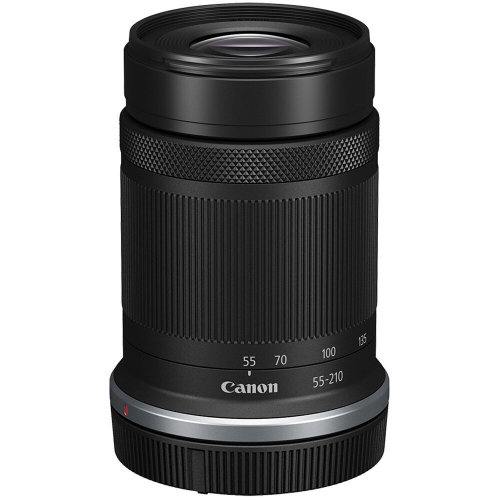
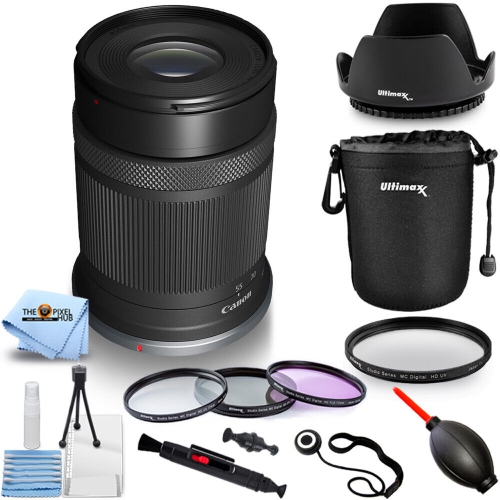
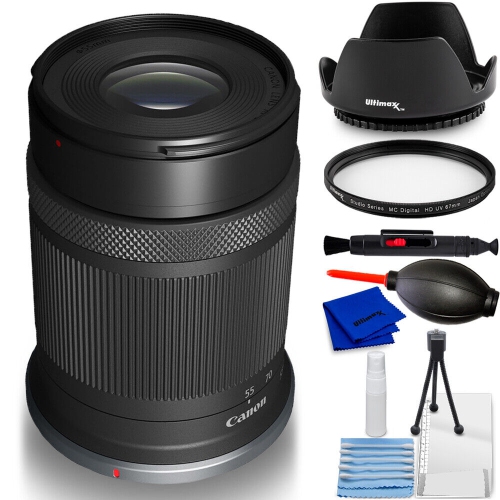
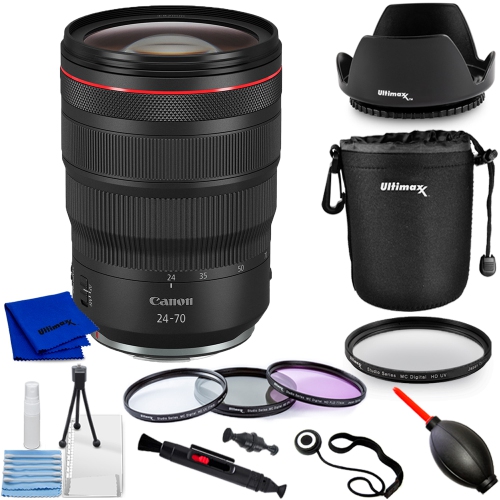
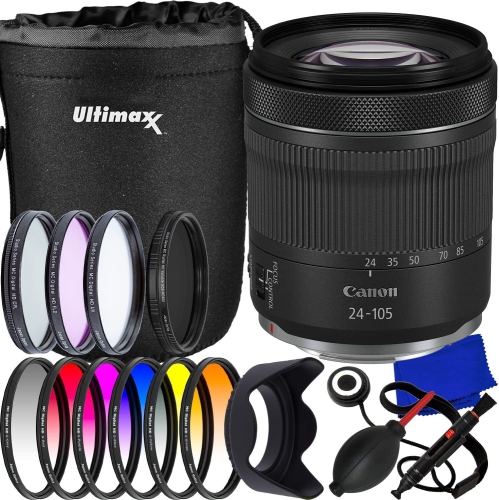
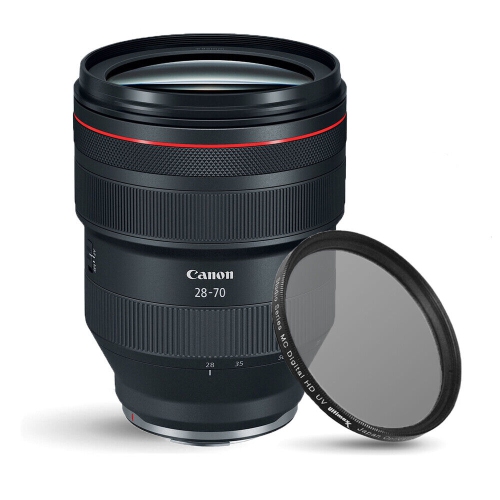
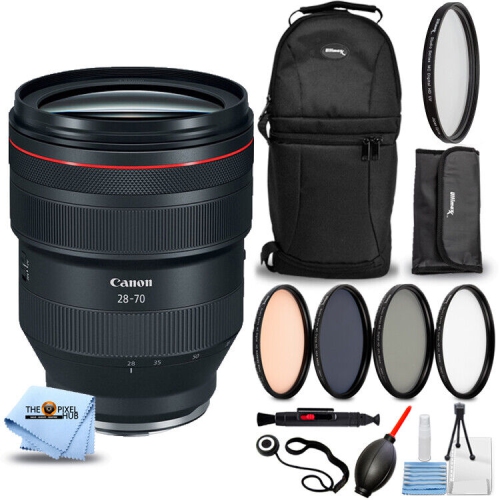
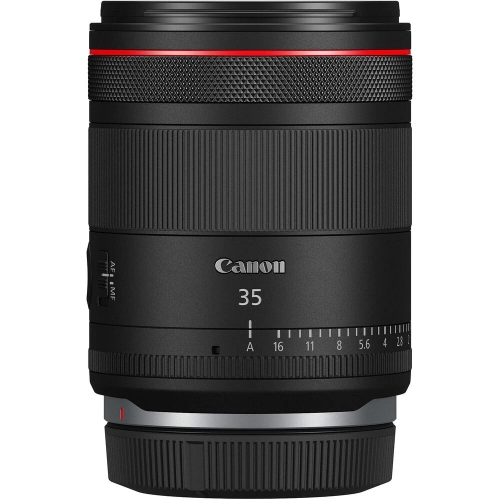
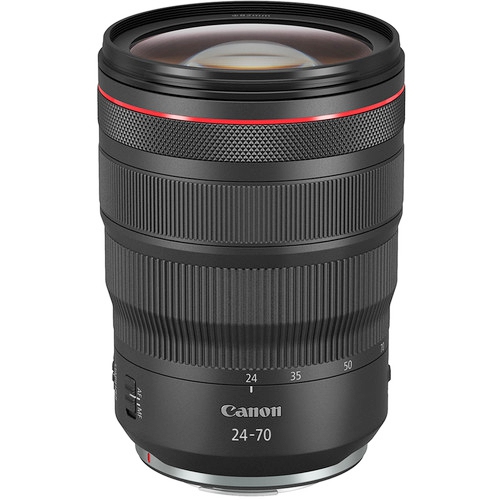
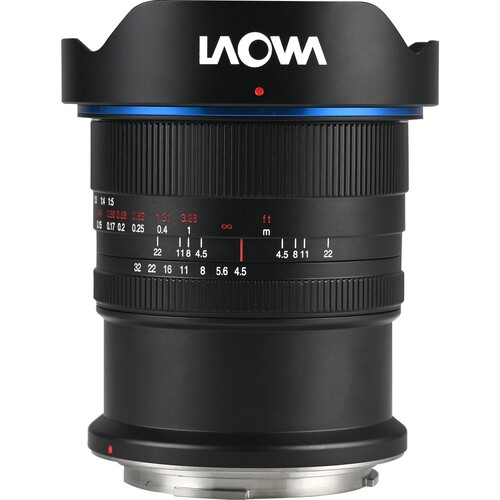
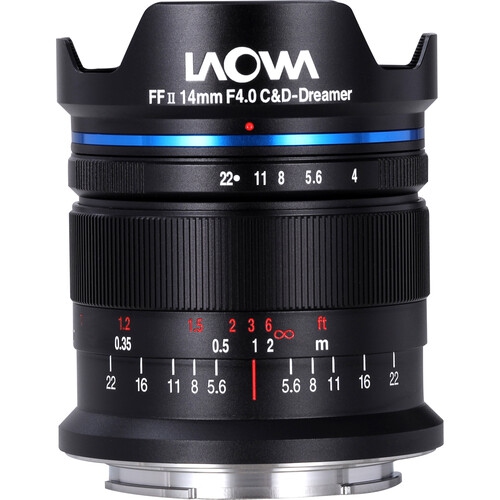
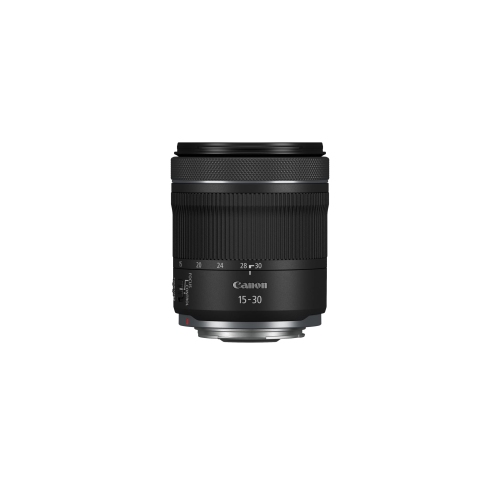
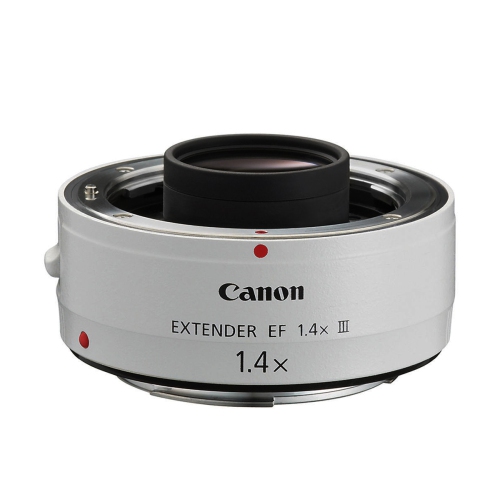
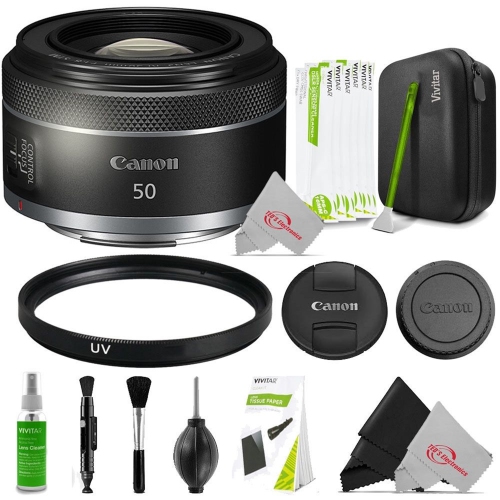
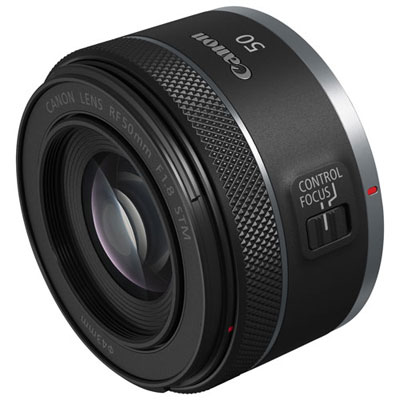
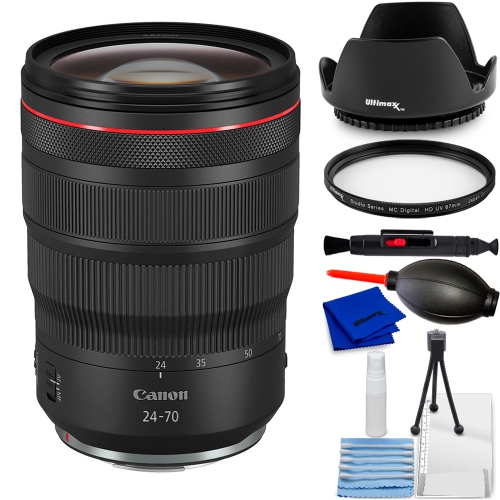
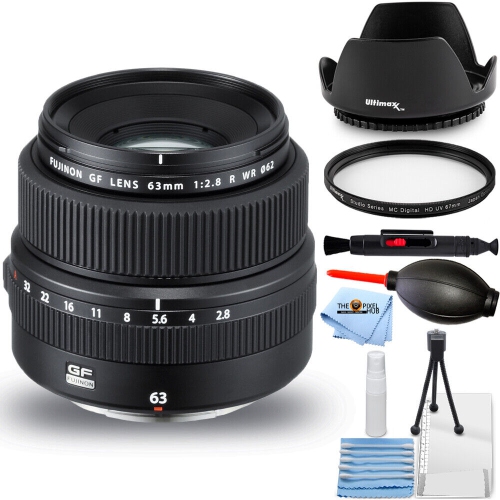
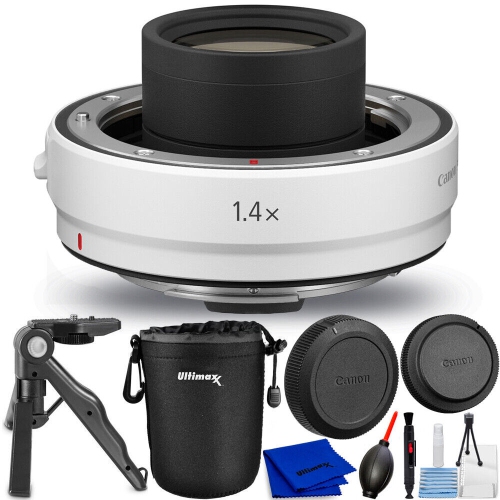
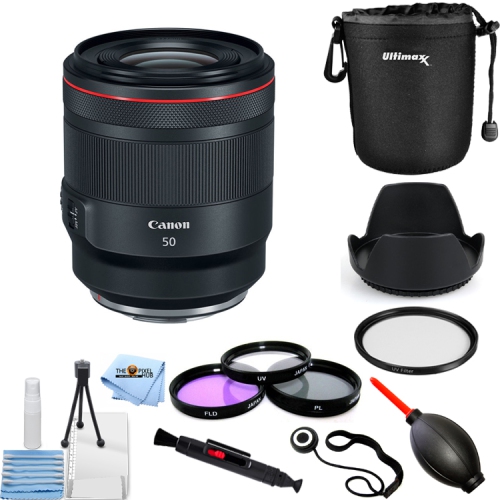
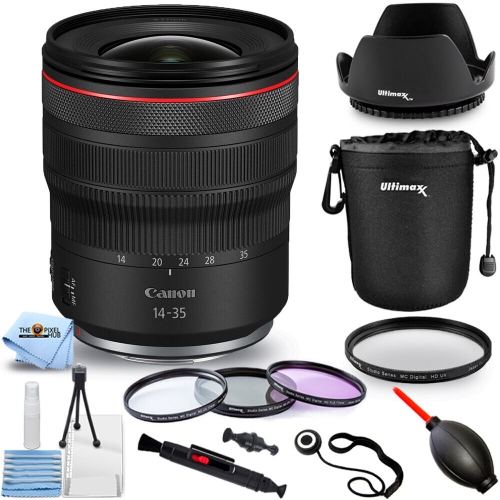
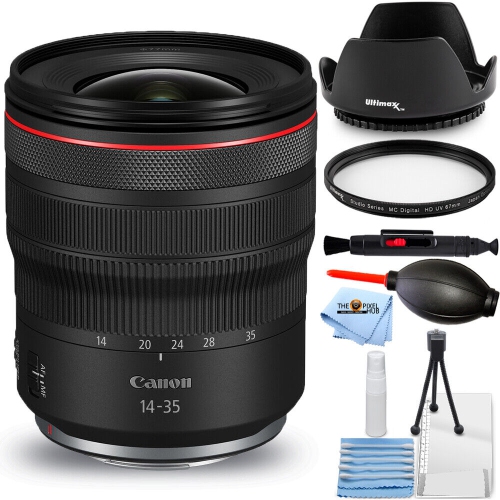
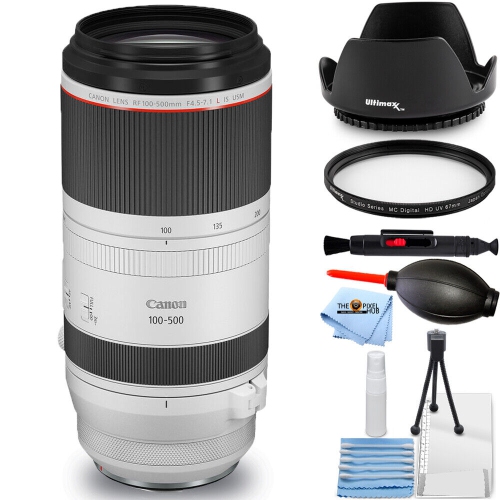
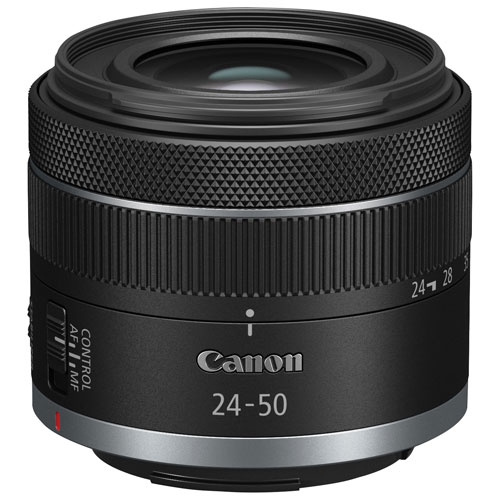
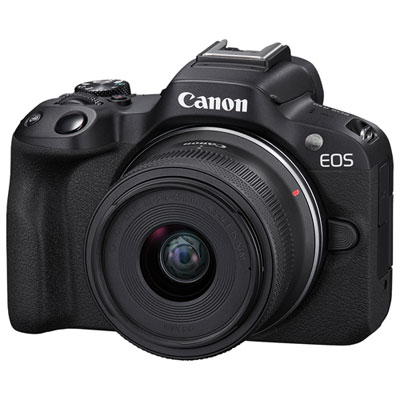
RF lenses are interchangeable camera lenses designed for mirrorless cameras that use the RF mount. The range includes wide-angle, standard, telephoto and macro optics, with both fixed-focal-length prime lenses and zoom lenses suited to different subjects and shooting distances. Their defining feature is the mount itself: a large opening and a short distance between the lens mount and the camera sensor give optical designers flexibility in balancing image quality, aperture, size and weight. Electronic communication between a compatible lens and camera supports functions such as autofocus and aperture adjustment, with additional capabilities depending on the pairing. RF lenses designed to cover a full-frame sensor can also be used on compatible APS-C bodies, where the smaller sensor captures a narrower angle of view. RF-S lenses are designed around the smaller APS-C image area; on compatible full-frame bodies, they require a cropped capture area, which reduces the usable image resolution. This distinction matters when picturing how a lens will frame a scene. A standard focal length on a full-frame camera can feel tighter on an APS-C body, making it useful for an individual portrait but less accommodating for a group gathered around a dining table. Physical mount compatibility is equally important, since lenses for other mirrorless systems are not interchangeable simply because they look similar. Shoppers comparing camera systems may also encounter XF Lenses, which use a different mount and are not a native fit for RF-mount cameras. Older DSLR lenses may work on an RF-mount body with a suitable adapter, depending on their mount and supported functions, but RF lenses are not designed to mount on those older DSLR bodies. The camera’s exact model, sensor size and compatibility specifications provide the clearest basis for choosing a lens that fits properly and delivers the expected framing. For someone expanding an existing camera kit, those details are more useful than matching a lens solely by its focal length or outward appearance.
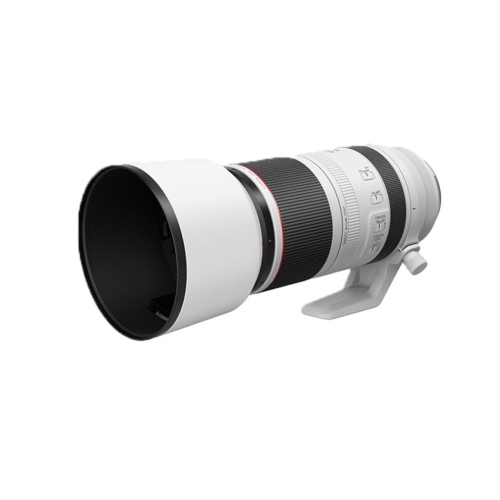
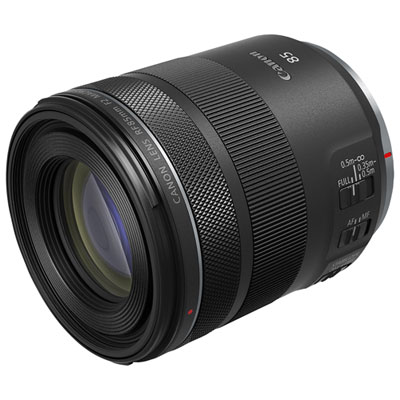
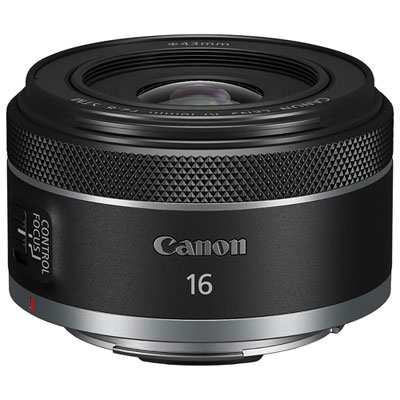
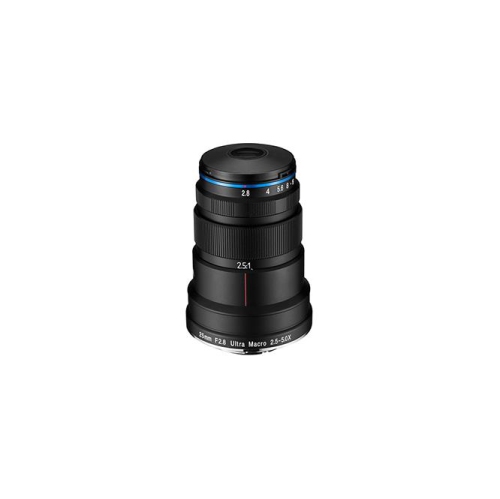
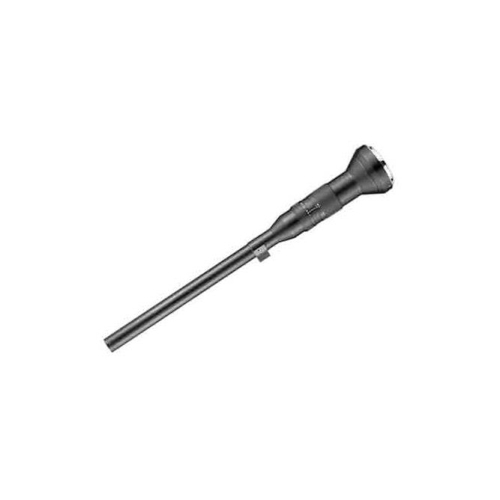
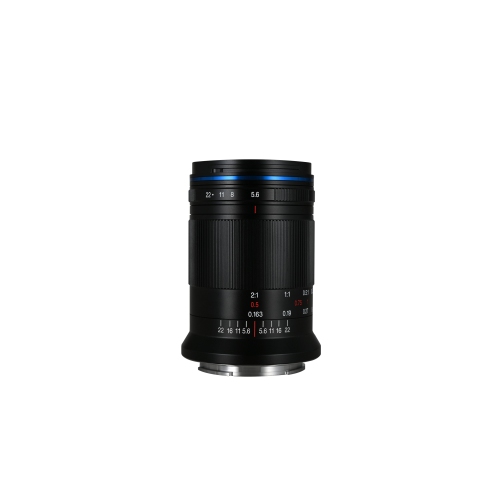
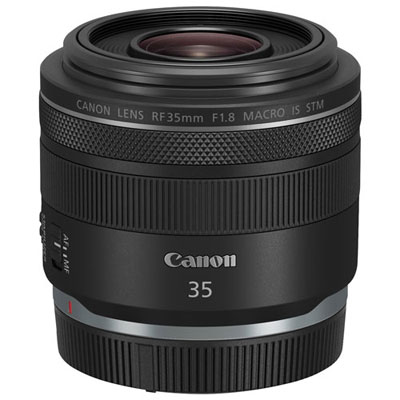
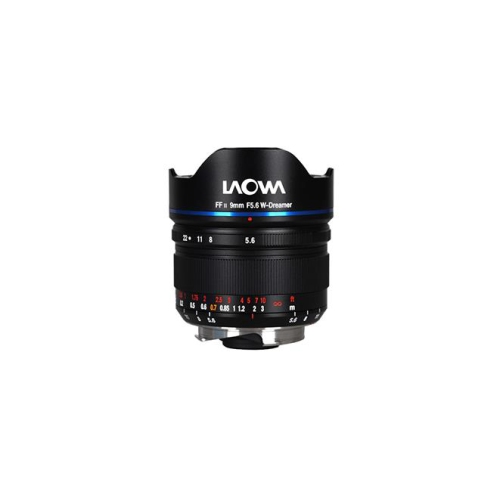
The appeal of RF lenses extends from everyday family photography to landscape, portrait, wildlife, sports and close-up work. A wide-angle lens takes in more of a scene, whether that means a narrow room, a broad shoreline or the ceiling details of an old building. Camera position still shapes the result: standing very close to a person with a wide lens can exaggerate facial proportions, while keeping the camera level helps limit converging vertical lines in architectural photographs. Standard lenses offer a versatile angle of view for street scenes, food, travel and informal portraits. Telephoto lenses make distant subjects larger in the frame, giving photographers room to photograph birds across a pond or action beyond the sidelines without moving closer. Their narrower field of view can also simplify a busy background. Zoom lenses adjust framing across a range of focal lengths, which is useful when there is little room to change position or when a subject moves unpredictably. Prime lenses have one focal length and may offer a wider maximum aperture or a smaller body than a zoom covering the same view, although neither advantage applies to every design. Aperture affects how much light reaches the sensor and how much of a scene appears acceptably sharp. A lower maximum f-number can support faster shutter speeds indoors and softer backgrounds for portraits, while a smaller aperture can bring more of a landscape or tabletop arrangement into focus. Macro capability is another separate consideration. Minimum focusing distance indicates how close the camera can focus, measured from the sensor plane, while maximum magnification describes how large a subject can appear on the sensor. True life-size magnification can reveal the weave of fabric, frost on a leaf or the fine details of jewellery. Working distance—the space between the front of the lens and the subject—also matters when lighting small objects or photographing insects. These differences make lens choice closely tied to the photographs someone enjoys making, rather than to a single measure of sharpness or reach.
Handling, construction and care influence how comfortably an RF lens becomes part of a regular shooting routine. Lens bodies may combine engineered plastics and metal components, with optical glass elements and coatings that help manage reflections, flare and other image effects. Weight alone does not establish quality or durability: a compact lens can be easier to carry through a full afternoon, while a larger lens may accommodate a wider aperture, longer focal length or more complex optical design. Balance on the camera body matters, particularly during handheld shooting or when using a stabilizer for video. Some longer lenses include a tripod collar to support the combined setup more evenly. Optical image stabilization, where included, helps reduce blur from camera movement and may work alongside compatible in-body stabilization; it does not freeze a moving child or an athlete, so shutter speed remains important. Autofocus behaviour also varies, with motor design, camera settings and subject conditions affecting speed, sound and tracking performance. For video, quiet focusing, smooth transitions and limited focus breathing can help keep attention on the scene rather than visible framing changes during a focus adjustment. Many RF lenses include a configurable control ring for adjusting a supported exposure setting, though the controls and their operation differ by lens. Weather-resistant construction is useful during outdoor photography, but protection varies and does not make a lens waterproof. During the cooler months, keeping equipment in a closed camera bag while it gradually warms indoors can help reduce condensation. A hood can shade the front element and offer modest protection against incidental contact, while front and rear caps, a padded compartment and careful handling protect exposed surfaces during transport. Loose dust is best removed before gently cleaning glass with suitable lens-cleaning materials. Filter thread diameter, hood fit and carrying space are worth checking alongside the main specifications. For a photography enthusiast receiving a lens as a gift, a confirmed camera mount and an understanding of their favourite subjects help make the choice personal, whether they prefer quiet close-ups at home or distant wildlife on a weekend walk.
The appeal of RF lenses extends from everyday family photography to landscape, portrait, wildlife, sports and close-up work. A wide-angle lens takes in more of a scene, whether that means a narrow room, a broad shoreline or the ceiling details of an old building. Camera position still shapes the result: standing very close to a person with a wide lens can exaggerate facial proportions, while keeping the camera level helps limit converging vertical lines in architectural photographs. Standard lenses offer a versatile angle of view for street scenes, food, travel and informal portraits. Telephoto lenses make distant subjects larger in the frame, giving photographers room to photograph birds across a pond or action beyond the sidelines without moving closer. Their narrower field of view can also simplify a busy background. Zoom lenses adjust framing across a range of focal lengths, which is useful when there is little room to change position or when a subject moves unpredictably. Prime lenses have one focal length and may offer a wider maximum aperture or a smaller body than a zoom covering the same view, although neither advantage applies to every design. Aperture affects how much light reaches the sensor and how much of a scene appears acceptably sharp. A lower maximum f-number can support faster shutter speeds indoors and softer backgrounds for portraits, while a smaller aperture can bring more of a landscape or tabletop arrangement into focus. Macro capability is another separate consideration. Minimum focusing distance indicates how close the camera can focus, measured from the sensor plane, while maximum magnification describes how large a subject can appear on the sensor. True life-size magnification can reveal the weave of fabric, frost on a leaf or the fine details of jewellery. Working distance—the space between the front of the lens and the subject—also matters when lighting small objects or photographing insects. These differences make lens choice closely tied to the photographs someone enjoys making, rather than to a single measure of sharpness or reach.
Handling, construction and care influence how comfortably an RF lens becomes part of a regular shooting routine. Lens bodies may combine engineered plastics and metal components, with optical glass elements and coatings that help manage reflections, flare and other image effects. Weight alone does not establish quality or durability: a compact lens can be easier to carry through a full afternoon, while a larger lens may accommodate a wider aperture, longer focal length or more complex optical design. Balance on the camera body matters, particularly during handheld shooting or when using a stabilizer for video. Some longer lenses include a tripod collar to support the combined setup more evenly. Optical image stabilization, where included, helps reduce blur from camera movement and may work alongside compatible in-body stabilization; it does not freeze a moving child or an athlete, so shutter speed remains important. Autofocus behaviour also varies, with motor design, camera settings and subject conditions affecting speed, sound and tracking performance. For video, quiet focusing, smooth transitions and limited focus breathing can help keep attention on the scene rather than visible framing changes during a focus adjustment. Many RF lenses include a configurable control ring for adjusting a supported exposure setting, though the controls and their operation differ by lens. Weather-resistant construction is useful during outdoor photography, but protection varies and does not make a lens waterproof. During the cooler months, keeping equipment in a closed camera bag while it gradually warms indoors can help reduce condensation. A hood can shade the front element and offer modest protection against incidental contact, while front and rear caps, a padded compartment and careful handling protect exposed surfaces during transport. Loose dust is best removed before gently cleaning glass with suitable lens-cleaning materials. Filter thread diameter, hood fit and carrying space are worth checking alongside the main specifications. For a photography enthusiast receiving a lens as a gift, a confirmed camera mount and an understanding of their favourite subjects help make the choice personal, whether they prefer quiet close-ups at home or distant wildlife on a weekend walk.
Top selling and popular products
-
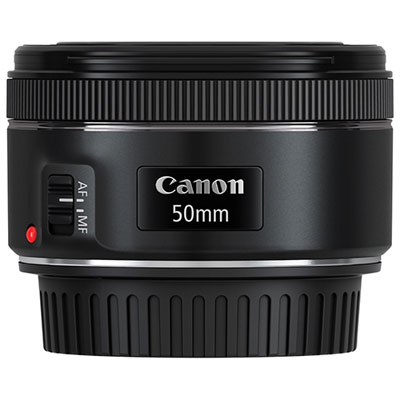 Your price for this item is $169.99
 -
 Your price for this item is $329.99
 -
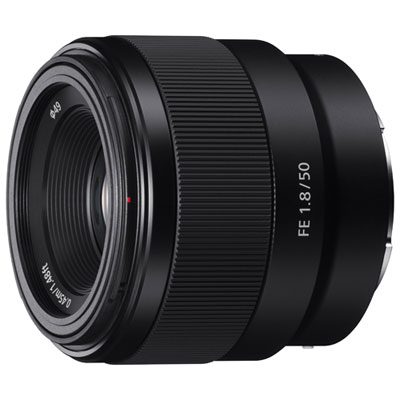 Your price for this item is $349.99
 -
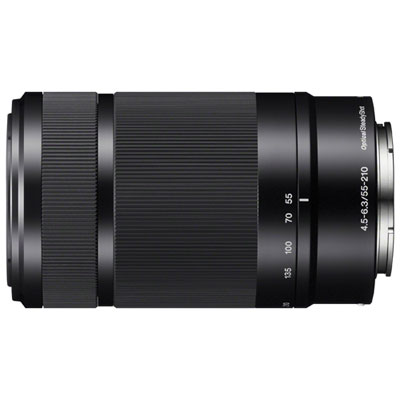 Your price for this item is $399.99
 -
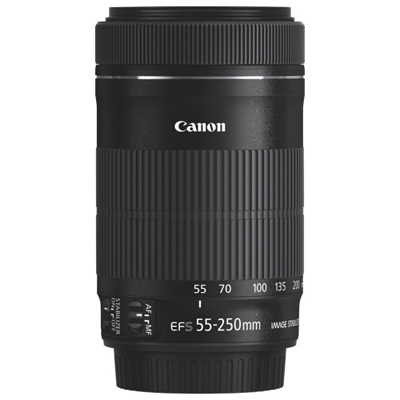 Your price for this item is $399.99
 -
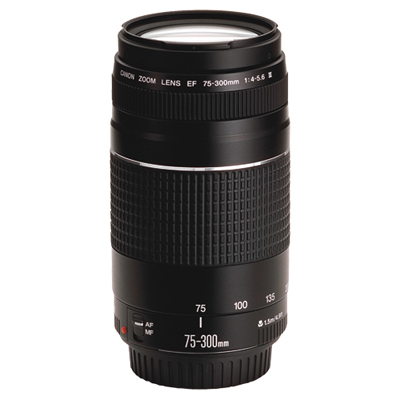 Your price for this item is $199.99
 -
 Your price for this item is $174.99
 -
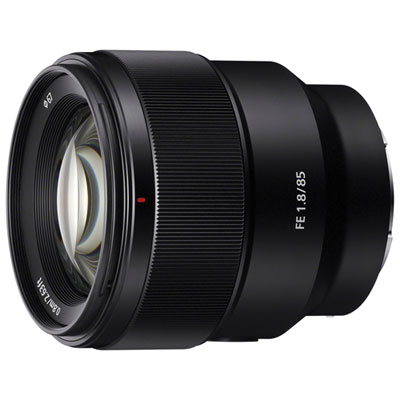 Your price for this item is $749.99
Discover more categories related to RF Lenses
Top Collections:
Pokemon Centers, Kindle Devices, Best Budget Office Chairs, Apple iPhones 16, Best Laptops for Writers, iPhone 15 Apple, Canon G7X Cameras, Refurbished Apple Laptops, Alarm Clock, Motorola Razr Phones
Some products may be subject to Environmental Handling Fees
(EHF) depending on your province.
Learn more about EHFs.