Layer 3 Switches
Looking to upgrade your network infrastructure? Look no further than our selection of Layer 3 switches. These powerful devices are designed to provide advanced routing capabilities, ensuring efficient data transfer and seamless communication between multiple networks. Whether you're a small business looking to expand or an enterprise in need of robust networking solutions, our range of Layer 3 switches has got you covered. With their high-performance features and reliable performance, these switches are the perfect addition to any network setup. Explore our collection today and take your connectivity to the next level.
Sort
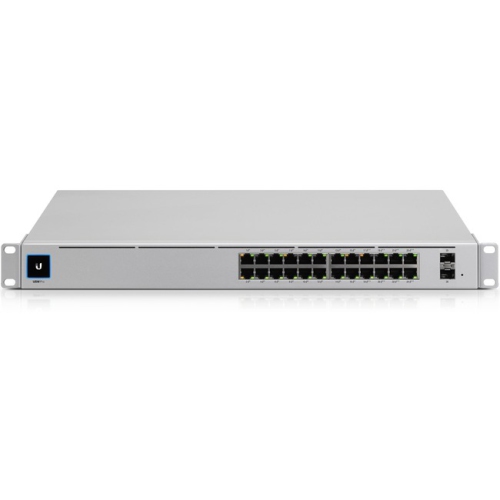
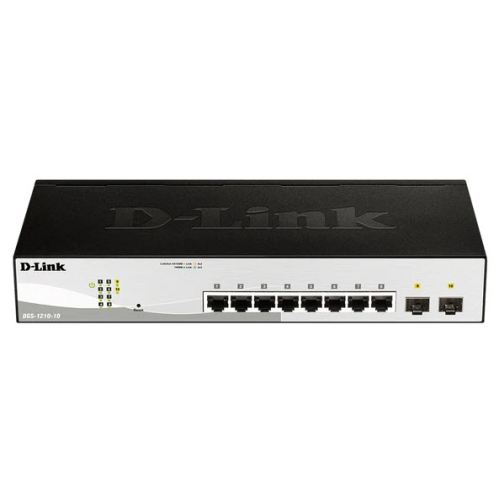
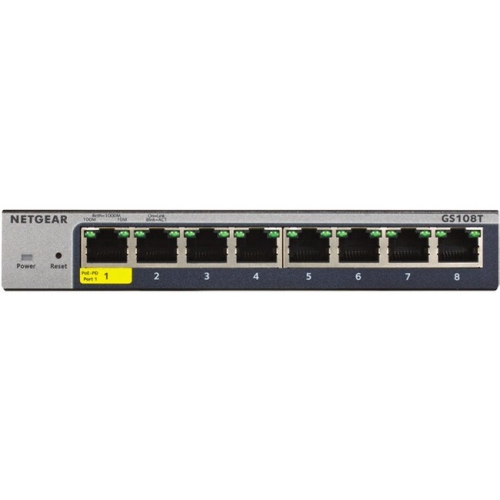
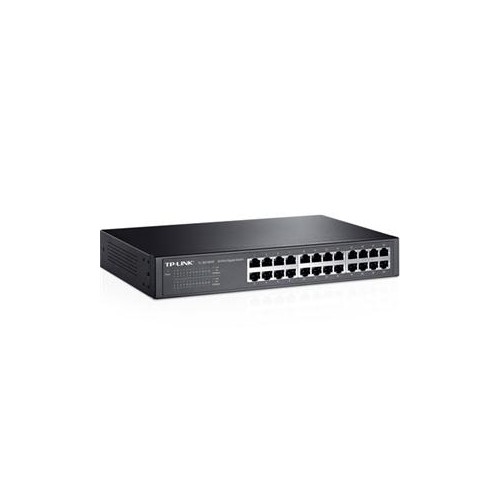
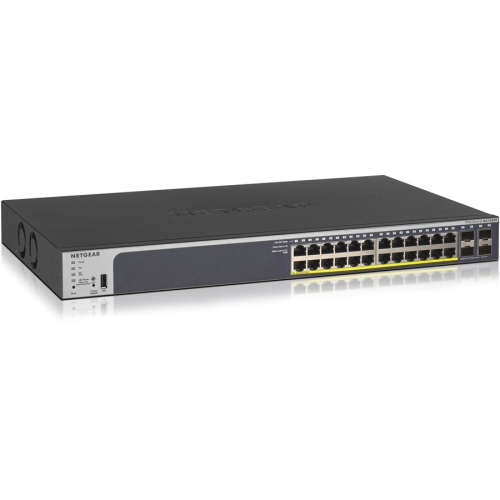
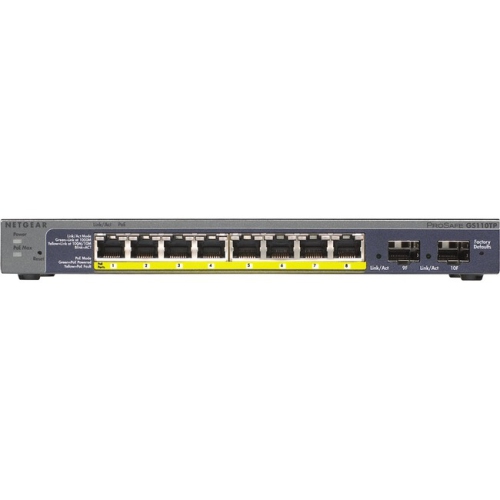
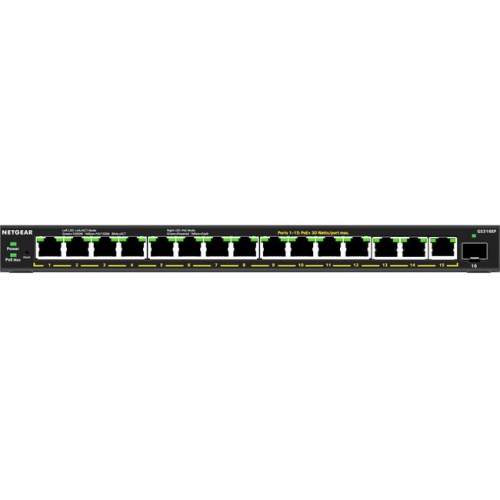
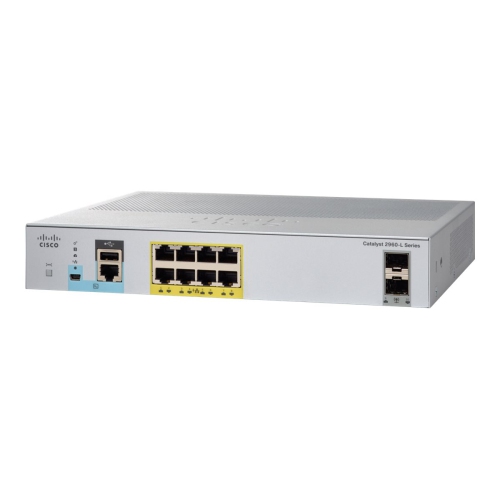
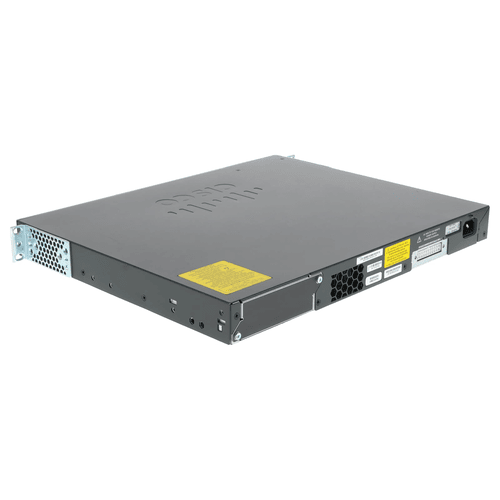
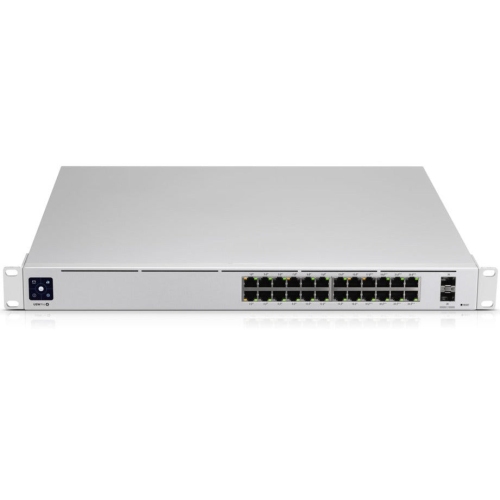
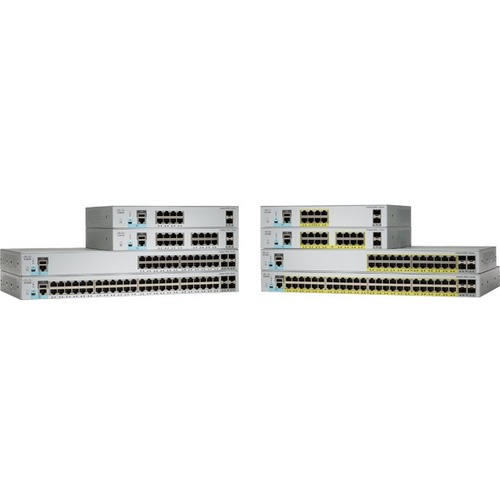
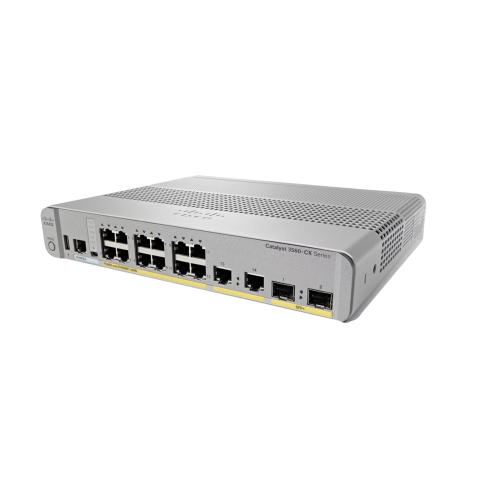
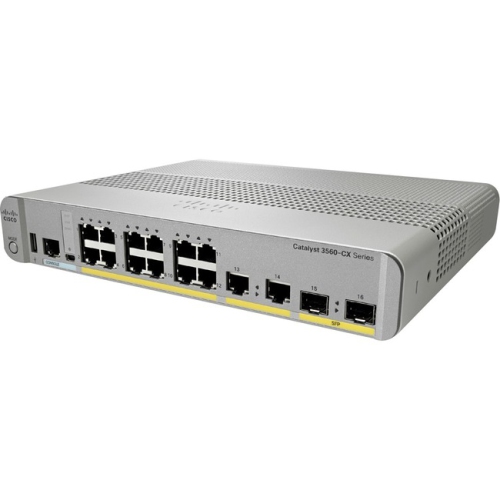
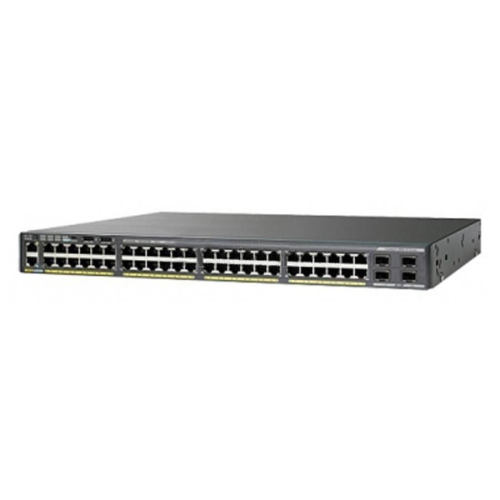
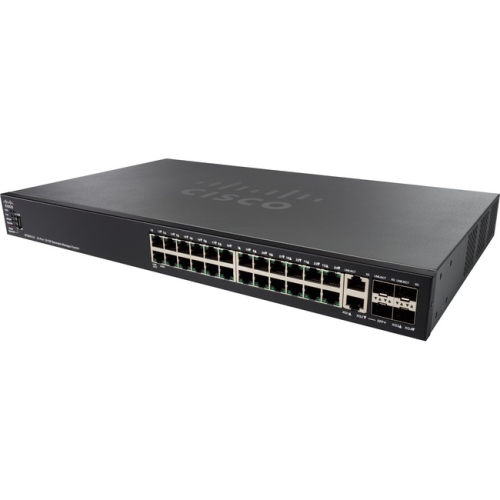
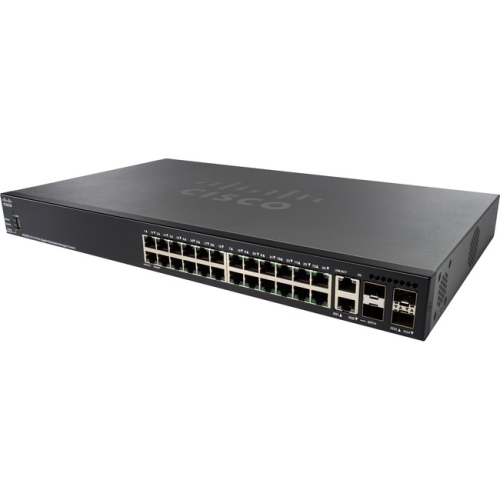
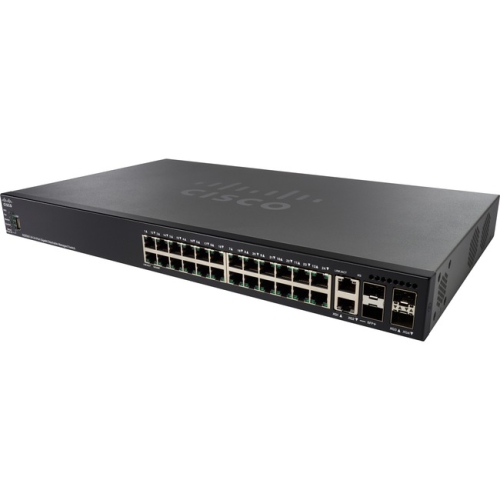
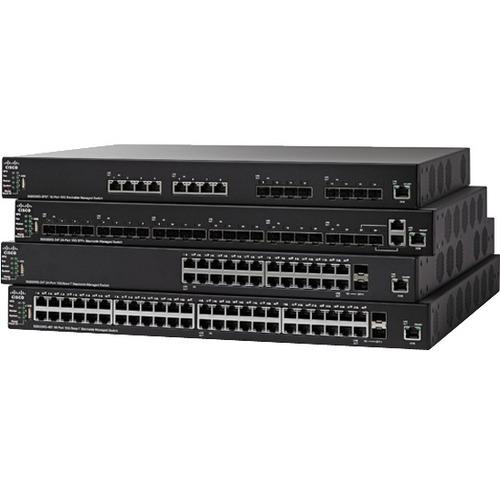

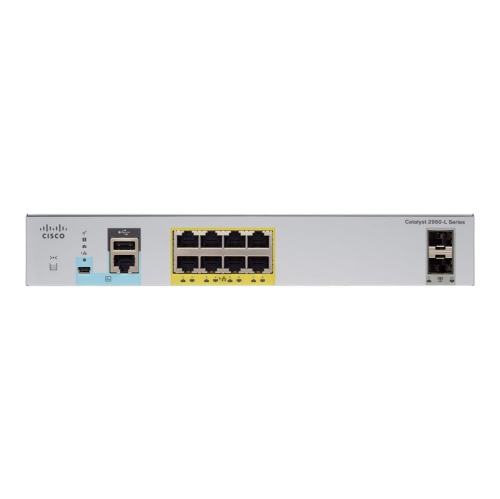
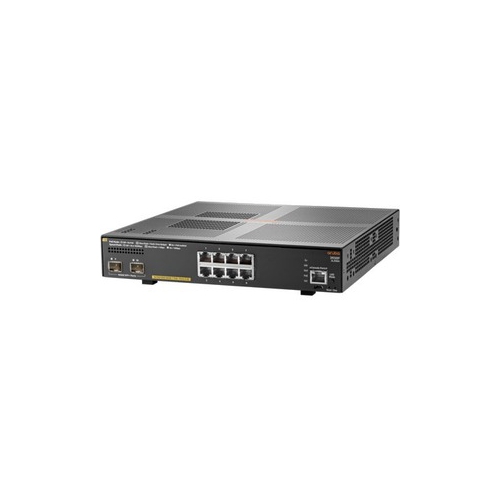
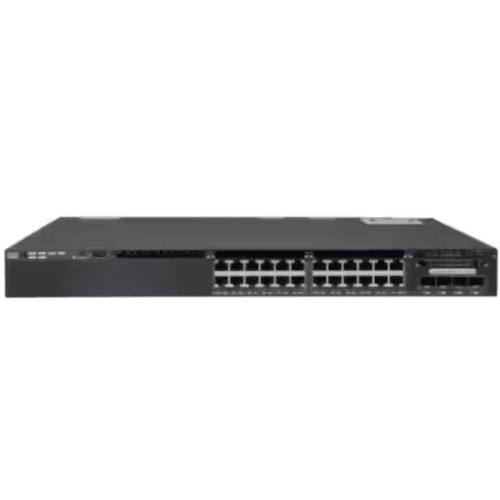
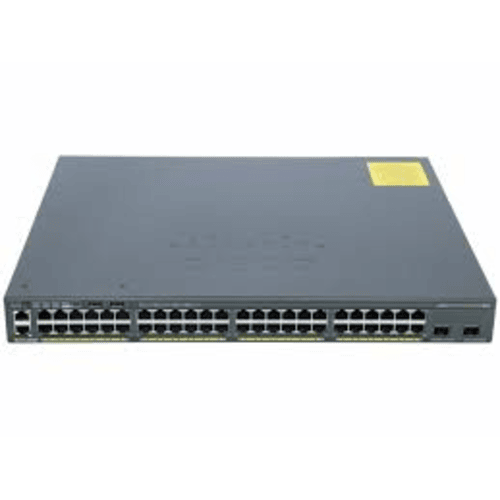
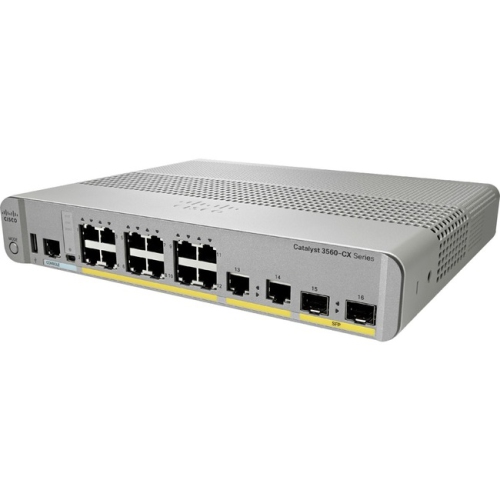
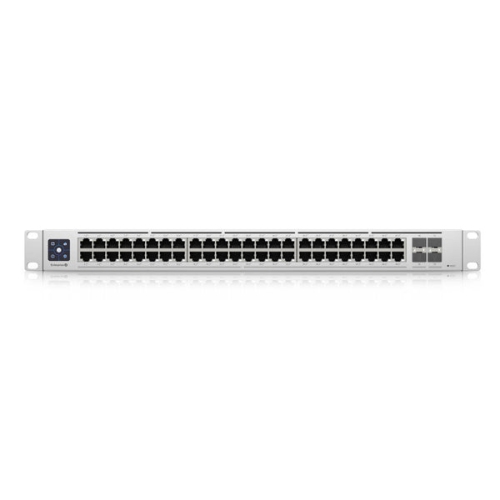
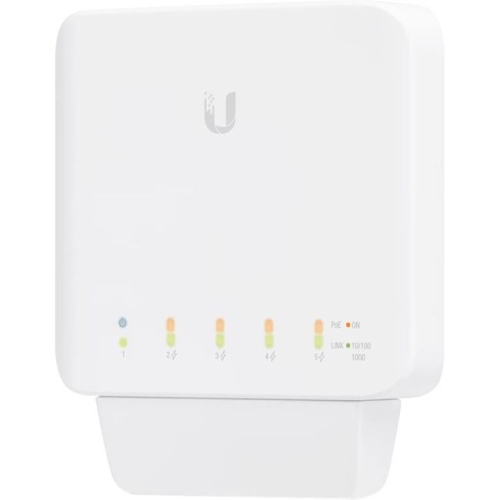
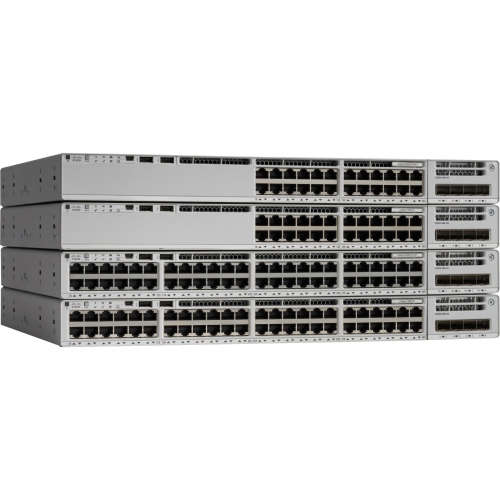
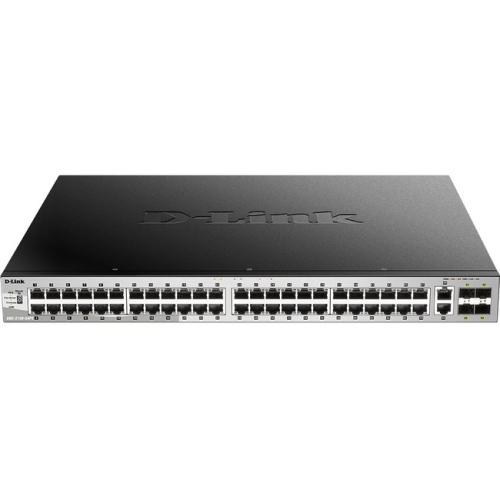
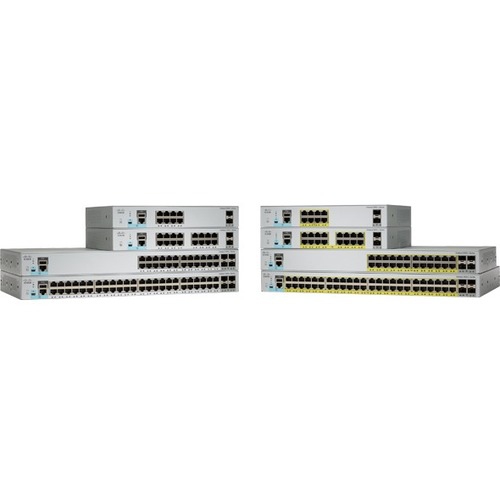
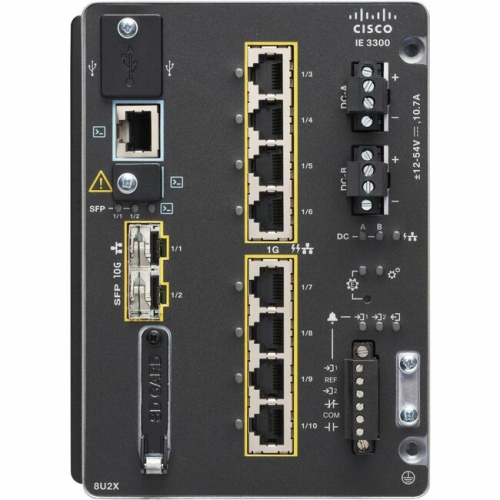
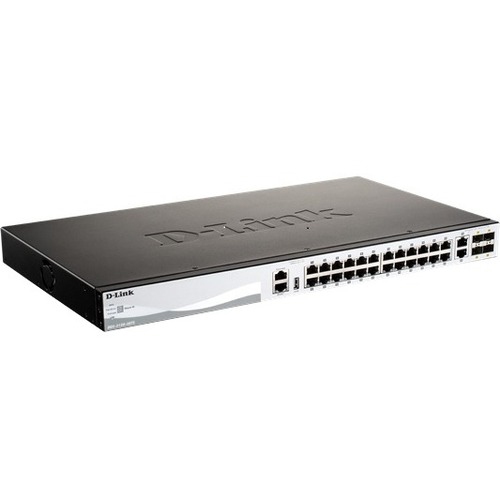
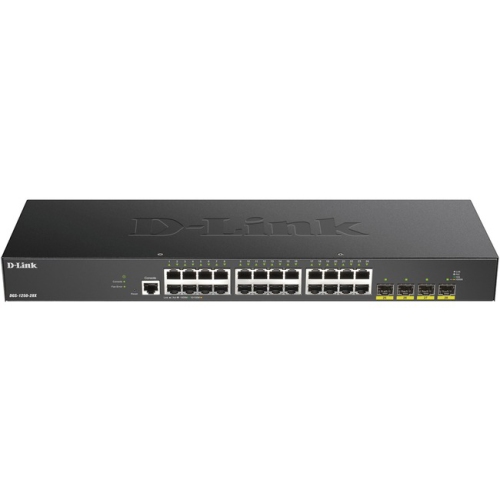
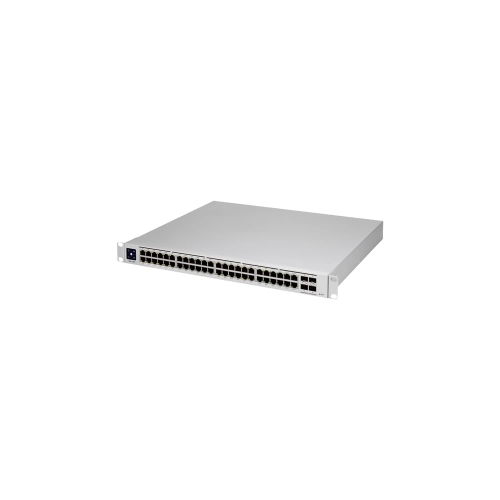
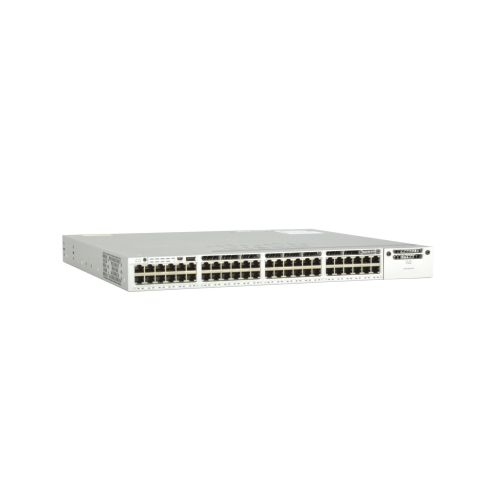
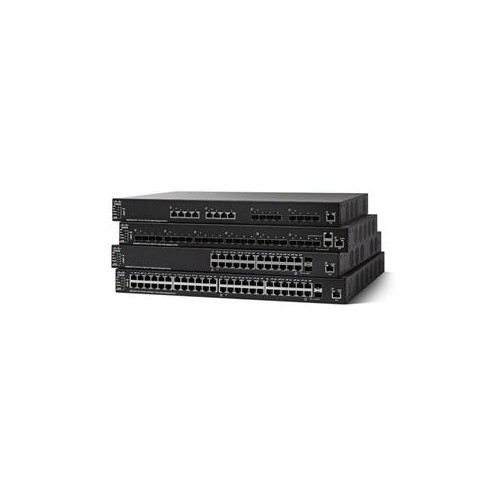
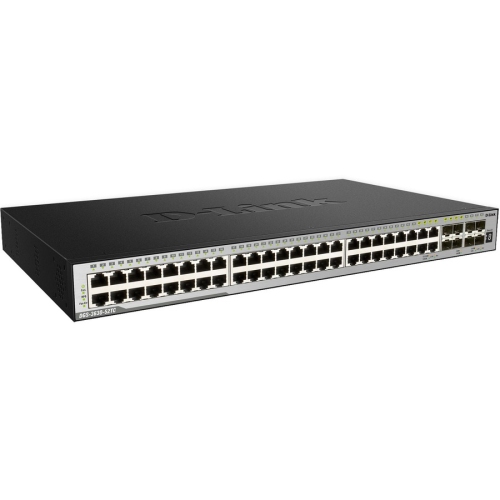

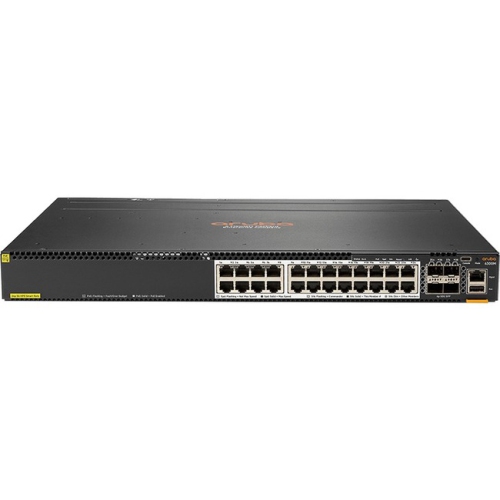
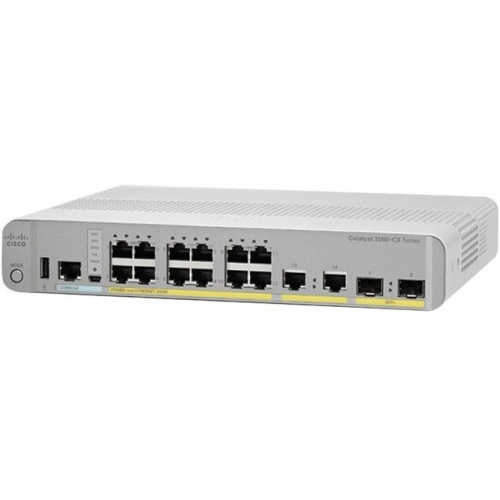
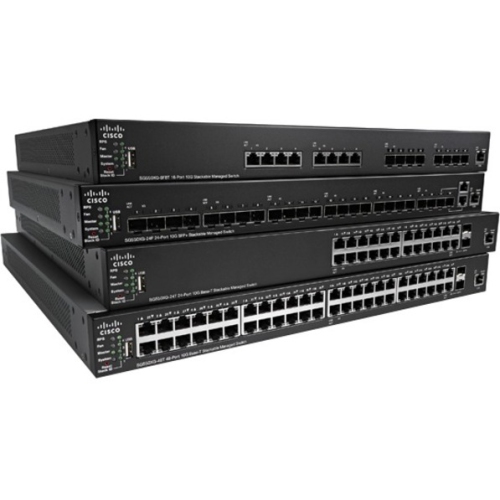
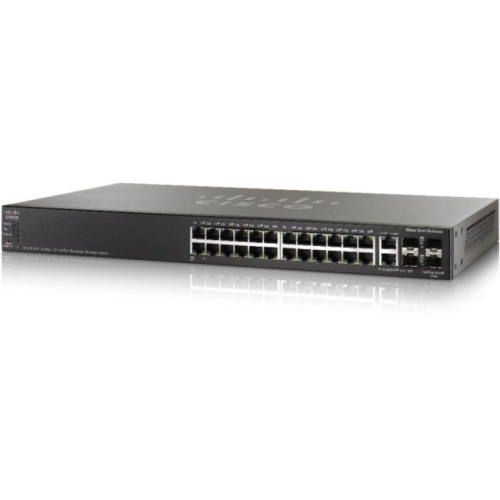
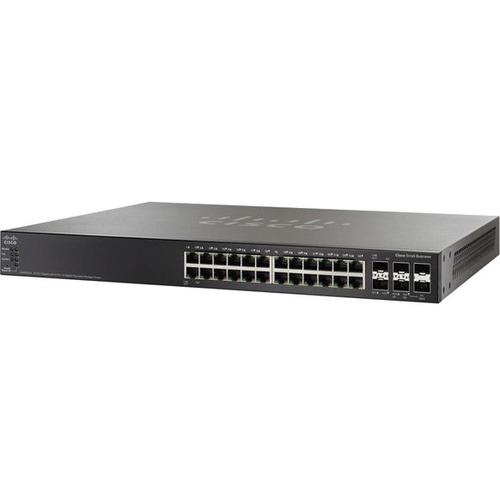
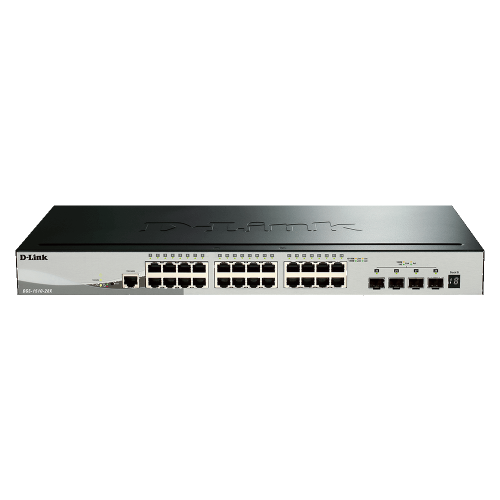
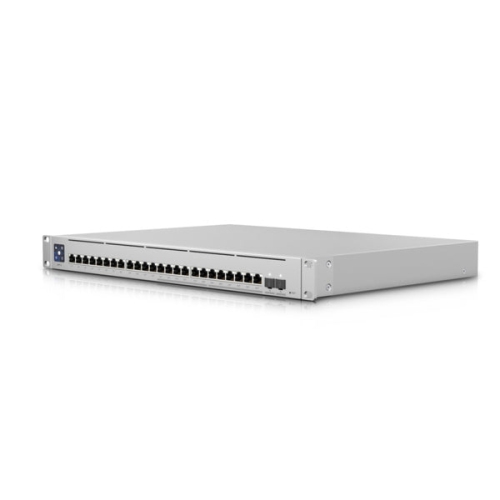
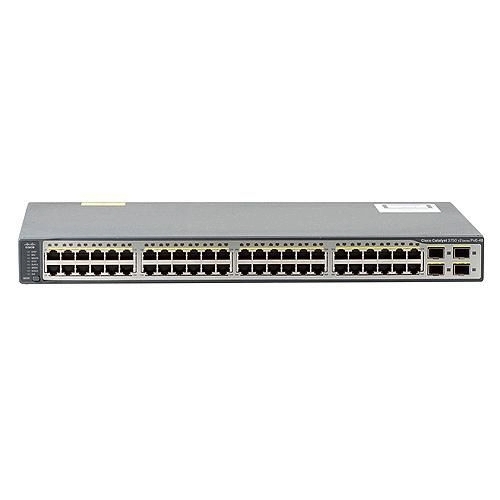
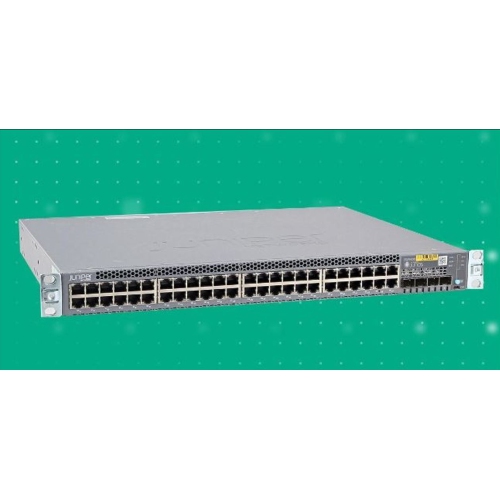
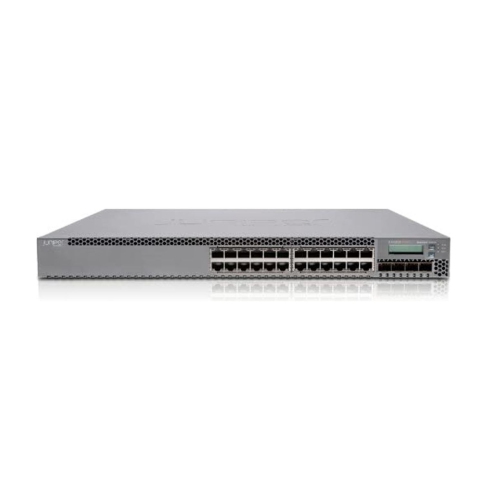
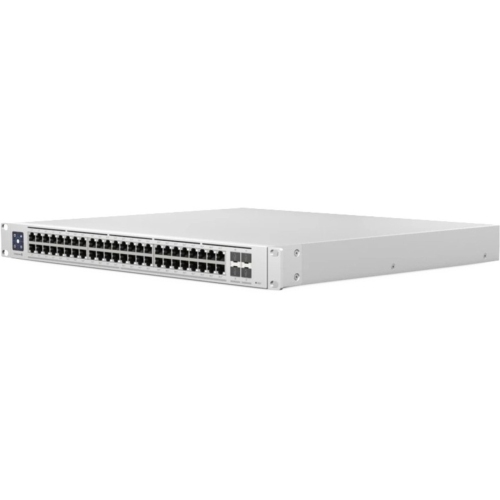
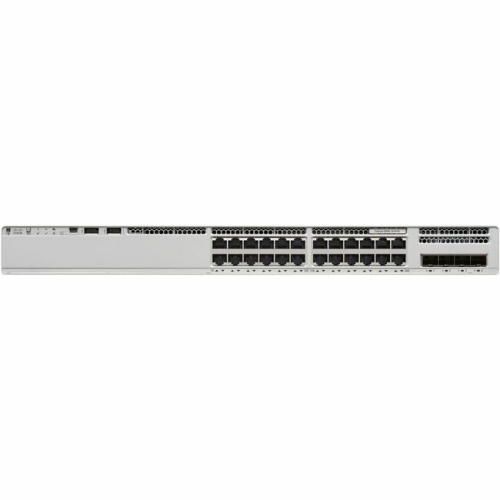
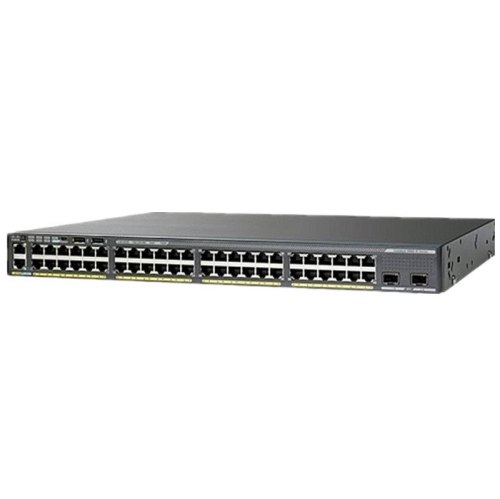
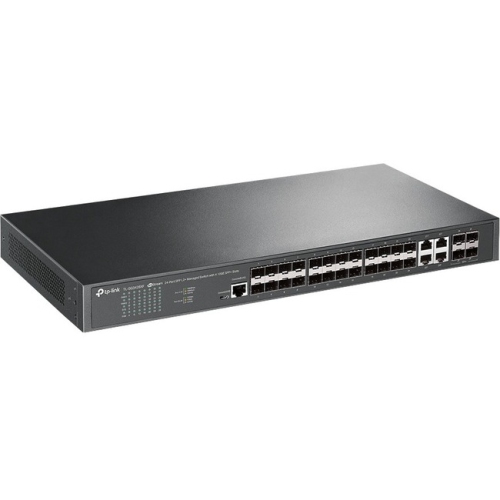
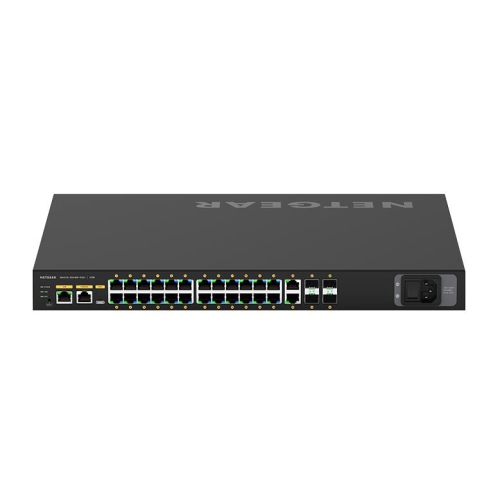
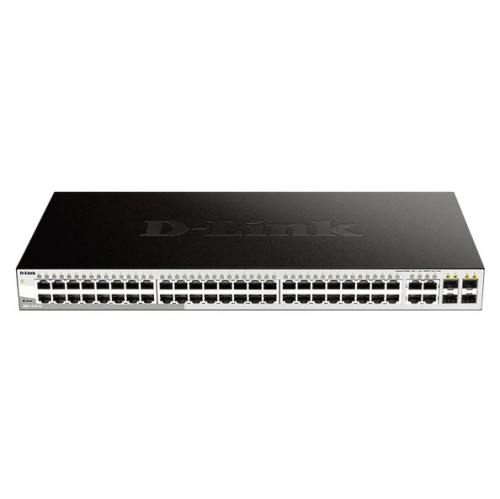
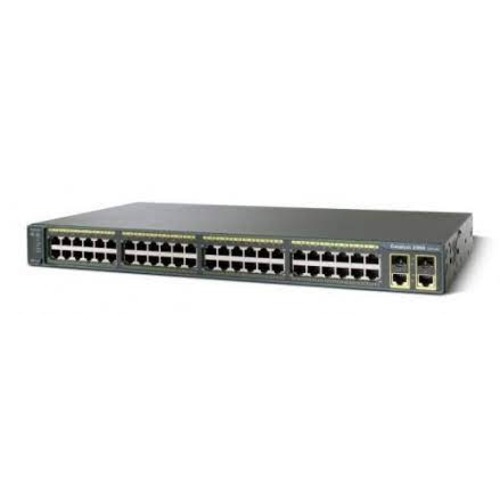
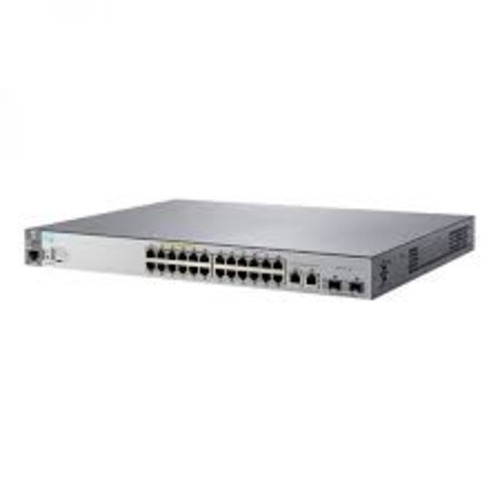
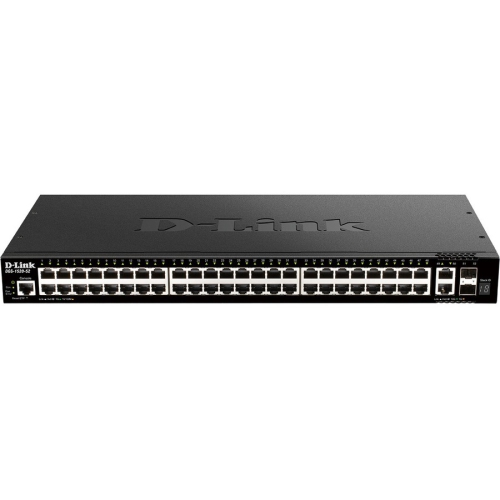
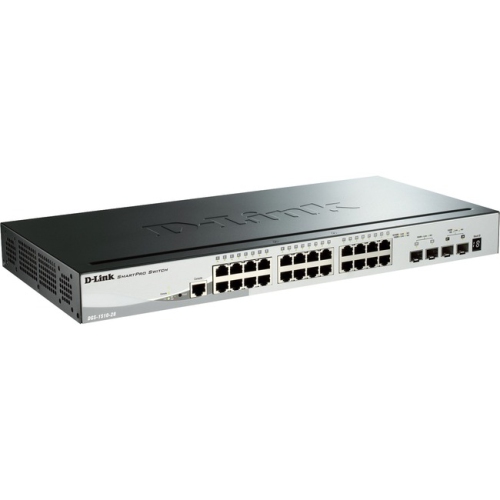
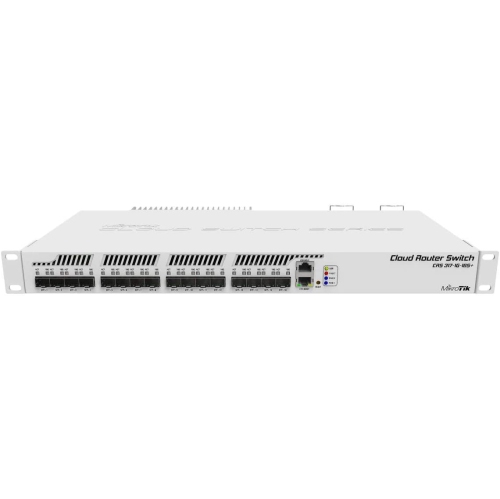
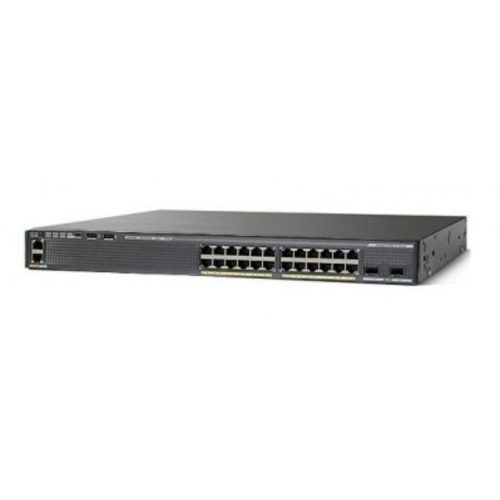


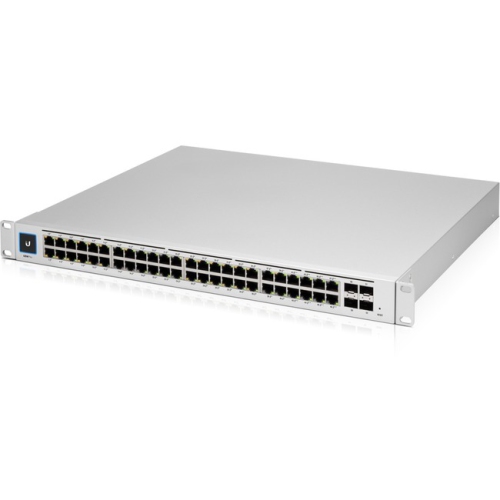
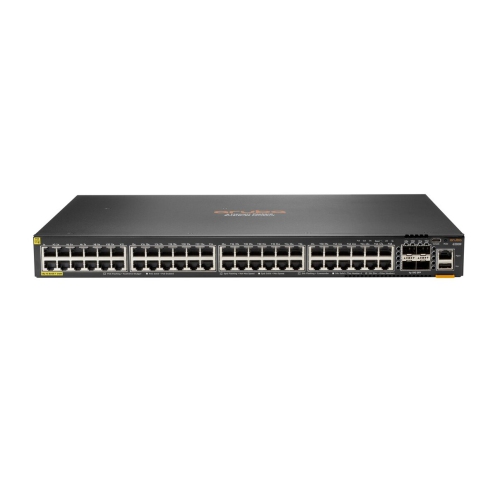

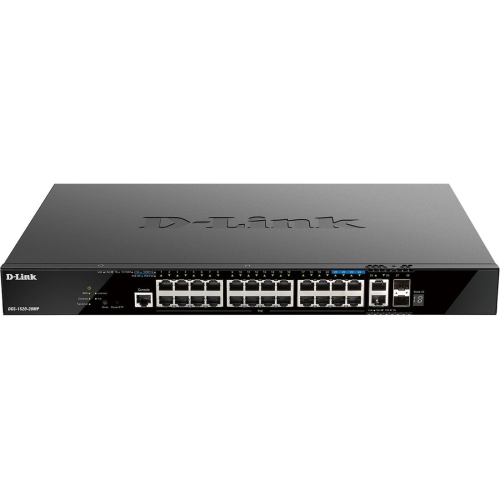
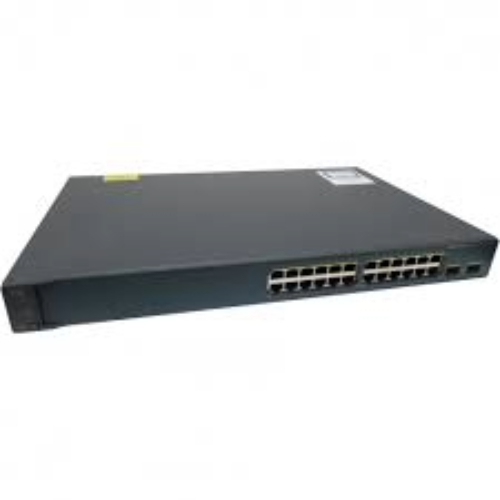
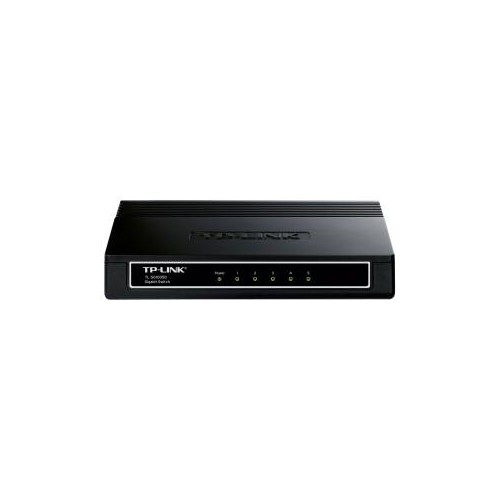
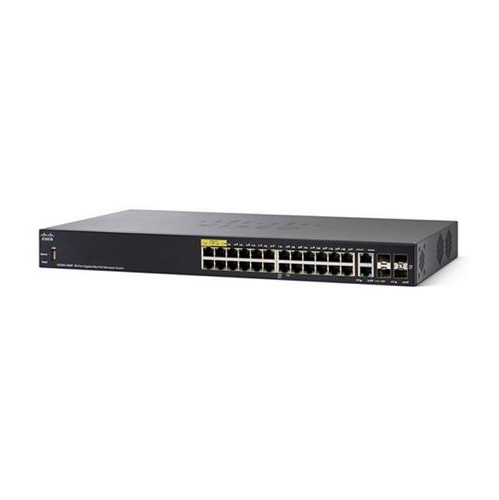
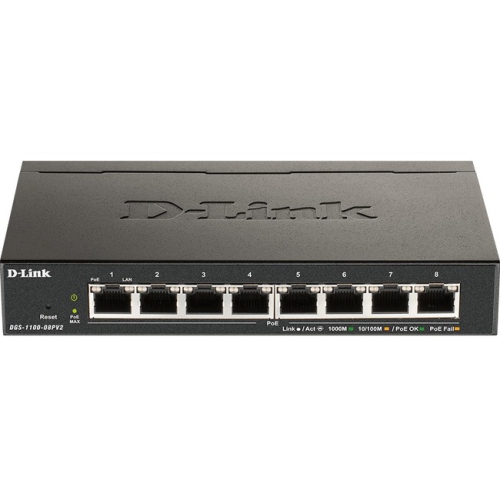
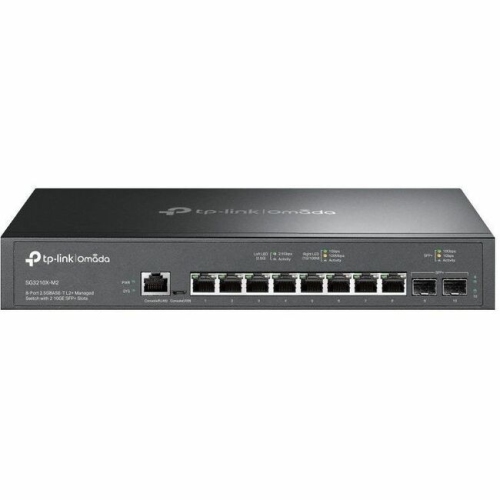
Advanced routing and segmentation for growing networks
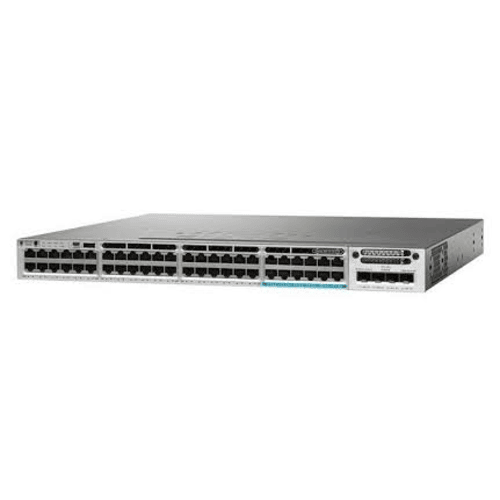
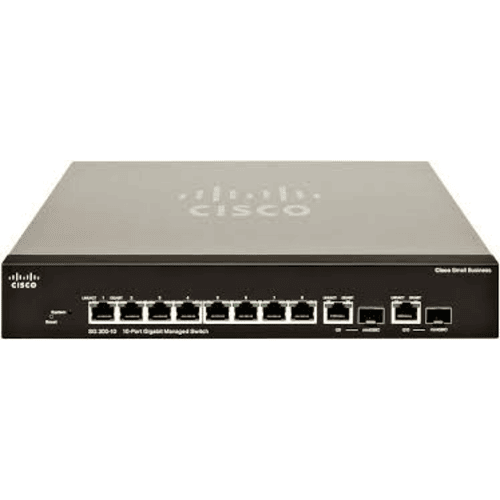
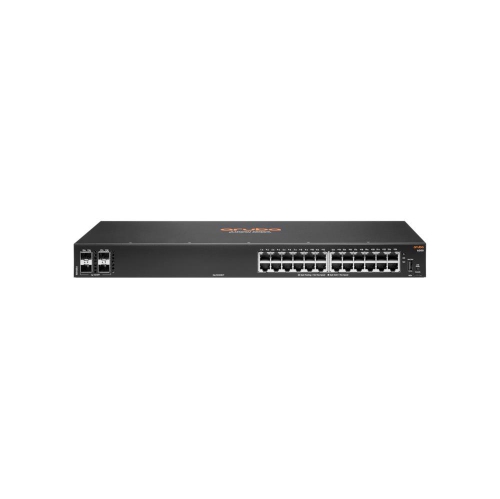
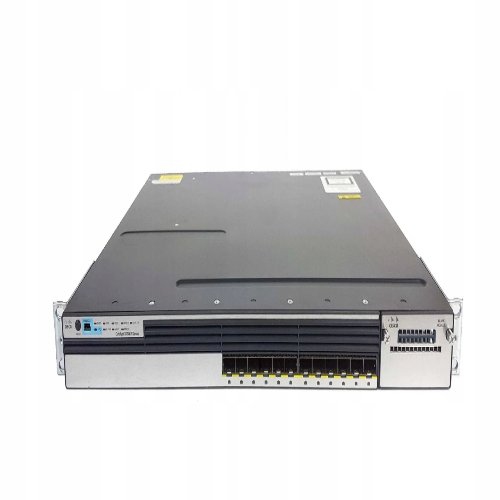
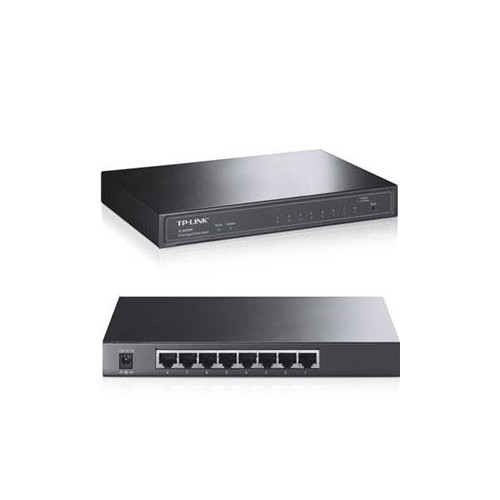
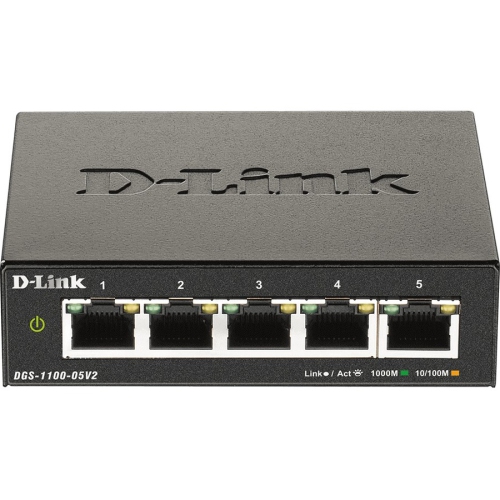
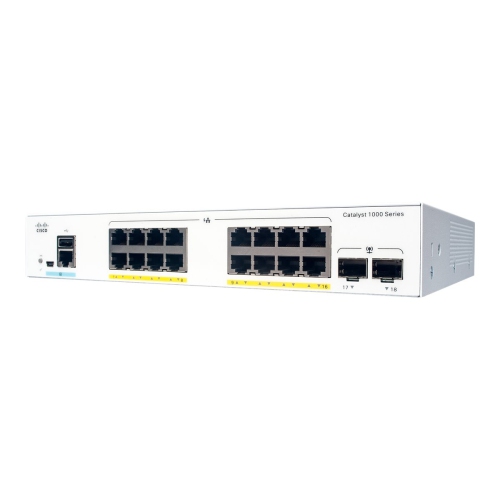
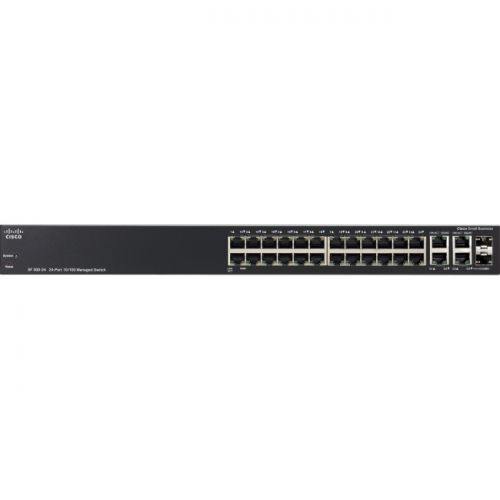
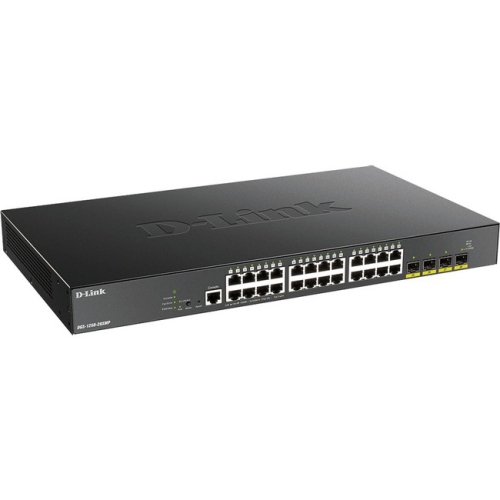
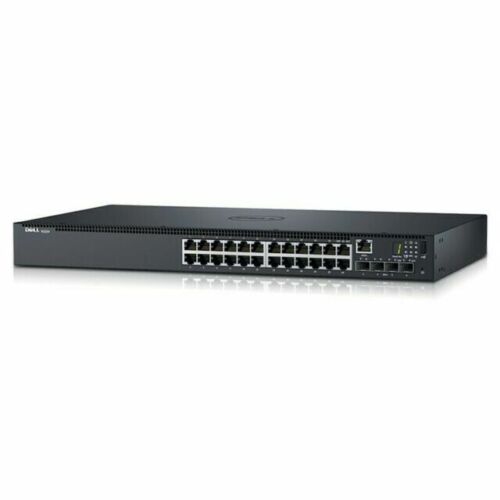
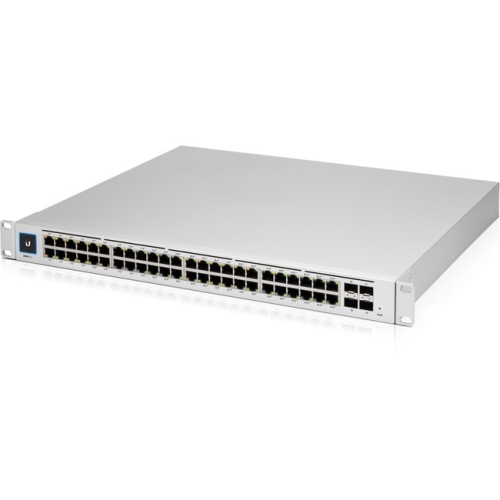
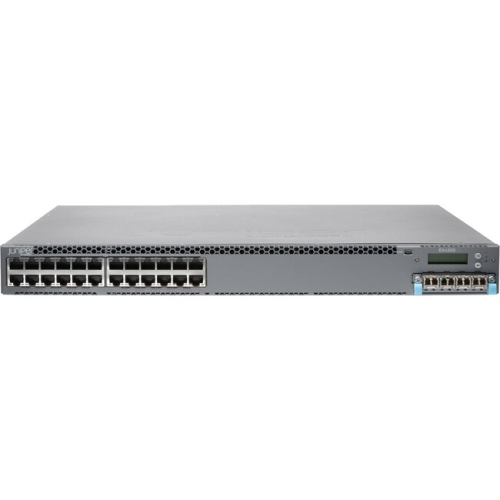
Layer 3 switches are designed for those who require advanced networking performance and flexibility, whether for a busy office, a school campus, or a growing business environment. Unlike basic switches that simply move data within a single local area network, Layer 3 switches integrate both switching and routing capabilities, allowing them to direct traffic between multiple subnets or VLANs with impressive speed. This is achieved through hardware-based routing, which delivers rapid data transfer and efficient network segmentation without the latency often associated with traditional software routers. If you’re responsible for a mid-sized office network, managing a server room, or supporting a lab environment at a university, a Layer 3 switch offers the ideal blend of scalability and control. By supporting routing protocols such as OSPF or RIP, these devices make it easy to segment departments, enhance security, and keep network congestion at bay, all while maintaining high throughput for demanding applications.
As organizations and tech enthusiasts look to streamline their infrastructure during the transition from late summer into the cooler months, the need for reliable, high-performance networking equipment becomes even more apparent. Layer 3 switches are especially valuable during network upgrades or expansions, when efficient communication between different teams or departments is critical. For IT professionals, investing in a Layer 3 switch can simplify network management by reducing the number of devices in the wiring closet, freeing up space and minimizing complexity. Even for advanced home lab builders, these switches offer an opportunity to experiment with enterprise-grade routing and switching, supporting multiple VLANs and complex topologies. When considering which Layer 3 switch to choose, it’s important to assess factors such as port density, supported routing protocols, power-over-Ethernet capabilities, and ease of management. Whether you’re preparing for the start of a new school year, supporting hybrid work arrangements, or simply expanding your business’s digital footprint, the right Layer 3 switch provides the backbone for secure, fast, and reliable connectivity.
For those comparing networking solutions, it’s helpful to understand the distinction between Layer 3 switches and other options like Layer 2 switches. While Layer 2 switches focus on forwarding traffic within a single network using MAC addresses, Layer 3 switches add the ability to route traffic between different networks using IP addresses, making them suitable for more complex environments. If your needs are centred around simpler network segmentation and you don’t require advanced routing, you might also consider exploring Layer 2 Managed Ethernet Switches as an alternative. Ultimately, Layer 3 switches are a smart investment for anyone looking to future-proof their network, improve performance, and simplify management, especially as demands on connectivity grow with each passing season.
As organizations and tech enthusiasts look to streamline their infrastructure during the transition from late summer into the cooler months, the need for reliable, high-performance networking equipment becomes even more apparent. Layer 3 switches are especially valuable during network upgrades or expansions, when efficient communication between different teams or departments is critical. For IT professionals, investing in a Layer 3 switch can simplify network management by reducing the number of devices in the wiring closet, freeing up space and minimizing complexity. Even for advanced home lab builders, these switches offer an opportunity to experiment with enterprise-grade routing and switching, supporting multiple VLANs and complex topologies. When considering which Layer 3 switch to choose, it’s important to assess factors such as port density, supported routing protocols, power-over-Ethernet capabilities, and ease of management. Whether you’re preparing for the start of a new school year, supporting hybrid work arrangements, or simply expanding your business’s digital footprint, the right Layer 3 switch provides the backbone for secure, fast, and reliable connectivity.
For those comparing networking solutions, it’s helpful to understand the distinction between Layer 3 switches and other options like Layer 2 switches. While Layer 2 switches focus on forwarding traffic within a single network using MAC addresses, Layer 3 switches add the ability to route traffic between different networks using IP addresses, making them suitable for more complex environments. If your needs are centred around simpler network segmentation and you don’t require advanced routing, you might also consider exploring Layer 2 Managed Ethernet Switches as an alternative. Ultimately, Layer 3 switches are a smart investment for anyone looking to future-proof their network, improve performance, and simplify management, especially as demands on connectivity grow with each passing season.
Top selling and popular products
-
 Your price for this item is $34.99
 -
 Your price for this item is $44.99
 -
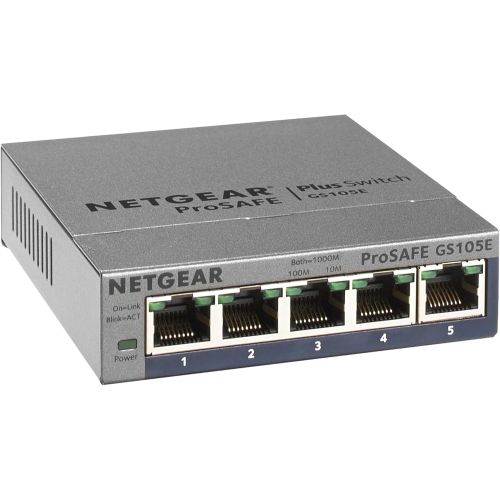 Your price for this item is $72.37
 -
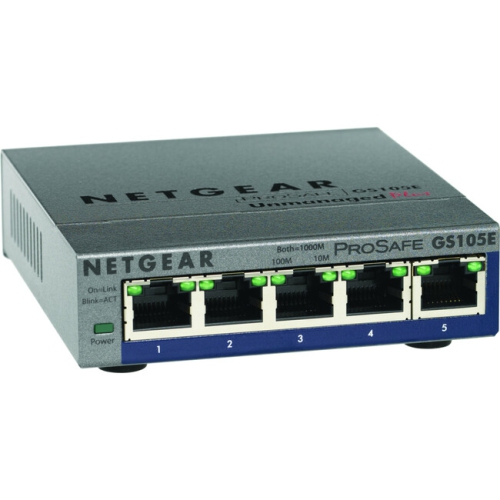 Your price for this item is $76.99
 -
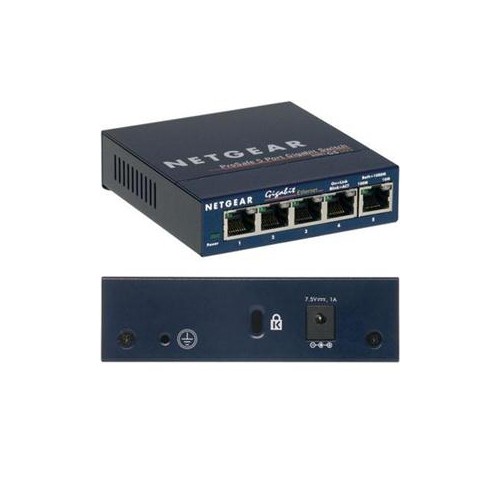 Your price for this item is $57.68
 -
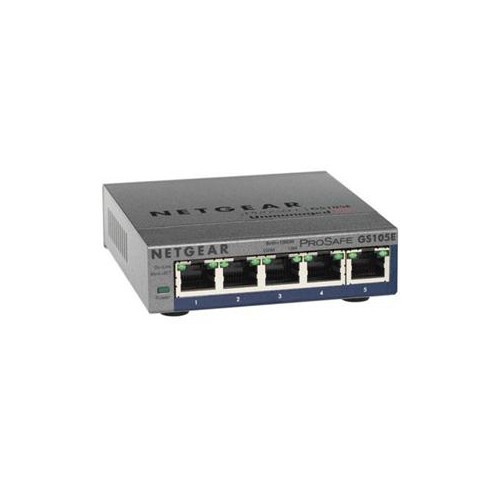 Your price for this item is $62.68
 -
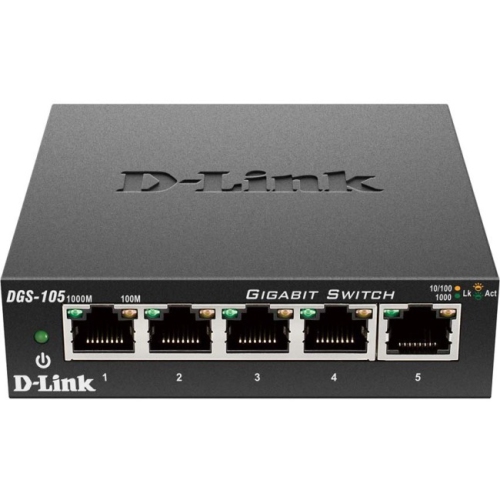 Your price for this item is $31.68
 -
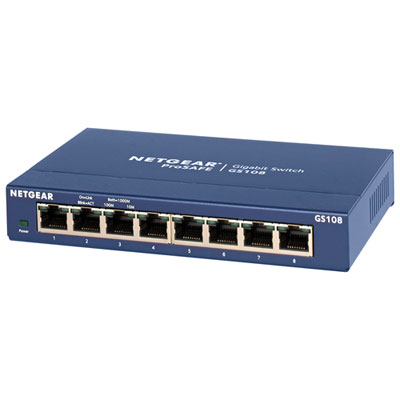 Your price for this item is $49.99
Discover more categories related to Layer 3 Switches
Top Collections:
Pokemon Centers, Budget 4K TVs, Kindle Devices, Canon G7X Cameras, Apple iPhones 16, iPhone 15 Apple, Laptops for Business Work, Flip Phones, Xiaomi Phones, Refurbished Apple Laptops
Some products may be subject to Environmental Handling Fees
(EHF) depending on your province.
Learn more about EHFs.