Layer 2 Layer 3 Switches
Layer 2 Layer 3 Switches offer advanced networking solutions designed to enhance connectivity and optimize data traffic management for businesses and home offices alike. These switches provide the flexibility to handle both basic switching and more complex routing tasks, making them a versatile choice for expanding networks. Whether upgrading your infrastructure or building a new system, Layer 2 Layer 3 Switches help ensure efficient communication between devices, supporting seamless performance across your network environment. Explore a range of options to find the ideal switch that meets your specific networking needs.
Sort
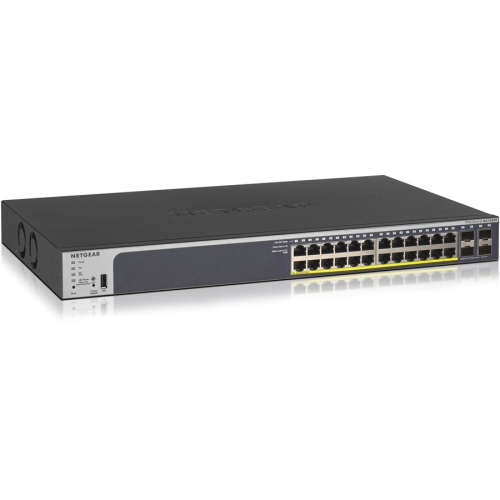
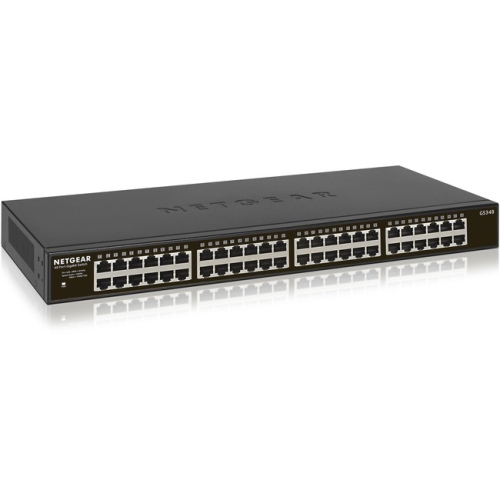
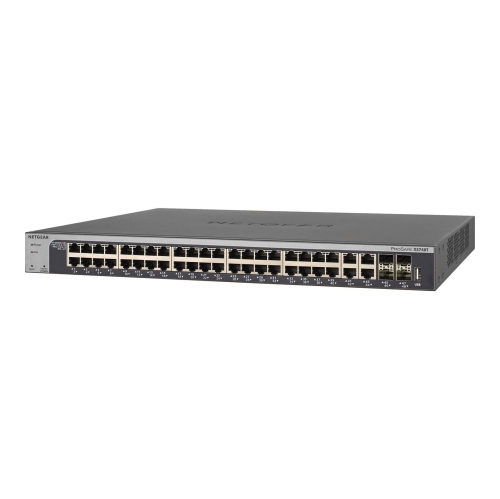
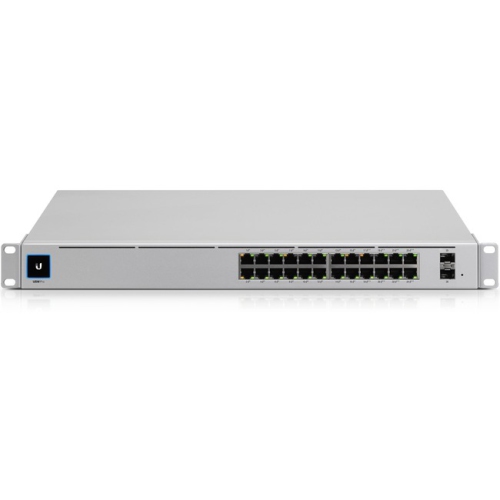
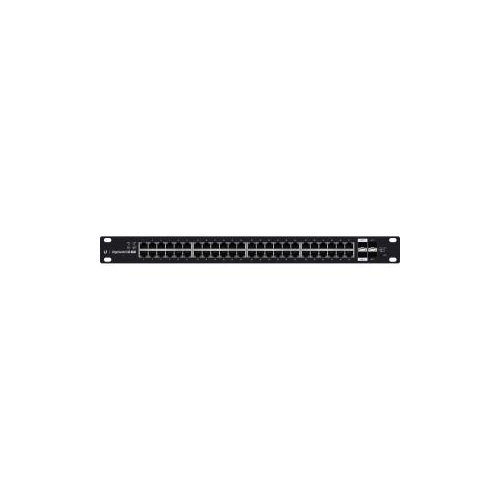
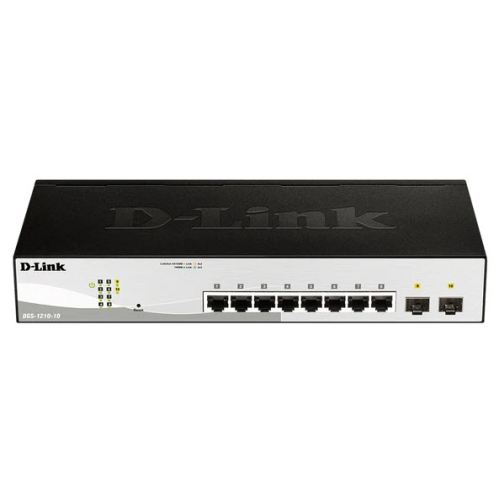
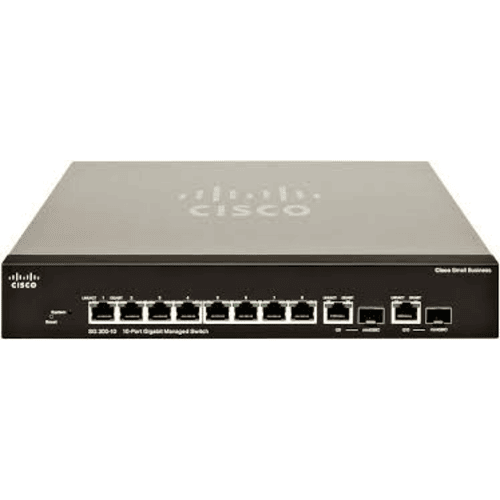
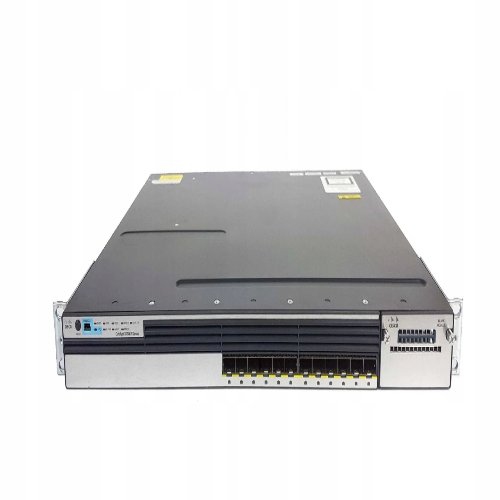
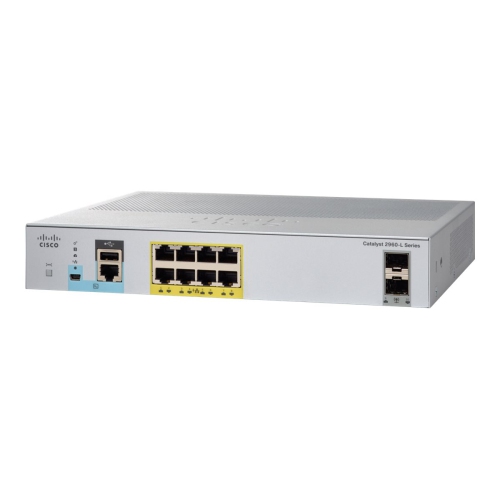
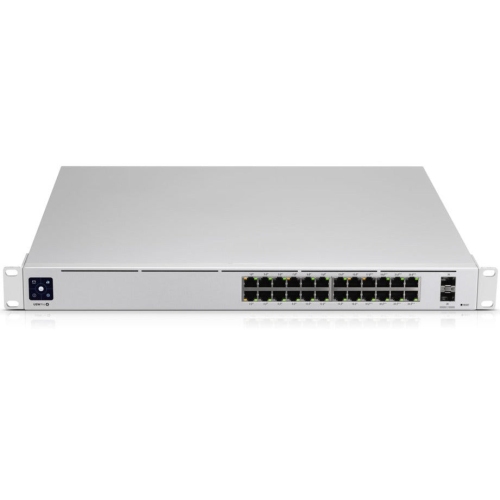
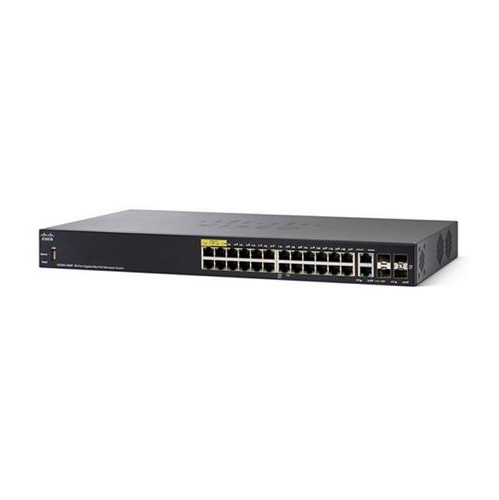
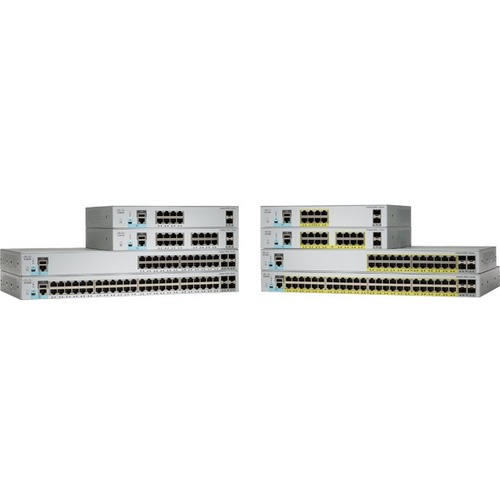
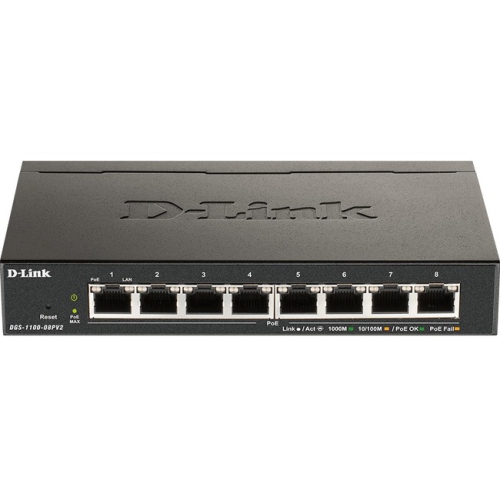
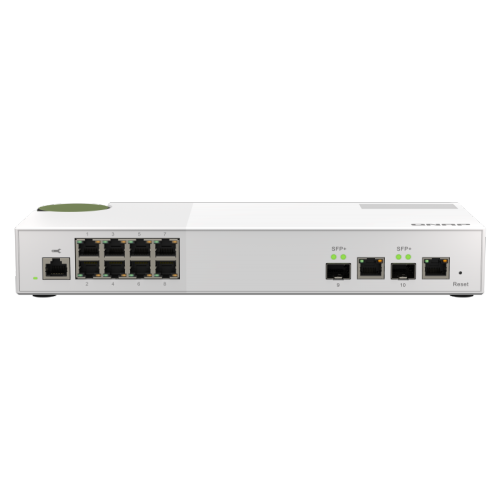
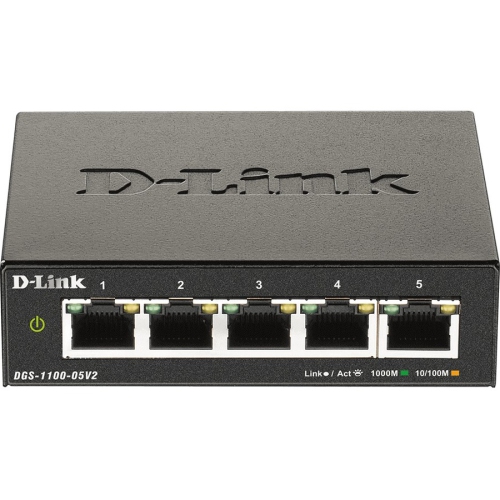
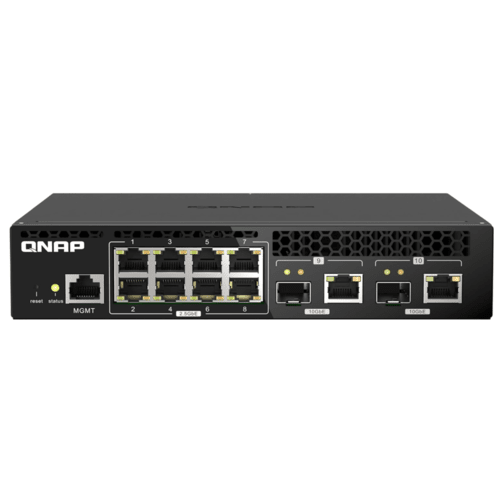
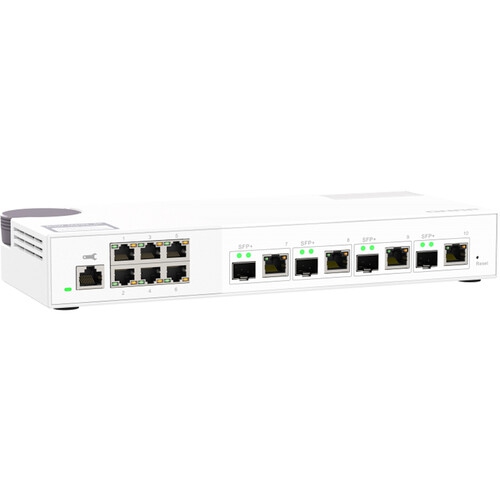
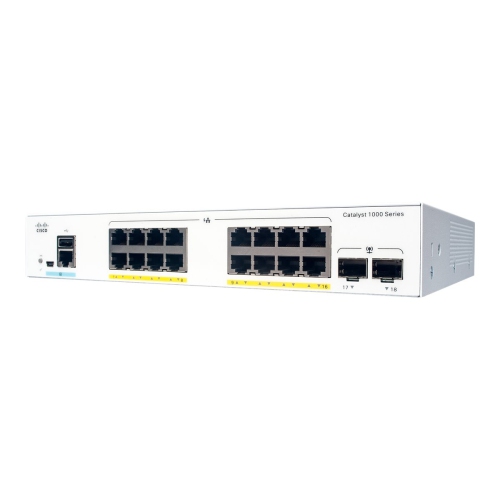
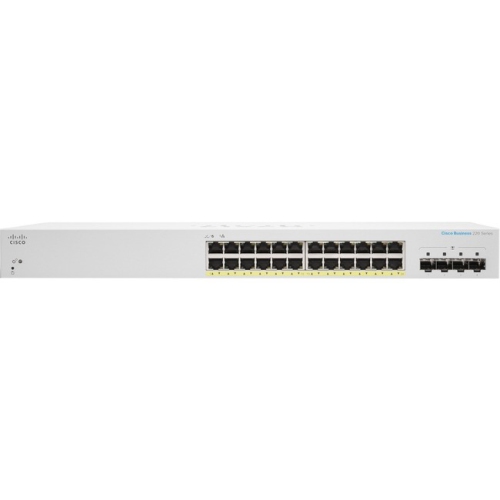
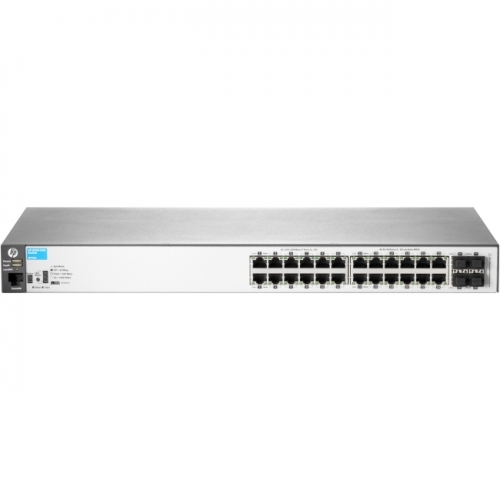
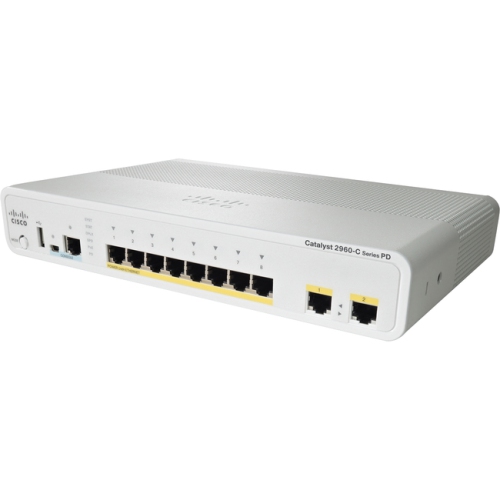
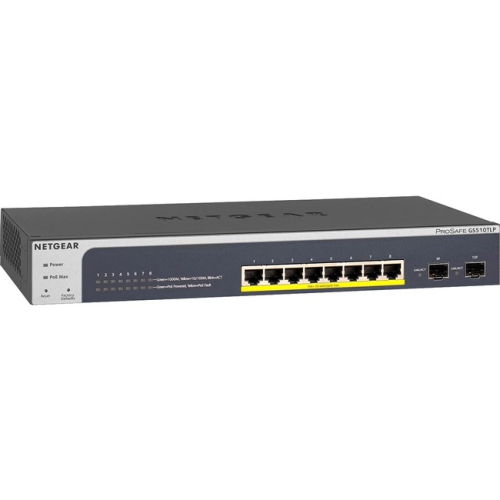
Understanding switch roles for simpler networks and smarter routing
When building or upgrading a network, understanding the differences between Layer 2 and Layer 3 switches is key to choosing the right equipment for your environment. Layer 2 switches operate at the Data Link layer, using MAC addresses to forward data within a single local area network (LAN). They’re often the go-to choice for connecting end devices—like computers, printers, and wireless access points—within the same network segment. This makes them popular for small to medium-sized businesses, home offices, classrooms, and retail spaces, where simple, high-speed connectivity is the priority. Layer 2 switches are generally more affordable and straightforward to deploy, making them a practical option for expanding an existing network or setting up new workstations. For those seeking to optimize performance in a straightforward network without complex routing needs, a Layer 2 switch offers a reliable, cost-effective solution. If you’re interested in exploring more about these options, you can learn more about Layer 2 Switches and their benefits.
Layer 3 switches, on the other hand, introduce advanced capabilities by operating at the Network layer, allowing them to route traffic between different VLANs or subnets using IP addresses. This makes Layer 3 switches ideal for larger, more complex networks that require segmentation, inter-VLAN routing, and enhanced security features such as access control lists. They’re often found in the core or aggregation layers of business networks, data centres, and educational institutions, where managing traffic flow and maintaining high performance are critical. Layer 3 switches help streamline network management and can reduce the need for separate routers, making them a smart investment for organizations anticipating growth or increased demand. As the weather warms and businesses prepare for summer projects or technology refreshes, upgrading to Layer 3 switches can support seasonal expansions, remote work initiatives, or new digital services. Whether you’re an IT professional planning a network overhaul or a business owner looking to future-proof your infrastructure, understanding the role each type of switch plays will help ensure your network is both efficient and secure. With thoughtful selection and placement, Layer 2 and Layer 3 switches can work together to deliver seamless connectivity, scalability, and reliability for any organization or advanced home setup.
Layer 3 switches, on the other hand, introduce advanced capabilities by operating at the Network layer, allowing them to route traffic between different VLANs or subnets using IP addresses. This makes Layer 3 switches ideal for larger, more complex networks that require segmentation, inter-VLAN routing, and enhanced security features such as access control lists. They’re often found in the core or aggregation layers of business networks, data centres, and educational institutions, where managing traffic flow and maintaining high performance are critical. Layer 3 switches help streamline network management and can reduce the need for separate routers, making them a smart investment for organizations anticipating growth or increased demand. As the weather warms and businesses prepare for summer projects or technology refreshes, upgrading to Layer 3 switches can support seasonal expansions, remote work initiatives, or new digital services. Whether you’re an IT professional planning a network overhaul or a business owner looking to future-proof your infrastructure, understanding the role each type of switch plays will help ensure your network is both efficient and secure. With thoughtful selection and placement, Layer 2 and Layer 3 switches can work together to deliver seamless connectivity, scalability, and reliability for any organization or advanced home setup.
Top selling and popular products
-
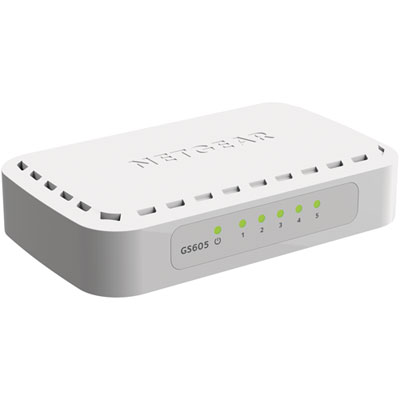 Your price for this item is $34.99
 -
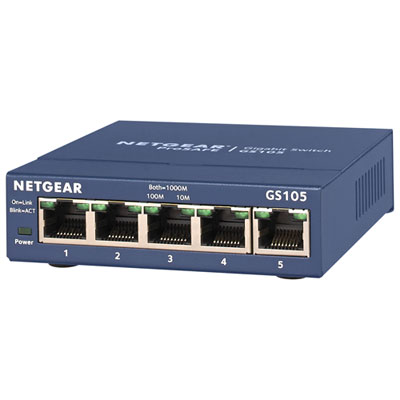 Your price for this item is $44.99
 -
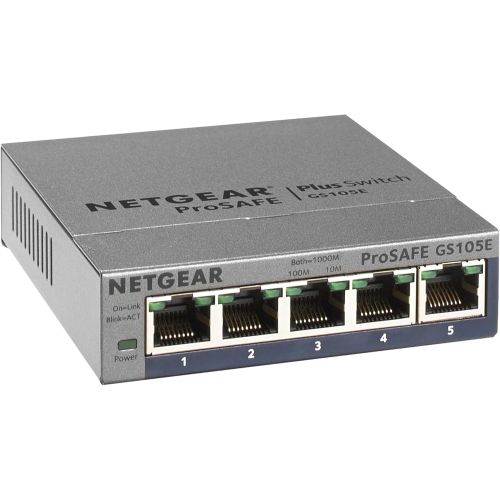 Your price for this item is $72.37
 -
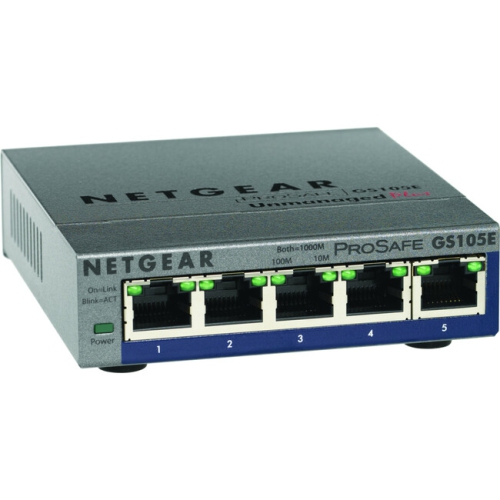 Your price for this item is $76.99
 -
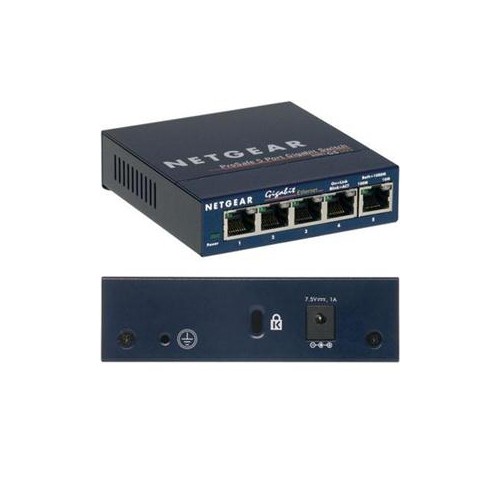 Your price for this item is $57.68
 -
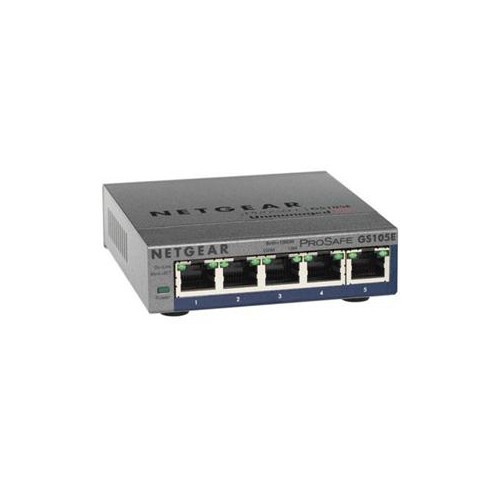 Your price for this item is $62.68
 -
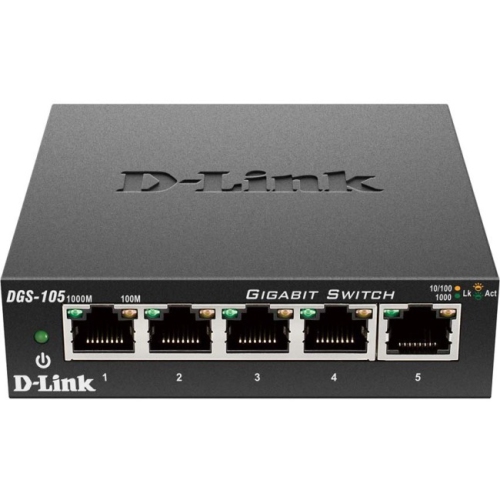 Your price for this item is $31.68
 -
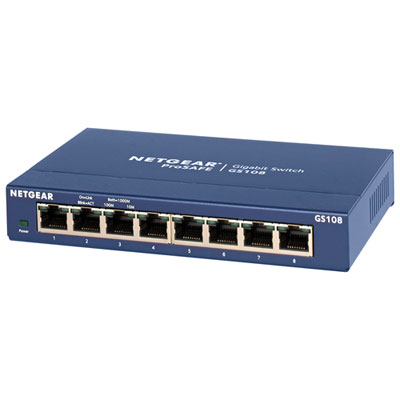 Your price for this item is $49.99
Discover more categories related to Layer 2 Layer 3 Switches
Top Collections:
Pokemon Centers, Budget 4K TVs, Kindle Devices, Canon G7X Cameras, Apple iPhones 16, iPhone 15 Apple, Laptops for Business Work, Flip Phones, Xiaomi Phones, Refurbished Apple Laptops
Some products may be subject to Environmental Handling Fees
(EHF) depending on your province.
Learn more about EHFs.