Blue Steam Irons
Blue steam irons are an essential tool for those who want to keep their clothes looking neat and crisp. These types of iron produce steam to help remove wrinkles from fabrics, providing a professional finish. Blue steam irons are available in a variety of shapes and sizes and can be used on almost all types of fabric. Here are some of the best options available today.
Sort
Why ironing performance goes beyond the blue finish
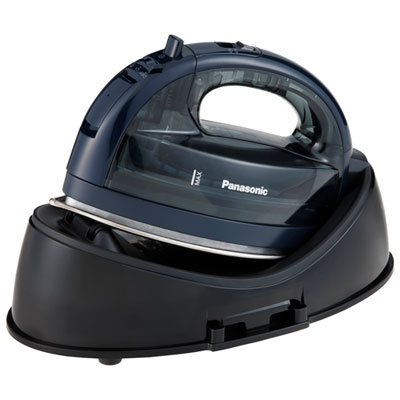
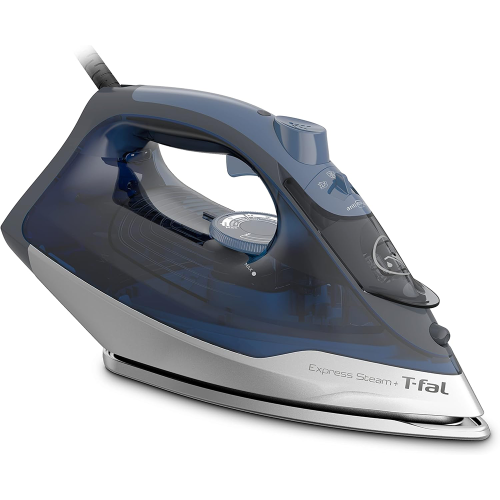
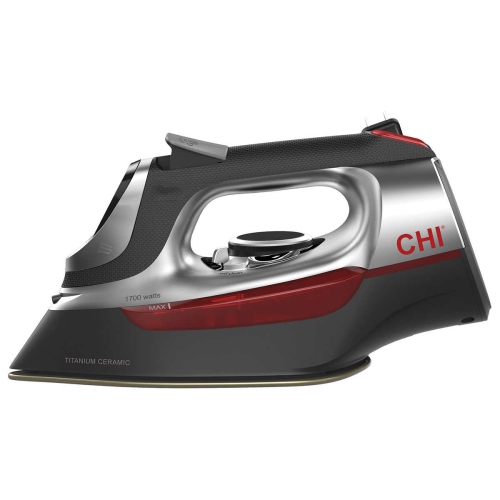
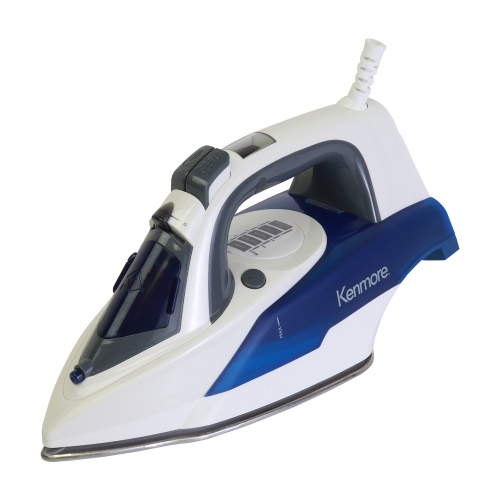
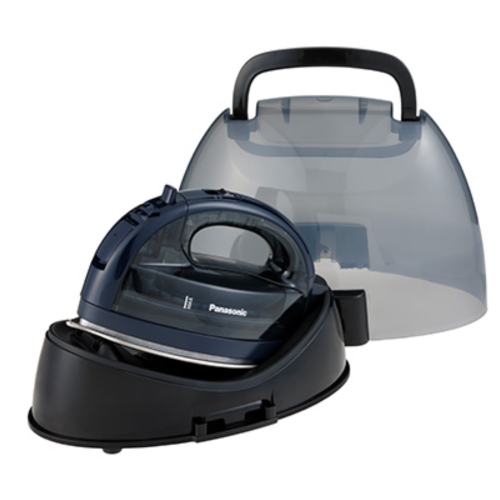
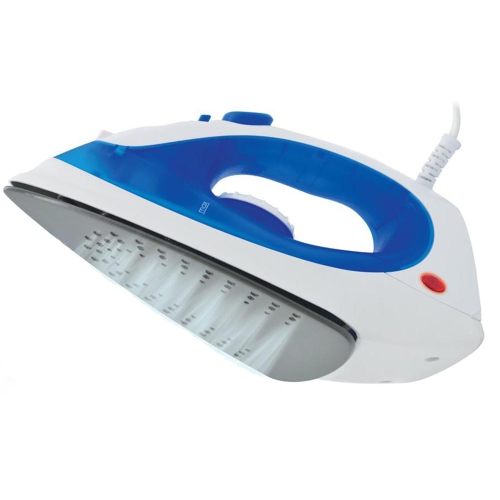
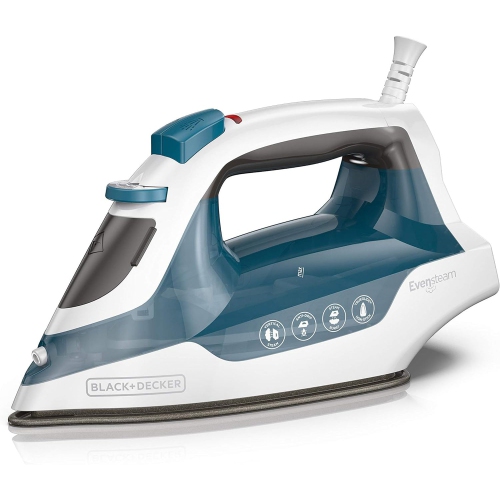
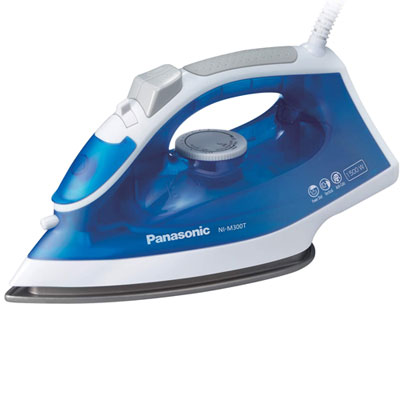
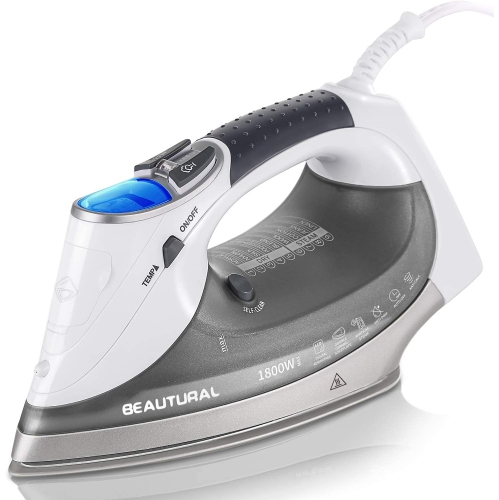
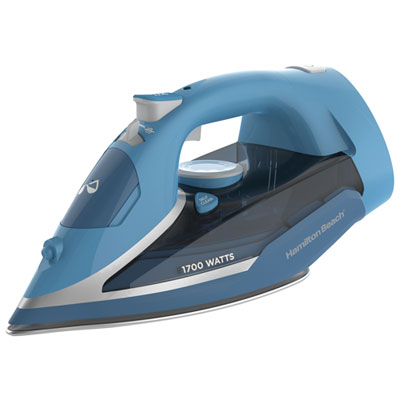
Blue steam irons combine a familiar garment-care tool with a colour that can range from pale sky blue to deep navy, often paired with white, grey, or metallic details. The blue finish may appear on the body, handle, water tank, or control dial; it is a design choice rather than an indication of steam output or fabric compatibility. What matters in everyday use is how comfortably the iron handles and how well its heat and steam settings suit the fabrics being pressed. A steam iron uses a heated soleplate and moisture released through small openings to help relax wrinkles, making it useful for cotton shirts, washable linen trousers, pillowcases, and other textiles whose care labels permit ironing. Continuous steam provides a steady flow as the soleplate moves across fabric, while a steam burst delivers a brief increase for more persistent creases. A spray function can dampen a small area ahead of the soleplate, such as a folded shirt cuff or a stubborn crease along a trouser leg. These functions vary by model, and not every fabric should be treated with moisture or high heat. Adjustable settings make a difference in a household where a basket of laundry might contain cotton school uniforms, polyester workwear, and blended-fibre tops. Wattage describes electrical power rather than ironing quality on its own; soleplate design, steam delivery, heat control, and handling also shape the result. Water tank capacity affects how often refilling interrupts a session, while a clear water-level window helps make the remaining amount easier to see. For someone pressing a shirt before work, a compact body and straightforward controls may be especially practical. Someone working through several sets of bedding may place more importance on a comfortable grip, steady steam, and a tank that supports longer sessions. The blue colour brings a personal touch to either routine without changing the basic purpose of the appliance.
The soleplate is the part of a steam iron that meets the fabric, so its material, shape, and finish deserve attention alongside the colour of the housing. Stainless steel soleplates are often valued for their smooth glide and durability, while ceramic and other coated surfaces are designed to move easily over suitable textiles. No finish is completely protected from scratching or residue: contact with zips, metal fasteners, and rough surfaces can damage a soleplate, particularly if it has a coating. A tapered tip helps reach between shirt buttons and into narrow areas around collars, while a broader pressing surface covers larger sections of a tablecloth or duvet cover. The placement of steam holes also influences how moisture is distributed beneath the iron. On a cotton dress shirt, for example, the tip can work around the button placket before the wider surface smooths the back panel. Linen may respond well to steam when its care label allows it, but a polyester blend can require a lower setting and a lighter touch. Wool and dark fabrics may benefit from a suitable pressing cloth to reduce direct contact and help prevent shine. Silk and embellished garments need particular care; their labels may restrict heat, steam, or ironing altogether. A discreet test area is useful when a fabric’s response is uncertain. For sewing and craft projects, a steam iron can help press seams and shape suitable fabric pieces, although some tasks call for dry heat rather than steam. Vertical steaming, where included and permitted by the manufacturer, can help freshen hanging garments without placing them flat on a board. It does not create the same crisp finish as pressing against a supported surface, and garments must never be steamed while someone is wearing them. A stable ironing board with a clean, well-fitted cover supports better results by giving seams, hems, and broad fabric panels an even surface.
Comfort, storage, and regular care help determine whether a blue steam iron remains convenient beyond the first few uses. The weight when filled with water can feel noticeably different from the empty weight, particularly during a longer session. A handle with enough room for the fingers, controls that are easy to reach, and a readable dial can make repeated movements less awkward. Cord length matters when the nearest outlet is not beside the ironing board, while a swivel connection can help the cord follow changes in direction. A retractable cord, where included, keeps storage neater, but the iron still needs to cool completely before it is put away. Cordless designs offer another approach to movement, with the trade-off that the iron returns to its base for reheating as directed by the manufacturer. Anti-drip features are intended to limit water escaping from the soleplate, especially at lower settings, though correct filling and appropriate heat settings remain important. Automatic shutoff adds a useful safety function, but its timing and activation conditions vary; it does not replace unplugging the appliance after use or keeping it away from children and pets. Long-term care centres on the water system and soleplate. Mineral deposits can affect steam flow, so self-cleaning functions, anti-scale systems, and removable collectors can be helpful when maintained according to the instructions. Water requirements differ between irons, making the manufacturer’s guidance more reliable than assuming distilled water or tap water is always best. Additives, fragrances, and descaling mixtures should only be used if expressly permitted. Once the iron is unplugged and cool, cleaning the soleplate with an approved method helps prevent residue from transferring to clothing. For frequent, extended pressing sessions, Steam Generator Irons provide a related option with a separate water reservoir, though the base requires additional space. A conventional blue steam iron keeps the tank and pressing surface together in one appliance, a practical arrangement for routine laundry, occasional garment touch-ups, or a useful household gift when the recipient has expressed a need for one.
The soleplate is the part of a steam iron that meets the fabric, so its material, shape, and finish deserve attention alongside the colour of the housing. Stainless steel soleplates are often valued for their smooth glide and durability, while ceramic and other coated surfaces are designed to move easily over suitable textiles. No finish is completely protected from scratching or residue: contact with zips, metal fasteners, and rough surfaces can damage a soleplate, particularly if it has a coating. A tapered tip helps reach between shirt buttons and into narrow areas around collars, while a broader pressing surface covers larger sections of a tablecloth or duvet cover. The placement of steam holes also influences how moisture is distributed beneath the iron. On a cotton dress shirt, for example, the tip can work around the button placket before the wider surface smooths the back panel. Linen may respond well to steam when its care label allows it, but a polyester blend can require a lower setting and a lighter touch. Wool and dark fabrics may benefit from a suitable pressing cloth to reduce direct contact and help prevent shine. Silk and embellished garments need particular care; their labels may restrict heat, steam, or ironing altogether. A discreet test area is useful when a fabric’s response is uncertain. For sewing and craft projects, a steam iron can help press seams and shape suitable fabric pieces, although some tasks call for dry heat rather than steam. Vertical steaming, where included and permitted by the manufacturer, can help freshen hanging garments without placing them flat on a board. It does not create the same crisp finish as pressing against a supported surface, and garments must never be steamed while someone is wearing them. A stable ironing board with a clean, well-fitted cover supports better results by giving seams, hems, and broad fabric panels an even surface.
Comfort, storage, and regular care help determine whether a blue steam iron remains convenient beyond the first few uses. The weight when filled with water can feel noticeably different from the empty weight, particularly during a longer session. A handle with enough room for the fingers, controls that are easy to reach, and a readable dial can make repeated movements less awkward. Cord length matters when the nearest outlet is not beside the ironing board, while a swivel connection can help the cord follow changes in direction. A retractable cord, where included, keeps storage neater, but the iron still needs to cool completely before it is put away. Cordless designs offer another approach to movement, with the trade-off that the iron returns to its base for reheating as directed by the manufacturer. Anti-drip features are intended to limit water escaping from the soleplate, especially at lower settings, though correct filling and appropriate heat settings remain important. Automatic shutoff adds a useful safety function, but its timing and activation conditions vary; it does not replace unplugging the appliance after use or keeping it away from children and pets. Long-term care centres on the water system and soleplate. Mineral deposits can affect steam flow, so self-cleaning functions, anti-scale systems, and removable collectors can be helpful when maintained according to the instructions. Water requirements differ between irons, making the manufacturer’s guidance more reliable than assuming distilled water or tap water is always best. Additives, fragrances, and descaling mixtures should only be used if expressly permitted. Once the iron is unplugged and cool, cleaning the soleplate with an approved method helps prevent residue from transferring to clothing. For frequent, extended pressing sessions, Steam Generator Irons provide a related option with a separate water reservoir, though the base requires additional space. A conventional blue steam iron keeps the tank and pressing surface together in one appliance, a practical arrangement for routine laundry, occasional garment touch-ups, or a useful household gift when the recipient has expressed a need for one.
Top selling and popular products
-
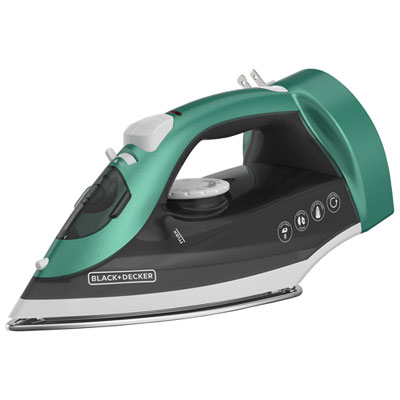 Your price for this item is $59.99
 -
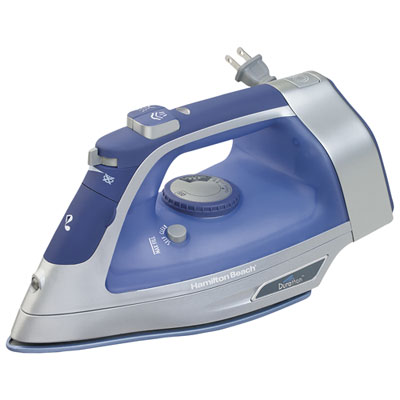 Your price for this item is $56.99
 -
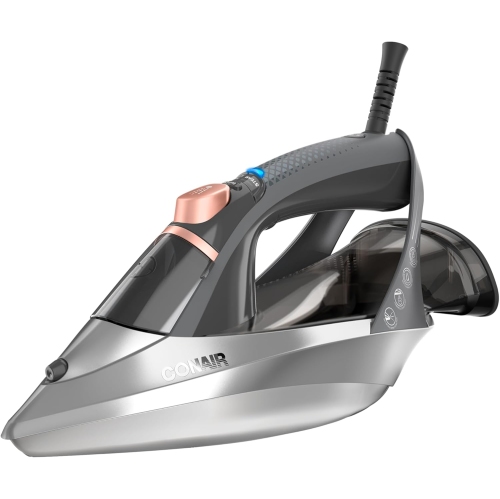 Your price for this item is $183.28
 -
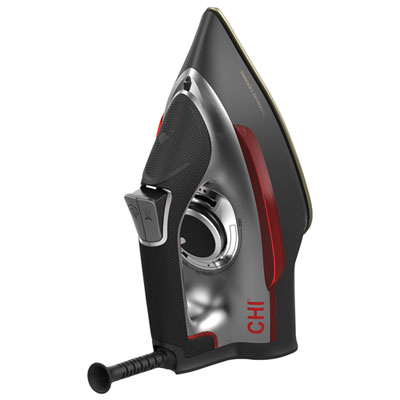 Your price for this item is $69.98
 -
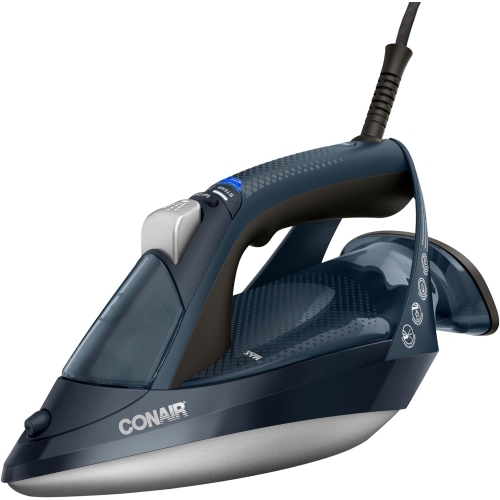 Your price for this item is $126.94
 -
 Your price for this item is $239
 -
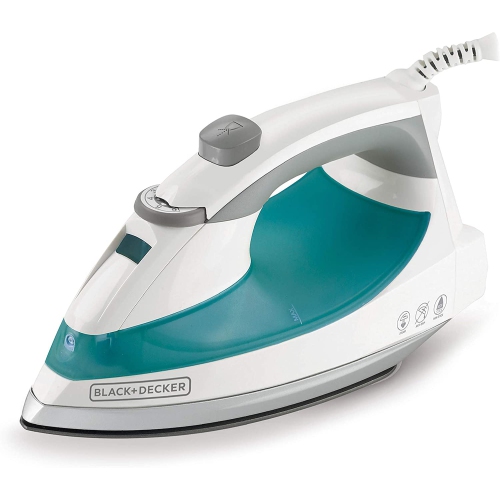 Your price for this item is $28.98
 -
 Your price for this item is $69.99
Discover more categories related to Blue Steam Irons
Top Collections:
Pokemon Centers, Kindle Devices, Best Budget Office Chairs, Apple iPhones 16, Best Laptops for Writers, iPhone 15 Apple, Canon G7X Cameras, Refurbished Apple Laptops, Alarm Clock, Motorola Razr Phones
Some products may be subject to Environmental Handling Fees
(EHF) depending on your province.
Learn more about EHFs.