Steam Iron Stainless Steel
Discover the convenience and efficiency of Steam Iron Stainless Steel options designed to keep your clothes looking crisp and polished. These irons are crafted to deliver reliable performance, making everyday ironing tasks smooth and hassle-free. Whether you're preparing for a big meeting or freshening up your favorite outfit, Steam Iron Stainless Steel models offer dependable results for all your garment care needs. Explore a wide selection to find the perfect iron that fits seamlessly into your home routine.
Sort
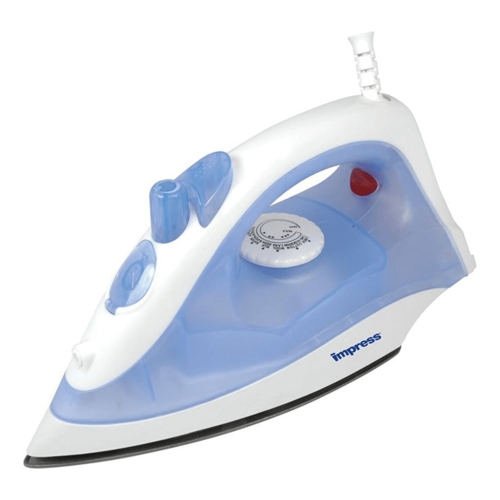
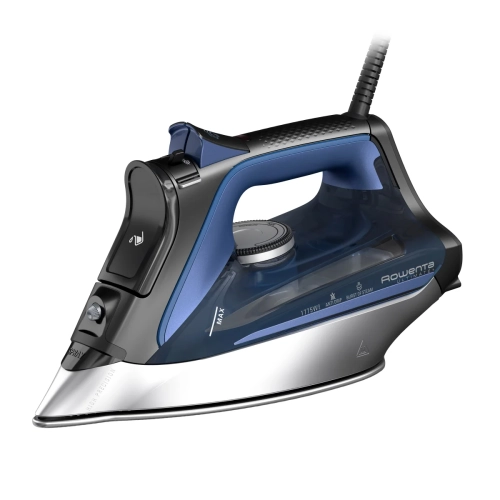
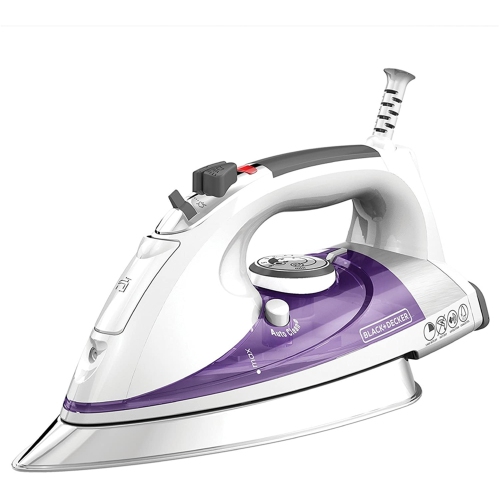
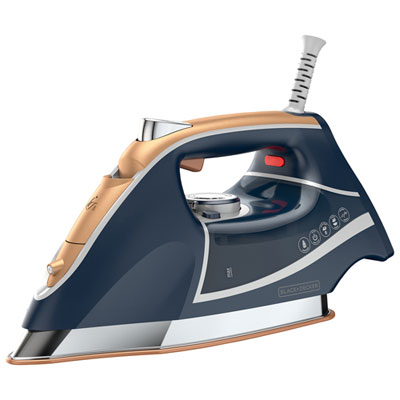
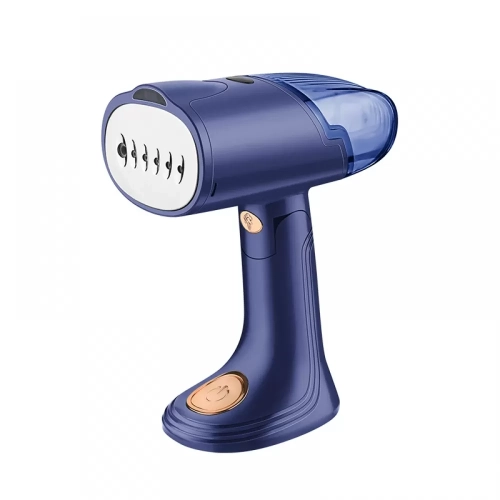
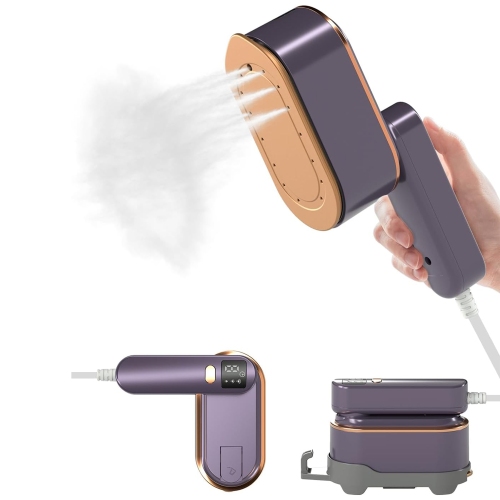
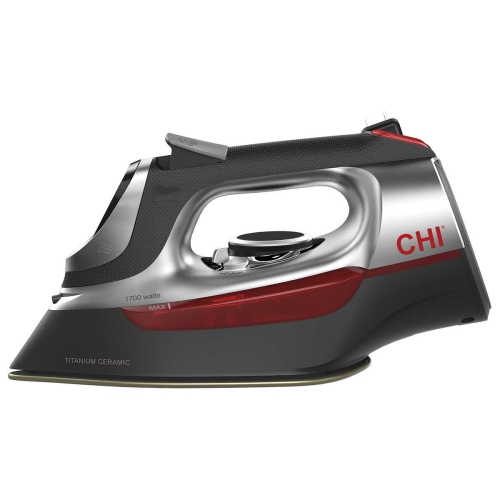
How soleplate design and steam shape everyday ironing
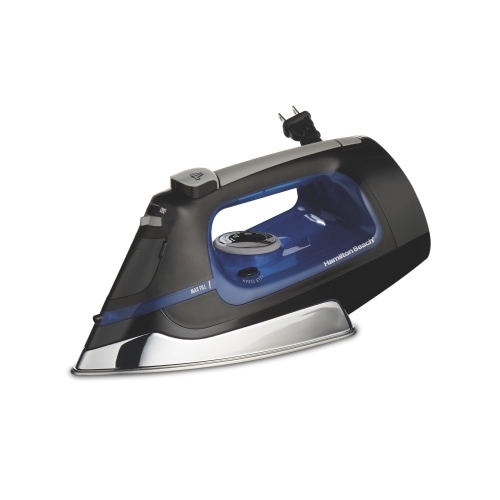
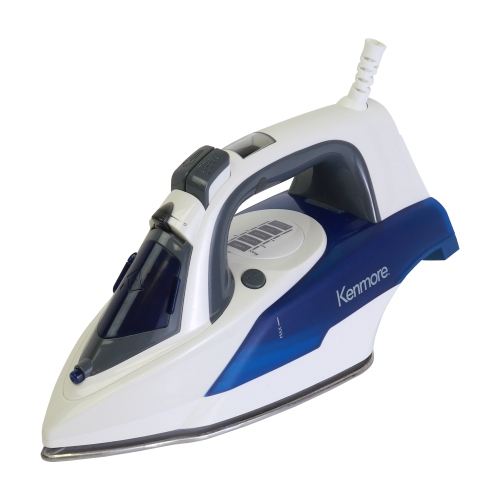
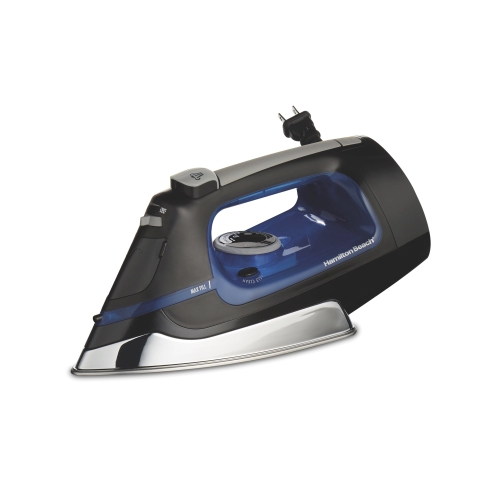
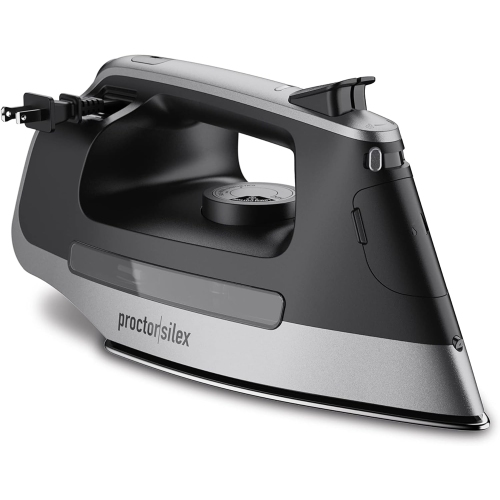
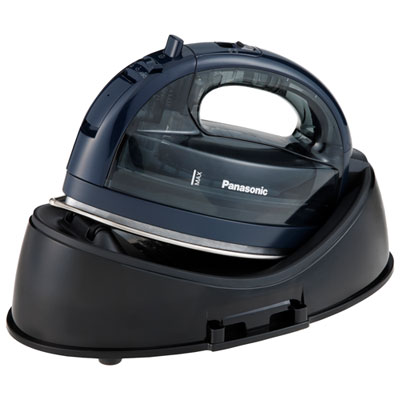
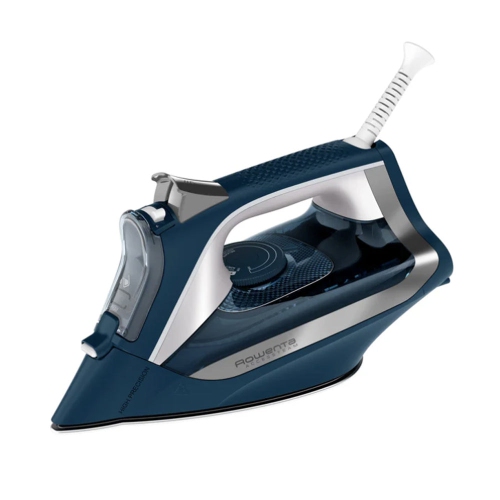
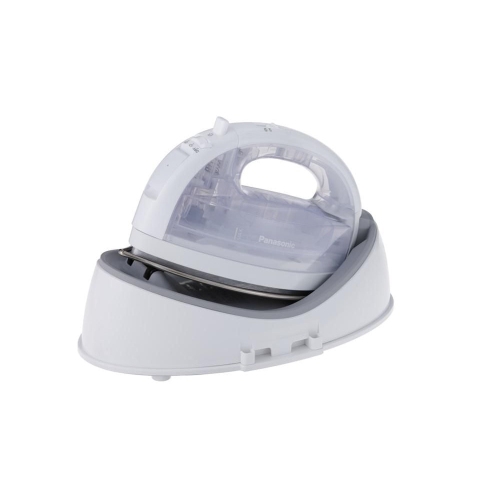
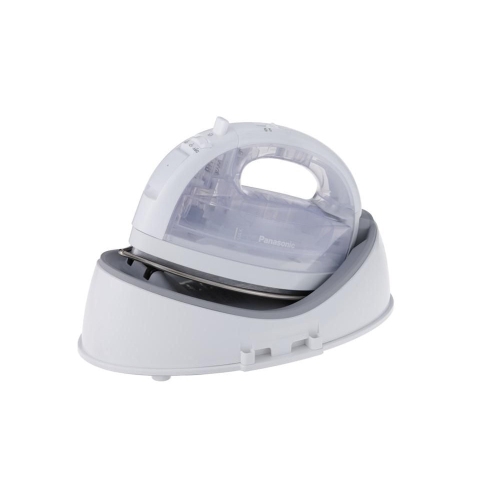
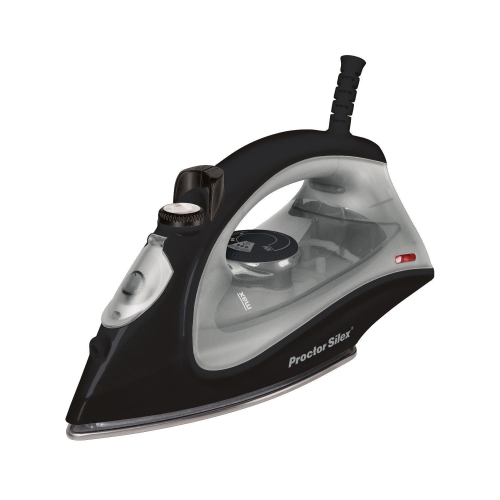
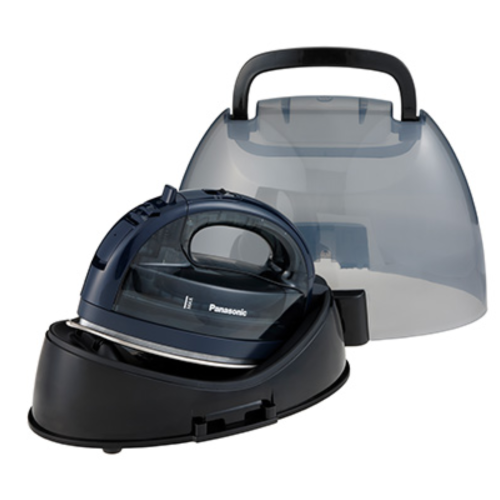
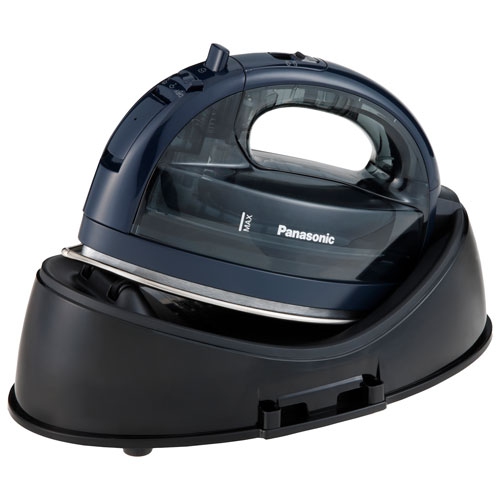
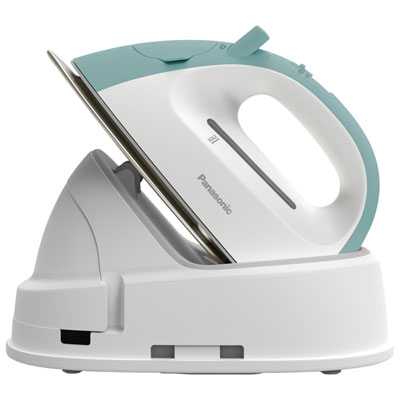
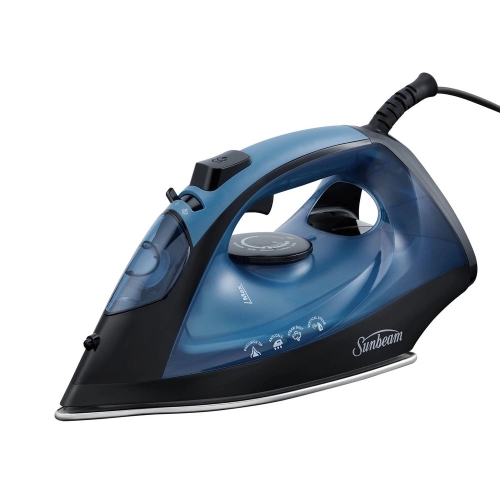
Stainless steel steam irons use a metal soleplate to press fabric while releasing steam that helps relax wrinkles. The stainless steel description usually refers to the pressing surface rather than the entire appliance, so the handle, water tank, and housing may be made from other materials. A smooth stainless steel soleplate offers a durable contact surface that glides over fabric and resists corrosion, although its finish still benefits from careful handling around zippers, snaps, and other hard details. Heat distribution, steam delivery, and soleplate design all contribute to how an iron feels in use; the material alone does not determine performance. For everyday laundry, this combination of heat, moisture, and gentle pressure can help flatten a shirt collar, smooth a cotton pillowcase, or restore a neat crease to suitable trousers. Cotton and linen often benefit from steam at higher fabric-appropriate settings, while some synthetic fabrics require lower heat and little or no steam. Garment care labels remain important because a fabric blend, lining, or decorative finish may need different treatment from the main material. Adjustable temperature and steam controls make an iron more adaptable to a mixed wardrobe, particularly when laundry includes both sturdy shirts and lighter blouses. Continuous steam supports repeated passes across broad areas, while a steam burst can help address a stubborn crease when the fabric allows it. A spray function adds targeted moisture without requiring the entire garment to be dampened. Soleplate shape also matters: a tapered tip reaches between buttons and into narrow pleats, while a wider pressing area covers larger sections of fabric. For sewing and alterations, a controllable iron can support pressing seams, preparing fabric, and setting folds, with the appropriate heat and pressing method for the project. These details make stainless steel steam irons relevant to more than formal clothing; they also suit routine household textiles and the small finishing jobs that help everyday fabrics look tidy. The best fit depends on the fabrics being pressed and how regularly the iron will be used.
Comfort and control become especially noticeable during a larger ironing session. The weight of the iron, the shape of its grip, and the position of its controls affect how easily it moves from a flat pressing position to an upright rest. A heavier iron may provide useful pressing weight, but a lighter design can be easier to lift repeatedly or move around detailed sections of clothing. A comfortable handle should allow a secure hold without forcing the wrist into an awkward angle, and accessible steam and spray buttons can reduce interruptions. Water tank capacity involves a similar balance: a larger tank can mean fewer refills, but the water also adds weight. Clear water-level markings and an accessible filling opening help make preparation less fiddly, especially when the iron is used for several garments at a time. Cord length and a swivelling cord connection can influence reach across an ironing board, while the location of the power outlet affects how comfortably the setup works. Fast heat-up is useful for a single shirt before leaving home, although wattage alone does not establish how evenly an iron heats or how consistently it delivers steam. Temperature indicators and clearly marked controls help distinguish between settings suited to different fabrics. Anti-drip features are designed to reduce water leaking from the soleplate, particularly when heat is too low to produce steam effectively, but correct settings and use still matter. Automatic shut-off adds a safety feature by switching off heat after a period of inactivity; timing and behaviour vary by design, and the iron still needs careful placement and unplugging after use. A stable heel rest and a heat-resistant resting area are practical considerations alongside that feature. Vertical steam, where supported, can help freshen suitable hanging garments or soften light wrinkles, but it does not replace the crisp finish produced by pressing against a board. Steam must never be directed at clothing while someone is wearing it. Together, these features shape everyday usability rather than simply adding more functions to the controls.
Care is an important part of keeping a stainless steel soleplate smooth and its steam passages working properly. Water requirements differ between irons, so the manufacturer’s directions should determine whether tap water, a specified mixture, or another recommended water type belongs in the tank. Distilled water is not a universal requirement, and additives such as fragrance or starch should not be poured into the reservoir unless expressly permitted. Mineral deposits can interfere with steam delivery over time, making an accessible self-cleaning or scale-management system a useful consideration for regular use. Those features still require the cleaning routine specified for the appliance. The pressing surface also benefits from being kept free of residue, since starch, melted fibres, and other buildup can drag across fabric or transfer marks. Cleaning should take place only under the conditions described in the instructions, using an approved method rather than abrasive pads or improvised treatments that could damage the finish. Stainless steel is durable, but it is not immune to scratches, and pressing directly over exposed hardware can leave marks on the soleplate. A clean pressing cloth can help protect suitable delicate fabrics and reduce shine on garments that need a gentler approach, provided their care labels allow ironing. An ironing board with a stable frame and an appropriate, clean cover gives the iron a supportive surface and helps prevent unwanted impressions. For frequent garment care or more involved sewing projects, Professional Steam Irons offer a related category to explore, with attention to the same essentials of control, comfort, and fabric compatibility. A larger or more feature-rich iron is not automatically the better match for occasional touch-ups, just as a compact design may feel limiting during extended sessions. The most useful choice brings together a smooth soleplate, manageable weight, suitable steam adjustment, straightforward care, and safety features that fit the household’s routine. That balance supports dependable pressing, whether the task is a single collar or a basket of freshly washed linens.
Top selling and popular products
-
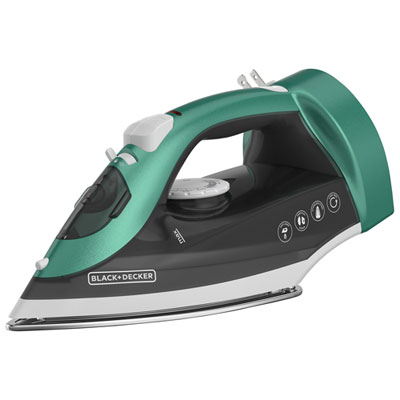 Your price for this item is $59.99
-
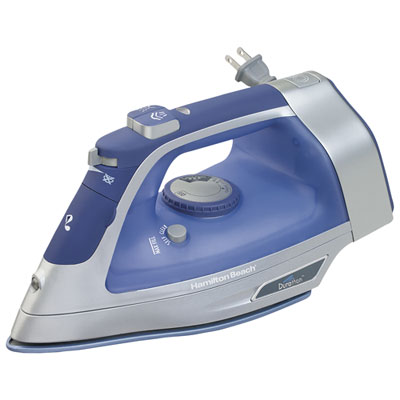 Your price for this item is $59.99
-
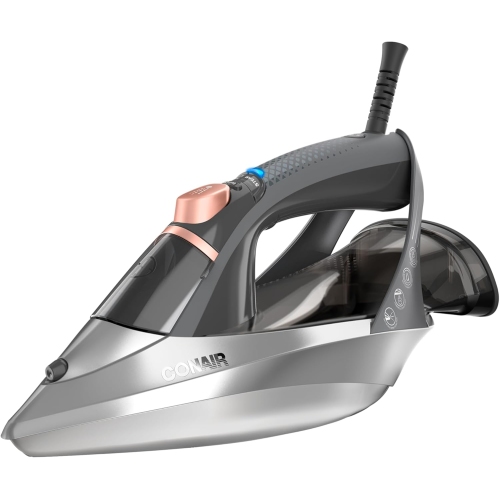 Your price for this item is $183.28
-
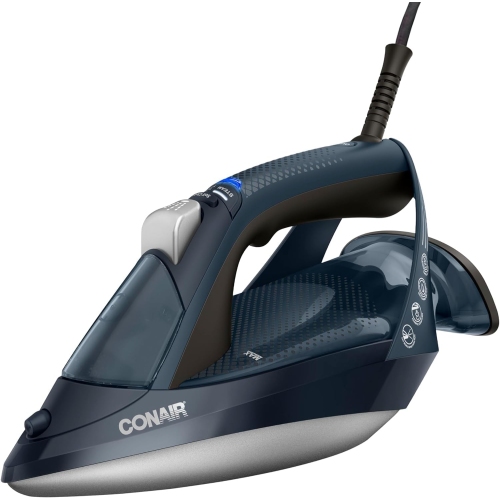 Your price for this item is $49.97
-
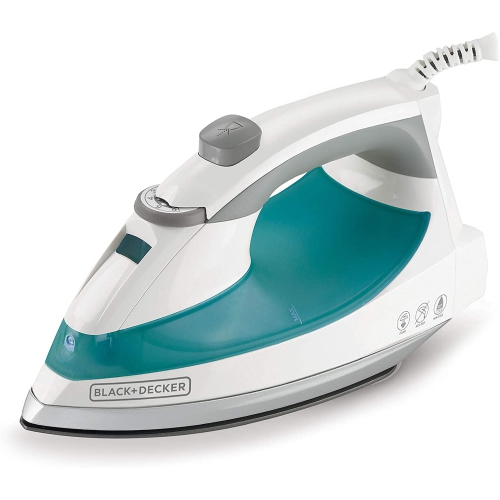 Your price for this item is $28.98
-
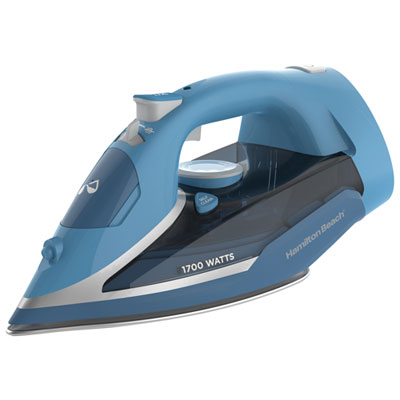 Your price for this item is $54.99
-
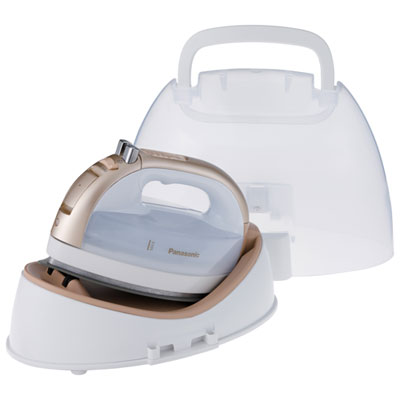 Your price for this item is $109.99
-
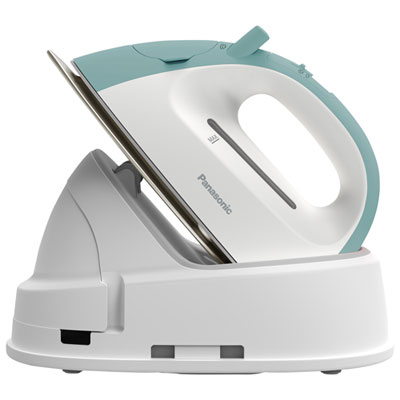 Your price for this item is $69.99
Discover more categories related to Steam Iron Stainless Steel
Top Collections:
Best Black Friday Deals This Year, Best Black Friday Deals On Electronics, Kindle Devices, Pokemon Centers, Best Black Friday Deals On Apple Products, Best Cameras for Sports Photography, Dyson Airwrap, Pokémon 30th Celebration Cards, Apple iPhone 17 Pro, Canon G7X Cameras
Some products may be subject to Environmental Handling Fees
(EHF) depending on your province.
Learn more about EHFs.