Macro Lenses for Wedding Photography
Macro photography is a fun way to add a little something extra to your wedding photos. Macro photography is a great way to capture images of small objects, such as flowers and insects. It can also be used to take photos of larger objects, such as fruit and vegetables. Macro lenses are designed to focus on subjects that are very close to the lens. Here are some of the best macro lenses for wedding photography.
Sort
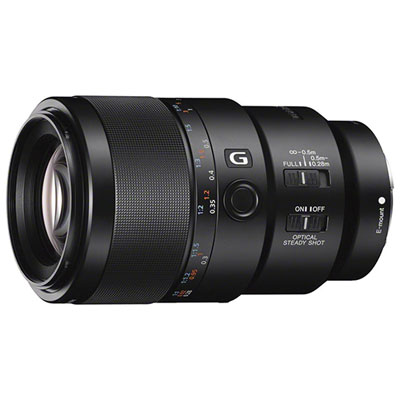
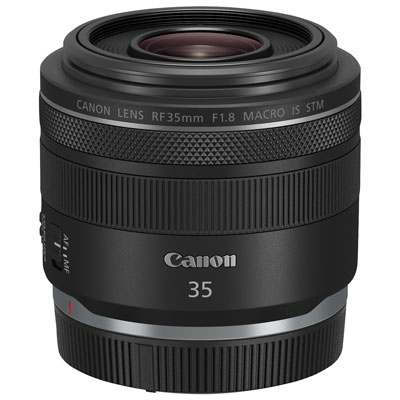
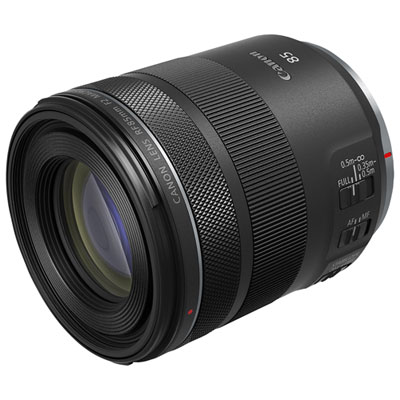
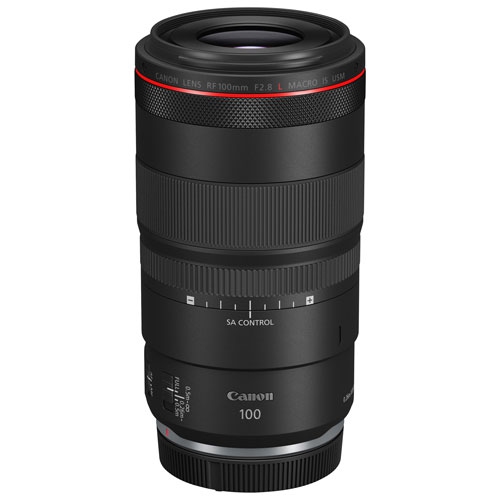
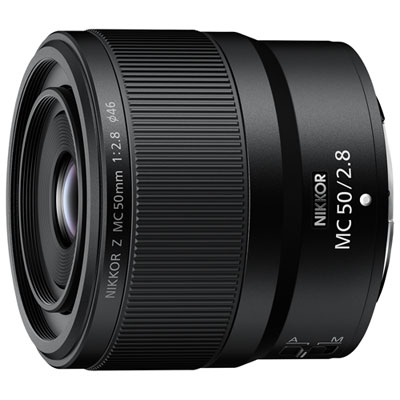
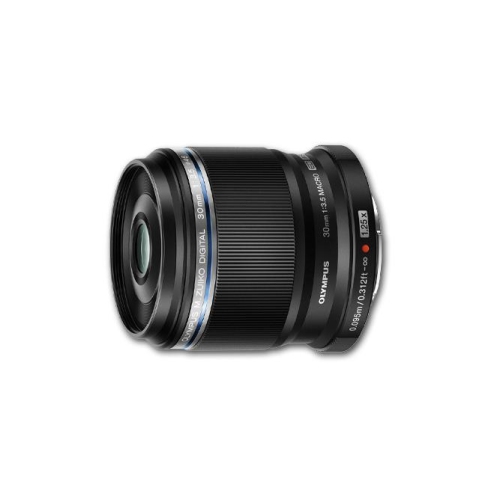
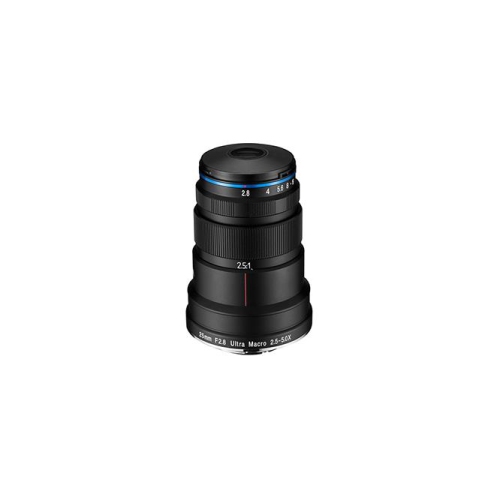
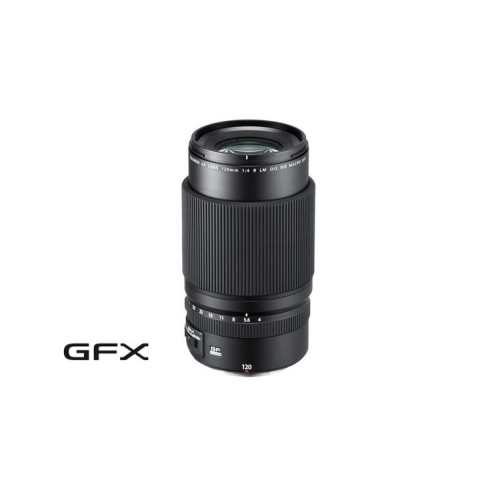
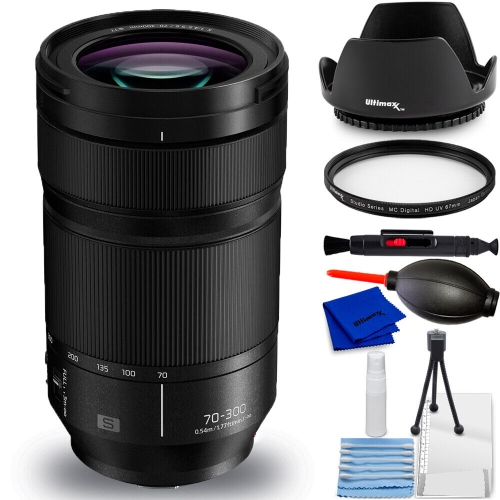
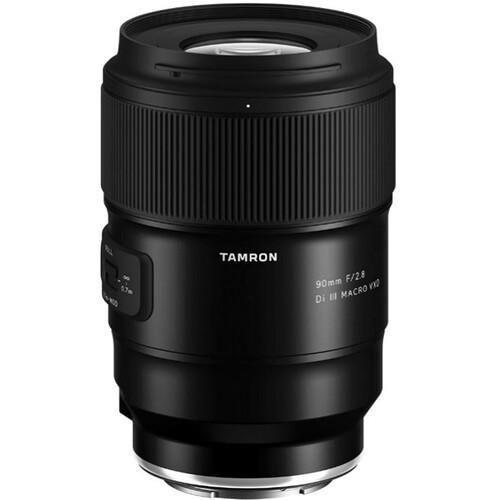

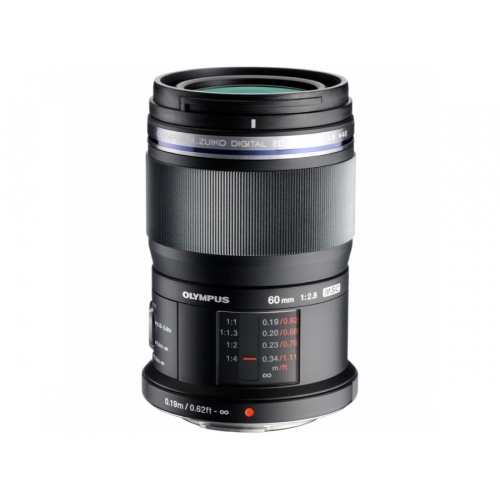
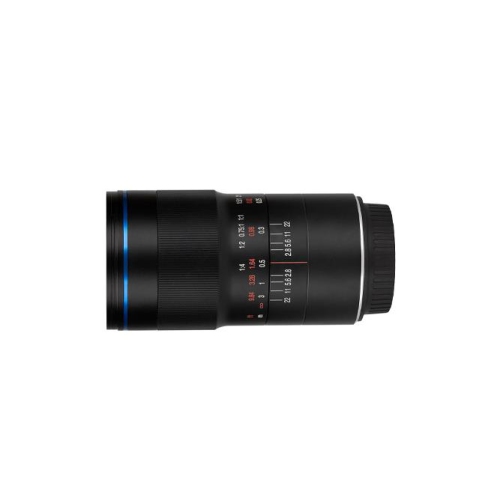
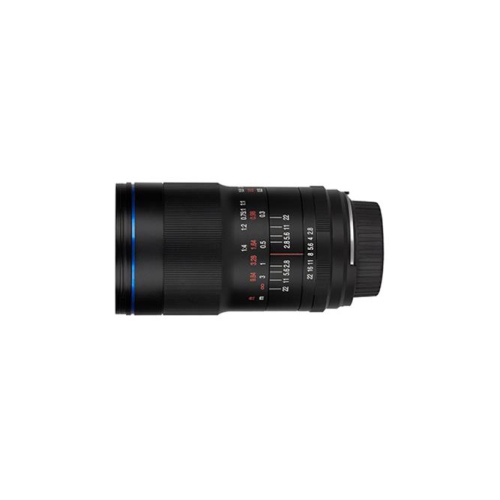
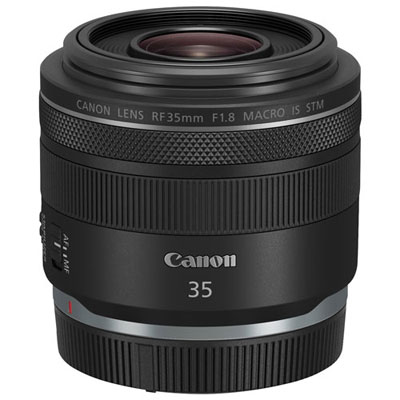
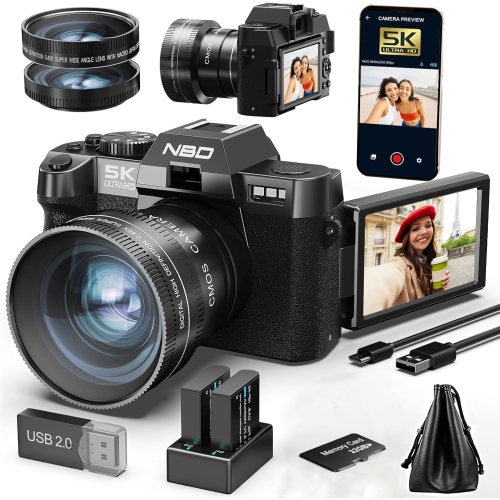
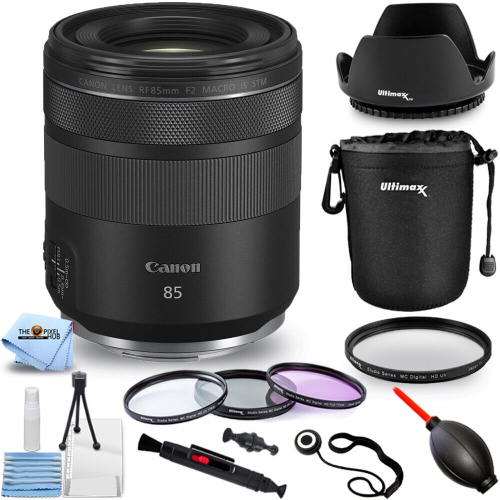
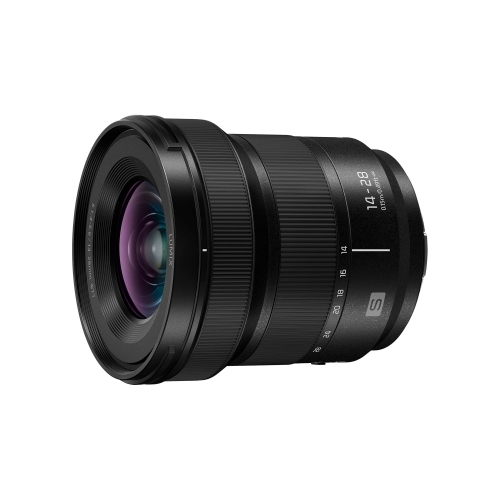
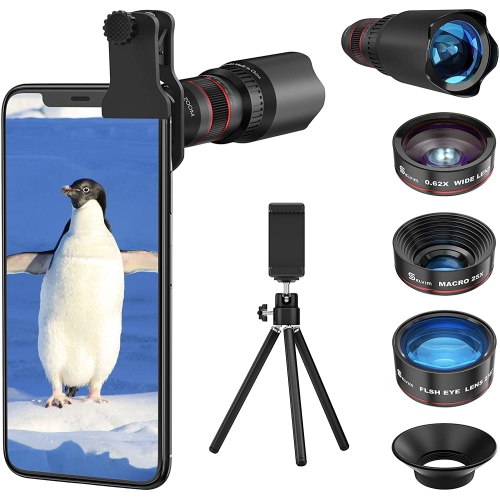
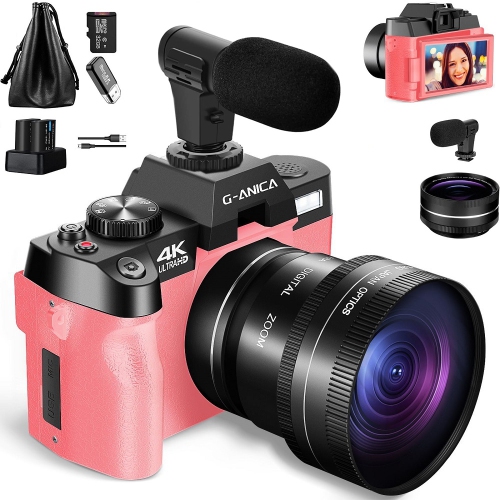
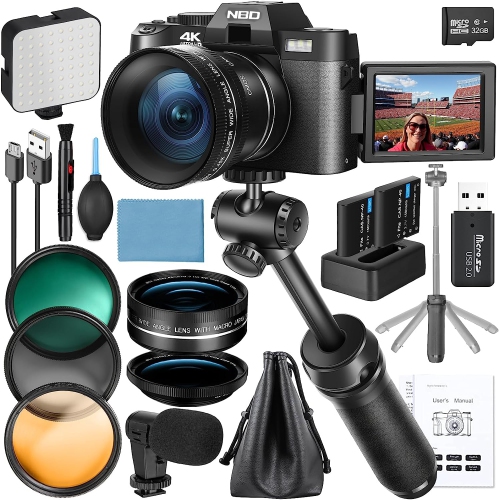
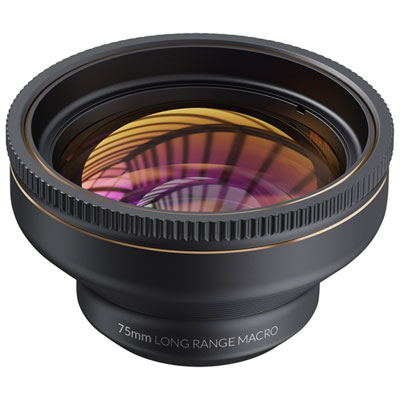
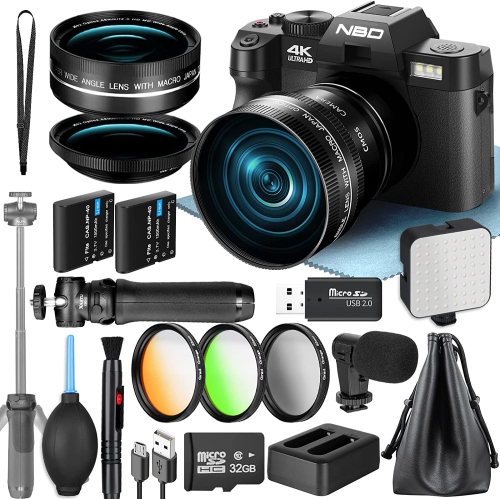
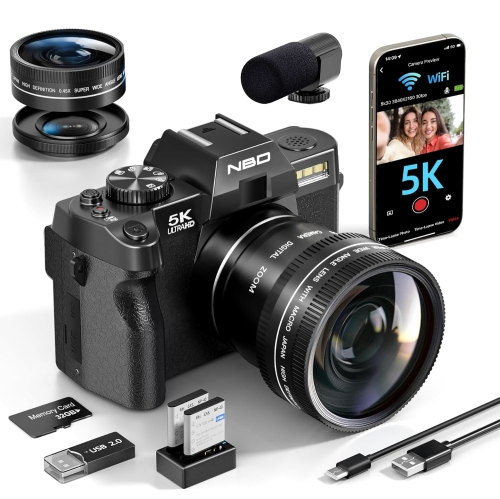
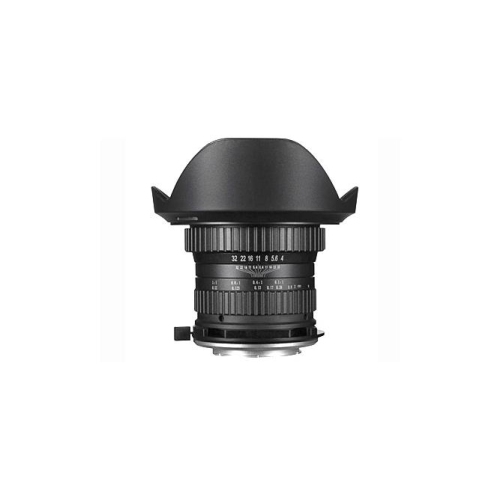
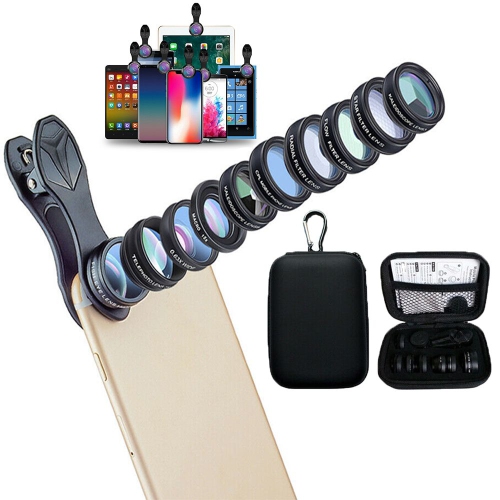
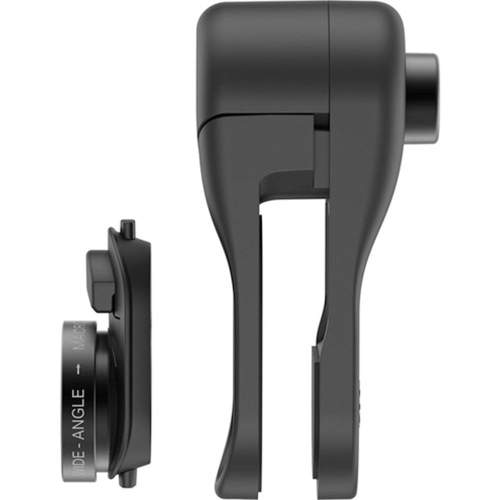
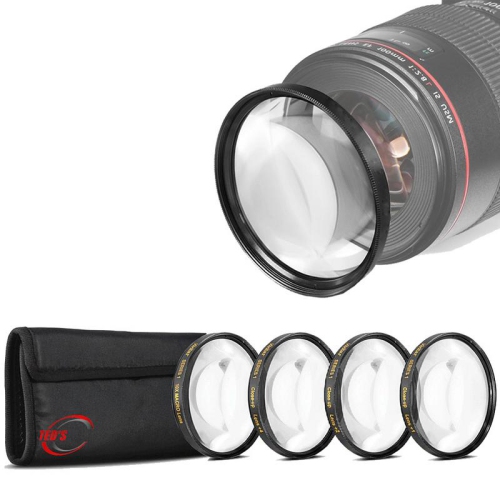

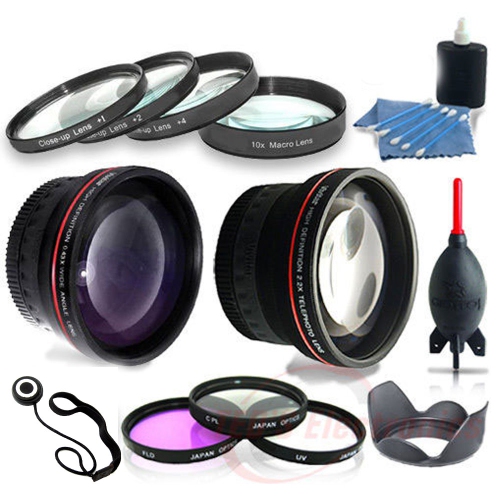
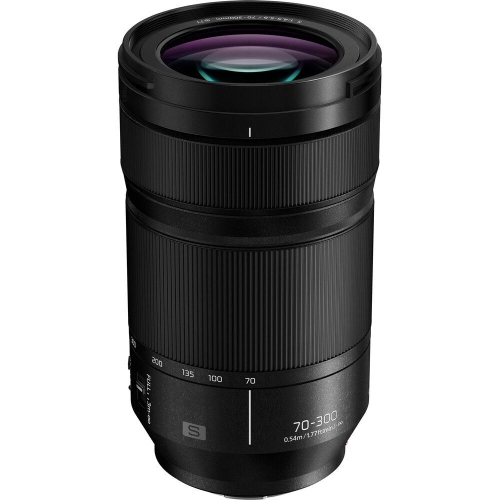
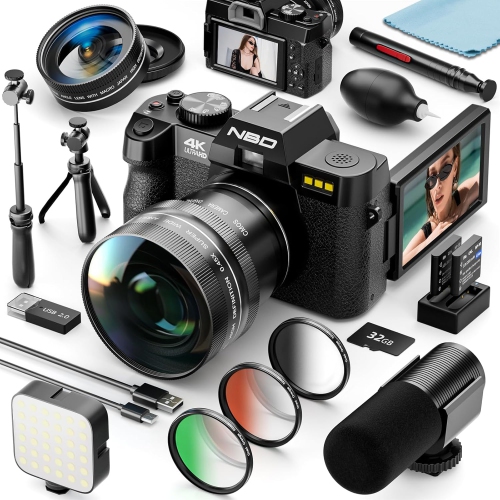
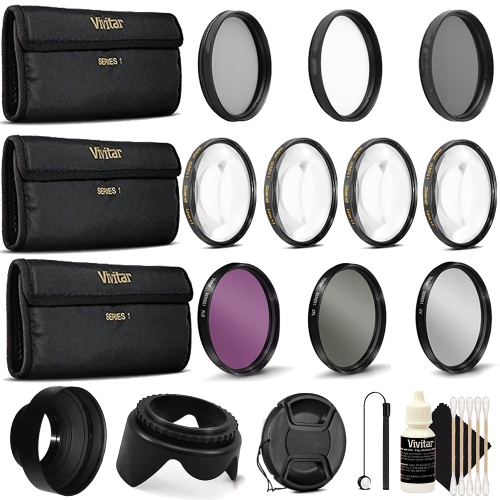
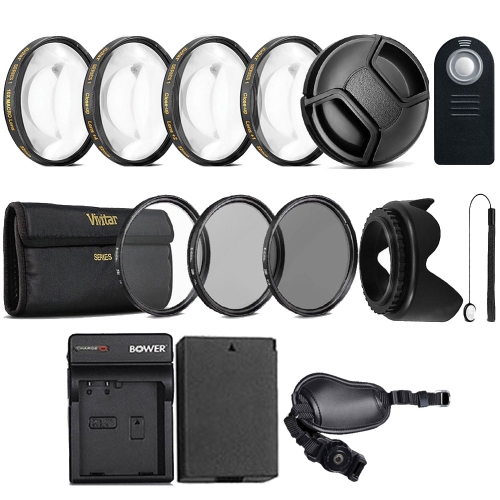
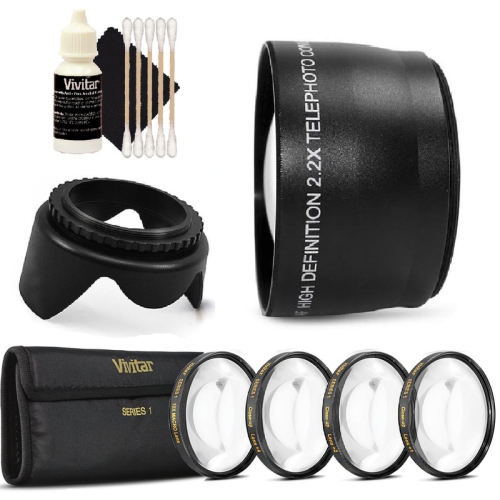
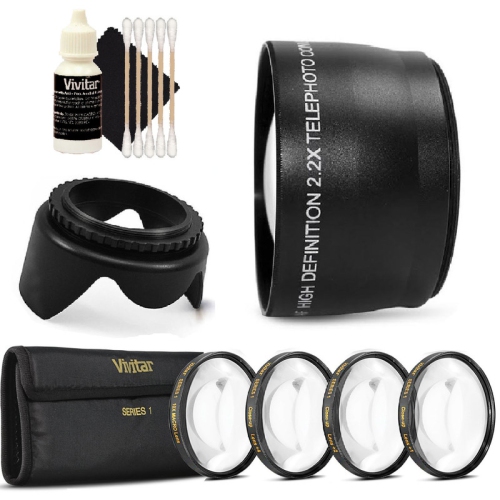

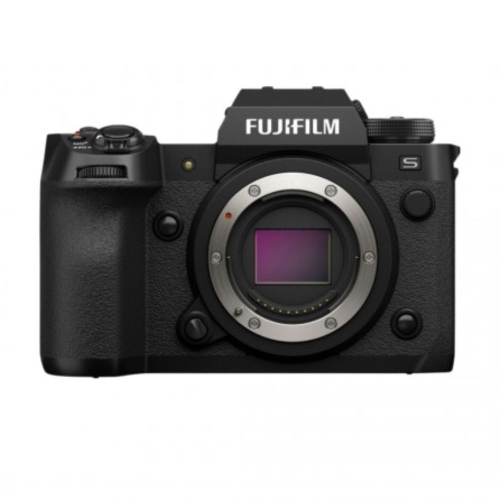
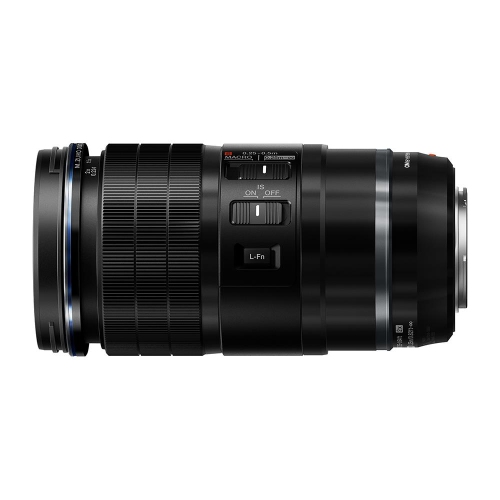
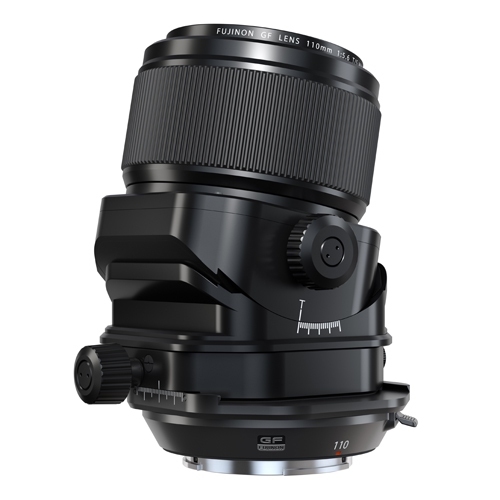
Small wedding details become unforgettable images with macro lenses
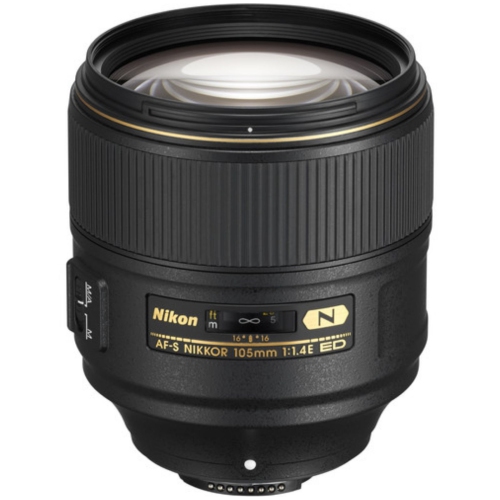
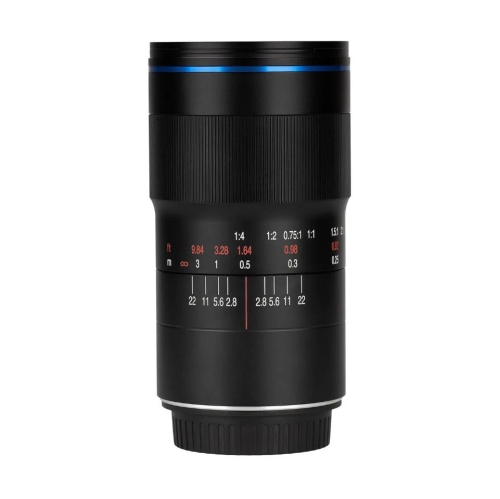
Macro lenses for wedding photography are designed to bring the smallest parts of a celebration into sharp, expressive focus. A wedding day is filled with details that can be easy to overlook while photographing larger moments: the fine engraving inside a ring, the texture of lace, the folds in a handwritten vow, the grain of a wooden invitation box, or tiny beads catching the light on a veil. A true macro lens typically offers a reproduction ratio of 1:1, allowing a subject to appear life-size on the camera sensor, while some advanced options provide even greater magnification for exceptionally close compositions. This makes it possible to fill the frame with the cut of a gemstone, the brushed surface of a wedding band, or the delicate veins in a flower without relying on heavy cropping. Many wedding photographers favour focal lengths in the medium-telephoto range, often around 90mm to 105mm, because they provide a useful working distance from the subject. That extra space can make it easier to position a camera beside a ring box, bouquet, or invitation suite without casting a shadow or disturbing the arrangement. A macro lens in this range can also create flattering perspective for portraits and candid moments, making it a practical addition to a wedding kit rather than a lens reserved for detail images alone.
When comparing macro lenses for wedding photography, begin with compatibility. The lens mount must match the camera body, and photographers using full-frame or crop-sensor cameras should check how the sensor size affects the effective field of view. Autofocus performance is another important consideration, particularly when the day moves quickly and there is limited time to arrange detail shots. A quiet, responsive focusing system can help capture a ring exchange, floral close-up, or a couple’s hands without drawing attention, while a focus limiter may reduce hunting when working within a very short distance. Manual focus control remains valuable for carefully composed images because depth of field becomes extremely narrow at high magnification. Even a small shift in the camera position can move the sharpness from a gemstone to the band beside it, so a smooth focus ring and clear distance markings can make precise adjustments easier. Optical or in-body image stabilization can help when photographing handheld in dim reception rooms, getting ready spaces, or candlelit venues, although stabilization cannot freeze a moving subject. A wide maximum aperture, such as f/2.8, can brighten the viewfinder and create softly blurred backgrounds, while stopping down to f/5.6, f/8, or narrower can keep more of a ring set, floral arrangement, or invitation design in focus. Weather-resistant construction may also be worthwhile for outdoor ceremonies and portraits during changing conditions. Photographers working with a Nikon camera can explore Macro Lenses for Nikon to find options designed for that system.
A macro lens can support a distinctive visual story from the quiet preparations through the final reception details. Before guests arrive, it can document stationery, cufflinks, shoes, heirloom jewellery, bouquet petals, and the small imperfections that make each celebration personal. During the ceremony, a longer macro lens may help create close views of hands, rings, floral accents, or fabric while allowing the photographer to work discreetly from a respectful distance. At the reception, it can capture place cards, table settings, cake decoration, menu lettering, and the textures of natural materials used throughout the room. The same lens can shift to portraits, especially when its focal length compresses the background and its wide aperture separates a couple from softly glowing lights or an architectural setting. For someone building a wedding photography kit, a macro lens is often a useful complement to a standard zoom or portrait lens because it covers a specialised detail range while still offering everyday creative flexibility. It can also be a thoughtful gift for an engaged photographer, a second shooter, or someone documenting family celebrations and handmade events. When choosing, consider the photographer’s camera system, the lens’s minimum focusing distance, magnification, aperture, stabilization, autofocus behaviour, size, and weight. A compact design may be preferable for long wedding days, while a larger professional lens may offer more robust handling and advanced optical performance. During the cooler months, photographers may move between warm indoor venues and cold outdoor spaces, so allowing equipment to acclimatize gradually can help reduce condensation. With the right focal length and focusing controls, macro lenses make it possible to preserve the tactile details of a wedding—the glint of metal, the softness of ribbon, the edge of a petal, and the story held in a pair of hands—with clarity that brings those memories back long after the celebration ends.
When comparing macro lenses for wedding photography, begin with compatibility. The lens mount must match the camera body, and photographers using full-frame or crop-sensor cameras should check how the sensor size affects the effective field of view. Autofocus performance is another important consideration, particularly when the day moves quickly and there is limited time to arrange detail shots. A quiet, responsive focusing system can help capture a ring exchange, floral close-up, or a couple’s hands without drawing attention, while a focus limiter may reduce hunting when working within a very short distance. Manual focus control remains valuable for carefully composed images because depth of field becomes extremely narrow at high magnification. Even a small shift in the camera position can move the sharpness from a gemstone to the band beside it, so a smooth focus ring and clear distance markings can make precise adjustments easier. Optical or in-body image stabilization can help when photographing handheld in dim reception rooms, getting ready spaces, or candlelit venues, although stabilization cannot freeze a moving subject. A wide maximum aperture, such as f/2.8, can brighten the viewfinder and create softly blurred backgrounds, while stopping down to f/5.6, f/8, or narrower can keep more of a ring set, floral arrangement, or invitation design in focus. Weather-resistant construction may also be worthwhile for outdoor ceremonies and portraits during changing conditions. Photographers working with a Nikon camera can explore Macro Lenses for Nikon to find options designed for that system.
A macro lens can support a distinctive visual story from the quiet preparations through the final reception details. Before guests arrive, it can document stationery, cufflinks, shoes, heirloom jewellery, bouquet petals, and the small imperfections that make each celebration personal. During the ceremony, a longer macro lens may help create close views of hands, rings, floral accents, or fabric while allowing the photographer to work discreetly from a respectful distance. At the reception, it can capture place cards, table settings, cake decoration, menu lettering, and the textures of natural materials used throughout the room. The same lens can shift to portraits, especially when its focal length compresses the background and its wide aperture separates a couple from softly glowing lights or an architectural setting. For someone building a wedding photography kit, a macro lens is often a useful complement to a standard zoom or portrait lens because it covers a specialised detail range while still offering everyday creative flexibility. It can also be a thoughtful gift for an engaged photographer, a second shooter, or someone documenting family celebrations and handmade events. When choosing, consider the photographer’s camera system, the lens’s minimum focusing distance, magnification, aperture, stabilization, autofocus behaviour, size, and weight. A compact design may be preferable for long wedding days, while a larger professional lens may offer more robust handling and advanced optical performance. During the cooler months, photographers may move between warm indoor venues and cold outdoor spaces, so allowing equipment to acclimatize gradually can help reduce condensation. With the right focal length and focusing controls, macro lenses make it possible to preserve the tactile details of a wedding—the glint of metal, the softness of ribbon, the edge of a petal, and the story held in a pair of hands—with clarity that brings those memories back long after the celebration ends.
Top selling and popular products
-
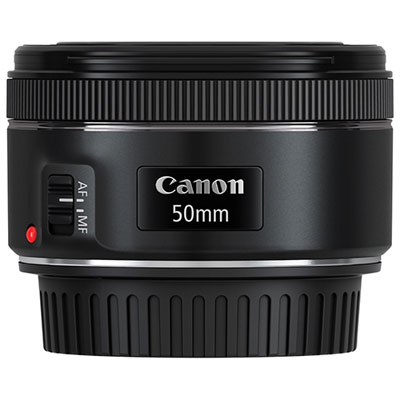 Your price for this item is $169.99
 -
 Your price for this item is $329.99
 -
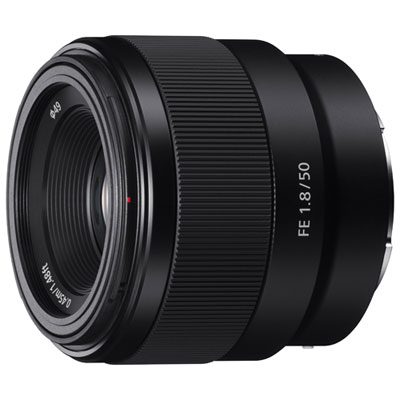 Your price for this item is $349.99
 -
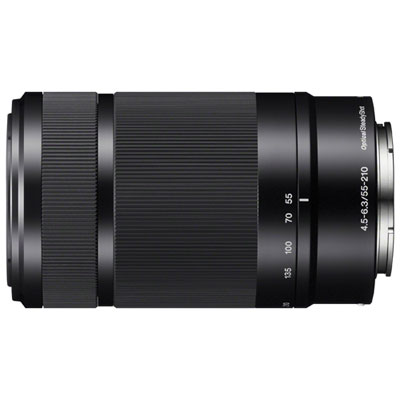 Your price for this item is $399.99
 -
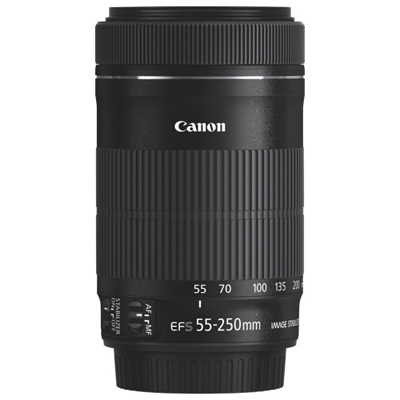 Your price for this item is $399.99
 -
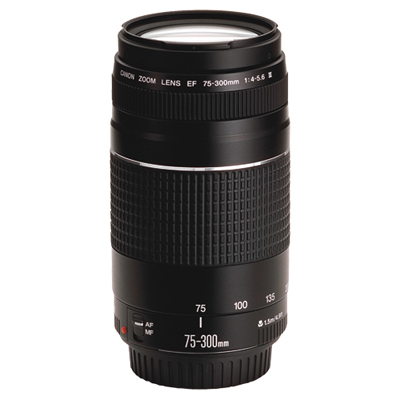 Your price for this item is $199.99
 -
 Your price for this item is $174.99
 -
 Your price for this item is $749.99
Discover more categories related to Macro Lenses for Wedding Photography
Top Collections:
Pokemon Centers, Kindle Devices, Best Budget Office Chairs, Apple iPhones 16, Best Laptops for Writers, iPhone 15 Apple, Canon G7X Cameras, Refurbished Apple Laptops, Alarm Clock, Motorola Razr Phones
Some products may be subject to Environmental Handling Fees
(EHF) depending on your province.
Learn more about EHFs.