Macro Lenses for Product Photography
Macro photography is a fun way to explore the world of photography. It can be used to capture images of flowers, insects, jewelry, and other small objects. Macro lenses can be used on DSLRs, point and shoots, mirrorless cameras, and even some smartphones. Here are some great macro lenses perfect for product photography.
Sort
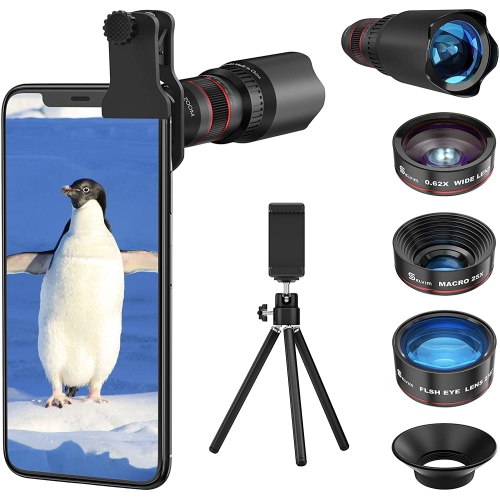
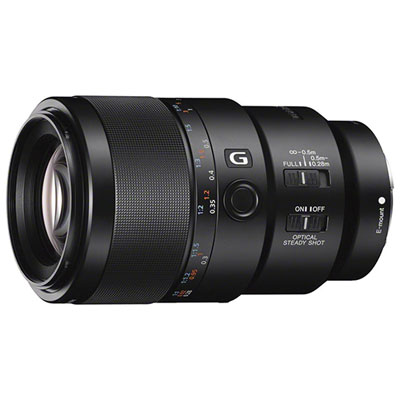
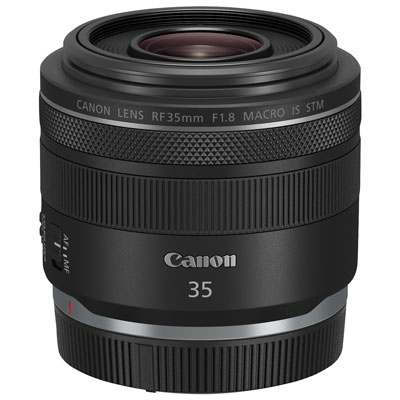
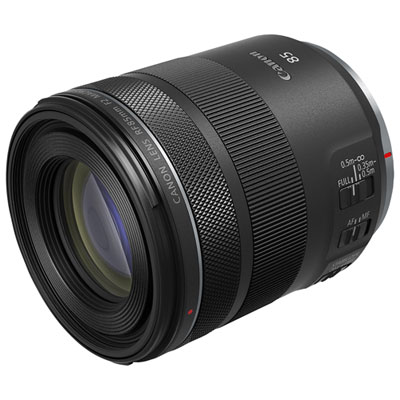
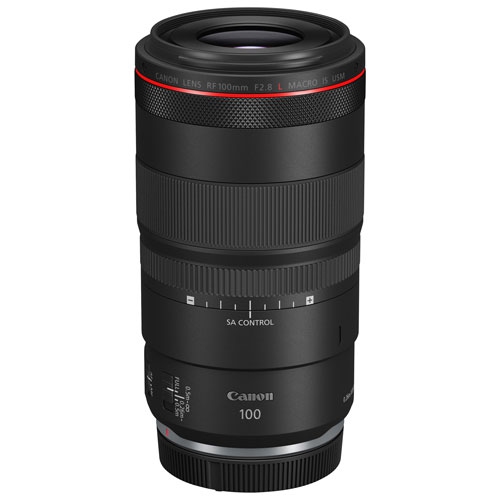
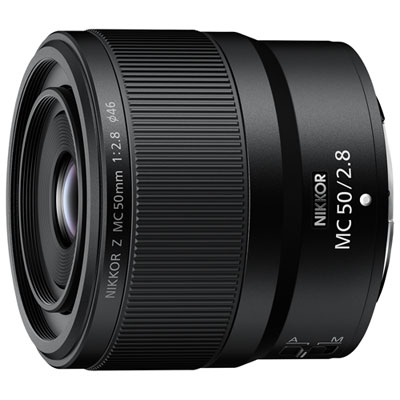
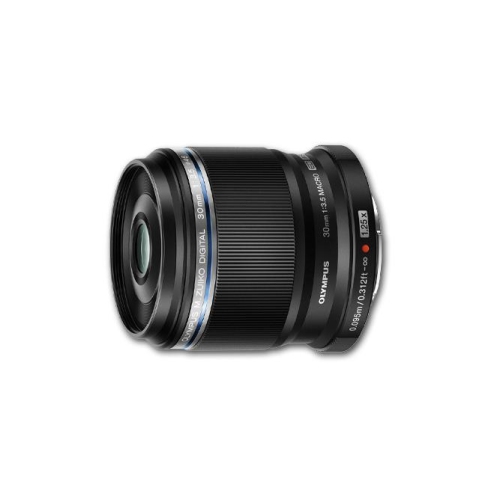
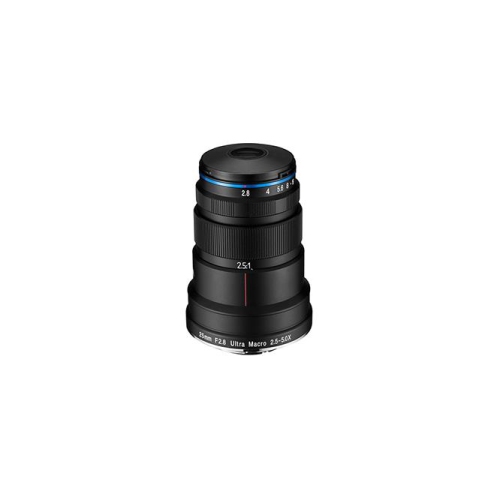
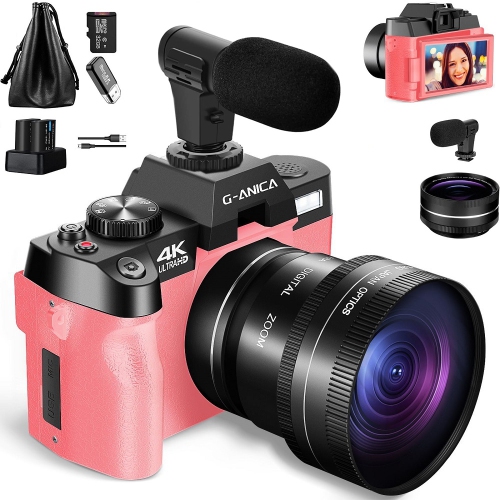
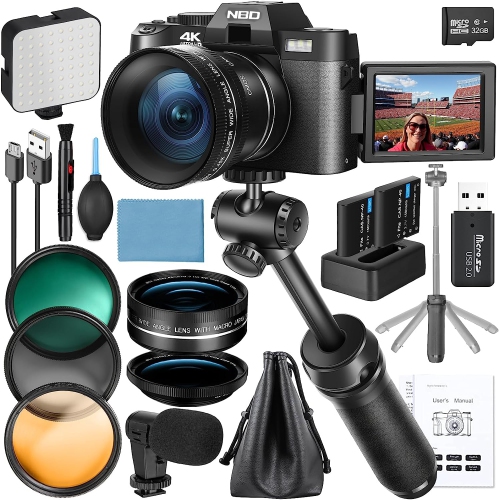
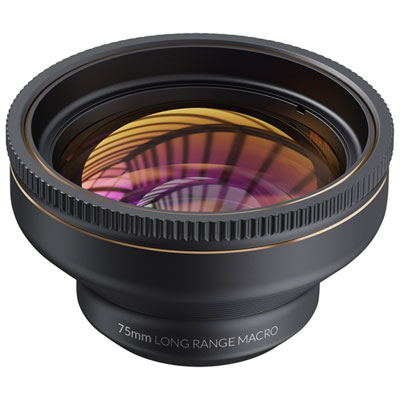
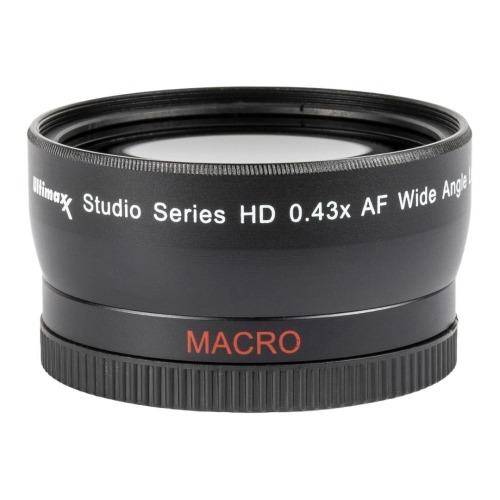
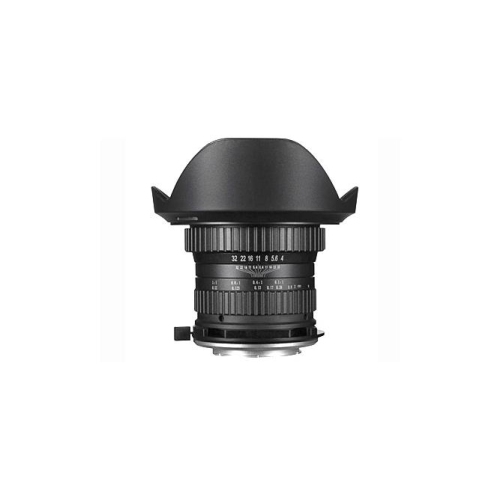
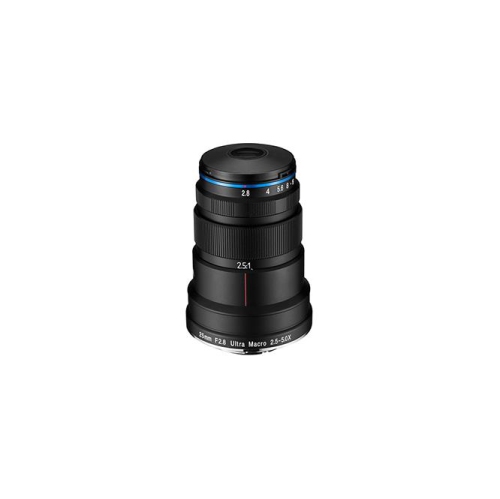
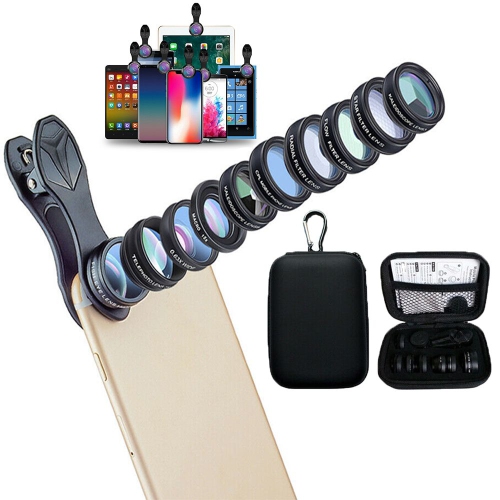
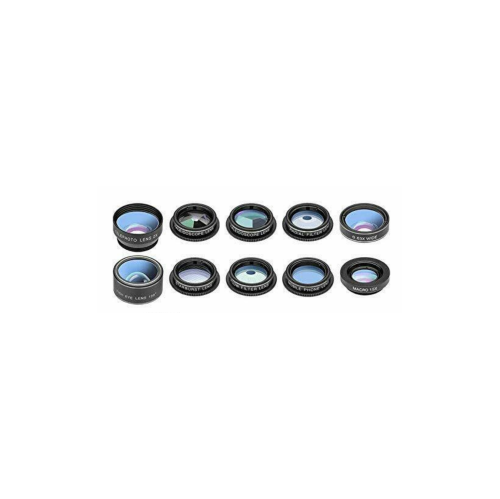
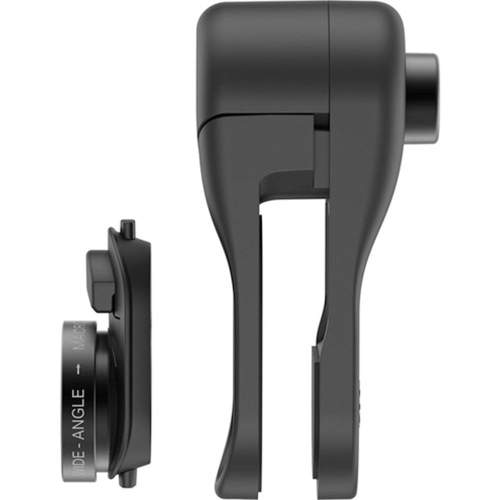
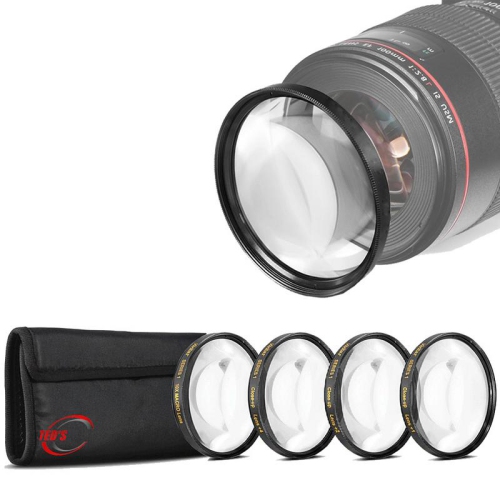

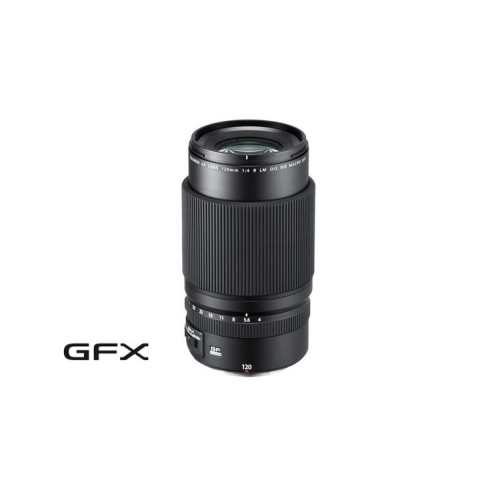
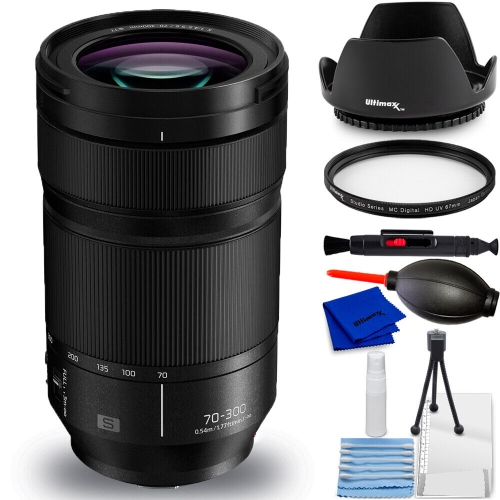
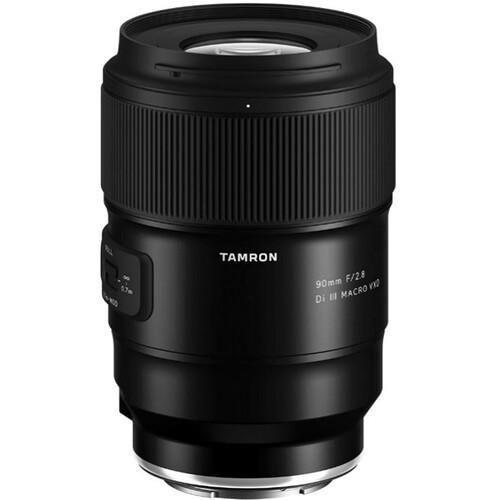
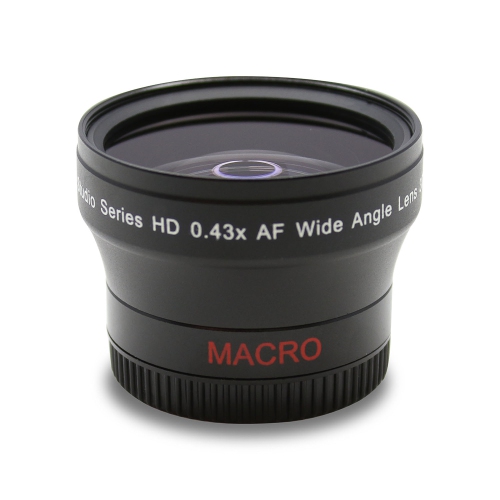

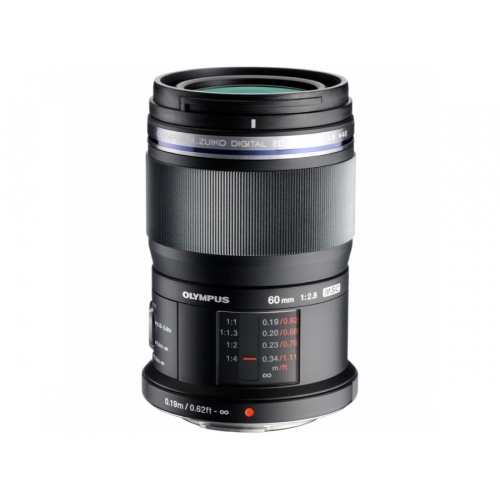
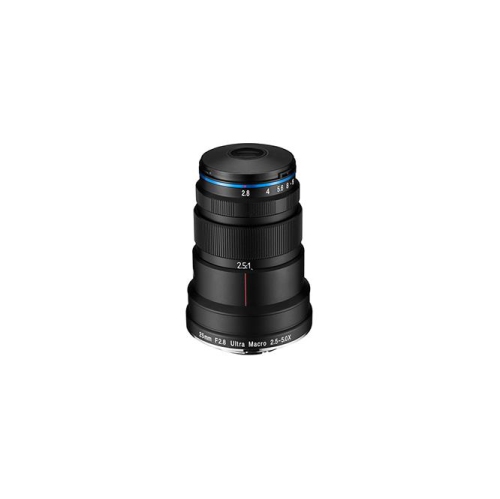
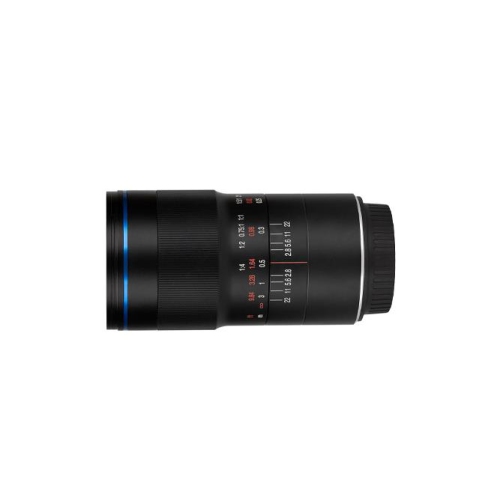
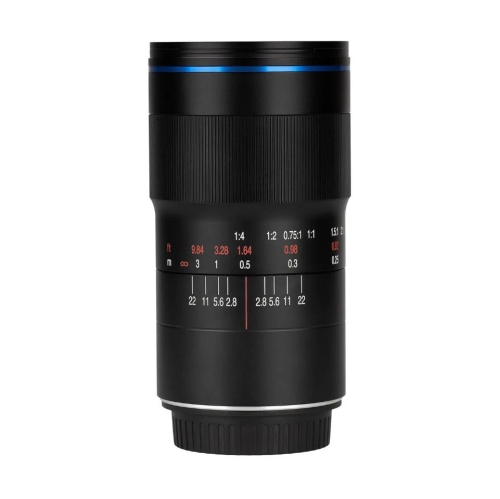
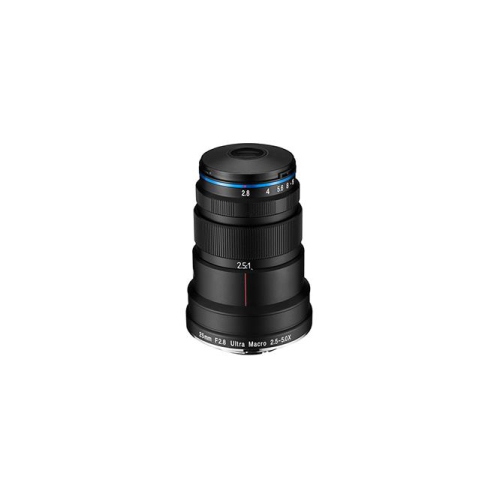
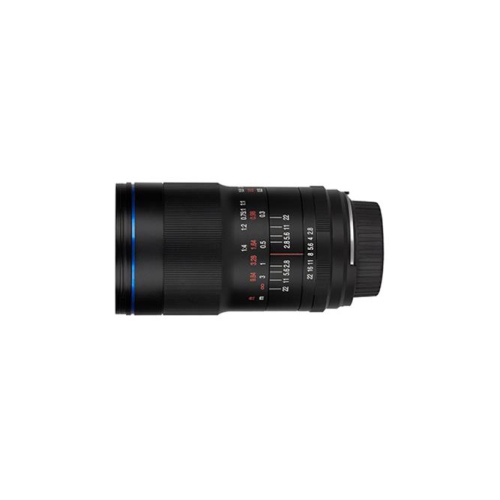
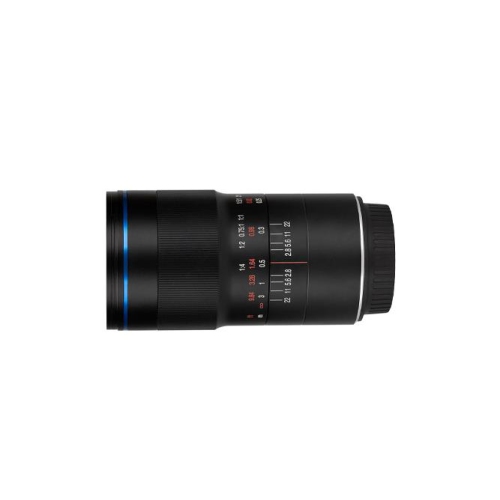
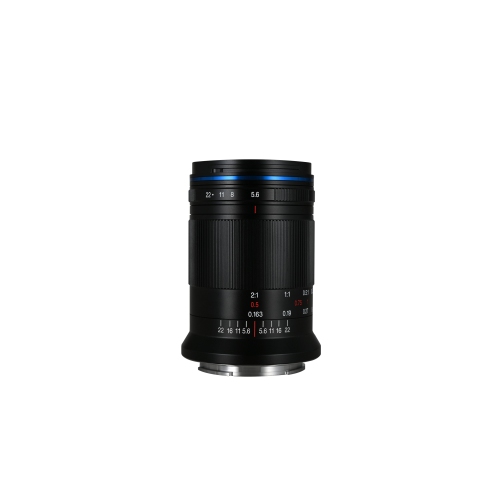
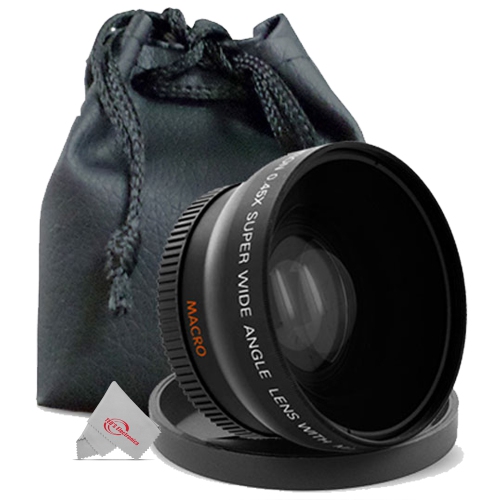
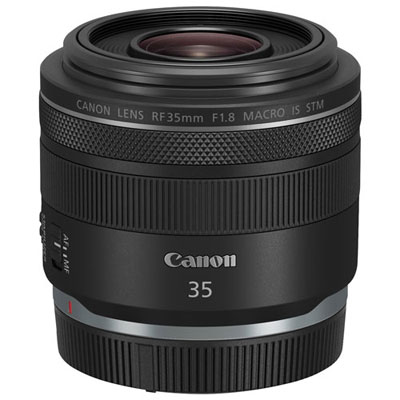
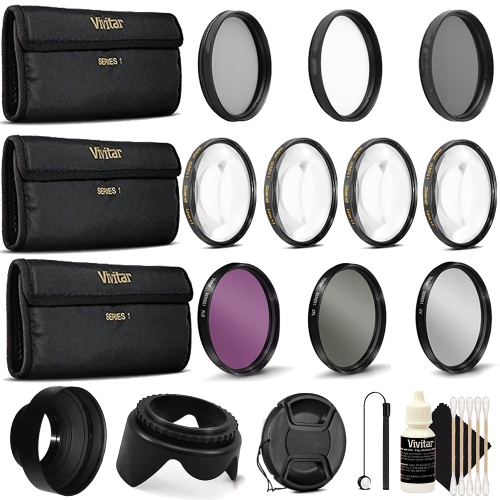
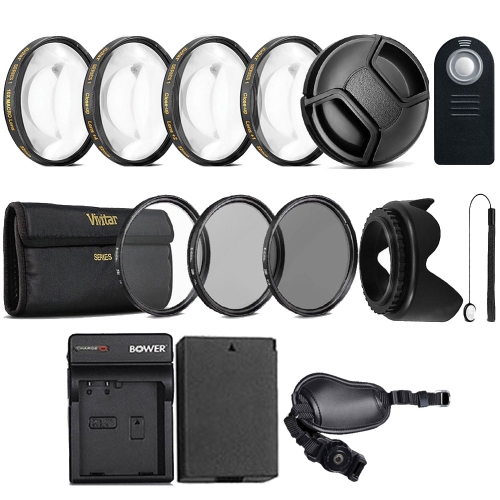
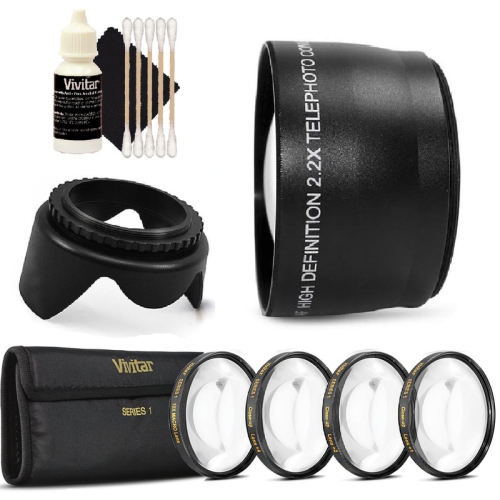

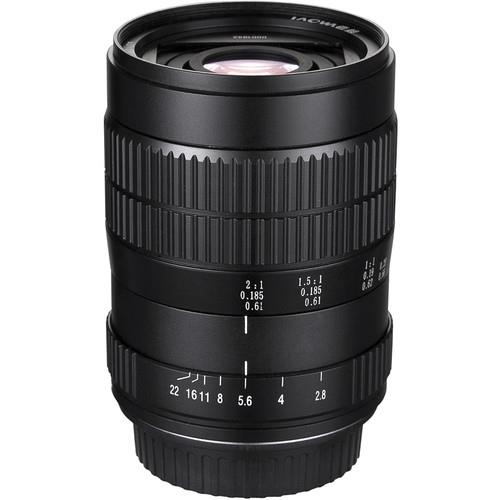
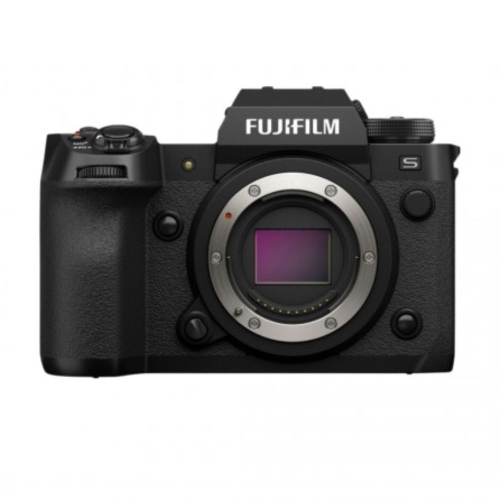
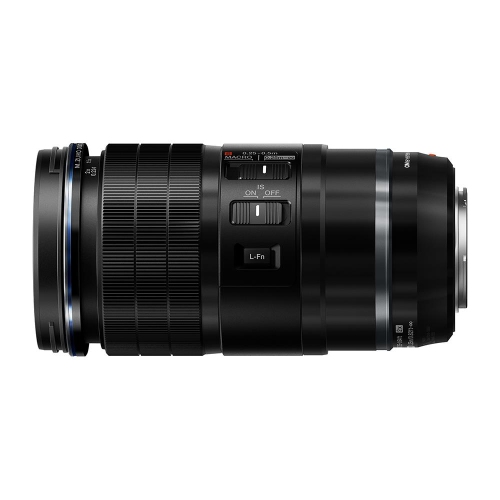
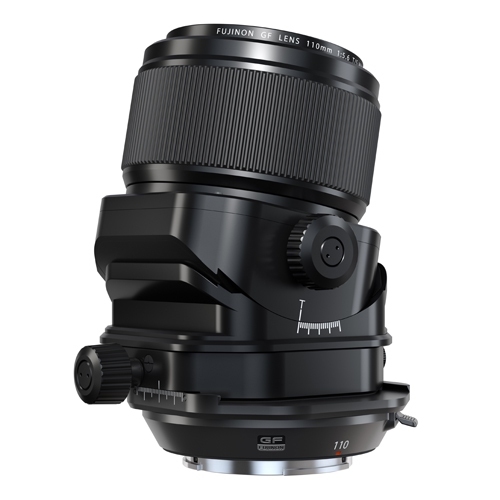
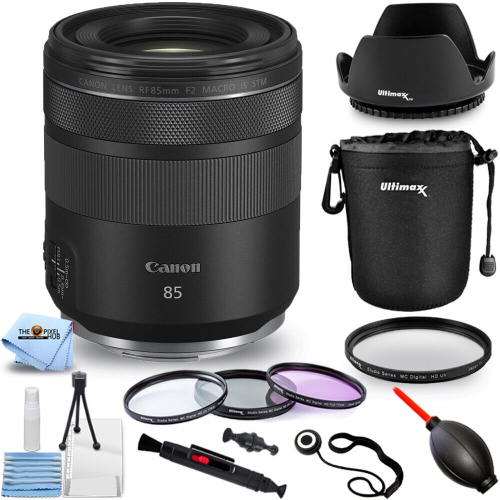
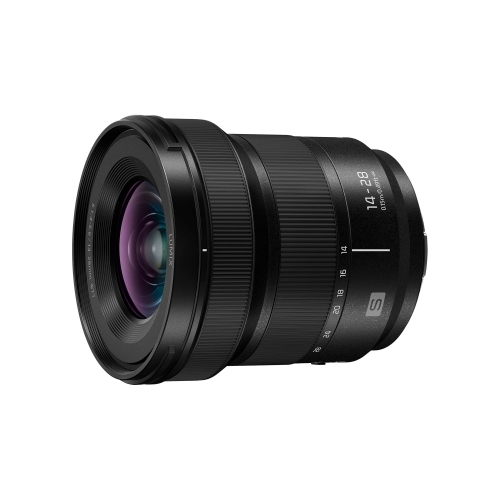
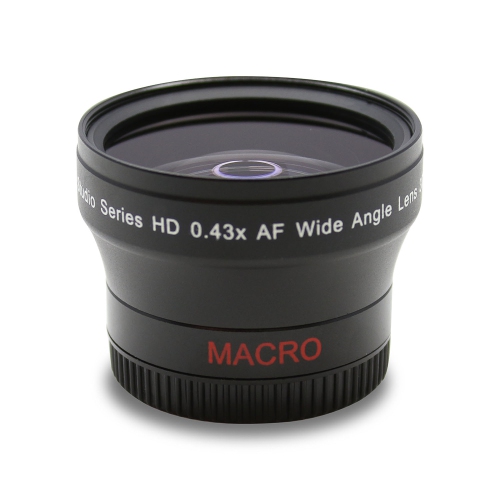
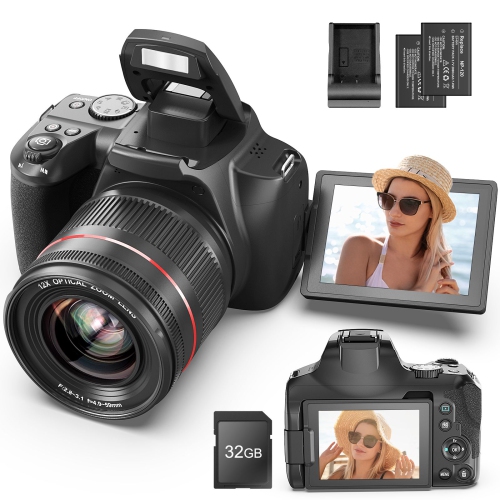
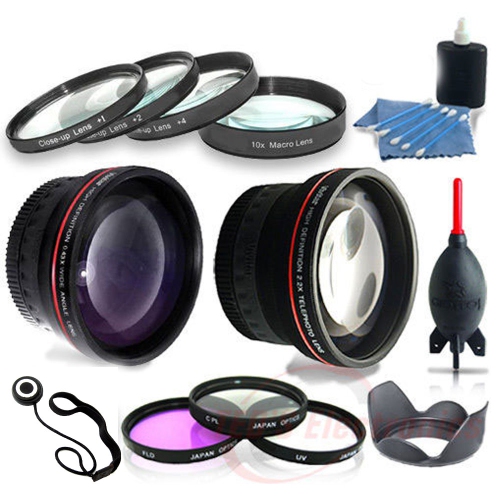
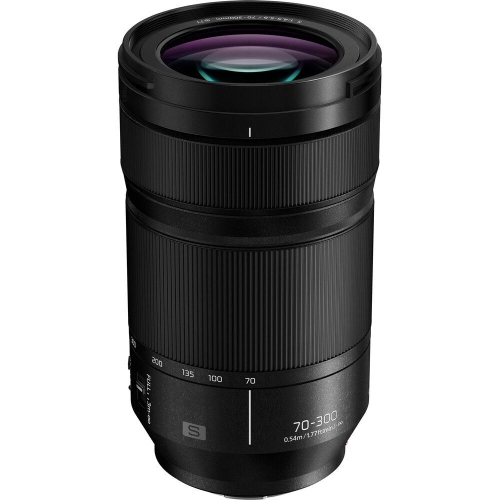
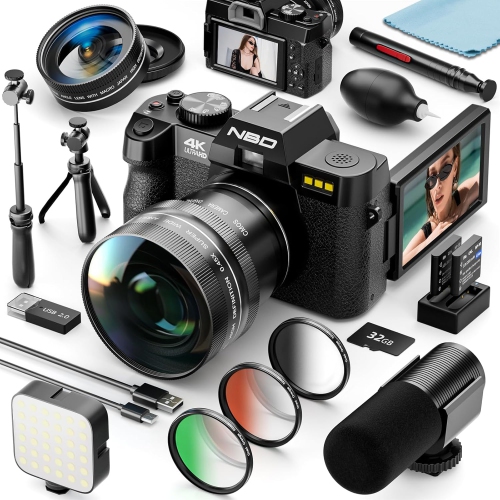
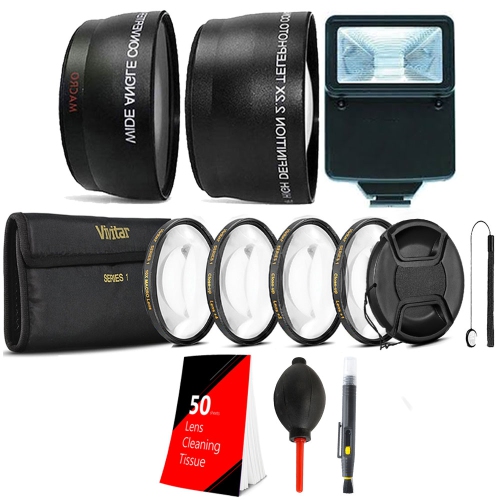
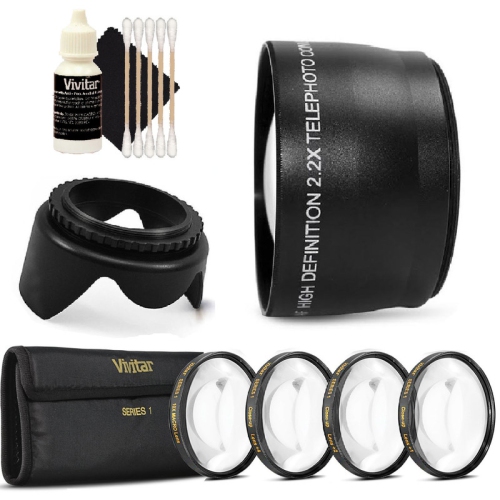
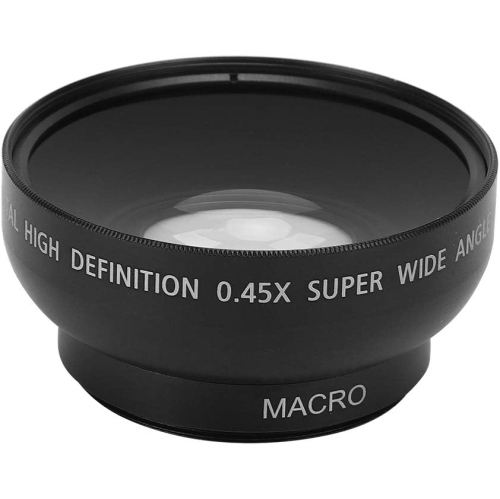
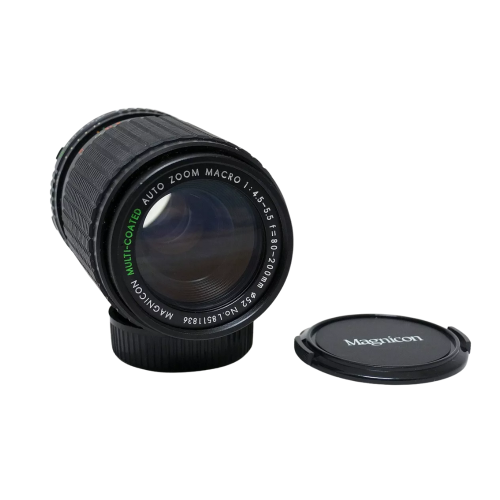
Life-size magnification brings intricate product details into focus
Macro lenses are a cornerstone of product photography, offering unmatched clarity and the ability to highlight even the most intricate details of small objects. Whether you’re capturing the delicate facets of a gemstone ring, the subtle textures of hand-crafted ceramics, or the fine print on electronics, a dedicated macro lens transforms your camera into a tool for storytelling through close-up visuals. These lenses are designed for life-size (1:1) magnification, meaning the subject is projected onto your camera sensor at its actual size, making even the smallest features pop with stunning sharpness. Flat-field optics help ensure straight lines remain true from edge to edge, which is essential when photographing items for commercial use or online listings. In the late summer and into the cooler months, many photographers find themselves working with products that reflect the changing seasons—think autumn-inspired home décor, new tech releases, or handmade crafts destined for holiday gifting. Macro lenses are also a thoughtful gift for anyone passionate about photography, from seasoned professionals to creative hobbyists looking to elevate their product shots for social media, e-commerce, or portfolio building.
When choosing a macro lens for product photography, several key considerations come into play. Focal length is crucial: longer macro lenses (such as 90mm or 100mm) provide more working distance, which is especially helpful when shooting reflective surfaces or delicate items where you want to avoid casting shadows. Shorter focal lengths can be ideal for tabletop setups with limited space. Aperture is another important factor, as shooting between f/8 and f/16 is often recommended to achieve greater depth of field and keep your subject in sharp focus from front to back. Many photographers rely on manual focus to fine-tune the exact point of sharpness, especially when working with shallow depths of field. Image stabilization and a sturdy tripod can make a tangible difference by reducing camera shake, which is more noticeable at high magnifications. Lighting also plays a significant role; investing in reliable studio lights or ring flashes helps compensate for the smaller apertures used in macro work, ensuring your product images remain bright and vibrant. If your interests extend to photographing intricate items like jewellery, you may want to explore more specialized options—take a look at Macro Lenses for Jewelry Photography for tailored recommendations.
Macro lenses open up a world of creative possibilities for anyone looking to showcase products in their best light, whether for online shops, catalogues, or personal projects. Their ability to render minute textures and subtle design elements makes them indispensable for artists, makers, and entrepreneurs who want their work to stand out in a crowded marketplace. As the seasons shift and new collections or limited-edition items are released, macro photography enables you to capture the essence of each piece, from the crispness of autumn leaves on artisanal candles to the precision of engraved logos on tech accessories. These lenses are not only practical tools—they are gateways to more engaging, professional-looking images that can make a lasting impression on clients and customers alike.
When choosing a macro lens for product photography, several key considerations come into play. Focal length is crucial: longer macro lenses (such as 90mm or 100mm) provide more working distance, which is especially helpful when shooting reflective surfaces or delicate items where you want to avoid casting shadows. Shorter focal lengths can be ideal for tabletop setups with limited space. Aperture is another important factor, as shooting between f/8 and f/16 is often recommended to achieve greater depth of field and keep your subject in sharp focus from front to back. Many photographers rely on manual focus to fine-tune the exact point of sharpness, especially when working with shallow depths of field. Image stabilization and a sturdy tripod can make a tangible difference by reducing camera shake, which is more noticeable at high magnifications. Lighting also plays a significant role; investing in reliable studio lights or ring flashes helps compensate for the smaller apertures used in macro work, ensuring your product images remain bright and vibrant. If your interests extend to photographing intricate items like jewellery, you may want to explore more specialized options—take a look at Macro Lenses for Jewelry Photography for tailored recommendations.
Macro lenses open up a world of creative possibilities for anyone looking to showcase products in their best light, whether for online shops, catalogues, or personal projects. Their ability to render minute textures and subtle design elements makes them indispensable for artists, makers, and entrepreneurs who want their work to stand out in a crowded marketplace. As the seasons shift and new collections or limited-edition items are released, macro photography enables you to capture the essence of each piece, from the crispness of autumn leaves on artisanal candles to the precision of engraved logos on tech accessories. These lenses are not only practical tools—they are gateways to more engaging, professional-looking images that can make a lasting impression on clients and customers alike.
Top selling and popular products
-
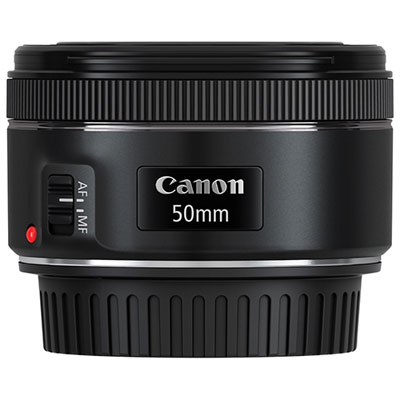 Your price for this item is $169.99
 -
 Your price for this item is $329.99
 -
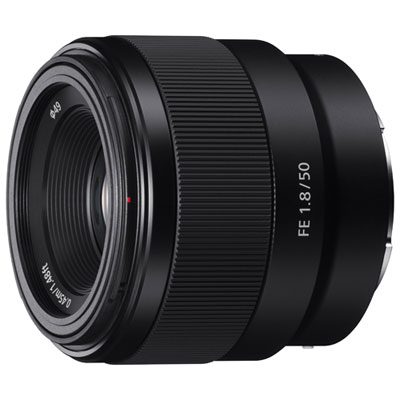 Your price for this item is $349.99
 -
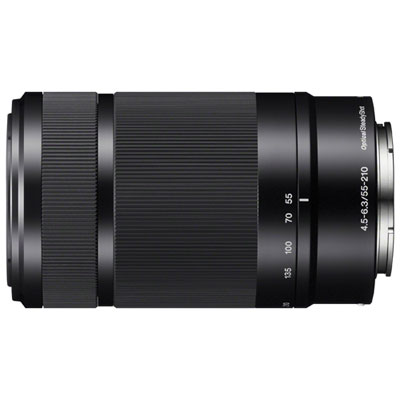 Your price for this item is $399.99
 -
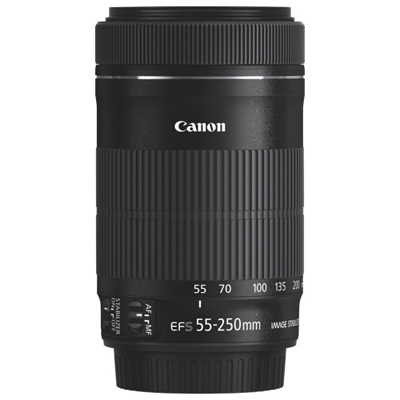 Your price for this item is $399.99
 -
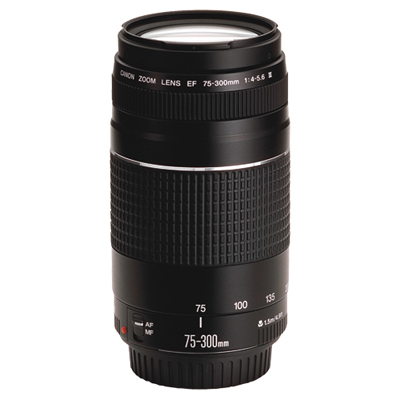 Your price for this item is $199.99
 -
 Your price for this item is $174.99
 -
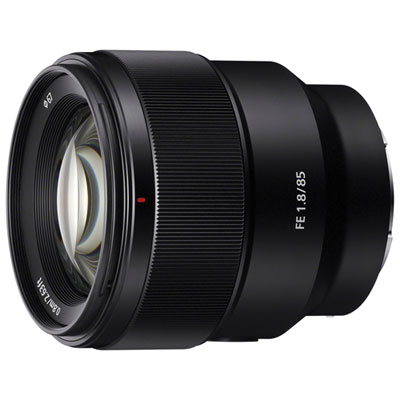 Your price for this item is $749.99
Discover more categories related to Macro Lenses for Product Photography
Top Collections:
Pokemon Centers, Kindle Devices, Best Budget Office Chairs, Apple iPhones 16, Best Laptops for Writers, iPhone 15 Apple, Canon G7X Cameras, Refurbished Apple Laptops, Alarm Clock, Motorola Razr Phones
Some products may be subject to Environmental Handling Fees
(EHF) depending on your province.
Learn more about EHFs.