42 Inch OLED TVs
Discover an impressive selection of 42 in OLED TVs designed to elevate your home entertainment experience. Perfect for any room size, these televisions offer a sleek profile that fits seamlessly into your living space. Whether you’re upgrading your current setup or searching for a new centerpiece for movie nights and gaming sessions, explore the range of options available to find the ideal match for your needs. Shop the latest 42 in OLED TVs and enjoy brilliant visuals and modern design at Best Buy.
Sort
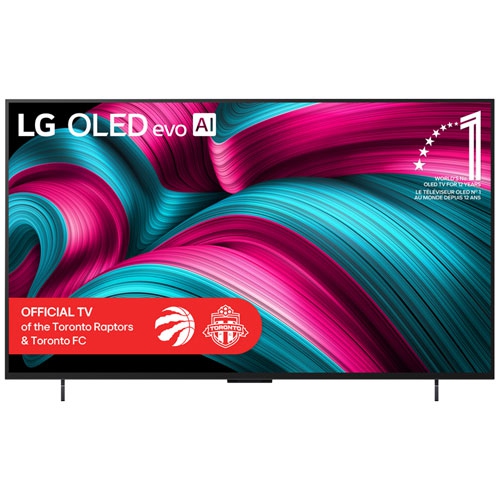
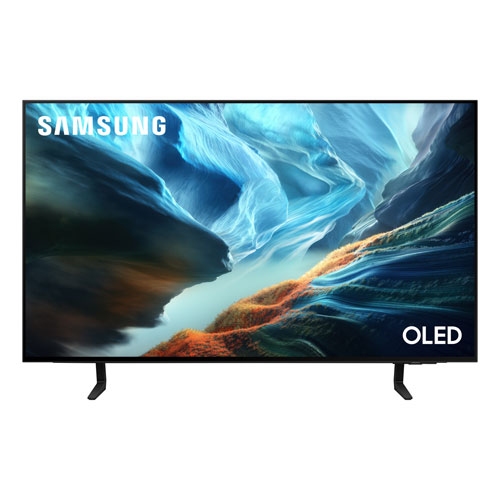
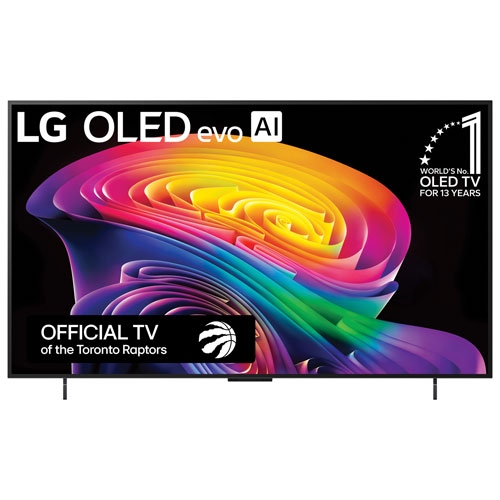
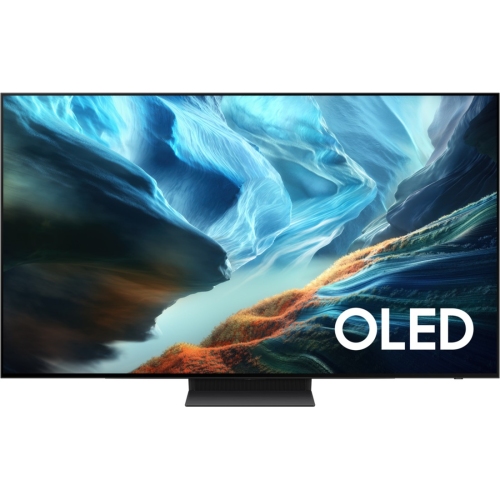
Deep blacks and rich colour in smaller spaces
42-inch OLED TVs bring the contrast and colour depth of OLED technology to a screen that fits comfortably into many bedrooms, condos, smaller living rooms, and dedicated gaming spaces. OLED stands for organic light-emitting diode: each pixel produces its own light and can switch off independently, rather than relying on a separate backlight. That pixel-level control creates deep blacks and keeps bright details sharply defined against dark backgrounds. In a film scene with a streetlamp above a shadowed pavement, the light can stand out without the broad halo sometimes visible on backlit displays. The effect is especially noticeable in a dim room, where subtle shadow detail and differences between dark shades are easier to appreciate. A 42-inch OLED TV with 4K resolution has 3840 × 2160 pixels, giving compatible content enough detail to reveal fabric textures, fine lettering, and distant scenery at closer viewing distances. Screen size is measured diagonally, so the 42-inch measurement does not describe the television’s width. A standard 16:9 screen of this size is approximately 93 cm wide before accounting for its frame; the complete cabinet dimensions and stand footprint determine how it fits on furniture. This format suits viewers who want a substantial picture without making a television the dominant feature of the room. It can also feel suitably immersive from a nearby chair while leaving room for bookshelves, speakers, or other furnishings. Wide viewing angles are another characteristic of OLED displays, helping preserve contrast and colour when someone watches from the side of a sofa rather than directly in front. Room lighting still matters: reflections from a window or a lamp opposite the screen can distract from darker scenes, and screen coatings and brightness capabilities differ between televisions. High dynamic range, or HDR, can add brighter highlights and richer colour gradations when the television and content support the same format. The resulting picture depends on the source material, picture settings, and display capabilities, not simply the presence of an HDR label.
For gaming, 42-inch OLED TVs combine a relatively compact television footprint with a picture large enough to make maps, cockpit instruments, and split-screen action easier to see. OLED pixels change state very quickly, which helps moving objects retain clear edges during fast camera turns or racing sequences. Pixel response time is different from input lag, however: a television’s game mode reduces processing delays so controller actions appear on screen more promptly. Refresh rate is another separate consideration. A native 120 Hz panel can display up to 120 frames per second from a compatible source, while some televisions support higher refresh rates under particular input conditions. Those higher rates are not universal, and reaching them requires suitable hardware, settings, and connections. Variable refresh rate can reduce tearing when a game’s frame rate fluctuates, while auto low latency mode can switch to a gaming-oriented picture setting when a compatible console signals it. HDMI input capabilities deserve attention because support for 4K at high refresh rates, HDR, and variable refresh rate can differ by port. A setup with two consoles, a computer, and a soundbar also needs enough connections, particularly if one HDMI port serves as the audio return connection. As a desktop display, a 42-inch television creates a broad workspace for large timelines, side-by-side documents, and expansive game worlds, but it takes more planning than a smaller monitor. A deeper desk gives the screen room to sit farther back, making its corners easier to scan without repeatedly turning the head. Comfortable viewing distance depends on eyesight, text size, desk layout, and personal preference rather than one fixed measurement. Clear desktop text also depends on the panel’s subpixel layout and the computer’s scaling settings; 4K resolution alone does not guarantee monitor-like text rendering. OLED televisions are often better suited to varied entertainment than to an unchanged desktop displayed for long stretches every day. Repeated, prolonged exposure to static elements, such as taskbars or fixed game interfaces, can contribute to permanent image retention. Built-in screen protection features help manage that risk, but do not eliminate it, making a mixture of films, games, and other moving content a more suitable pattern of use.
The practical appeal of a 42-inch OLED television extends beyond the panel to how naturally it fits into everyday routines. A smart TV platform can bring streaming apps, connected-device controls, and search functions together, although app support, account requirements, and accessibility features vary. Wi-Fi offers a convenient connection for streaming, while Ethernet can provide an alternative where a wired connection is practical; either approach still depends on the home network and internet service. Dialogue clarity matters as much as picture quality for a bedroom drama or an evening film, and slim television cabinets leave limited space for built-in speakers. A separate soundbar can make speech easier to follow and give soundtracks more weight. HDMI eARC can carry supported audio formats to compatible sound equipment, but both devices must support the intended features. Furniture placement should leave the lower edge of the picture and the remote-control sensor unobstructed, especially when a soundbar sits in front. Stand designs vary between central bases and widely spaced feet, so cabinet depth and usable surface width both matter. Wall mounting frees the furniture surface, provided the bracket matches the television’s mounting pattern and weight and is secured to a suitable structure. Clearance for cables and ventilation remains important even with a slim panel. OLED screens are thin and need careful handling: lifting by the frame as directed, rather than pressing on the display, helps prevent damage during setup or a move. Routine care generally involves a clean, dry microfibre cloth, with any additional cleaning method following the manufacturer’s directions; spraying liquid directly onto the screen or using abrasive cleaners can damage its finish. Leaving the television connected to power in standby when recommended allows automatic panel maintenance routines to run. For shoppers exploring a brand-specific selection, Samsung 42 inch OLED offers a related browsing option. Across this screen size, the strongest fit comes from matching picture capabilities, connections, physical dimensions, and everyday viewing habits to the space where the television will be used.
Top selling and popular products
-
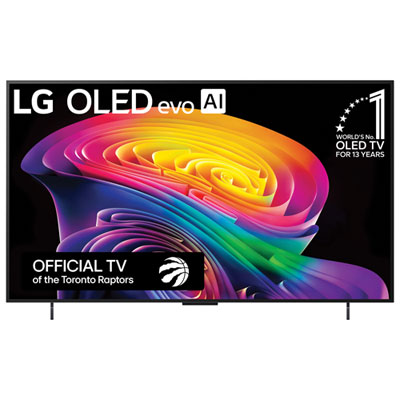 Your price for this item is $1199.99
-
 Your price for this item is $299.99
-
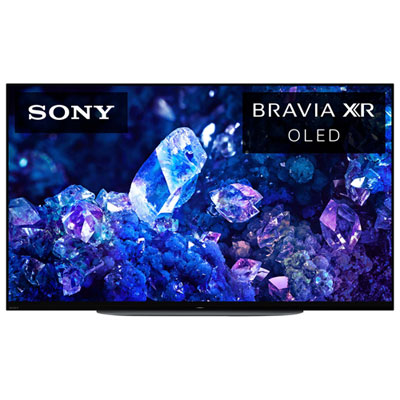 Your price for this item is $1619.95
-
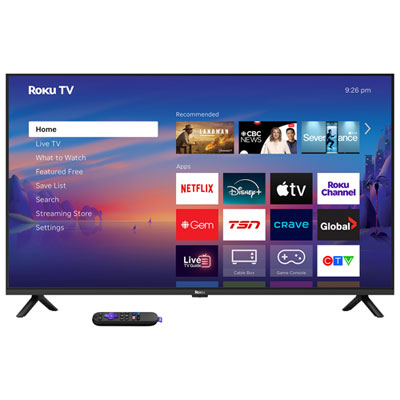 Your price for this item is $189.99
-
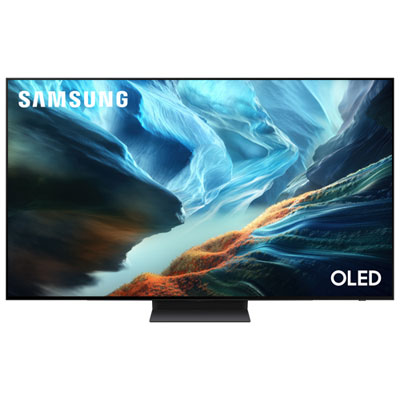 Your price for this item is $1199.99
-
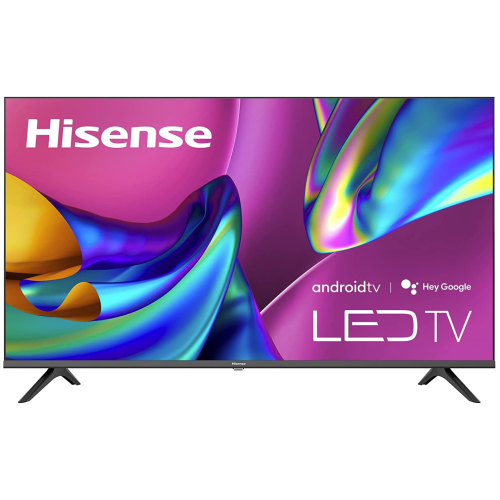 Your price for this item is $479.99
-
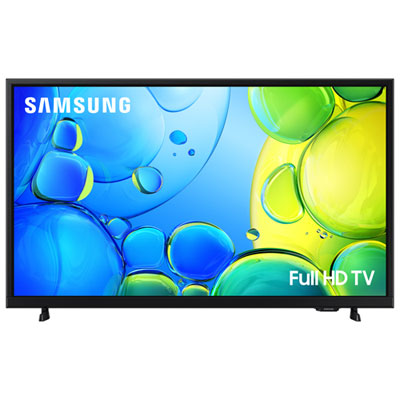 Your price for this item is $299.99
-
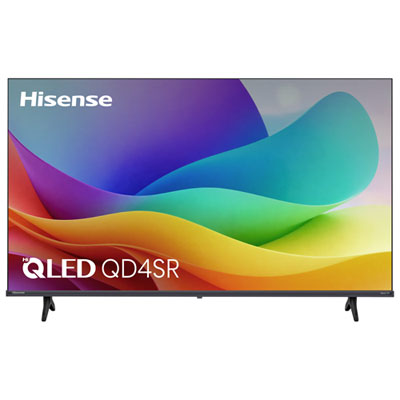 Your price for this item is $259.99
Discover more categories related to 42 Inch OLED TVs
Top Collections:
Best Black Friday Deals This Year, Best Black Friday Deals On Electronics, Kindle Devices, Pokemon Centers, Best Black Friday Deals On Apple Products, Best Cameras for Sports Photography, Dyson Airwrap, Pokémon 30th Celebration Cards, Apple iPhone 17 Pro, Canon G7X Cameras
Some products may be subject to Environmental Handling Fees
(EHF) depending on your province.
Learn more about EHFs.